Proud Canadian, Greater Toronto is my home, Husband, father, neighbour & friend. Shares & likes are not an endorsement
Joined February 2009
- Tweets 56,605
- Following 6,011
- Followers 4,718
- Likes 225,630
11,135 Photos and videos


Jay Kowal 🇨🇦🇮🇱🇺🇸 retweeted

Jun 13
Sky News retracts lies about the 1948 War camera.org/article/sky-news-… Every media "error" regarding Israel makes Israel look bad. I have yet to see an error that made Israel look good. When they report accurately, Israel looks good. That's why they lie. Agenda.
7
44
232
4,397
Jay Kowal 🇨🇦🇮🇱🇺🇸 retweeted

19h
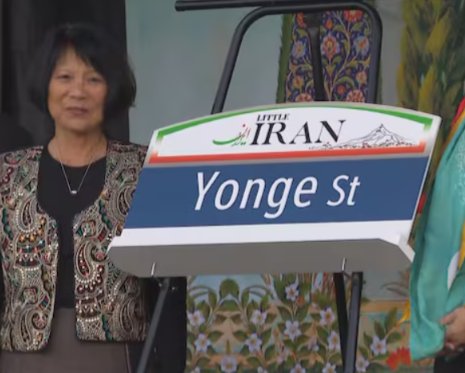
Brave Iranian woman stands up to pro-IRGC thugs in Toronto who then berate her for showing her belly.
Of course @TorontoPolice remove the Iranian woman defending her freedoms than those harassing the freedoms enjoyed.
380
1,087
7,824
683,385
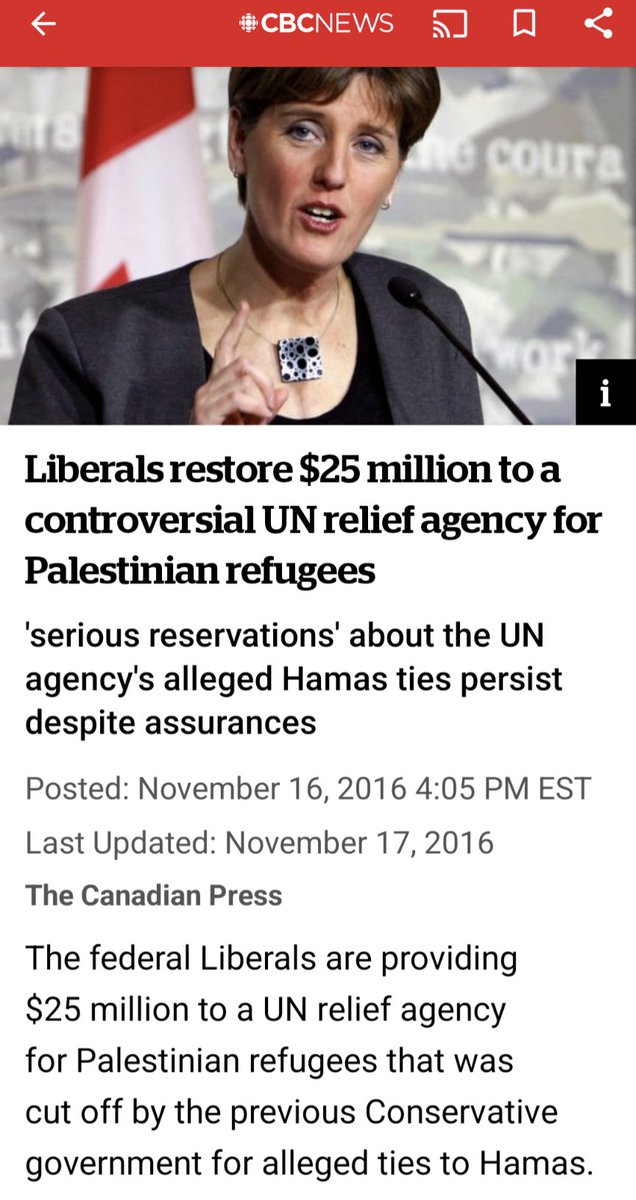
RT @EylonALevy: We told you.
We warned you.
Nobody wanted to listen.
The idea of a UN agency hijacked by Hamas was too monstrous to imag…
758
Jay Kowal 🇨🇦🇮🇱🇺🇸 retweeted

Jun 12
In Canada, we celebrate the overpaid bureaucrat who makes six figures to do next to nothing while demonizing the entrepreneurs and business people who generate the dollars required to pay that bureaucrats salary.
So many of our problems stem from this mentality.
35
236
1,377
22,377
Jay Kowal 🇨🇦🇮🇱🇺🇸 retweeted

Jun 12
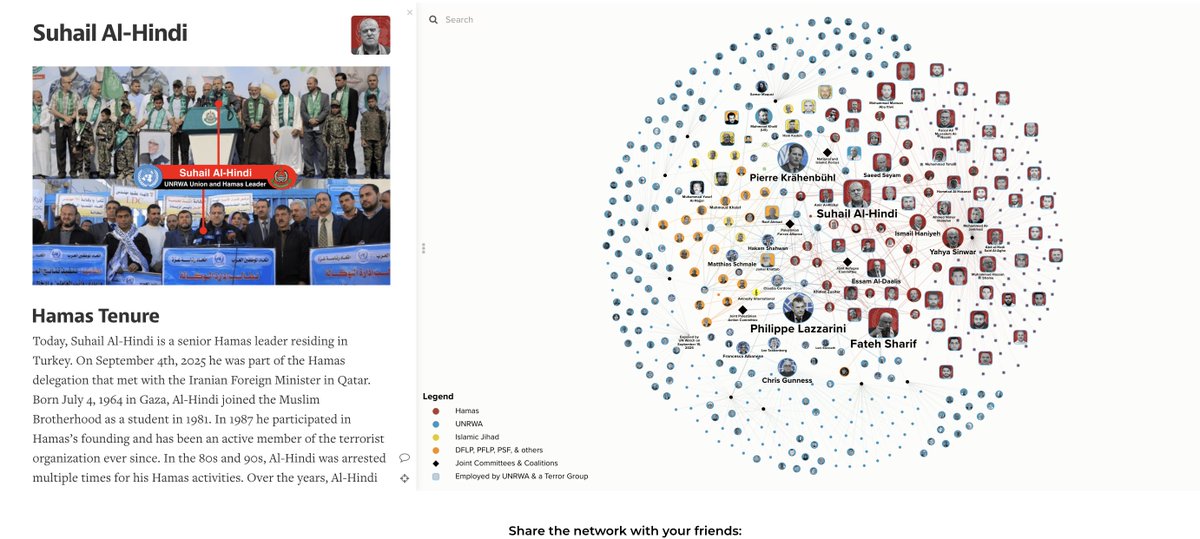
BREAKING: UNRWA just fired 70 employees in Gaza over their ties to Hamas, in wake of UN Watch's latest revelations and the investigation by the U.S. Inspector General of USAID.
See our new UNRWA Terror Network map here, identifying 400 culprits: unwatch.org/unrwa-terror-net…
238
2,892
7,526
248,769
Jay Kowal 🇨🇦🇮🇱🇺🇸 retweeted

Jun 12
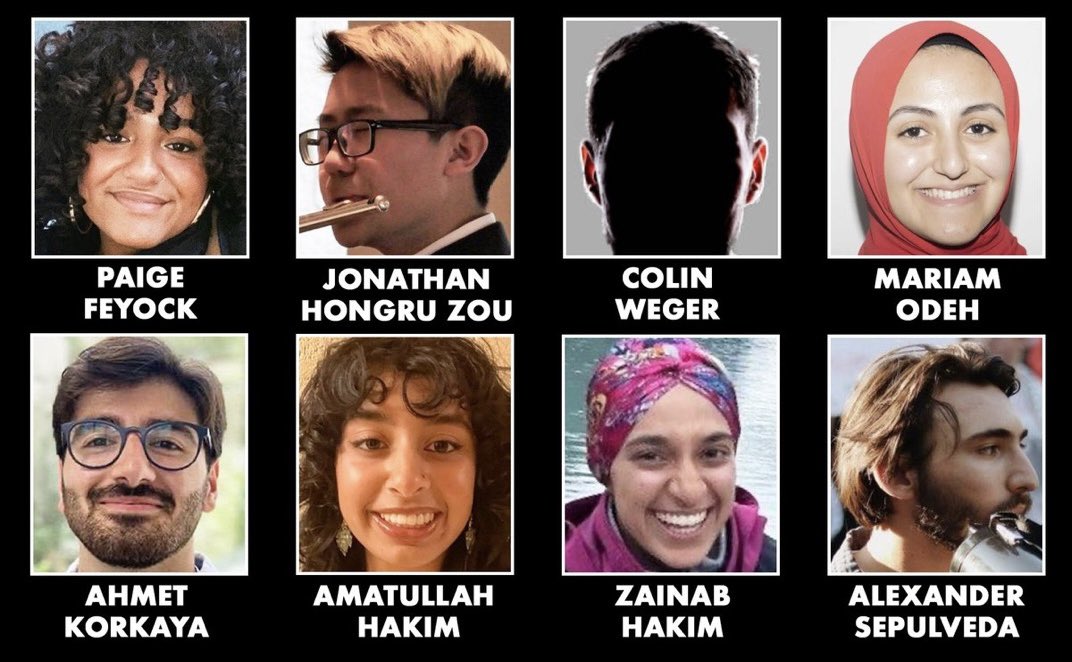
HORRIFYING: Eight pro-Palestinian students at the University of Michigan have been indicted for allegedly vandalizing the homes of and plotting to poison and murder members and families of the local Jewish and pro-Israeli community.
The opposite would never happen, but can you imagine if it did? The country would be in an uproar. Unfortunately, the extreme violence and terrorism of the pro-Palestinian movement have been too normalized.
Even worse, one of them is a former staffer for Abdul El-Sayed, the Muslim candidate for Senate in Michigan.
They are now facing up to 20 years in prison.
415
3,754
8,223
132,909
Jay Kowal 🇨🇦🇮🇱🇺🇸 retweeted

No other major energy-producing country imposes a comparable policy burden on its natural gas sector.
fraserinstitute.org/commenta…
4
47
91
4,539
Jay Kowal 🇨🇦🇮🇱🇺🇸 retweeted

Jun 12
A Toronto Police Officer Is Dead, a Toronto Jail Official Was Marked for Murder, a Hells Angel Was Indicted as Tehran's Hired Gun: Inside Canada's State-Cartel Violence Marketplace thebureau.news/p/a-toronto-p…
23
462
1,012
106,217
Jay Kowal 🇨🇦🇮🇱🇺🇸 retweeted

Jun 11
JAW-DROPPING
The Liberal Chair of the health committee abruptly shut down the meeting and RAN OUT of the room.
Liberal MPs just killed any chance of a PrescribeIT investigation.
I'll bet they keep the committee cameras turned off for months.
This is a blatant abuse of power.
180
1,486
3,560
61,948
The renewable energy lie is that it's simple to transition to wind and solar without recognizing we need 10x the mining extraction to replace fossil fuels with wind and solar. We don't have the mining capacity to meet the goals
Jun 13

The world's clean energy transition represents a colossal expansion of the world's mining industry.
To catch a diffuse energy source like sunlight or wind needs an unprecedented volume of physical machinery. A single solar farm requires roughly 30 times more total metal infrastructure than a conventional gas plant. We aren't moving away from mining; we're swapping enormous oceanic drilling rigs for vast open-cut metal mines.
The demand for heavy mining and rare earths is just as compelling as the downstream e-waste crisis, but the numbers are even more staggering. While solar cells rely heavily on high-purity silicon, silver, and copper, the broader 'green infrastructure' ecosystem demands far more.
The EV motors, wind turbines and massive national grids required to tie intermittent solar together are entirely dependent on an unprecedented surge in heavy mining and rare earth extraction.
This physical mining demand has simply exploded with the shift from conventional fossil fuel energy generation to wind and solar. Because wind and sunshine are so diluted and diffused, harvesting them requires a massive physical footprint, necessitating endless extra acres of complex machinery.
This translates into heavily vandalised landscapes and grotesque coastal settings. According to the IEA, replacing them world's fossil-fuel system with renewables increases the total volume of materials requiring extraction and handling by a factor of 10.
Solar alone is exceptionally copper-intensive, using roughly 850 kg per megawatt for intricate grid connections, inverters and cabling. Renewable energy is projected to drive 45% of total global copper demand by 2030. Yet, developing a new major copper mine takes an average of 16 years from initial discovery to first production.
The world faces a massive demand spike for a metal where the supply chain is notoriously slow, costly, and inflexible.
Solar panels don't use much in the way of rare earths, but wind turbines and the electric vehicle motors that back up the low-carbon shift are hungry for permanent magnets made from neodymium, praseodymium and dysprosium. Processing these elements involves intensive chemical leaching that produces vast amounts of toxic and radioactive wastewater.
Compounding the problem, China controls roughly 60–70% of the extraction and up to 90% of the refining for these specific elements.
This has created a massive geopolitical bottleneck.
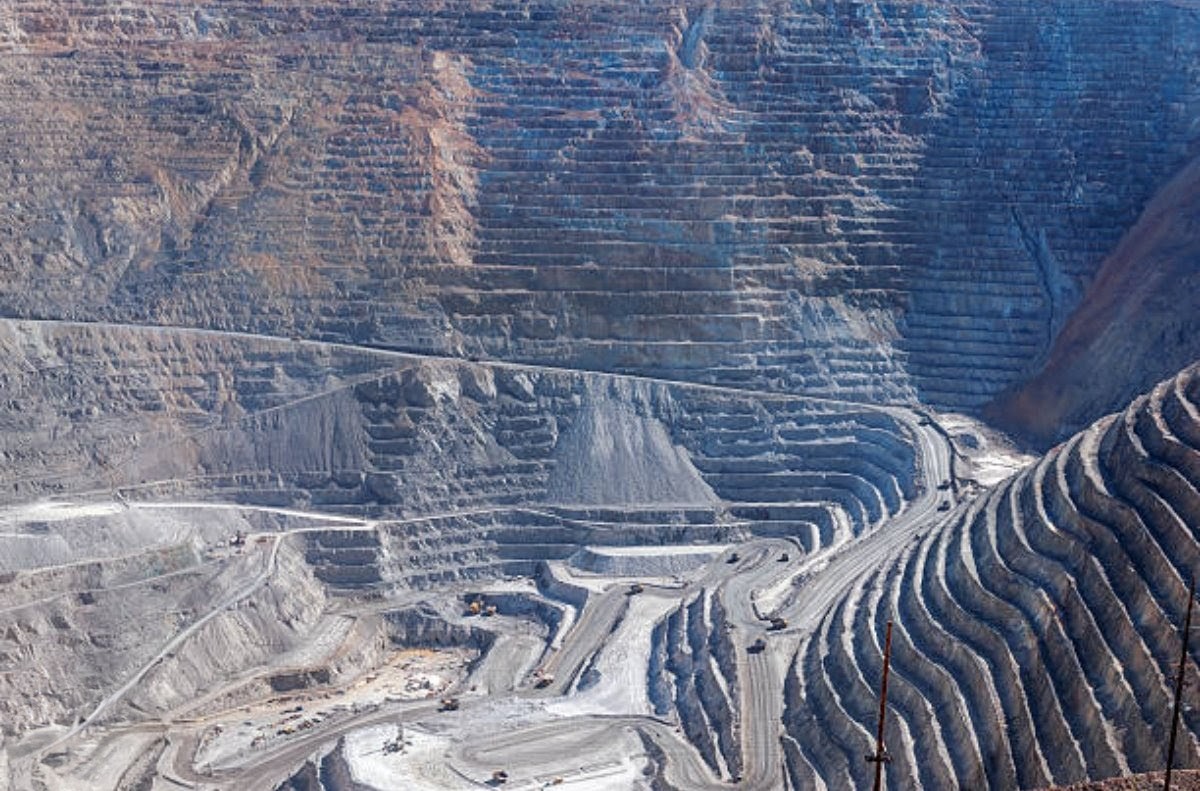
Image: this massive chasm is the Bingham Canyon Mine (also called the Kennecott Copper Mine) just outside Salt Lake City, Utah. It is one of the largest man-made excavations on Earth and the deepest open-pit mine in the world, stretching 4 kilometres wide and more than a kilometre deep.
4
74
Jay Kowal 🇨🇦🇮🇱🇺🇸 retweeted
Jun 11
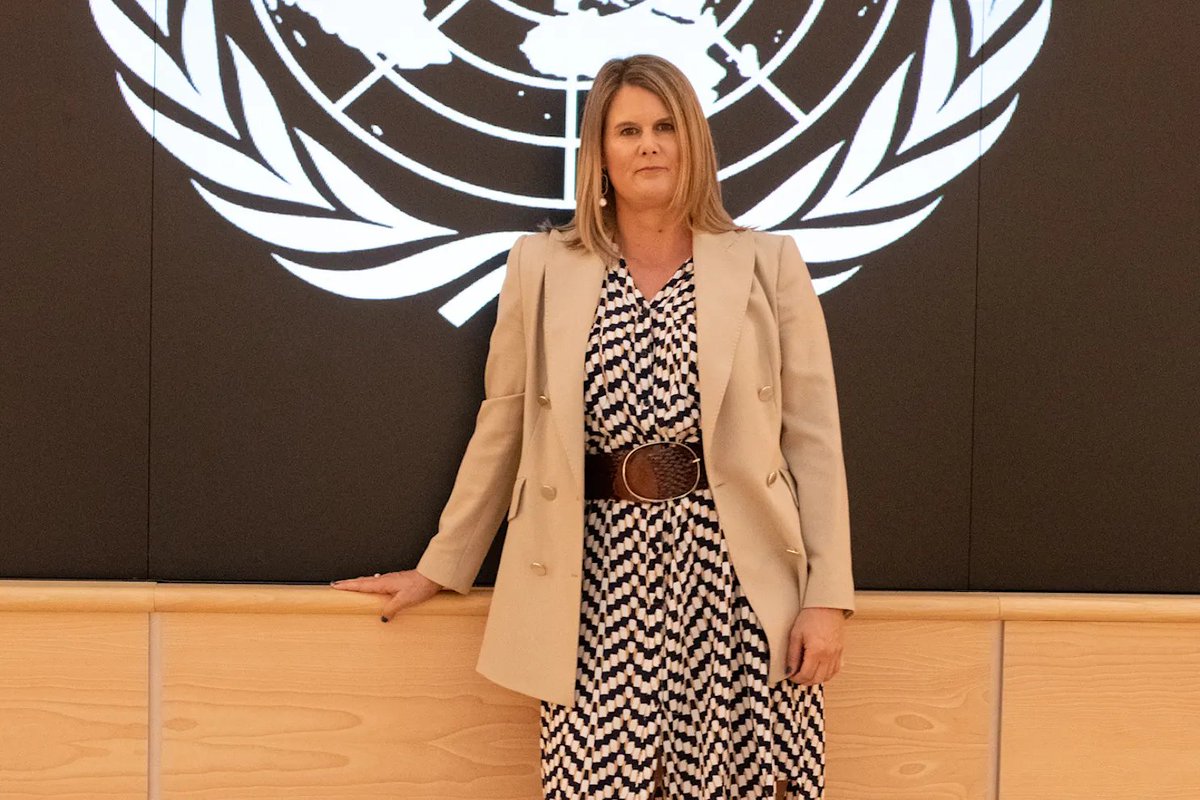
U.N. insider now confirms what I had heard then: among the 86 UN human rights experts, Francesca Albanese had led a group of pro-Hamas U.N. special rapporteurs that bullied others into signing joint statements accusing Israel of genocide, and whitewashing Hamas atrocities.

BREAKING: Alice Edwards, one of only two UN rights experts to sign a letter on the Oct. 7 atrocities, says “There was a campaign [by other rapporteurs] to prevent that letter going out. Weeks of being bullied and deterred from writing it, telling me everything in it was false.”
79
1,973
5,681
91,529
Jay Kowal 🇨🇦🇮🇱🇺🇸 retweeted
Jun 12
Don't think we didn't notice your use of "murdered" to describe Israel's actions, but "killed" to describe Gaza's actions (not to mention active vs. passive voice). U also omitted that, as Gaza did on 10/7, Hezbollah attacked Israel on 10/8. In your warped brain, it only starts when Israel fights back.
2
2
26
272
Jay Kowal 🇨🇦🇮🇱🇺🇸 retweeted

Jun 12
You have absolutely disgraced yourself publishing this, globe.
We all clearly don’t hate the media enough.
Jun 11

Opinion: SpaceX IPO makes Elon Musk the first trillionaire. Here’s how to properly hate him theglobeandmail.com/business…
468
1,361
17,599
832,813

Jun 12
The New Liberal Government funded media want to hide the fact that the cop's murder was tied to Iran, Hamas and their Islamist proxies
Jun 11

Toronto Police Officer Killed in Raid on Suspects in March Attack on United States Consulate — a Shooting US Prosecutors Allege Was Directed by Iran’s Revolutionary Guard Proxy Network thebureau.news/p/toronto-pol…
1
4
14
342
Jay Kowal 🇨🇦🇮🇱🇺🇸 retweeted

Jun 11
The #IRGC are directing attacks on 🇨🇦 soil that have resulted in the killing of a @TorontoPolice officer.
Is the 🇨🇦 govt going to just turn a blind eye or will they act with the forcefulness & seriousness this deserves?
Find every IRGC agent and proxy, arrest them—deport them.
Jun 11
Toronto Police Officer Killed in Raid on Suspects in March Attack on United States Consulate — a Shooting US Prosecutors Allege Was Directed by Iran’s Revolutionary Guard Proxy Network thebureau.news/p/toronto-pol…
65
547
1,671
26,265
Jay Kowal 🇨🇦🇮🇱🇺🇸 retweeted

Jun 11
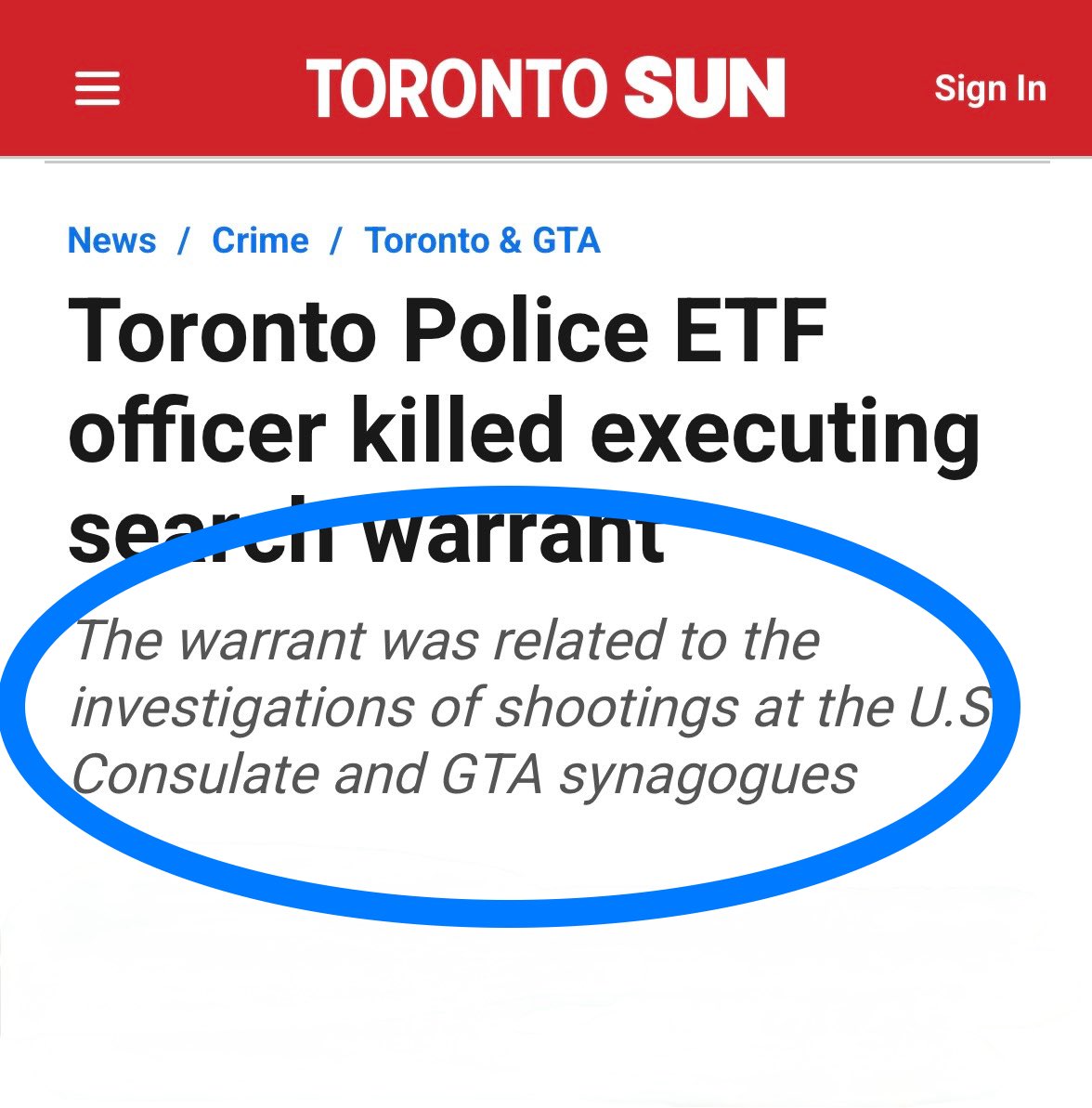
Funny how no one but the Sun wants to mention this….
I heard a pre interview being given to the CBC on this and the source was called back and told the hit was cancelled. Appeasers better wake up. You can only conceal what’s happening for so long.
Jun 11

16
121
462
17,421

Jun 11
This world is a darker place without him fighting for it. May his memory be a blessing

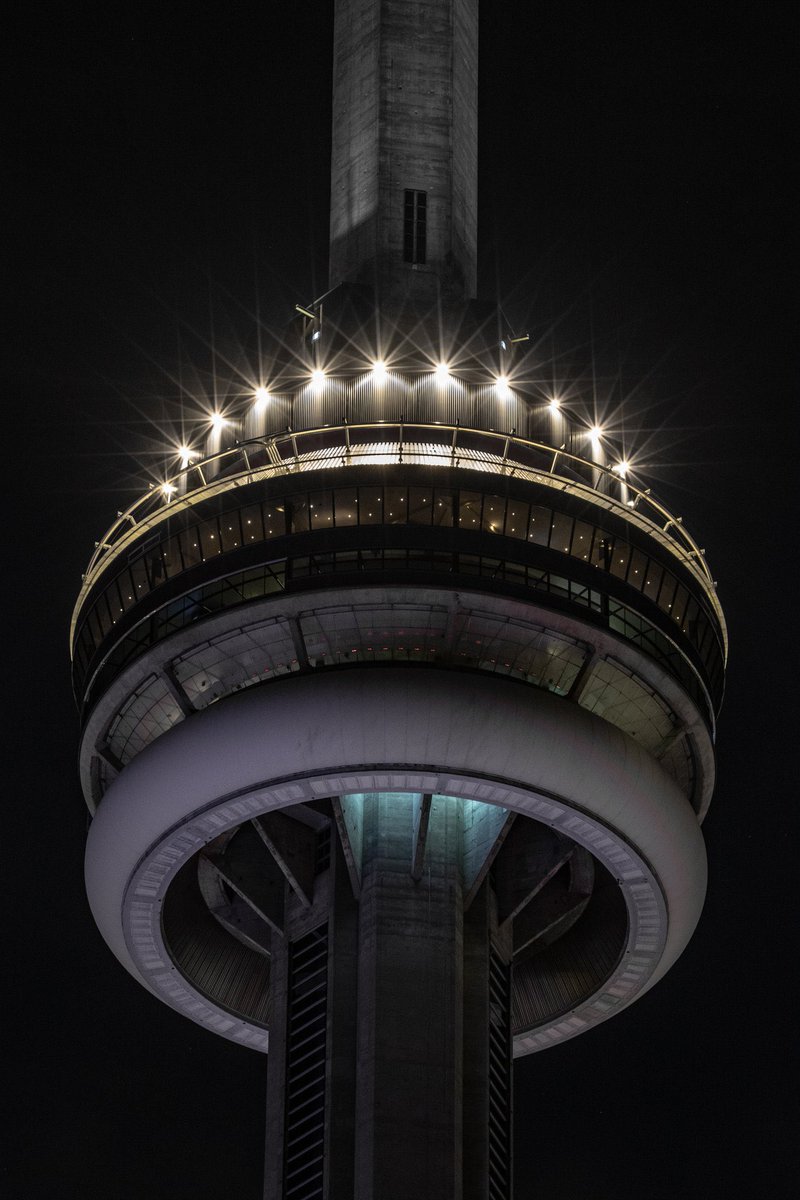
Tonight the #CNTower will dim for the first five minutes of every hour in honour of @TorontoPolice Constable Marc Pinizzotto, who died in the line of duty
4
92
Jun 11
RT @terrynewman: Our PM should be making a statement right now reassuring Canadians that all IRGC-linked individuals here will be quickly f…
40
1
Jay Kowal 🇨🇦🇮🇱🇺🇸 retweeted

Jun 11
Did terrorists just kill a cop in Toronto? A police officer in Toronto was killed today during a search warrant operation related to the shooting at the US Consulate last March — the one many suggest was connected to an Iran-backed terrorist group.
theglobeandmail.com/canada/a…
29
72
250
34,718