303 Photos and videos

Pinned Tweet

4 Dec 2020
Life is one big road with lots of signs. So when you riding through the ruts, don't complicate your mind. Flee from hate, mischief and jealousy. Don't bury your thoughts, put your vision to reality. Wake Up and Live!
2
4
18
Kunle Ayomide Daniel retweeted
🙏🏽

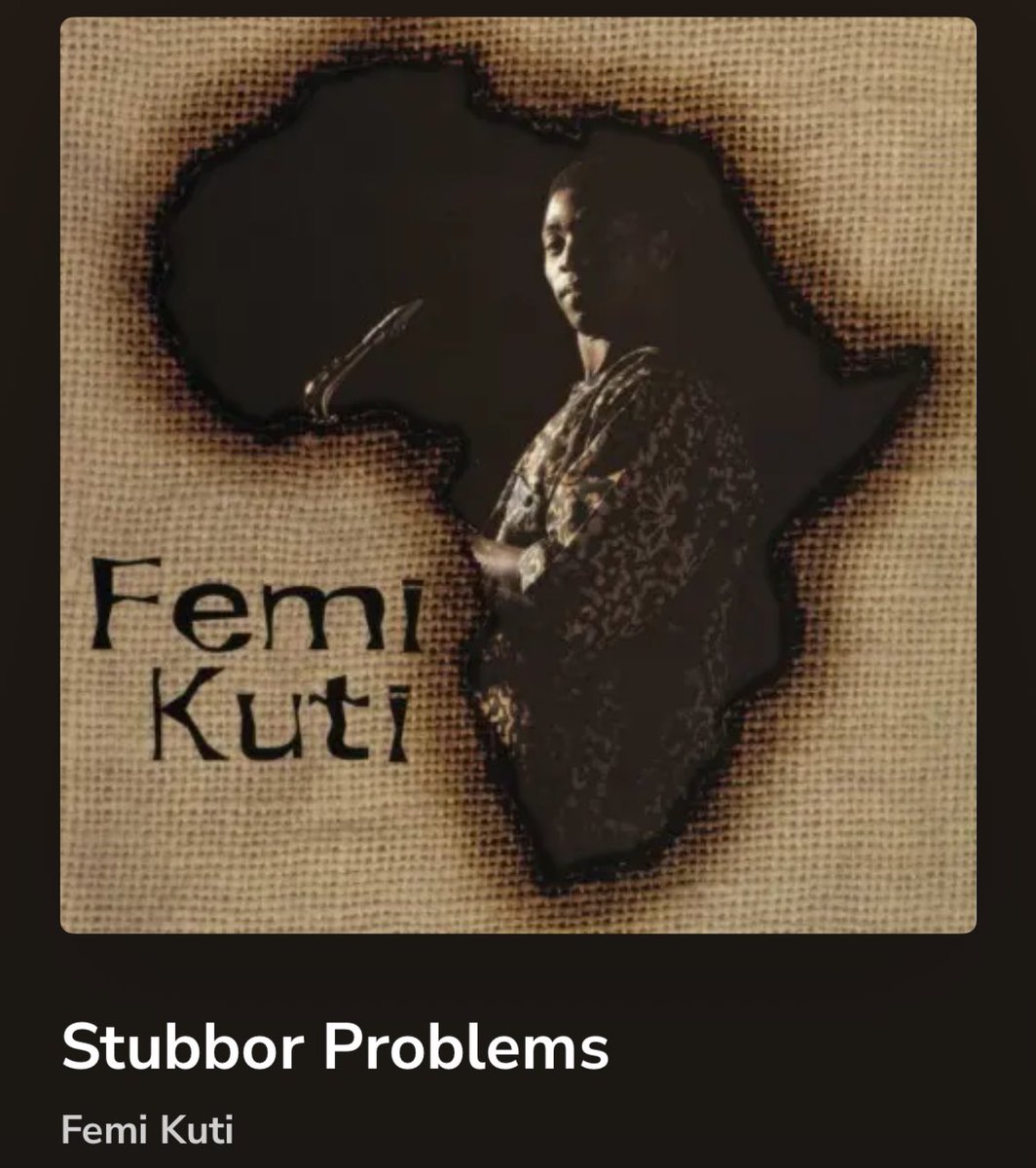
Happy 64th birthday to the King of Afrobeat, the Chief Priest of the New Afrika Shrine and my all time favorite artiste @Femiakuti ! The continent is blessed to have you . Egbe Wain Wain, Shoki .🎷 🎺
1
3
179
Happy 64th birthday to the King of Afrobeat, the Chief Priest of the New Afrika Shrine and my all time favorite artiste @Femiakuti ! The continent is blessed to have you . Egbe Wain Wain, Shoki .🎷 🎺
194
Kunle Ayomide Daniel retweeted

Jan 25
Femi Anikulapo Kuti @Femiakuti performing “Beng Beng Beng” at the North Sea Jazz Festival in 1999. The song was banned by the Nigerian Broadcasting Corporation during the military era, and the ban was upheld under the Obasanjo administration.
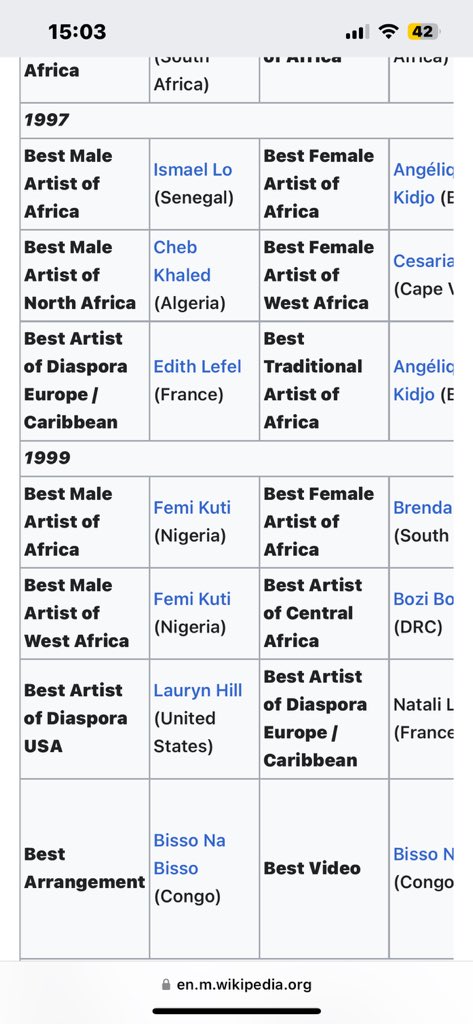
Despite this, the song became a massive hit outside Nigeria, contributing significantly to his success at the KORA Awards and beyond.
It’s also worth noting that Egbon Femi Kuti has been touring internationally with his band, Positive Force, since 1988, consistently performing every year. #Legend ✊🏿❤️
161
1,239
5,905
227,971
Kunle Ayomide Daniel retweeted

Jun 4
In the future cars will run on water. At BankPHB we are already thinking of it
78
193
857
89,270
Kunle Ayomide Daniel retweeted

May 29
“When I fell ill, I had 6 cars in my garage, but now I have only 1.
I even gave one of my Range Rovers to a staff member.
You may have 99 problems, but the moment you have health problem , all your problems become one.”
— Mr Farooq Oreagba.
88
1,210
10,805
427,816
Kunle Ayomide Daniel retweeted

May 24
Arsène Wenger will never be surpassed. We are a club of class. Every winning manager has contributed something to our story.
Did Arteta build us a stadium, keep up financially competitive by staying top 4 year in and out despite not having strong players or sacrifice his own prospects and endure the leagues ridicule for years just for the sake of our club?
There is only one Arsène.

if we win the Champions League, does Mikel Arteta overtake Arsene Wenger as the greatest Arsenal Manager of all time?
9
307
757
55,967
Kunle Ayomide Daniel retweeted

May 24
The rush to own a house in Nigeria has never been driven strictly by investment logic. Historically, it has been driven by uncertainty, by the fear that once the breadwinner’s income dips, or once he dies, his dependants may be left exposed. That is the context in which Nigerians rush to own property. Those who can afford more even go as far as building houses for rent, because even when it is not the most profitable economic venture, it is the only form of hedging most Nigerians know or trust.
At the heart of this mindset is also the awareness that there is no welfare system strong enough to protect one’s dependants. So breadwinners do what they feel they must do.
This same instinct plays out across the country, even in public service. Officeholders rush to divert public resources entrusted to them in order to acquire property for themselves, aware that the “opportunity” may not return, and that there is no reliable welfare system to cushion them when the income stops. In fact, their families and friends are often the first to remind them of this. In the end, personal financial security is prioritised over public welfare, and this is partly why we are where we are: a country with one of the widest inequality gaps on the planet.
Those who argue against the wisdom of spending one’s savings to build a house are often speaking from a different reality. Some have lived abroad, where the desperation of the struggling class to own property is not always considered a smart move. Others are financially informed enough to know there are better investment options than dumping all one’s money into property while denying oneself a decent life. But Nigeria is a breadwinner’s nightmare. Every day, you live with the fear that your dependants may not be able to afford the next rent if your income, or your existence, stops.
Where I draw the line is in building a mansion that nobody in your family can maintain after you are gone. I have seen this happen in Abuja, where families had to sell a large family house just to buy a smaller, more manageable one to live in.
So, perhaps both sides of the argument can agree on where to draw the line. Owning a house in Nigeria is not a black-and-white matter. It is not always the smartest investment, but it is often the most emotionally and socially understandable one.
33
381
846
48,272
Kunle Ayomide Daniel retweeted

May 21
The Arsenal fanbase in Nigeria really exploded in the late 90s with the arrival of Arsène Wenger. For some people then, the attraction even started from something funny and poetic — Arsène simply sounded like Arsenal.
But what truly turned the fanbase into a movement were two major things: the Nwankwo Kanu factor and the rise of the great Thierry Henry ,our very own Igwe.
Kanu gave Nigerians emotional attachment, while Henry gave us swagger, class, goals, and pure arrogance on the pitch.
But for me, it was always about Wenger.
The man changed football philosophy entirely — expressive football, beautiful passing, intelligence, technical quality…
Wengerball hooked some of us for life.
No going back ❤️🔴
81
446
1,506
29,751
Kunle Ayomide Daniel retweeted

May 20
Again, the apparent laziness of many media practitioners and outlets is coming to the fore: it is grossly incompetent to simply describe Michael Ndika as "Niniola's husband", especially when 98% of YOU didn't know they were married before her post.
Naija Review was his own person and a successful music exec in these parts. It is lazy work to focus only on the husband bit. He may have been that, but he was a lot more. You will be doing his memory, and even HER grief, a lot of injustice if you do not obituarize him correctly. Please try.
5
55
96
16,649
Kunle Ayomide Daniel retweeted

May 20
Michael was not just Niniola's manager/husband.
He was a legend. An OG. One of the people who was in the game before many even knew there was a game.
Michael created @naijareview. This was back when music blogging was still a thing, before “Afrobeats to the world,” before the global spotlight, before the industry became what it is today. He was already there, giving Nigerian artists a platform and pushing Nigerian music with real commitment.
@naijareview was instrumental in creating space for music promotion, management, discovery, and distribution. Michael did the work behind the scenes, and a lot of young Afrobeats fans today may not fully understand how much people like him helped build the foundation this industry now stands on.
The industry has lost a pioneer. A true legend. Someone who gave so much before the applause came.
Rest in peace, Michael. You deserve your flowers, even in passing. My deepest condolences to Niniola, his family, and everyone in the industry who knew and loved him.
11
179
592
153,788
Kunle Ayomide Daniel retweeted

May 19
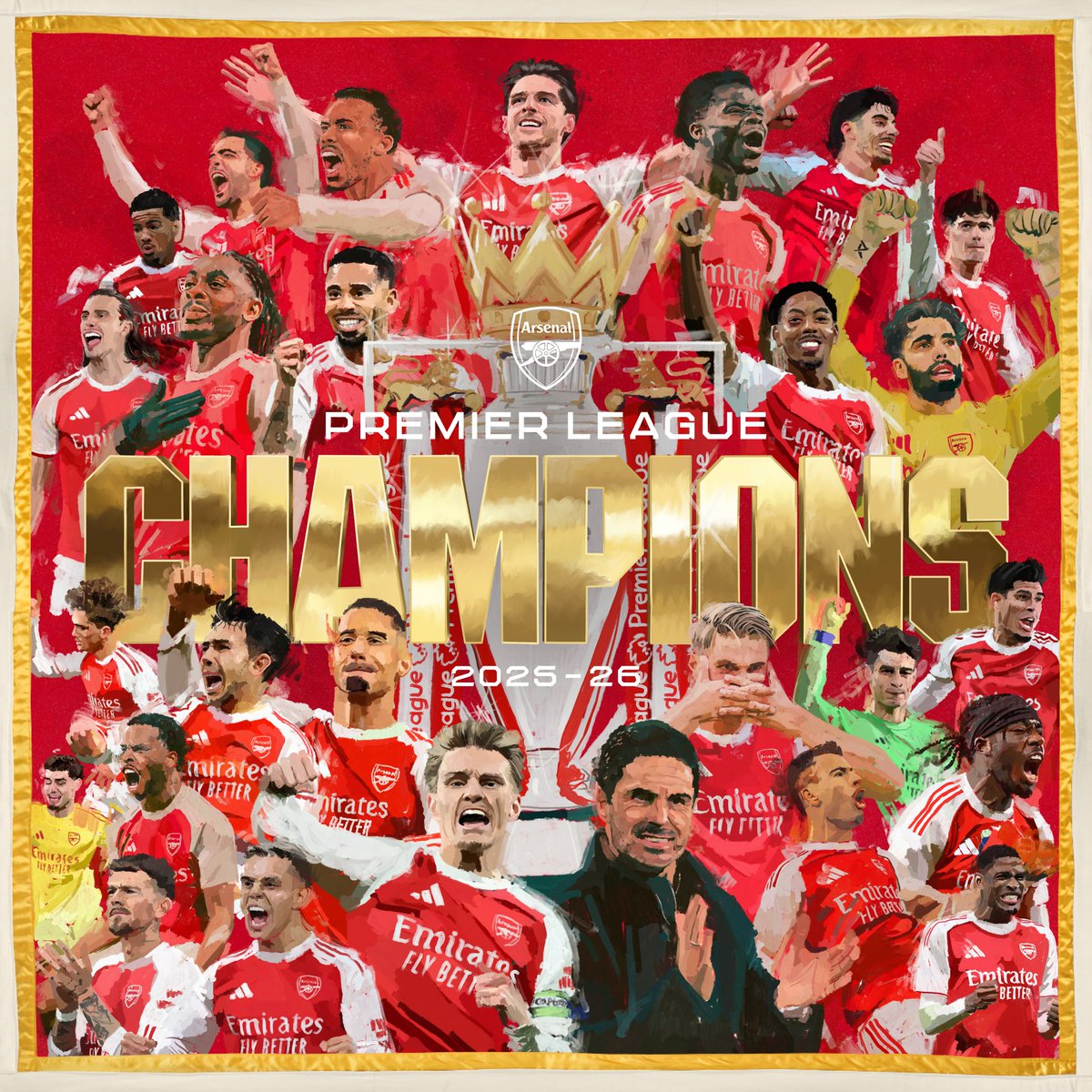
Dedicate this Premier League Title to
Temisan Okomi
Basanya Babatunde Kabiru (Stone)
Obi Zenas.
I know you guys are celebrating!!!
Keep Resting Guys...We Love you
#ARSENALCHAMPIONS
43
164
441
4,903

Kunle Ayomide Daniel retweeted

May 17
Professor Wole Soyinka has published over 100 books.
In his over 90 years on earth, he has shown me that you should never stop.
When he read my book, Lemon Grass, he sent me an email, saying: “Should let you know that I enjoyed the latest product of your wild imagination on the way home. Flight delay in Abidjan enabled me to complete reading it. The stylistic verve reminded me of Ishmael Reed - did you ever run into his works? He was also sui generis. He sort of faded out after the US Black revolution of the sixties into seventies and, so I'd be very much surprised if you'd encountered his writings.”
He is well-read and has worked so hard, that there is no one like him.
This is him in the 60s in the video. Still the same.
17
276
1,055
44,799
RT @BENDANCERNG1212: IT IS OFFICIAL NOW……..GUINNESS WORLD 🌎 RECORD OFFICIAL ATTEMPT .
#bendancerng #trending #gwr #guinnessworldrecord #s…
4
Kunle Ayomide Daniel retweeted

Mar 5
I really appreciate timi agbaje's content lmao.
1
24
Kunle Ayomide Daniel retweeted

May 1
Commitment ft. @TiwaSavage 😮💨💫 An absolute pleasure working with you on this song, Tiwa 🩵 The energy you brought to it is next level 🔥
60
569
2,314
71,512
Kunle Ayomide Daniel retweeted

Apr 28
Took my friends beyond the Lagos Island to experience the real city.
From Agege’s iconic mural walls and fresh Agege bread, to the vibes at New Afrika Shrine where Made Kuti was rehearsing live, it was pure magic. We wrapped up with amala & ewedu, then hit the streets at night for suya, markets, and that authentic Lagos energy.
They came with one idea of Lagos… but left seeing a vibrant, warm, and beautiful city full of life.
Mainland Lagos is different and it has so much to offer. Tomorrow: Epe. Who’s joining?
#lagosexperience #lagosnigeria #agege #fela
22
162
636
13,156
Kunle Ayomide Daniel retweeted

Apr 26
1
21
78
1,746
Kunle Ayomide Daniel retweeted

Apr 26
“Yoruba is a very difficult language, I wouldn’t recommend it for my fav scholar. Hausa is looser than Yoruba, and Igbo is a little bit more torturous than Yoruba but nothing compares to the musicality of Yoruba, Yoruba sings. Some people are just tone d£af”
- Prof Woke Soyinka
203
1,488
7,597
610,963