I like chocolate. Also at jcccf@mastodon.social
Joined June 2008
- Tweets 461
- Following 109
- Followers 614
- Likes 56
68 Photos and videos
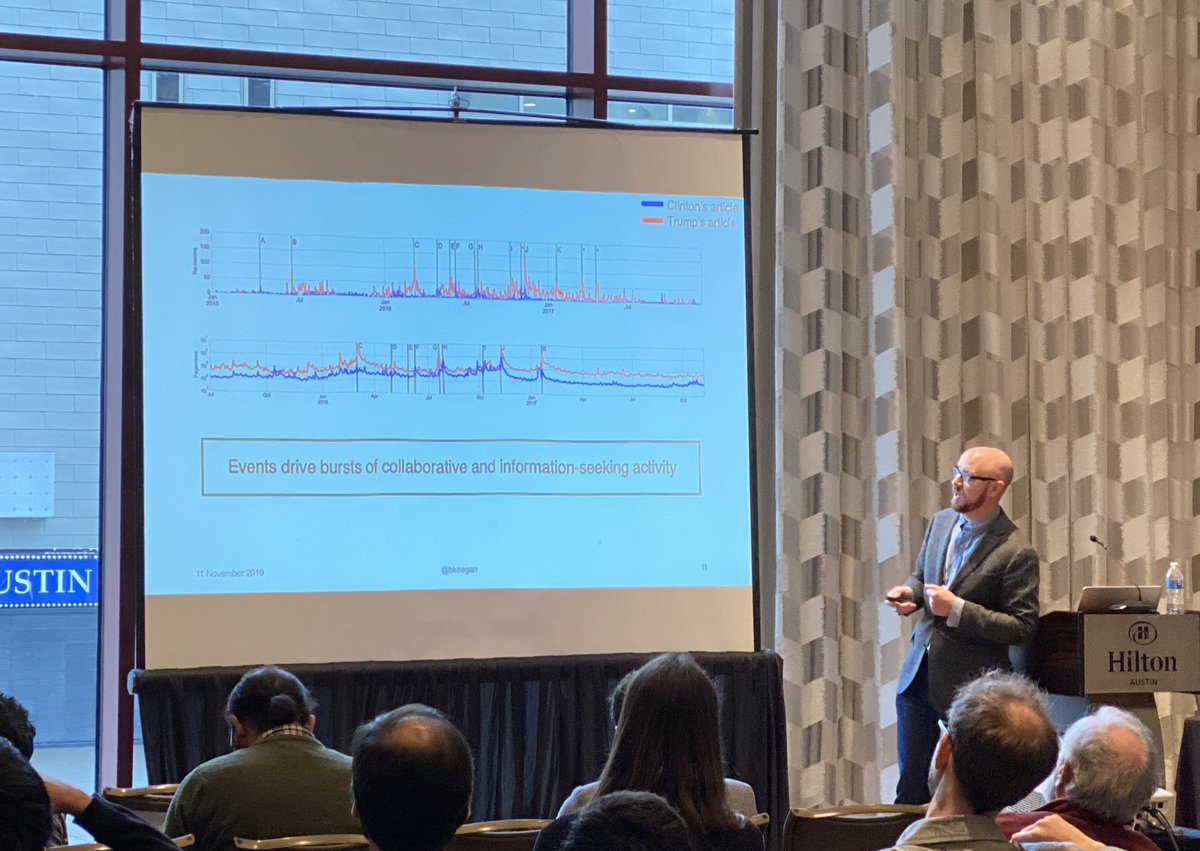

6 Jul 2022
Here's a blog post summarizing @manoelribeiro's research on post approvals in online communities! To paraphrase a key takeaway, "post approvals creates communities centered around fewer, higher-quality posts". research.facebook.com/blog/2…
2
Justin Cheng retweeted

2 Jun 2022
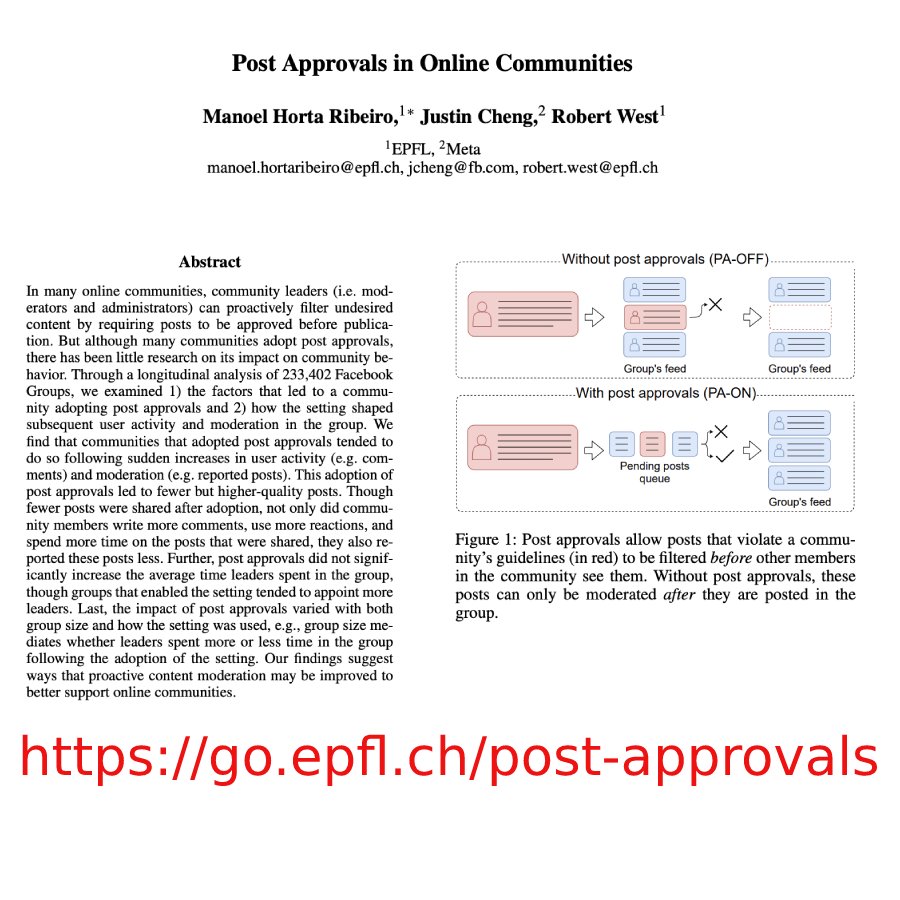
In our latest @icwsm paper, we study how proactive moderation impacts groups on Facebook. We do so by studying a feature called "Post Approvals," popular among groups that seek to ensure a high standard of quality for all their posts
🧵arxiv.org/abs/2205.03258
2
23
75
Justin Cheng retweeted

7 Dec 2021
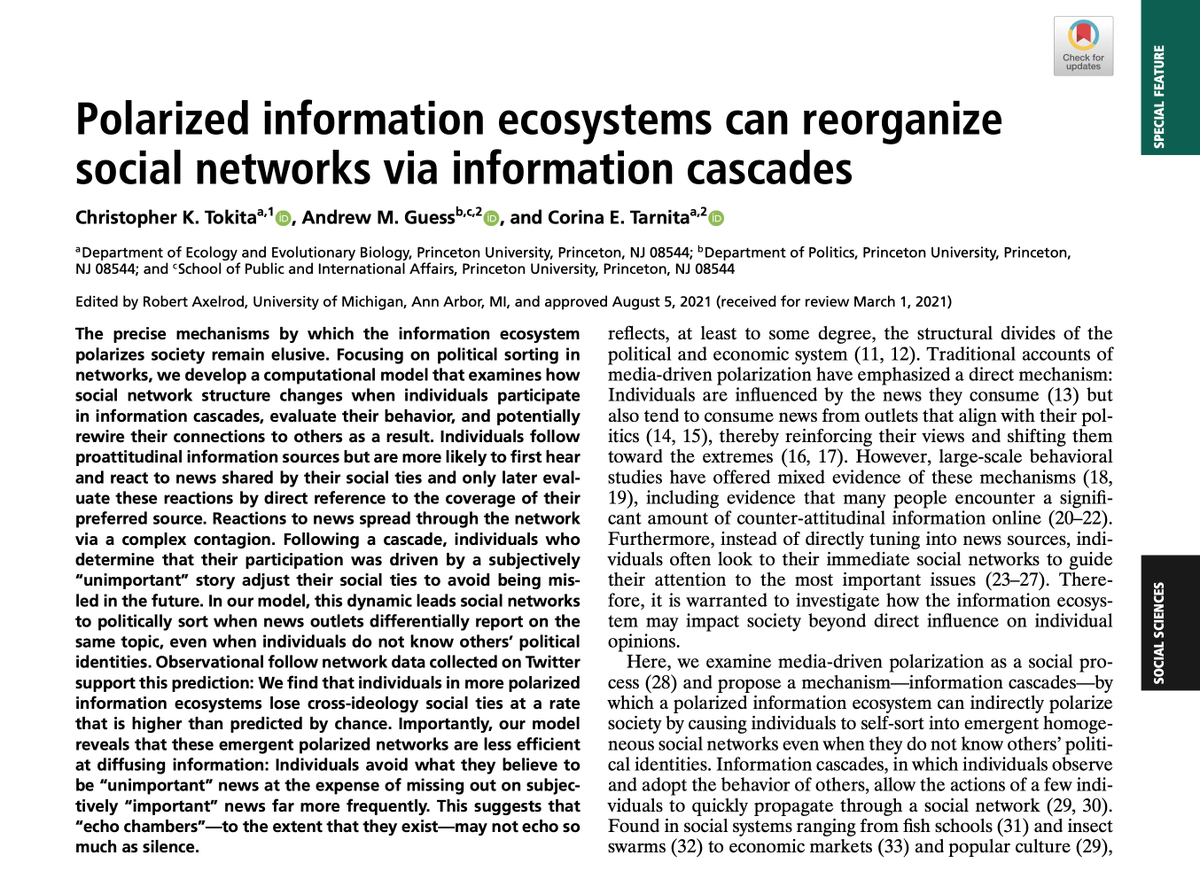
Our paper is out in @PNASNews (w/ @andyguess, C. Tarnita):
Using a model & Twitter data, we show that polarized news coverage can lead people to unwittingly sort their social networks along political lines, even w/o knowing their friends' politics! 1/🧵⬇️ pnas.org/content/118/50/e210…
4
66
289
Justin Cheng retweeted

4 Dec 2021
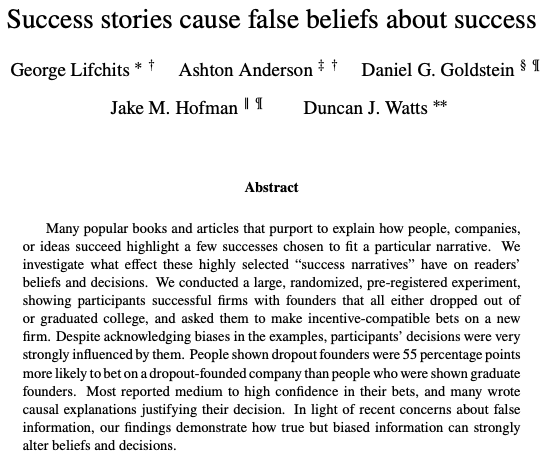
Awesome new paper from some of my favorite researchers. They designed a very nice experiment and this punchline is 💯: Dealing with a biased sample is challenging for statistical models AND mental models of the world. journal.sjdm.org/21/210225/j…
2
54
301
8 Feb 2021
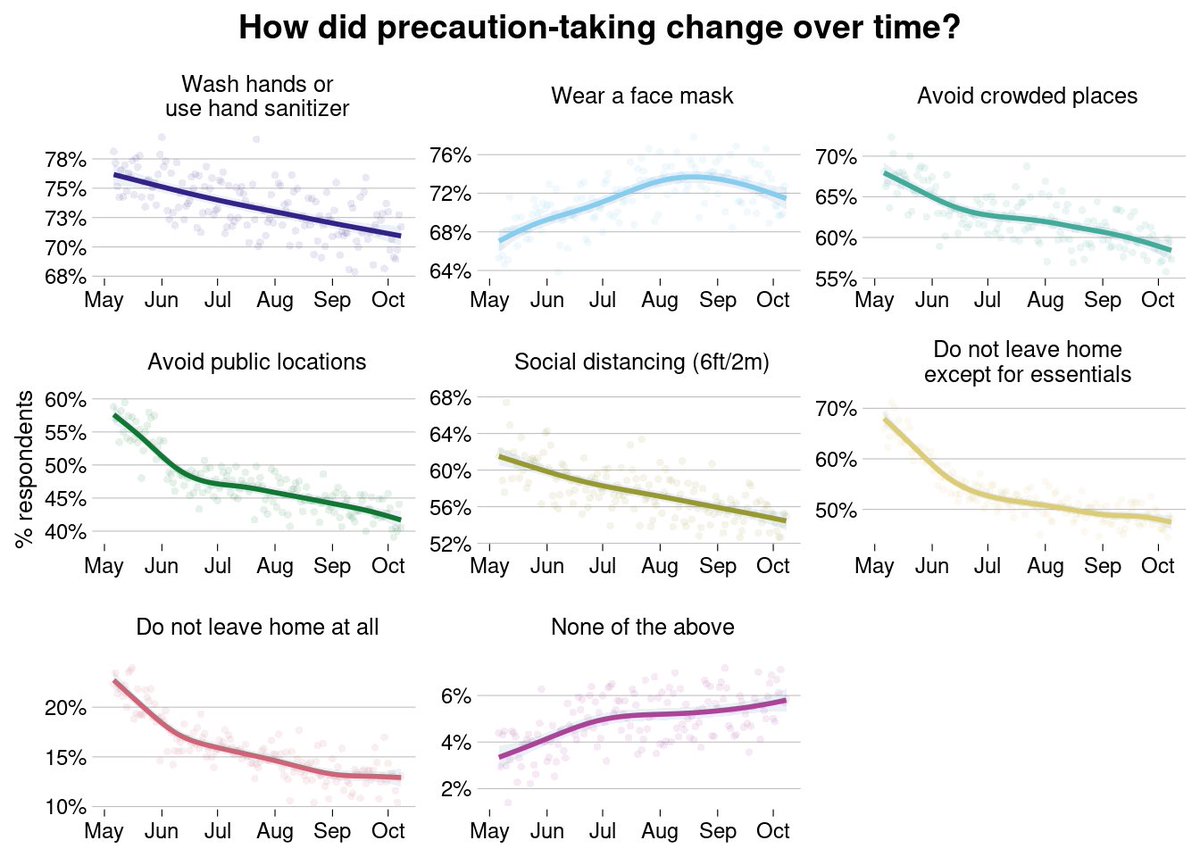
How did COVID-19 precaution-taking change over time? We wrote a blog post detailing some findings. research.fb.com/blog/2021/02…
1
2
8 Feb 2021
From May to October 2020, people around the world were less likely to take precautions over time.
1
21 Oct 2020
How does social comparison on social media vary by country? research.fb.com/blog/2020/10…
#CSCW2020
1
12
Justin Cheng retweeted

11 Sep 2020
What does it mean to make causal inferences about conversational behaviours? Why does that matter, why's it difficult, what would it take to get there? My #CSCW2020 paper w/ @m_sendhil & @Cristian_DNM takes a step towards addressing these questions bit.ly/2FbwwOv [1/]
3
29
133
9 Sep 2020
If you’re interested in working on computational social science problems at FB in 2021, I’m looking for interns! Also happy to chat about any questions you have! More info: facebook.com/careers/jobs/32…
6
38
104
17 Apr 2020
When do misperceptions happen in online conversations? (with Jonathan Chang & Cristian Danescu-Niculescu-Mizil) research.fb.com/blog/2020/04…
1
5
25
13 Nov 2019
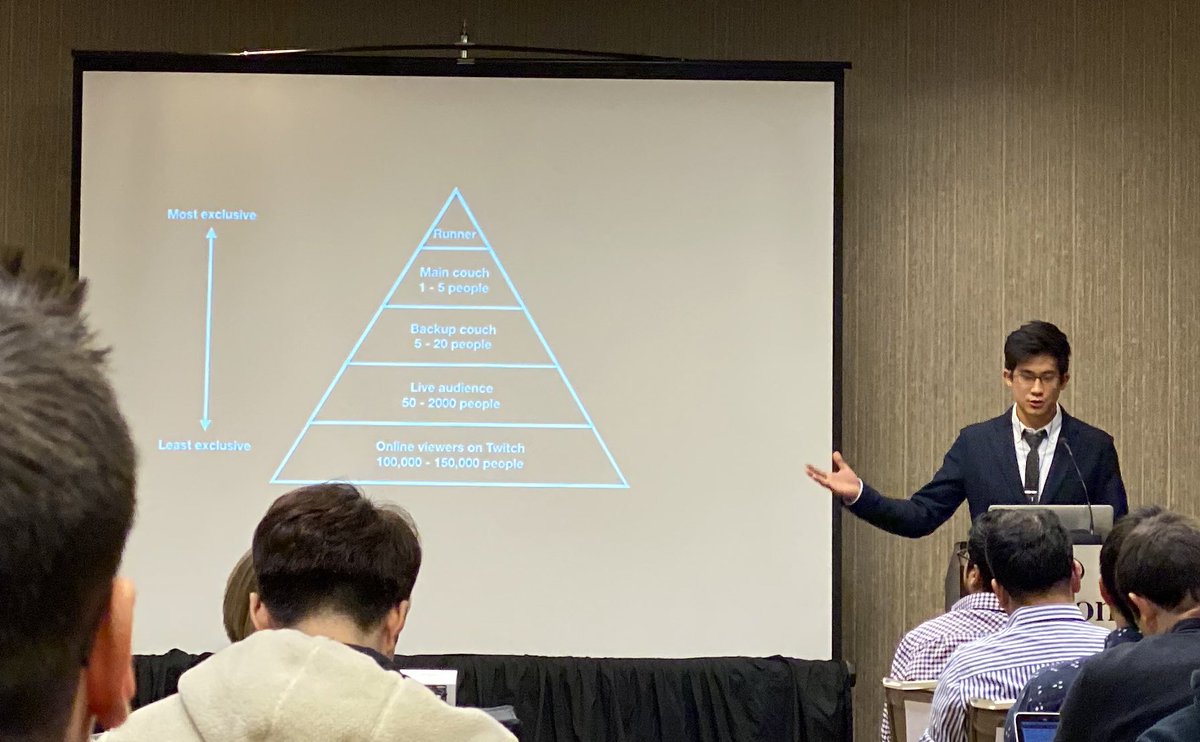
Research on @GamesDoneQuick by Stephen Tsing-Han Sher suggests that featuring “the couch” on stream helps create a virtual living room that viewers can be a part of. #CSCW2019 static1.squarespace.com/stat…
2
13 Nov 2019
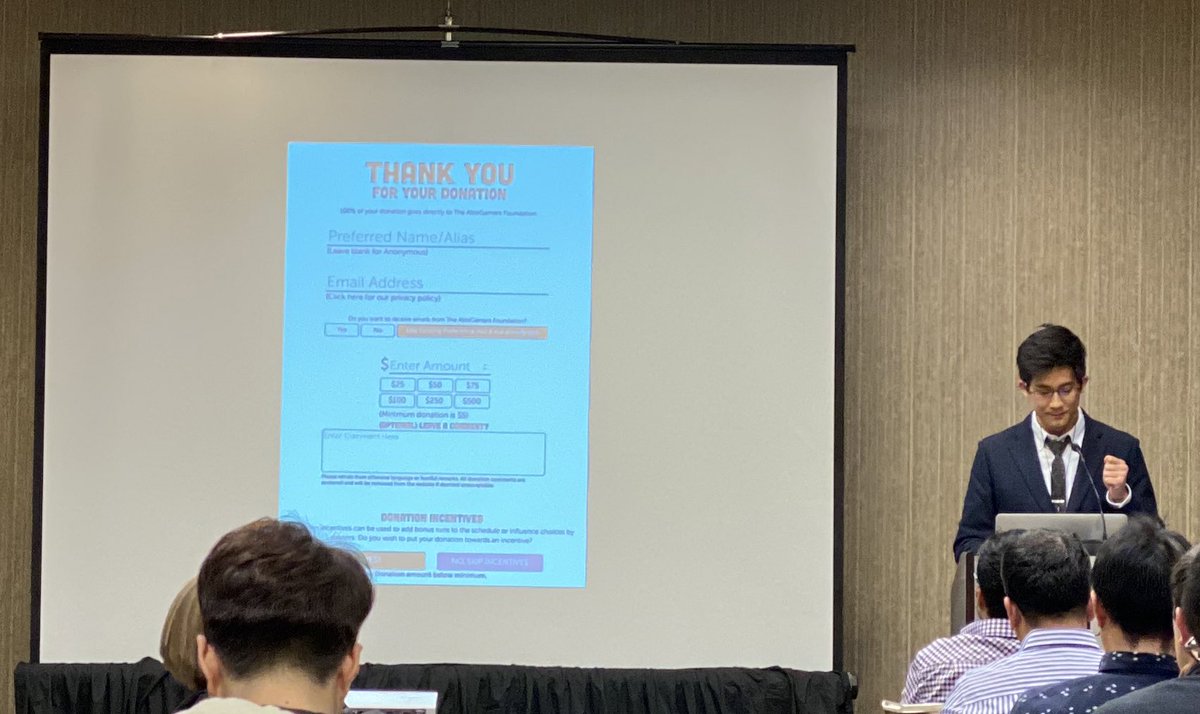
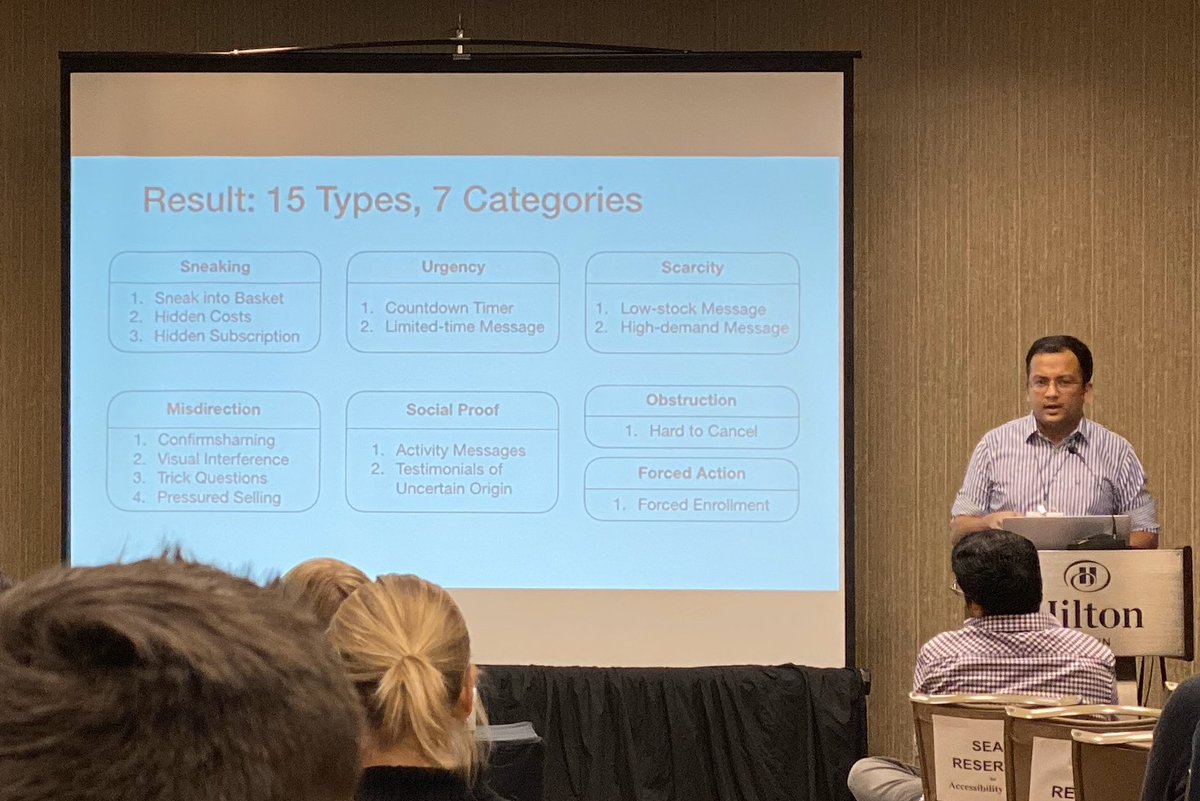
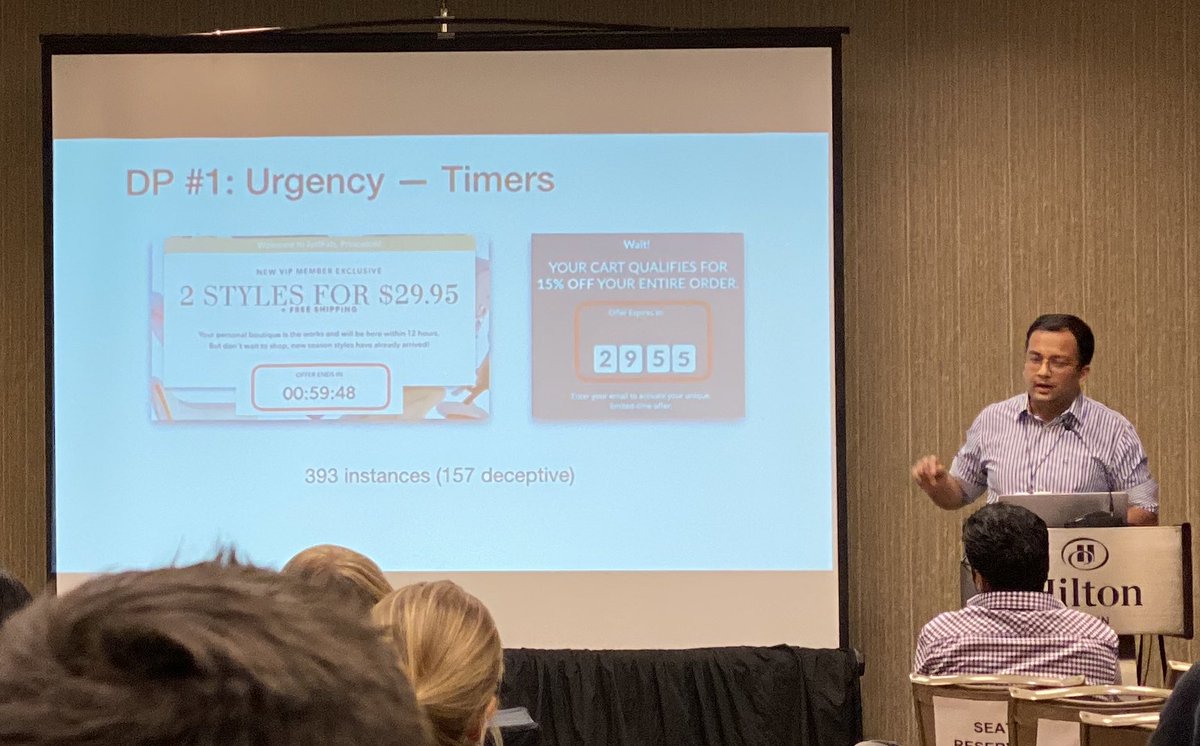
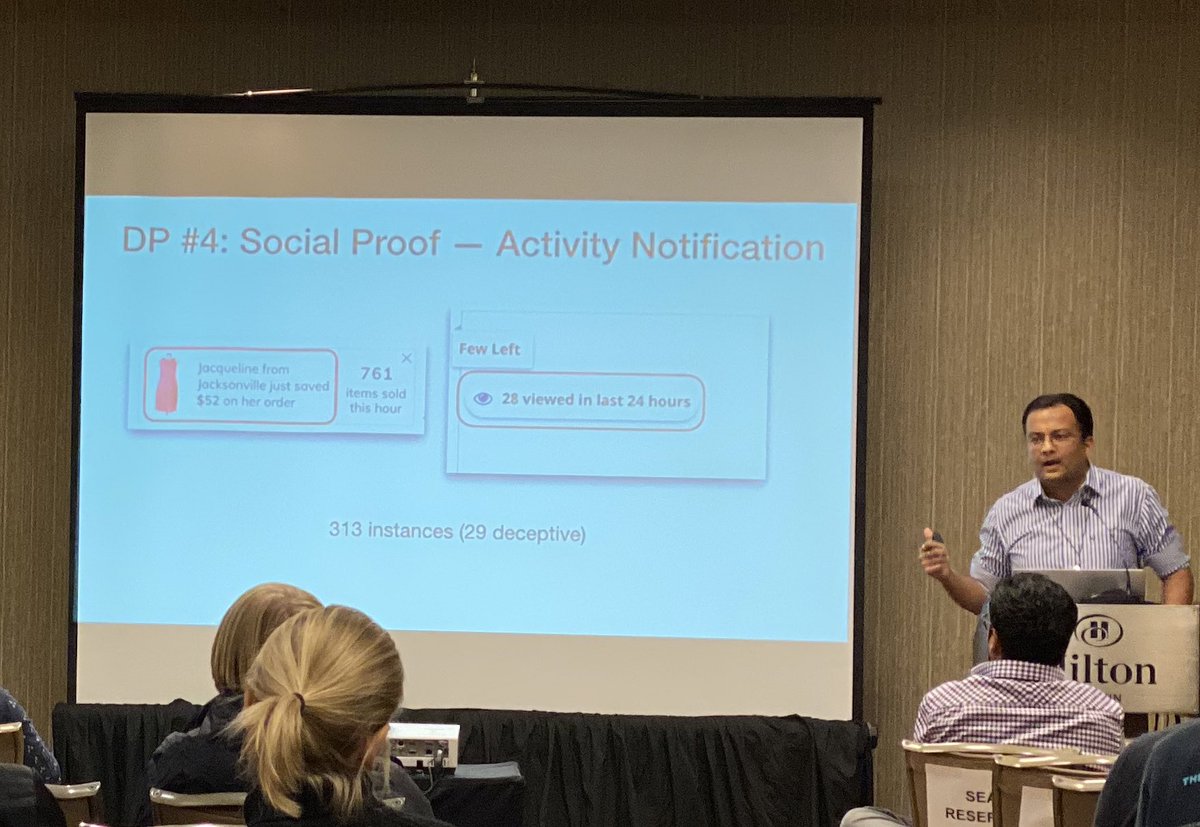
A large-scale analysis of dark patterns on shopping websites found that (1) 40% of countdown timers don’t actually matter (2) 9% of uses of social proof (e.g., “N people bought X in the past hour”) are false. Work by @AruneshMathur at #CSCW2019 webtransparency.cs.princeton…
2
13 Nov 2019
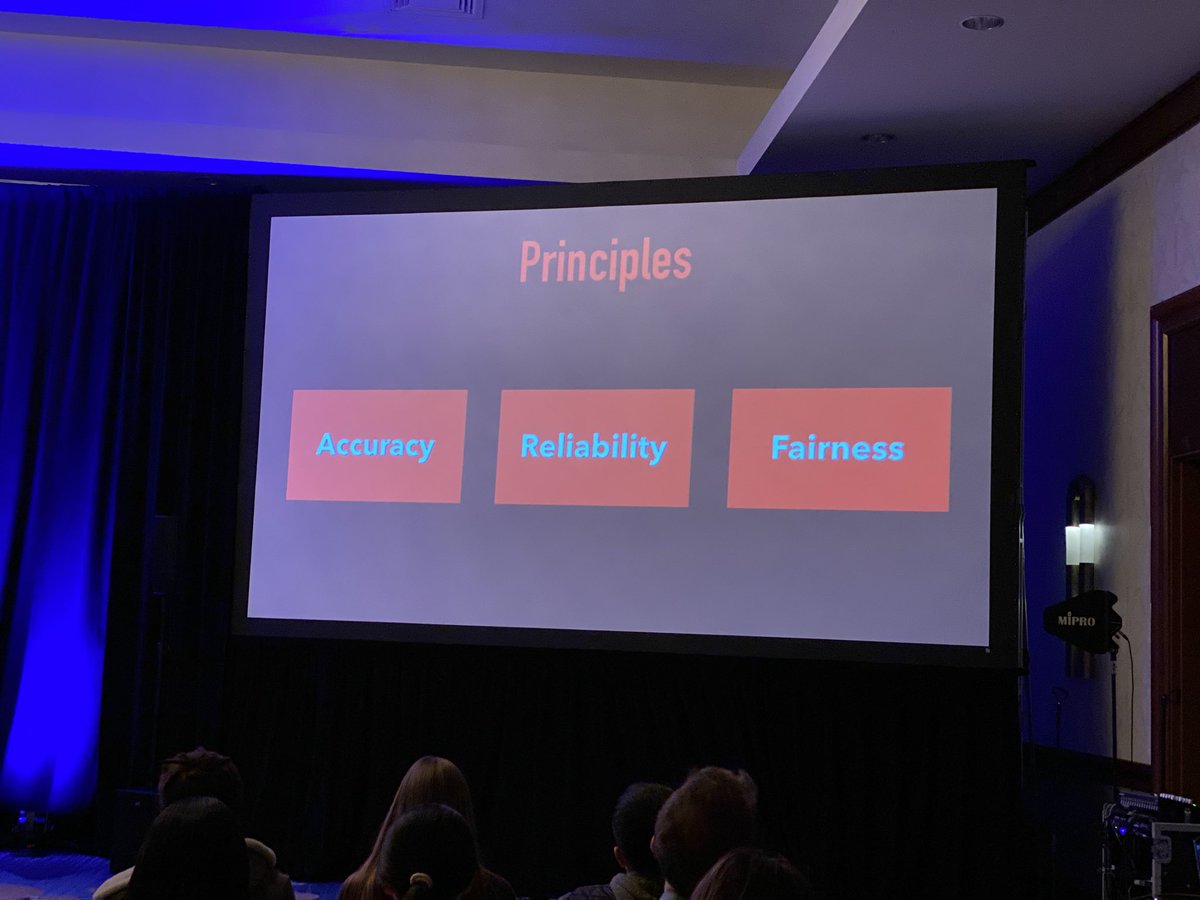
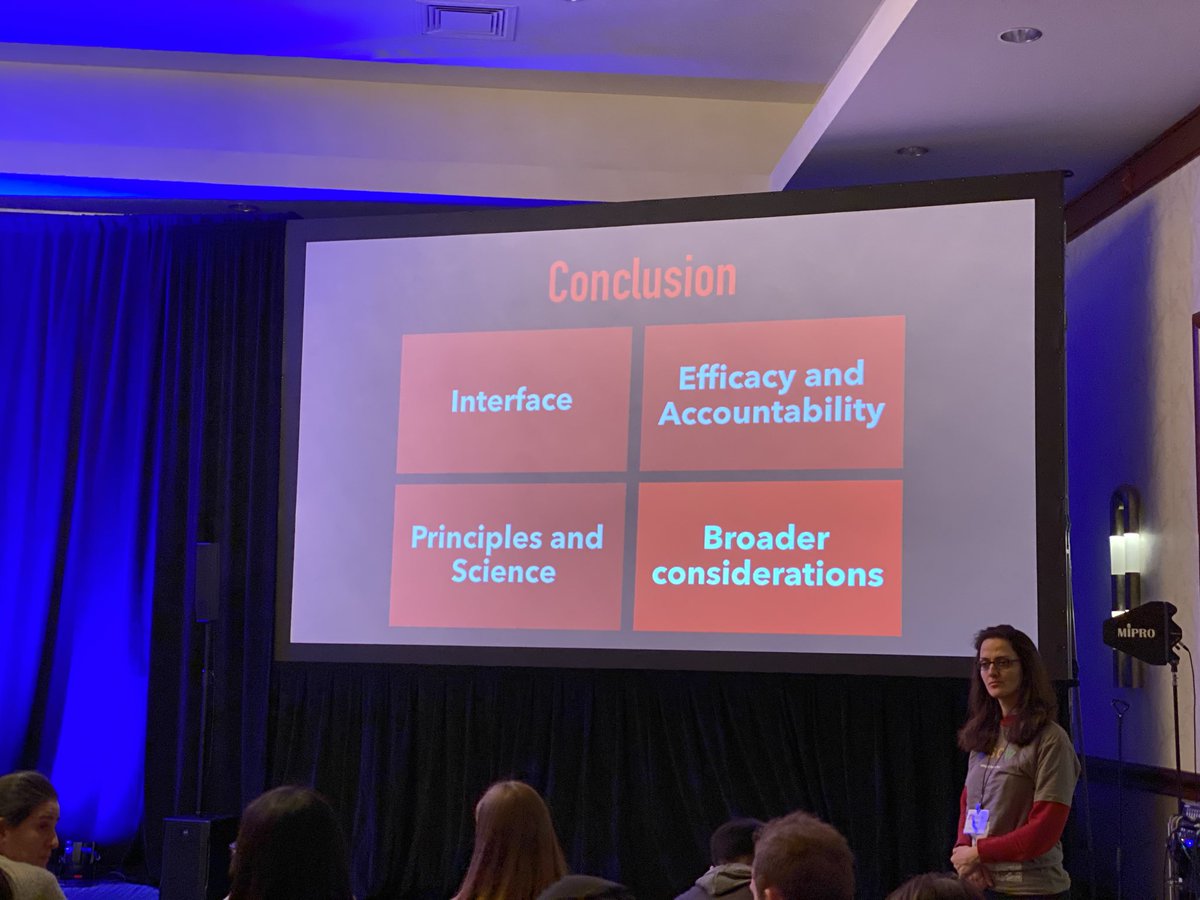
Algorithm-in-the-loop decision making should be accurate, reliable, and fair. But people don’t do the last two: they don’t rely more on an algorithm even if it’s more accurate, and rely on their own judgment more when evaluating some groups of people. @benzevgreen at #cscw2019
2
9
13 Nov 2019
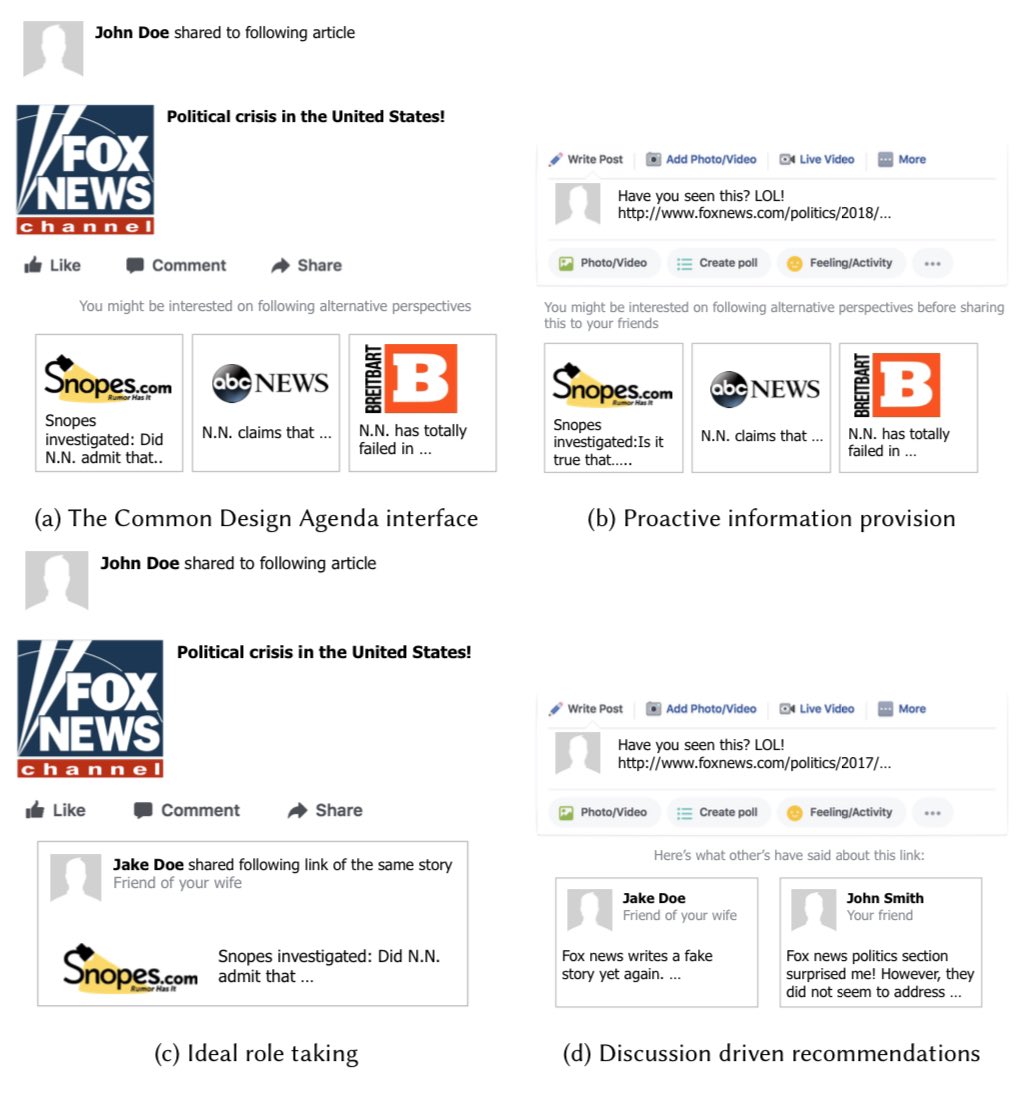
Many factors to consider when designing interventions for reducing political polarization (e.g., if an interface seems to question a person’s competency). By @matnel at #cscw2019
tuhat.helsinki.fi/ws/portalf…
1
2
4
13 Nov 2019
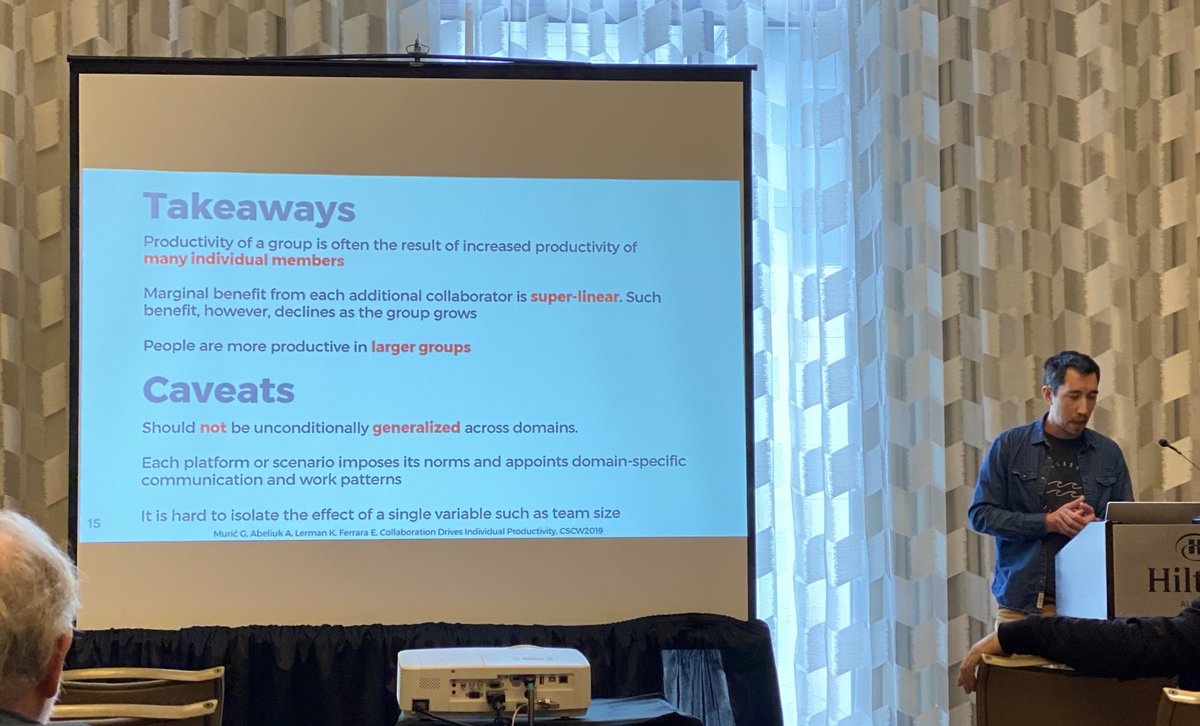
On Github and Wikipedia, larger teams produce more work per team member. (Have/can these observations be replicated in an RCT?) Work by @goranmuric, @aabeliuk, @KristinaLerman, @emilio__ferrara #CSCW2019
2
5
18
13 Nov 2019
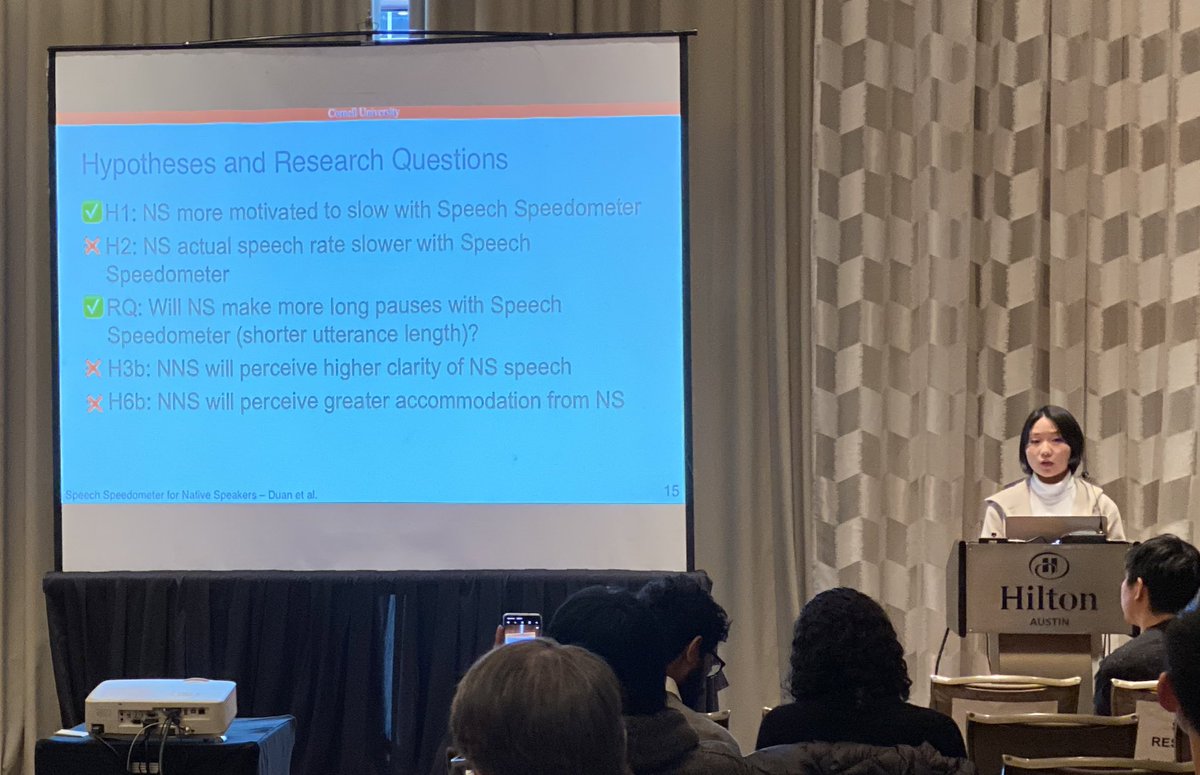
When given a speech speedometer, native speakers “slowed down” by using shorter sentences, not speaking slower. Unfortunately, the speedometer was distracting, so their speech became less clear to non-native speakers. By Wen Duan. dl.acm.org/citation.cfm?id=3… #CSCW2019
5
12 Nov 2019
Exposure to opposing groups in online platforms may exacerbate polarization. Subreddit members with intergroup contact tend to use more negative language in their affiliated group. By @darkblue_jason @ChenhaoTan arxiv.org/abs/1908.10870 #CSCW2019
2
5
12 Nov 2019
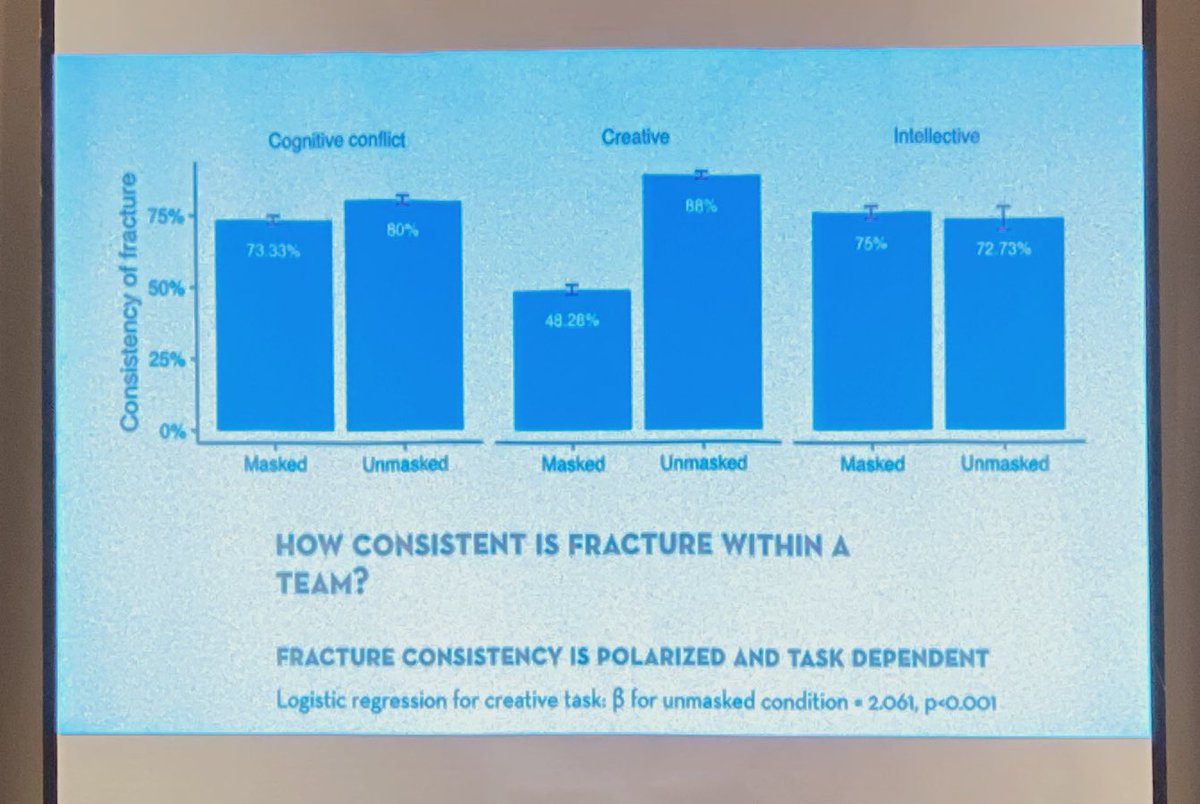
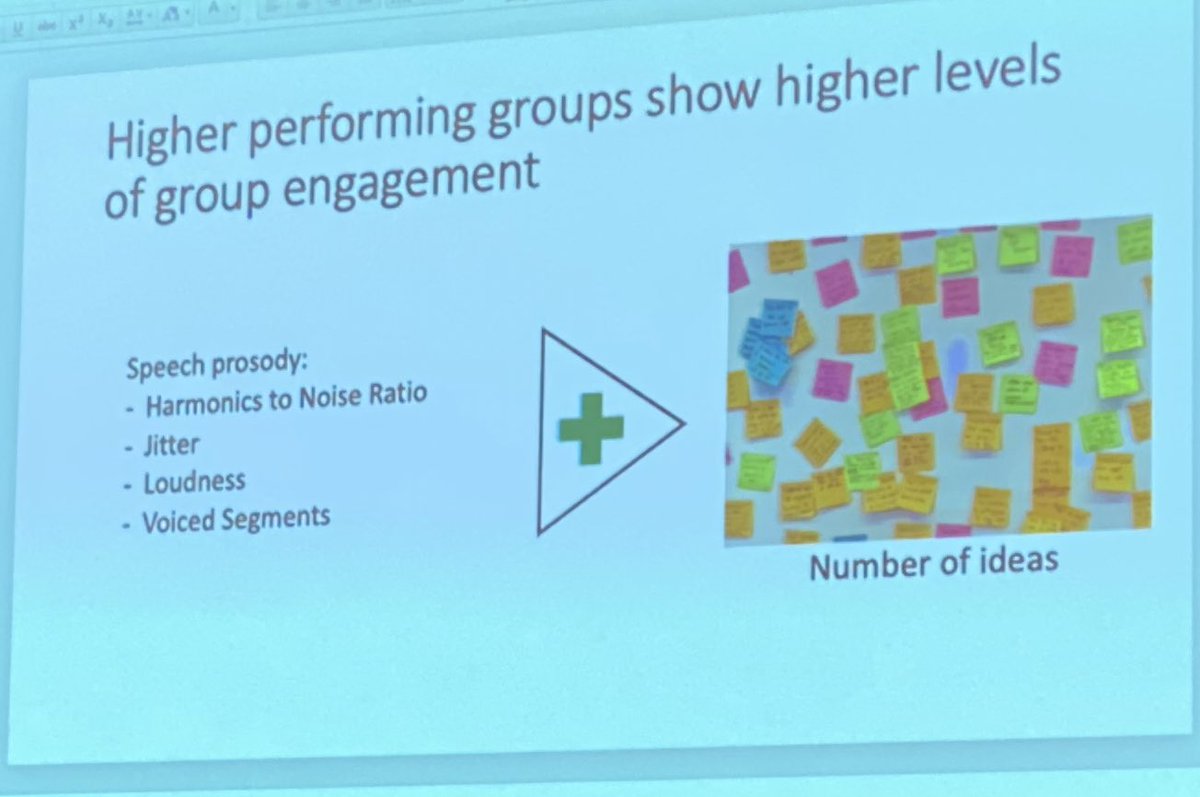
When a team that previously broke apart reconvenes in an anonymous setting (members don’t know they’re working together again), it fractures again on some tasks (debating viewpoints) but not others (generating ideas). By @MarkWhiting, @msbernst hci.stanford.edu/publication… #CSCW2019
1
8
12 Nov 2019
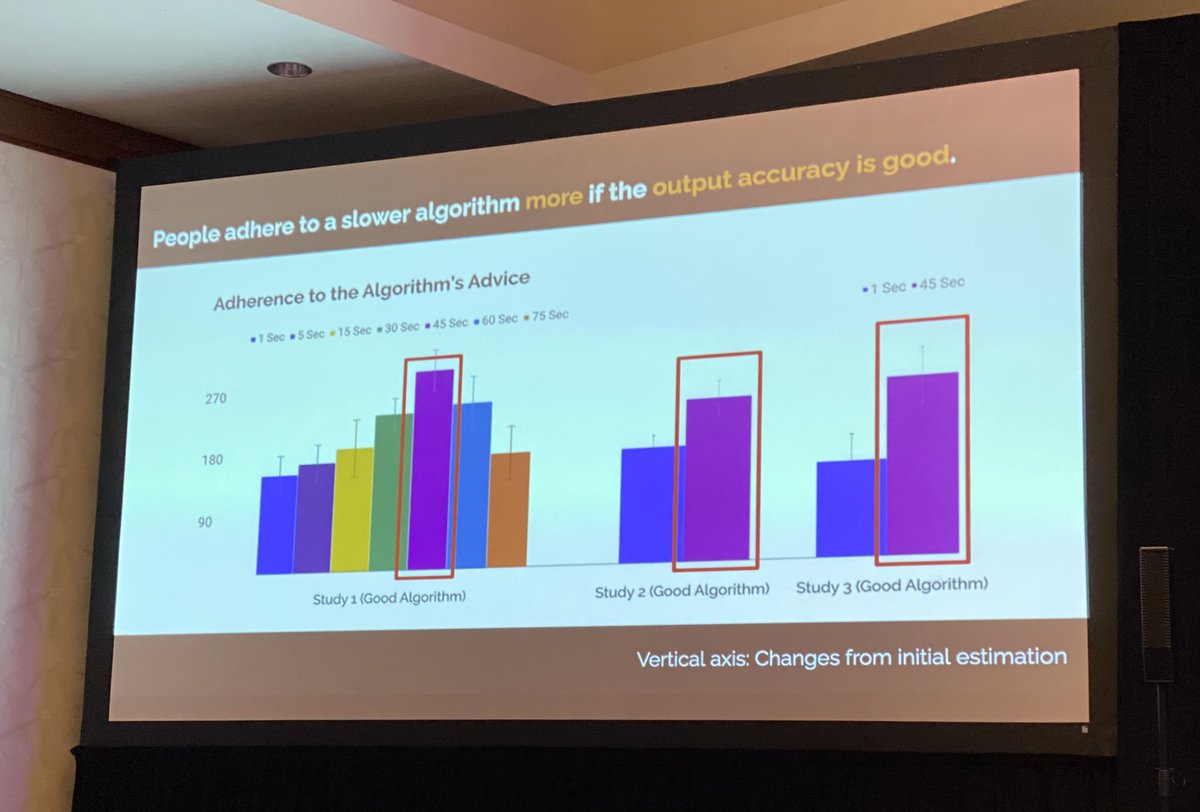
Slowing algorithms down can both improve people's judgment and promote task reflection. Work by @joon_s_pk dl.acm.org/citation.cfm?id=3… #CSCW2019
1
5
12 Nov 2019
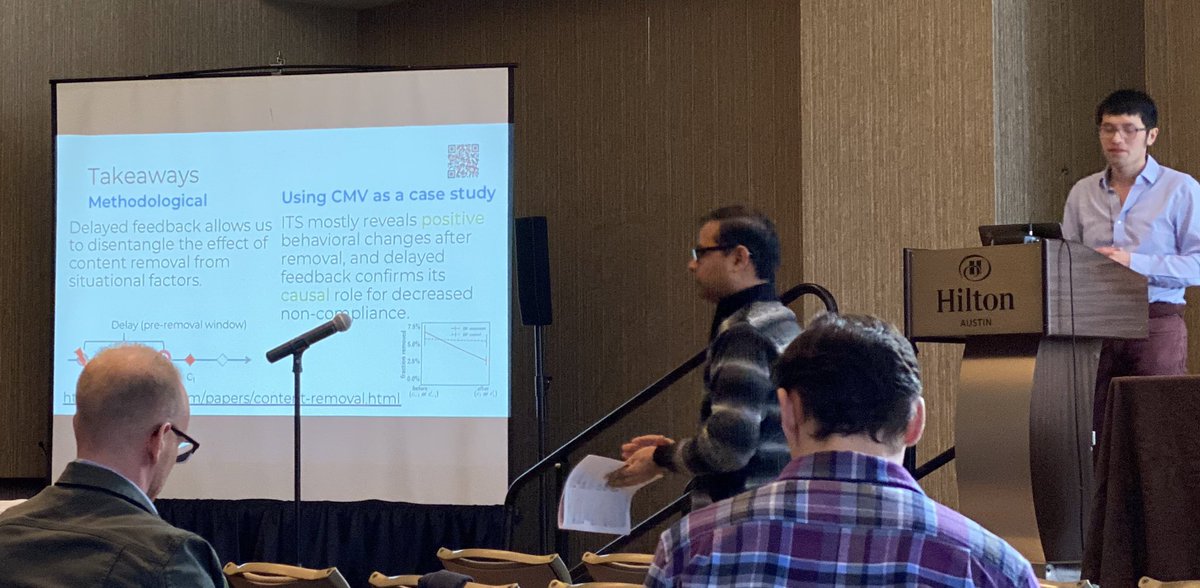
User behavior may improve after comment deletion simply because they were in a worse mood when they made a deleted comment. Controlling for this, comment deletion still reduces future comment deletions, but does not decrease swearing. @ChenhaoTan chenhaot.com/papers/content-… #cscw2019
3
10