
Joined May 2007
- Tweets 124,382
- Following 2,325
- Followers 3,114
- Likes 115,399
6,219 Photos and videos


Pinned Tweet

May 9
😱 Adobe Fontsからフォントが消えた…!? 🗑️
1ヶ月前にXで公開した削除リストをブログで公開しました!
✅内容のポイント
・2019〜2026年までの全削除履歴を年ごとに整理
・2020年 Font Bureauの撤退による大規模削除
・2021年「モリサワショック」
・復活・再追加されたフォントの周辺情報
※Geminiで調査
デザイナー・DTP担当者なら絶対にブックマークしておきたい保存版です。
「あのフォント、どこに行ったんだ…?」と過去に困った経験がある方は今すぐ記事をチェックしてみてくださいね
jdash.info/archives/Adobe_Fo…
66
211
22,026
笹川純一 retweeted

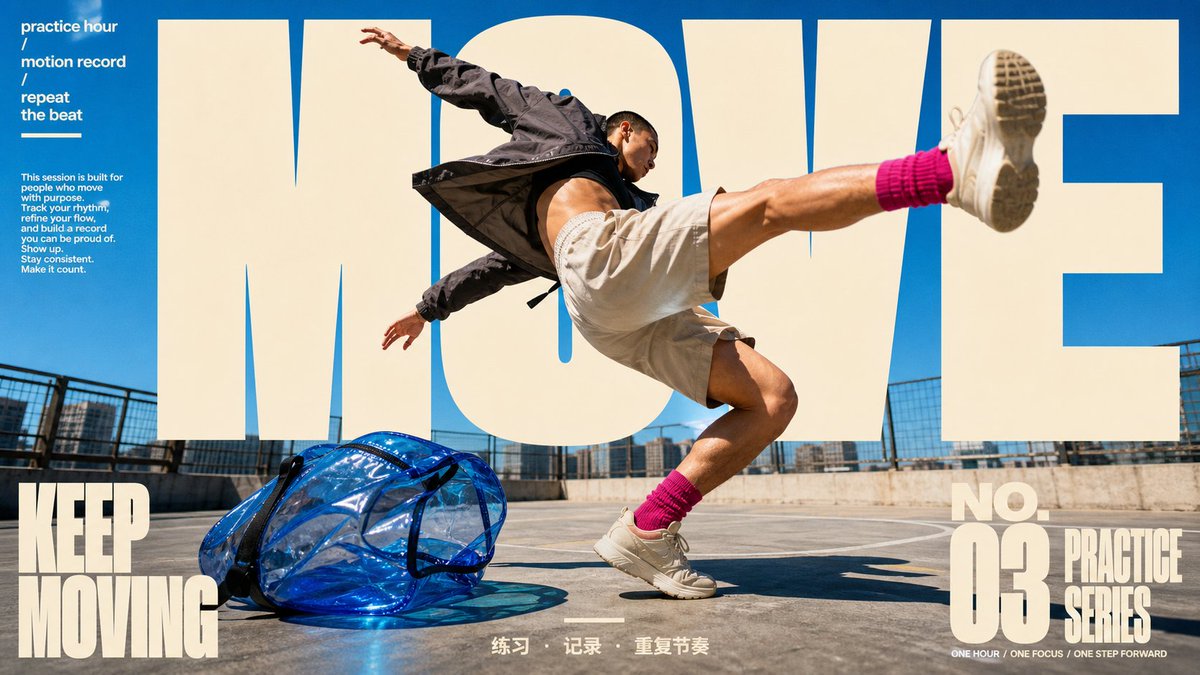
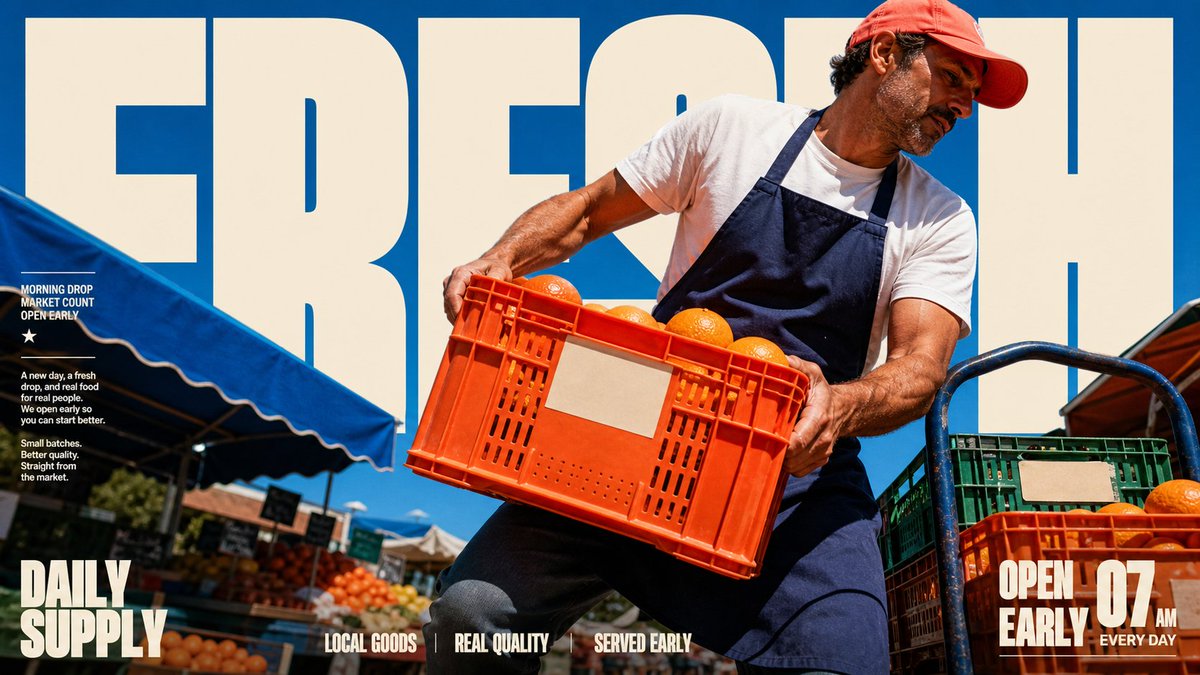
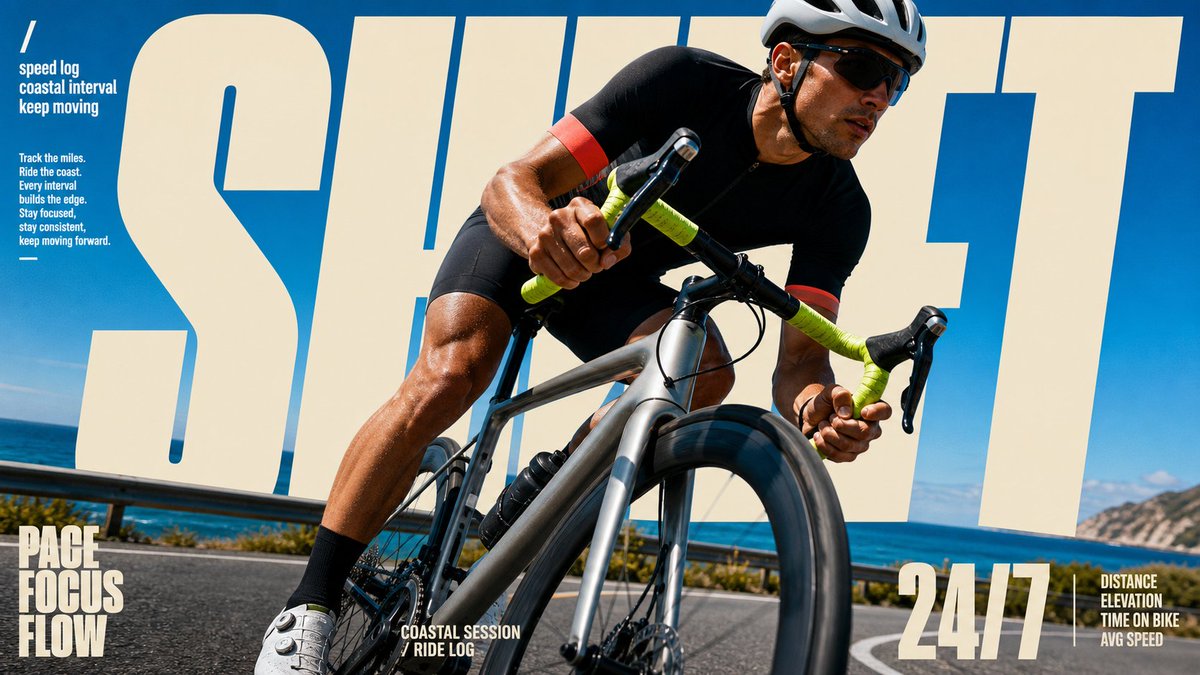
把一个大字放到人物「后面」,这个人立刻就变成了杂志封面人物。
不是因为他有多有名——是因为你的眼睛会自动读出一个「层次」:背景字 → 人物 → 你。这层纵深感,就是 GQ、Vogue、Sports Illustrated 封面用了几十年的老招:让主体站到标题前面,ta 就自动拥有了「封面主角」的待遇。
这个技巧叫「文字穿插」——人物遮住字母的一部分,平面瞬间变立体。上一批运动海报(RISE/READY)是让人物「冲出画框」;这一批是让人物「站到字前面」。方向反了,效果一样猛。
而这 4 张还是同一套模板:风格锁死(全幅动作照 超大奶色镂空字母藏在人物身后 蓝天主色 角落编辑体小字 底栏三词标签),换的只是「谁在动、动作是什么、配哪个词」。模板抄走直接用——
{
"style_name": "Sunlit Kinetic Block Type Photo Poster",
"style_slug": "sunlit-kinetic-block-type-photo-poster-style",
"style_version": "2.1.0",
"style_summary": "A high-energy editorial sports and lifestyle poster style built from full-bleed sunlit photography, oversized cream condensed block typography, diagonal subject crops, compact microcopy clusters, and vivid blue-sky color fields.",
"environment_variables": {
"SUBJECT": "main subject",
"SUBJECT_ACTION": "main action",
"PRODUCT_OR_PROP": "object, product, or prop",
"LOCATION": "environment or setting",
"BACKGROUND_ELEMENTS": "secondary scene details",
"MAIN_TEXT": "main headline or graphic text",
"SECONDARY_TEXT": "small repeated supporting text",
"ACCENT_SYMBOL": "separator or decorative symbol",
"WARDROBE_STYLE": "styling direction",
"STYLE_FIDELITY_ANCHORS": "observable style traits that must remain visible",
"SOURCE_CONTENT_TO_AVOID": "literal source content that generated samples must not recreate",
"ASPECT_RATIO": "9:16 or 16:9"
},
CUT / MOVE / FRESH / SHIFT——如果你是杂志封面,你的那个字会是什么?

Jun 13

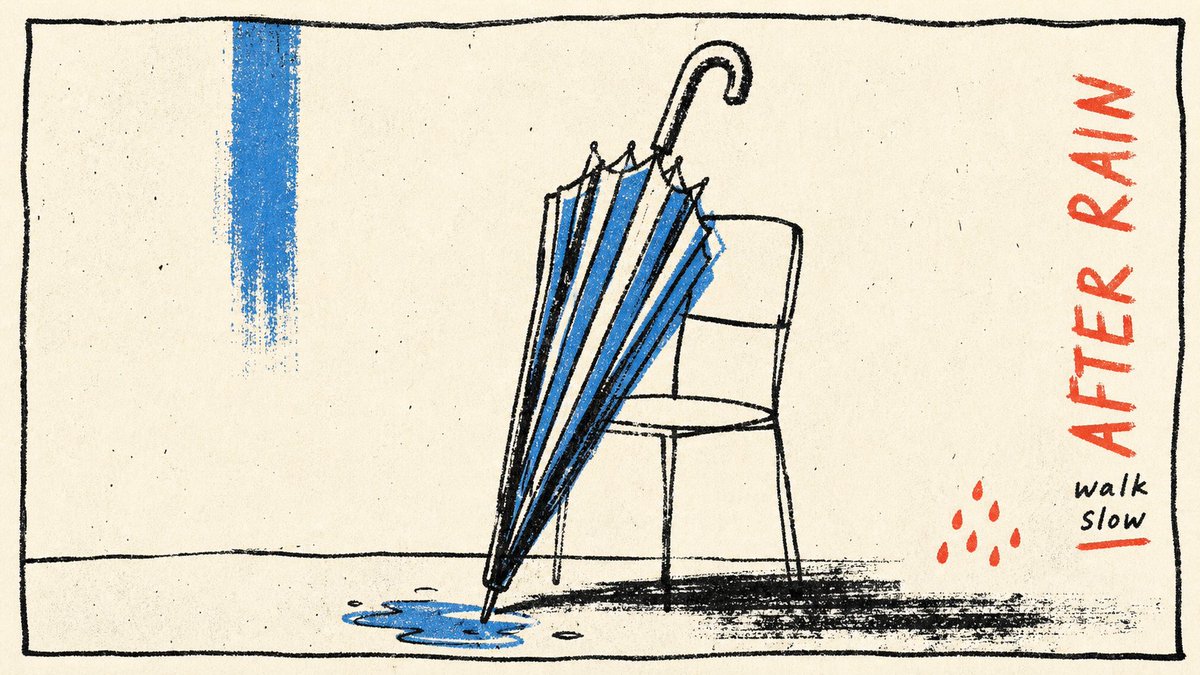
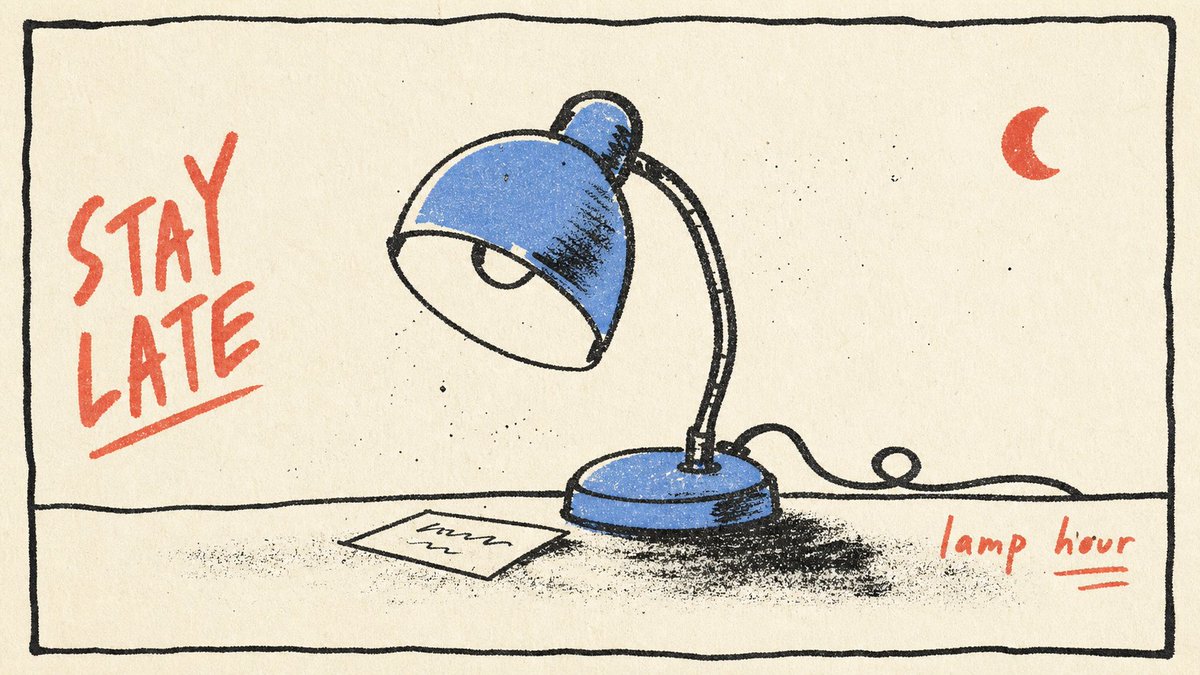
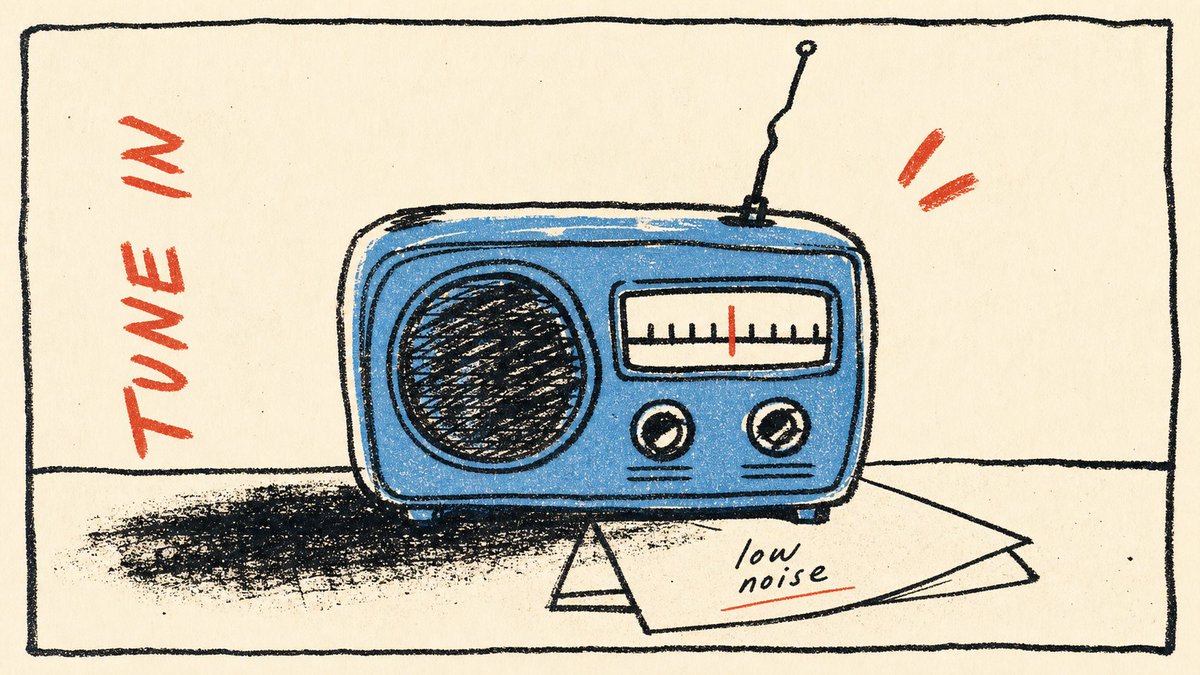
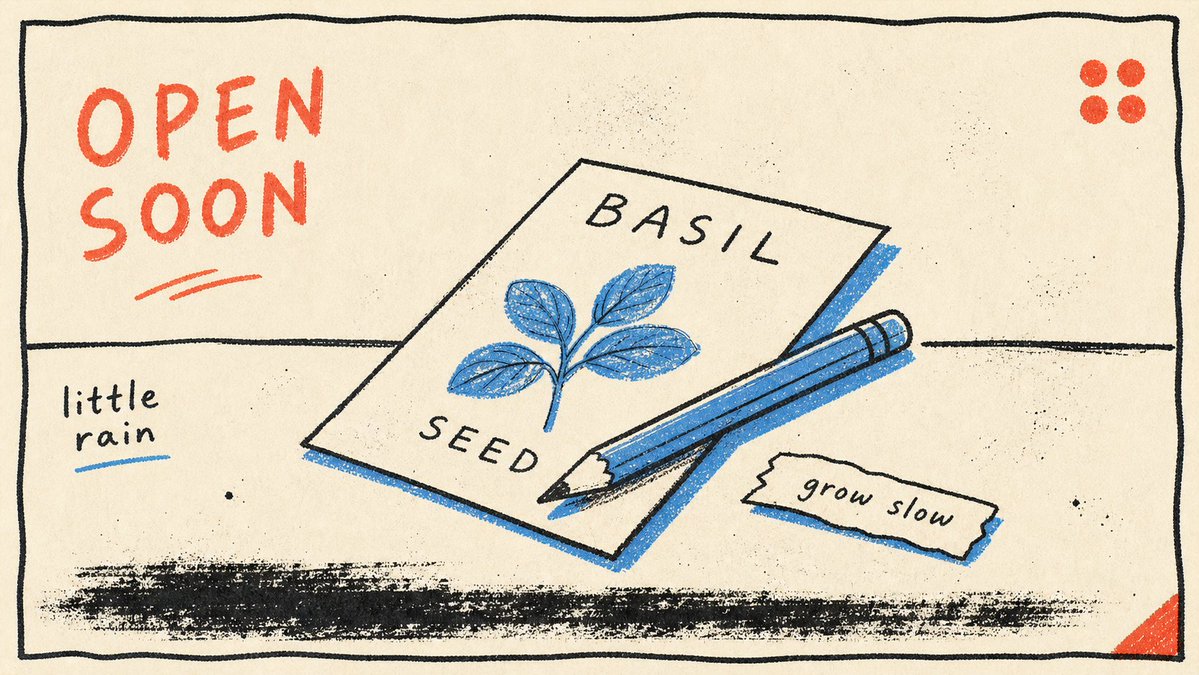
当所有人都在让 AI 出更复杂、更逼真、更炸裂的图时——试试反过来:只给它三种颜色。
黑线、一抹蓝、一点红。一个物件、一个动词、一句小字。没了。
结果?越少,越像「某个人画的」。因为克制本身就是风格——它在说「我知道可以加更多,但我选择不加」。这种「选择不加」的感觉,就是 AI 图最难伪造的东西:审美判断。
Prompt 的高阶操作不是往里塞更多描述,是知道该删掉什么。
而这 4 张还是同一套模板:风格锁死(奶白纸底 手绘黑线框 蓝色填充 红色手写标签 单个日常物件 右下角小字注释 版画颗粒感),换的只是「画什么物件、配哪个动词」。模板抄走直接用——
{
"style_name": "Loose Scribble Riso Print Style",
"style_slug": "loose-scribble-riso-print-style",
"style_version": "1.0.0",
"style_summary": "A sparse handmade riso or screenprint poster style with one large simplified subject, wavering black contour drawing, rough off-white paper, flat blue and coral-red overprint accents, handwritten margin text, and visible print grain.",
"environment_variables": {
"SUBJECT": "The new main subject or simplified object for the print.",
"SUBJECT_ACTION": "The simple pose, placement, or action of the subject.",
"PRODUCT_OR_PROP": "A small supporting prop or object detail that is not the original source prop.",
"LOCATION": "A minimal setting or surface that grounds the subject.",
"BACKGROUND_ELEMENTS": "Sparse background details such as a border, ground line, paper speckles, or one small accent mark.",
"MAIN_TEXT": "A short handmade phrase to place near the margin.",
"SECONDARY_TEXT": "Tiny supporting handwritten text or edition-like microcopy that does not mimic the source identity marks.",
"ACCENT_SYMBOL": "One small decorative mark, scribble, star, arrow, dot, or stamp-like accent.",
"WARDROBE_STYLE": "Styling direction for any character or object treatment, kept flat and handmade.",
"STYLE_FIDELITY_ANCHORS": "Observable style traits that must remain visible in the generated sample.",
"SOURCE_CONTENT_TO_AVOID": "Literal source content that generated samples must not recreate.",
"ASPECT_RATIO": "9:16 or 16:9"
},
雨后的伞、深夜的灯、桌上的收音机、一包种子——哪个最像你此刻的状态?
21
354
2,791
133,972
笹川純一 retweeted

Jun 14
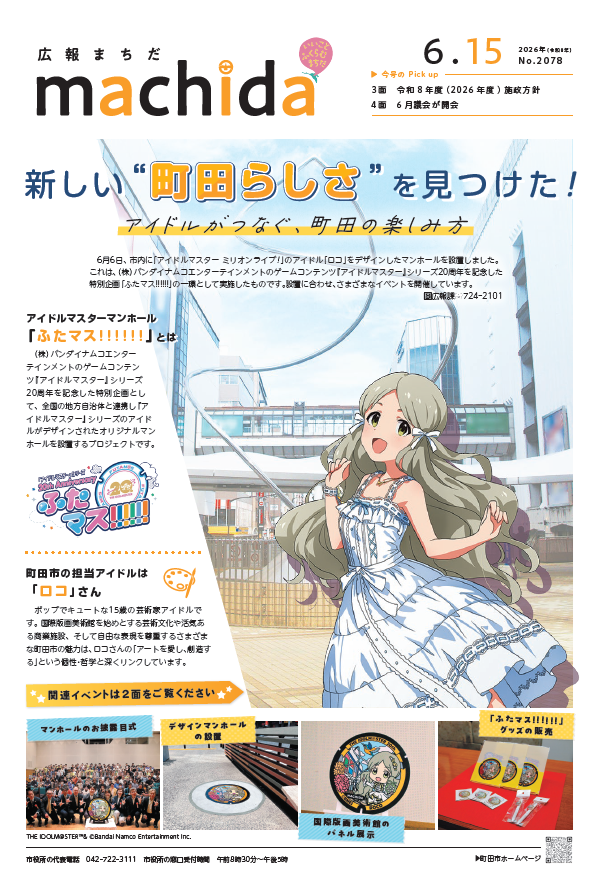
【広報まちだ6月15日号】
市内に「アイドルマスターミリオンライブ!」のアイドル「ロコ」をデザインしたマンホールを設置しました🕊今号では設置に伴い、グッズ販売などの関連イベント、町田の楽しみ方を紹介しています✨
▼広報まちだ
city.machida.tokyo.jp/shisei…
#ふたマス #ふたマス町田
7
1,381
2,388
142,746
笹川純一 retweeted

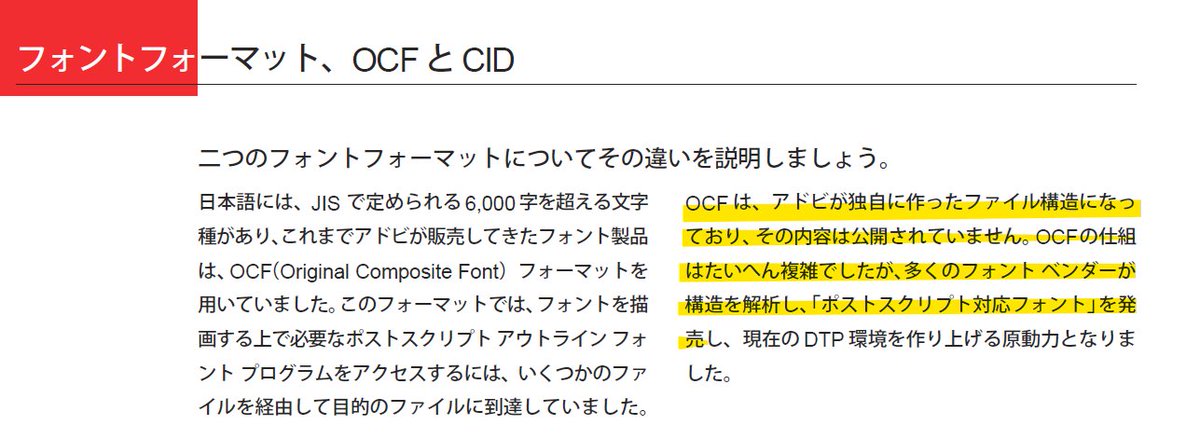
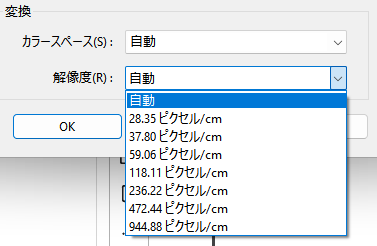
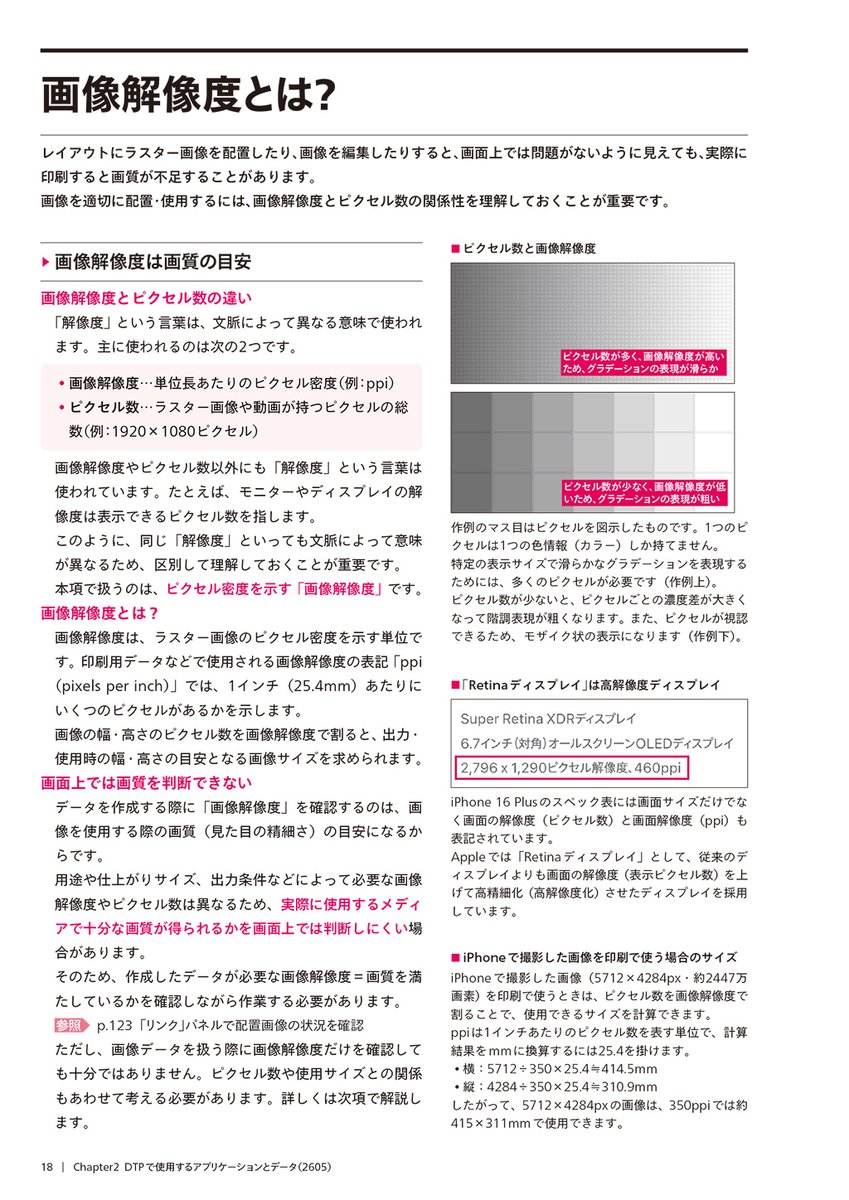
以前好評いただいた「画像解像度について」の資料をリファインしました。ページ数が増えて4ページになりました。(1/4)
1
72
407
17,207
16h
ネットで見たヤツが新潟でも!www

ULTRA SPARK 2026
RANDOM DANCE、盛り上がりました💃✨
ご参加いただいた皆さま、観覧してくださった皆さま、本当にありがとうございました!
会場が一体になった最高の時間でした🔥
#ULTRASPARK
#ウルスパ
#ランダムダンス
#ハム太郎
#新潟イベント
226
21h
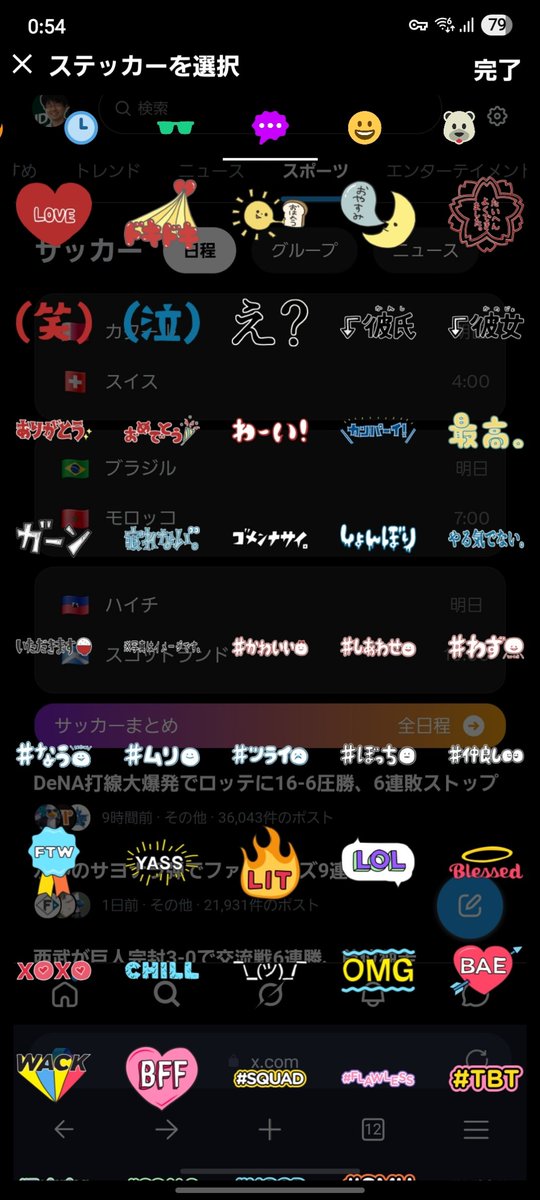
Android版Xアプリにはまだステッカー機能が残っています😤
画像のぼかし機能はない🫠
22h

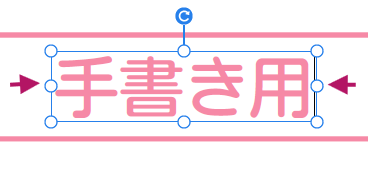
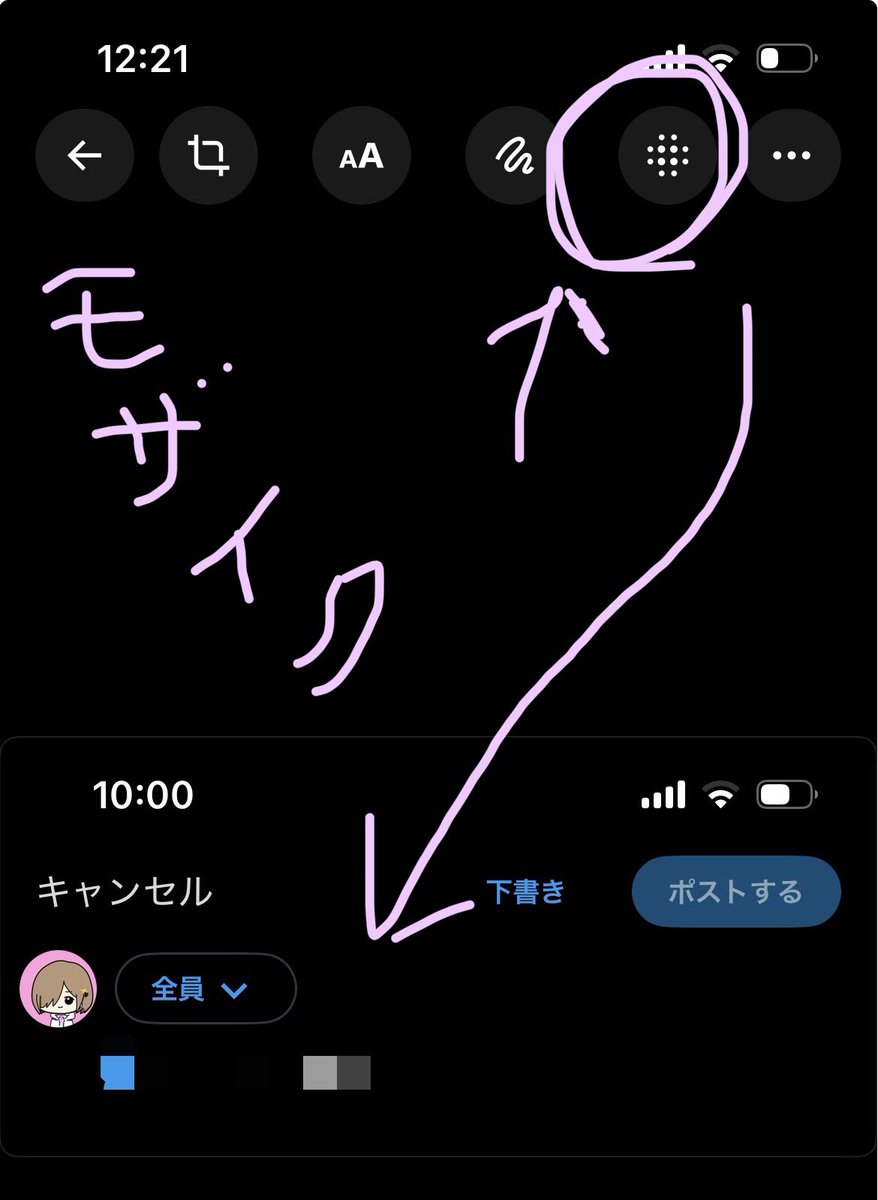
Xで画像ポストをする時に、スマホだとこのボタンを押して、消したい箇所なぞるだけで簡単にモザイクをかけられるのですが、noteのモザイクとかでもやってる人をあまり見かけない気がします🤔
まさかこれもiPhoneだけの機能だったりしますか……?!
1
3
723
Jun 14
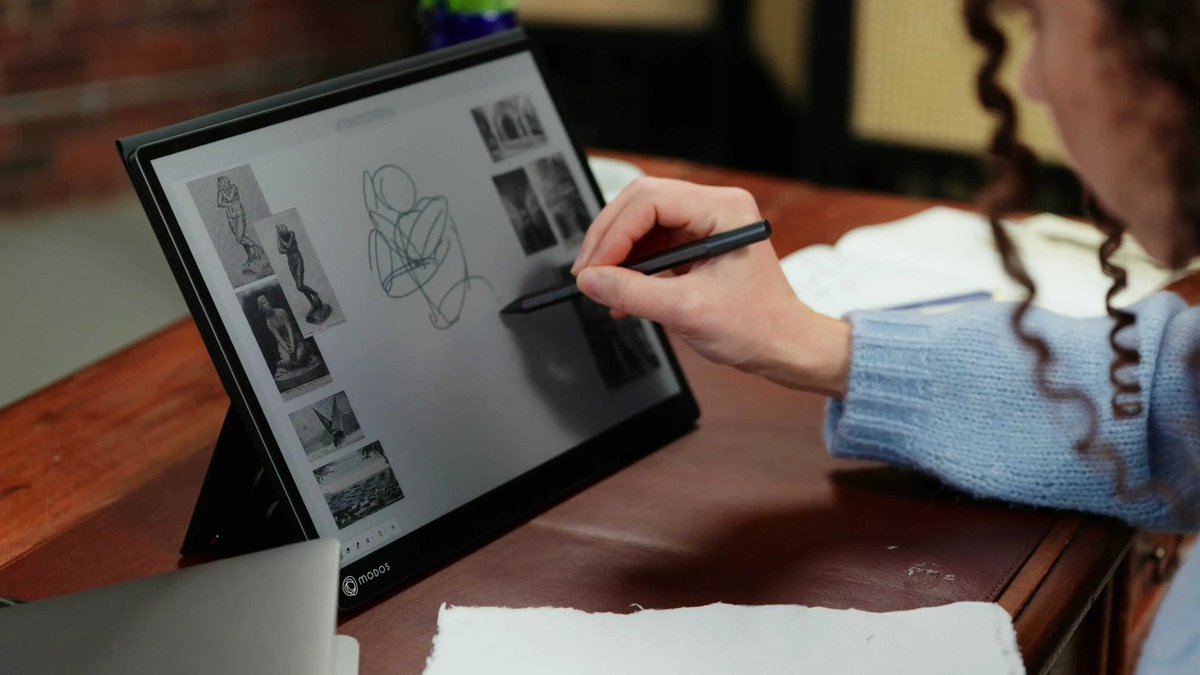
画面の書き換え早過ぎe-inkディスプレイ😳
本当かな🤔
Jun 13

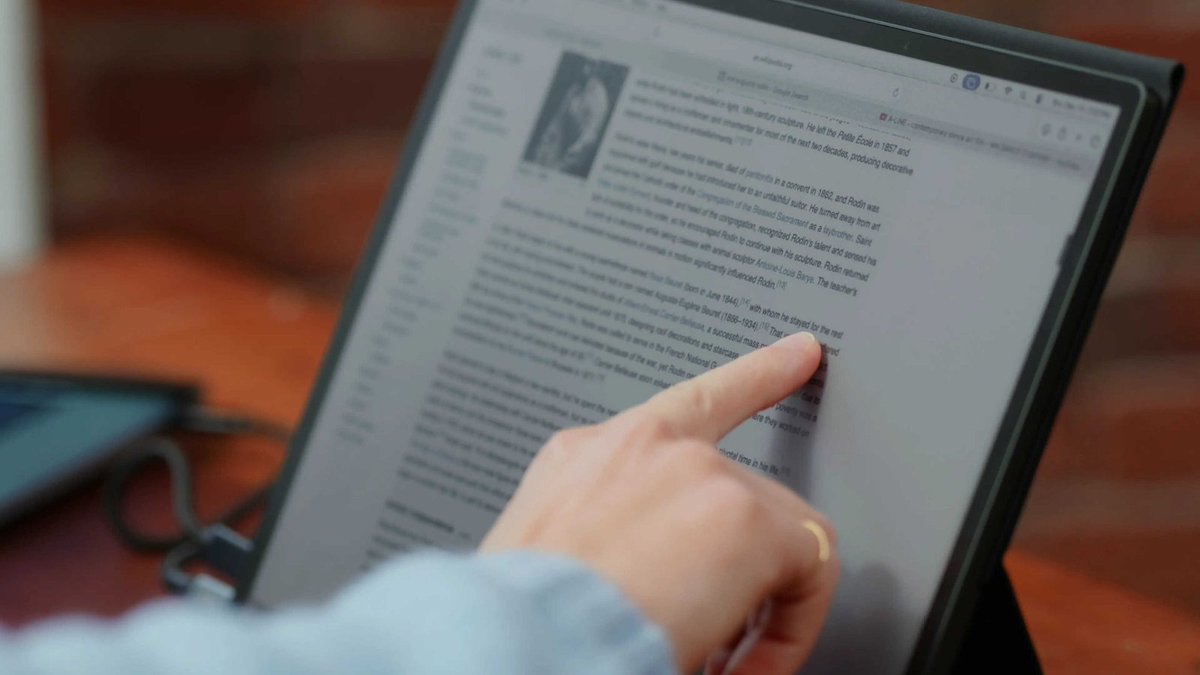
white pill for my nerds:
60fps e-ink display
a random guy outperformed entire eng teams by developing a pixel by pixel driver for e-ink displays that makes it 60fps.
he did that after work for months, launched it yesterday.
the future is bright
1
1
406
Jun 14
会社の出展イベントがあるたび、各SNSの何千もの投稿を見ているけど(誇張なし)、何年もやっているから購入品の写真のパッと見た雰囲気で、ウチの商品はなさそうとかがわかるよね。
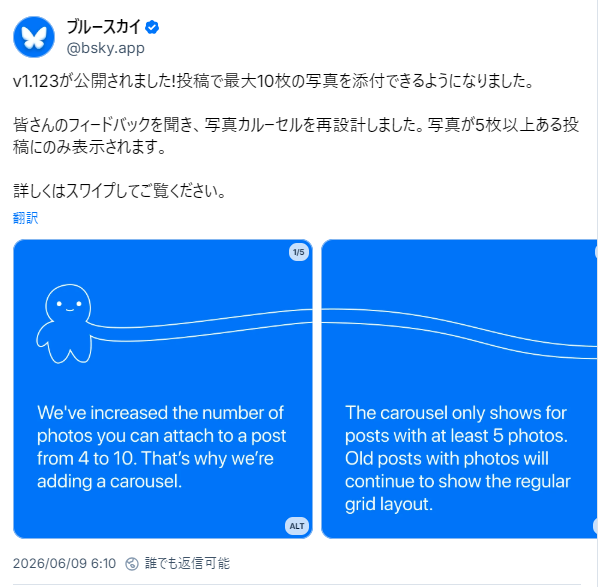
それにしても最近はX、InstagramだけじゃなくてThreads、Blueskyもあるから忙しい。YouTubeは、うーん後回し。
1
2
148
Jun 13
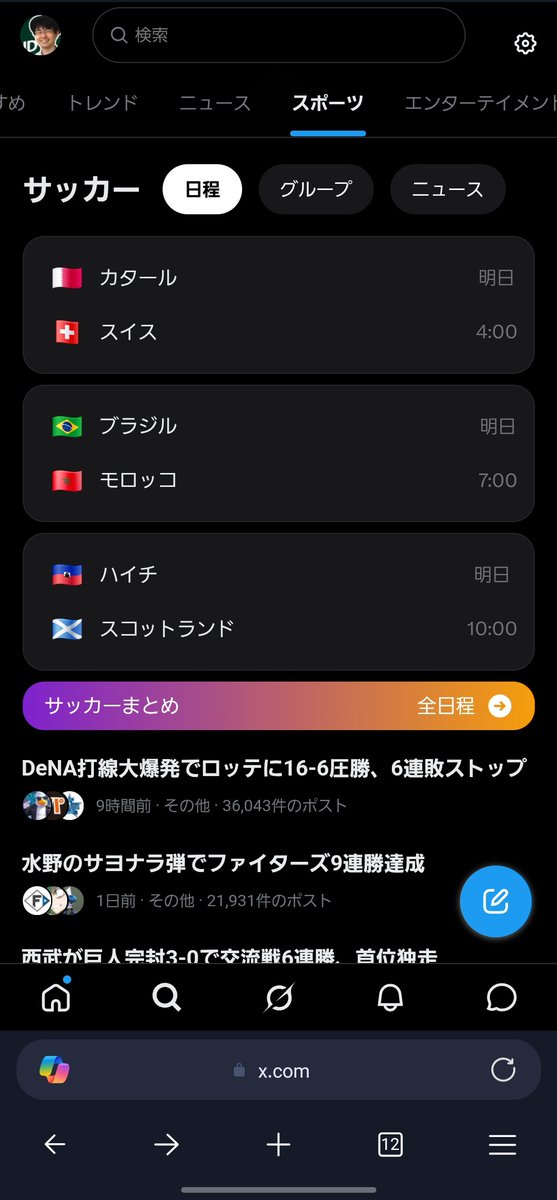
Androidでもウェブなら見れます😂

Xでサッカーワールドカップ情報をチェックしよう!
試合結果や日程などの見方について説明していきます。
youtube.com/watch?v=_tg8tbre…
1
149
笹川純一 retweeted

Jun 13
【拡散ご協力のお願い】
浅倉杏美さんのアカウント
@azumi__asakura8
こちらが現在乗っ取られています。
(先程は、浅倉杏美さんこアカウント乗っ取りに関しまして、情報、アドバイスをくださった皆様ありがとうございました🙇♀️)
浅倉さんと共有しつつ現状確認をしました所、
乗っ取り専用フォームからの申請済み
↓
メアドとパスワードを変えられてしまっていて、X側からは新しいアカウントを作るようにと伝えられる
↓
新しいアカウントを作ったが、偽アカウントだと判断されてしまい新アカウントが凍結される
↓
身分証を添付し、異議申し立てをしているが対応なし(継続中)
↓
アカウントを連続で作れないため、何もできない状況
とのことでした💦
多数のなりすまし報告の呼びかけも検討しましたが、元のアカウントが凍結される可能性が考えられるため、
まずは浅倉さんのアカウントが乗っ取られているという事実を多くの方に広めていただけたらありがたいです😢
どうかよろしくお願いいたします🙇♀️
Jun 13

浅倉杏美ちゃんのアカウントが、現在乗っ取りに合ってしまってるようです💦
@azumi__asakura8
詳細はリンクにてご覧いただきたいのですが、この場合の解決策をご存知の方がいらっしゃったら教えていただけないでしょうか?🙇♀️
どうぞよろしくお願いします🙇♀️
ameblo.jp/asakura-azumi/entr…
90
4,322
4,351
978,378
Jun 13
Xのアルゴリズム(ルール)を「そのまま何も考えずXの運用行動指針として反映させる」といったアルゴリズムに振り回されないようにするには、どうしたら良いかを考えていきたいですね。

1
145
笹川純一 retweeted

Jun 10
サグラダ・ファミリアの式典、すごいことになってました。
ライトアップからのガウディさん夜空に降臨、
そしてたくさんの花火に包まれてもはや火事状態🔥
こんなにすごいことになると前もって知ってたら現地行ってたのに…
とにかくメインタワー完成おめでとう!
16
1,733
8,536
421,385
Jun 13
すごいー。でもFable停止…😢

ぐるぐるトマリちゃんがリアルタイムにお話しできるアバターに。Live2Dとも3Dモデルとも一味違う表現になったかな。これが真の「動くPNGTuber」なのでは?笑
1
322
Jun 13
ビリオネア突破してトリリオネアになったからイーロンが買っても嘘にはならないってかw

385
笹川純一 retweeted

Jun 11
おれギリドパガキ世代やけどみんなドパガキの解像度低くない?
演出がただ激しくてテンポが速いのはドパガキ向けちゃうと思う
ドパガキの俺が欲しいと思うのは「5秒で何者かになれた気がする」コンテンツやで
「5秒で他と差がついた気になる」とか、要するに短時間で報酬系を刺激するのがドパガキ向けや。
ドパガキは常に劣等感にさらされとるんやで
「他よりも劣ってる」ことを異常に気にしてて、そこを満たしてあげると喜ぶんや。
実際満たせるかどうかは気にしてへん
「満たされた気になる」ことが重要
俺がまさにそうやで。
SNSネイティブで競争意識が常にあるから、時間効率を本能的に求めて短いコンテンツやテンポの速いコンテンツを"結果的に"見てしまうんや。
映画の切り抜きなんかも「短時間で主人公に感情移入」できるからな。晴れて何者かになれとるで。
パチンコも無理やで。抽選が待てへん。あれは長すぎや。
「短時間で報酬系を刺激する」のが目的であって、ただ演出が激しかったりテンポが良くても意味ない。
大人が考えるドパガキのイメージが多いと思ったで。
ドパガキからの感想や。
35
771
4,938
860,571
笹川純一 retweeted

Jun 13
As a result of a US government directive, we are suspending access to Claude Fable 5 for all users. You can continue to use all other Claude models.
Here’s what this means for you:
Across Claude products, new sessions will run on your selected default model or Opus 4.8, and existing Fable 5 sessions will end with an error.
On the Claude Platform, requests to Fable 5 will also return an error. Please update your integrations to other Claude models.
We know this is a disruption to your workflows; we appreciate your patience and support.
Jun 13

The US government, citing national security authorities, has issued an export control directive to suspend all access to Fable 5 and Mythos 5 by any foreign national, whether inside or outside the United States, including foreign national Anthropic employees.
The net effect of this order is that we must abruptly disable Fable 5 and Mythos 5 for all our customers to ensure compliance.
Access to all other Claude models is not affected.
We apologize for this disruption to our customers. We believe this is a misunderstanding and are working to restore access as soon as possible.
Read our full statement: anthropic.com/news/fable-myt…
3,595
7,232
44,439
12,560,034
笹川純一 retweeted

Jun 13
The US government, citing national security authorities, has issued an export control directive to suspend all access to Fable 5 and Mythos 5 by any foreign national, whether inside or outside the United States, including foreign national Anthropic employees.
The net effect of this order is that we must abruptly disable Fable 5 and Mythos 5 for all our customers to ensure compliance.
Access to all other Claude models is not affected.
We apologize for this disruption to our customers. We believe this is a misunderstanding and are working to restore access as soon as possible.
Read our full statement: anthropic.com/news/fable-myt…
12,379
25,663
87,386
87,763,394
Jun 12
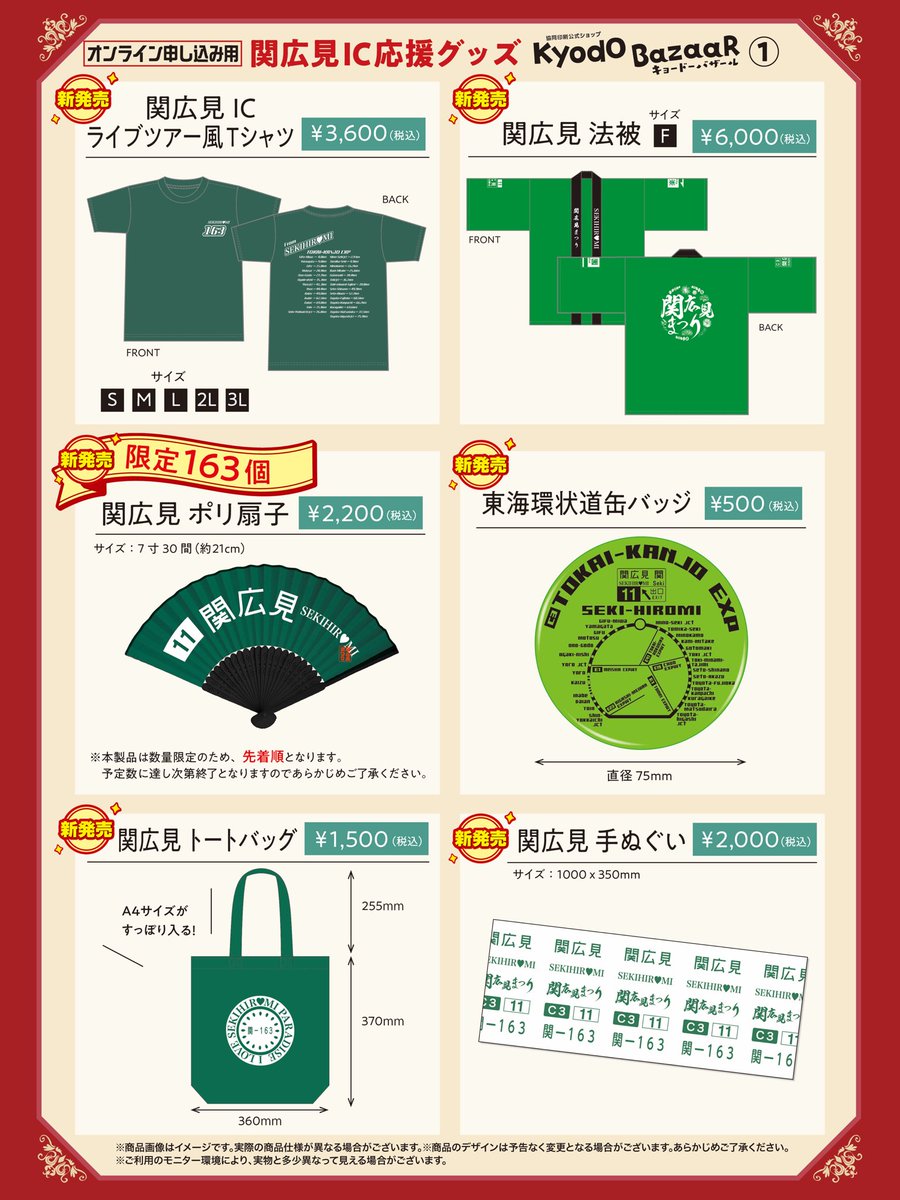
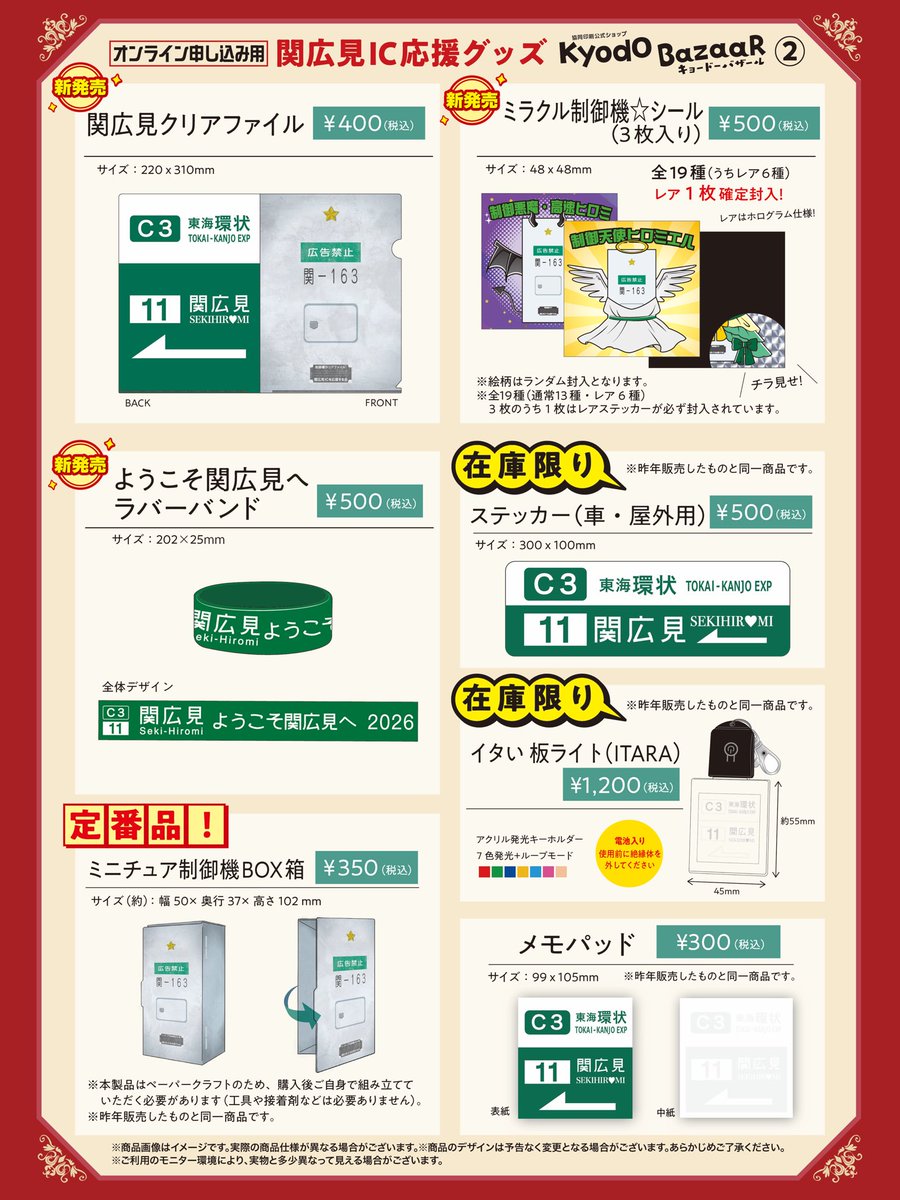
新商品が強い🔥
なぜ関広見ICでライブTシャツ、法被、トートバッグなのか。取材班は(以下略

4
399
笹川純一 retweeted

Jun 12
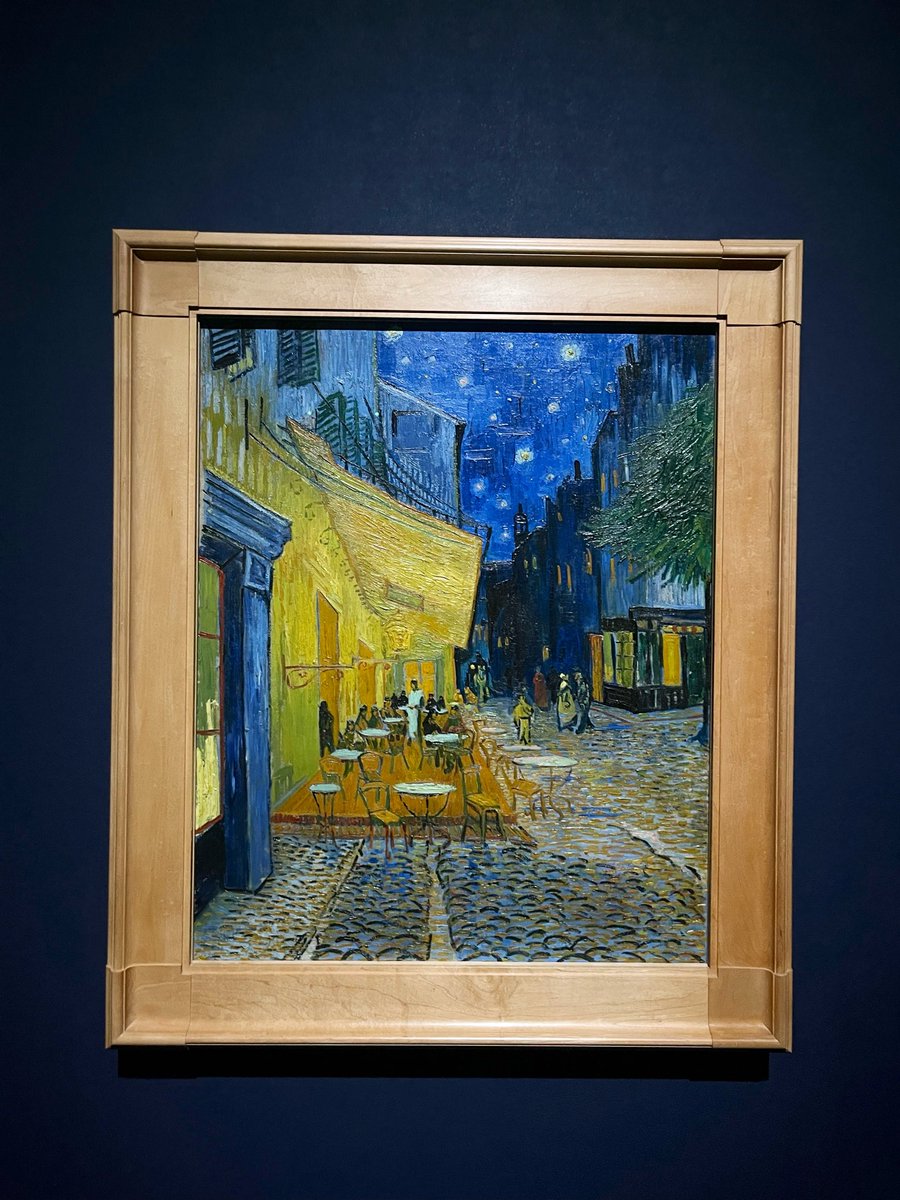
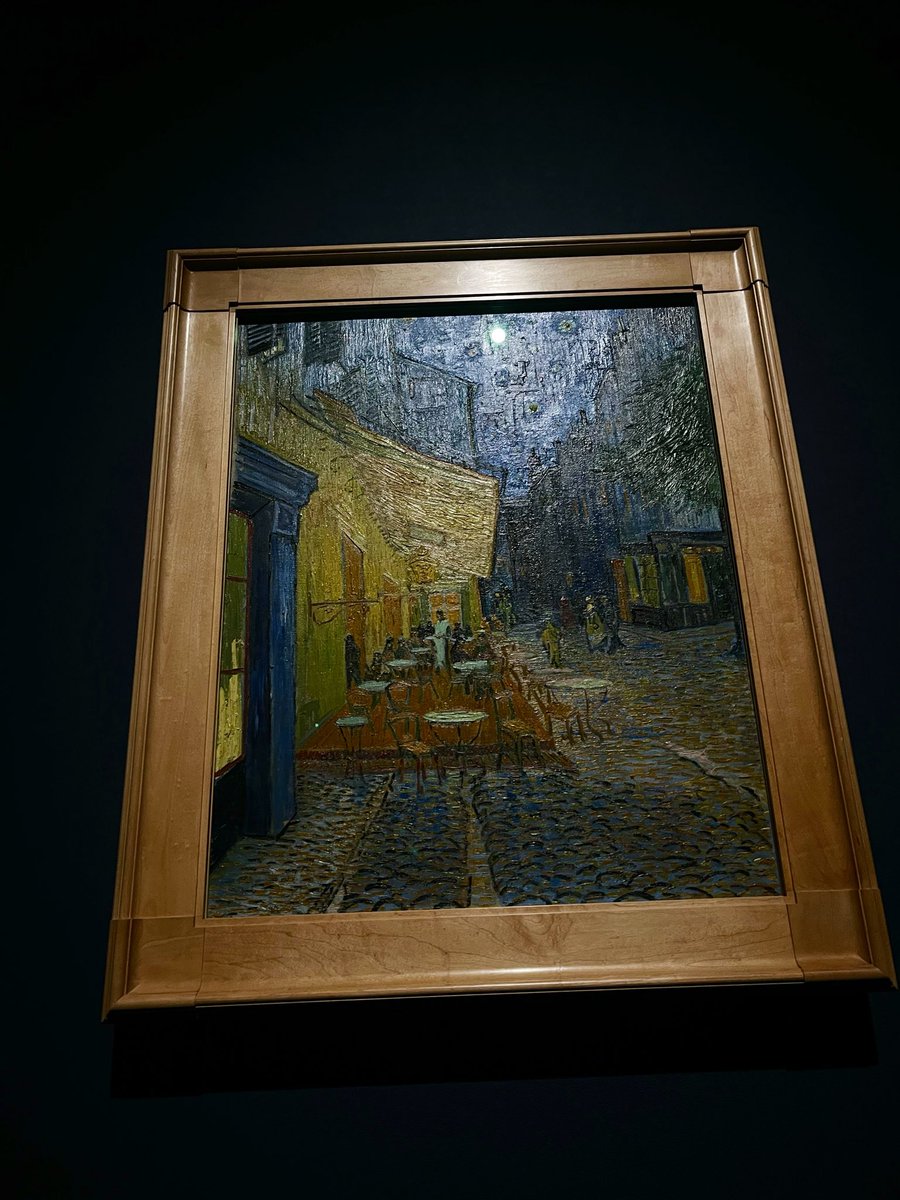
6歳とゴッホ展に行って夜のカフェテラスを3週した。私が撮った写真を見せたら、
6歳が「僕が見たのはもっと遅い夜だよ」と言うので、もう1回並んで6歳に写真を撮ってもらった。視点で見え方が変わるとは思わなかった。抱き上げて見せたら「夜が明るくなったね」と言っていた。
1,014
55,165
412,995
33,220,943