
808 Photos and videos














jeffrey retweeted

10 May 2024
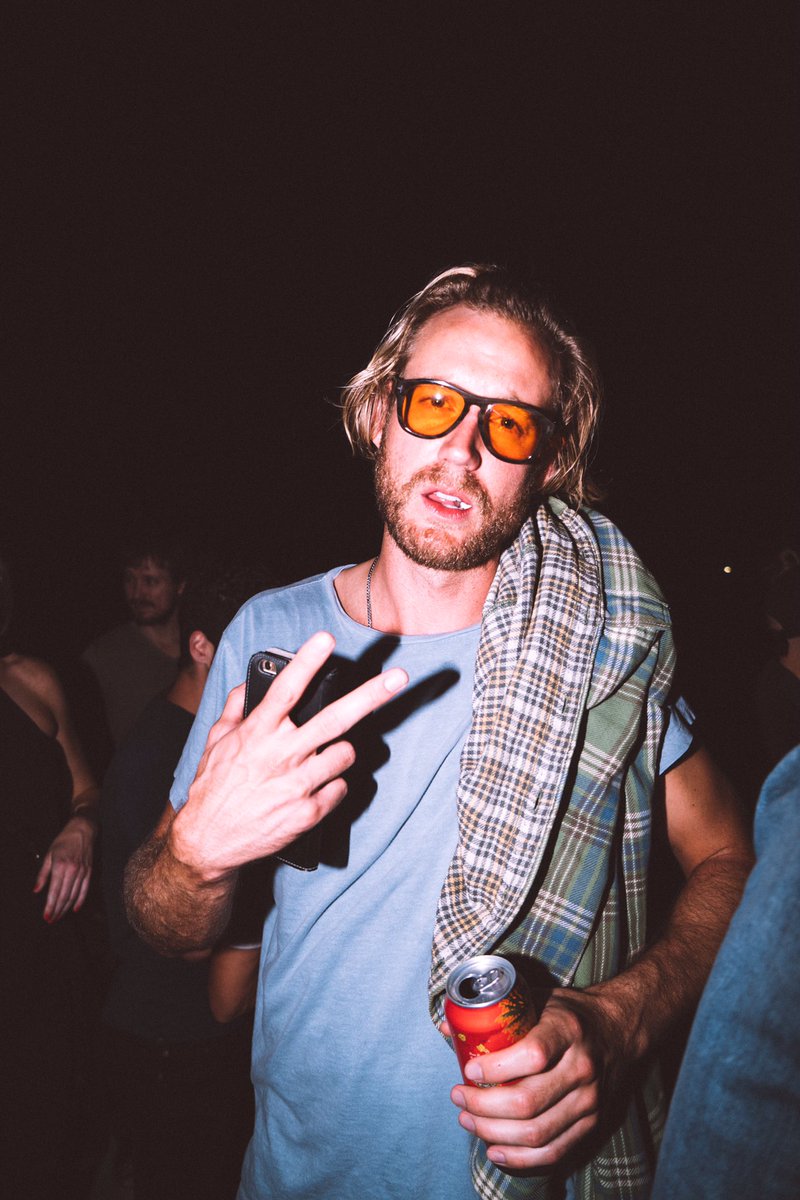
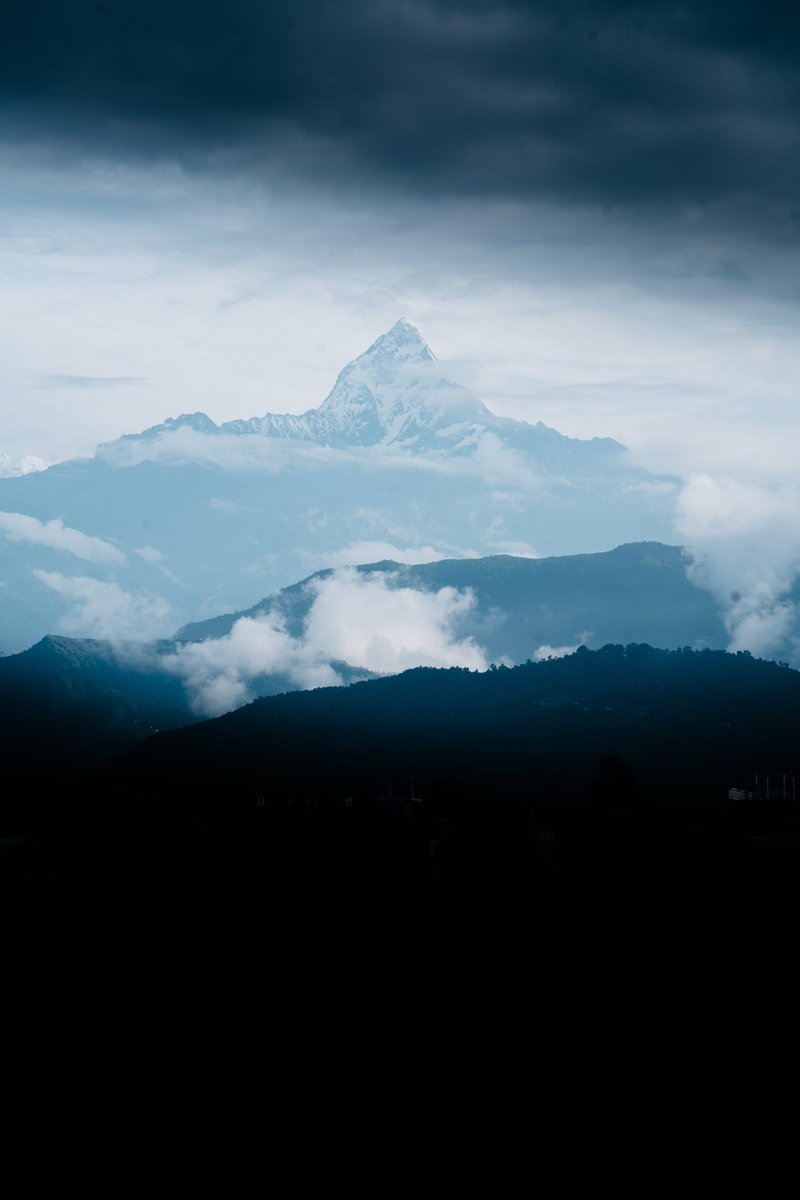
The most important skill in the 21st century is the ability to happily live with uncertainty.
102
1,244
6,008
353,929
jeffrey retweeted

20 Feb 2024
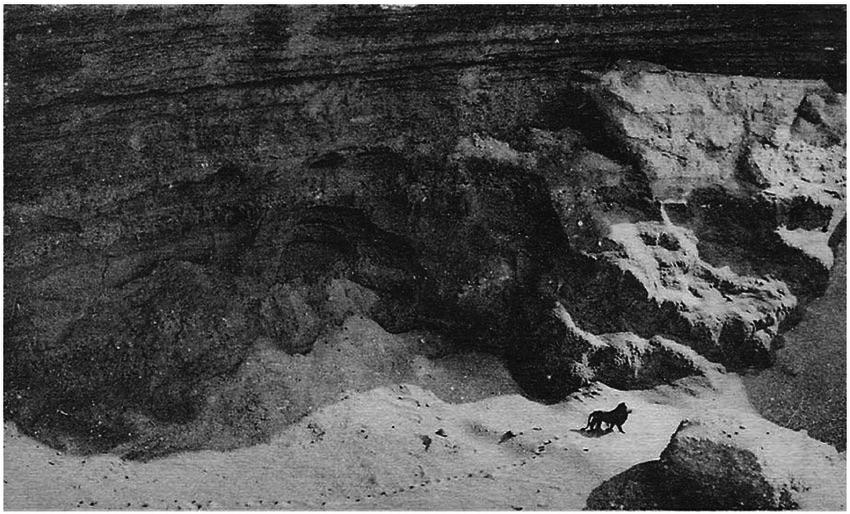
In 1925, a man flying from Casablanca to Dakar photographed a Barbary Lion in the Atlas Mountains.
This photo is special because it's the last known picture of a wild Barbary Lion before they went extinct.
This lion, often called the Egyptian Lion, was famous its size and strength. It was the kind of lion that fought gladiators in ancient Rome.
They were known for their big, impressive manes, which they probably grew because it's colder in the Atlas Mountains.
216
3,071
30,967
9,739,349
jeffrey retweeted

17 Sep 2023
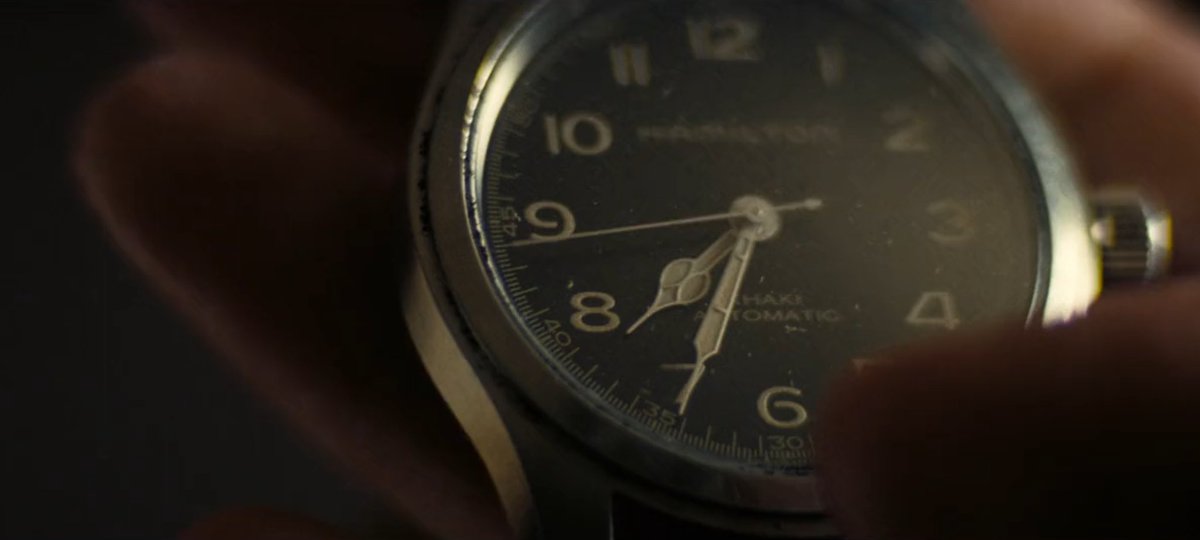
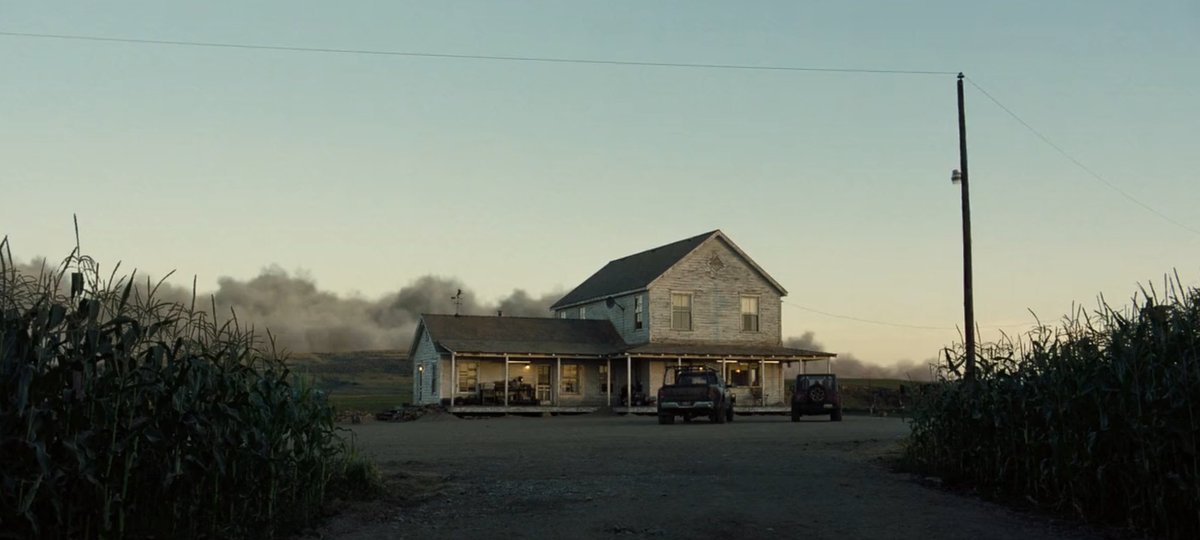
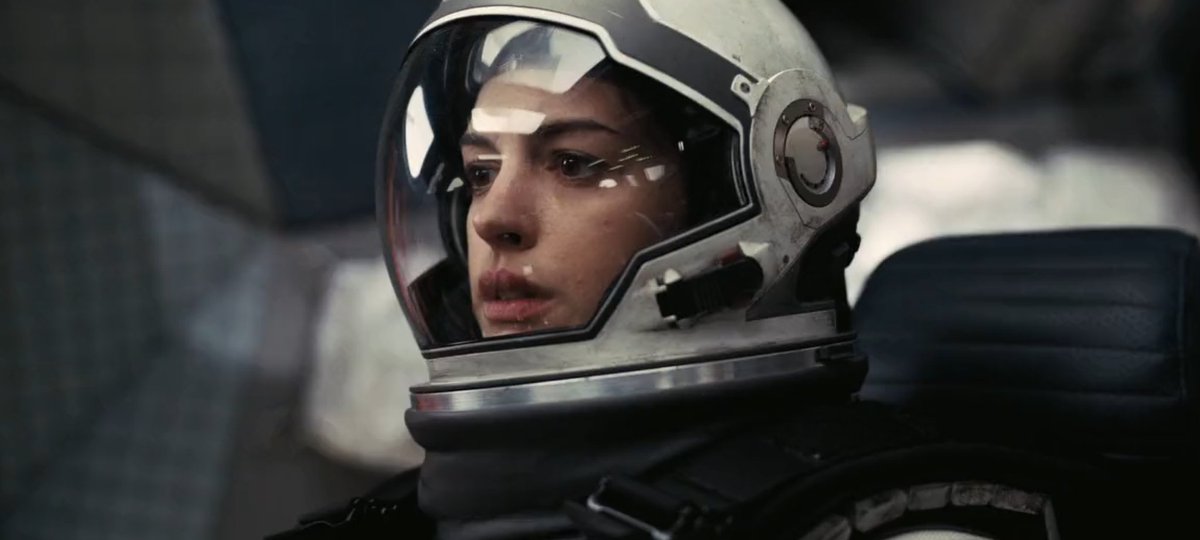
Interstellar (2017) dir. Christopher Nolan

64
1,256
12,333
732,565
jeffrey retweeted

23 Jul 2023
What are your top 3 Christopher Nolan films? 🍿
1,793
1,140
15,461
4,140,851
jeffrey retweeted

15 Jul 2023
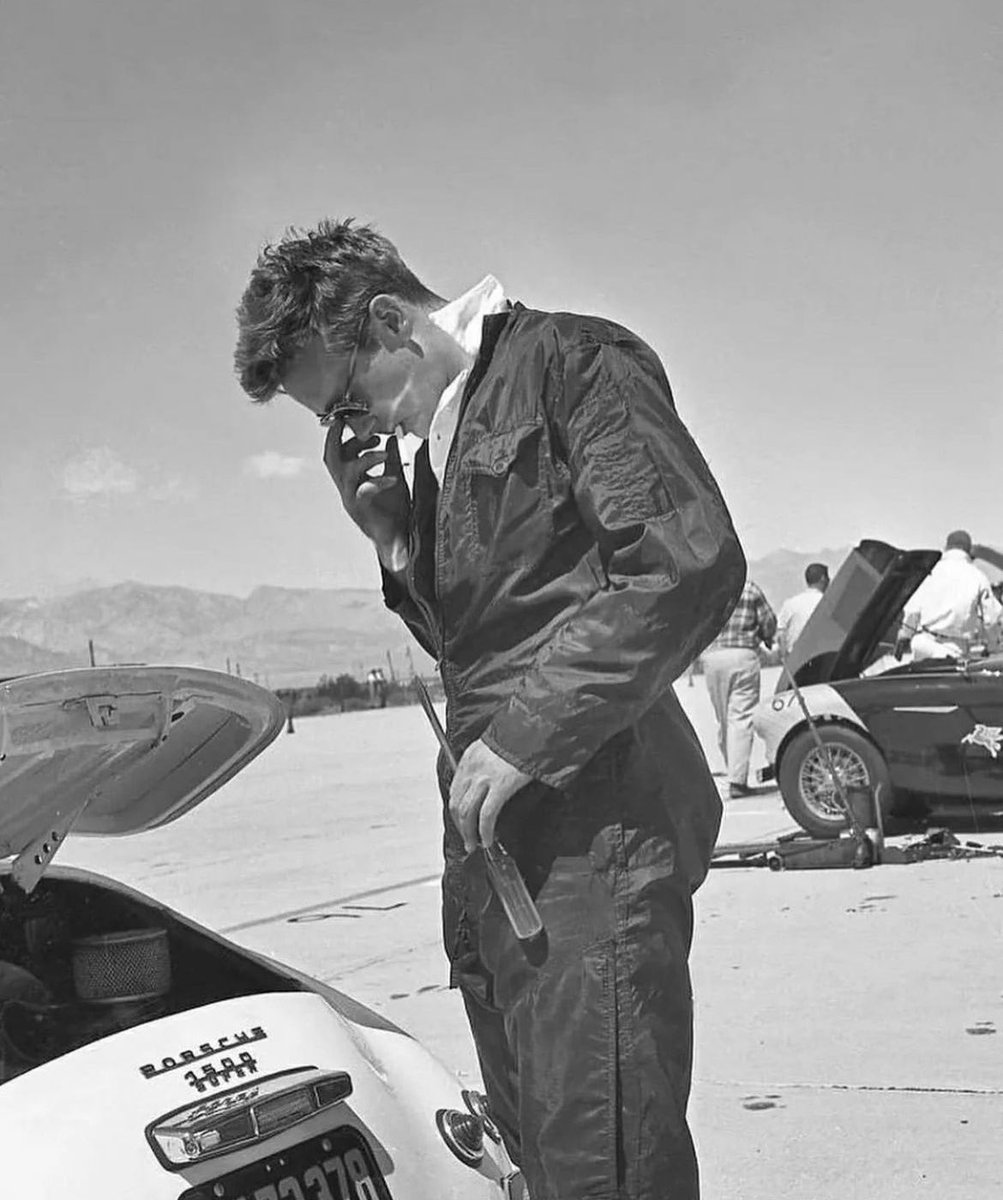
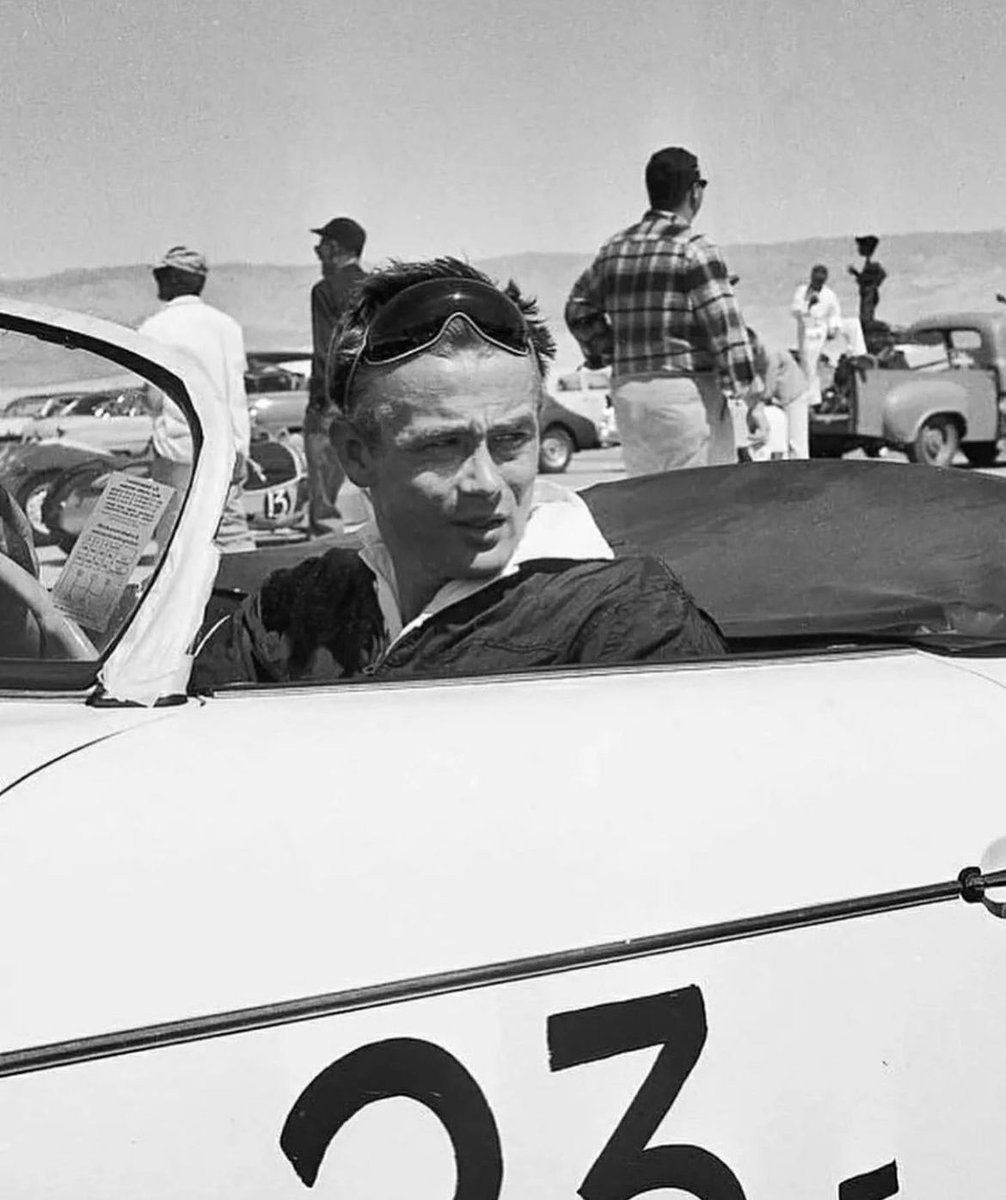
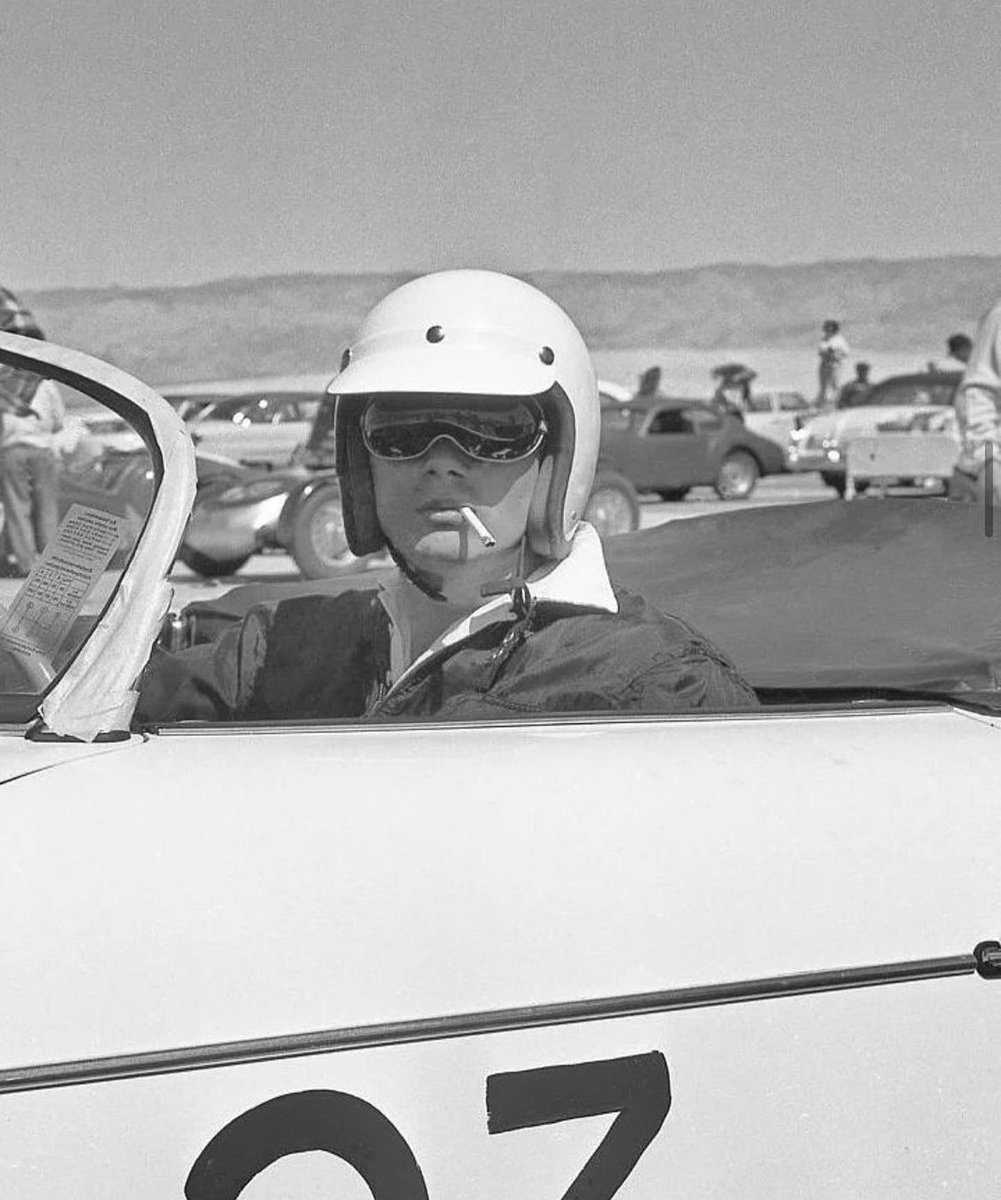
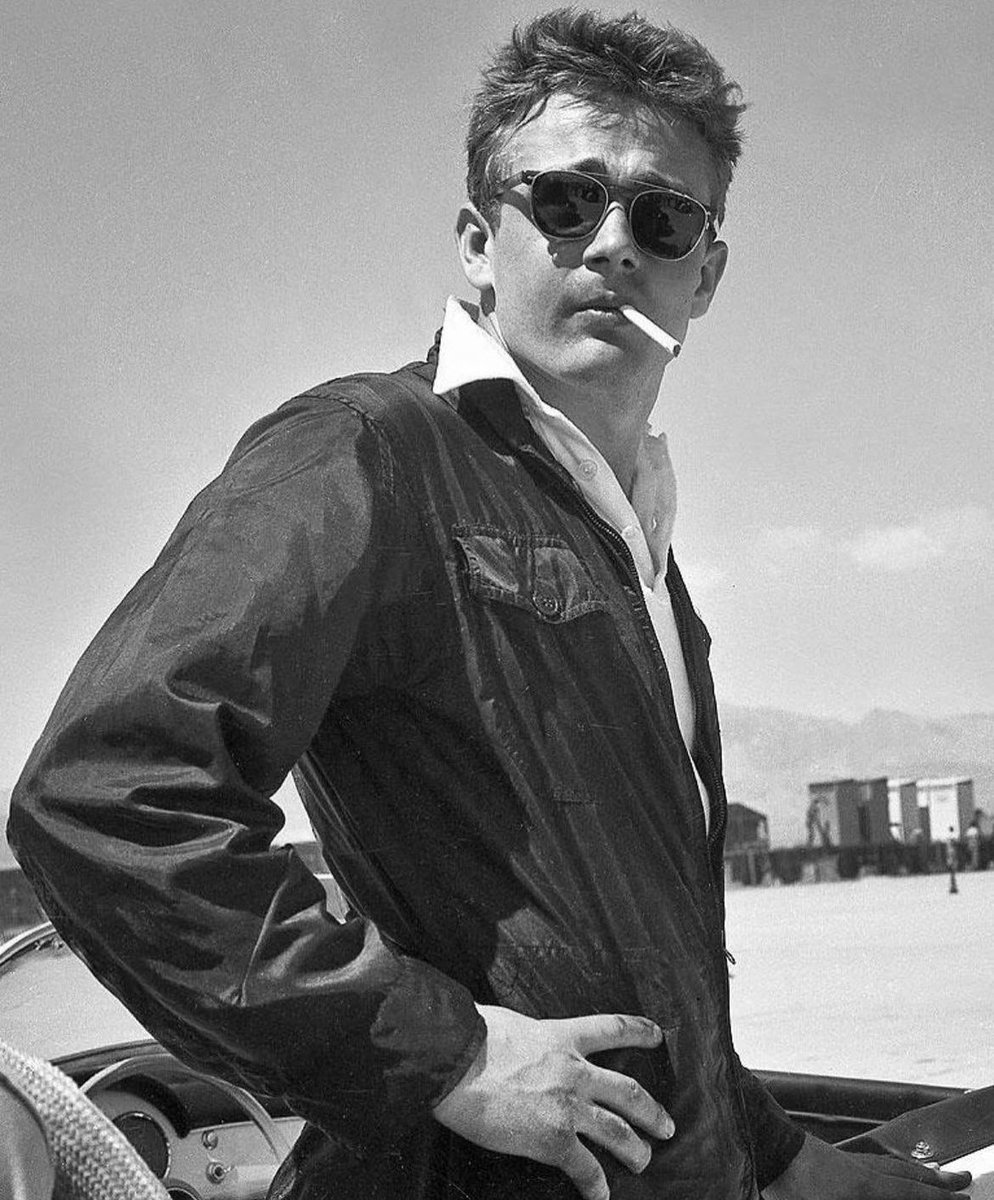
Timeless icon James Dean photographed during his visit to Palm Springs in March 1955.
James Dean, born on February 8, 1931, was an American actor whose life and career were tragically cut short, yet his impact on Hollywood and popular culture has endured for decades. Despite starring in only three major films before his untimely death at the age of 24, Dean left an indelible mark on the world of cinema and became an icon of youth rebellion and disillusionment.
James Dean was born in Marion, Indiana, to Winton Dean and Mildred Wilson. His father worked as a dental technician, and his mother was a homemaker. After his mother's death from cancer when he was just nine years old, Dean moved to Fairmount, Indiana, to live with his aunt and uncle on their farm. It was during these formative years that Dean developed a love for acting, participating in high school plays and exploring his artistic inclinations.
After graduating from high school, Dean moved to California to pursue his dream of becoming an actor. He enrolled in UCLA and studied drama while also landing some minor television roles. However, his big break came when he was accepted into the prestigious Actor's Studio in New York City, where he honed his craft under the guidance of Lee Strasberg.
Dean's breakthrough came in 1955 when he starred as Cal Trask in Elia Kazan's film adaptation of John Steinbeck's novel, "East of Eden." His mesmerizing performance earned him an Academy Award nomination for Best Actor and established him as a rising star in Hollywood. Later that year, Dean starred in "Rebel Without a Cause," a film that would define his legacy and cement his status as the embodiment of teenage rebellion and angst. The iconic red jacket he wore in the film became a symbol of teenage rebellion and nonconformity.
In 1956, Dean starred in his final film, "Giant," alongside Elizabeth Taylor and Rock Hudson. The film was released posthumously after Dean's fatal car accident, which occurred on September 30, 1955, just weeks before "Rebel Without a Cause" premiered.
The tragic accident occurred when Dean was driving his Porsche 550 Spyder to a racing event in Salinas, California. He collided with another car at a highway intersection, and despite being taken to the hospital, he was pronounced dead on arrival. Dean's untimely death at the age of 24 shocked the world and left an enduring sense of loss among his fans and the entertainment industry.
James Dean's legacy transcended his brief life and career. He became a symbol of youthful rebellion and the struggle against societal norms. His intense and brooding on-screen persona resonated deeply with young audiences, and he became an emblem of the "live fast, die young" mentality. Dean's image was further immortalized by the poignant phrase "Live fast, die young, and leave a good-looking corpse," which captured the essence of his persona.
Over the years, Dean's popularity has only grown, and he remains a cultural icon. His influence can be seen in subsequent generations of actors and filmmakers, with many citing him as an inspiration for their work. The mystery surrounding his untimely death and the potential he showed as an actor have only added to the allure of his legacy.
Beyond his acting talent, James Dean's impact on fashion, popular culture, and the representation of youth in media has been profound. He embodied a spirit of rebellion and authenticity that continues to resonate with audiences worldwide.
In recognition of his enduring legacy, James Dean was awarded two posthumous Academy Award nominations for Best Actor, one for "East of Eden" and another for "Giant." Additionally, he received a star on the Hollywood Walk of Fame in 1960, further solidifying his place in Hollywood history.
32
119
1,180
683,284
jeffrey retweeted
15 Jul 2023
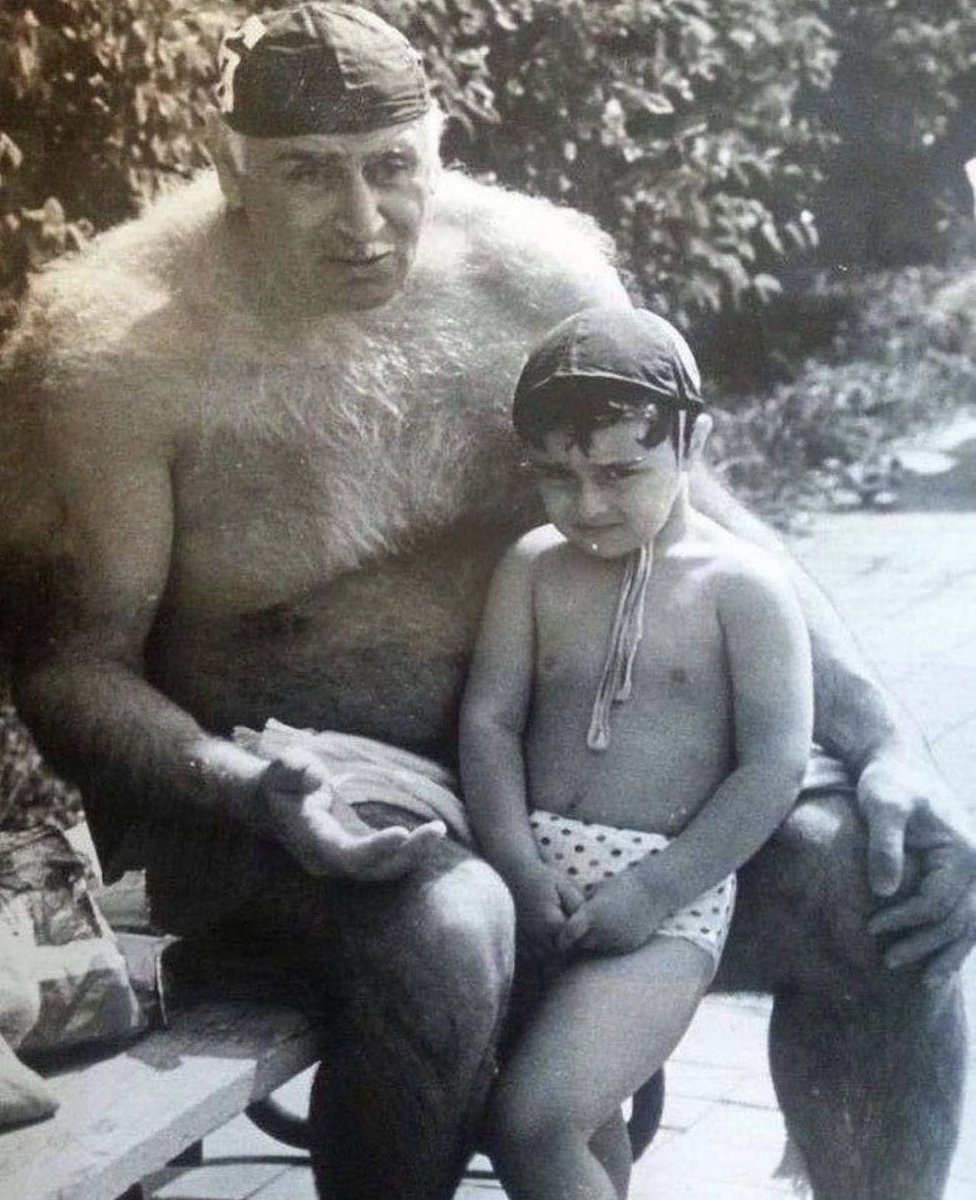
Soviet water polo player Petre Kako Mshvenieradze was captured in a heartwarming moment with his grandson in 1990. A legendary athlete, he had a remarkable career representing the Soviet Union in multiple Summer Olympics.
1. 1952 Summer Olympics: Petre Kako Mshvenieradze showcased his skills and dedication to the sport as he competed in water polo at the 1952 Helsinki Summer Olympics. The tournament was a testament to his talent and commitment to the team.
2. 1956 Summer Olympics: Four years later, at the 1956 Melbourne Summer Olympics, Petre Kako Mshvenieradze's exceptional performance led the Soviet water polo team to a historic victory. They secured the bronze medal, demonstrating their prowess and competitiveness on the international stage.
3. 1960 Summer Olympics: Undeterred by the previous achievements, Petre Kako Mshvenieradze continued to shine in the water polo world. At the 1960 Rome Summer Olympics, his unparalleled skills and leadership guided the Soviet Union to an even greater accomplishment - winning the silver medal. This achievement solidified his reputation as one of the finest water polo players of his time.
Throughout his career, Petre Kako Mshvenieradze's contributions to the sport of water polo left an indelible mark, inspiring future generations of athletes. His dedication and passion for the game served as an example of sportsmanship and excellence both on and off the field.
1,689
1,577
34,899
9,729,806
jeffrey retweeted

13 Jul 2023
THREAD ON WESTERNWEAR
Some ideas on how to make Westernwear look good 🧵

13 Jul 2023

Okay, but plz give us a thread over modern western wear and how to make it look good
69
403
9,058
2,528,025
jeffrey retweeted
2 Jul 2023
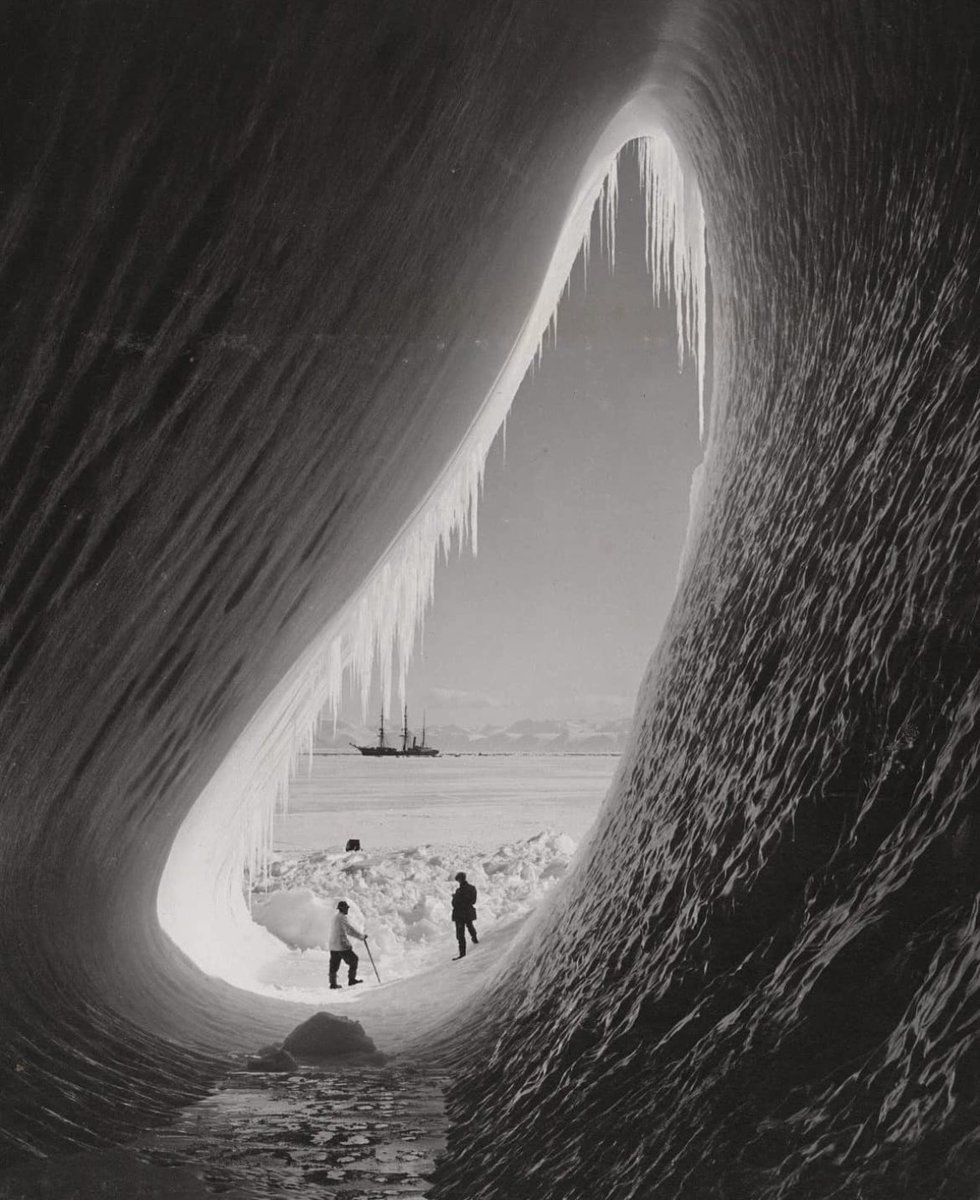
On January 5, 1911, geologist Thomas Griffith Taylor and meteorologist Charles Wright found themselves at the entrance of a breathtaking grotto nestled within the side of an iceberg. The monumental moment was captured in a photograph, with the magnificent Terra Nova ship serving as a stunning backdrop. This enchanting scene unfolded during the iconic British Antarctic Expedition, under the leadership of Captain Robert Falcon Scott. Spanning from 1910 to 1913, this expedition marked a significant milestone in the exploration of the Antarctic region, showcasing the courage and determination of these pioneering explorers.
221
3,191
30,664
11,452,468
jeffrey retweeted

24 Jun 2023
Things I'm doing at 43 to avoid regret when I'm 83:

210
2,089
12,338
4,942,339
jeffrey retweeted

24 Jun 2023
He sold over 20,000,000 pairs of sunglasses with a 240 word story.
And is considered to be one of the greatest copywriters, ever.
Here’re 5 of Joe Sugarman’s most powerful writing secrets:
(Starting with the two he called “THE most powerful”)
144
977
5,784
2,487,357
jeffrey retweeted

23 Jun 2023
Fonts can make or break your brand. 🔥
Here's 10 fonts you've probably never heard of that I can't get enough of lately:
58
263
2,518
571,947

27 Mar 2023
10.If you are waiting for some special person to come and tell you what the meaning of your life is you are going to be waiting a very long time. The truth is, we decide the meaning and we decide what’s worth chasing…
1
97
27 Mar 2023
…Life is like a big treasure hunt and at the end of it you realize that you weren’t after gold. You were after the adventure it took to get there. The friends you made. The love you shared. And the memories that live on forever.
92