
Assistant Professor with the Chase Center for Civics, Culture, and Society at The Ohio State University | Sociologist | Religion, Politics, Culture, Knowledge
Joined August 2022
- Tweets 2,186
- Following 1,146
- Followers 1,442
- Likes 9,614
164 Photos and videos



Pinned Tweet

16 Dec 2025
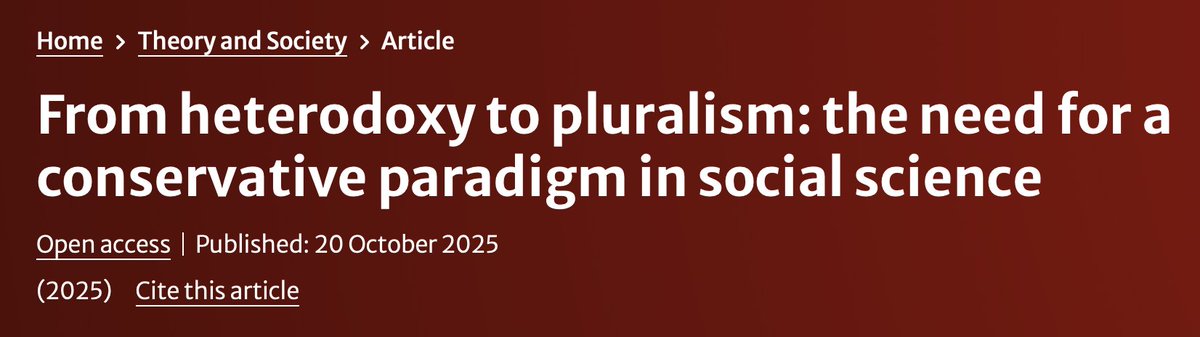
See my latest at Theory & Society.
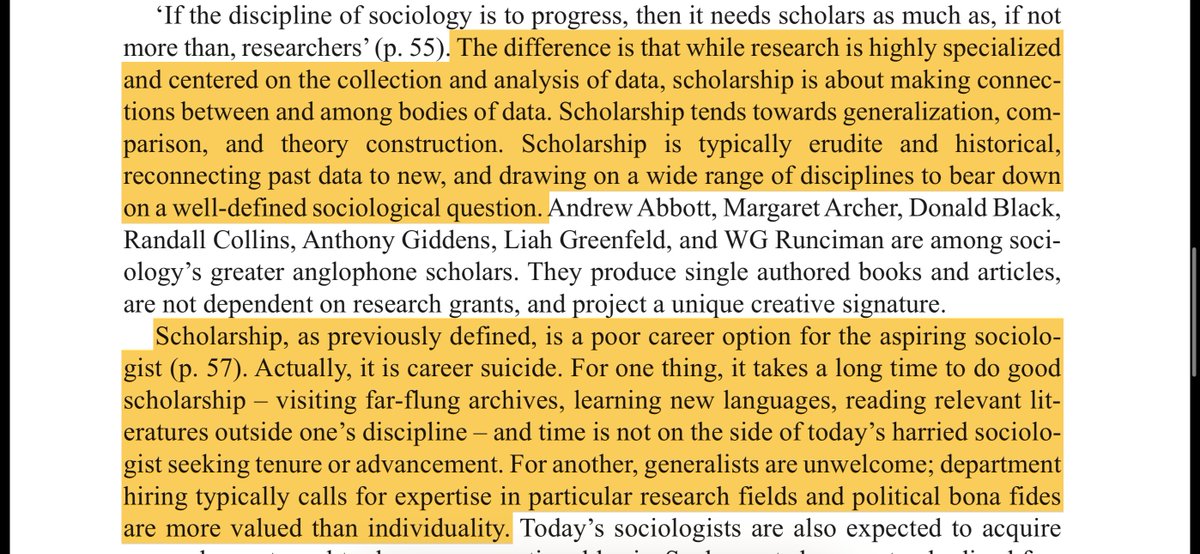
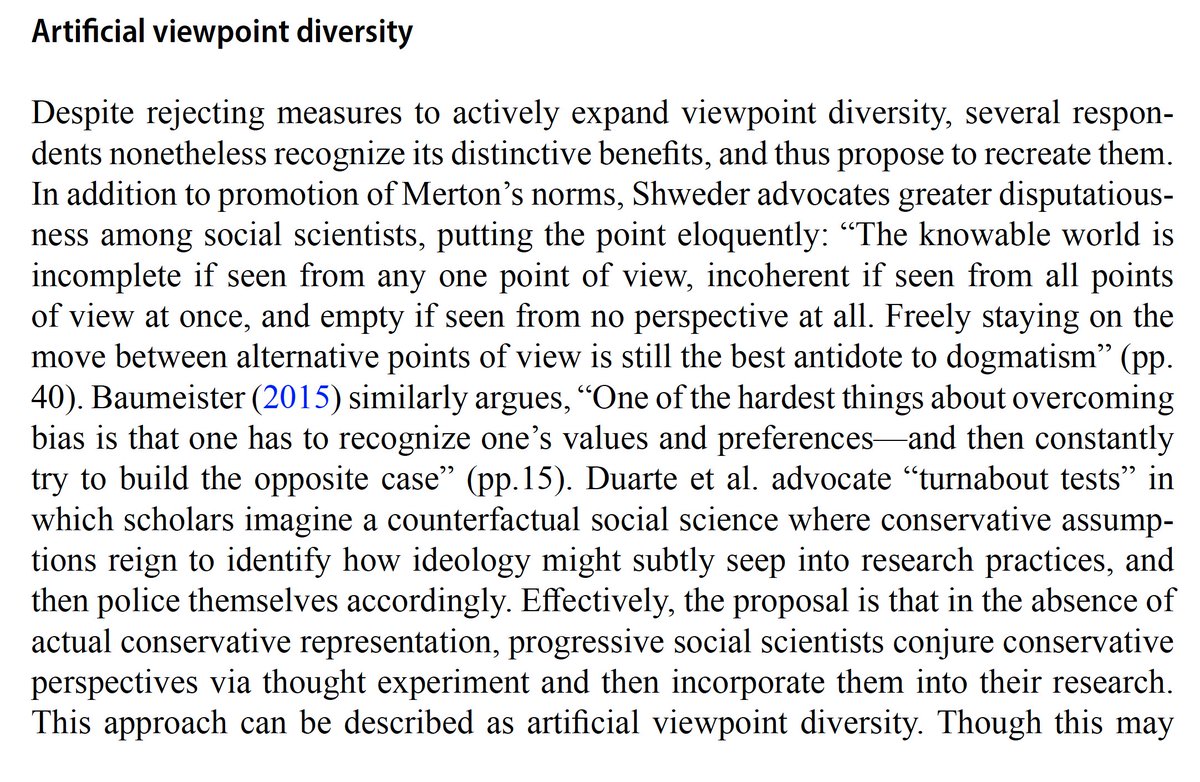
There's lots talk about the need for viewpoint diversity in higher ed, but the discussion can be vague. I provide clarity re: what it is, what problem it's supposed to solve, and what it should look like in the context of social science. 1/ 🧵
8
26
134
11,576
Jun 13
By coincidence, on the same day I post about the challenges of assessing the extent to which scholarship is ideologically compromised, Ashley Rubin shares her experiences grappling with exactly those challenges.
Among other things, learned I’ll have to stop telling people the humanities are worse than the social sciences.
substack.com/@ashleytrubin/n…
2
17
1,413
Jun 12
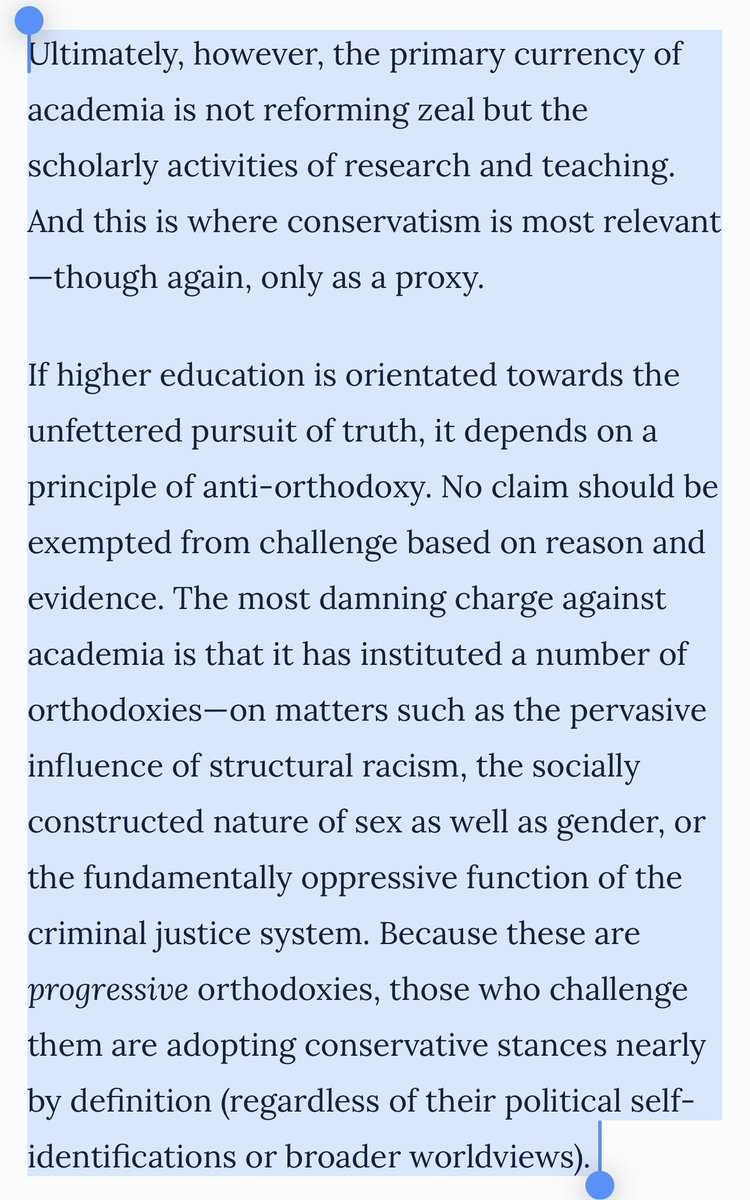
New Substack post up, in which I discuss the challenges of establishing empirically that we have a problem with ideological scholarship (though I think we do), discuss existing efforts, and gesture in the direction of future possibilities.
nextturtledown.substack.com/…
7
20
961
Jun 12
Kind of weird how Appiah is so dismissive of the idea that conservatives might face discrimination in the humanities and social sciences, given that the replacement of scholarly standards with progressive political criteria is the main conclusion of the report!
Still, worthwhile interview, and it does highlight the absurdity of dismissing the report as a right-wing attack.
chronicle.com/article/inside…
5
10
82
10,464
Jun 12
Good to know.
Jun 11

I wanted to see what "The Center for the Defense of Academic Freedom" did in practice. So I FOIAed the emails of one of its fellows. They included links to meeting audio, transcripts, grant records, and more.
The results were eye-opening.
city-journal.org/article/mel…
1
4
559
Jesse Smith retweeted

Jun 11
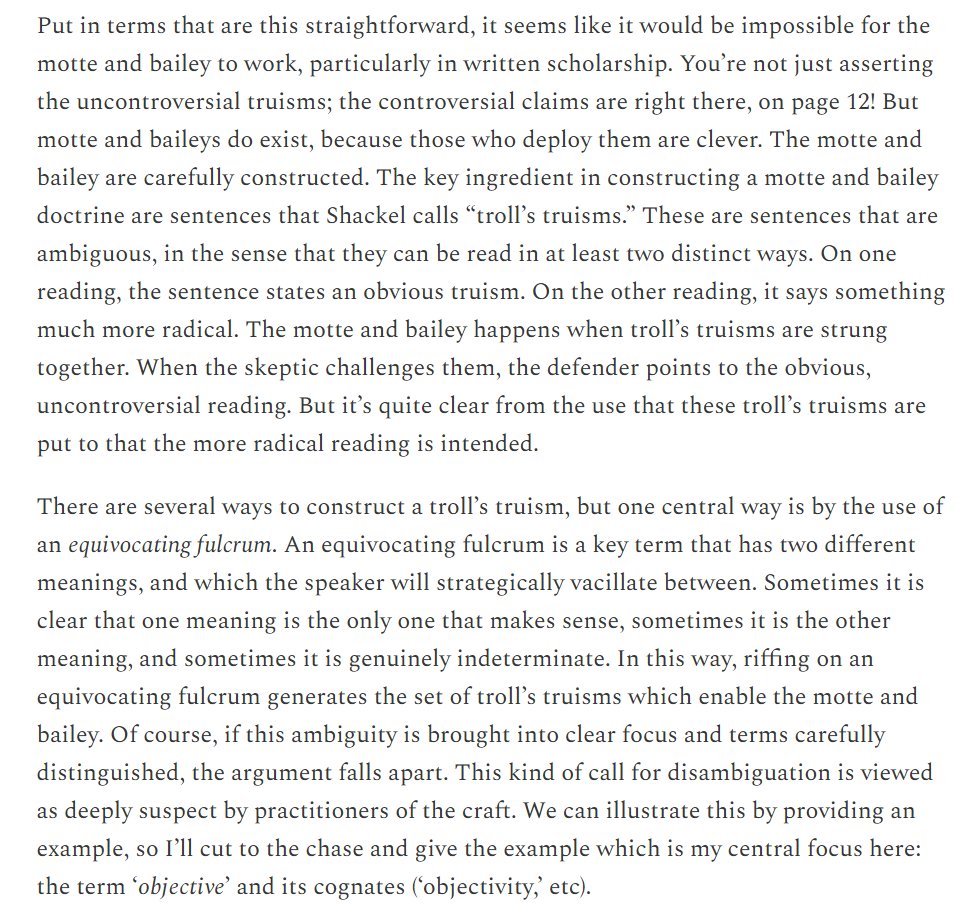
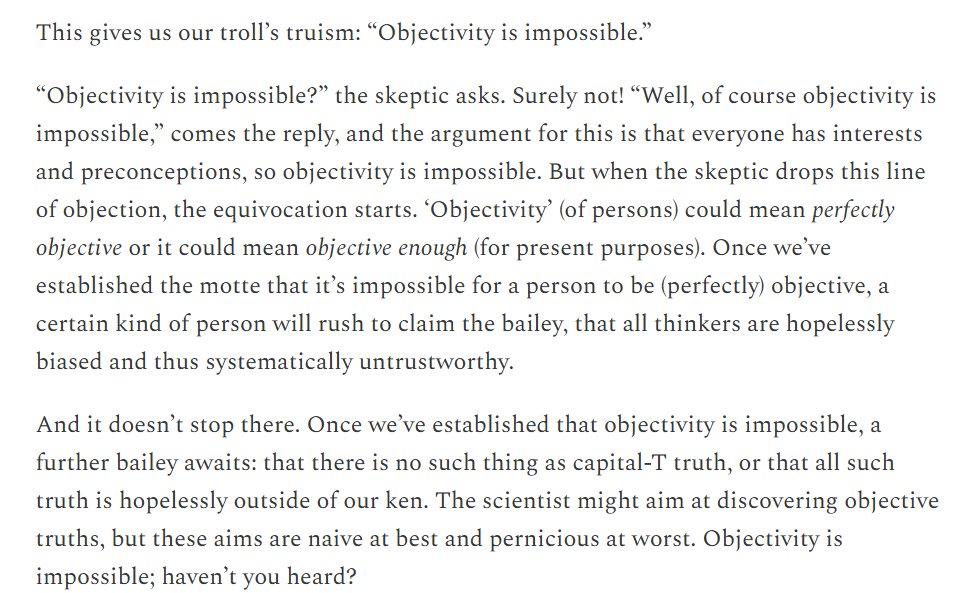
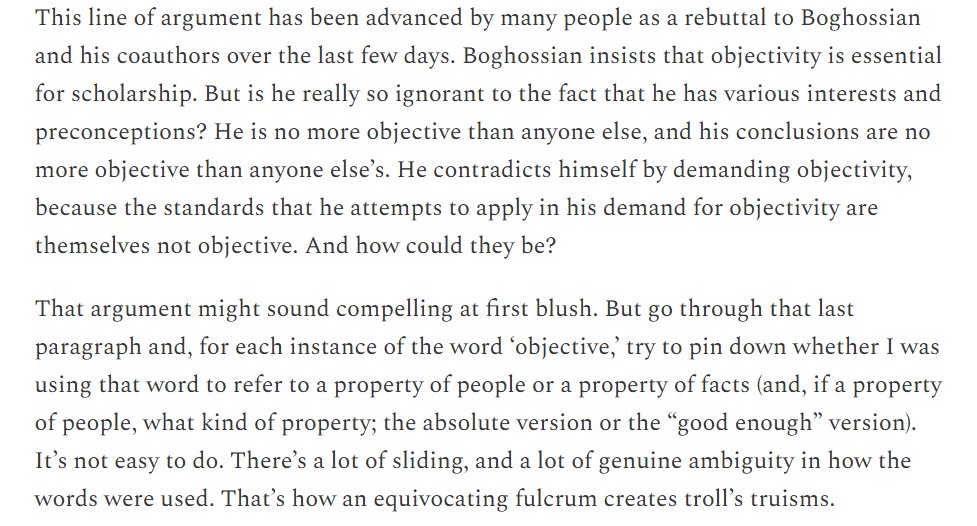
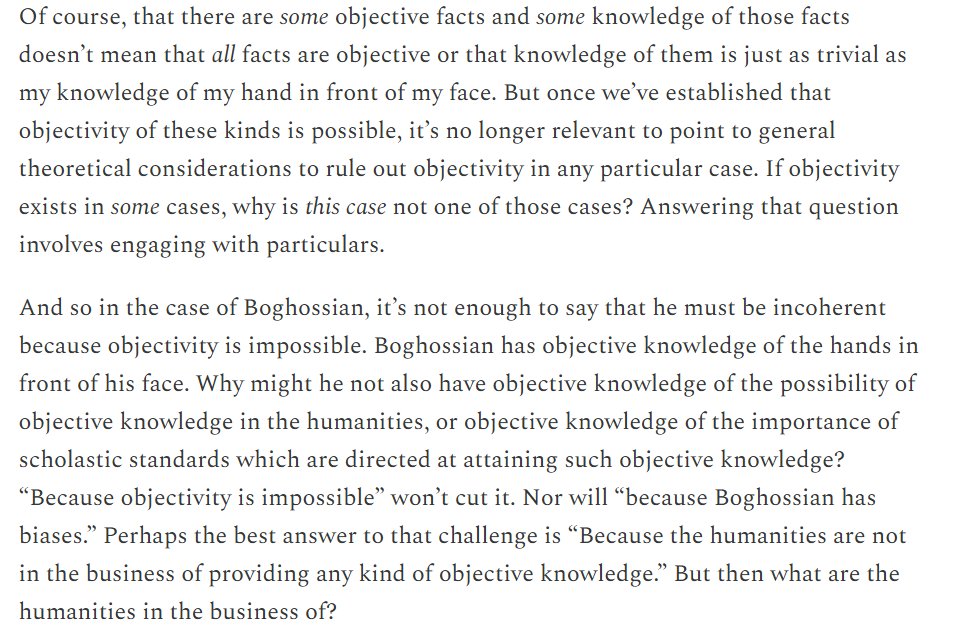
I'm up at the 'Stack for a second time this week, this time with an analysis of one reason why people wrongly reject the possibility of objectivity. Highlights here, link down below.
3
2
6
549
Jun 11
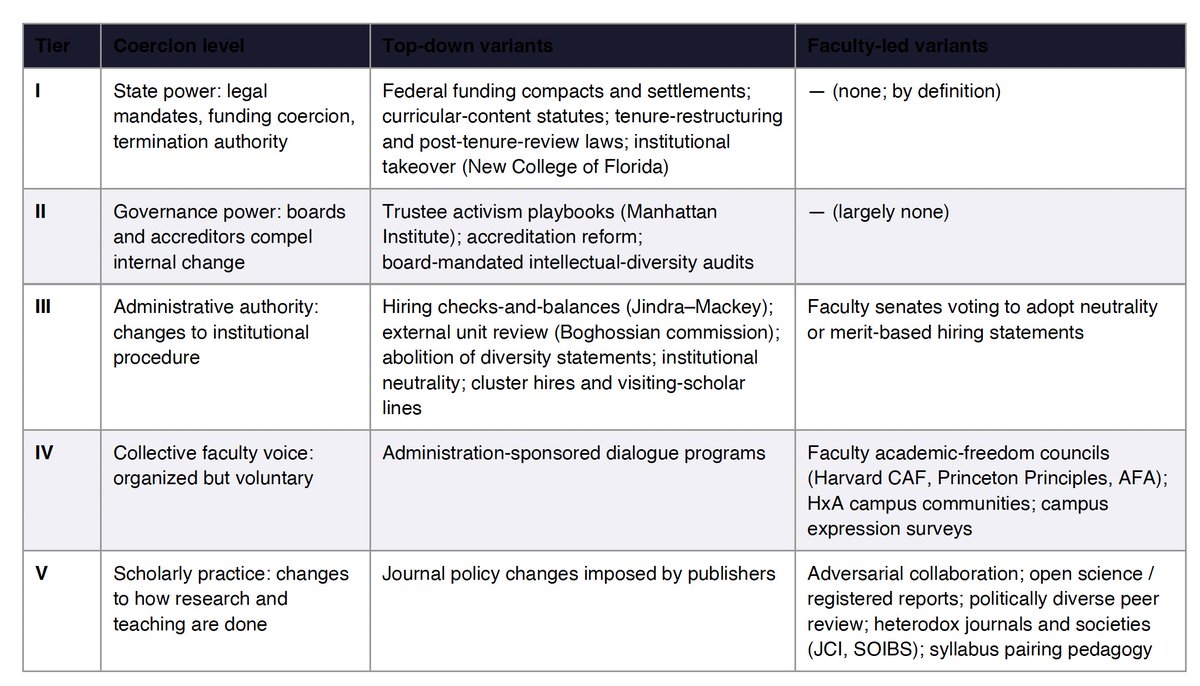
Asked Fable for a summary of higher ed reform efforts focused on ideological imbalance, sorted by coerciveness and locus of initiative (top-down vs. faculty-led). Produced an impressive 13-page document in about 5 minutes. But readable table headings—now that's a bridge too far.
2
9
1,167
Jun 11
(Asked it to leave off civic centers because I already know about those, though of course they're a major piece of this puzzle.)
2
190
Jesse Smith retweeted

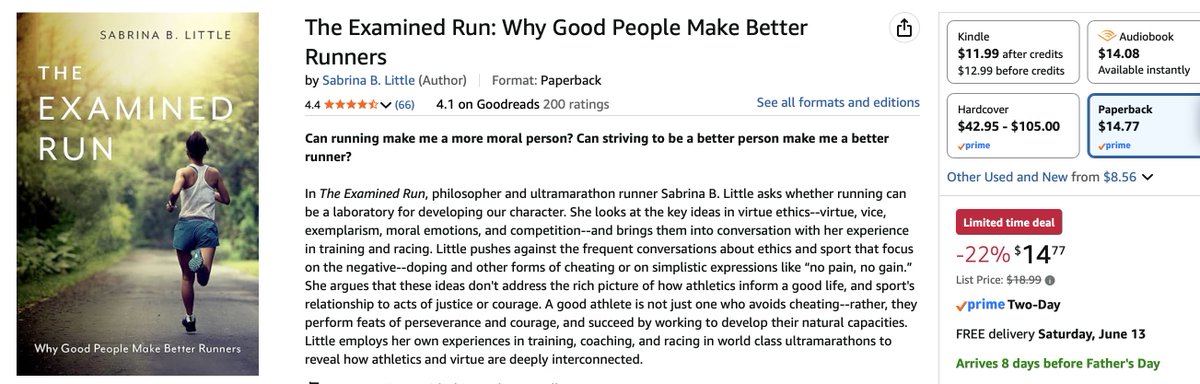
My @osuchasecenter colleague @sabrinablittle's book, "The Examined Run: Why Good People Make Better Runners (@OxUniPress)," is on sale for Prime Day. Check it out!
1
2
10
989
Jesse Smith retweeted

Jun 11
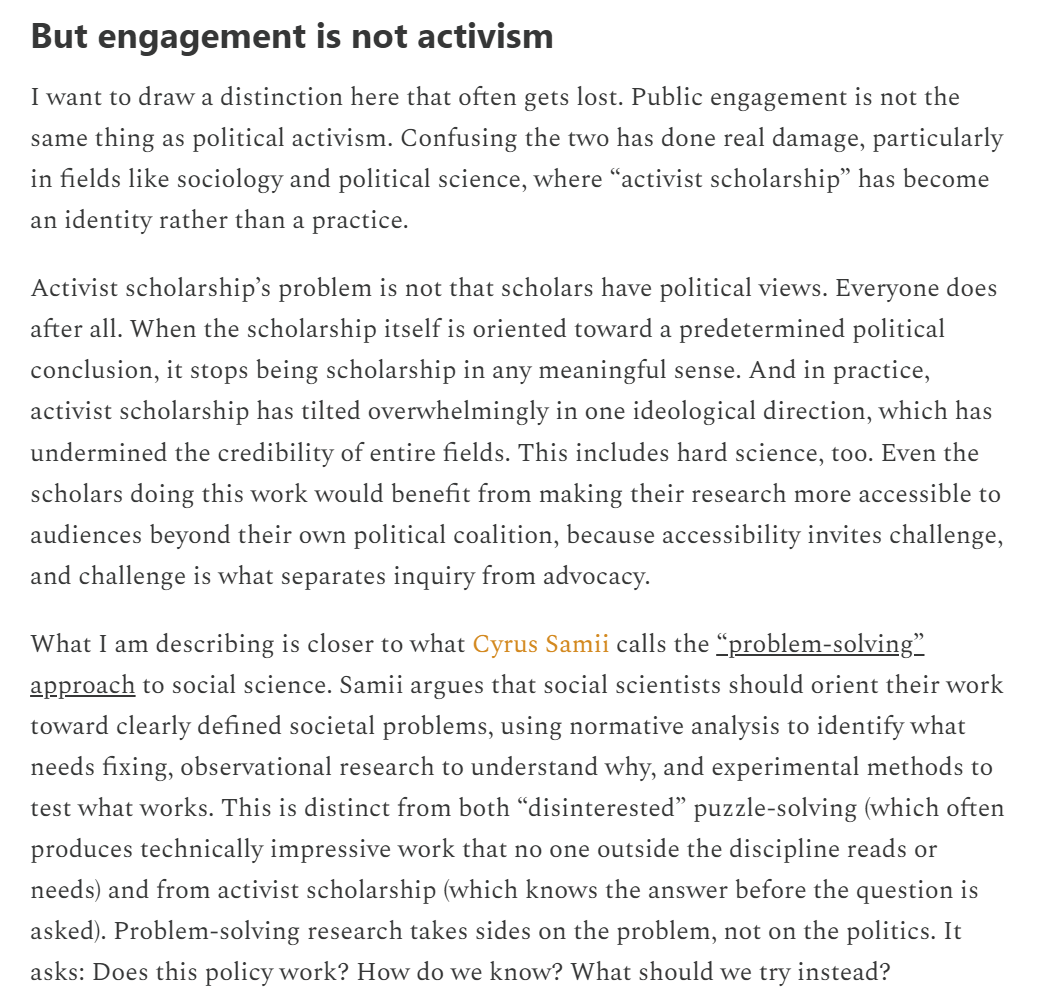
The thread is right about the phenomenon: many scholars describe their own work as activism, and universities have built hiring pipelines around it. But a lot of folks also still seem confused about the difference between activism and public engagement.
One decides its conclusions before the research starts. The other invites challenge, and challenge is what separates inquiry from advocacy. Confusing the two is costly in both directions: activist work gets to borrow the credibility of science, and honest public engagement gets dismissed as activism.
Social scientists do not have to choose between the ivory tower and activism. There is a third way, what political scientist @cdsamii calls the "problem-solving" approach: commit to a clearly defined societal problem, stay open about the answers, and figure out what needs fixing, why, and what actually works. Take sides on the problem, not on the politics.
Jun 10
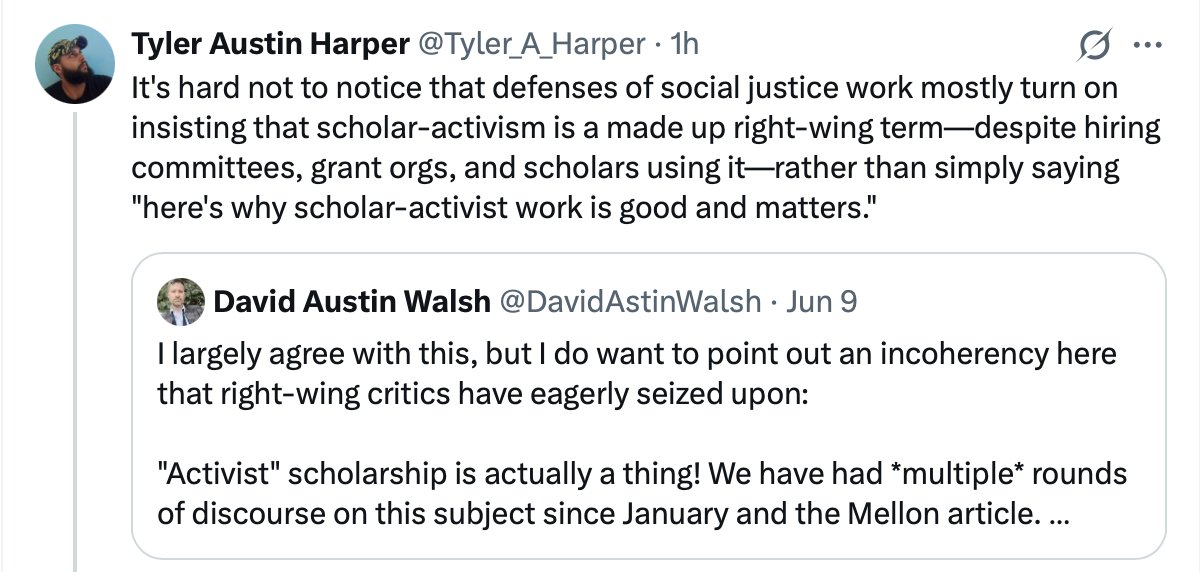
Last year, I wrote a series on what I call the "scholar-activist" career pipeline. In short, a bunch of universities carved out huge hiring programs for this type of scholar.
But I didn't coin the term. I use it because that's how these scholars describe themselves 🧵
10
22
87
21,492
Jun 10
Tim is a bit of an e-prankster so not sure if the claim is serious.
But fwiw, the sociology of religion's chief export in the past decade has been the study of "Christian nationalism" which mostly serves to cast conservative Christians as cryptofascists. There are not enough conservatives in the entire discipline of sociology to fill any subfield. The fact that any subfield reputed to have a discernible concentration is treated as suspect in the larger discipline is a pretty good indicator of the problem.
Jun 10

And if sociologists wanted to form a Justice for the Unborn, I’m sure they could. Have you checked out the sociology of religion subfield? It’s filled with many obvious conservatives.
5
3
42
5,515
Jun 10
Somewhat ironically, the leading figure in the "Christian nationalism" research agenda has highlighted the problem of the sociology of religion being marginalized due to rumors of ideological heterodoxy, as I discuss here. currentpub.com/2025/03/19/re…
1
13
380
Jesse Smith retweeted

"More Solutions, More Problems."
Check out Cory Clark's (@ImHardcory) and Maja Graso's introduction to their special issue on "Normative Scientific Conflicts" here: link.springer.com/article/10…
And check out the full special issue: link.springer.com/collection…
3
10
1,013
Jun 9
I thought Claude Code was going to have some big learning curve but at least in the desktop app, it turns out you just tell it what you want it to do in plain English and it does it. Wild.
5
198
Jesse Smith retweeted

Jun 9
"Researchers found that parents modelling their faith is the most powerful influence on adult religiosity." @ChristianToday @Jpdegance
christiantoday.com/news/pare…
2
2
173
Jesse Smith retweeted

Jun 9
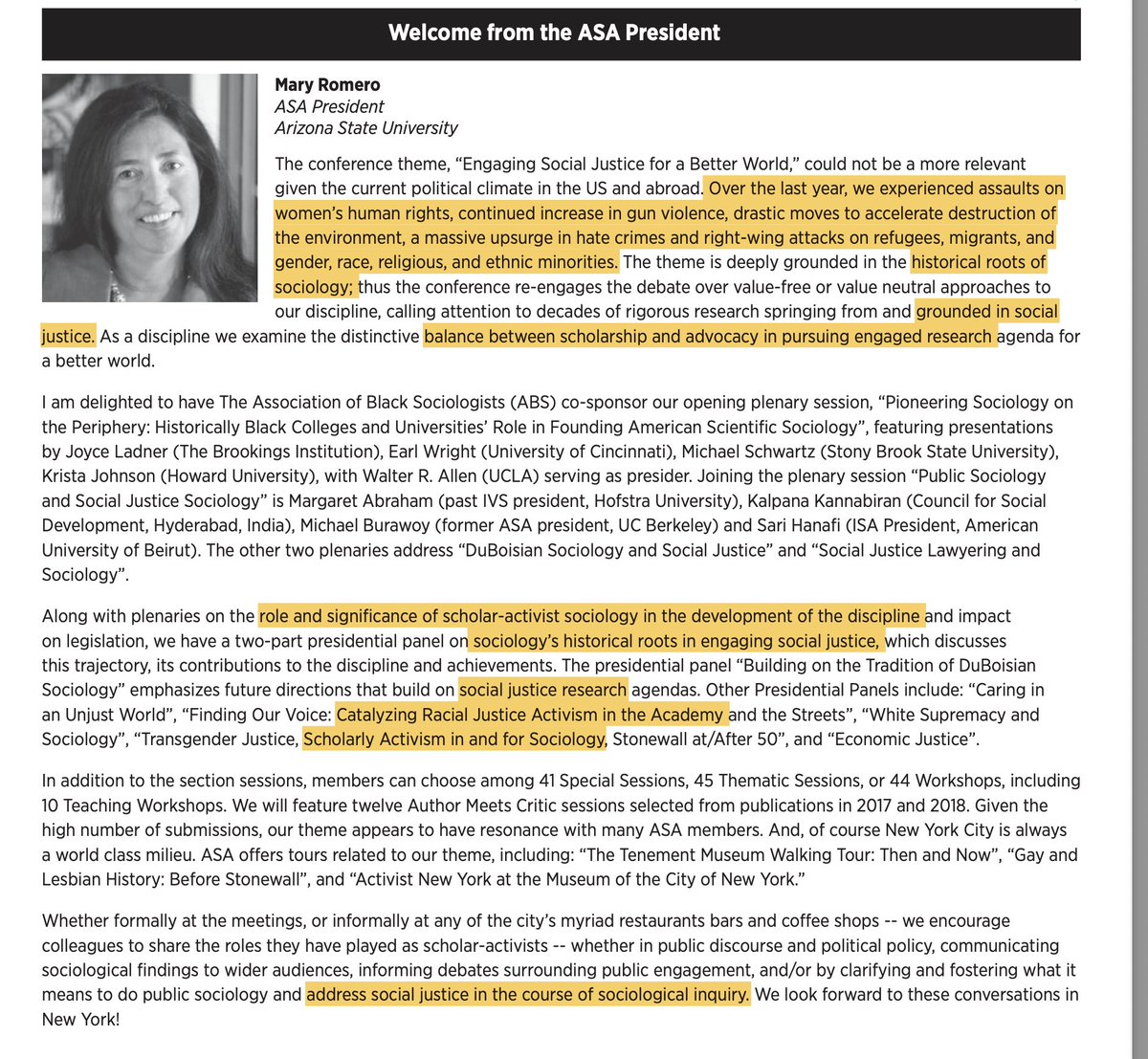
Sociologists have a choice.
1. Admit their field is devoted to left-wing activism. Be proud of it, openly defend it, and let the public decide if they want to support it. Don't throw a fit if they say no.
2. Admit it and demand reform.
3. Deny it and blame people for noticing.
12
16
88
21,847
Jesse Smith retweeted

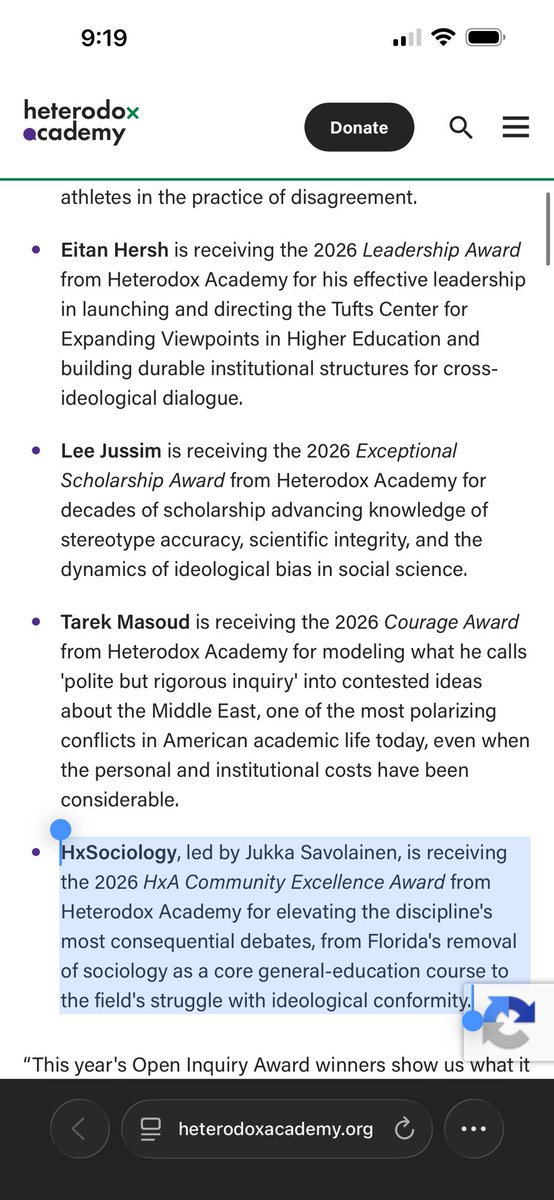
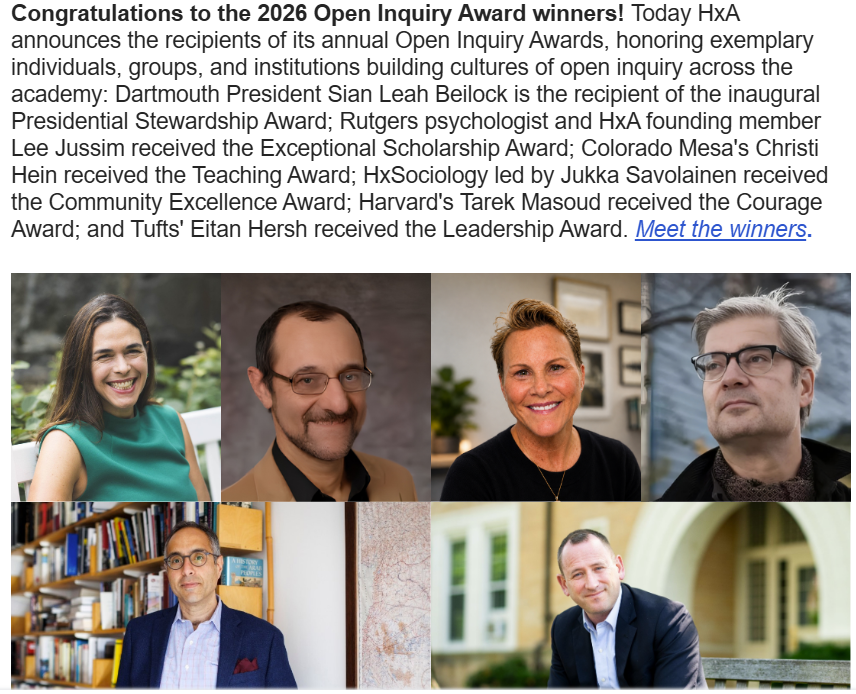
A round of applause for Jukka, Lee Jussim and all those looking to move diversity of thought forward with HxA Sociology.
2
16
1,034
Jun 9
1
2
21
910
Jun 8
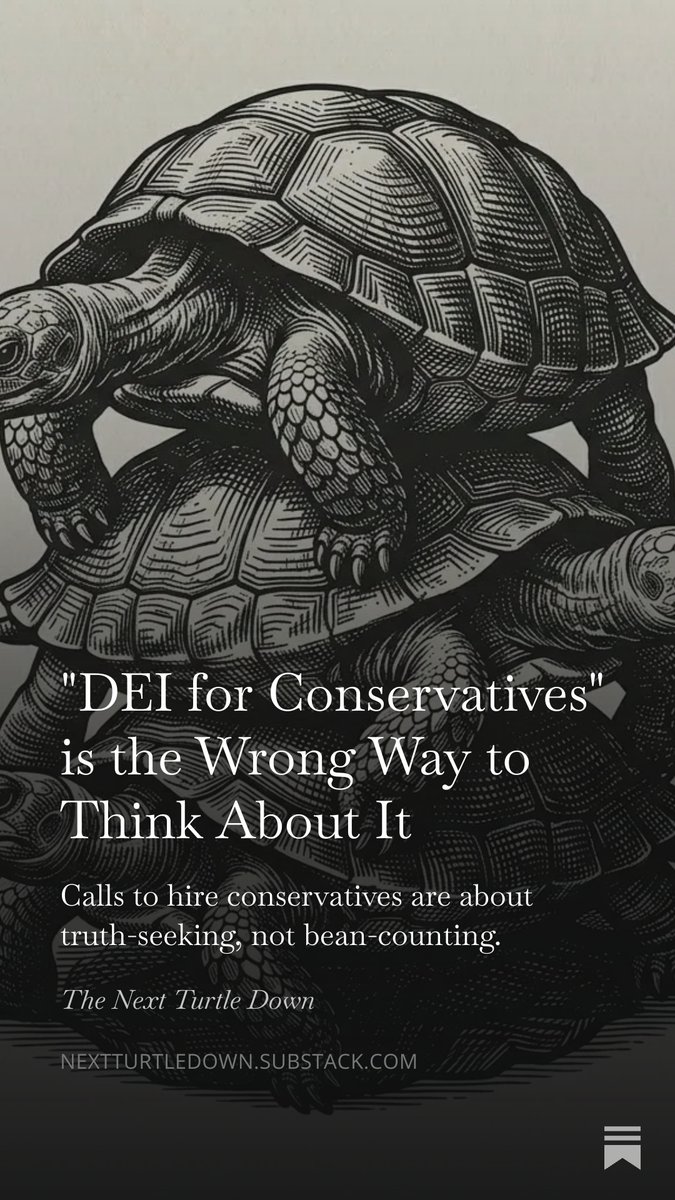
As promised, first Substack post up on something I've written about before, but that is given fresh life in light of the Vanderbilt/WashU buzz. As politicization of higher ed is such a hot topic, we should be clear about what it does and doesn't mean.
nextturtledown.substack.com/…
2
4
25
5,068
Jun 8
Decided to take the plunge and start a Substack. I've put this off for a long time because I didn't want a time sink. But I manage to waste plenty of time, anyway, so this may at least be a fruitful distraction. Plan to write about the same sorts of things I post about on here, but, you know... longer.
Will endeavor to have the first proper piece up later today!
nextturtledown.substack.com/…
2
2
13
504
Jesse Smith retweeted

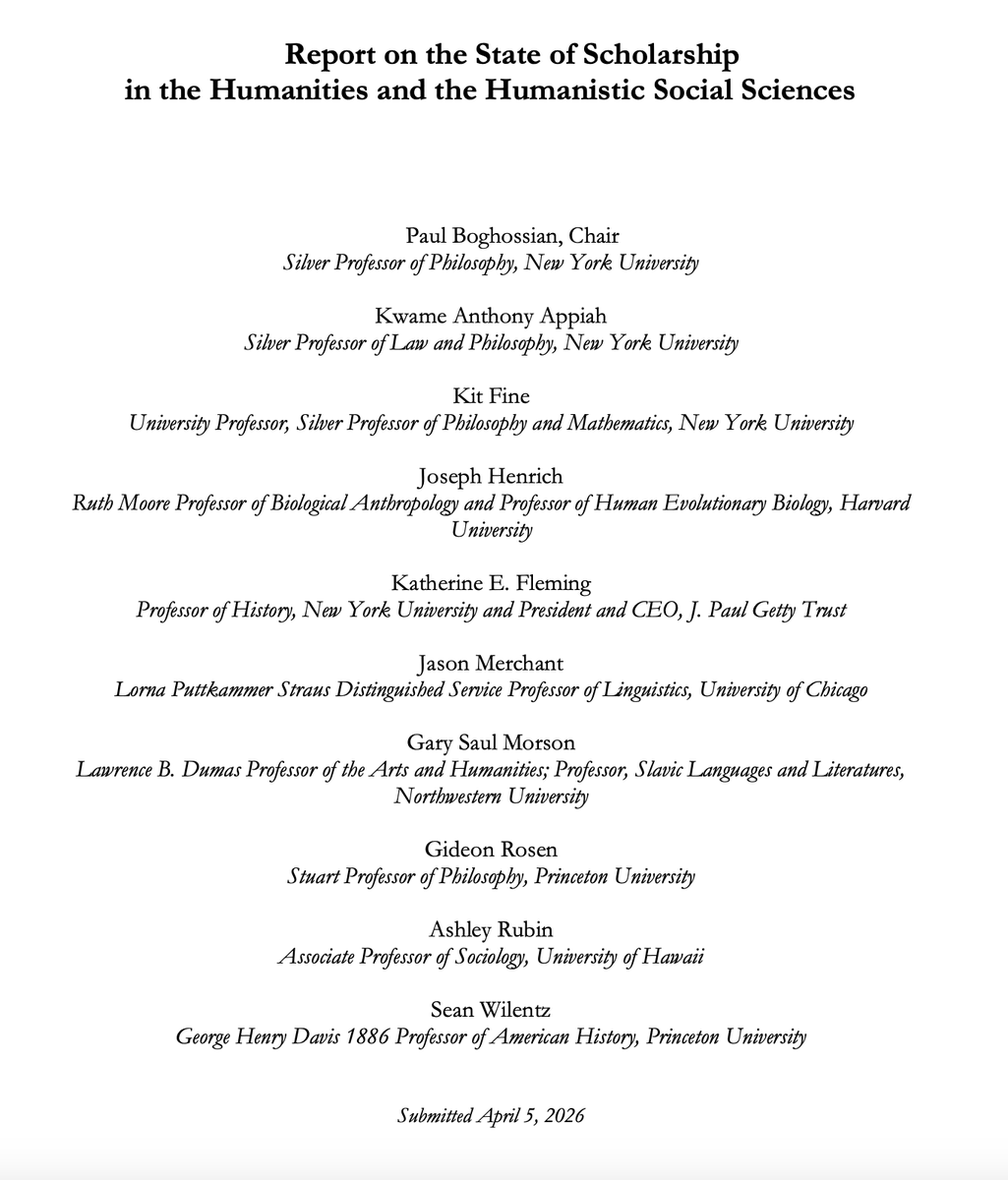
This is a fantastic, thoughtful, measured, and responsible report. Must-read for anyone working in the humanities and social sciences.
Jun 5
NEW: a report from Vanderbilt and WashU just dropped, taking on the "state of scholarship in the humanities and social sciences," a big topic among critics of higher ed.
Read along w/ me 🧵
2
4
27
3,466