
Head of Brand @AirOpsHQ; Mom; Former @heyjasperai, @webflow, @Mural, @Cloudflare, @Twitter, @cpbgroup. @CarnegieMellon alum. I like big ideas and I cannot lie.
Joined November 2008
- Tweets 15,990
- Following 3,976
- Followers 4,849
- Likes 35,512
2,160 Photos and videos





Pinned Tweet

10 Jul 2023
Launch day is here 🚀
I am thrilled to be launching my new website today! hellomynameisjess.com
It’s a compendium of my favorite brand, design, & campaign work from the past ~2 decades, thoughts, experiments, and experiences —with a sprinkle of nostalgia and delight.
1/
12
14
174
35,353
Jess Rosenberg retweeted

Jun 6
I posted this paid partnership last night on IG and this morning it’s at 1M views and 100K likes:
Life with Claude
315
243
6,039
887,585
Jess Rosenberg retweeted

May 30
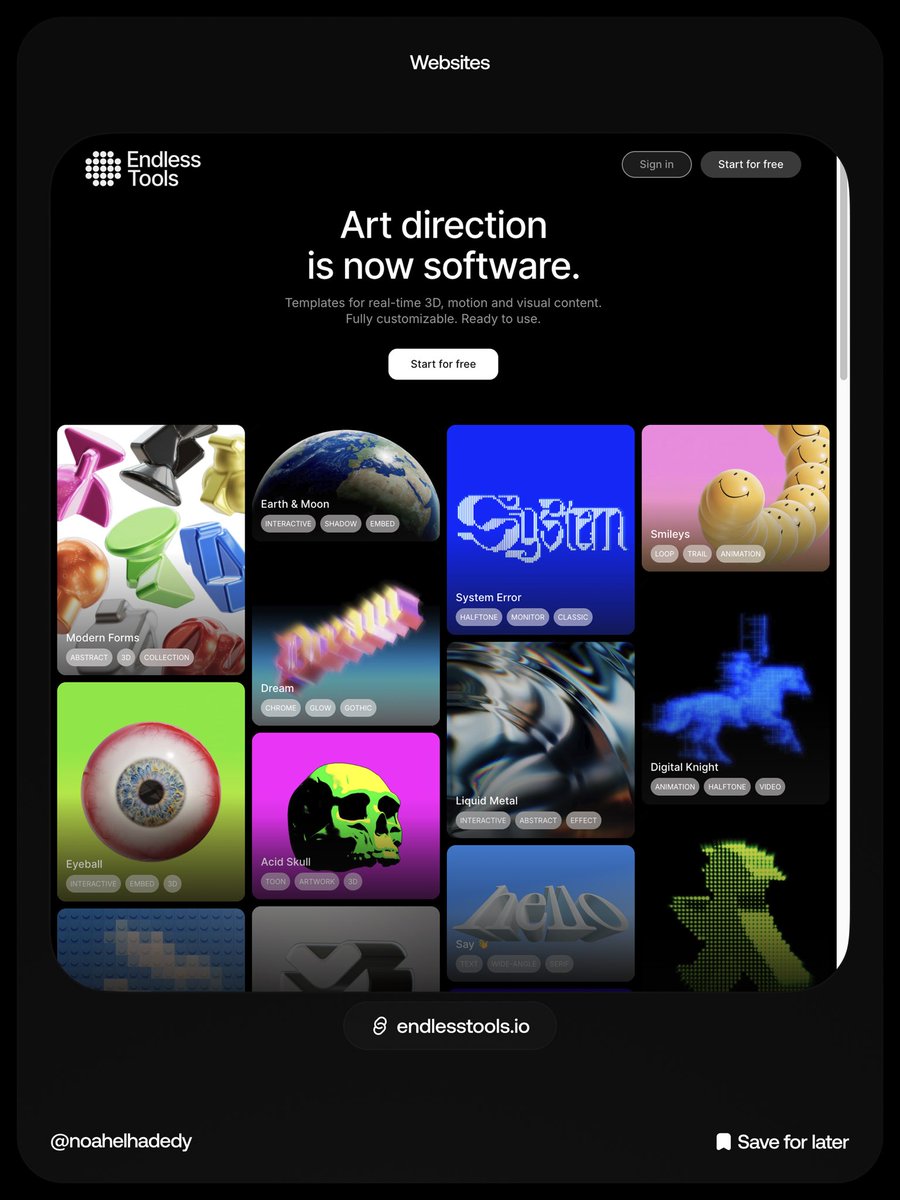
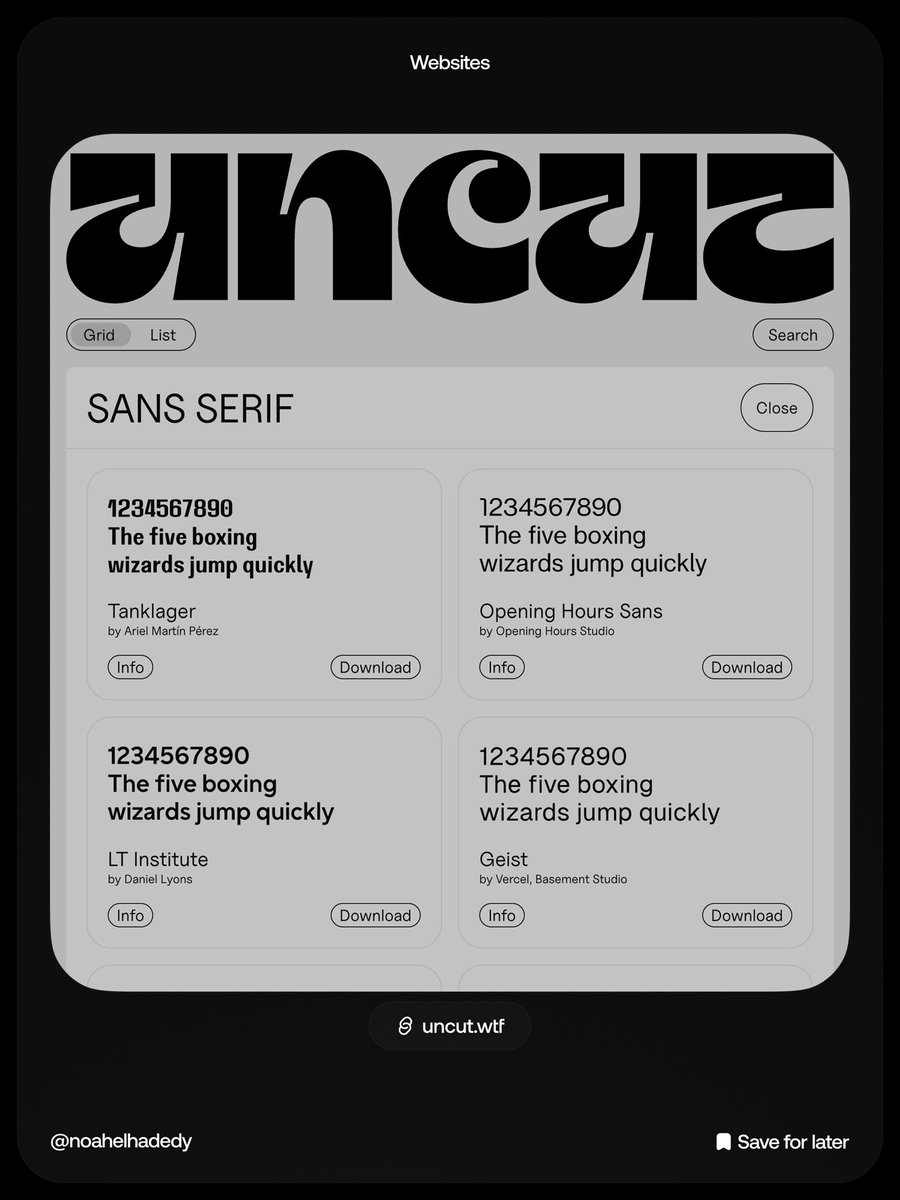
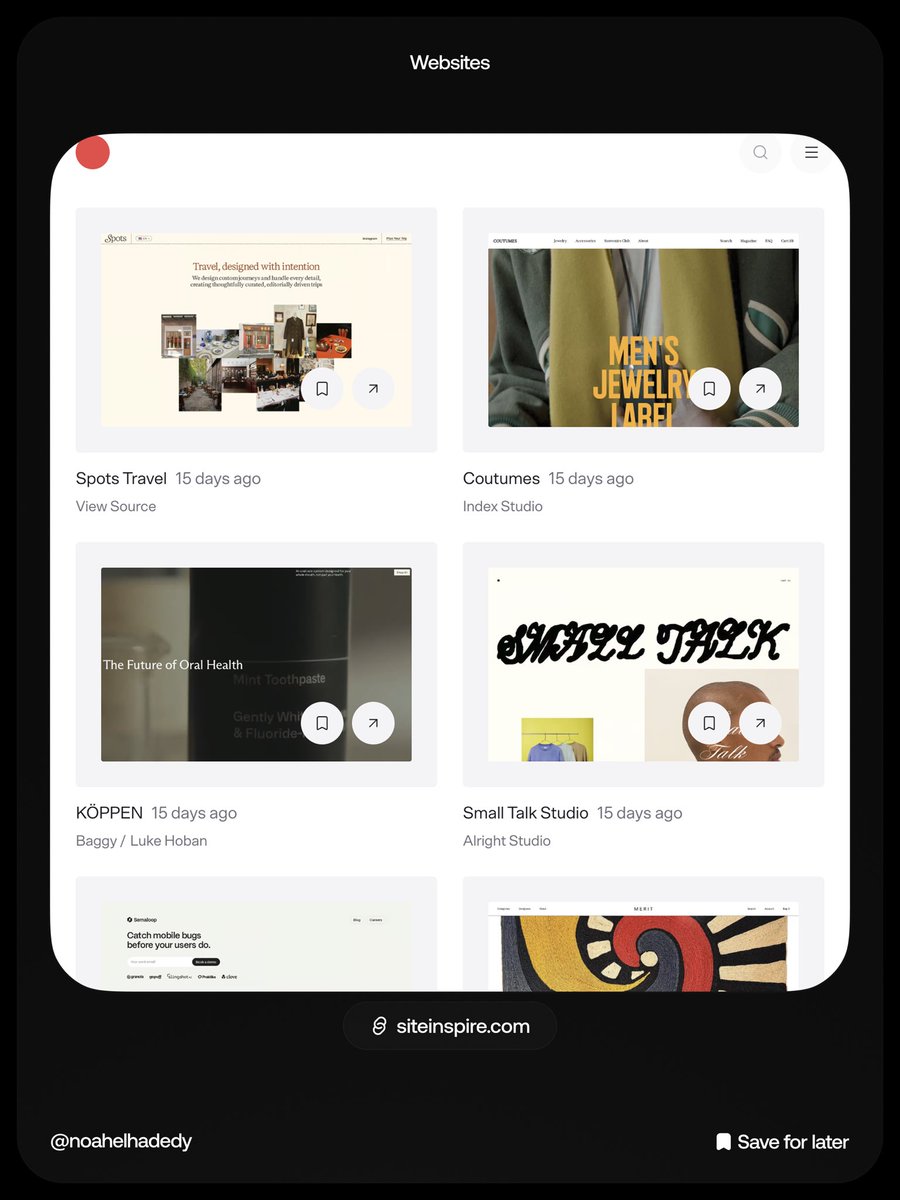
Design websites worth saving 👇
1. thiings.co
2. 60fps.design
3. shadergpt.14islands.com
4. endlesstools.io
5. uncut.wtf
6. coolshap.es
7. siteinspire.com
8. logggos.club
Bookmark them for your next design project.

15
206
1,625
65,426
Jess Rosenberg retweeted

May 27
Had fun animating these Lissajous curves.
May 27

We're hosting an event on June 16th in San Francisco.
Compile is a one-day event that brings together engineers, researchers, designers, and builders of all kinds to discuss the future of software.
cursor.com/compile
43
47
1,542
142,712
Jess Rosenberg retweeted

May 26
My favorite way of interacting with Claude Code is to have it generate static HTML files as outputs (reports, explorations, code structure, mockups etc.)
I wanted to iterate on the file by commenting in browser and having Claude update the output live.
So, I built this Claude Skill👇
How it works:
- Install Claude Code skill (ask it to clone repo)
- Build an HTML page for anything (e.g. research coding agents and generate HTML report)
- Ask it to make the page interactive
That's it. CC will launch a localhost server and allow you to then leave comments on the page itself and once it updates, will give you a tour of changes.
It's like Google Docs kind of comments/iteration but for HTML pages.
109
131
2,050
213,469
May 27
"Notes from the Frontier"
A dispatch from five days among the inspired
I went to San Francisco. I met billionaires. I ate at restaurants that are actually good now. I am back. I am changed.
The billionaires are buying SaaS companies to fire everyone in them. This is called innovation. The founders are showing each other their Obsidian vaults unprompted, like dogs presenting dead birds. This is called community.
MCP came up in every conversation. I do not fully know what MCP is but neither does anyone else and that is fine because the urgency was real.
The forward-deployed engineer is the hottest role in San Francisco. She sits between the agent and the customer making sure everything actually works. She is doing the job the agent was supposed to do. She is not mentioned again.
Consumer AI is underbuilt. Every billboard is enterprise. A calorie-counting app is doing $50M ARR. These facts coexist without irony.
The street-level businesses — the taquerias, the laundromats — use no AI at all. I noticed this while walking, which I do sometimes, between cars. I paused. I felt something. Empathy, possibly, or hunger. I made a note in my Obsidian vault under "observations about the poor." I did not go in. I did not tip anyone. I have now included them in a post that will help me grow my audience. They are welcome.
We are twelve to eighteen months into a shift that will take fifteen years to play out, which I know because I had lunch with three billionaires and they did not correct me. I will return in six months with updated observations. The observations will be different. They will also be the same. The urgency will still be real. It is always real. Urgency is my product.
I am so happy to be home.
The author felt inspired.
May 26

I just got back from SF and I FEEL INSPIRED.
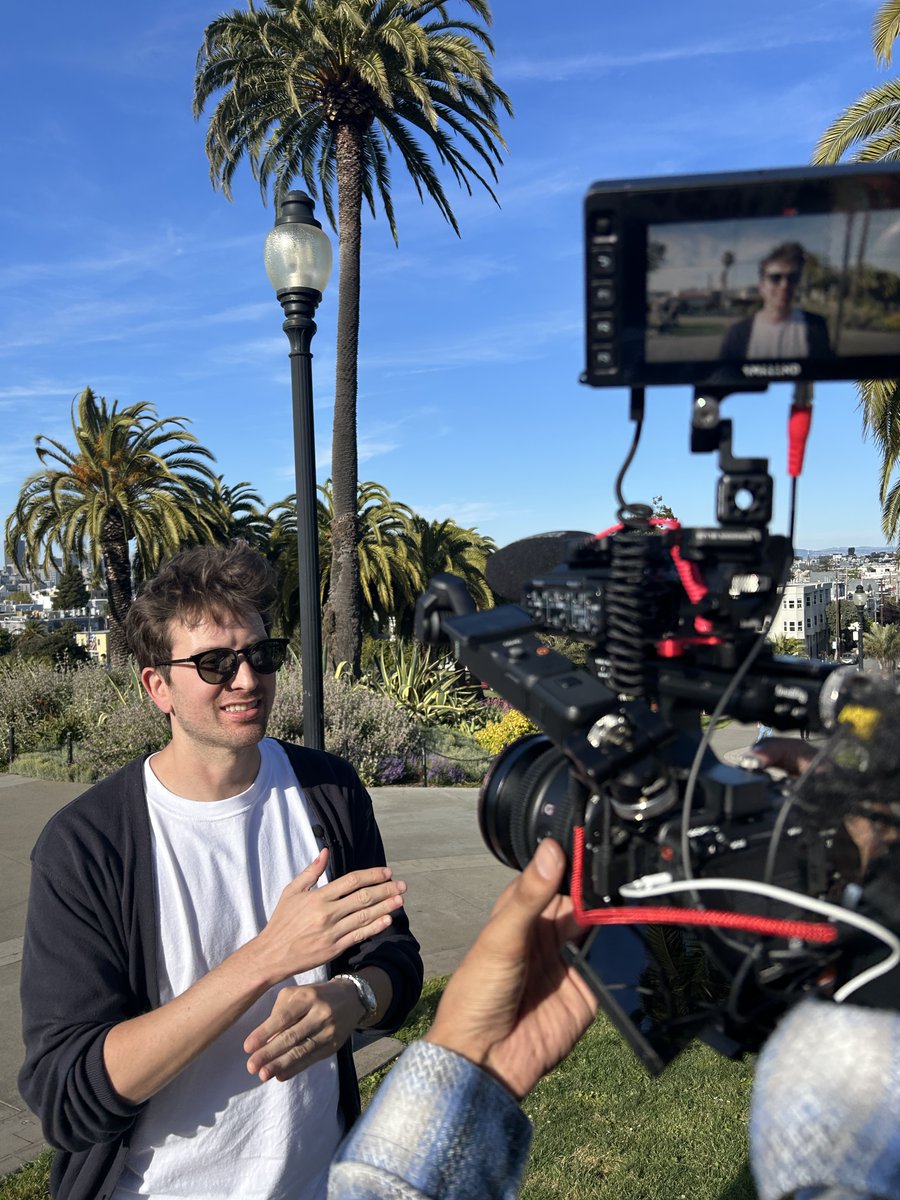
I spent 5 days with frontier AI model teams, AI startup founders, and 3 billionaires.
My takeaways:
1. I had lunch with 3 billionaires. All of them are buying SaaS companies and rebuilding them agent-first. They were deeply inspired by Bending Spoons and Ryan Cohen's eBay deal. Buy the company, cut the headcount, rebuild the tech, add agents, add features, make more valuable experience, raise prices.
2. The frontier model companies are hungry for usage data from the field. They can see API calls and token counts. They can't see the actual workflows. If you're deep in a niche using these models in ways the model companies haven't seen, that understanding is incredibly valuable. Usage intelligence is the new alpha.
3. Consumer AI is massively underbuilt. Every billboard in SF is either B2B inference infrastructure or vertical agent companies. The entire city is optimized for enterprise. Meanwhile you have companies like Cal AI doing $50M ARR in 18 months as a consumer app. I met with a cool few teams doing consumer AI (@paulscherer / @ekuyda)
4. MCP came up in literally every conversation. The companies exposing their product as MCP endpoints are getting pulled into deals they never pitched for. The ones that aren't are becoming invisible to agents. This is the new SEO. If agents can't find you, you don't exist. Building products for agents is the new zeitgeist in general.
5. Not uncommon for hot seed rounds to be $25-50 million valuations. I saw a Series A at $450 million
6. If I had a dollar every time someone mentioned "forward-deployed engineer" this trip I could have funded a seed round. It's the hottest role in SF right now. The person who sits between the agent and the customer, making sure everything actually works.
7. The mood around open source shifted. A year ago it felt like open source was chasing the frontier models. Now founders are telling me Gemma and DeepSeek are good enough for 80% of what they need at a fraction of the cost. The "which model do you use" conversation is being replaced by "which model for which task." Model loyalty kinda feels dead.
8. Voice agents came up more than I expected. Multiple founders told me voice is the interface for the next billion users. The billion people who will never type a prompt will absolutely talk to one.
9. The Obsidian community in SF is weirdly intense. Multiple founders showed me their vaults unprompted. Like showing someone your home gym. It's a flex now. The quality of your knowledge base (second brain?) is becoming a status symbol among builders.
10. Maybe it was just the people I met but the age of the founders is shifting. I met more founders over 40 this trip than any trip before and more founders under age 21 than ever before. Founders getting older and younger at the same time.
11. I spoke to a lot of fast-growing startups, VCs and frontier models who are hiring content creators right now.
12. The restaurant scene in SF is actually better than it's been in years. Founders are going out more. Alcohol is out, not surprisingly.
13. SF doesn't feel like the only place anymore. We all have access to the same frontier models. We all read the same X feed. A founder in NYC or Lagos is calling the same APIs as a founder in SoMa. So in the past it felt like SF was always lightyears ahead, doesn't feel that way anymore. It's okay not to live in SF and have BIG DREAMS.
14. The coworking spaces in SF are half empty but the coffee shops are packed. People want to be around people. I had a few startup ideas here....
15. Walking around the Mission I noticed something: the street-level businesses, the taquerias, the barbershops, the laundromats, none of them use any AI at all.
16. I heard the phrase "agent debt" for the first time. Like technical debt but for agents. When you hack together an agent workflow fast and never clean it up, the system prompts conflict, the memory gets polluted, the tools overlap. 6 months later the agent is doing weird things and nobody knows why lol.
17. Met a few people who carry two phones now. One for personal. One that's basically an agent terminal running Telegram or iMessage connections to their agent fleet.
It's always amazing to get that dose of inspiration in SF. I FEEL INSPIRED.
But I'm so happy to be back home, locked in and building.
We're 12-18 months into a shift that will take 15 years to play out. The urgency in every conversation was real.
What an incredible time to be building.
13
2,804
Jess Rosenberg retweeted

May 25
In case you didn't get a chance to explore the doc site I built for glimm.dev - it's a react library for shader-driven page transitions
26
36
898
58,393
May 26
Another set of incredible resources
May 24

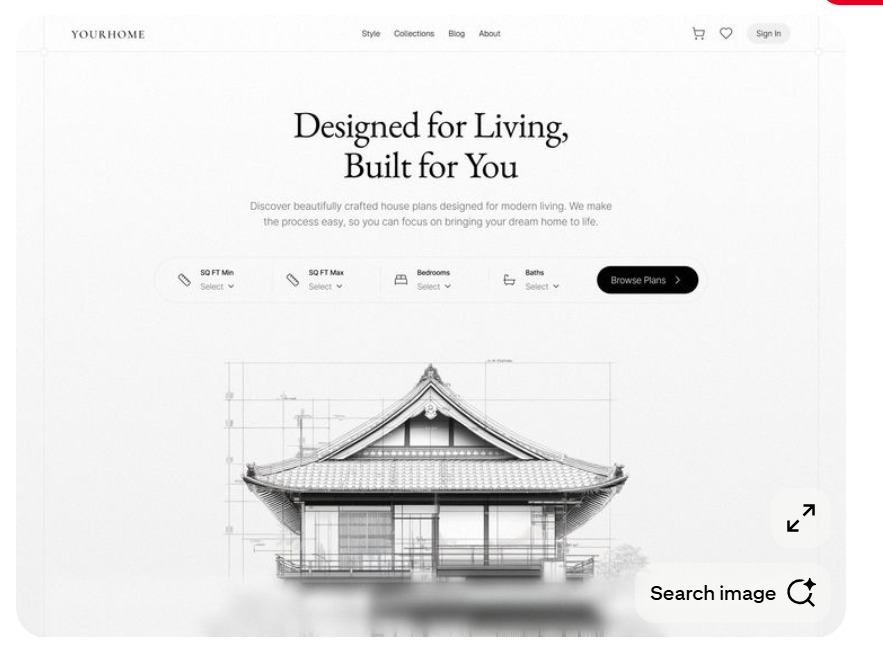
people asked for the inspo dump, so here it is
sensory-ui.com
akira.sachi.dev
itshover.com
patterncraft.fun
soo many inspo from @Arpit_2023 components too

3
304
May 26
Can’t wait to try all of these 🤩

16
1,366
May 22
This was a fun one. @claudeai Design -> Claude Code, with found Three.js snippet for the clouds
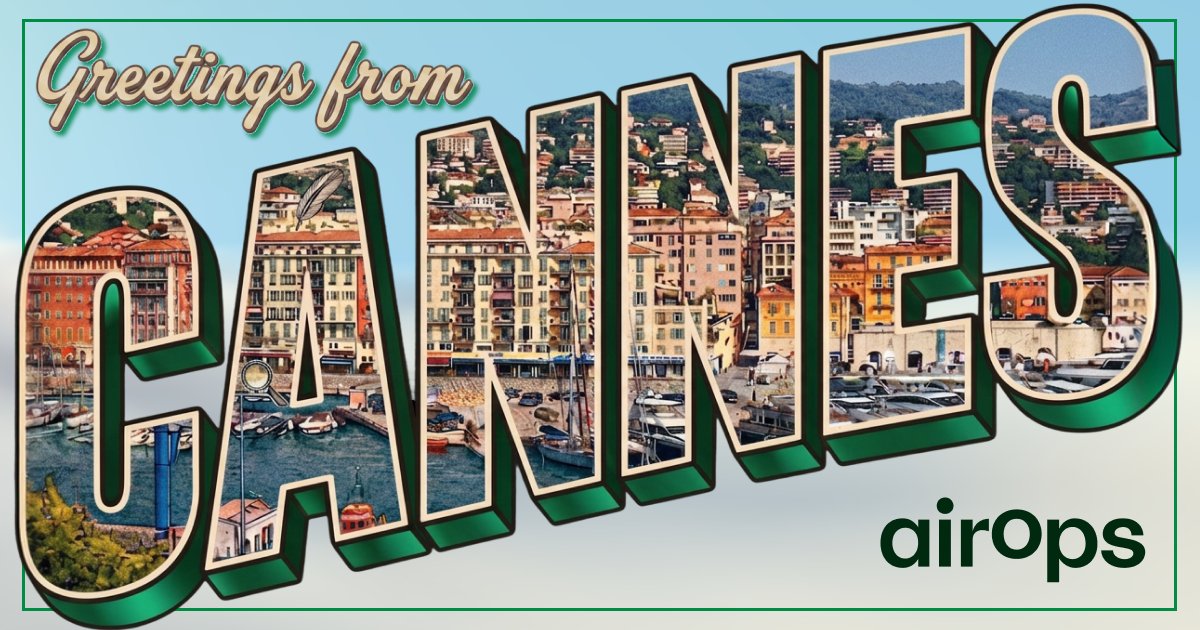
cannes.airops.com/
1
7
2,001
May 20
So proud of this lil film we made. So proud of the agent Quill we created. 💚

3
7
1,755
May 20
The pace of shipping here at @AirOpsHQ is unmatched.
If you're looking for the best partners to help win AI search, reach out - happy to chat.
#AEO #GEO #LFGo
May 20

Welcome to the AI Search MCP race. The category is full of "coming soon" roadmaps for operating from chat.
We shipped that in February.
The @AirOpsHQ connector has been live in Claude for 3 months. Customers like Carta, Webflow, and Chime have been pulling citation data, running competitive analysis, and launching refresh and creation strategies from chat since then. Not a phase 2. Not a Q2 plan. Live, in production, in their daily ops.
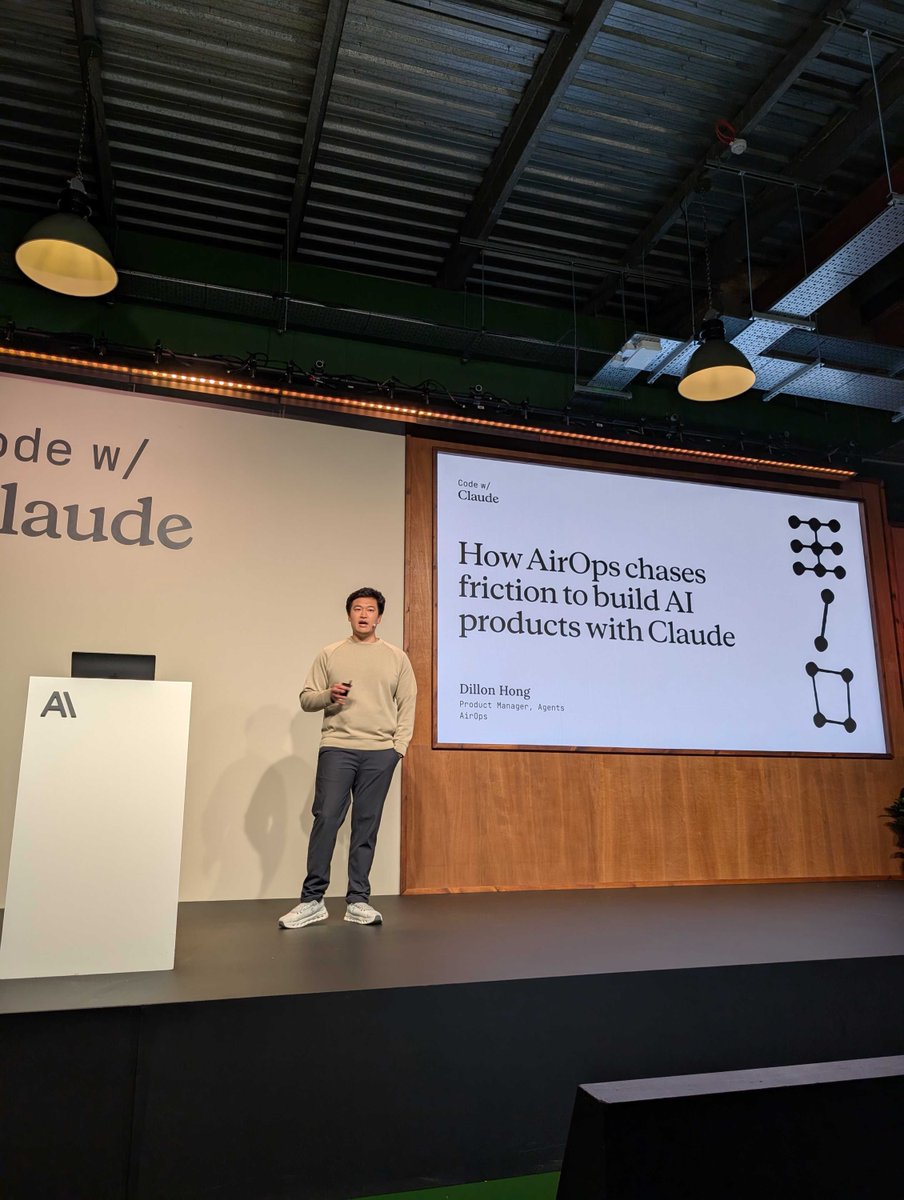
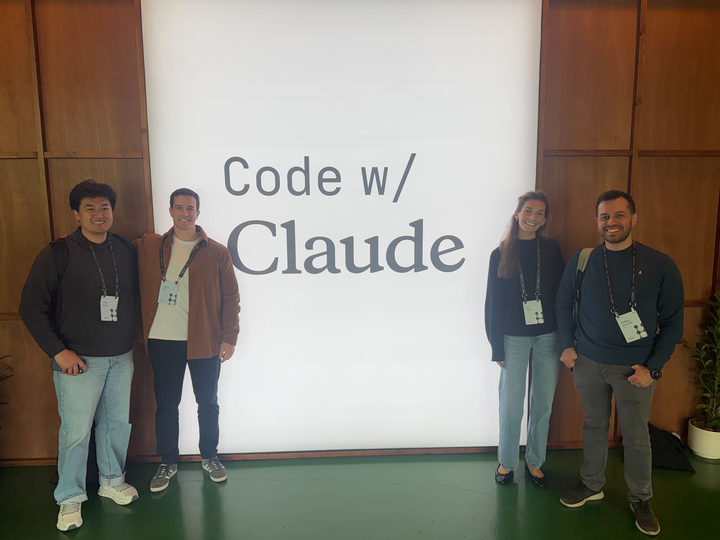
In fact, our team was on stage at @AnthropicAI Code with Claude event in London today, walking through how we built on top of this foundation. Huge moment.
For those new to the race, catch up when you can. If you need a refresher, here you go: airops.com/blog/how-to-use-a…
5
267
Jess Rosenberg retweeted

May 20
First major launch for me at @AirOpsHQ - absolute wizards on the team tbh. @Pat_Szot @jessperate @rantalksdesign, David, Dillon, Cyris and Alex!
4
2
17
1,191
Apr 1
this

when software had a soul
there was a moment around 2005 when using a Mac felt like touching something alive.
the dock bounced. the genie effect swooped. exposé scattered your windows like cards on a table. none of it was strictly necessary. all of it felt like someone cared – not about metrics, but about the feeling of using a machine.
software back then had texture. it had a philosophy. you could feel the person behind it. someone made a decision to make that icon beautiful, to animate that transition just so, to write that error message with a little warmth. apps had personalities. some were weird. some were over-designed in ways that would make a modern PM flinch. but they were alive.
the web was the same. personal sites were genuinely personal. blogs felt like letters. forums had regulars. you knew who made what. the internet had neighborhoods, and each one felt different.
nothing was optimized for scale. things were made by people who loved what they were making.
somewhere along the way, we traded all of that for growth.
A/B tests flattened the edges. design systems standardized the personality out. everything got faster, smoother, more consistent – and somehow less interesting. the quirks were removed because they didn't test well. the warmth got cut because it wasn't measurable. we optimized our way into a world of things that work perfectly and feel like nothing.
now every app looks the same. every interface follows the same patterns. every product speaks in the same calm, frictionless voice, siloed in their own little islands. the humanity got rounded off.
and then came AI agents. and the speed got inhuman.
now you can generate an entire product in an afternoon. ship a feature before lunch. spin up ten variations before anyone's had their coffee. the gap from idea to code is basically zero.
which sounds incredible. and it is. but there's a catch.
when making things are too easy, the slop comes for free too. mediocre things don't look obviously bad – they look fine. they work. they ship. they pass review. and now there are infinite of them. the internet is filling up with software that functions but means nothing. interfaces that are correct but feel dead. products made by agents, reviewed by no one, shipped into the void.
this is the thing that keeps me up at night. not that AI will replace people who care. but that it will drown them out.
here's what I still believe: the best things are made by people who couldn't help themselves. someone who lost sleep over an icon. who rewrote the same line of copy twelve times. who added an animation nobody asked for because it made the thing feel right. that obsession – that's not inefficiency. that's the whole point.
AI doesn't make that irrelevant. it actually makes it rarer and more valuable. taste is not a markdown skill. caring is not a parameter. the weird, specific, "soul" thing you put into something – that can't be programmed into existence.
the path forward isn't to make more slop faster. it's to finally give people with real vision the tools to make the thing they always imagined but couldn't build alone. the designer who had the idea but couldn't code. the kid who saw something nobody else saw. the person who cared too much about something most people wouldn't notice.
if we get this right, we don't get a faster factory. we get a renaissance. more strange, personal, opinionated software made by teams of people who care and mean it.
that's still possible. but only if the people who care get the space and tools to actually express themselves – and don't just hand the wheel to the agent and walk away.
3
496

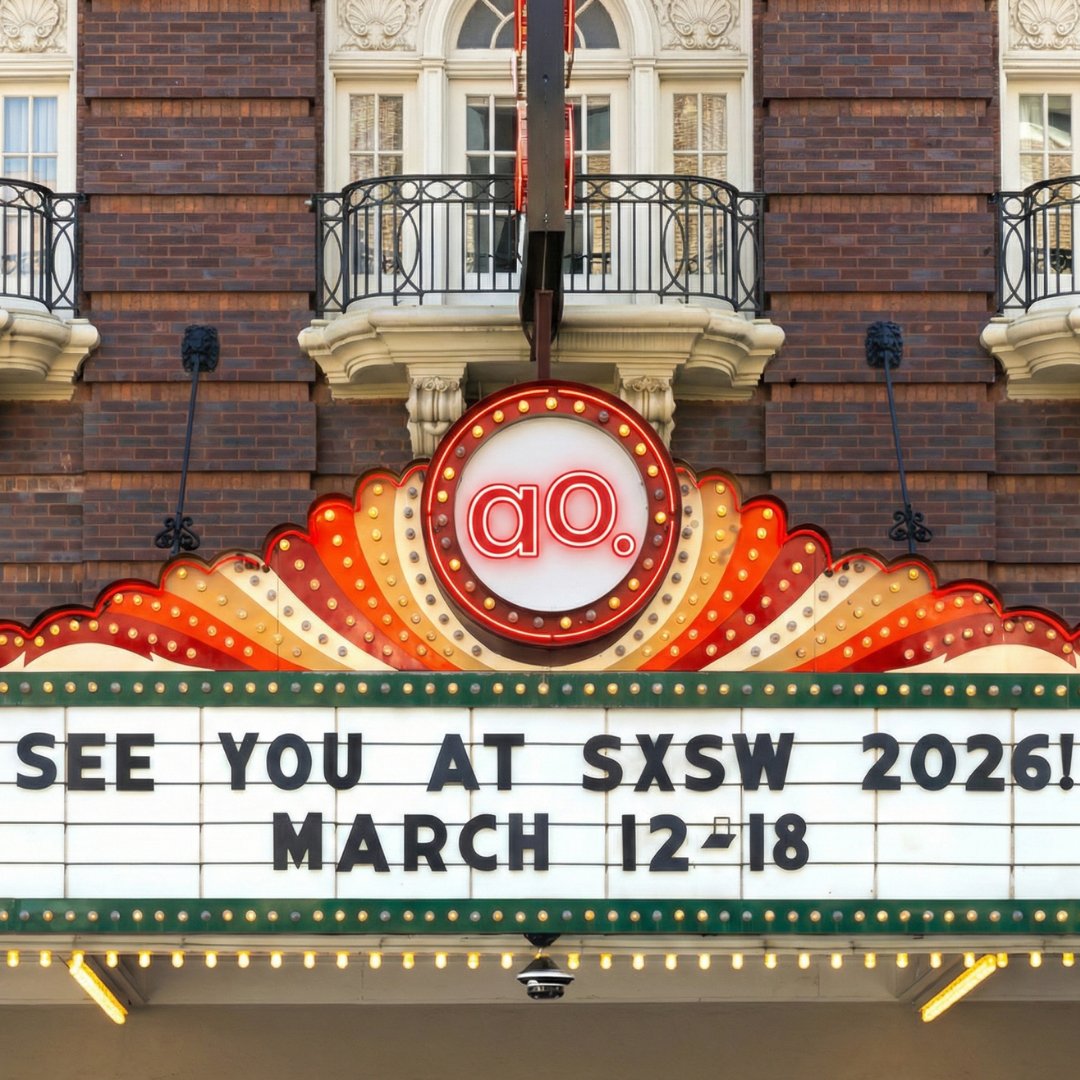
first time at SXSW this week and we're going all in 🤠
@mammel2 on stage at Brand Innovators
leading an AI Search Forum
hopper cars cruising Austin
billboard at the airport
spot us and tag us for a shot at custom Air Jordans 👟
we're also hosting a Happy Hour for marketing leaders 3/15
grab a spot: luma.com/3w7l2bw2
2
1
3
802
Feb 26
Work has been very very fun 💚🧑🏼🎤💥
Our FanVan made a stop to celebrate one of our favorite customers.
@cartainc's team 7x'd AI search citations.
So we kinda had no other choice but to show up in person to celebrate.
Sometimes a normal case study just doesn't cut it, ya know?
More stops coming. Who's gonna be next?
1
310
AirOps Claude Connector (v 1.1)
NOW HAS LIVE INTERACTIVE CHARTS Y'ALL
More coming soon! Great work Berna Gonzalez, Agustín Costa and team!
--
👋 P.S. Get the Connector here
claude.com/connectors/airops
2
9
473
Jess Rosenberg retweeted

Jan 30
A super simple letter-tracking cheatsheet for junior designers. Bookmark it now, escape junior design mode later.
Rule 1: All-caps text needs to breathe.
Caps-to-caps text is geometrically honest and optically brutal. When you remove ascenders and descenders, every letter becomes the same-height block. If you set labels like START NOW or SUBMIT on buttons — or eyebrow text (the small label above a headline) — with default tracking, they almost always look cramped and nervous.
Rule of thumb:
For any small all-caps text,
loosen tracking by 5% to 10%
≈ 0.05em to 0.1em (or 50 to 100 in “tracking units”).
Rule 2: The bigger the type, the looser it looks
At large sizes, white space starts to dominate perception. Counters inflate. Gaps feel wider. Headlines and wordmarks start to look like they’re slowly dissolving.
Rule of thumb:
Above ~48pt, tighten tracking by –1% to –3%
≈ –0.01em to –0.03em (or –10 to –30 in “tracking units”)
These numbers are not laws. Your eye is still the judge.
But they’re very good starting coordinates.
(btw, I built this whole layout in @framer — making Working Notes interactive is dangerously fun)
6
12
236
17,428