
106 Photos and videos









1/8
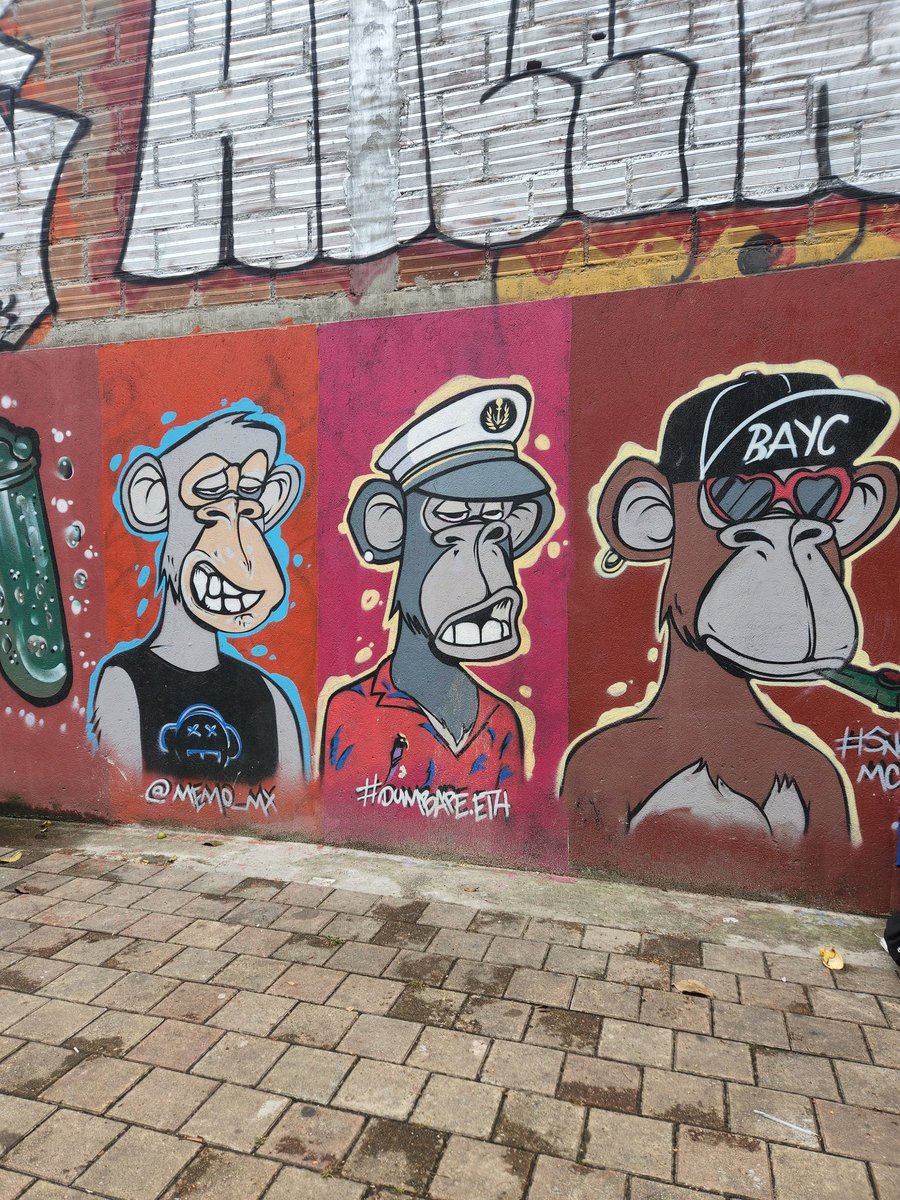
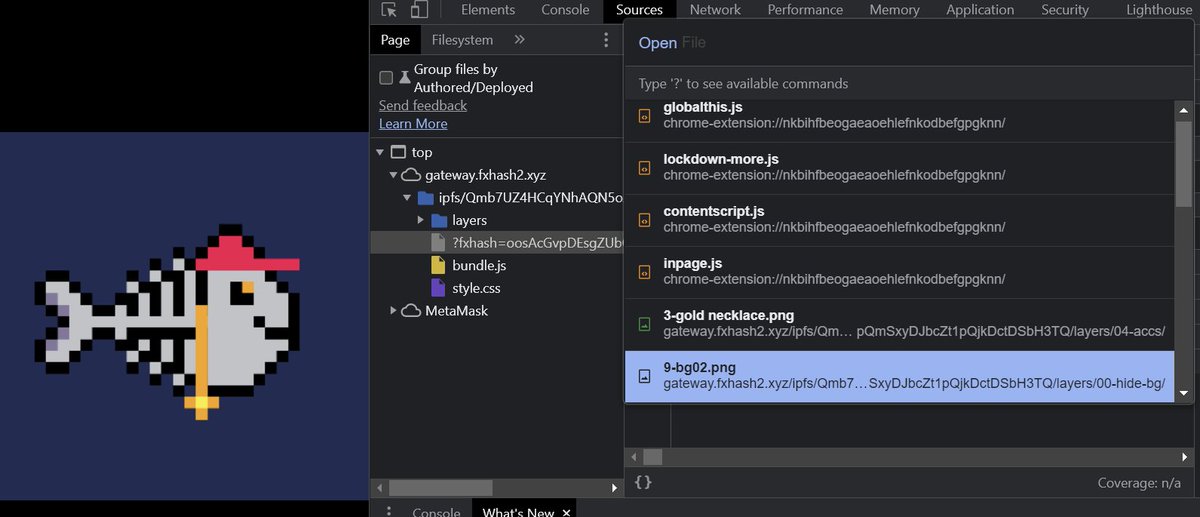
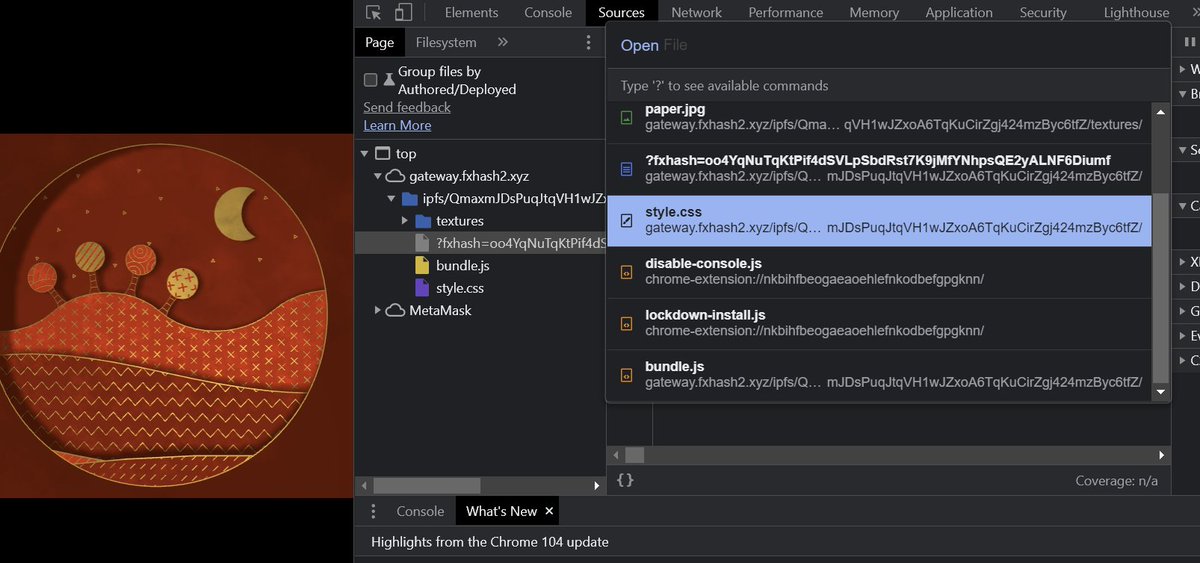
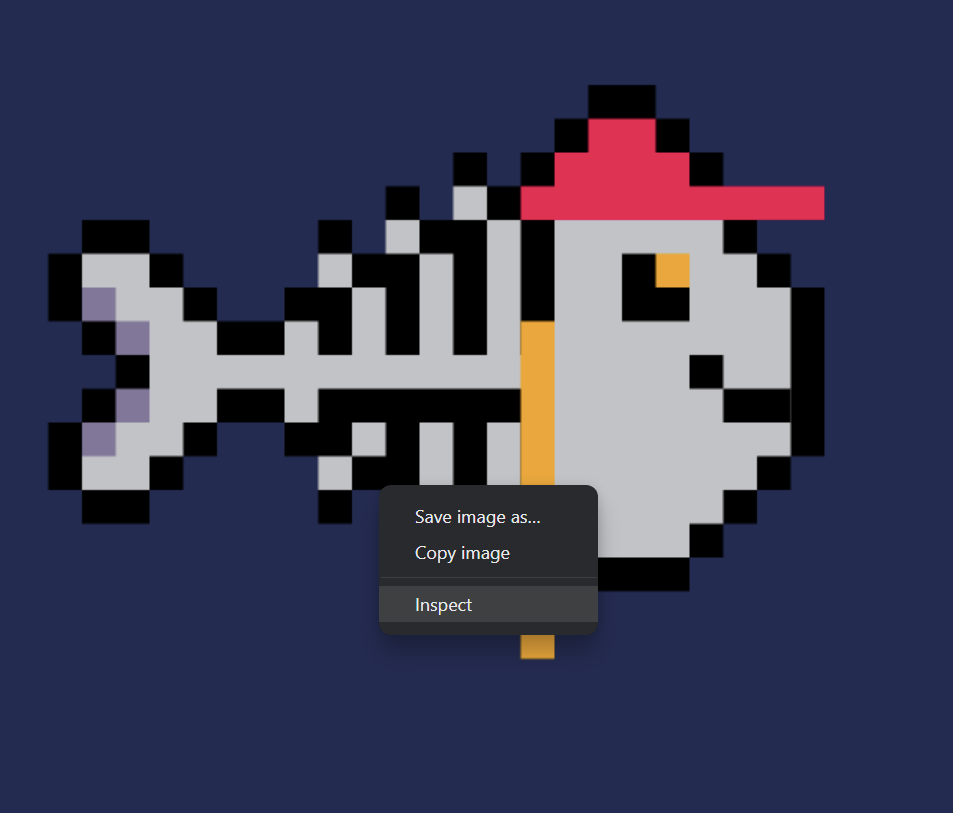
🐒Where is this monkey image really stored?🐒
You hypothetically have a bunch of crypto keys, allowing you access to the wildest web3 metaverse oriented communities. Aside from your downloaded image and the one on Open Sea or Looks Rare, where is this image really hosted?
1
3
4
Jay retweeted

3 Nov 2023
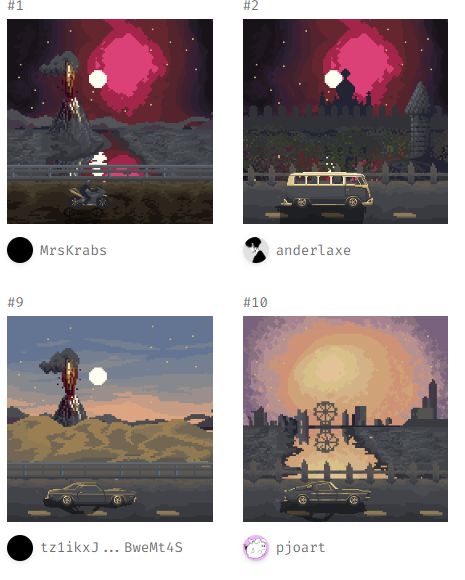
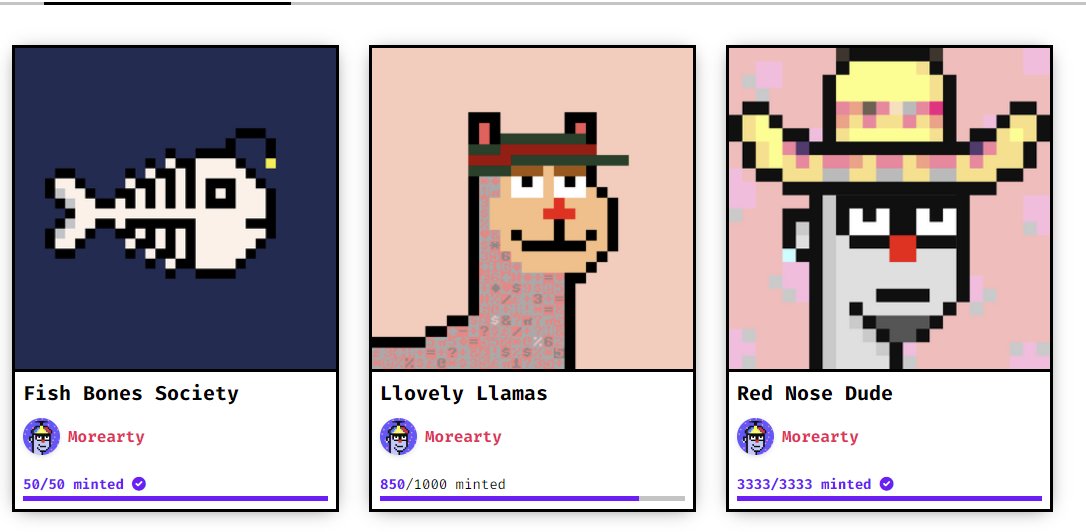
Get set for "Cable Management" hitting @fx_hash_ on Tuesday, November 7 at 11am CST / 4pm GMT!
Score one of 3 free mints - just follow, RT, and shoot me your Tezos address in the replies. 🎁
Take a glimpse at the algo in action via the link below⬇️
50
55
120
9,755
Most people live in a world others have created for them. You can alter the spaces where you live and work to increase exposure to positive cues and reduce your exposure to negative ones. Environment design allows you to take back control and become the architect of your life.
1
24
Jay retweeted

17 Aug 2023
You're in Costa Rica at the beach bar and these 2 Swedish models sit down across from you.
Which tokens do you shill?

4
2
31
853
On August 9th BIS announced Ripple as an official member of its 'cross-border payments interoperability and extension taskforce'
9 Aug 2023

The BIS Committee on Payments and Market Infrastructures has announced the membership of its cross-border payments interoperability and extension taskforce. For further details, look here bis.org/cpmi/cross_border/ev…

60
Jay retweeted

9 Aug 2023
The video game industry isn’t ready for AI.
As it stands now, most traders/ collectors who focus on video games treat trading game items like a full-time job.
- You pore over patch notes
- Analyze data
- And track market trends
All in the search for profit opportunities. You use your specialized knowledge and skills to give you an edge over other players.
This might work now. But this is like building houses with nothing but a hammer and nails.
Right now, you’re compensated because nobody is willing to put in the work you are.
But as AI continues to improve, it won’t be like an electric power drill in everyone’s hand…
It’ll be like everyone has an entire construction crew, all with fully electric tools to replace your hammer and nails.
Therefore, the data extraction and analysis that used to provide you with your edge can now be done by anyone with access to the right ML model.
But what happens when everybody is using AI to help trade and do game item valuation for them?
- More efficient game item markets open up.
- New players and investors enter the economy.
- Financial tools such as derivatives, lending markets, and perpetual contracts will become accessible for video game assets, elevating them to first-class citizens of the broader financial system.
Making markets in exotic digital assets (like a video game sword or gun) requires digesting huge troves of data to model fair values. AI drastically lowers the overhead costs of these complex valuations.
Previously illiquid assets like game items–which have been hard to evaluate and trade–will now enter the market via AI-empowered financial infrastructure.
But AI won't just open up trading to more players and investors via automation.
Automation will enable new, more efficient markets to emerge.
And it will fundamentally transform gaming economics and incentives as we know them.
4
8
18
2,217

Jay retweeted

6 Jul 2023
Human Beings giveaway 🎁!
This is your chance to win a piece from the upcoming #BlindGallery collection...
- Like & RT.
- Mention your favorite artist or piece from a previous Blind Gallery edition.
A lucky winner will be chosen randomly after 72 hours.

26
30
69
3,938
Jay retweeted

17 May 2023
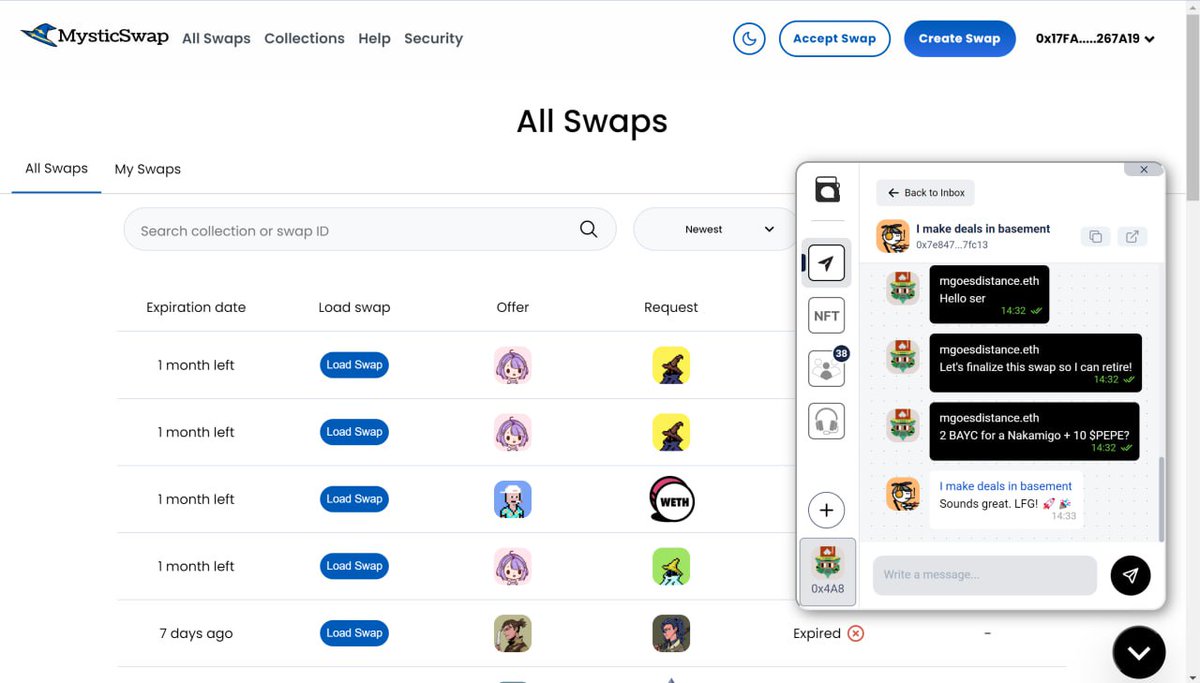
We've partnered with our good frens at @wallet_chat to enable in-app messaging!
You can now talk to your trading partners and negotiate the best OTC deals without even leaving Mysticswap😎
The future of OTC trading is here
8
13
19
727

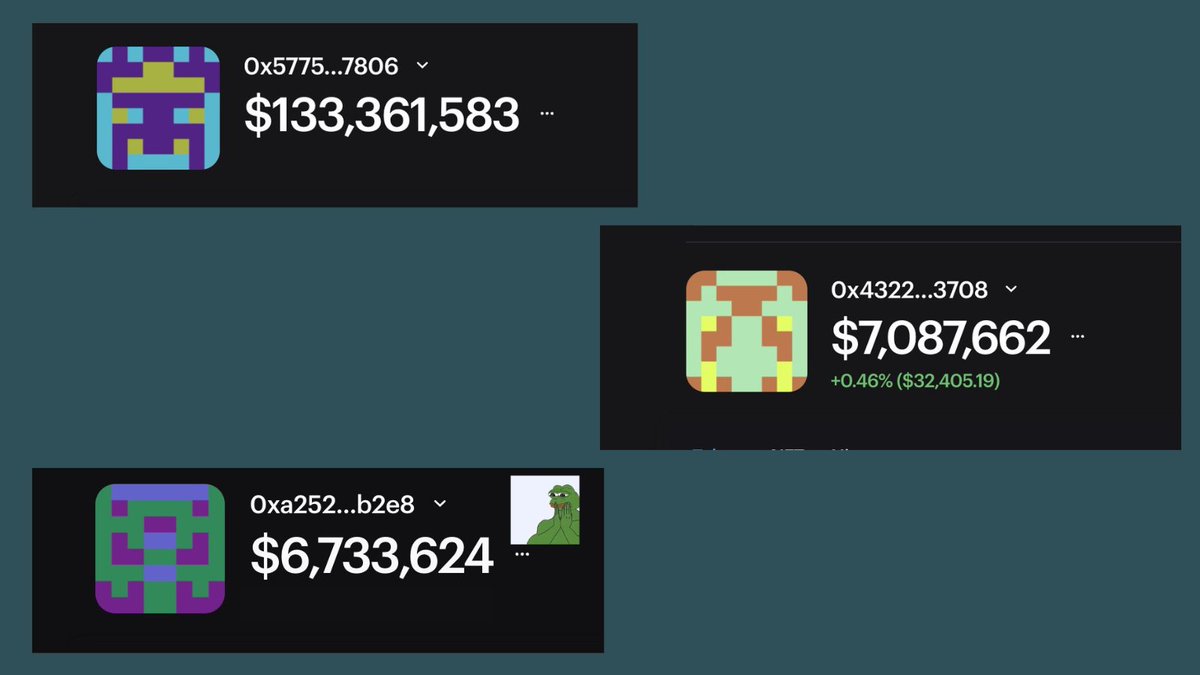
For the past few weeks, I have been tracking top whales holding millions in their crypto portfolio 💸
• The first whale holds $7 million
• Second holds $6.7 million
• Third holds $133 million
A recap and insights on what they have in common
Bookmark and RT 🧵 👇
35
108
797
216,358