
Actuary for far too many years. Welsh, but now live in the spiritual home of the Wurzels out west. Don’t think I’ve got the accent yet. Like zider though...
Joined April 2019
- Tweets 17,351
- Following 166
- Followers 12,141
- Likes 18,537
4,971 Photos and videos






Pinned Tweet

12 Sep 2023
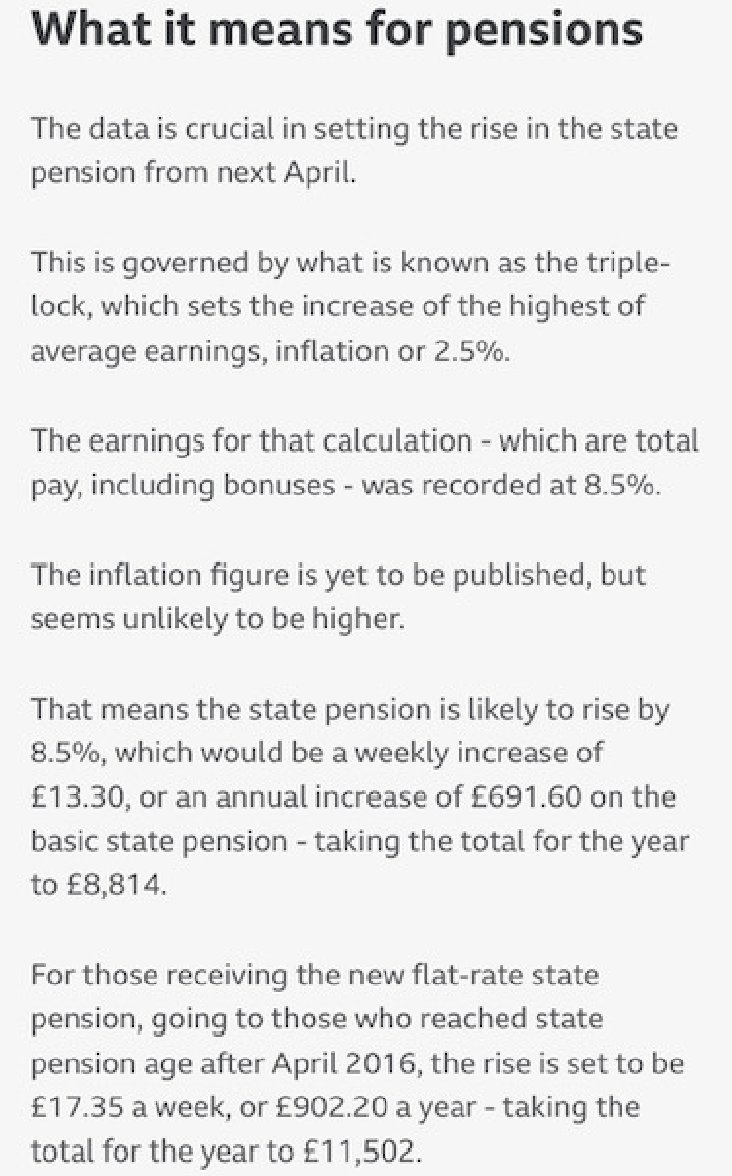
So with the news this morning that the earnings growth announced today means the state pension (SP) will very likely increase by another 8.5% next year, it's time to set out once again why the SP triple lock (TL) is such a bad idea.
1/
12
4
35
19,526
May 11
Sitting in a hotel lobby in Bilbao and the TV news channel is live streaming Starmer’s speech. Shame the sound is off and my Spanish isn’t up to much!
1
4
543
Feb 19
In other news, Andrew woke up this morning and thought "66 today - if only I'd made enough NI contributions to qualify for my State Pension I'd be getting it today, one of the very last to do so."
#Alwaysapensionsangle
1
21
1,839
John Roberts retweeted

Feb 4
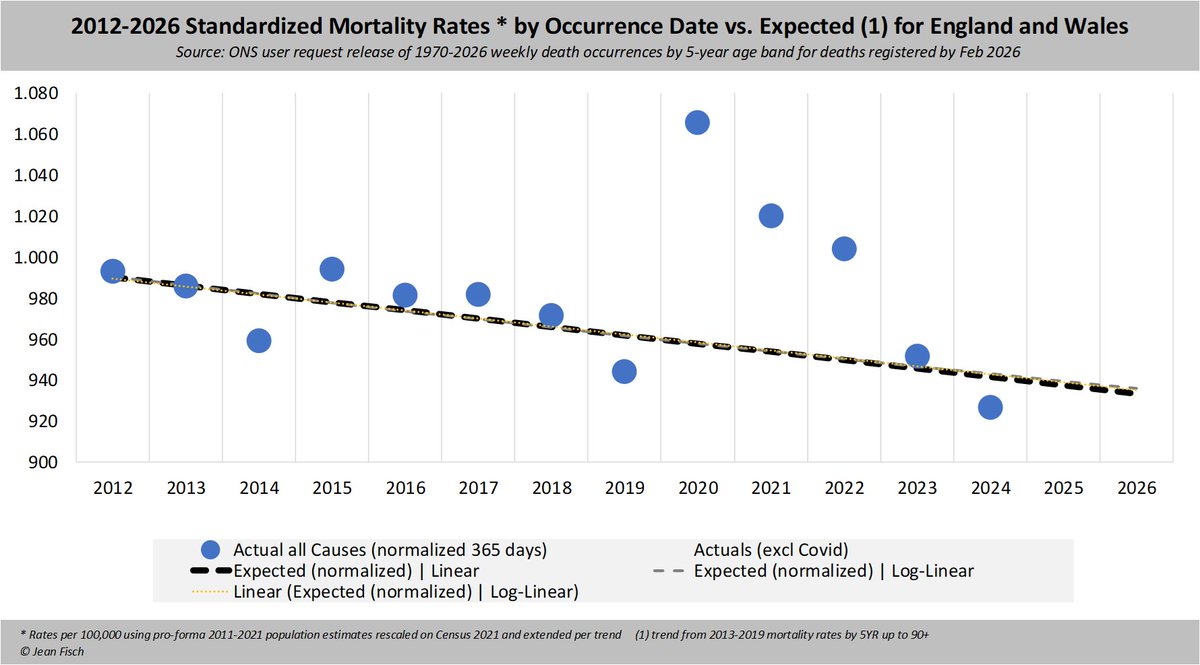
@ONS released weekly deaths by occurrence date with deaths recorded by mid-Jan 2026 which allows to finalize the picture for 2023 and (almost) 2024
This confirms that England and Wales was back on pre-pandemic mortality trends already back in 2023
1
6
28
3,803
Jan 31
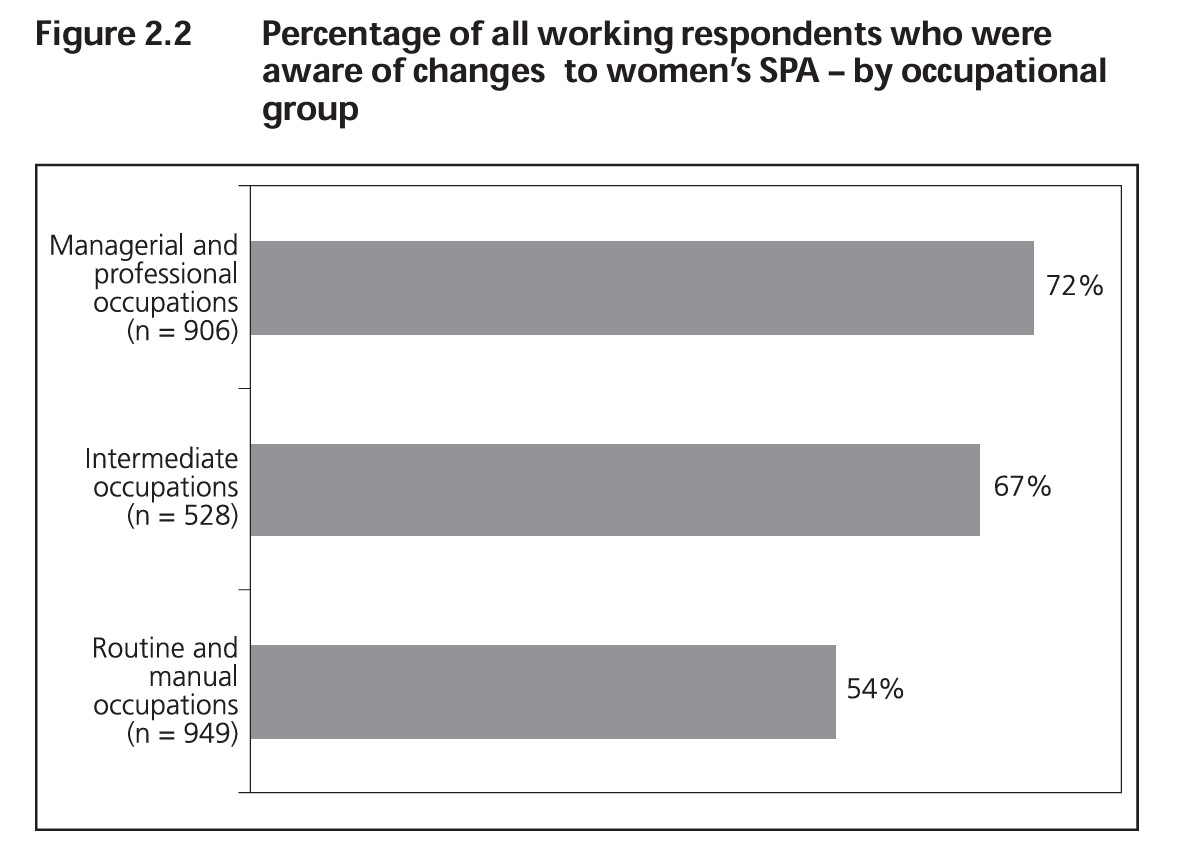
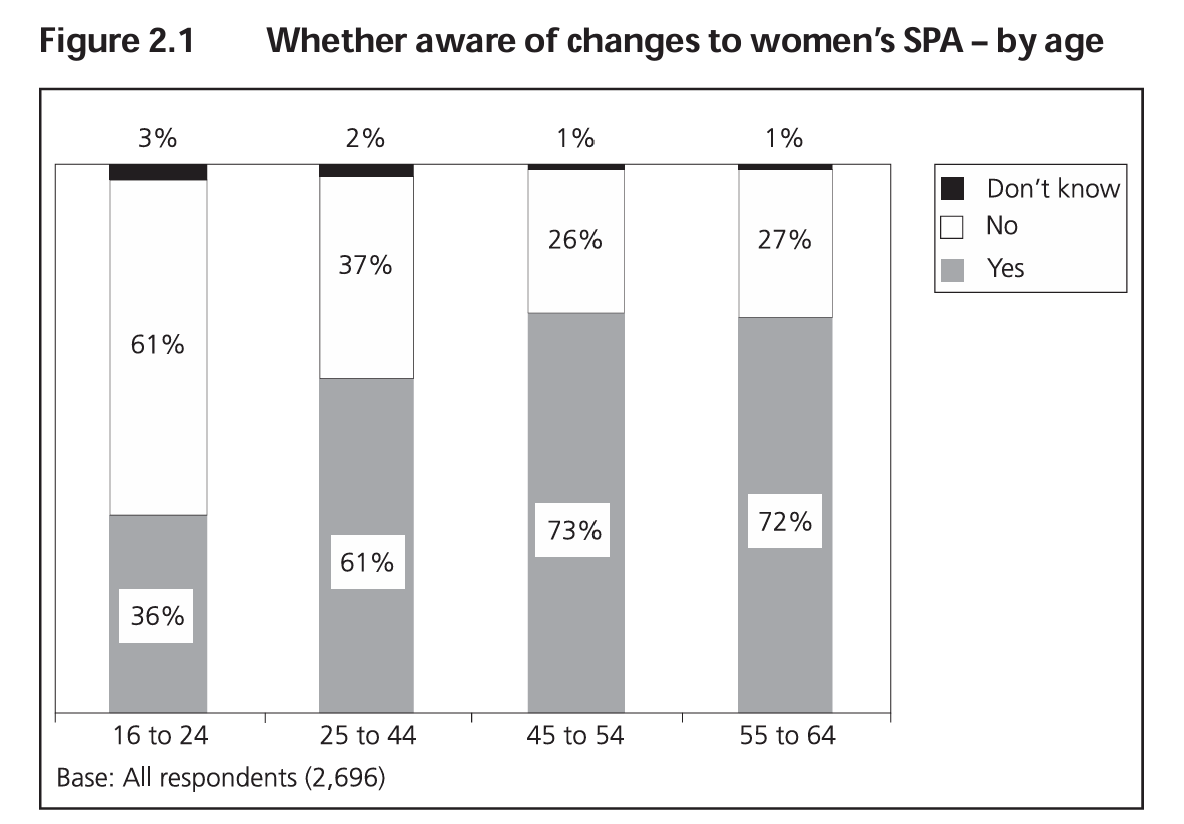
An interesting report from 2004 linked to in the Govt's response to #WASPI is that a survey showed that 73% of those born in the 1950s (45 to 54 below) were aware of the change - slightly higher for women.
1/
1
1
4
1,162
Jan 31
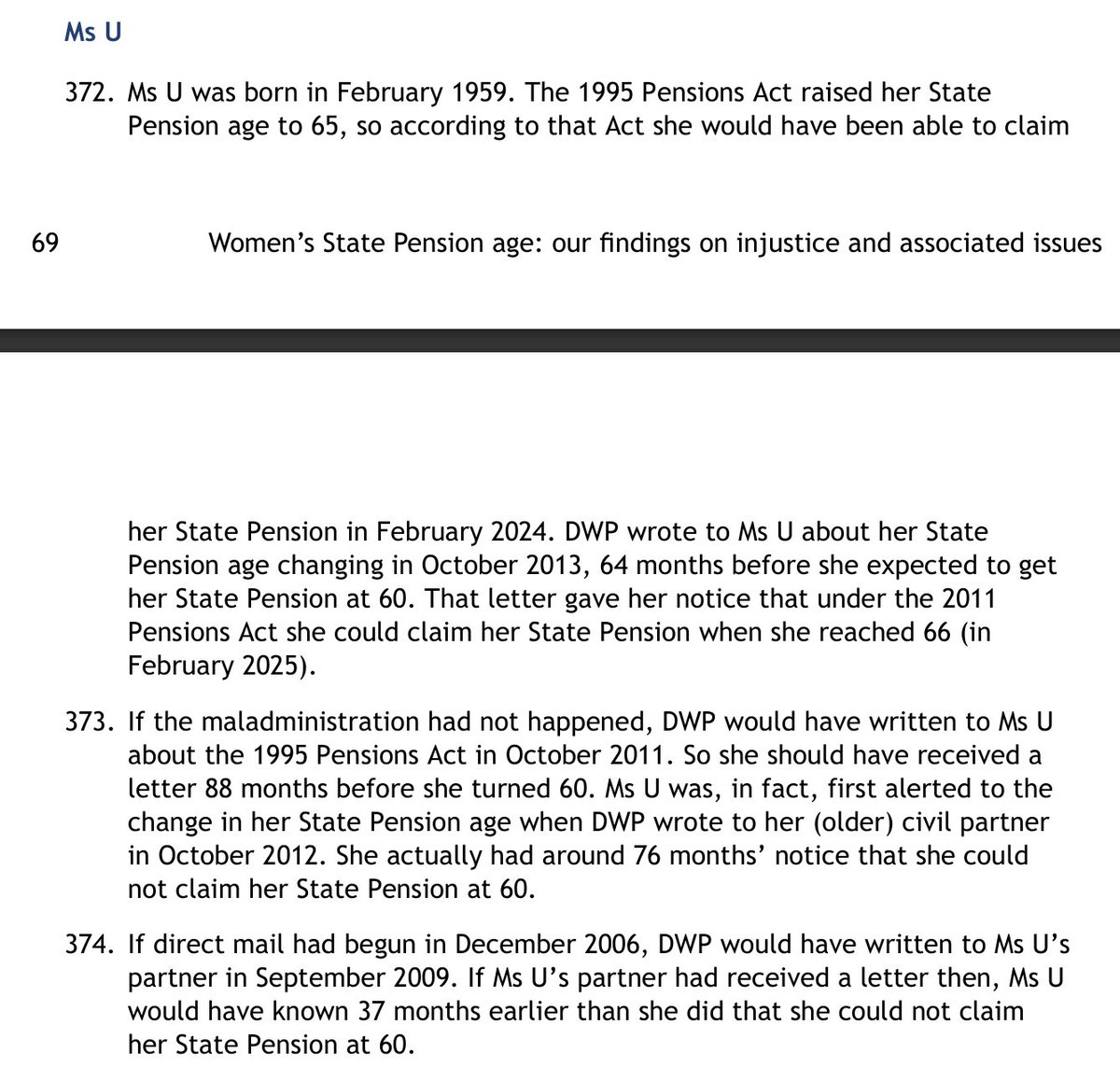
So how WASPI can consistently claim that all women born in their 50s are WASPIs defies logic, if you remember that only the notification point is now under discussion. (The courts ruled long ago that the policy change was lawful.)
3/
1
3
704
Jan 31
So how do you tailor a compensation scheme to only pay those who were unaware?
"Tell us you didn't know and we will pay you a lump of money. Tell us you did and we won't. We can't check by the way."
Well, I can see how that would go...
4/4
1
6
408
Jan 29
Good to see that the government has resisted calls for compensation for the delays in notifying women of a change in their state pension age.
Hopefully this will now be the end of it… bbc.co.uk/news/articles/c1je…
1
17
1,094
Jan 15
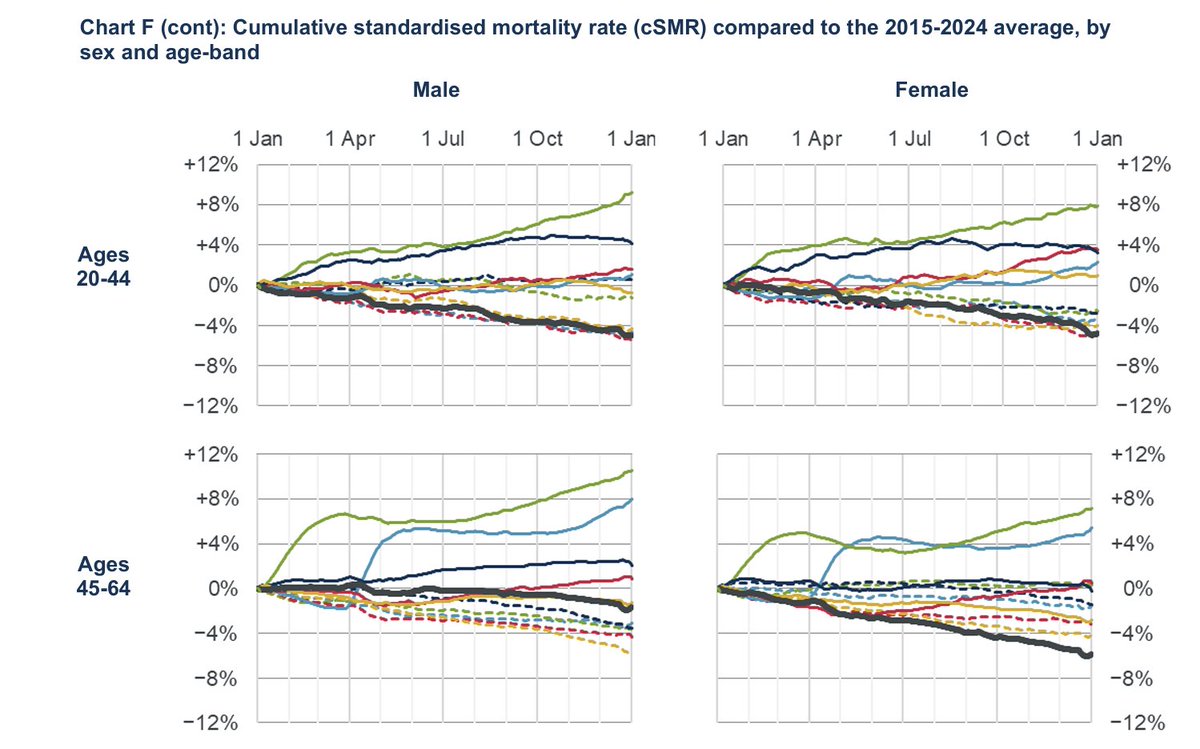
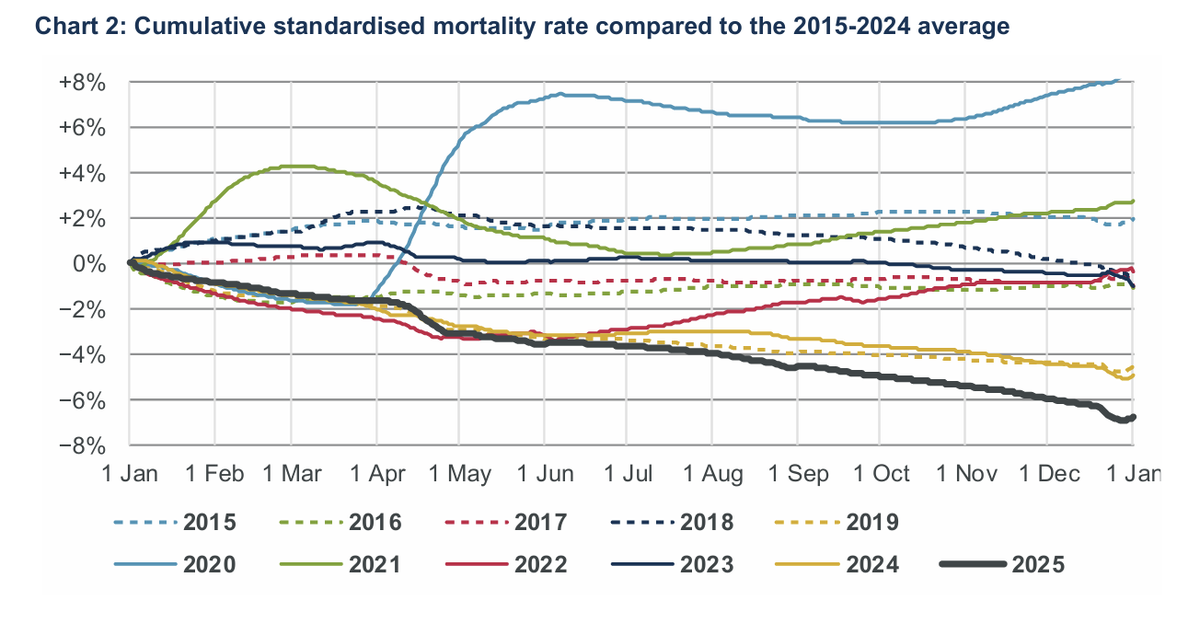
The final age-standardised mortality analysis for E&W for 2025 based on registrations confirms that it was the lowest year yet, and by some margin (1.9% to be precise). The flu outbreak in Dec (which appears to have been just an average year) didn't move the dial.
1/
1
1
7
385
Jan 15
A reminder that age-standardised mortality is the standard method used by professionals interested in mortality, as it adjusts for changes in the underlying population, most notably the impact of an ageing population on raw death counts.
5/
1
1
273
Jan 15
And a year end thank you to all the volunteers at the actuarial profession's CMI, which produces these regular reports as a public service, beyond its normal remit of providing mortality and morbidity analysis to the life and pensions industry.
6/6
2
268
18 Dec 2025
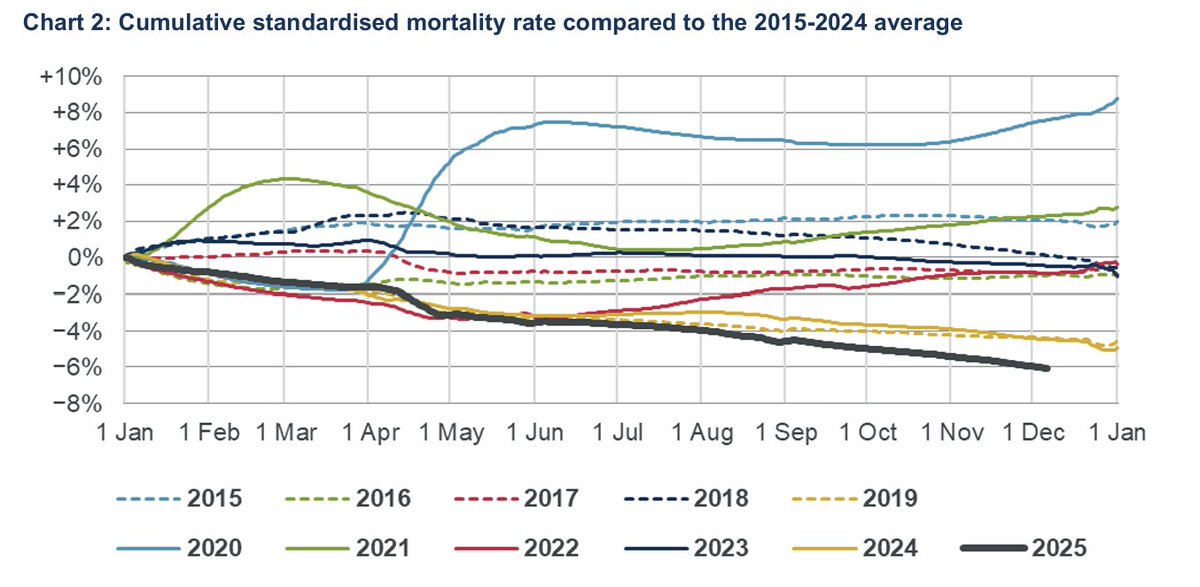
The last mortality update before the full year from CMI continues to show 25 tracking well below 24 (1.7% of a full year's mortality), and thus we're very likely to see a new low when the complete year is available.
Context follows:-
1/
2
1
4
543
18 Dec 2025
Mortality is of course just one measure of the nation'a health, and ill health trends are important too. But nevertheless, it's very positive that mortality trends appear to be over the dramatic hiatus of the COVID years, and maybe resuming "normal service".
5/
1
3
391
18 Dec 2025
Finally, this analysis uses standardised mortality ratios, the industry gold standard measure. Any analysis which simply looks at pure death numbers doesn't give a representative picture of underlying trends, as we expect more deaths each year as our population ages.
6/6
1
2
341