
Follower of Christ | Computational Biologist | Bioinformatician | Big data enthusiast | Gunner
Joined December 2009
- Tweets 1,473
- Following 617
- Followers 268
- Likes 2,768
35 Photos and videos

John Juma retweeted

18 Oct 2025
#RailaOdinga: the man who changed Kenya without ever ruling it theconversation.com/raila-od… #RIPBaba
3
320
John Juma retweeted

27 Sep 2024
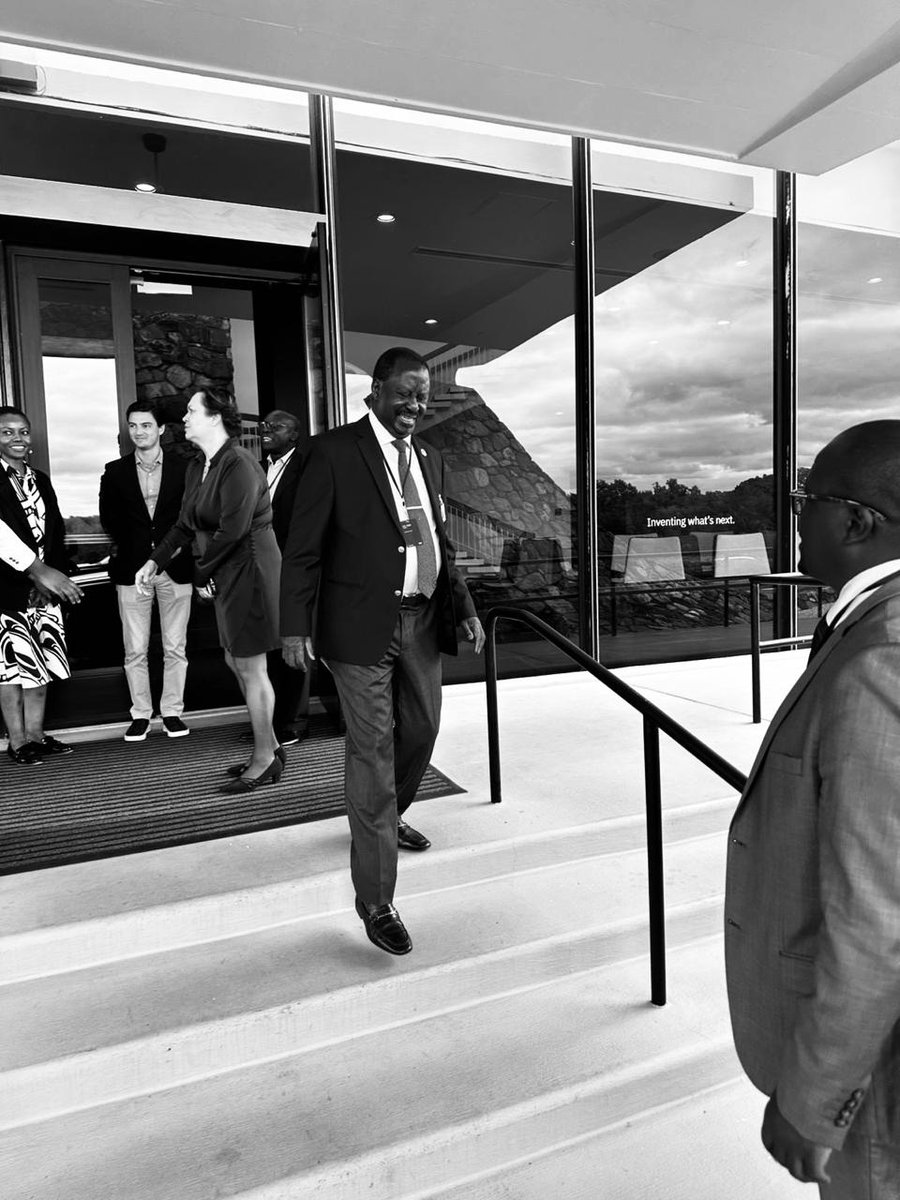
Africa is on the verge of something spectacular. We have a unique opportunity for growth. Let us use our collective skills and unique gifts as nations to create a brighter future.
1,186
512
4,667
270,577
John Juma retweeted
31 Dec 2013
Whatever the outcome, let it provide you with the impetus to pursue your life's ambition. Be the best version of yourself possible!
34
1,875
3,853
John Juma retweeted
11 Jan 2018
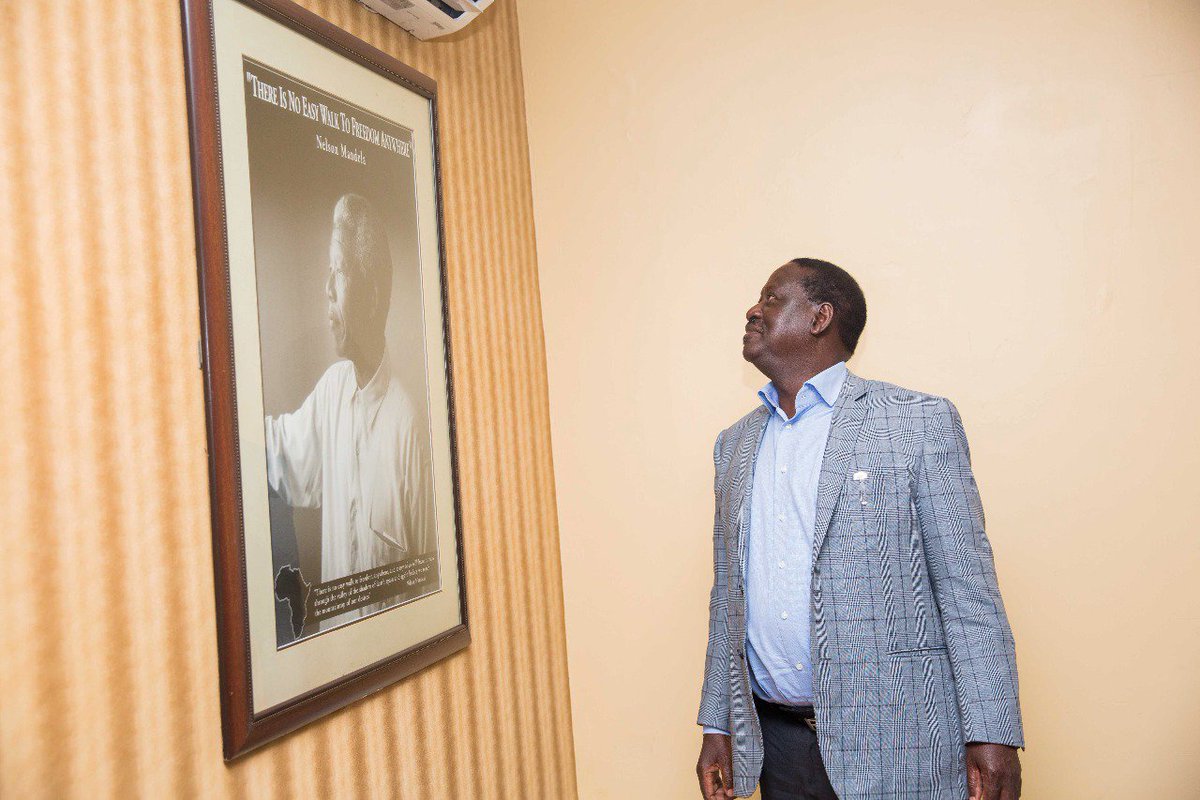
There is no easy walk to freedom anywhere - Nelson Mandela
367
1,855
5,847
John Juma retweeted

17 Sep 2025
We’re hiring!
My research team is recruiting a Clinical Research Data Coordinator for a remote position based at UNC Chapel Hill. This role will help advance global #CervicalCancerElimination by supporting data management, quality control, and analysis for innovative clinical trials.
Experience with SAS, SPSS, R, or STATA is required, and a passion for women’s health equity is a plus.
Apply here by September 22nd: unc.peopleadmin.com/postings…
*Please Note: Candidates must be eligible to work in the U.S.
#Hiring #ClinicalResearch #DataCoordinator #PublicHealth #GlobalHealth #CervicalCancerElimination #WomensHealthEquity #UNC #UNCOBGYN
@UNC_Lineberger @UNCOBGYN @GillingsGlobal @unc_cwhr @unccfar
1
43
101
9,068
John Juma retweeted

5 Sep 2025
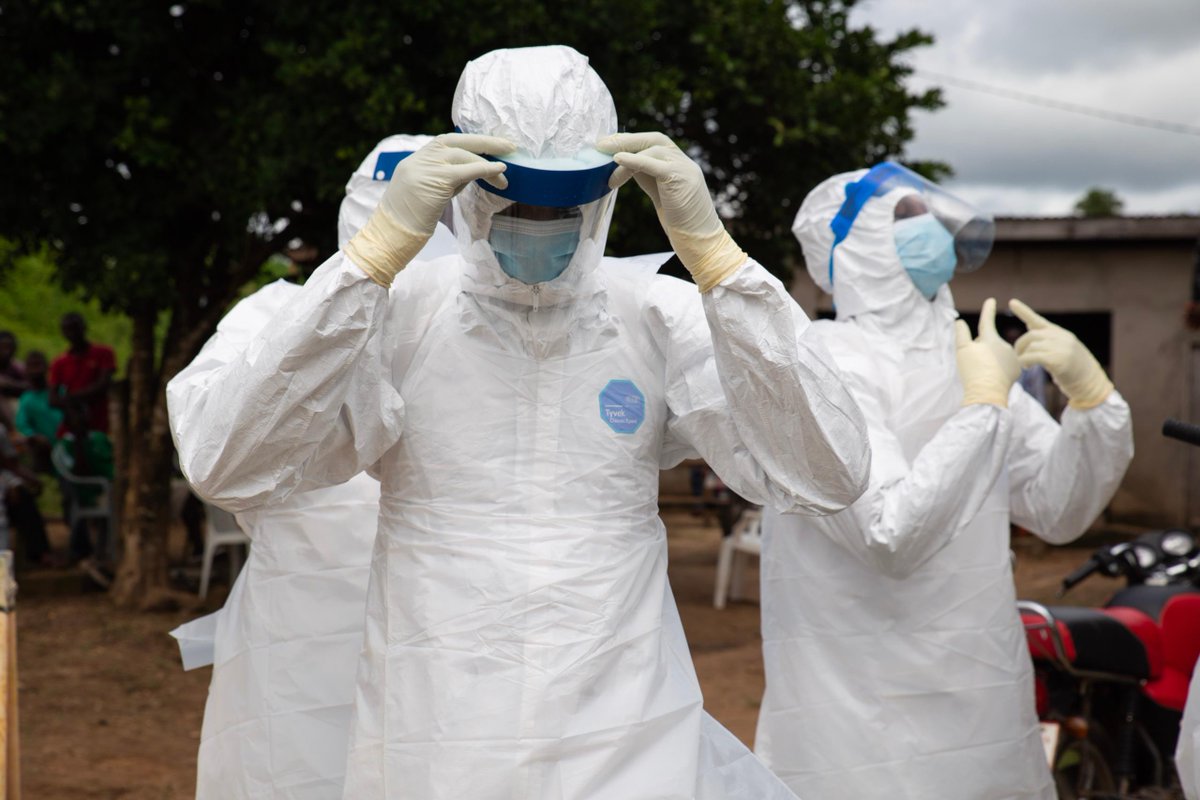
#EbolaOutbreak in DRC — what we know so far:
✅ A sixteenth Ebola outbreak has been declared in the Democratic Republic of Congo, confirmed in Kasai Province.
✅ 28 suspected cases and 15 deaths have been reported, including four healthcare workers.
✅ The index case is a 34-year-old pregnant woman.
✅ Laboratory tests confirmed the Zaire strain of Ebola.
@AfricaCDC is working in close solidarity with the Ministry of Health. Our Director General @Dr_JeanKaseya is on the ground, coordinating an urgent response and deploying experts to strengthen surveillance, contact tracing, laboratory capacity, and infection prevention to protect communities and health workers.
🔗 Read the full statement: ow.ly/nggx50WRy4h
#AfricaCDC
5
93
143
29,890

16 Aug 2025
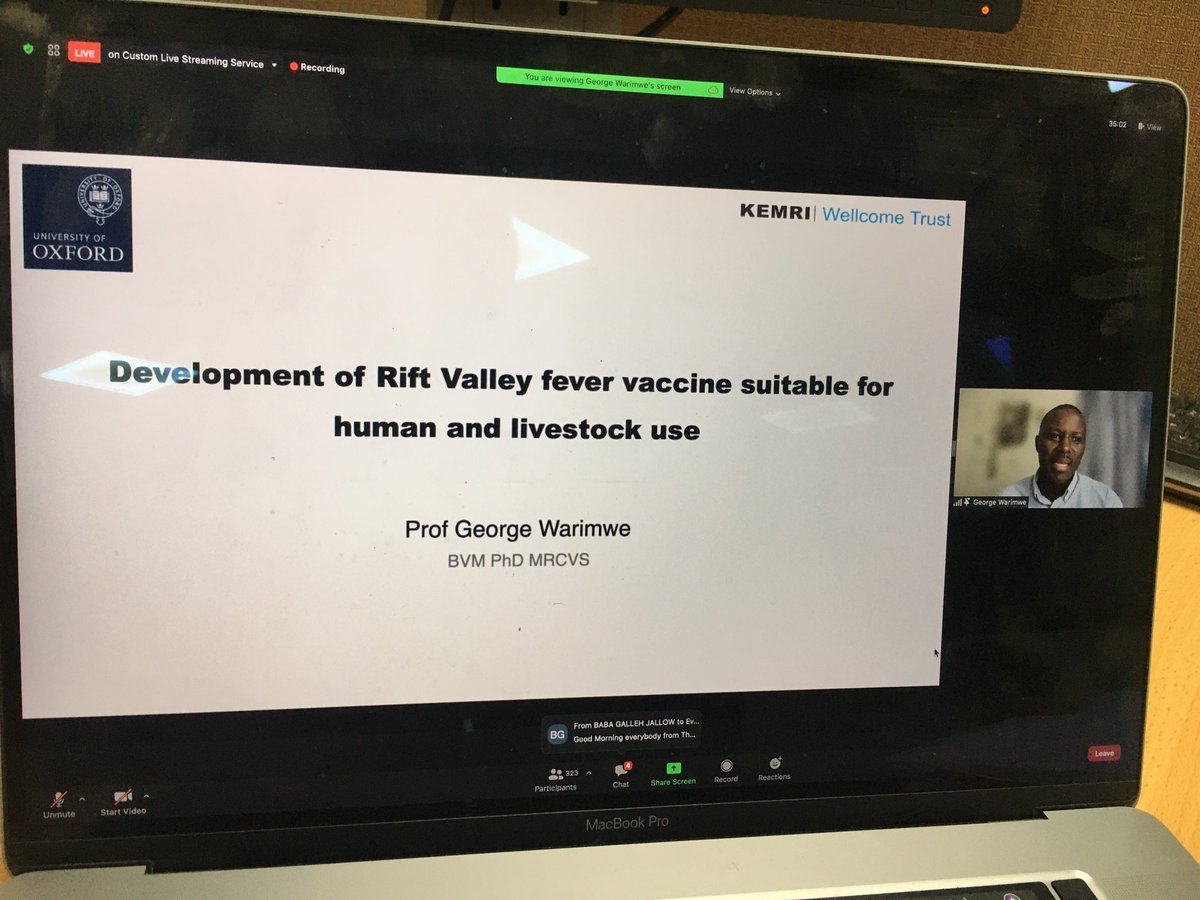
First volunteers receive Rift Valley fever vaccine in Kenya Phase II trial tropicalmedicine.ox.ac.uk/ne…
1
51
John Juma retweeted

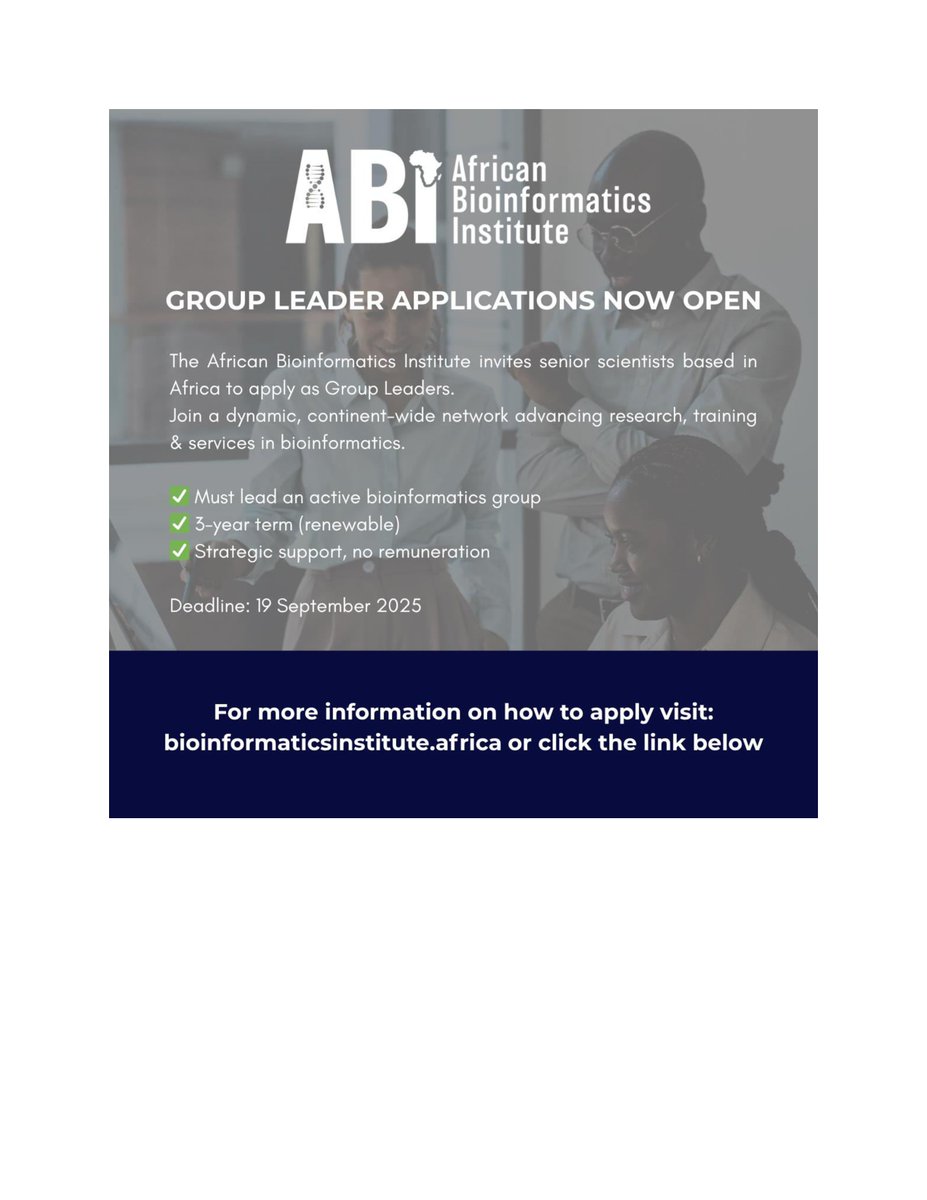
📢Applications are now open for Group Leaders at the African Bioinformatics Institute!
We welcome senior scientists based at African institutions advancing bioinformatics.
🗓️First review: 19 Sept 2025
📎For more information click here: bioinformaticsinstitute.afri…
30
30
2,207
John Juma retweeted

15 Mar 2025
This is concerning news. “The potentially deadly Japanese encephalitis virus has been found in mosquitoes in Brisbane for the first time” abc.net.au/news/2025-03-16/j… 🦟
8
157
251
29,126
John Juma retweeted
16 Mar 2025
Tanzania has reported confirmed cases of imported #mpox, with no evidence of community transmission at this time. @AfricaCDC 's Dr Ngashi Ngongo confirms that additional cases are under investigation, and the situation is being closely monitored.
Watch our latest briefing: ow.ly/fcbE50Vit6Q
#AfricaCDC #AfricaResponds
1
13
19
2,789
John Juma retweeted

14 Mar 2025
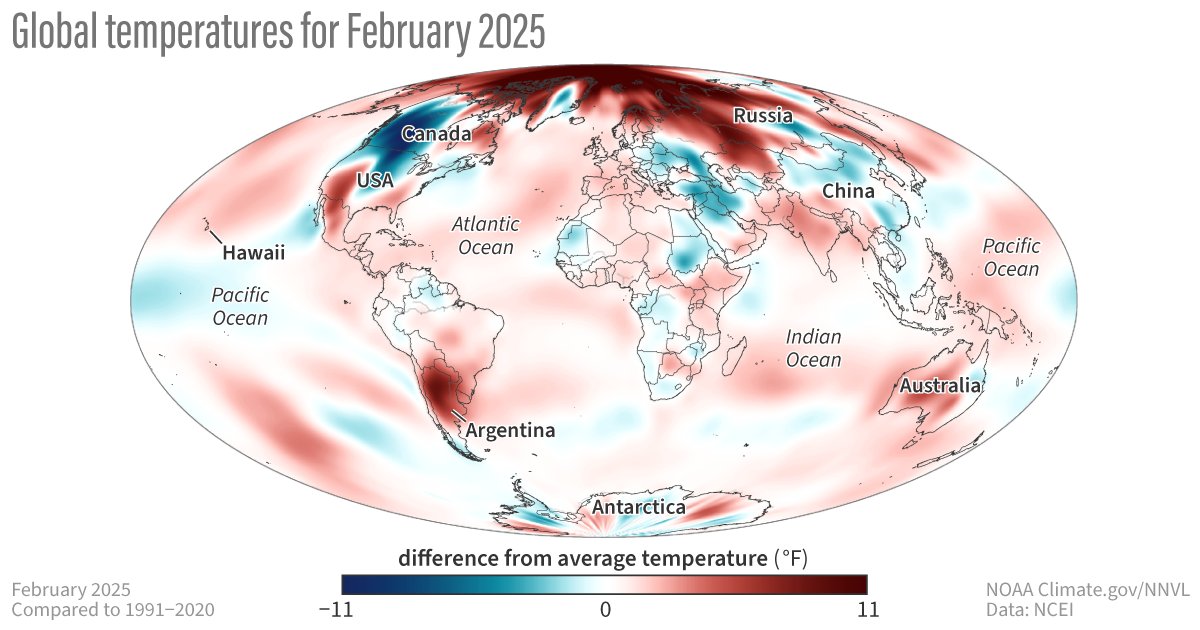
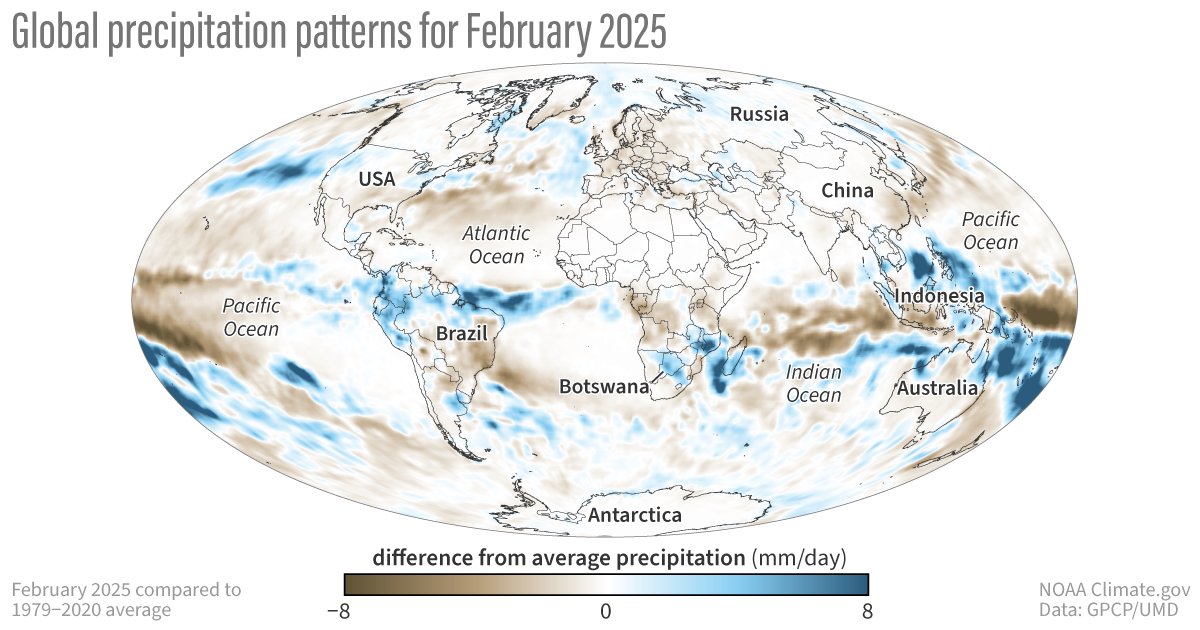
Last month ranked as the third warmest February globally. From record Arctic heat to floods and droughts in different corners of the world, these maps show how the month unfolded. Read more: climate.gov/news-features/fe…
2
12
25
5,096
John Juma retweeted

4 Mar 2025
🦘✂️ Thanks to @cziscience, @wytamma and I are writing the next version of the Snippy bacterial variant calling pipeline. We want your input on what features s it will have. Please fill out this (longish) survey to help make Snippy great again! forms.gle/YJP6WQjsk8KKQxBa6
18
54
2,876
21 Feb 2025
RT @MOUGK: AI is poised to accelerate understanding in infectious diseases, but its value needs to be demonstrated through close collaborat…
17
John Juma retweeted

19 Feb 2025
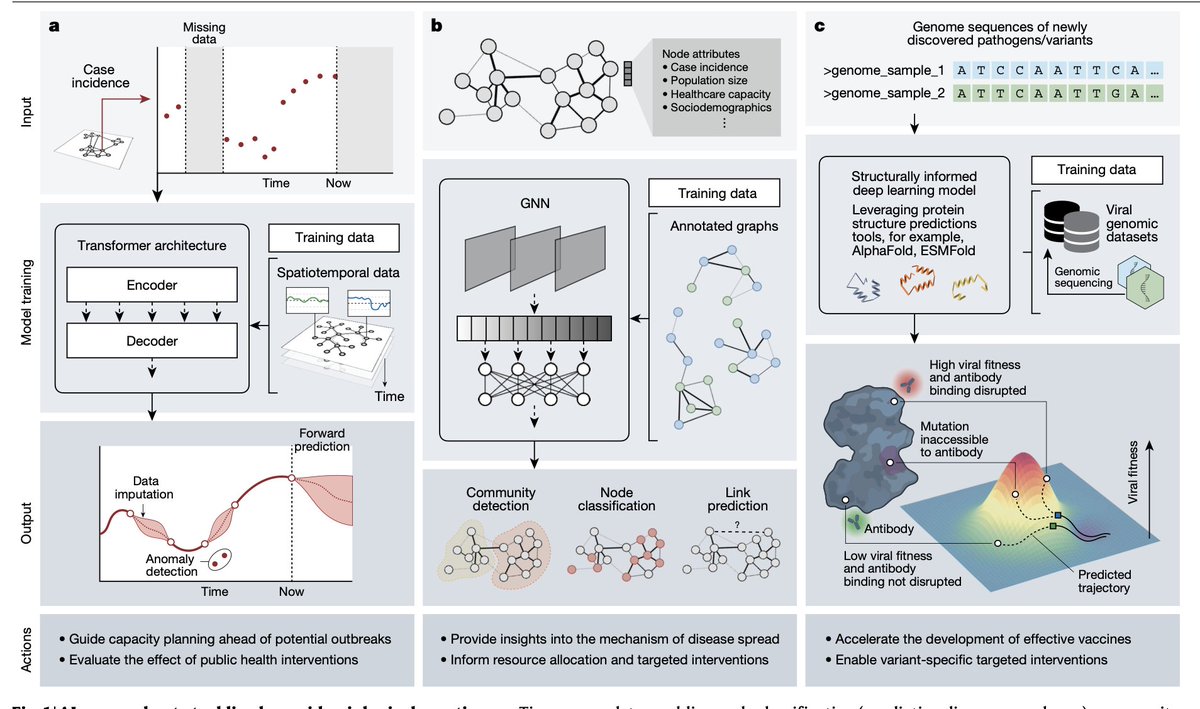
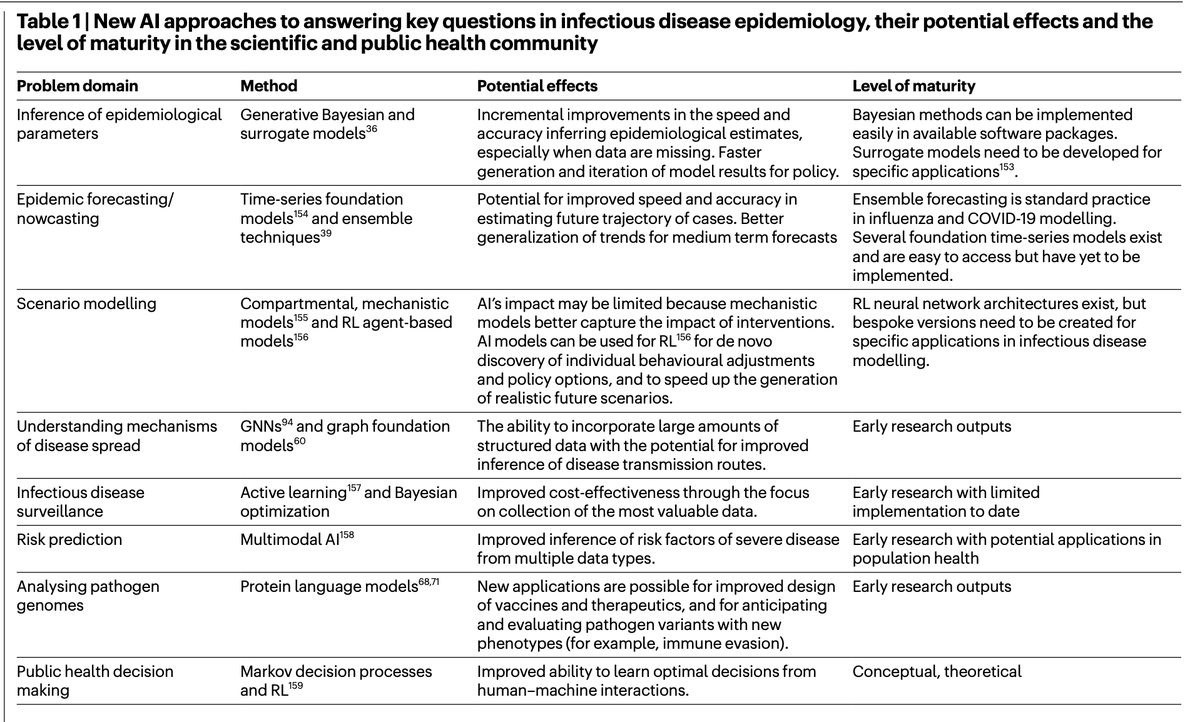
New @Nature
How #AI can play a pivotal role in future pandemic preparedness and mitigation, with caveats
nature.com/articles/s41586-0… by @MOUGK @UniofOxford and collaborators around the world
4
45
123
19,330
John Juma retweeted

10 Feb 2025
Please share and consider applying!

#OpportunityAlert 🚀 Passionate about pathogen phylodynamics, disease ecological modeling, or machine learning for infectious diseases? We have 3 positions for a 3-year, tax-free Postdoc Fellowship at CERI, @StellenboschUni! 🌍
🔗t.ly/A-JsU
📅 28-02-2025
@houzhou

1
6
12
826
John Juma retweeted

5 Feb 2025
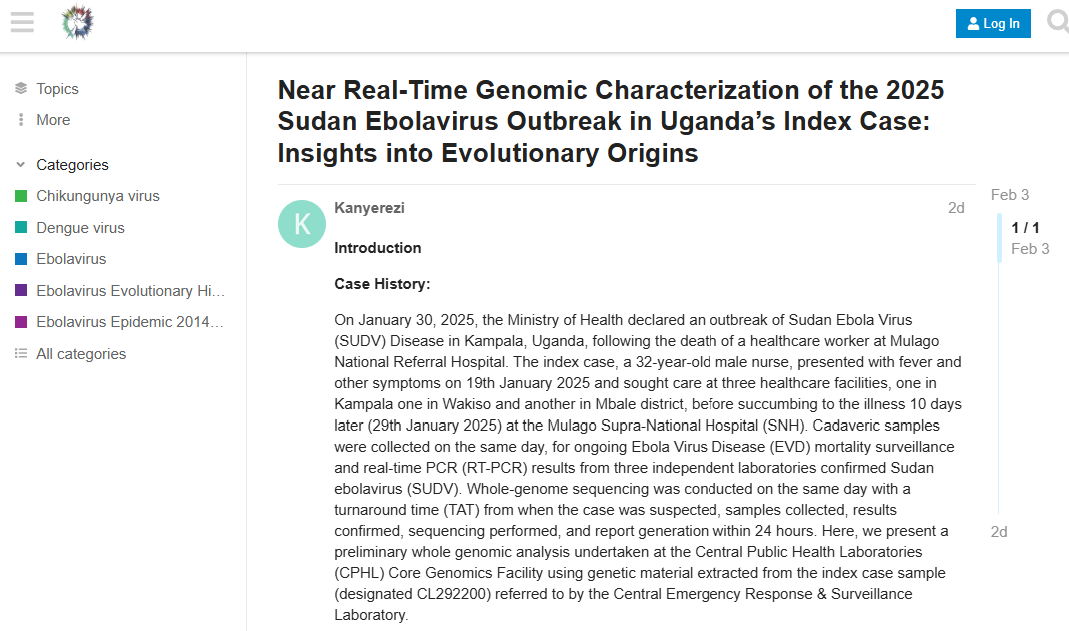
Thanks to huge efforts by Uganda’s Central Public Health Laboratory, @MinofHealthUG, @UVRIug @Africa_CDC, & @SANBI_SA, @UWConline, the sequence from the recent Ebola Sudan case in Kampala is now available on @Pathoplexus, with the full report available in a Virological post.
1/2
1
7
17
3,833
John Juma retweeted

3 Feb 2025
The past six days have been devastating for APHL and the broader global health community. APHL was forced to make the extremely difficult decision to halt all global public health work supported by the U.S. government, directly affecting over 100 employees.
Our work has been essential to U.S. national security, pandemic prevention, and countering global adversaries in next-generation sequencing and bioinformatics. We have led critical efforts in laboratory testing and surveillance for HIV, tuberculosis, malaria, cholera, polio, antimicrobial resistance, viral hemorrhagic fevers, mosquito-borne infections, novel respiratory viruses, and much more.
Over the past four years, I have had the privilege of building one of the most talented, compassionate, and dedicated teams in global health. My colleagues are family, and I do not say that lightly. I have witnessed their tireless commitment—countless hours of effort, resilience, and sacrifice—all to protect global and domestic public health. Now, all of that progress is at risk.
Even with a “temporary” 90-day review, re-establishing these programs will require a herculean effort. Trust, built over decades, cannot simply be restored overnight. And with every day of inaction, we lose ground—facing an Ebola outbreak in Uganda, a Marburg outbreak in Tanzania, and other global health threats just a plane ride away from the U.S.
There is a common metaphor in global public health:
"Public health is like being on a sinking ship. We can bail out water on our side, but if others can't do the same, we're all still going down together."
This pause will have lasting, irreparable consequences. Both U.S. and global public health will suffer.
Secretary of State Marco Rubio has stated that three questions must be answered affirmatively for foreign aid:
Does it make America safer?
Does it make America stronger?
Does it make America more prosperous?
For our global health work, the answer to all three is an unequivocal YES.
In his January 20, 2025, Executive Order withdrawing the U.S. from the World Health Organization, President Trump directed the government to “identify credible and transparent United States and international partners to assume necessary activities previously undertaken by the WHO.” This is exactly what APHL does.
After reviewing foreign aid, I am confident that our work will be recognized as vital to the United States. But in the interim, we risk losing momentum, critical expertise, and the most dedicated public health professionals—potentially forever.
I urge you to make your voices heard. Contact your representatives at Find Your Member (congress.gov/members/find-yo…) and demand action. Public health isn’t just a global issue—it’s a U.S. issue. We will continue fighting to reverse this pause and protect the health of us all.

2
13
27
6,381
John Juma retweeted

1 Feb 2025
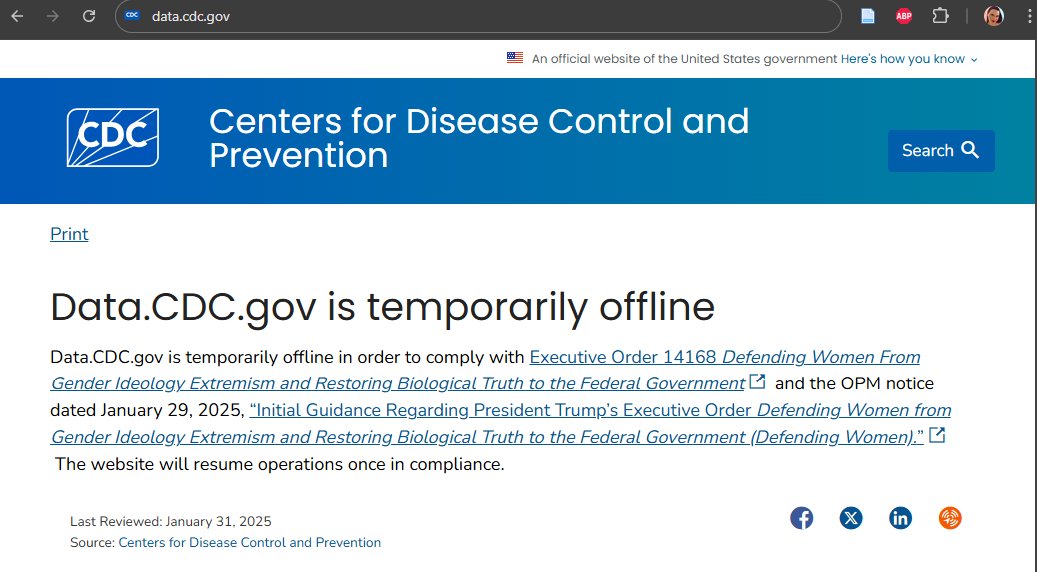
It's all gone. They've taken down all the CDC datasets from data.cdc.gov/
"Do not fear those who tell the truth. Fear those who try to hide it. They are willing to sacrifice other things."
31 Jan 2025

I've seen multiple posts about CDC websites/datasets going dark.
If you know of any efforts to archive datasets/articles on CDC website, please let me know, so I can boost, and support with donations if possible. #stopTheScrub #saveCDCData #IstandWithPublicHealth
78
2,544
7,940
296,665
John Juma retweeted

30 Jan 2025
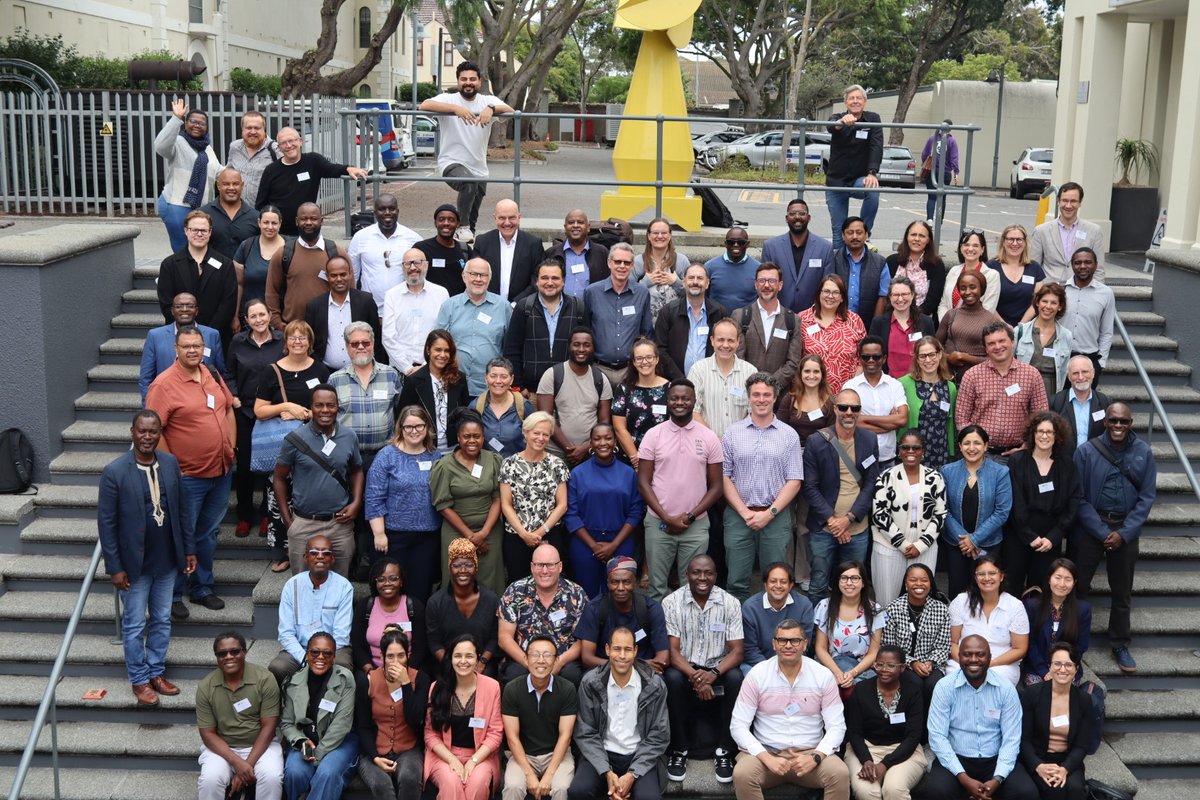
The African Bioinformatics Institute Stakeholder meeting was held over the last 2 days in Cape Town. There was excellent engagement and and lots of ideas for the establishment of this important organization.
1
33
116
4,009