
African Lead @blend_money | Founding team @remmintpay & @flezpay | Prev @Alchemy
Joined May 2025
- Tweets 2,846
- Following 749
- Followers 631
- Likes 9,848
177 Photos and videos







Jun 8
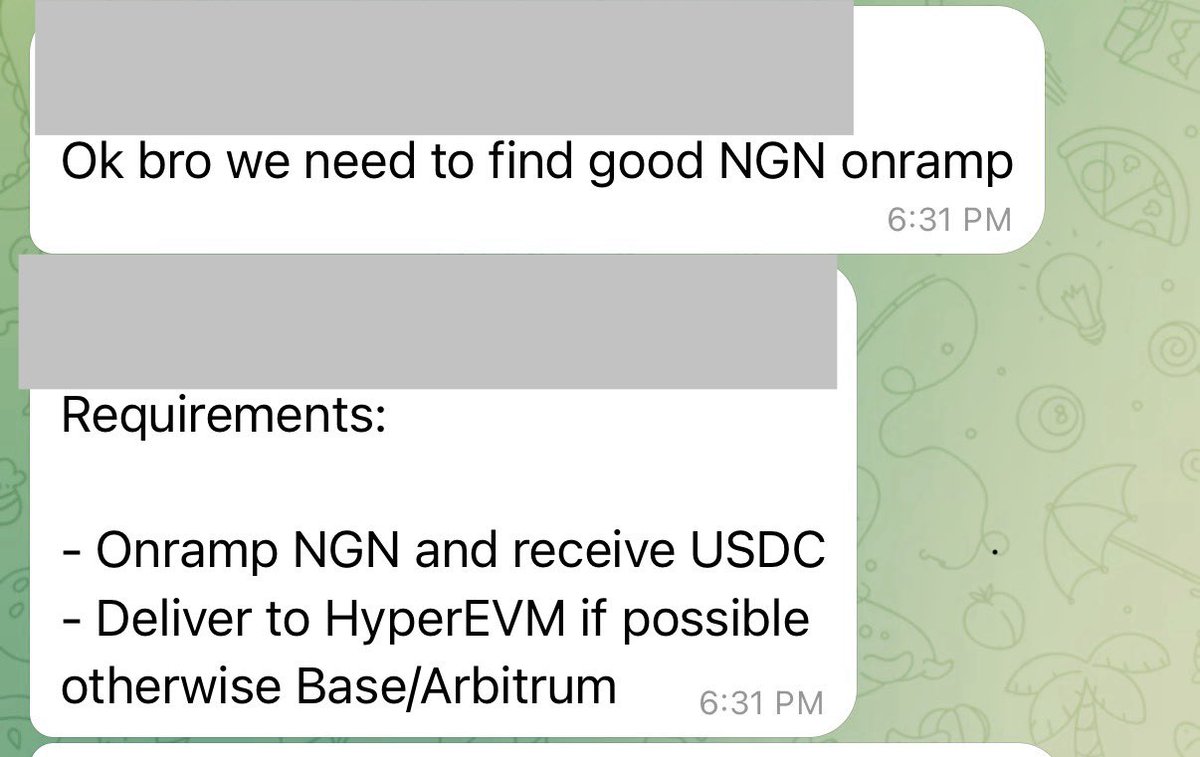
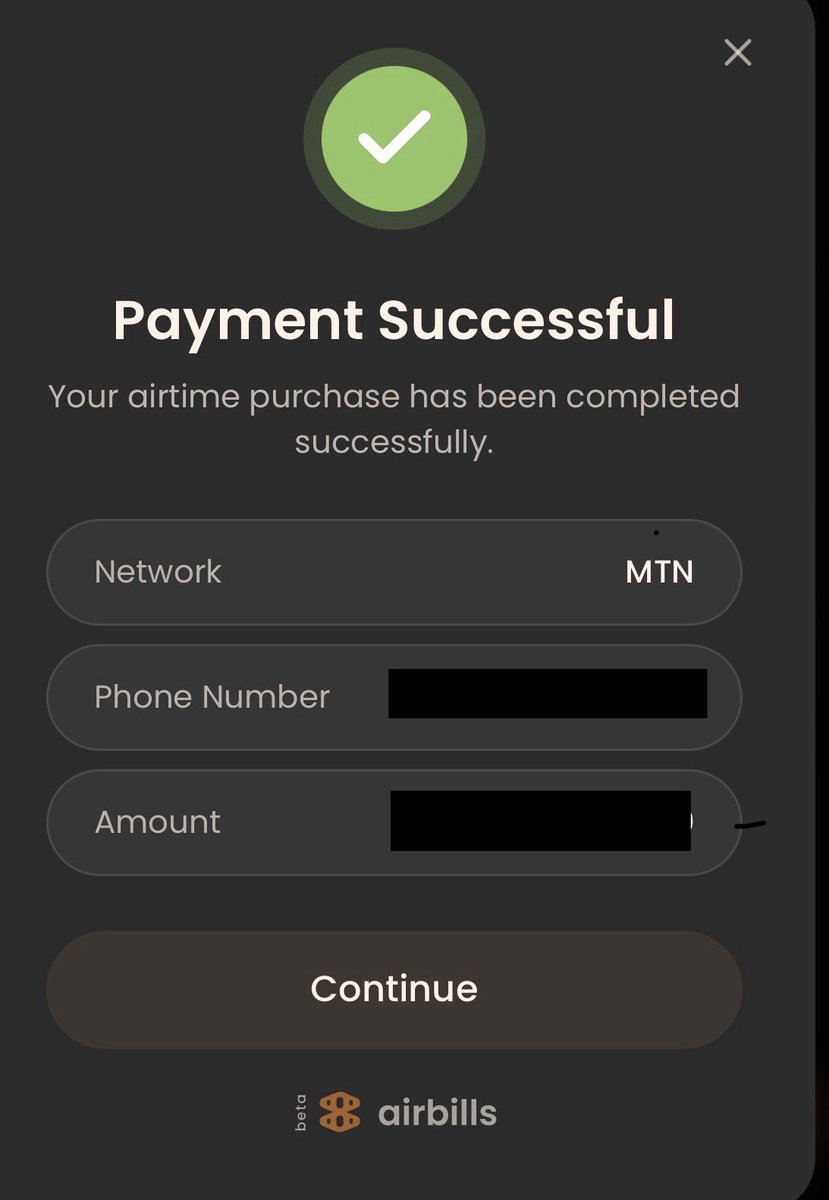
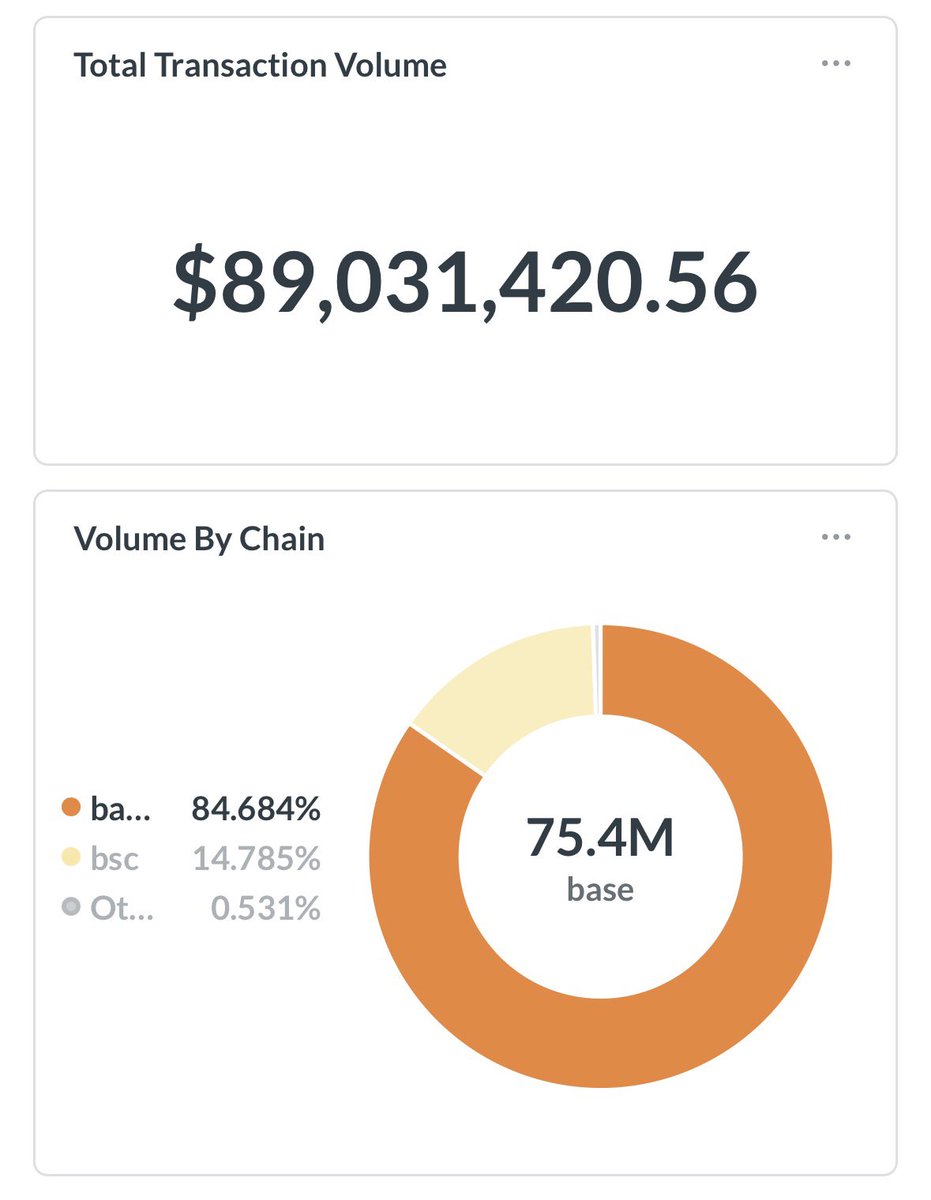
Crazy that Hurupay did another $640k in 2days.
Whats the sauce?

1
4
303
Jun 8
Newsletters will never go out of fashion for me. Maybe I’m just old school, but there are a handful of newsletters I keep up with consistently, and I think more fintechs and neobanks should see them for what they are: a powerful growth engine.
To be honest, they’re a bit of a growth hack.
During my time at @unhashed__, I saw firsthand how newsletters helped drive awareness, engagement, and distribution for several companies across the web3 ecosystem. While everyone chases new channels, some of the most effective operators are still building direct relationships with their audience through email.
A few that I still follow regularly:
1. The Squeeze by @juicywayhq
2. This Week in Fintech by @twifintech
3. Stablecon Weekly by @NikMilanovic
4. Talent Newsletter by @CryptoJobsList
5. Hacken Pulse by @hackenclub
@greyfinance had one too, but i don’t know what happened to it.
Then pods like @stabledash are a gold standard.
TG channels like @stablewatchHQ are also quite informative.
Love every team’s effort behind these. 💚
2
1
11
734
Jun 8
👀



3
212
Jun 8
If you’re building in stablecoin or selling a stablecoin service and will be in Rio please reach out to Ana. She’d be more than happy to have a chat & swap notes.
Jun 8
Just landed in Rio de jainero 🇧🇷 Happy to connect with neobanks, fintechs, funds, treasuries, banks and basically anyone building with stablecoins right know. at @blend_money we want to help you to grow your business, compliantly. Sent me a dm, happy to take a coffee!
4
479
Jun 7
Hi @nikitabier, simple but helpful feature request, can we have a bookmark note feature? Like if I bookmark something, I’d love to leave a quick note so I don’t forget the specific reason I did that.
Thanks a lot.
3
95
Jun 7
This team’s hardwork is incredible!
Jun 5

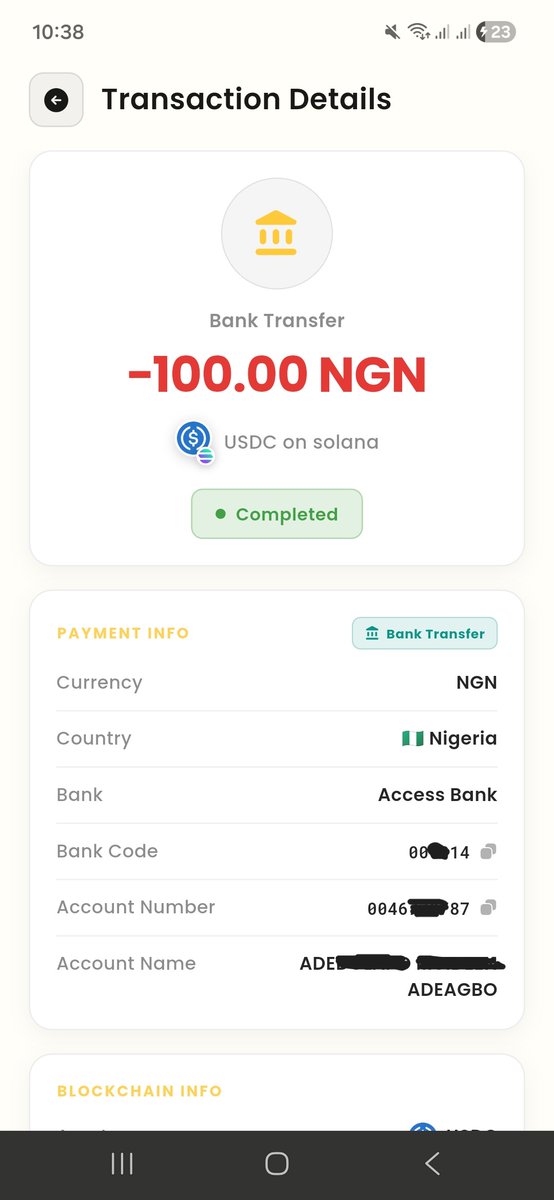
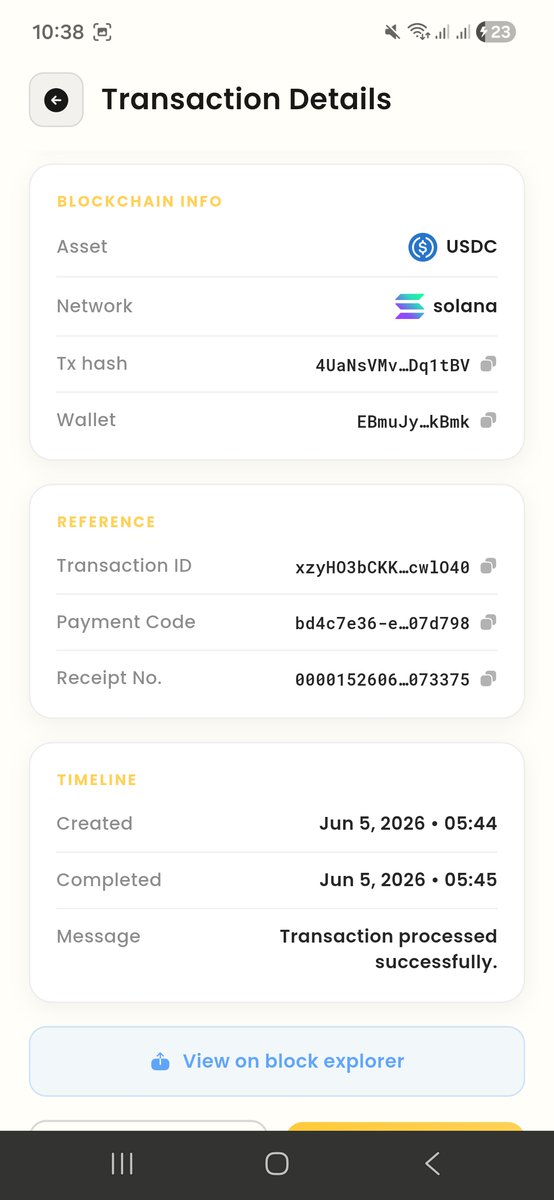
Lightning-fast cross-border money transfers with $USDC or $USDT on @solana is now live on Nana Money app
Send money to Nigeria🇳🇬 and 6 other African countries with zero fees direct from your $USDC or $USDT balance on #Solana
Early Access is Live on @GooglePlay , public access soon.
#solana #stablecoins #money #finance
2
7
1,207
Jun 7
Is there currently any @HyperliquidX project that’s building multi signature vaults for HypeEvm?
85
Jun 5
We’re hiring a Senior Engineer.
This is a rare opportunity to join early and help build the earning infrastructure layer for neobanks, wallets, and fintechs globally.
At Blend, we’re building the Earn OS that powers how millions of users access yield across Africa, LATAM, Asia, and beyond.
You’ll have a direct hand in shaping the products, systems, and decisions that define the future of savings and yield distribution worldwide.
Jun 4

gm! blend is hiring a senior engineer. we've built compliant yield infra for neobanks as a team of five and we're intentionally scaling engineering by one.
if you've worked on solver systems, cross-chain infra, or high-throughput web2 backends, lets chat
4
12
1,693
Jun 4
Congratulations to @jenniferechenim and the @Bloccpay team!
Jun 3

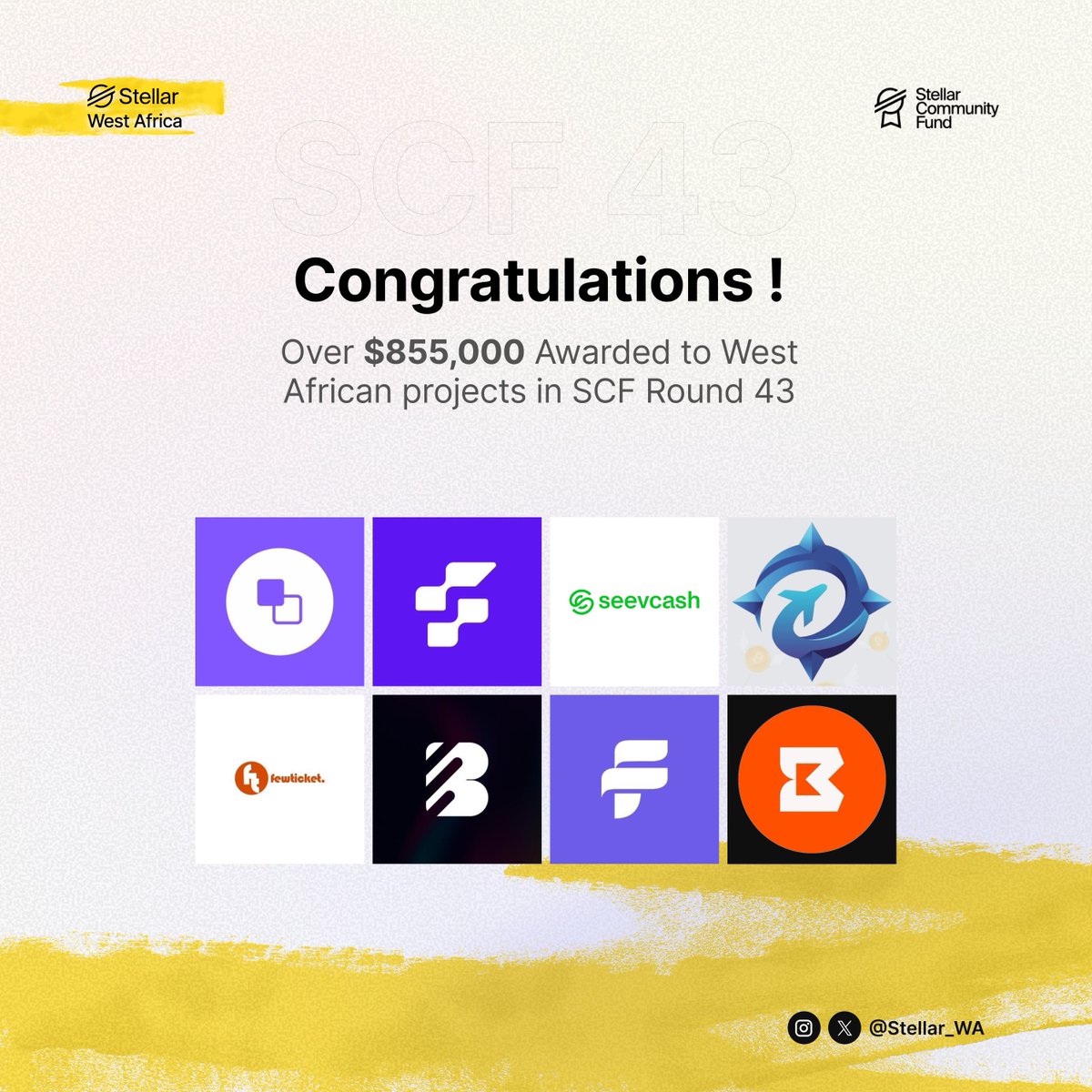
We're super excited to see 9 projects from West Africa receive over $855,000 in funding in the latest Stellar Community Fund round (SCF #43)! 🎉
It's inspiring to see more founders & builders from the region getting the support they need to scale their ideas and create real impact. Seeing these projects receive backing is also a reminder that the ecosystem continues to grow and that the collective effort to support builders across West Africa is paying off.
To every founder out there: keep building. We'll keep supporting you. And if you're looking for a blockchain ecosystem to build on, come @BuildOnStellar/@StellarOrg.
Huge congratulations to the incredible teams building solutions for Africa and beyond: @seevcash, @FundableHQ, @spendfigo, @fewticket, @fiatsend, @Bloccpay, @JetPad_Finance, @OurBlockroll, and @uselinq.
Take some time to explore what they're building, support their work, and get onboarded.
Learn more about SCF #43 here:
medium.com/stellar-community…
1
1
8
373
Jun 4
In the last two days, both @deel and @MoneyGram have launched niche stablecoins and native networks, each designed to solve different problems. While that’s a strong signal of where the industry is heading, it also introduces a new challenge: interoperability.
We’re solving one layer of fragmentation only to create another.
Stablecoins derive much of their value from being borderless, composable, and universally accessible. As more companies launch their own closed ecosystems, liquidity and user experience risk becoming increasingly fragmented across chains and networks.
The original promise of stablecoins was simple: make payments global, inclusive, and frictionless. If moving value between stablecoins becomes as complex as navigating the traditional financial system, we’ve only recreated the problem in a different form.
Jun 2

Introducing MGUSD.
MoneyGram's native U.S. dollar stablecoin.
Natively issued on @StellarOrg.
Built with @Stablecoin, @M0 and @FireblocksHQ.
Live in the U.S. today.
1
11
1,203
Jun 3
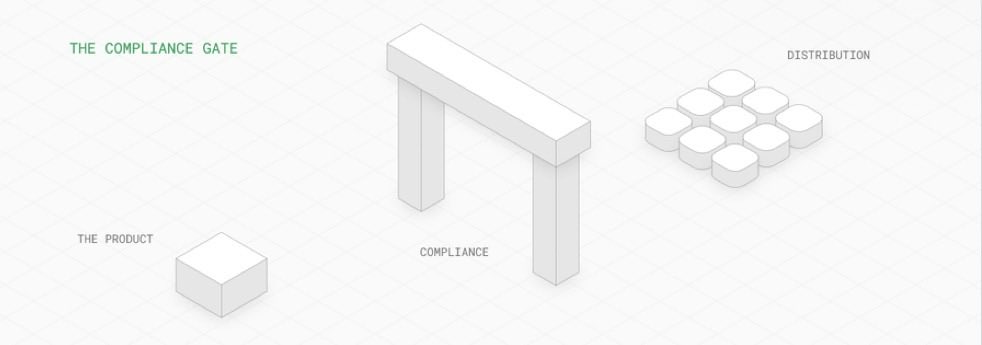
Most teams think the hard part of offering yield is integrating with protocols like @aave, It’s not.
The hard part is everything that comes after:
→ Compliance requirements
→ Protocol caps & risk controls
→ Deposit buffers
→ Audit trails
→ Reporting & record keeping
→ Operational overhead
Blend isn’t just a yield aggregator; it’s a compliance and orchestration layer for fintechs and neobanks.
One integration gives compliant access to diversified yield sources while handling the infrastructure, controls, and reporting teams need to operate at scale.
While Aave solves yield generation, Blend helps solve the operational and compliance layer around it.
1
9
200
Jun 2
One app whose market approach I genuinely admire is the @useaccrue team.
Almost every part of the product feels intentionally designed. From creating and managing accounts (Dollar, Euro, or Naira) to generating payment links and requesting payments seamlessly, the experience is thoughtful end-to-end. The UI is clean, the workflows are intuitive, and the user experience consistently delivers on expectations.
One feature that particularly caught my attention was their Grow product. It’s an earn product that users can access without ever needing to know who sits behind the infrastructure. I initially tried to figure out how it worked on my own, but eventually reached out to @mclint_, who walked me through the mechanics behind the scenes.
What stood out wasn’t just the product itself, but how effectively the team abstracts complexity away from users.
Most users don’t need to know who powers the infrastructure. They don’t need to know which network their funds are on, or whether they’re interacting with USDT, USDC, @stablenaira, or @cngn_co. To them, Naira is simply Naira. It just works.
That’s very much aligned with our philosophy at Blend. We believe infrastructure should stay in the background. Users shouldn’t have to think about who powers yield generation; they should simply know that their money is working for them through the apps they already use.
You can check out @useaccrue through my payment link here:
useaccrue.com/pay/@johnbabod…
1
2
14
1,044
John retweeted

Jun 1
Introducing Encrypto yield.
T-bills. DeFi. Mixed Baskets. One click, fully self-custodial.
Powered by @blend_money and DeFi.
15
13
66
6,237
Jun 1
African integration!
Super excited to finally announce our partnership with the @surgepay_io team.
They are solving payments at a scale we have not seen before, their market approach is unique. Couldn’t be happier to support their earn infrastructure through @blend_money.
Super excited to work with the goated @high_oba for this!
Jun 1

Global money should not sit still.
SurgePay helps users move, spend, and manage stablecoins across borders.
Through our partnership with @blend_money, we’re exploring embedded earning experiences powered by non-custodial infrastructure.
Simple payments.
More useful balances.
Money should just work.
4
1
26
1,863
Jun 1
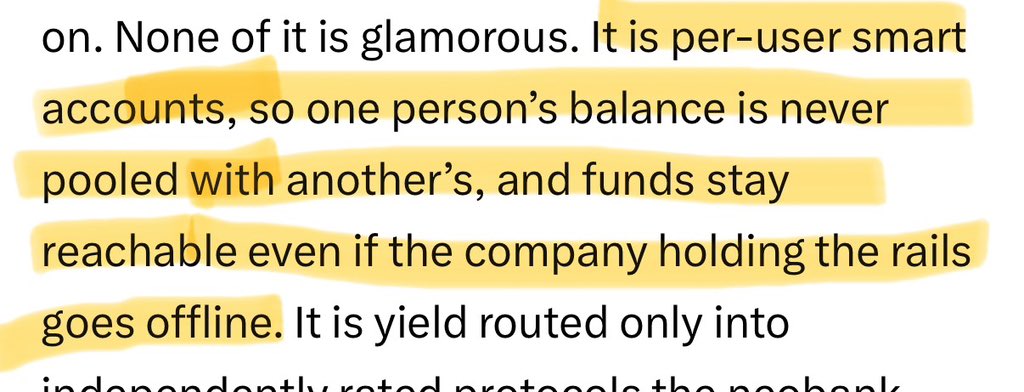
This is exactly why blend’s infra is different, why it’s better. For clients we talk to I like to always state the fact every user has a smart account that never mixes with other users or accounts. Even if blend disappears today (we are going to be here for a long, Long time) user funds are reachable and can be reached quickly.

5
447
May 30
Speed is a skill and urgency is the currency.
Your lack of urgency is killing you one second at a time. It compounds to a failed life, project or system.
4
76
May 30
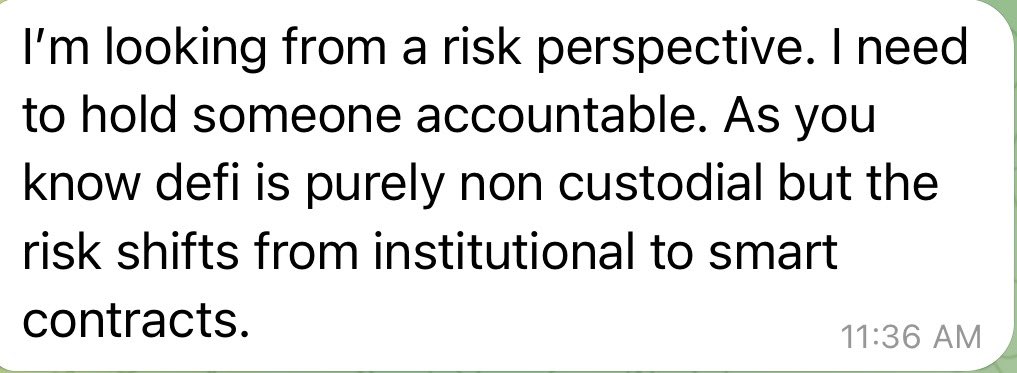
One thing I’ve noticed from speaking to Neobank/ fintech founders across Africa is the concern that DeFi is too risky. I understand the sentiment, and honestly it’s a valid one.
But a common misconception is that all yield sources are the same. Native DeFi protocols like @aave generate yield from crypto borrowing demand, while RWA platforms like @Securitize generate yield from assets such as Treasury bills, private credit, and other off-chain instruments. What that means is, assets are backed off-chain but represented on-chain and therefore If the smart contract breaks:
• The legal ownership of the underlying asset may still exist.
• The issuer can potentially fix, migrate, or reissue tokens.
•Investors may still have contractual claims on the real-world assets.
Each comes with different risk profiles, DeFi introduces smart contract, liquidation and market risks but is fully transparent and non custodial. RWAs reduce some of those risks but introduce issuer, custodian, and operational risks.
That’s why @blend_money doesn’t rely on a single yield source.
Instead, we build diversified yield baskets across multiple risk profiles and liquidity sources. By allocating across different baskets, we reduce concentration risk while maintaining liquidity for users.
When a withdrawal request comes in, users aren’t waiting for a Treasury bill to mature or an off-chain settlement process to complete. Blend rails manages liquidity across its baskets and sources, allowing redemptions to be fulfilled almost instantly while portfolio rebalancing happens in the background.
The goal isn’t to eliminate risk, every yield source has risk, the goal is to diversify it, manage it, and give users access to institutional-grade yield strategies with a simple withdrawal experience.
This is the difference, this is why @blend_money will win.
5
245