
Director and head of environment @CambridgeEcon, working on the economic impacts of decarbonisation policies and pathways. BHAFC fan and father. Views my own.
Joined April 2009
- Tweets 380
- Following 455
- Followers 384
- Likes 888
Photos and videos
Pinned Tweet

20 Sep 2022
🧵 Great to see this article from @FionaHarvey today talking about our new @CambridgeEcon analysis for @GreenpeaceUK which looked at the impacts on the UK of decarbonising household heating in line with the @theCCCuk's Balanced Pathway 1/3
theguardian.com/environment/…
1
17
41
Jon Stenning retweeted

30 Aug 2023
Come hear me and @EeistP colleagues waffle on about our failures and a few successes applying complexity economics and systems thinking in very applied energy policy work...🤓
30 Aug 2023

There's still time to register for our next CECAN Webinar: 'New Economic Models of the Energy Transition: Using complexity & systems approaches in energy policy appraisal', 26 Sep, 1 - 2pm BST. Find out more & register free: cecan.ac.uk/events/cecan-web…
@bapeterj @EeistP
2
3
1,570
Jon Stenning retweeted

24 Apr 2023
How can we harness a new generation of economic modelling to accelerate the global energy transition?
New economic models of energy innovation and transition – our latest report – details how governments can empower policymakers with new tools
bit.ly/3JES82N
9
8
879
Jon Stenning retweeted
17 Mar 2023
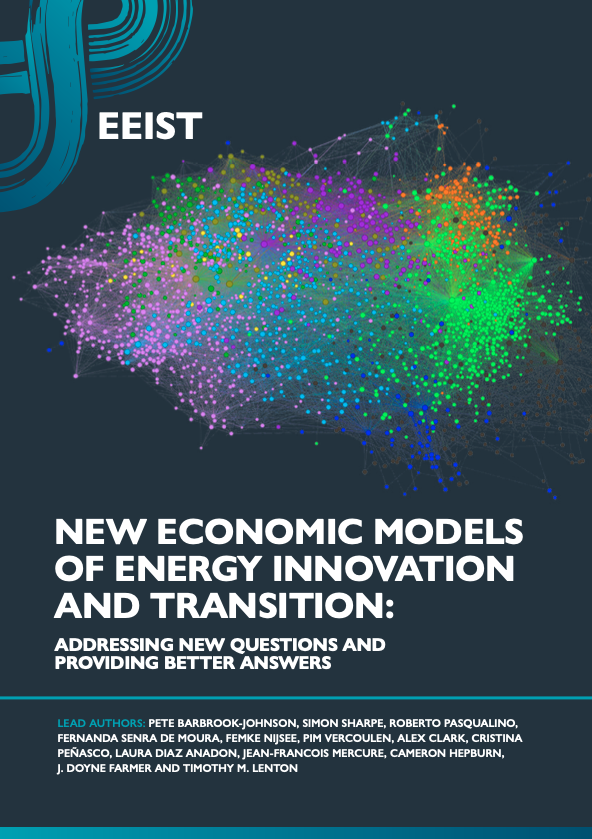
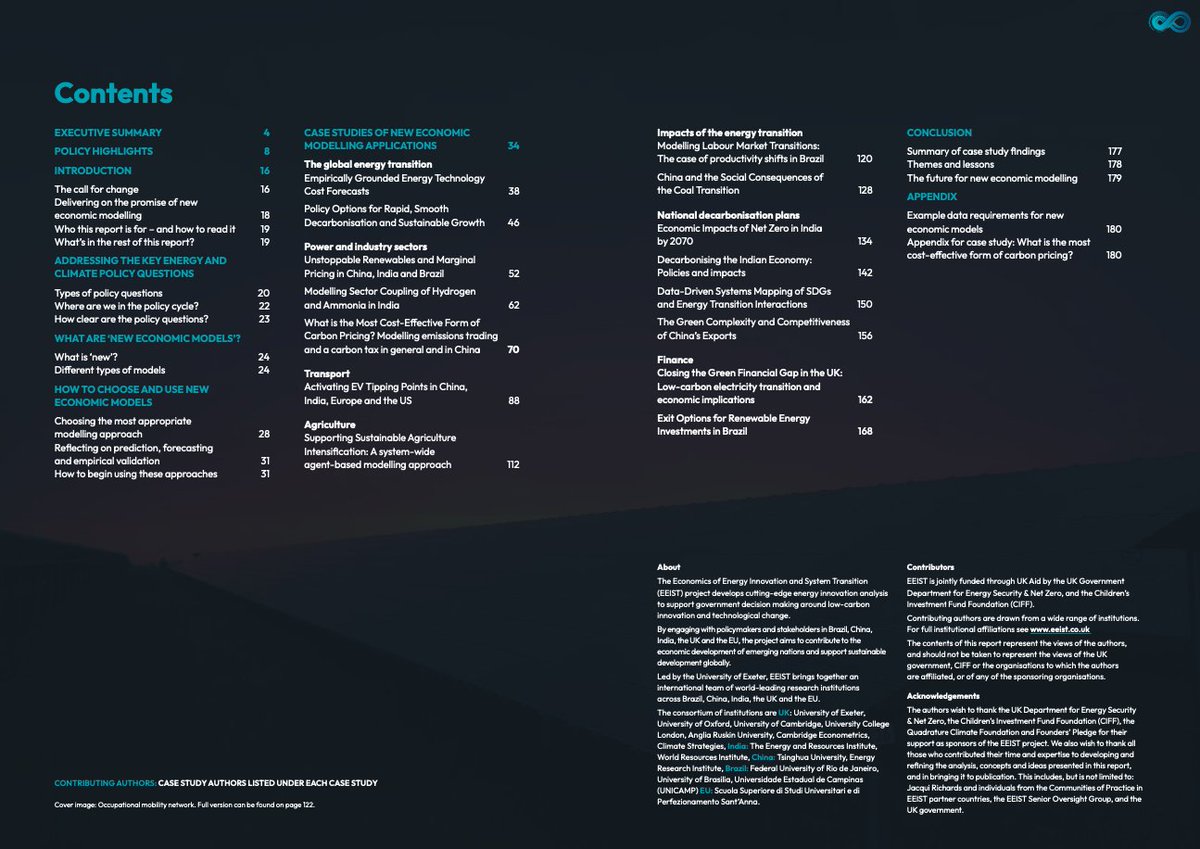
Sneak peek of our @EeistP new report
📒 New economic models of energy innovation and transition
🌟 This report really delivers on the promise of complexity economics and systems thinking for energy and climate policy. Relevant and timely insights, developed with policy makers
2
20
35
4,507
Jon Stenning retweeted

27 Feb 2023
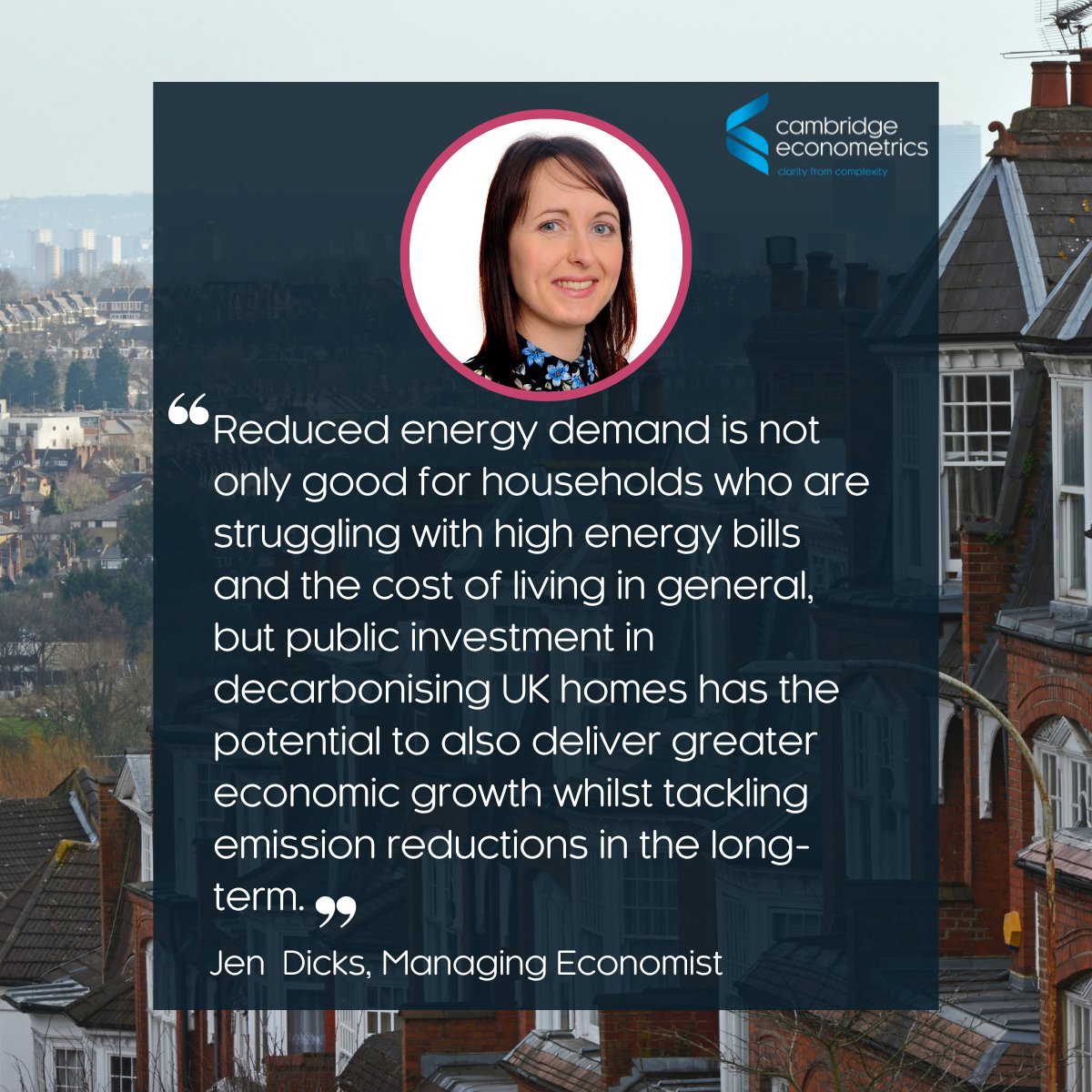
What role could the UK Gov. play in ensuring Britain has more efficient homes?
The #AffordableEnergyCalculator which we worked on with @GreenpeaceUK allows people to see how much they could save in the future if their homes were more efficient➡️bit.ly/41leyhA
27 Feb 2023

🚨BREAKING: The new price cap has been announced by OFGEM.
Some households could be paying as much as £3000 a year for energy bills.
This will push millions more into fuel poverty - this is unacceptable.
3
2
406
Jon Stenning retweeted

6 Feb 2023
How much does the UK need to invest in its electricity grid? How does that compare to Victorian investment in the railways?
From what I can tell:
- The UK invested ~2% of its GDP in building railways from 1845 - 1870
- We need to invest 0.2% - 0.5% of GDP in the grid to 2050
4
17
71
17,063
3 Feb 2023
There's currently a great Freudian slip in a headline on the Guardian website...
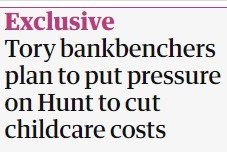
ALT Headline from the Guardian reading "Tory bankbenchers plan to put pressure on Hunt to cut childcare costs"
121
Jon Stenning retweeted
26 Jan 2023
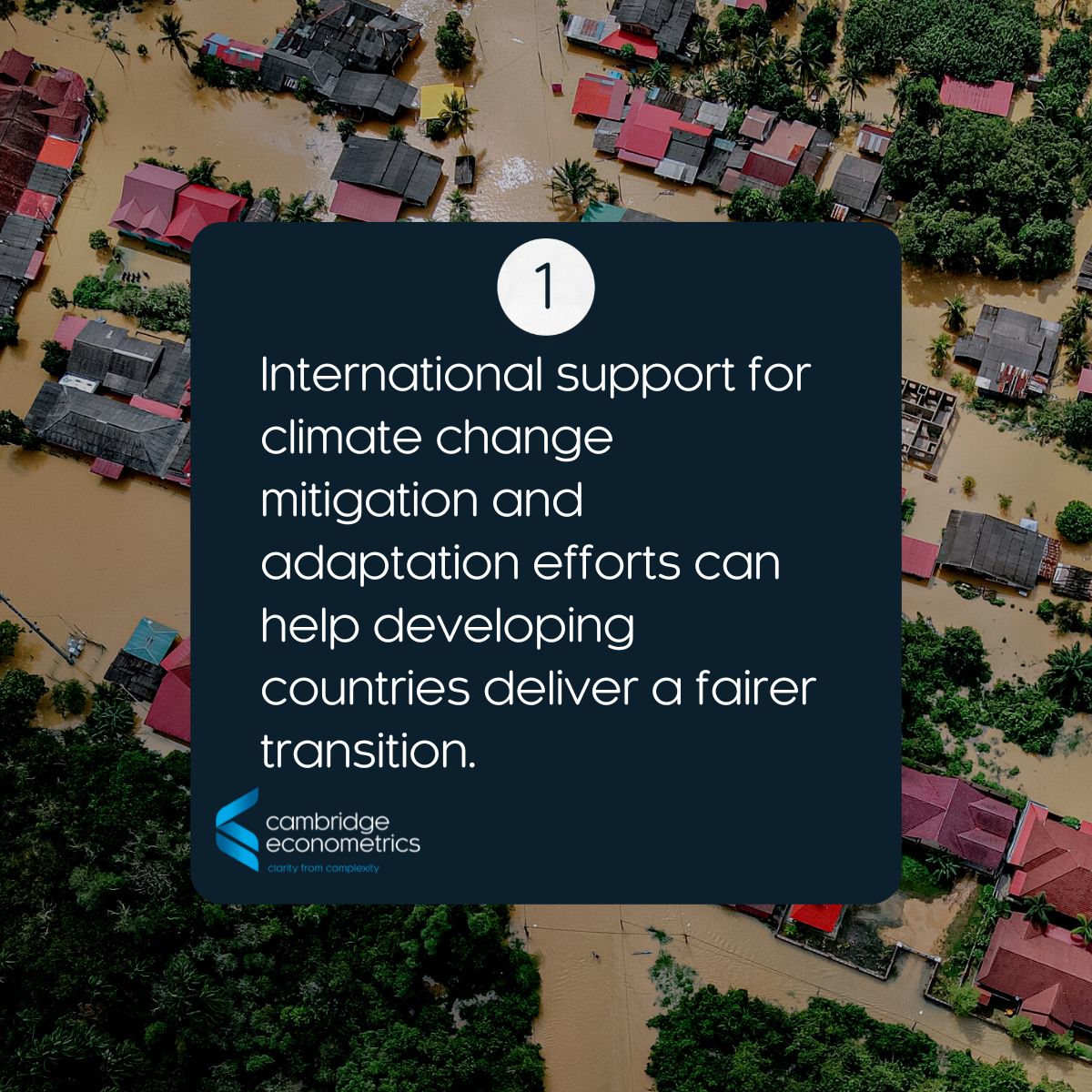
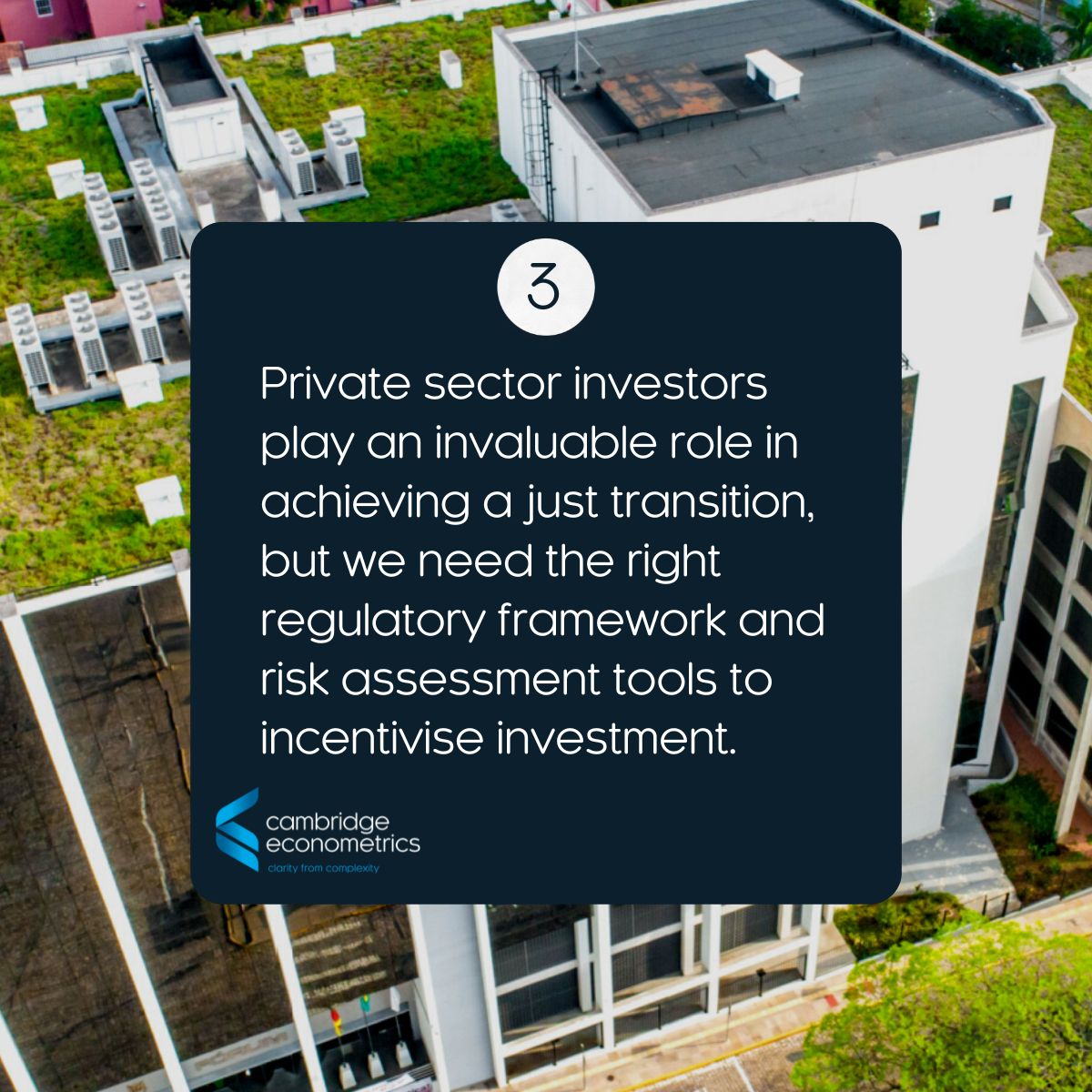
For a just and fair transition to #netzero, what are your global climate policymaking priorities for 2023?
Our experts choose three insights from 2022 that could make a real impact on the deployment of global #climatepolicy in 2023 -bit.ly/3CRA6rp
#CEPolicyInsights

1
1
191
Jon Stenning retweeted

23 Jan 2023
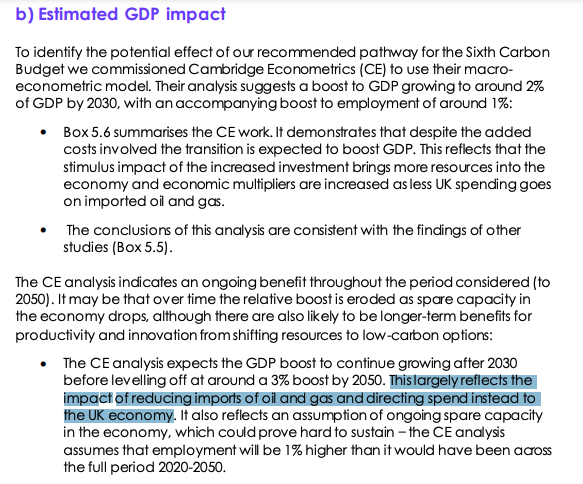
The improved UK balance of payments from lower fossil fuel imports is a major reason why UK GDP is expected to rise if we meet net-zero
(and this result was pre-gas price crisis)
theccc.org.uk/wp-content/upl…
2
5
34
7,572
12 Nov 2022
This is a great thread on the implications of discount rate choices in economic analysis, well worth a read
12 Nov 2022

Some personal reflections. The choice of the discount rate in cost benefit analysis is a value judgement. Of course, observing the market rate for different asset classes is NOT a vslue judgement, but deciding to use (or not ) the market rates for social CBA definitely is. /
1
5
Jon Stenning retweeted
31 Oct 2022
Our recent analysis for @GridLabEnergy shows economy-wide decarbonisation could create 68,000 additional jobs by 2050. Wisconsin’s labour market is prepared to fill the vacancies, with nearly 5,000 engineering degrees and certificates awarded annually.
👉 bit.ly/3MYEitc

2
25 Oct 2022
I'm delighted that this work has now been published. We applied our state-level macroeconomic model E3-US to show that there is the potential for substantial economic gains from decarbonizing Wisconsin's electricity system and the wider economy.
25 Oct 2022

Brand new 'Roadmap to Net Zero' report is out now! 🚨
Our analysis for @GridLabEnergy shows Wisconsin can cost-effectively achieve net zero emissions by 2050, bringing sweeping economic and health benefits to the state.
Read more here - bit.ly/3Dv7fdh
#NetZeroWI

1
2
2
25 Oct 2022
This is driven by two key impacts: a stimulus linked to investment in new low carbon generation and demand-side measures; and lower energy costs resulting from electrification, efficiency and the integration of demand-side flexibility increasing consumer spending power.
1
1
25 Oct 2022
Thanks to colleagues at @CleanWisconsin @RENEW_Wisconsin @GridLabEnergy @evolved_energy for their inputs and challenge as the work took shape. As well as @AronHartvig and my other @CambridgeEcon colleagues for their hard work in delivering the insightful analysis!
1
4
Jon Stenning retweeted
28 Sep 2022
"Post COP26 progress in delivering concrete policy to decarbonise the global economy has not happened rapidly enough'' - Head of Environment @jon_stenning comments in this latest @Reuters piece.
Read more here 👉 reut.rs/3E0pKag
#netzero #borrowingcosts #greenpolicies
2
20 Sep 2022
🧵 Great to see this article from @FionaHarvey today talking about our new @CambridgeEcon analysis for @GreenpeaceUK which looked at the impacts on the UK of decarbonising household heating in line with the @theCCCuk's Balanced Pathway 1/3
theguardian.com/environment/…
1
17
41
20 Sep 2022
This makes consumers better off, and means that they can spend money on other goods and services across the economy.
Access the report here: bit.ly/3dsSNrW
#netzero #energycrisis #retrofit
2
3
20 Sep 2022
Thought you'd want to see this updated analysis @heatpolicyrich given your interest in the original study last year!
2
Jon Stenning retweeted

2 Sep 2022
The UK (still) needs a long-term plan for public services.
See our latest @CambridgeEcon policy insight by @jon_stenning, @asentance, @bencgardiner and me on this and other challenges facing the next Prime Minister. #CEpolicyinsights
➡️bit.ly/3cfdgAc
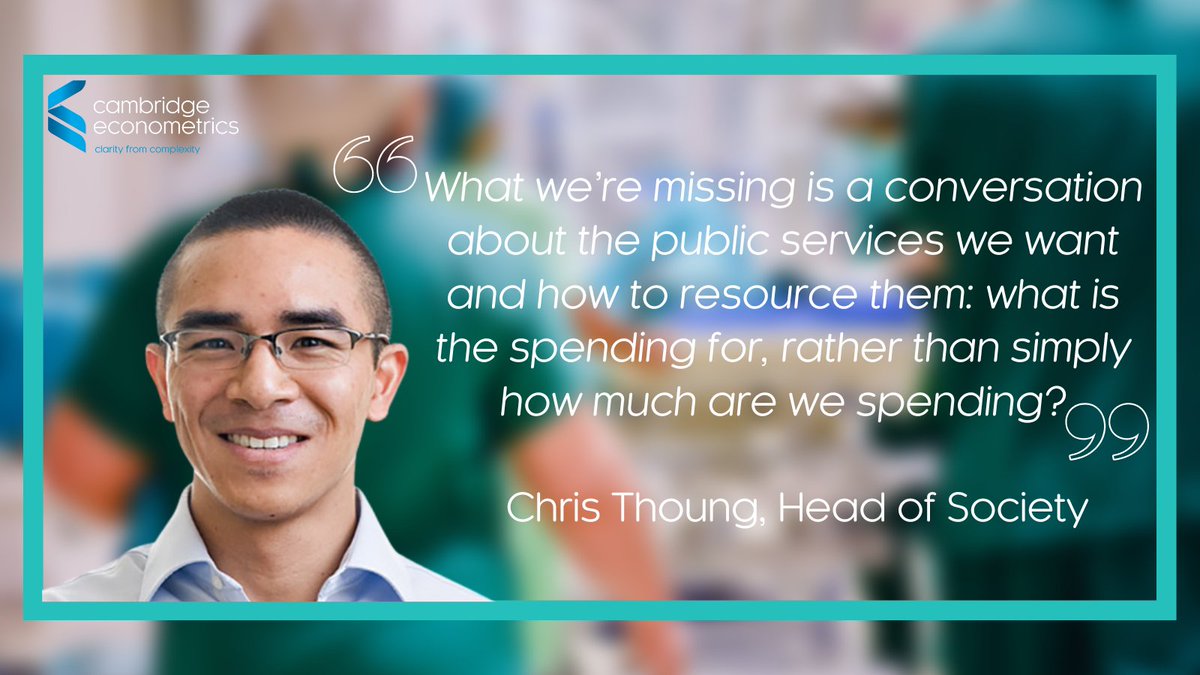
ALT Quote: What we're missing is a conversation about the public services we want and how to resource them: what is the spending for, rather than simply how much are we spending?
3
3
30 Aug 2022
🧵The #EnergyCrisisUK must be used to spur faster action to reduce dependence on fossil fuels.
Read my commentary on why setting out a pathway to reach #NetZero must remain a priority, even as the energy price crisis rages on ➡️ bit.ly/3pKh8fw
#CEpolicyinsights 1/6
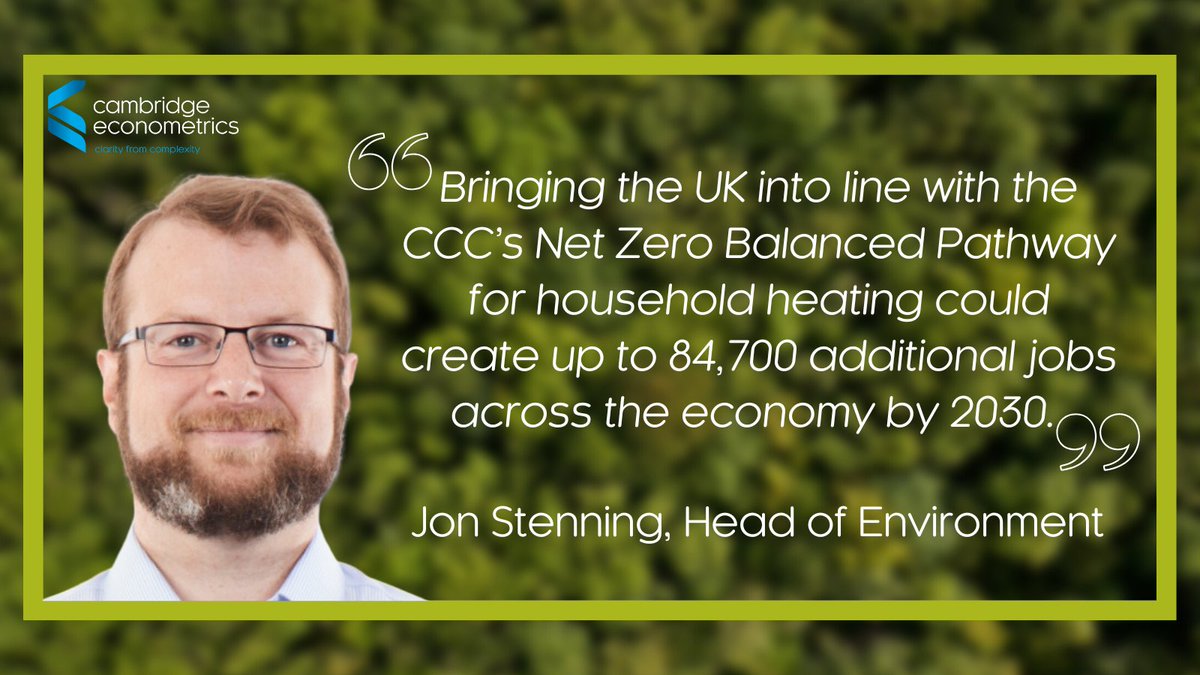
ALT Bringing the UK into line with the CCC's Net Zero Balanced Pathway for household heating could create up to 84,700 additional jobs across the economy by 2030
1
2
6
30 Aug 2022
In terms of concrete suggestions - improving the fabric efficiency of the UK’s building stock should be priority number one.
It can provide help in the short, medium and long-term, dictated by how quickly schemes can be scaled up. 5/6
1
30 Aug 2022
Study after study has shown the major improvements (in public health, in the economy and other ways) that delivering this can achieve.
The devil is in the detail - how to incentivise or otherwise encourage homeowners to undergo deep retrofits. 6/6