
Joined December 2020
- Tweets 1,856
- Following 829
- Followers 1,328
- Likes 3,716
174 Photos and videos

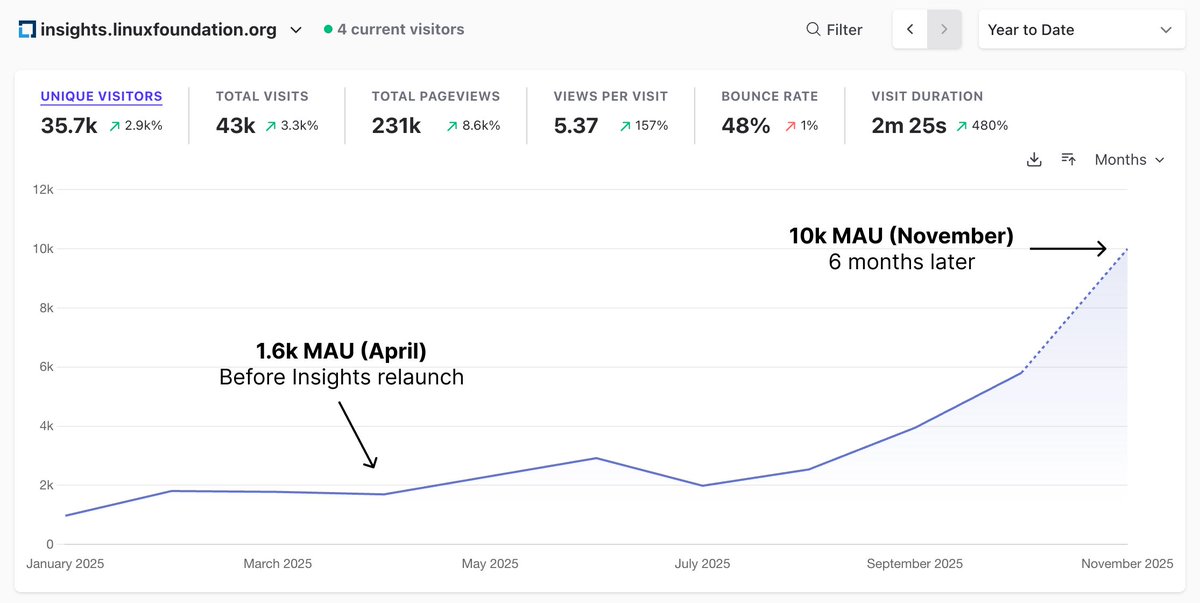

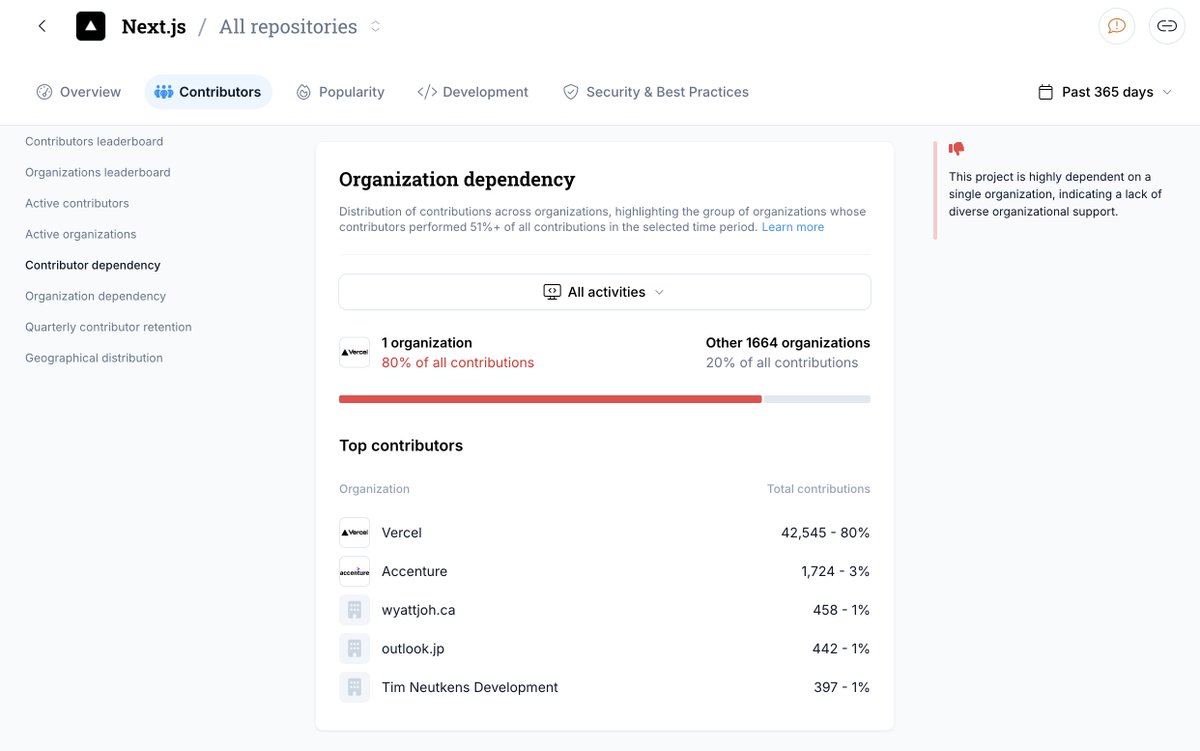
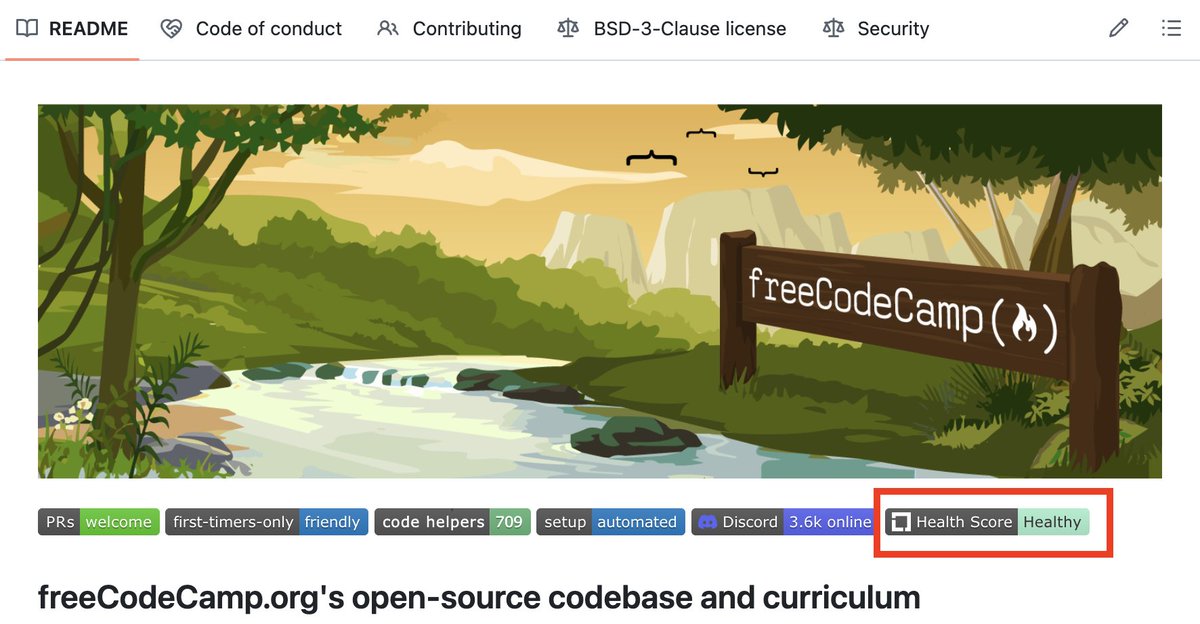
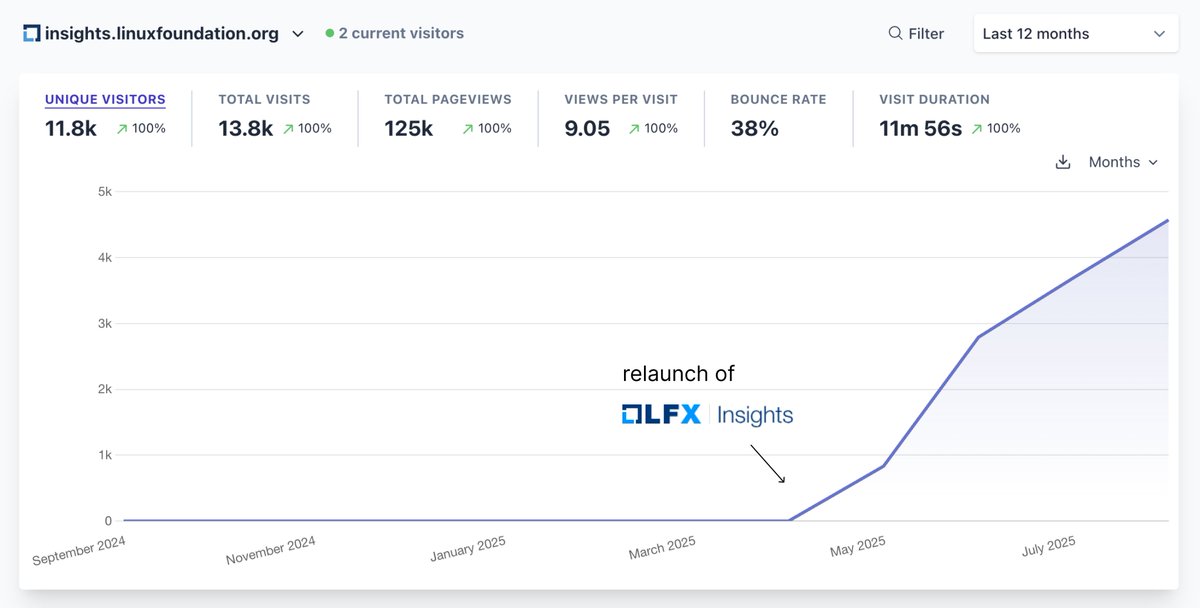
Pinned Tweet

Mar 3
What if your AI coding assistant actually understood developer marketing?
I made 30 skills that teach Claude Code, Cursor, and Windsurf how to:
• Write Show HN posts that don't get flagged
• Create docs that actually convert
• Engage Reddit without getting roasted
• Build newsletters devs actually read
Open source. MIT licensed.
github.com/jonathimer/devmar…
1
8
1,475
Jonathan retweeted

The lead maintainer of MCP, Den Delimarsky, has a warning:
"Don't translate your entire API into an MCP server." 100 endpoints as 100 tools is chaos for your AI client.
Design around user scenarios. Expose only what solves the workflow.
Full podcast: bit.ly/4fl0RIN
1
3
23
8,464
May 18
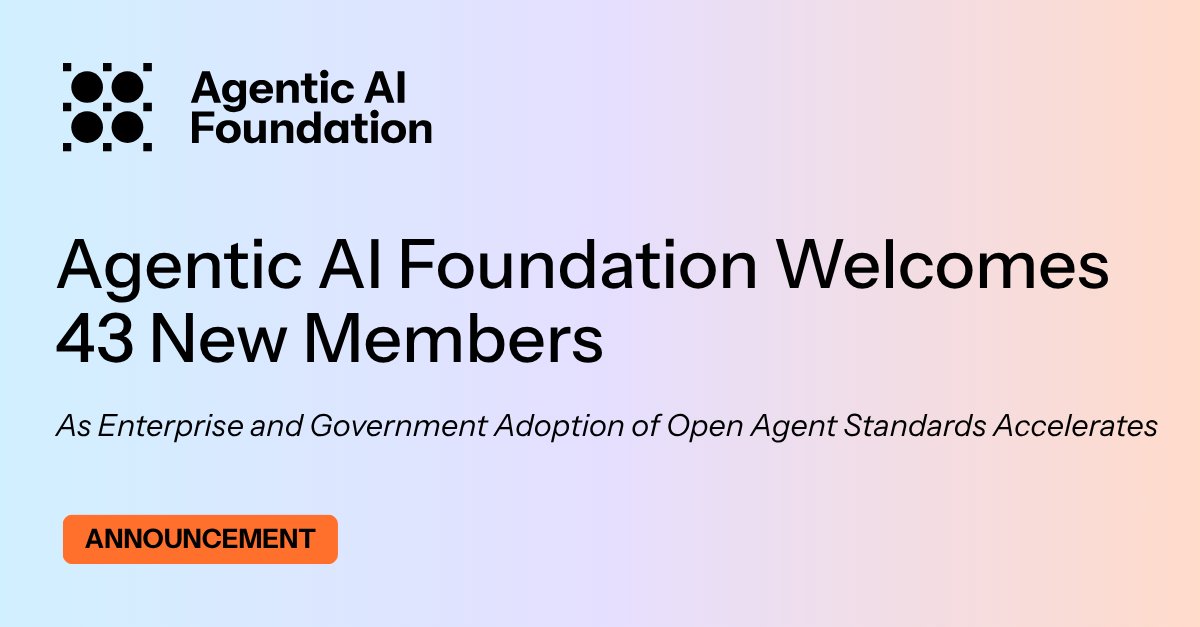
Agentic AI Foundation (AAIF) is the fastest growing open source organization in history
Now at 190 corporate members – 5 months after launch

The Agentic AI Foundation Welcomes 43 New Members Amid Surging Enterprise and Government Interest in Open Agent Standards.
The latest cohort of members — @F5, @GoDaddy, @stripe, @trondao, and others — brings deep technical expertise spanning the entire modern AI infrastructure stack, from application delivery and payment processing to cybersecurity, robotics, and cloud-native development.
Through their membership, these organizations will collaborate across ecosystems and contribute to the development of interoperable, standardized agentic infrastructure.
Read the full press release here: bit.ly/3R2gWt7
2
119
May 12
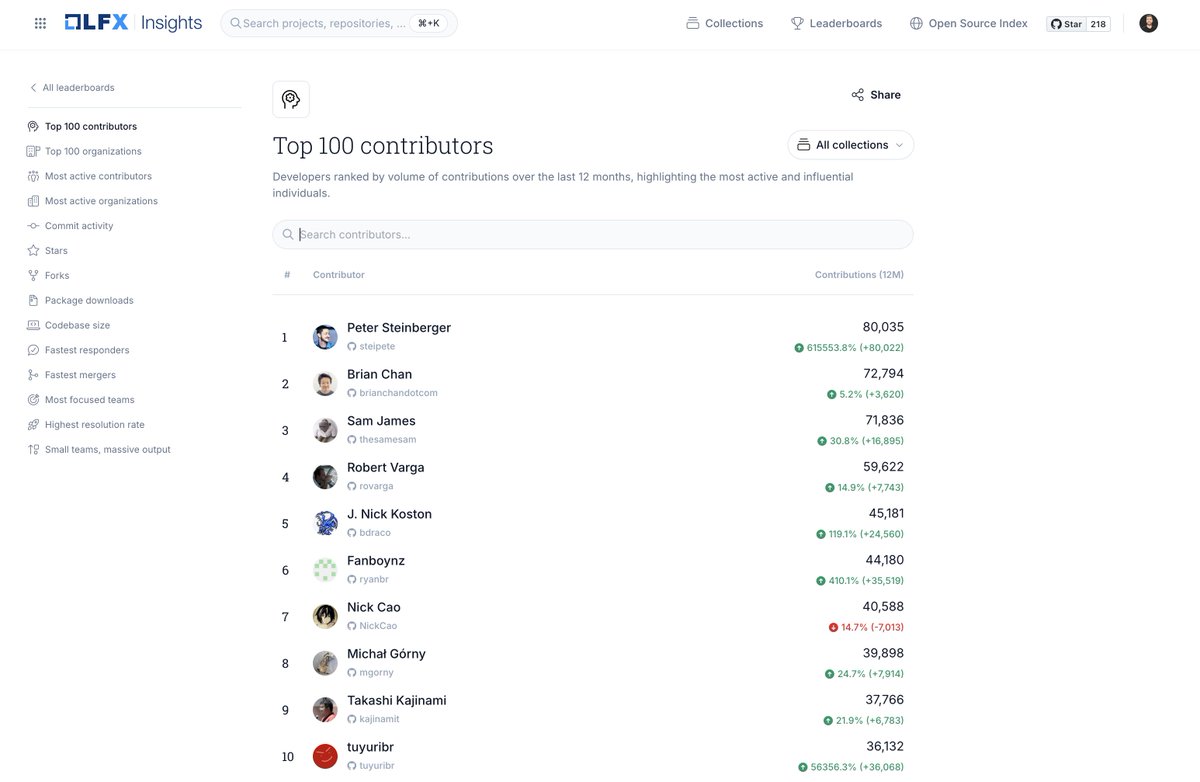
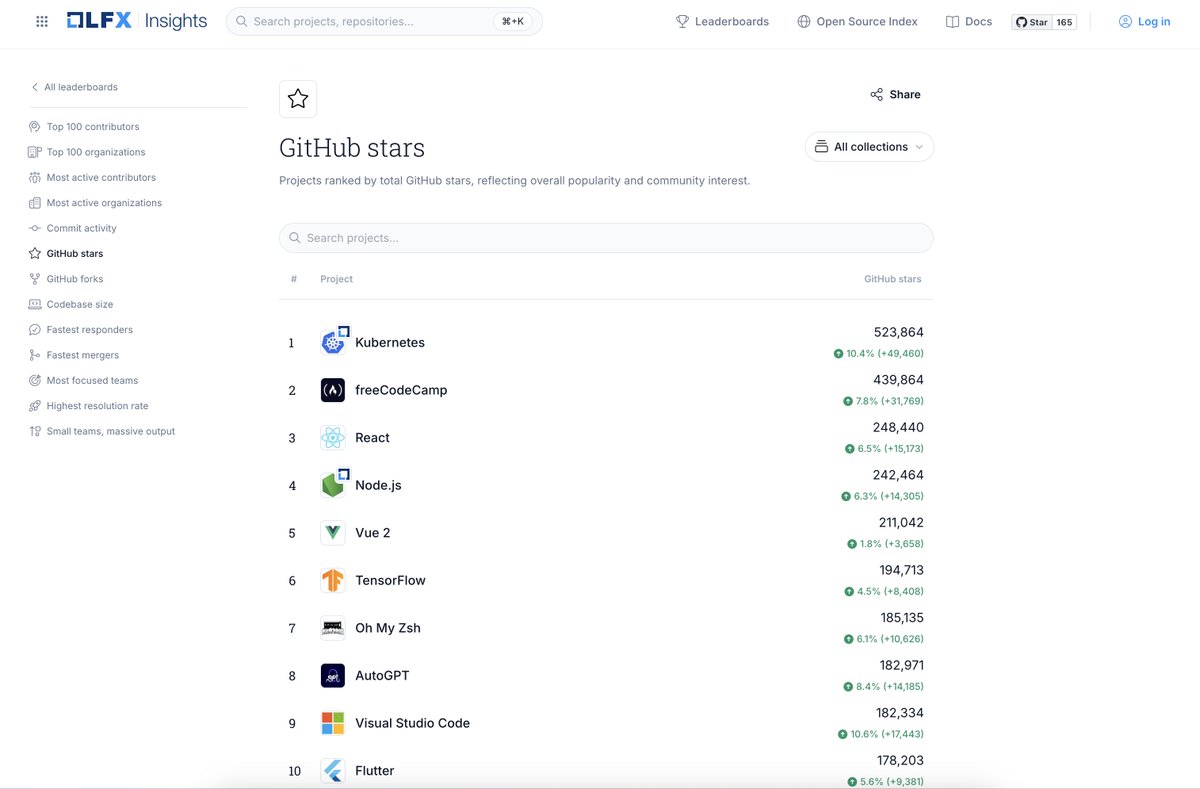
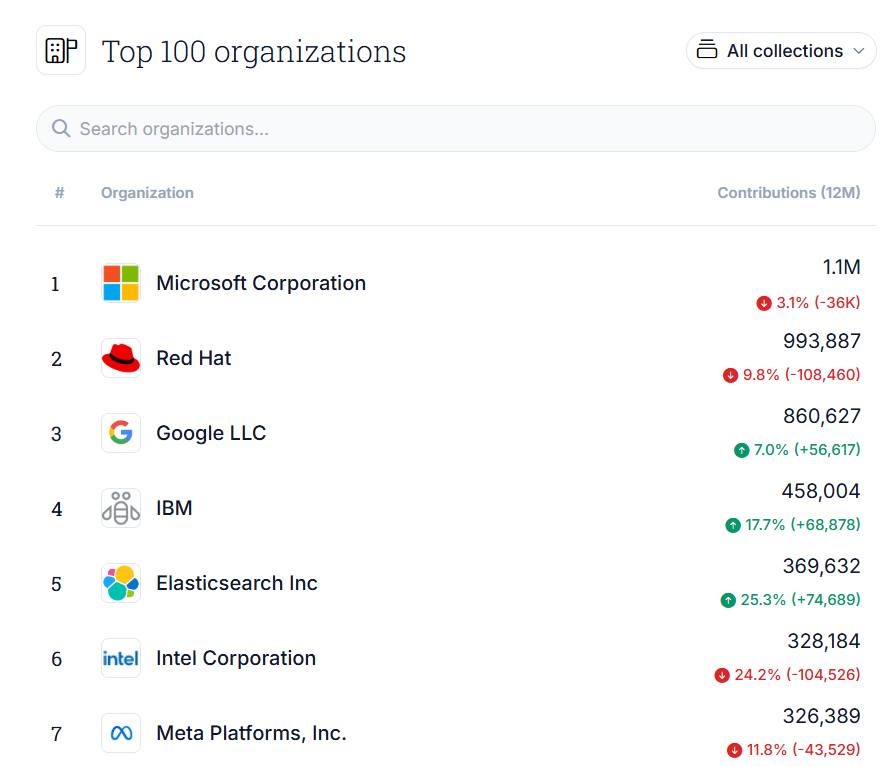
OpenClaw creator @steipete took over as world's #1 open source contributor
measured by number of contributions to critical oss projects in last 12 months, source: lfx insights
2
72
Jonathan retweeted

May 11
This works really well btw, at the end of your query ask your LLM to "structure your response as HTML", then view the generated file in your browser. I've also had some success asking the LLM to present its output as slideshows, etc.
More generally, imo audio is the human-preferred input to AIs but vision (images/animations/video) is the preferred output from them. Around a ~third of our brains are a massively parallel processor dedicated to vision, it is the 10-lane superhighway of information into brain. As AI improves, I think we'll see a progression that takes advantage:
1) raw text (hard/effortful to read)
2) markdown (bold, italic, headings, tables, a bit easier on the eyes) <-- current default
3) HTML (still procedural with underlying code, but a lot more flexibility on the graphics, layout, even interactivity) <-- early but forming new good default
...4,5,6,...
n) interactive neural videos/simulations
Imo the extrapolation (though the technology doesn't exist just yet) ends in some kind of interactive videos generated directly by a diffusion neural net. Many open questions as to how exact/procedural "Software 1.0" artifacts (e.g. interactive simulations) may be woven together with neural artifacts (diffusion grids), but generally something in the direction of the recently viral x.com/zan2434/status/2046982…
There are also improvements necessary and pending at the input. Audio nor text nor video alone are not enough, e.g. I feel a need to point/gesture to things on the screen, similar to all the things you would do with a person physically next to you and your computer screen.
TLDR The input/output mind meld between humans and AIs is ongoing and there is a lot of work to do and significant progress to be made, way before jumping all the way into neuralink-esque BCIs and all that. For what's worth exploring at the current stage, hot tip try ask for HTML.

1,039
2,016
19,287
3,830,557

Jonathan retweeted

Apr 15
Weird how some people always target open-source in AI!
First it was:
“Open-source AI will destroy the world” (spoiler: it didn't and it won't)
Now:
“Open-source is a cybersecurity threat because of AI”
Both narratives are far too simplistic.
The truth is that the exact same risks exist in closed-source systems, often even more so. For example, in practice, APIs can create much bigger data and security vulnerabilities than open systems you can inspect, self-host, and secure yourself.
And as with software more broadly, open-source often ends up more secure because it benefits from far more scrutiny than private internal systems.
The reality is not “open vs closed.”
The reality is that AI is raising cybersecurity stakes across the board, and we need to tackle that seriously together.
61
77
398
238,641
Jonathan retweeted
Apr 15
@calcom just went closed source, because of "AI security threats"
A skilled attacker will find your bugs regardless of code visibility. You may delay discovery through obscurity, but it will find you if the project is interesting enough.
The entire field of security engineering rejects "security through obscurity."
Over time, open source projects have the potential to become more secure than closed alternatives: more eyes on the code means faster vulnerability discovery and more detailed fixes.
What really doesn't sit right: using this moment to declare open source dead with a click-baity statement.
Open source is the movement that made Cal the company it is today. Their contributors, their their funding, their customers was all built on that promise.
I can respect any business decision but why use it to dunk on open source as a whole?
Open source is far from dead.
Apr 15

Open source is dead.
That’s not a statement we ever thought we’d make.
@calcom was built on open source. It shaped our product, our community, and our growth. But the world has changed faster than our principles could keep up.
AI has fundamentally altered the security landscape. What once required time, expertise, and intent can now be automated at scale. Code is no longer just read. It is scanned, mapped, and exploited. Near zero cost.
In that world, transparency becomes exposure. Especially at scale.
After a lot of deliberation, we’ve made the decision to close the core @calcom codebase.
This is not a rejection of what open source gave us. It’s a response to what risks AI is making possible.
We’re still supporting builders, releasing the core code under a new MIT-licensed open source project called cal. diy for hobbyists and tinkerers, but our priority now is simple:
Protecting our customers and community at all costs.
This may not be the most popular call.
But we believe many companies will come to the same conclusion.
My full explanation below ↓
1
1
5
1,731
Jonathan retweeted

Apr 14
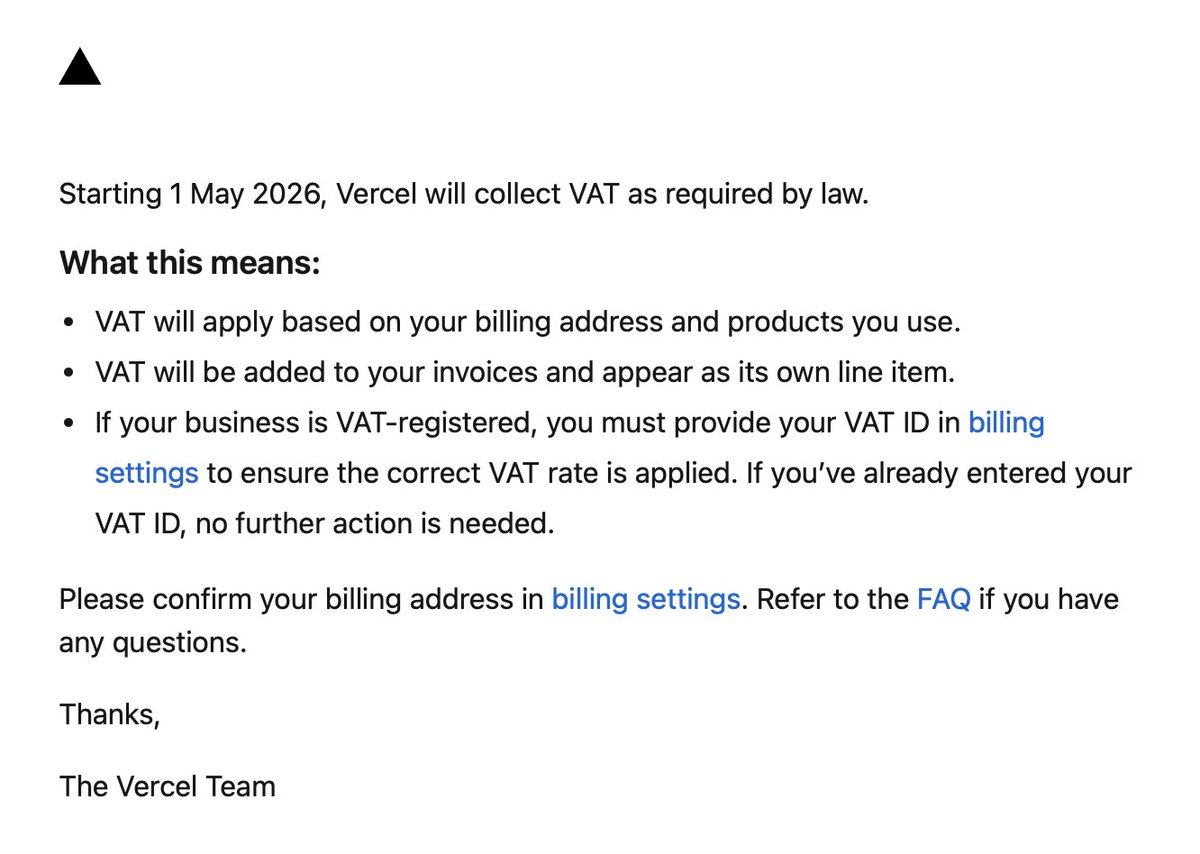
In Deutschland traut sich kein Gründer auch nur 1€ ohne korrekte Umsatzsteuer-ID und -Ausweisung in Rechnung zu stellen.
In den USA fangen Startups bei $200M ARR dann mal gemächlich an sich überhaupt mit USt zu beschäftigen...
35
29
1,198
87,099

Understand the point, not sure if I understand why you guys needed to clickbait it.
Every company including cal relies and will continue to rely on a ton of oss projects and all those people work hard at this time to do that same thing cal is running from to keep everyone safe. Mostly for free.
You can change your mind for any reason and that’s fine but no need to make a huge assertion like this as a marketing stunt.
If anything, it sounds like oss will become more secure in the long run
Apr 15
Open source is dead.
That’s not a statement we ever thought we’d make.
@calcom was built on open source. It shaped our product, our community, and our growth. But the world has changed faster than our principles could keep up.
AI has fundamentally altered the security landscape. What once required time, expertise, and intent can now be automated at scale. Code is no longer just read. It is scanned, mapped, and exploited. Near zero cost.
In that world, transparency becomes exposure. Especially at scale.
After a lot of deliberation, we’ve made the decision to close the core @calcom codebase.
This is not a rejection of what open source gave us. It’s a response to what risks AI is making possible.
We’re still supporting builders, releasing the core code under a new MIT-licensed open source project called cal. diy for hobbyists and tinkerers, but our priority now is simple:
Protecting our customers and community at all costs.
This may not be the most popular call.
But we believe many companies will come to the same conclusion.
My full explanation below ↓
9
4
197
17,006
Jonathan retweeted

Apr 15
If you look at GPT 5.4-Cyber and it's ability for closed source reverse engineering, I have bad news for you.
I do very much feel the pain though, there's hundreds of teams that try to poke holes into @openclaw. Our response has been of rapid iteration and code hardening. Which did introduce occasiaonal regression (and yes you all been yelling at me), but I see as the only way forward.
I would be very careful of other open source projects/harnesses that ignore this work and do not publish their advisories. github.com/openclaw/openclaw…
Apr 15
Open source is dead.
That’s not a statement we ever thought we’d make.
@calcom was built on open source. It shaped our product, our community, and our growth. But the world has changed faster than our principles could keep up.
AI has fundamentally altered the security landscape. What once required time, expertise, and intent can now be automated at scale. Code is no longer just read. It is scanned, mapped, and exploited. Near zero cost.
In that world, transparency becomes exposure. Especially at scale.
After a lot of deliberation, we’ve made the decision to close the core @calcom codebase.
This is not a rejection of what open source gave us. It’s a response to what risks AI is making possible.
We’re still supporting builders, releasing the core code under a new MIT-licensed open source project called cal. diy for hobbyists and tinkerers, but our priority now is simple:
Protecting our customers and community at all costs.
This may not be the most popular call.
But we believe many companies will come to the same conclusion.
My full explanation below ↓
90
94
1,609
403,877
Jonathan retweeted

Apr 7
Introducing Project Glasswing: an urgent initiative to help secure the world’s most critical software.
It’s powered by our newest frontier model, Claude Mythos Preview, which can find software vulnerabilities better than all but the most skilled humans.
anthropic.com/glasswing
1,985
6,646
44,009
31,424,435
Mar 31
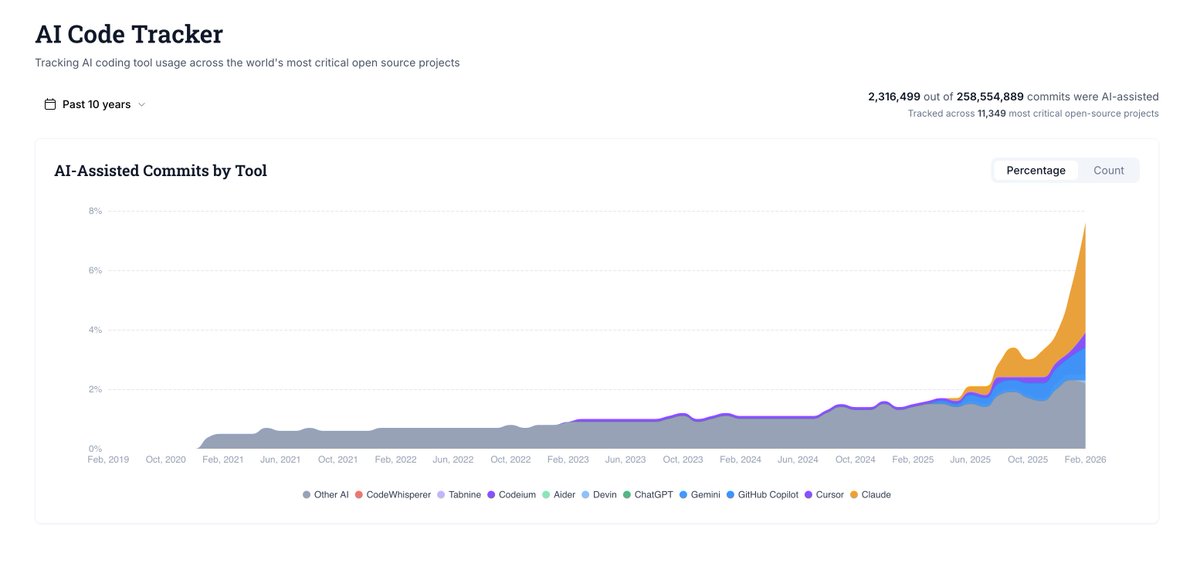
we built an ai code tracker for the world's most critical open source projects at @linuxfoundation
- ai commits went from 2% to 8% in 6 months
- code claude is exploding since start of 2026
this means that ai coding is happening in critical infrastructure: the projects that power the internet, cloud, security.
i want to expand this report (break it down by stack, programming language, etc).
which insights would you be interested in?
1
2
134
Mar 30
what if agents could recreate any open source project from scratch?
malus[.]sh went viral on HN two weeks ago with exactly this idea.
the pitch: legally distinct code. corporate-friendly licensing. no attribution. no copyleft. no problems.
except there's one problem: somebody has to maintain all of it.
it's almost safe to say that code is becoming a commodity. but responsibility for code isn't.
you still need somebody to reach out to if things break
the value of code → 0.
the value of ownership → up.
the question is what this means for maintainers of open source projects
(btw, malus was a thought experiment presented at FOSDEM this year)
115
Jonathan retweeted
Mar 9
Back at crowddev, I worked with 200 devtool teams.
If I had to rebuild an agent-first devtool stack from scratch, this would be my top 10 picks:
@posthog analytics, feature flags, session recordings
@Octolens social listening for devs
@linear issue tracking & product mgmt
@triggerdotdev background jobs & workflows
@browser_use web access
@formbricks in-app surveys & experience management
@calcom scheduling
@mintlify documentation
@loops emails
@dataforseo seo
What's in your stack?
3
6
436
Jonathan retweeted

Mar 28
In case anyone keeps score anymore. This is from the Linux Foundation's Leaderboard.
insights.linuxfoundation.org…
1
1
53
Jonathan retweeted

Mar 25
It’s official: KubeCon CloudNativeCon EU 26 is our biggest event yet.
With 13,500 attendees in Amsterdam, we’ve surpassed the size of a small town. From drones to a full-size glider on the keynote stage, we're keeping up the energy!
Let's keep cloud native moving for Day 2!
#KubeCon #CNCF #CloudNative
2
17
49
4,569
Mar 24
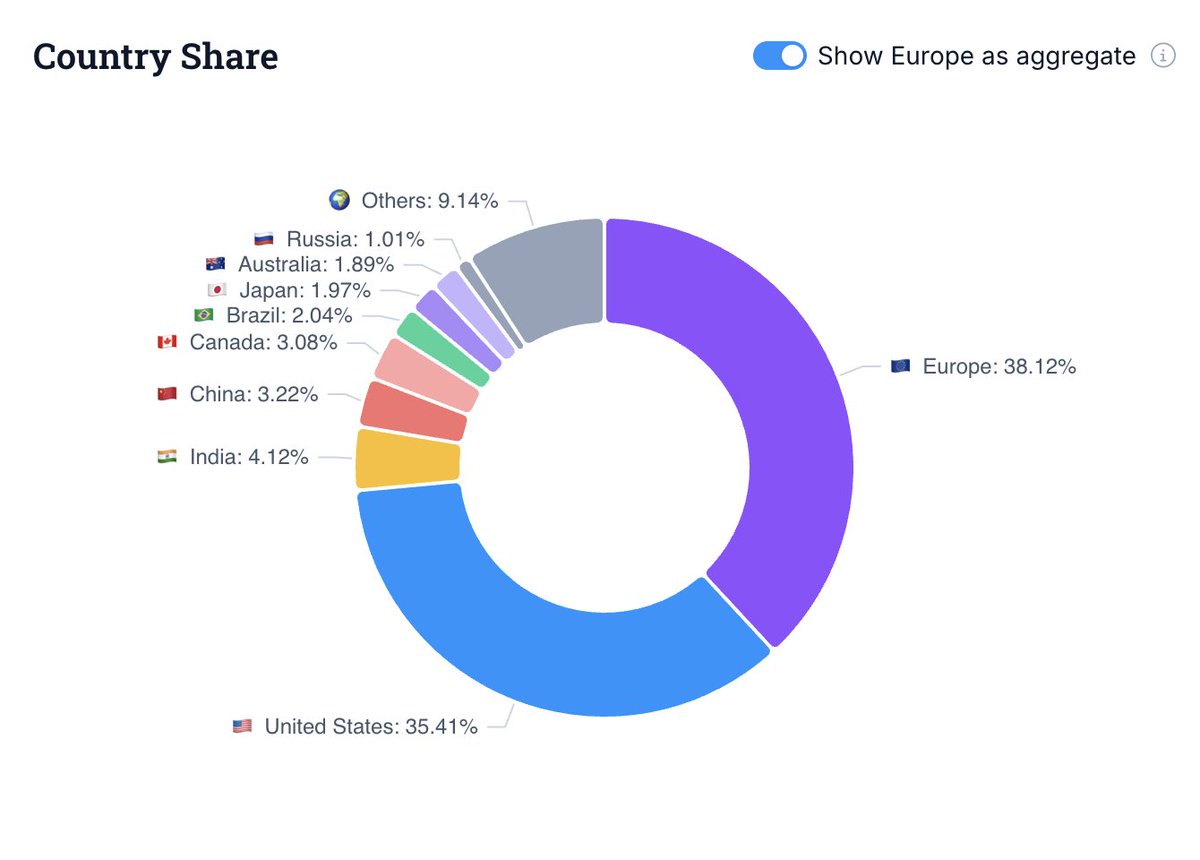
We analyzed the geographical distribution of contributing organizations across all @CloudNativeFdn projects.
Interesting finding: EU-based companies combined have a larger share than the US.
Containers, observability, service mesh — these technologies run governments, banks, and hospitals.
We talk a lot about digital sovereignty in Europe. Usually the conversation stops at regulation, data localization, and buying European.
But the most underrated form of digital sovereignty? Building the infrastructure the world depends on. In the open.
Europe is already doing that.
@cra shared this stat in his KubeCon Europe opening keynote today. Data powered by LFX Insights.
1
87
Mar 24
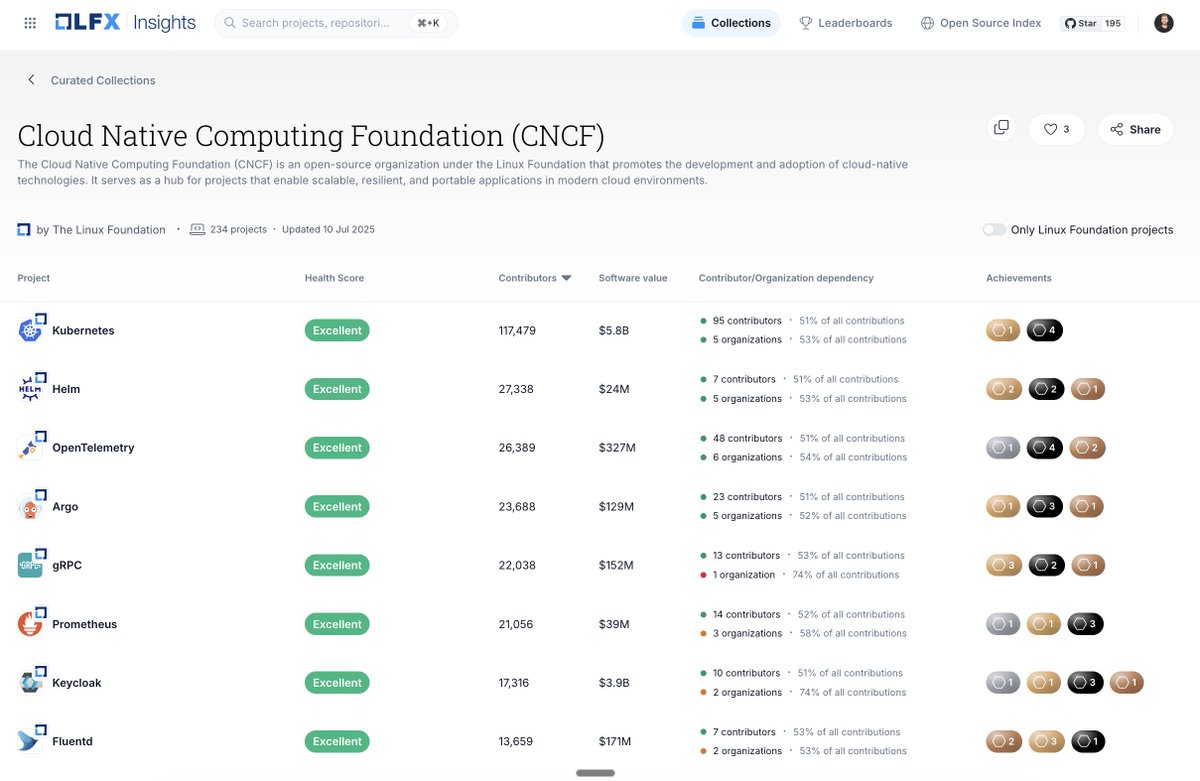
LFX Insights now lets you create and share collections of open source projects – including health data
think spotify playlist for open source projects.
check it out on insights [.] linuxfoundation [.] org
1
6
660
Jonathan retweeted

Mar 21
I completely stopped using VS Code / Cursor
Terminal Claude Code / Codex is my entire workflow now (shoutout @austinywang for cmux.dev).
But still sometimes I need reviewing what the agent actually changed.
git diff is unreadable for multi-file changes. Opening an IDE just to glance at a diff is a context-switch tax.
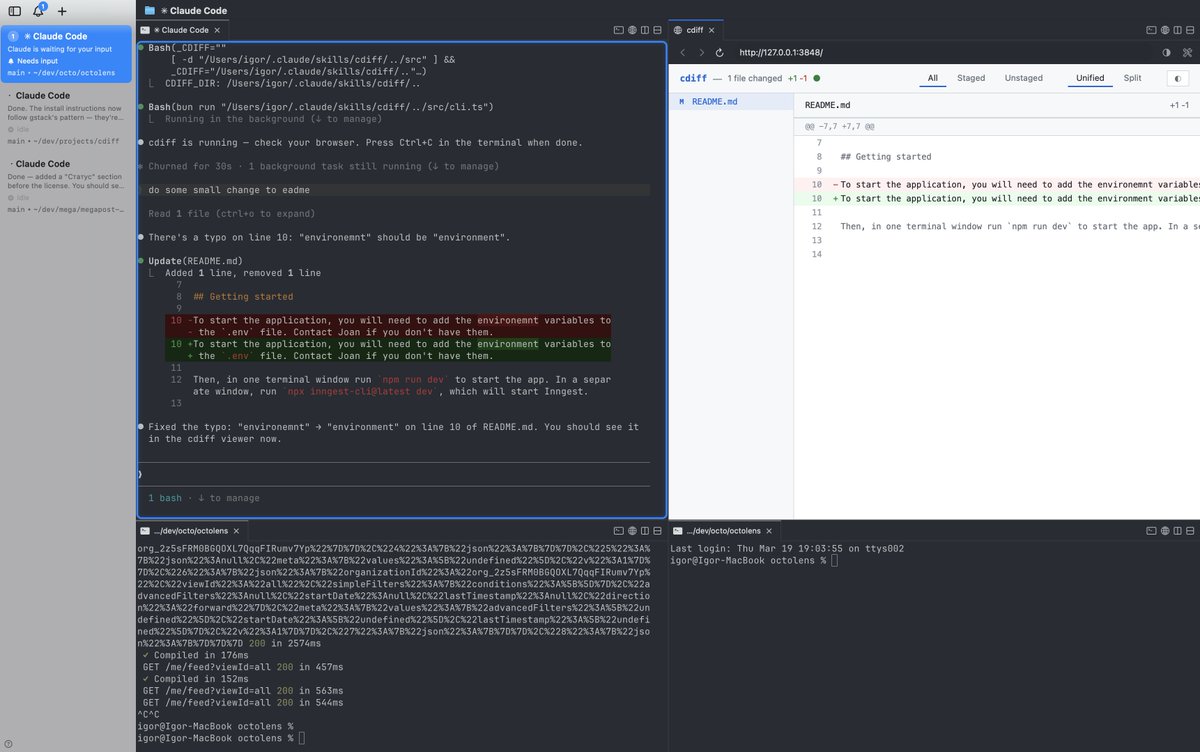
So I built cdiff - a Claude Code skill that opens a browser-based diff viewer.
VS Code-style file tree, syntax highlighting, unified/split views, live reload as the agent writes code.
Type /cdiff and it just works.
It works amazingly with cmux, browser pane right next to Claude Code, diffs update in real time.
Open source, runs on Bun, zero config.
github.com/garrrikkotua/cdif…
16
12
88
18,668
Mar 20
i see so many people on X trying to scale SEO with AI and 1000s of auto-generated pages (aka programmatic SEO)
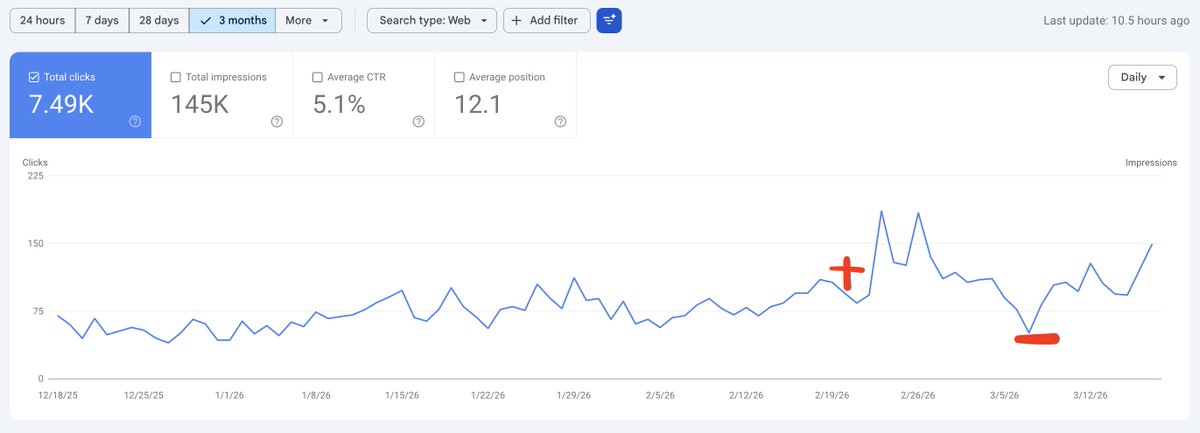
expect your GSC chart to look like this - or worse
if you want to do it right:
- build domain authority first (backlinks backlinks backlinks)
- use your robots.txt to control which pages get indexed
- only give crawlers access to new pages once 80% of existing pages rank well
- and most importantly: build high quality pages with unique & rich content
otherwise you will waste crawler budget, Google will label your website as low quality and remove indexing, and it will take months if not years to recover
i learned this the hard way
Mar 20

pSEO did, in fact, not make us generationally wealthy
you can see the spike when we added those pages, only for our site to instantly crash after
deindexed the pages around the red line period, instant upswing in clicks and impressions
creating all kinds of pages because you can will nuke your site if not done carefully - and this was a good reminder
2
179