
Joined October 2009
- Tweets 1,005
- Following 161
- Followers 2,191
- Likes 2,322
156 Photos and videos


Julian Chun retweeted

Jun 12
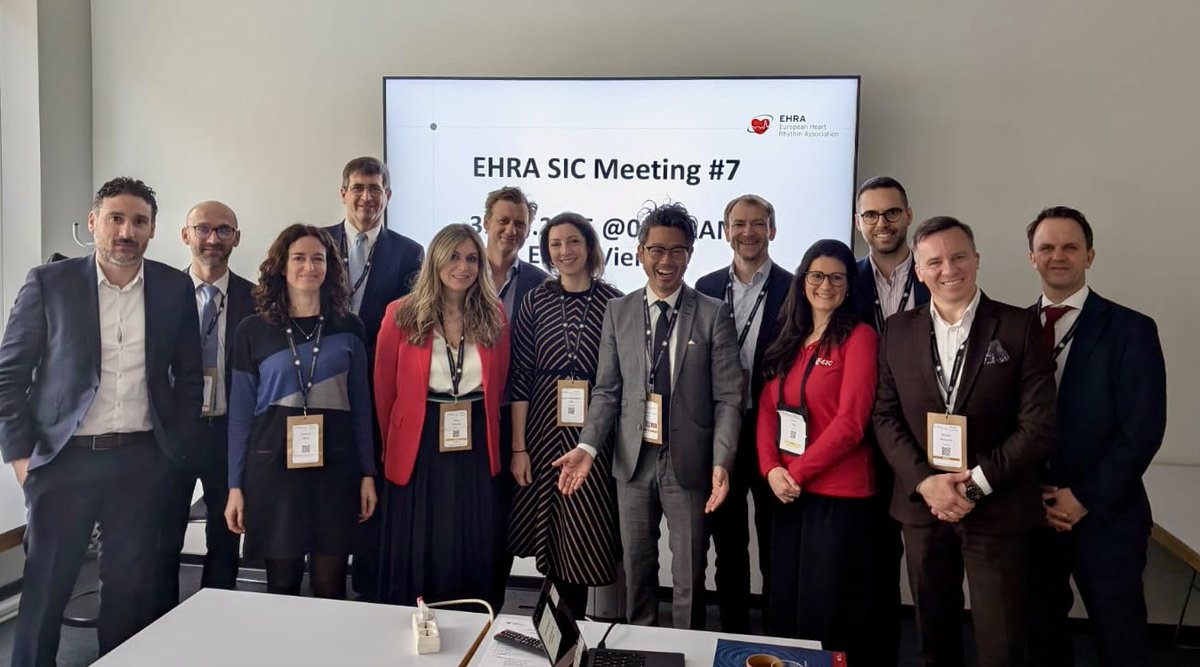
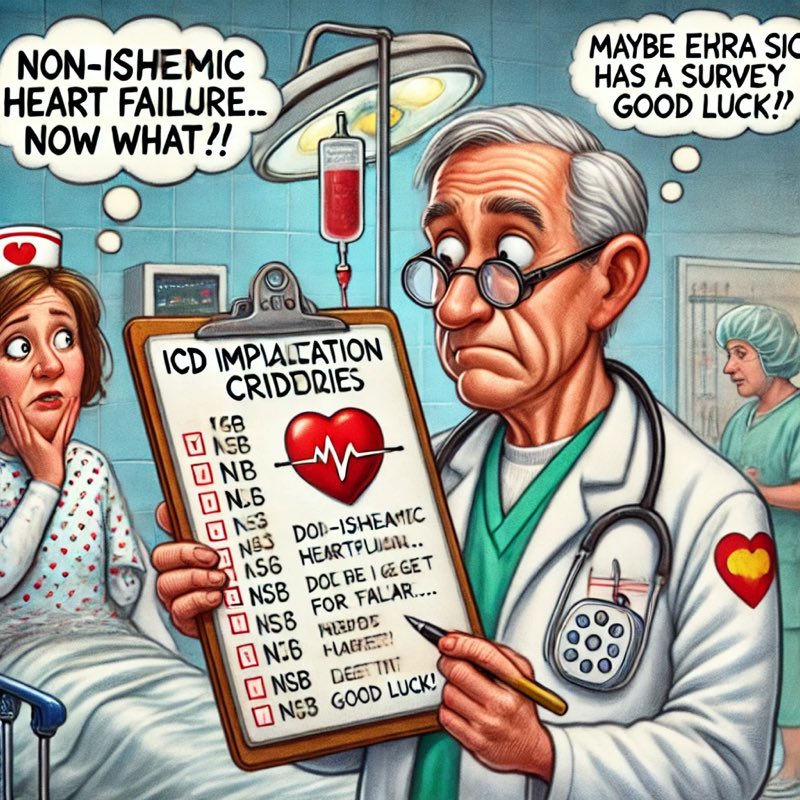
Our new publication in Europace 📖
Diversity, equity and inclusion in arrhythmia care: A European Heart Rhythm Association survey
Link: academic.oup.com/europace/ad…
@jongichun @ChristianHeeger @Mel_Gunawardene @LauraPerrottaEP #EHRA_SIC
2
3
102
Julian Chun retweeted

Jun 6
Great to be back in China 🇨🇳
It’s real, I’ve seen it with my own eyes. The robots are here. #CHRS2026
3
3
59
6,959
Julian Chun retweeted

Jun 4
In this sham-controlled trial of 60 patients with symptomatic atrial fibrillation, pulsed field ablation (PFA) was superior to sham in reducing arrhythmia recurrence & burden and improving QOL. ahajrnls.org/4o6FTA1

2
35
65
17,360
Julian Chun retweeted

👀Take a look at this #EHRA survey about #Afib ablation in elderly patients. Very important topic and <5 minutes to complete!
@ManningerMartin @Dominik_Linz @simovicst @jongichun @kvernooy
research.net/r/AFtreatmentin…
1
5
4
405
Julian Chun retweeted

Hear from #HRS2026 #SciComms correspondent Andres Castillo, MD as he discusses late-breaking trial "Safety and Effectiveness of a Dual-Energy Focal Ablation Catheter to Treat Paroxysmal Atrial Fibrillation: 6-Month Results of the FlexPulse IDE Study" with @jongichun.
Learn more about the LBCTs here: bit.ly/4efh0PE
4
14
1,604
Julian Chun retweeted
Hear from #HRS2026 #SciComms correspondent @veramasloo as she interviews @jongichun about late-breaking clinical trial "A Prospective Randomized Multicenter Global Study Comparing Pulsed Field Ablation versus Anti-Arrhythmic Drug Therapy as a First Line Treatment for Persistent AFib" (AVANT GUARD).
Learn more about the LBCTs here: bit.ly/4efh0PE
5
19
2,459
Julian Chun retweeted

Apr 26
#EHRAroundTheGlobe is still at #HRS2026 in Chicago 🇺🇸
@jongichun joins us for a conversation on one of the hottest topics in EP right now — the PFA Summit and the newly released PFA consensus document.
Pulsed field ablation is reshaping how we approach AF ablation. Here's where the science and the guidelines stand today 👇
2
5
16
3,051
Julian Chun retweeted

Apr 25
More than 10 years ago Oussama and I started our journey of investigation, trying to the define the optimal first treatment for patients with atrial fibrillation.
Separately we pursed randomised studies in populations with treatment-naive paroxysmal AF.
Five years ago we presented our RCTs in the paroxysmal AF population, which ended up sitting side by side in the same issue of the New England Journal of Medicine.
nejm.org/doi/full/10.1056/NE…
nejm.org/doi/full/10.1056/NE…
Since then we have been working together to examine the same question of optimal initial therapy, but instead looking at patients with more advanced forms of atrial fibrillation.
Today Oussama presented the results of the AVANT-GUARD study, which definitively demonstrated the value of initial catheter ablation in the treatment naive persistent AF population.
Like EARLY-AF, AVAT GUARD used implantable cardiac monitors to evaluate arrhythmia endpoints
Like EARLY-AF - initial catheter ablation reduced recurrences in AVANT GUARD by about 50%, which was about 25% in absolute terms. To put this another way, only 4 patients need to be treated with ablation to prevent a recurrence of arrhythmia.
However, binary recurrence doesn’t tell the whole story. Because we had loop recorders we were able to assess the time spent in AF (or AF burden). In this regard significantly more patients had none or negligible burden after ablation (<0.1%), with significantly more AAD treated patients having a very high burden (>5%). This is important as AF burden is associated with clinical outcomes such as hospitalisation.
In terms of risk - the rates of any adverse event or serious adverse event were comparable between randomised arms. Highlighting that persistent AF patients with high CHADS-VASc score are high risk irrespective of treatment provided. This is important as we reflect on treatment options as part of shared decision-making.
Congratulations to Oussama for the presentation and leadership, to the co-investigators and study sites for their participation and dedication, and a huge thank you to the Boston Scientific team for their support and commitment to advancing science.
To end, I want to acknowledge and thank Oussama for this shared journey, I’m grateful for our collaboration and friendship, and look forward to what we will do next.

Presented at #HRS2026:
In patients with persistent atrial fibrillation, first-line treatment with pulsed field ablation reduced the recurrence of atrial arrhythmias at 12 months as compared with antiarrhythmic drugs. Full AVANT GUARD trial results: nejm.org/doi/full/10.1056/NE…
@HRSonline
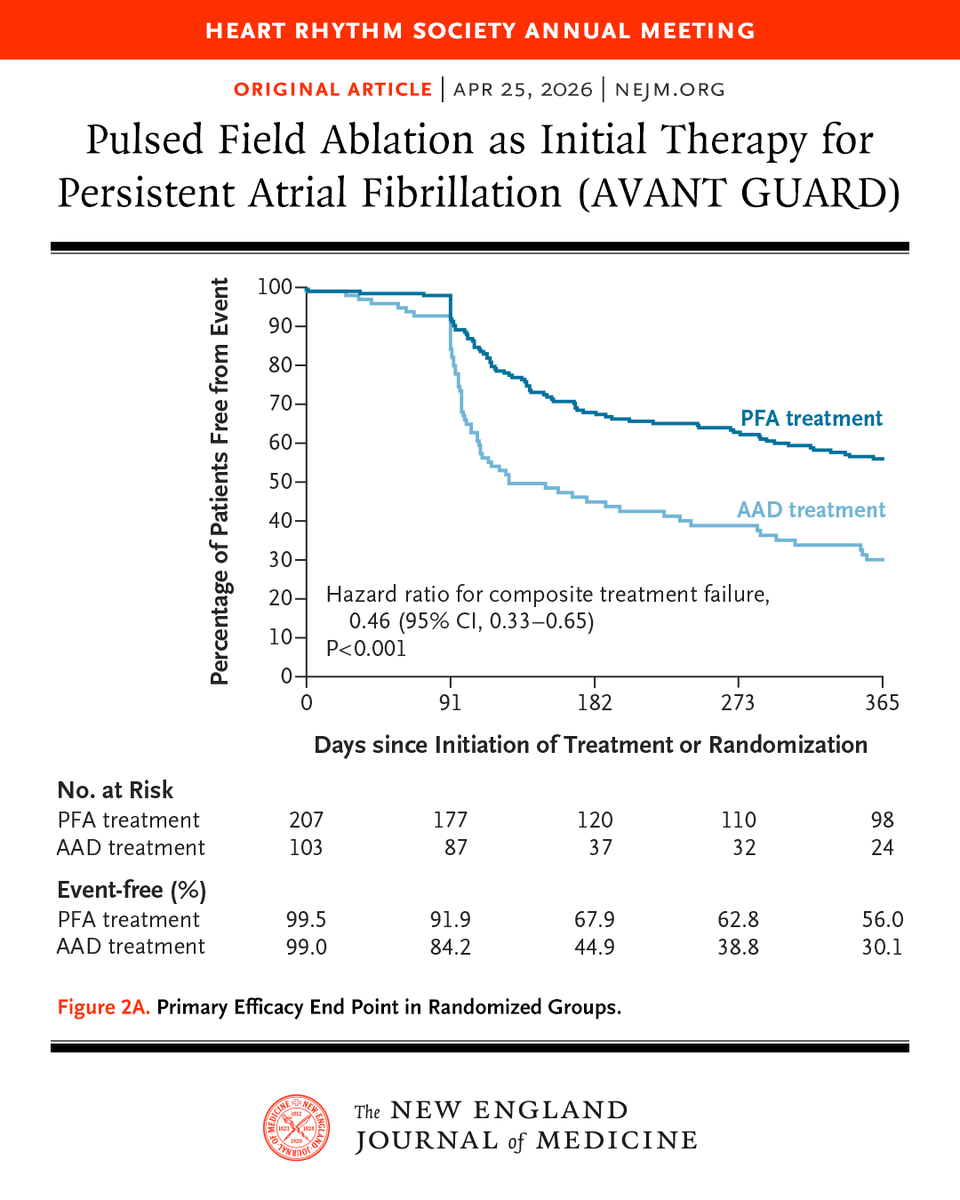
ALT Heart Rhythm Society Annual Meeting Original Article | APR 25, 2026 | NEJM.org Pulsed Field Ablation as Initial Therapy for Persistent Atrial Fibrillation (AVANT GUARD) Figure 2A. Primary Efficacy End Point in Randomized Groups.
3
50
174
28,578
Julian Chun retweeted

Apr 24
📍Happening now in Rhythm Theater 1
Advancing Single Shot Technology
@HRSonline @KeepInRhythm #HRS2026 #SciComms
3
6
841
Julian Chun retweeted
Apr 24
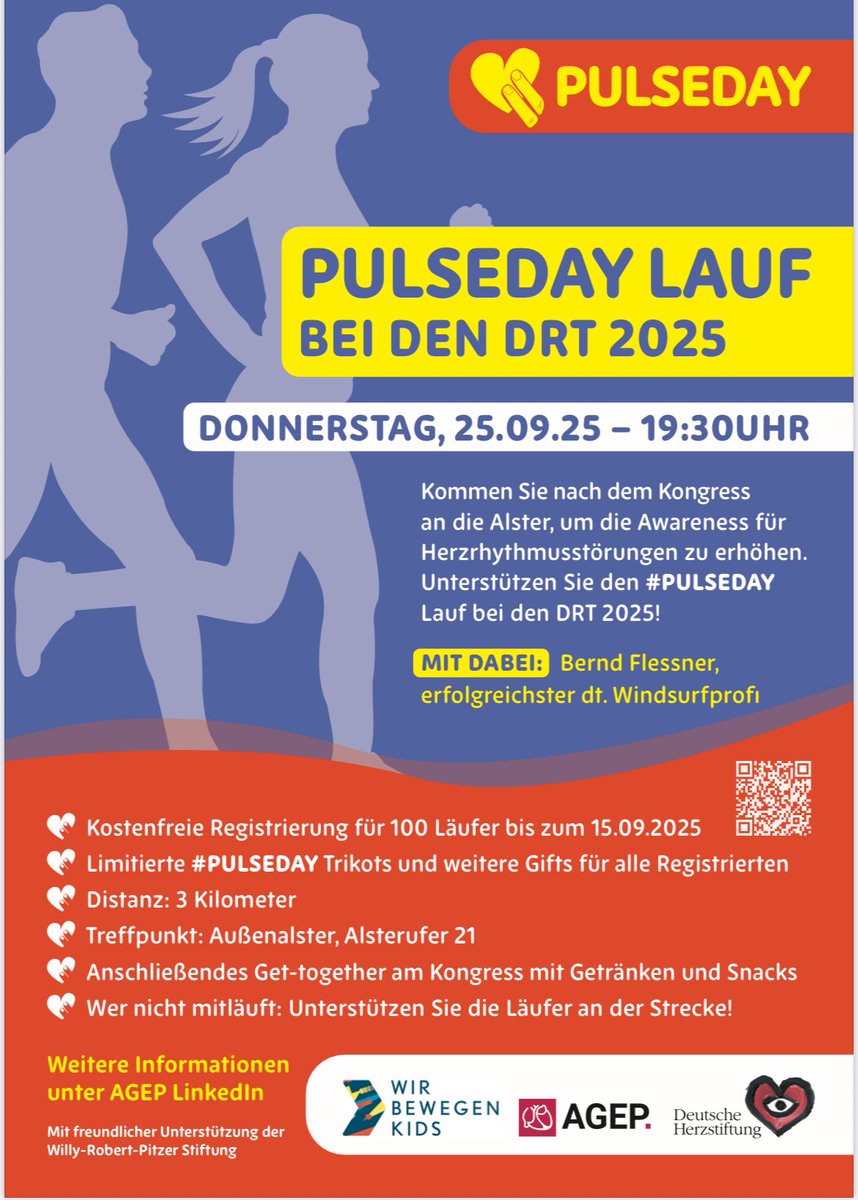
Early risers at #EHRA2026 — the Pulse Day Run delivered! Great atmosphere, great company, and a morning reminder of why we do what we do. 💓
Check out the video 👇
@escardio @jongichun @SergeBoveda
5
13
1,518
Julian Chun retweeted

Apr 15
One of the most important trials of #ehra2026
Next do it for ICE in AF ablation
Apr 14

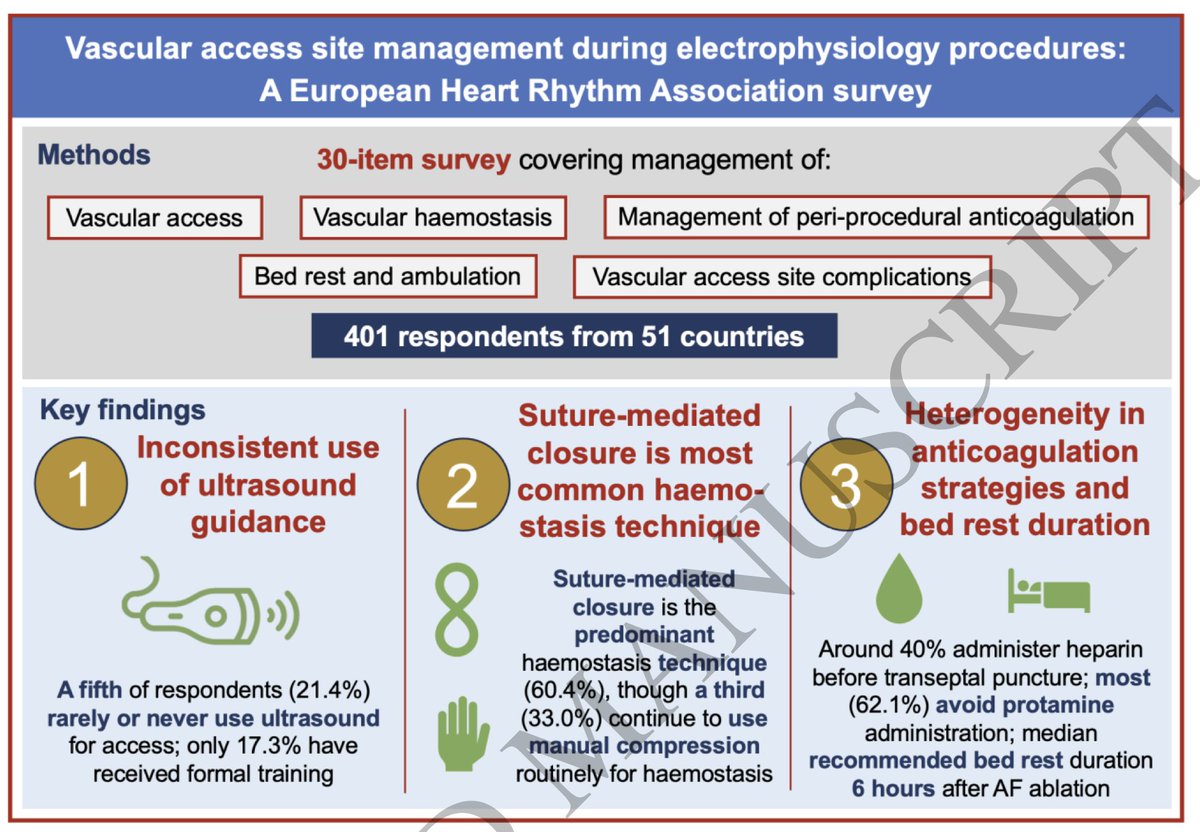
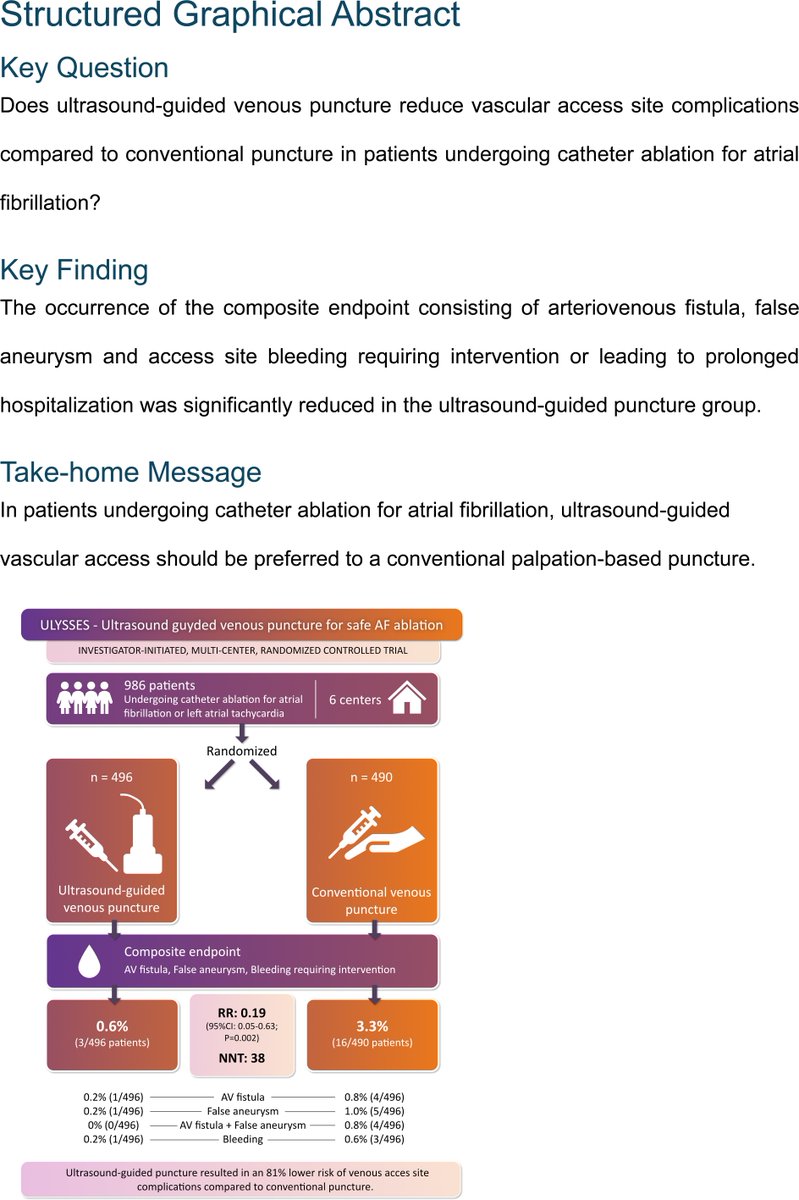
ULYSSES trial: Ultrasound-guided venous access significantly reduces vascular complications and arterial punctures during atrial fibrilation ablation vs conventional approach. Time to move from optional to standard of care. Read more in #EHJ.
doi.org/10.1093/eurheartj/eh…
#AF #echo #vascularcomplication #cardiotwitter @ESC_Journals @escardio
5
23
70
18,847
Julian Chun retweeted
Apr 11
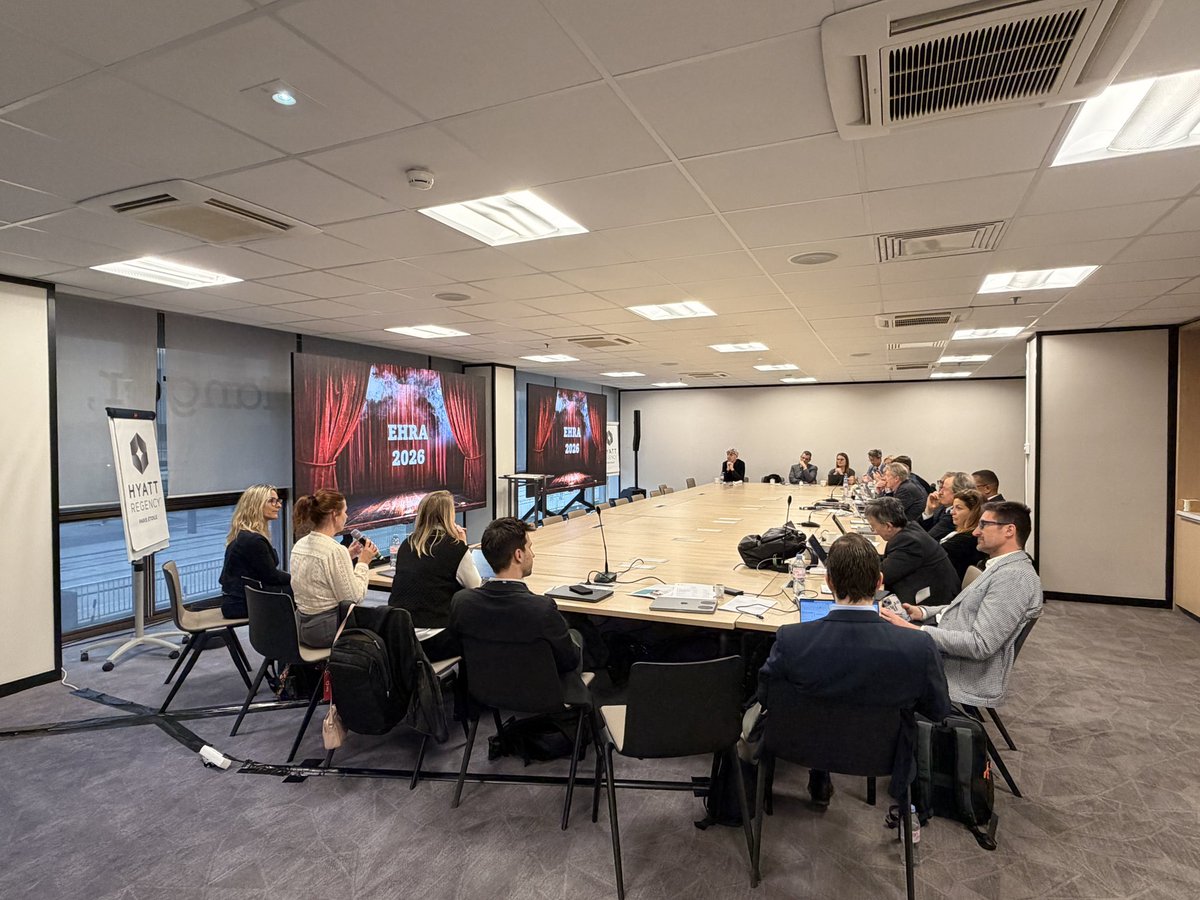
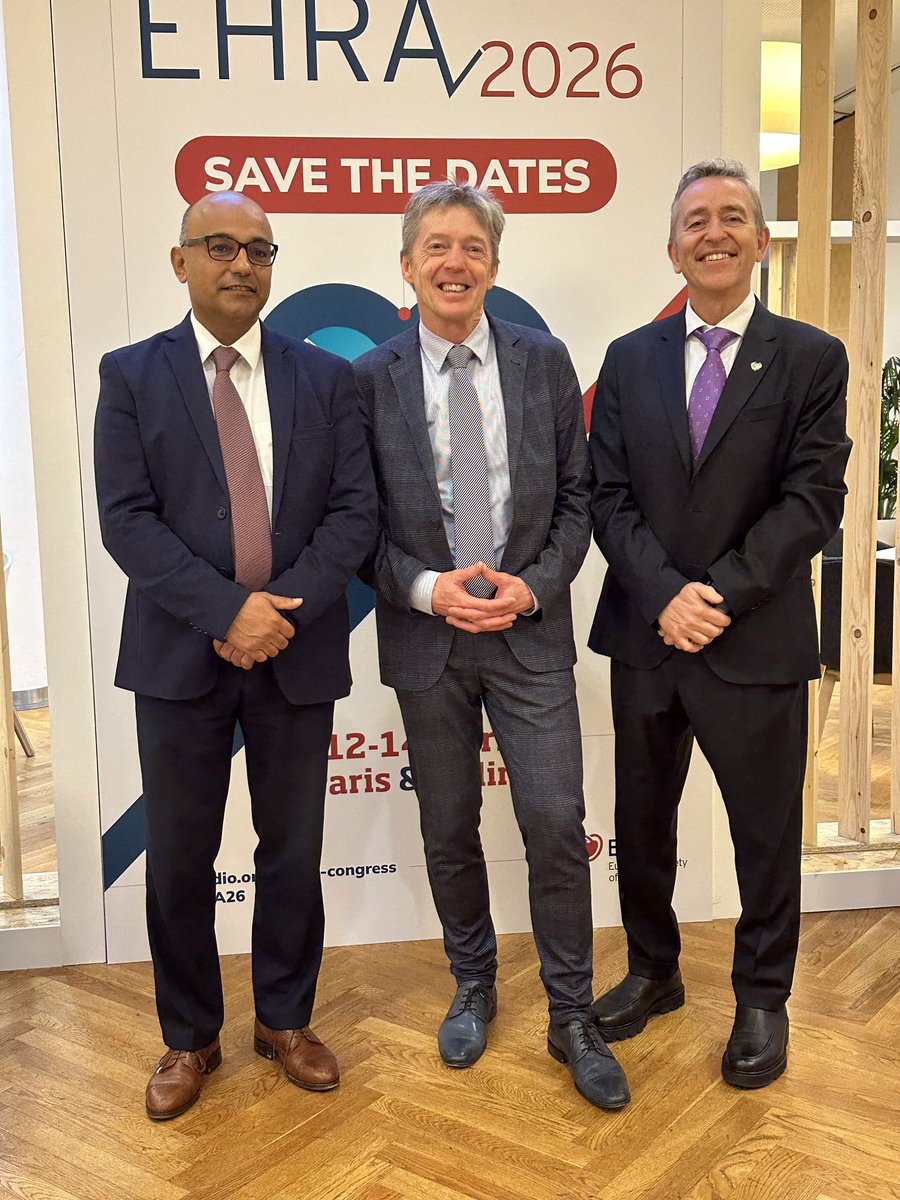
The EHRA Board met today — and the energy in the room said it all. #EHRA26 is here! ✨
This congress carries the fingerprints of so many dedicated Committee Chairs and members who have poured their time and expertise into making it extraordinary. We have some exciting surprises lined up — stay tuned.
To every Chair and Committee member: thank you. This is your moment too. 🙏
8
31
2,425
Julian Chun retweeted

Apr 13
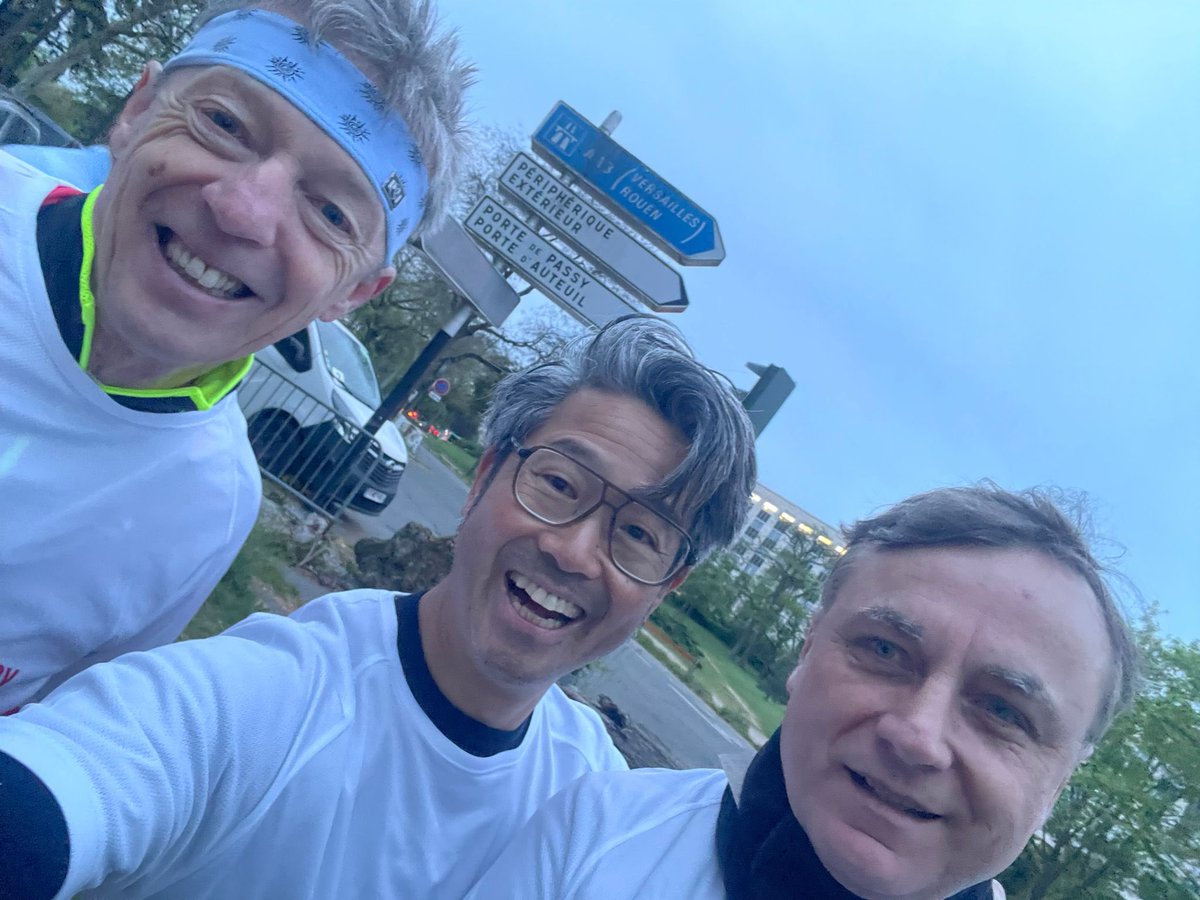
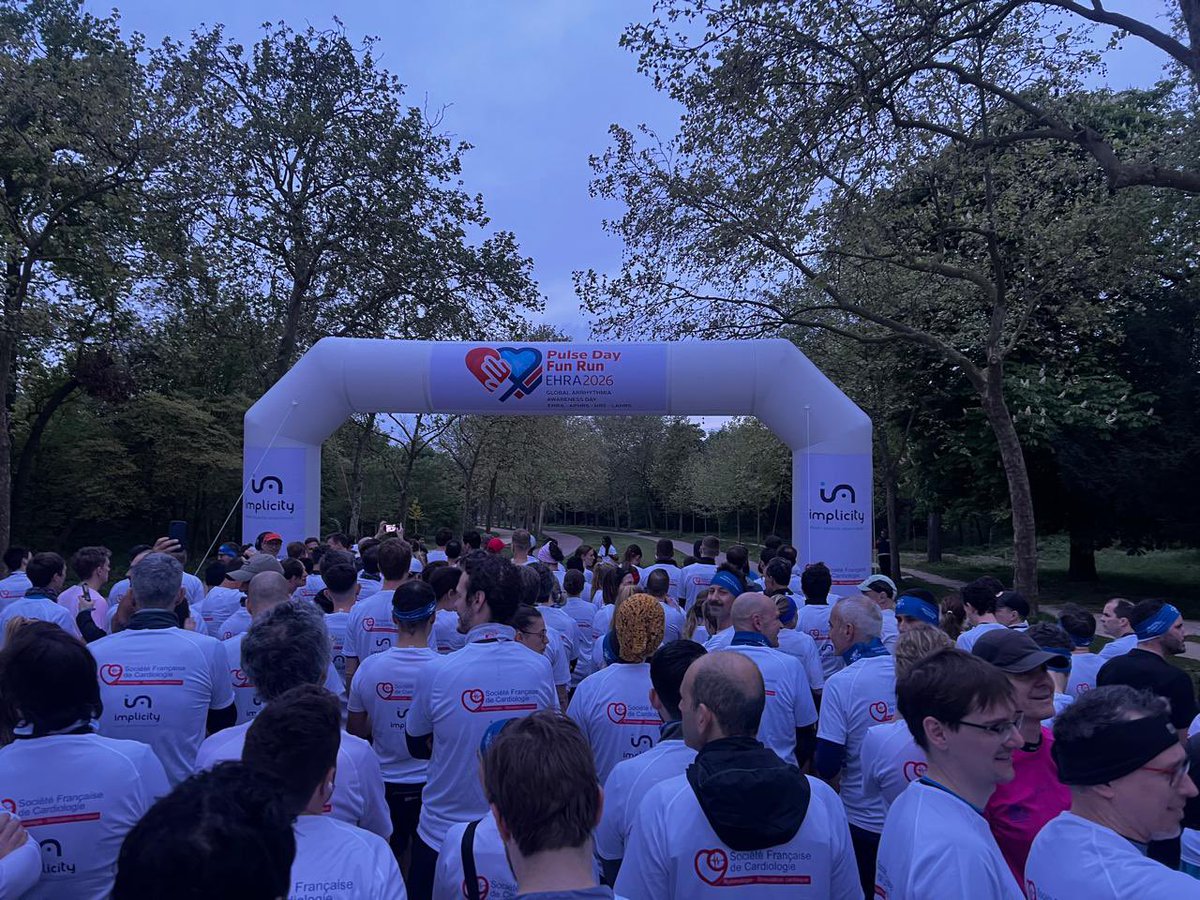
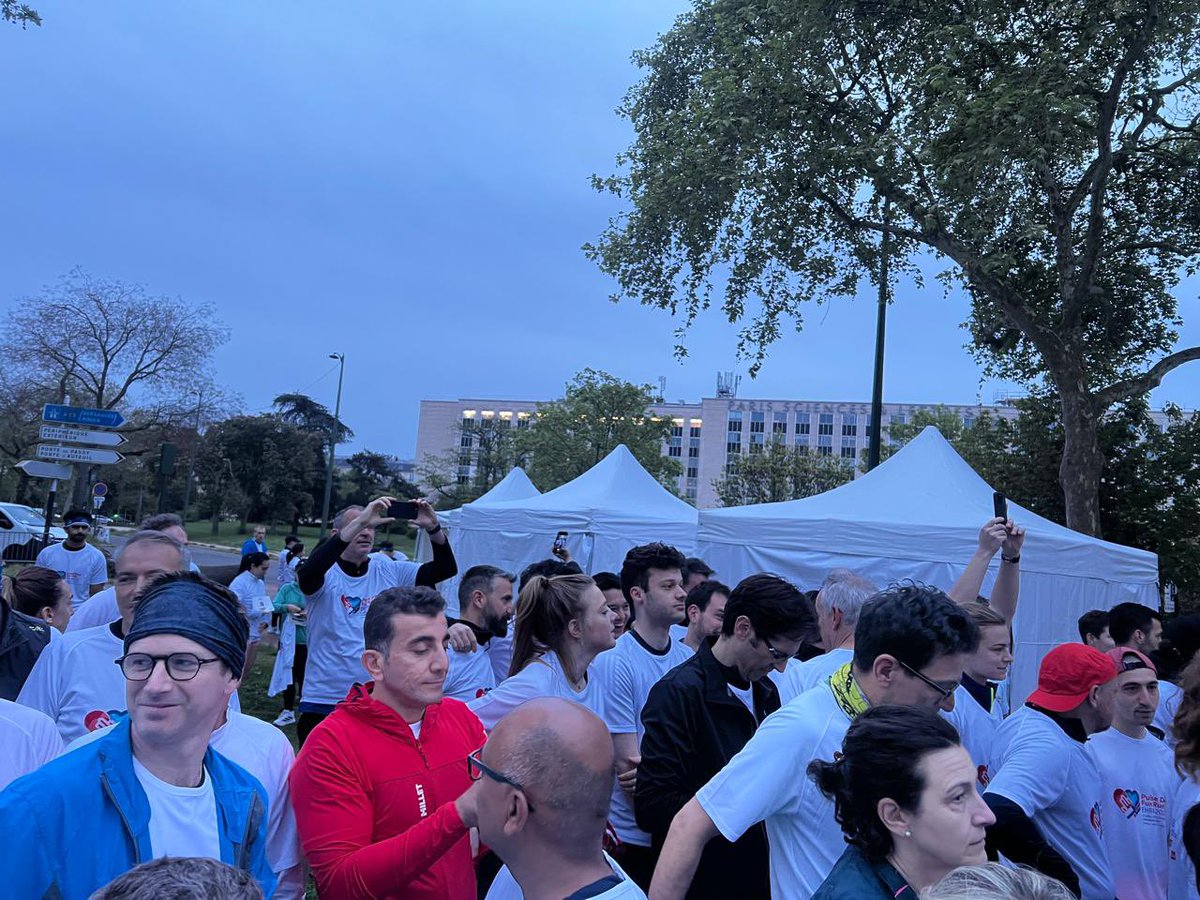
Carrera Pulse Day en el Congreso #EHRA26
El Dr. @nlcabanillas participó junto a colegas de distintas sociedades científicas @EHRAPresident @jongichun
1
3
11
703
Julian Chun retweeted
Apr 6
The countdown to #EHRA26 begins! ⌛
The truck is loaded and on its way to Paris 🇫🇷
Watching preparations for #EHRA26 come to life is one of those moments that reminds you how much goes into making a congress like this happen. Behind every session, every stage, and every handshake in the hallway — there's a team that started working months ago.
We're building something special in Paris. We can't wait to see our community come together again. Stay tuned — there's a lot more to share.
#EHRAbackstage
6
29
3,807

Apr 1
BIG BIG 🙏🏻🙏🏻🙏🏻 to all authors and centers for contributing to this joint work. Born and discussed in the EHRA SIC - executed by Sergio Castrejon et al.
✅Now, we have realistic information on stroke risks linked to AF ablation!

It’s published! Likely one of the largest studies on ablation ever published. A study so large, they even covered New Zealand! Congratulations to the organisers of this epic effort #EPeeps
3
15
2,815
Julian Chun retweeted

How do European electrophysiologists stratify arrhythmic risk in post-MI patients with preserved or mid-range LVEF?
#EHRA is launching a new survey to map current clinical practices across Europe.
👉 Participate here:
surveymonkey.com/r/Preserved…
@jongichun @vlachoskonstan1
1
4
5
447
Julian Chun retweeted
Mar 18
⚖️ Guidelines say NO to Class Ic in CCS…
But is real-world practice saying something else?
EAST-AFNET 4 hints at safety 👀
👉 #EHRA_ESC survey—how do YOU use flecainide/propafenone?
🕒 10 min | 🔒 Anonymous
📊 Help shape future guidance
👉🏻 bit.ly/4sOUalP
1
6
15
4,005
Julian Chun retweeted

Mar 18
One may need to acknowledge some important differences between reimbursement systems to fully understand widespread use of ICE and 3D mapping in some areas. EHRA SIC is about to investigate this soon @jongichun @MartinRauber3
Mar 17

ICE for CTI ablation is as much of a parlor trick as zero-fluoro ablation. Totally unnecessary and costly. Never once have I used ICE for CTI.
3D mapping is nice b/c you can reduce fluoro but not necessary. Ask @ftrae
3
11
6,038
Julian Chun retweeted
Mar 1
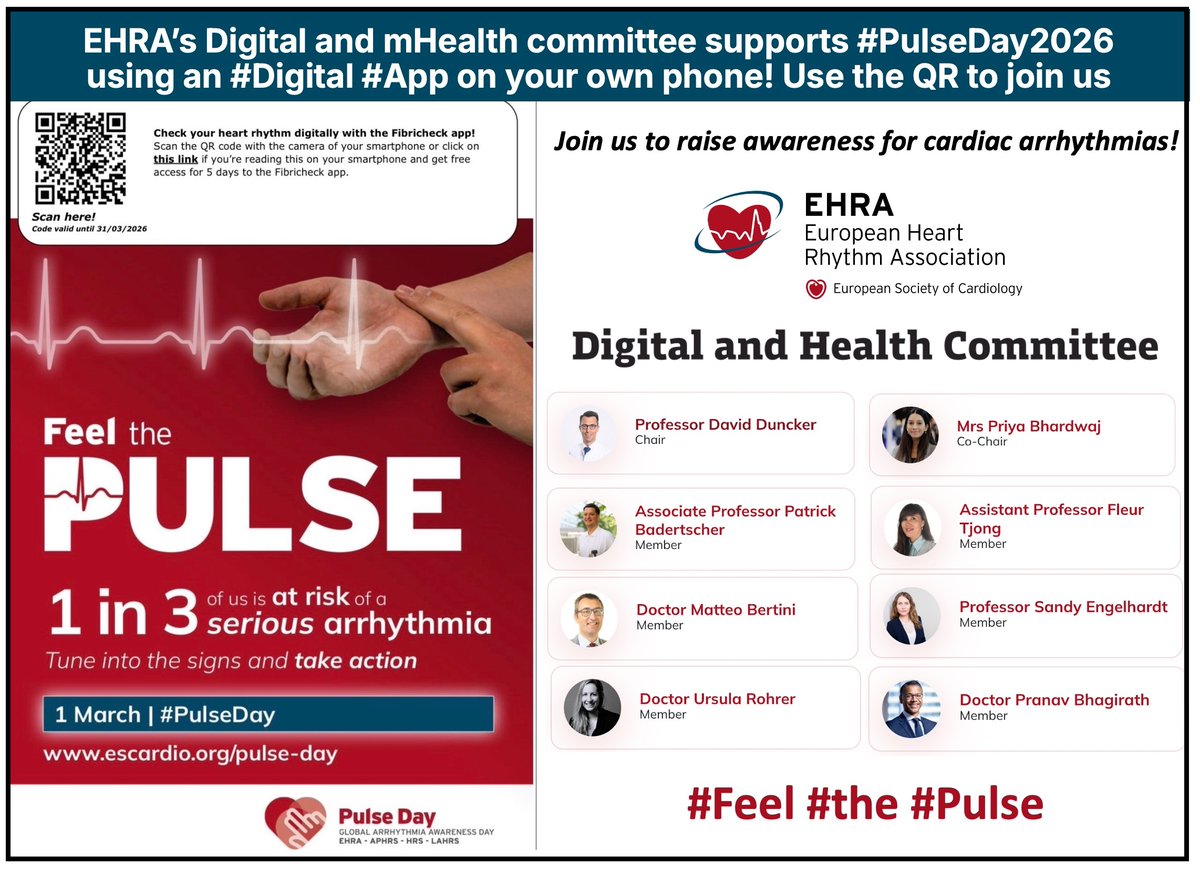
🚨 TODAY is #PulseDay — 1 March 2026!
The #EHRA_ESC Digital Committee is proud to support the online campaign to raise awareness of cardiac arrhythmias.
📲 Scan the QR code in the visual to access a FREE 5-day mobile app with medical-grade heart rhythm recording.
(Active until 31 March 2026!)
Check your pulse. 💓
Record your rhythm. 🫀
Share this post. Tag your colleagues. Let’s amplify the message.
12
24
2,800