Plants #LittleForests as songs, poems, love letters to the land. Adjunct @QueensU #urbantrees
- Tweets 3,375
- Following 1,489
- Followers 1,293
- Likes 3,331


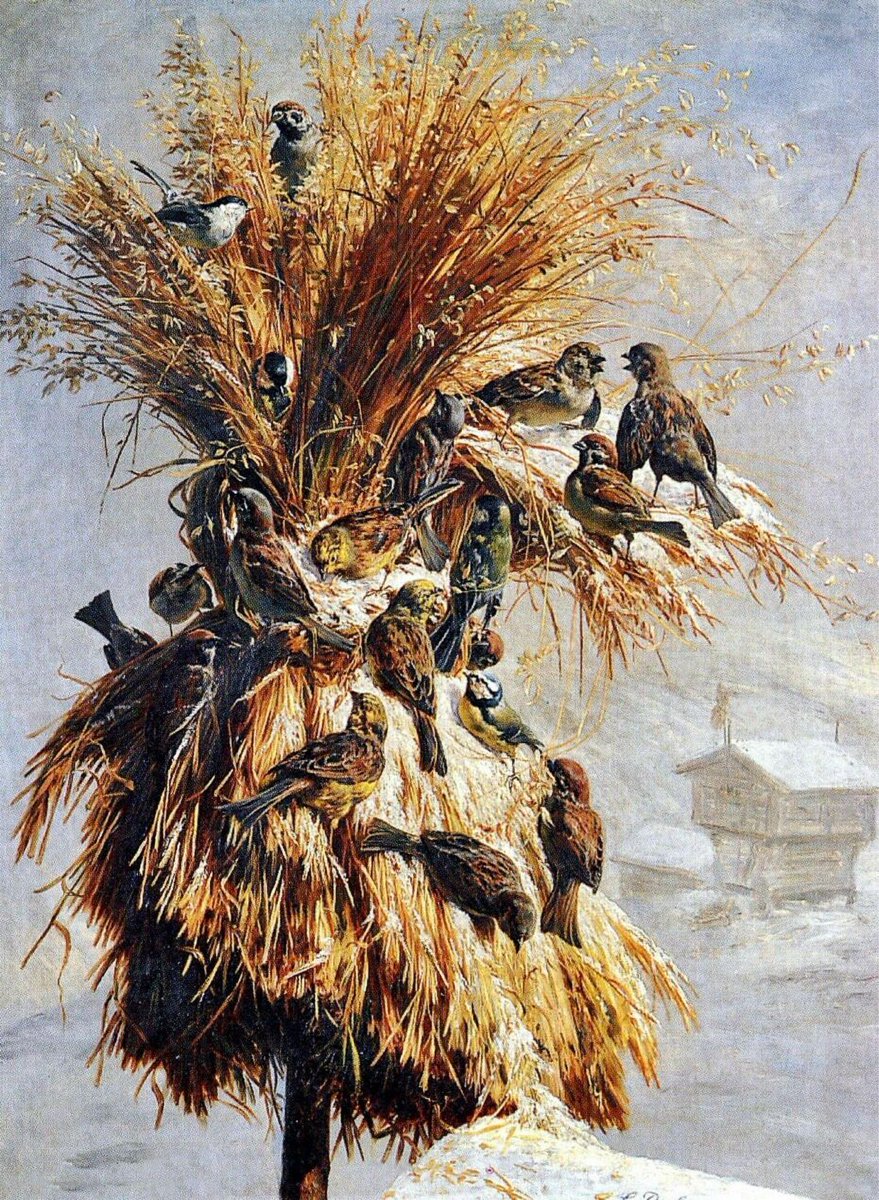
ALT Oil on canvas painting of a sheaf of oats, bundled together and mounted on a pole. The sheaf is covered with small, European birds, such as sparrows, and finches, enjoying the seed. Behind is a snowy landscape with a farm building just visible in the background on the right hand side. The painting is by the artist Johann Siegwald Dahl.

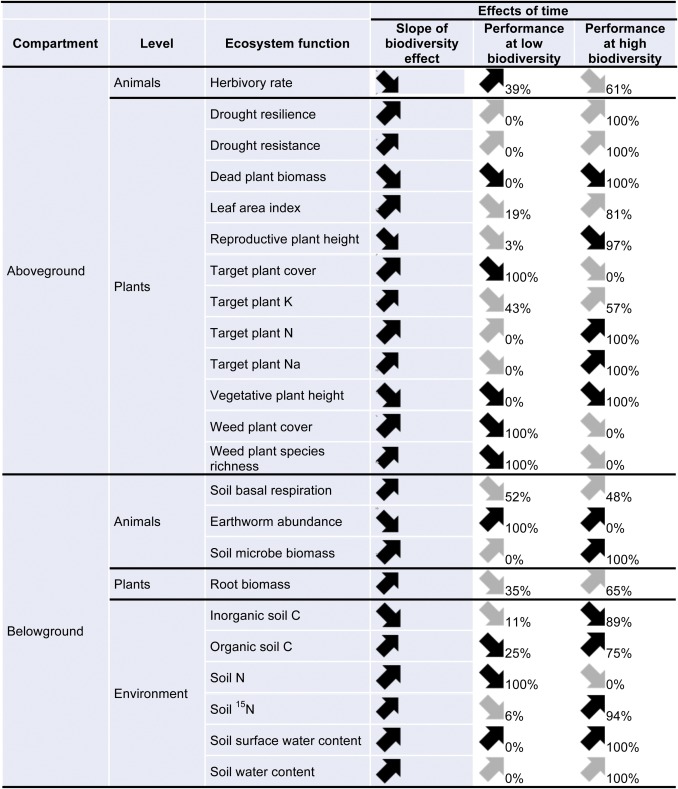

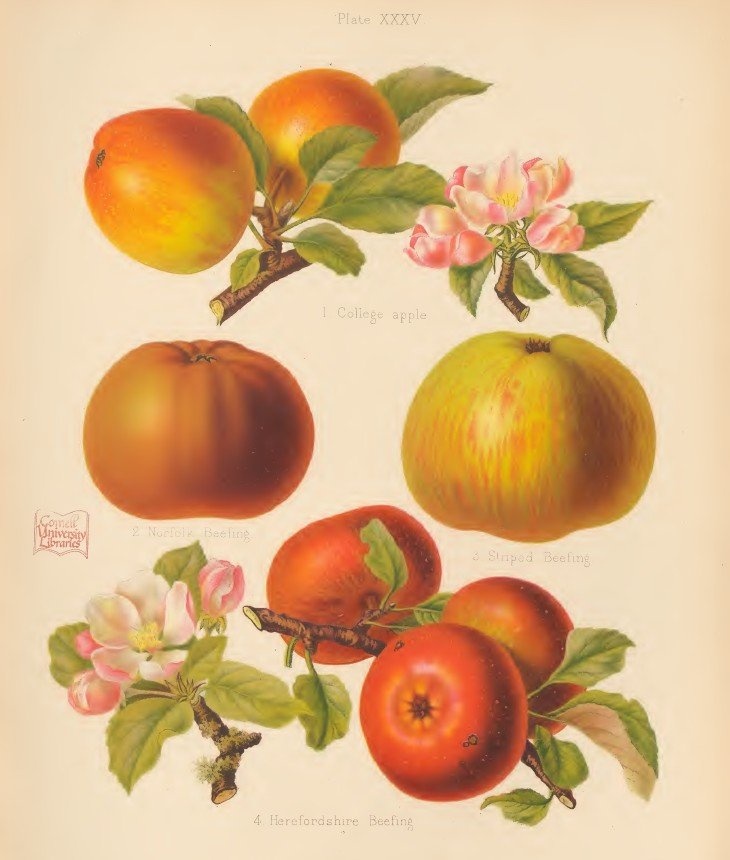
ALT Botanical illustration of apples, leaves, and blossom.







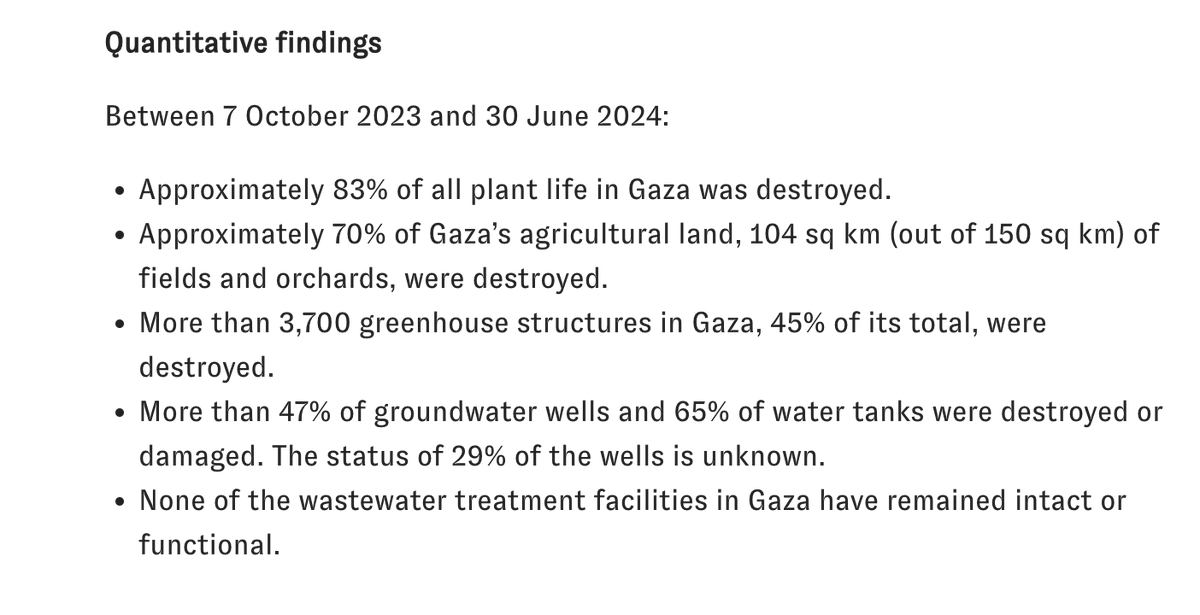
ALT Between 7 October 2023 and 30 June 2024: Approximately 83% of all plant life in Gaza was destroyed. Approximately 70% of Gaza’s agricultural land, 104 sq km (out of 150 sq km) of fields and orchards, were destroyed. More than 3,700 greenhouse structures in Gaza, 45% of its total, were destroyed. More than 47% of groundwater wells and 65% of water tanks were destroyed or damaged. The status of 29% of the wells is unknown. None of the wastewater treatment facilities in Gaza have remained intact or functional.
