
health economics, policy n research. overtreatment, clinical trials (value, cost), NICE, etc
Joined June 2011
- Tweets 10,967
- Following 1,766
- Followers 1,132
- Likes 21,632
349 Photos and videos
James Raftery retweeted

May 13
Great piece by @nabeelqu on what makes art great



10
10
113
22,140

May 23
Great piece with links to similar including best use of twitter
newstatesman.com/science-tec…
1
16
James Raftery retweeted

May 20
So the UK Labour government has slashed aid to 0.3% GDP, halved our contribution to the Green climate Fund, cancelled funds to the Pandemic Preparedness Fund, and cut oil sanctions on Russia. To fund obsolete tanks and ‘head in the sands
military’. Not in my name.
2
16
33
771
James Raftery retweeted

May 19
2
7
793
James Raftery retweeted

May 19
look @AndyBurnhamGM - we're really in hock to @bankofengland , the scariest bond vigilante because it's a public institution that pretends to pursue the public good while pushing up the cost of government borrowing
thetimes.com/business/econom…
9
58
151
22,319
May 19
Great line:”Taking macroeconomic advice from bond market traders is like taking advice on how to deal with pandemics from undertakers.”
May 19

New post: Why Labour's current disarray is ultimately the consequence of Osborne’s austerity
mainlymacro.blogspot.com/202…
The media's belief that 2010 austerity was necessary led to Corbyn's victory, which then led to Starmer's Blue Labour and their subsequent polling disaster.
22
James Raftery retweeted

May 17
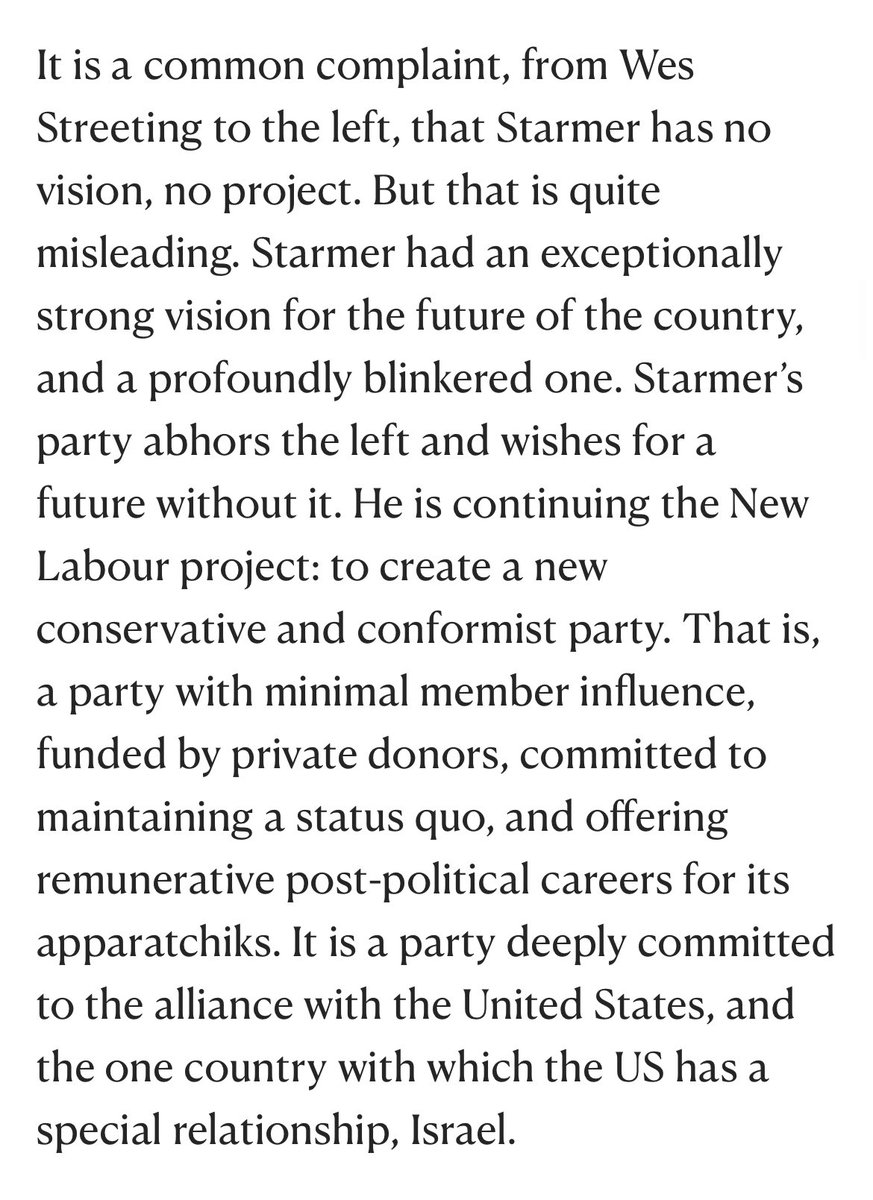
Truly brutal obituary for the Starmer project from one of Britain’s great living historians, David Edgerton
May 17

"The question is not whether Labour values have been usurped by Starmer’s faction. It is what kind of party could be built out of the corpse of Starmer’s party. One option is clearly a more Blairite party: pro-tech giants, the US, and privatisation. But are there any serious options to create a progressive party, one that dares speak out on the issues of the day, that actually communicates with a progressive electorate? It is hard to see at the moment whether the ambition or capacity exists within it.
It is worth noting that Starmer’s Party is only barely the official party of the organised working class. Whereas Labour had affiliated to it nearly every major trade union, today only just over half of union members are in party-affiliated unions. And even then some may leave. This is hardly surprising: as it stands its policies, Starmer’s Party’s political instincts, are far closer to those of the Tories and Reform than to the progressive parties that are eating it up. And that is not accidental, or the result of a lack of vision. It was the whole point."
Read @DEHEdgerton's obituary for Starmerism
newstatesman.com/politics/la…
87
1,842
6,326
358,714
James Raftery retweeted

May 17
I regret to inform you that we will be publishing a detailed analysis this week of the £5m payment to Nigel Farage, and whether it's taxable. It is likely to annoy *everybody*.
(except tax advisers, which is all that matters)
514
1,185
8,158
548,848
James Raftery retweeted

May 10
This is a brilliant investigative piece on Farage, the dark millions behind him and the double standards of so much British journalism. Read and retweet! Nigel Farage pocketing £5m from a donor shows he’s unfit for power app.prospectmagazine.co.uk/s…
171
4,413
6,424
231,141
James Raftery retweeted

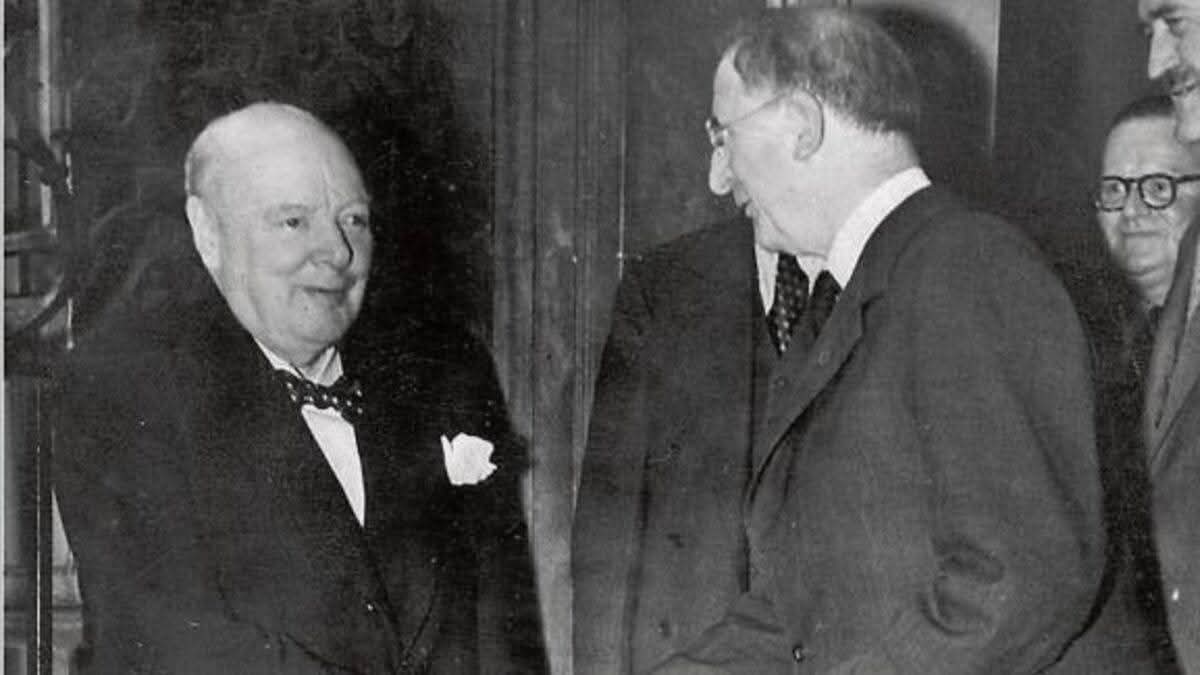
It is one of the greatest what-ifs of Irish history. In the summer of 1940, the Luftwaffe prepared to launch its blitz over London and Nazi forces swept across Europe. British officials quietly proposed something unthinkable. A United Ireland, on the condition Éamon de Valera abandon neutrality and bring Ireland into the war.
Recently released documents from the Public Record Office in London reveal just how far Britain was willing to go. The proposal included an immediate declaration accepting “the principle” of Irish unity, the formation of a Joint Defence Council, and a constitutional body to negotiate the merger of Northern Ireland and the South. It was bold. It was desperate. And it failed.
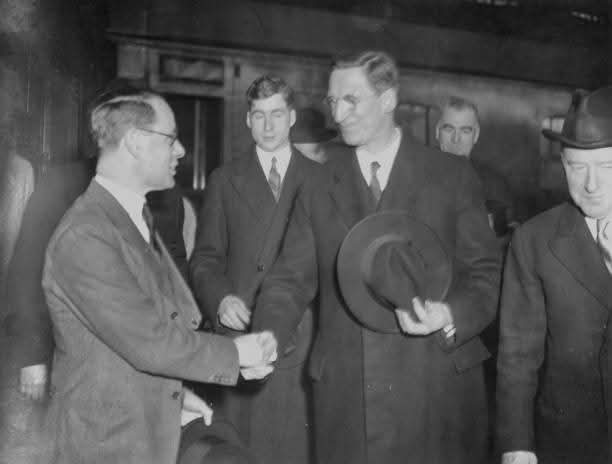
At the heart of the plan was Malcolm MacDonald, the British Secretary of State for the Colonies, dispatched to Dublin for ten tense days of private talks. MacDonald dined with Dev, flanked by key cabinet members Seán Lemass and Frank Aiken. McDonald laid out a vision that, in his words, could make a united Ireland a reality “within a comparatively short period of time.”
But there was a catch. Dublin would have to renounce our treasured neutrality. British troops, ships, and aircraft would be granted access to Irish territory. Ports like Cobh and Berehaven, once critical under the Treaty Ports agreement, would be reopened to the Royal Navy. And though de Valera was offered the option of remaining “non-belligerent,” the practical effect was clear. Ireland would become an active participant in the Allied war effort.
For Churchill, the Western Approaches were vital in the Battle of the Atlantic. German U-boats were choking Britain’s supply lines. Irish ports could offer lifelines. But for de Valera, the stakes were existential. He listened. He debated. And he refused. Why? Because de Valera did not trust Britain to deliver.
As he told MacDonald on the 26th of June, the proposal was a “deferred payment". A promissory note, not a guarantee. Lemass likewise pointed out the lack of immediate action on unity. And when MacDonald admitted that London “would not and could not march troops into the six counties to force a policy upon their government,” the illusion cracked.
There would be no coercion of Unionists. No swift reunification. Only a vague hope that the North might voluntarily agree to dissolve itself. Aiken questioned whether Britain’s security could be safeguarded even if Ireland remained neutral. But MacDonald dismissed the idea, calling Northern Ireland’s role in the war “most valuable.”
And yet MacDonald pushed further. Dropping his official role, he appealed personally. As a man who claimed to support Irish unity. He warned that if Éire stayed out of the war, if it was seen to “contribute to German strength by doing so,” then after the war “none of us in Britain would be very concerned to create a united Ireland.” Dev argued that accepting British troops on Irish soil would fracture the nation and provoke the very fate they hoped to avoid, a German bombardment. “They would bomb Dublin,” he said simply.
And he wasn’t wrong. A German air raid did hit the North Strand in 1941, killing 28 and injuring hundreds. Neutrality didnt offer perfect safety, but joining the Allies couldve made Éire a battlefield. De Valera had other doubts. He believed Britain might lose the war. Within Fianna Fáil, there were tensions over any policy that smelled of renewed submission to Britain.
And there was the lingering trauma of partition itself. In the end, the offer vanished into the fog of war. Unionist Prime Minister James Craig in the North was incensed when he learned of it. Perfidious Albion moved on.
Dev kept Ireland out of the war, despite Churchill’s later frustrations. But for a brief lunchtime, Britain offered a united Ireland, in exchange for war. It might have changed everything. Or, as de Valera feared, it might have changed nothing at all.
Buy the Dublin Time Machine a pint and support the DTM Book ko-fi.com/buchanandublintime…
26
59
226
20,737
James Raftery retweeted

May 8
Haters out in force in response to clip from interview I did with @NewStatesman podcast. It's fine to disagree on Roman history (that's partly the point), but do they need to say that I'm "vile", a "hag" & they "hate" me. You dont have to hate those with different views, folks.
263
258
3,667
151,850

Why aren't you following @DrJamesEHansen? In a sane world he'd have the most on X. Not afraid of saying what will happen in the coming decades, something most scientists avoid (an innate science 'principle'). He is the OG of climate change.x.com/DrJamesEHansen/status/…

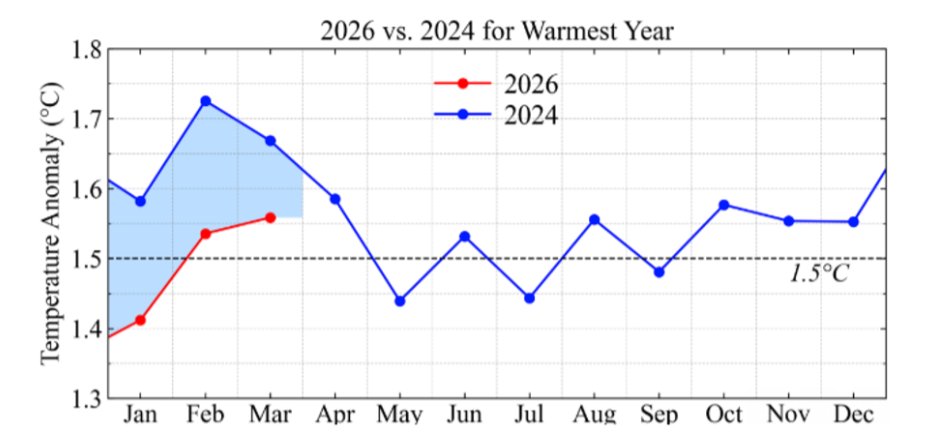
A physics-based analysis concludes that this year will be the warmest, not second warmest. In any case, we can learn something about climate change. See 2026 On Track for Warmest Year – mailchi.mp/caa/2026-on-track…
Also available on Substack: jimehansen.substack.com/p/20…
6
60
286
21,188
James Raftery retweeted

A physics-based analysis concludes that this year will be the warmest, not second warmest. In any case, we can learn something about climate change. See 2026 On Track for Warmest Year – mailchi.mp/caa/2026-on-track…
Also available on Substack: jimehansen.substack.com/p/20…
41
239
547
67,869
James Raftery retweeted
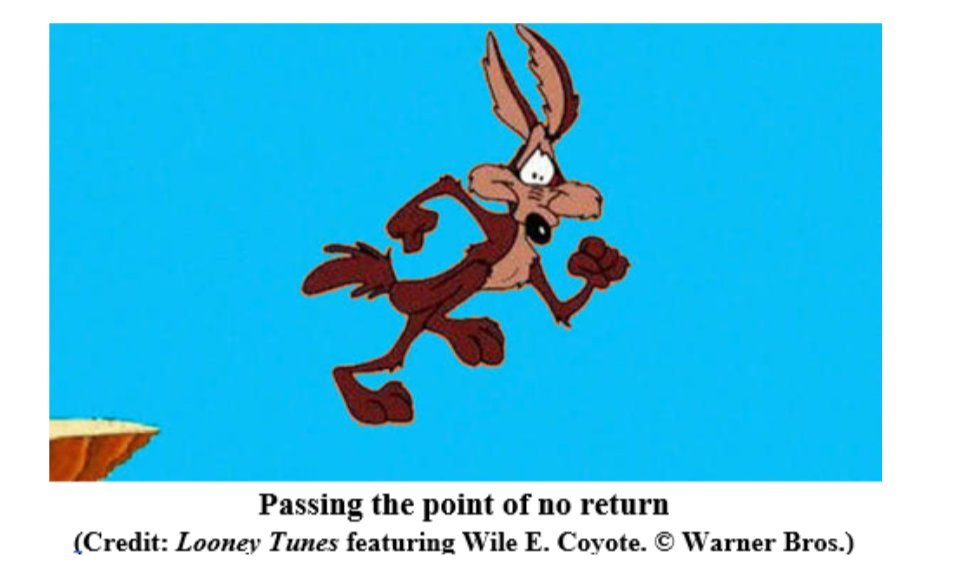
There is a limit on how far we can let climate run away now, if we are to give the next generation an opportunity. See Runaway – mailchi.mp/caa/runaway-clima…
Also available on Substack: jimehansen.substack.com/p/ru…
21
108
200
9,847
James Raftery retweeted
Apr 29
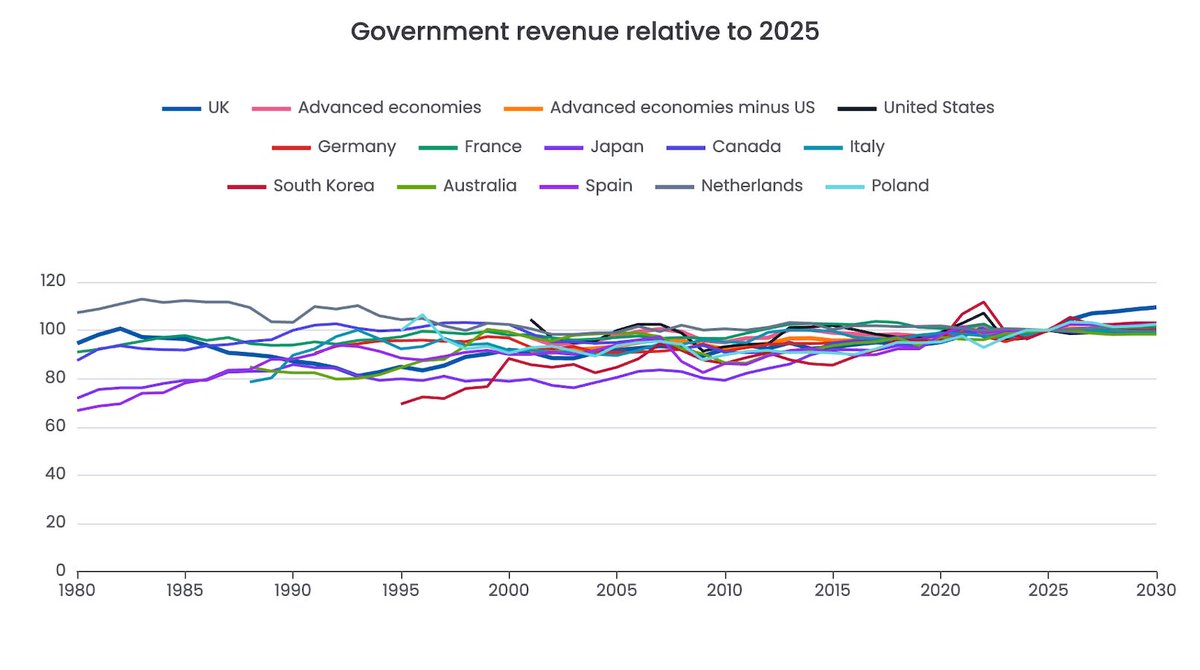
UK tax is going to be the highest since 1945. But public spending won't increase; in fact most of us will experience a decline in public services.
Here's why - in a thread that I'd love to be completely wrong.
91
398
1,605
323,879
James Raftery retweeted

Mar 31
Marmalade dropper from The FT’s investigative team (again)
Mar 30

Pete Hegseth’s broker looked to buy defence fund before Iran attack ft.trib.al/DKXRnPP
4
24
104
21,402
James Raftery retweeted

What moving to southern Europe does to a man:


114
669
26,153
7,714,824
James Raftery retweeted
Mar 29
Ed Miliband gets relentless bile from the right for his ‘ideological’ commitment to clean, cheap renewable energy - just as Nye Bevan once did for creating the NHS. Yet on March 25 97.7 % of our electricity was from renewables. A revolution is unfolding. observer.co.uk/news/columnis…
1,981
1,976
6,375
357,371
Mar 25
RT @sapinker: The Many Roots of Our Suffering: Reflections on Robert Trivers (1943–2026) quillette.com/2026/03/25/the…
18