Joined October 2023
- Tweets 71,214
- Following 8,283
- Followers 7,555
- Likes 54,558
3,827 Photos and videos





Kareem Aweet retweeted

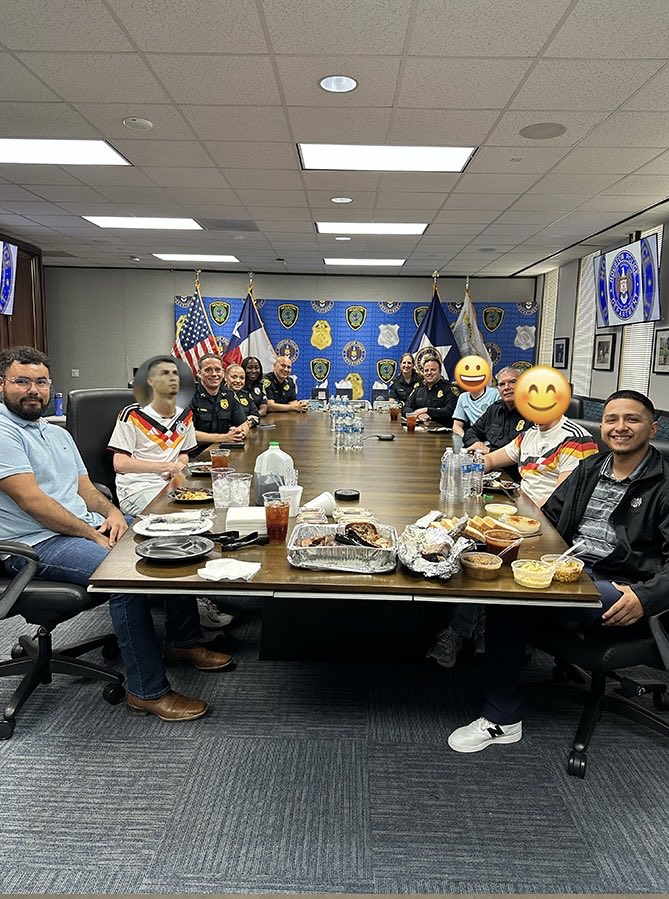
Our most American experience so far🇺🇸
We met with the Houston Police department and ate typical Texan BBQ together. It looked in there just like in the movies. They even put on Ella Langley just for us.😂

663
1,619
60,933
1,337,344

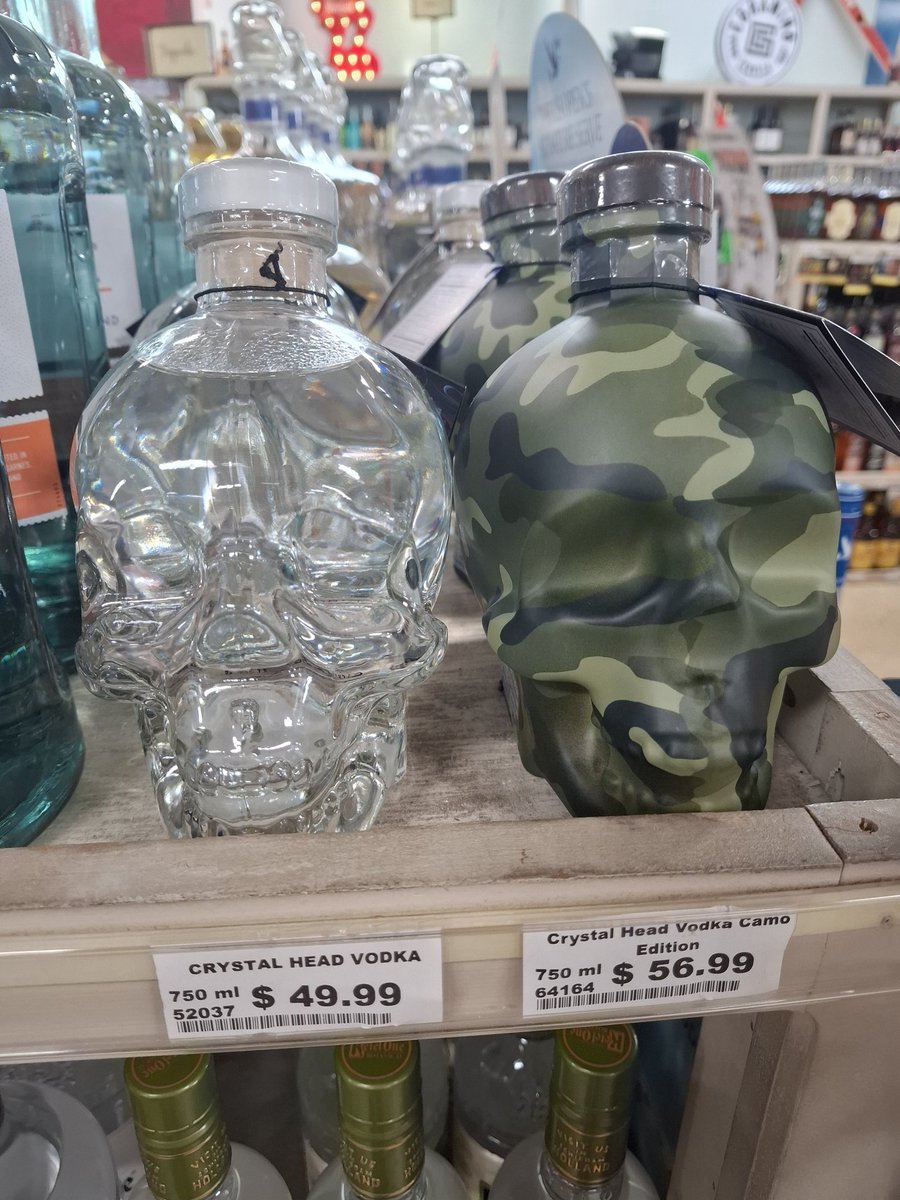
Things that annoy me at the store, part 303:
Customer: " Hey I need Reposado "
Me: " Do you know what brand of Tequila you are looking for? "
Customer: " Reposado "
Me: It's time for my break, good luck.
13
Kareem Aweet retweeted

The long arduous task of hand loading the 20mm freedom pews for a fighter jet to go Brrrrrrt for a few seconds
7
19
113
2,324
Kareem Aweet retweeted

OMG
Denver Public Schools Board just voted UNANIMOUSLY to DISMISS lgbtq teacher Jennifer Honka after she reportedly made female students kiss each other and graded them on it
What is going on in these schools?!
1,421
7,688
34,386
508,094




They always use defensible excuses for the indefensible
15h

This is the point. Same will happen in all countries that will make social media age restrictions. “Won’t someone think of the children” is usually not about the children
2,754
6,522
49,994
9,268,204


Kareem Aweet retweeted

AC-130J Ghostrider's New Griffin missile
22
148
1,239
57,648
Kareem Aweet retweeted

On this day in 1944, on the night of June 15 into the 16th, the skies over Japan filled with the roar of a weapon the world had never seen before, and Japan was bombed for the first time since the famous Doolittle Raid more than two years earlier.
The aircraft was the Boeing B-29 Superfortress, and it was a genuine leap in technology. It could fly higher, farther, and carry more than any bomber that had come before, with a pressurized cabin and remote-controlled gun turrets that felt like something from the future. The problem was reach. Japan was vast distances from any Allied airfield. So the Americans devised an extraordinary and difficult scheme called Operation Matterhorn, basing B-29s in China and flying their fuel and bombs in over the Himalayas, the treacherous route pilots called "the Hump."
On this night, dozens of B-29s lifted off from bases around Chengdu in China and set course for the Imperial Iron and Steel Works at Yawata on the Japanese island of Kyushu, one of the beating hearts of Japan's war industry. The raid itself did little real damage. Bombing at night from extreme range, with crews still learning the temperamental new aircraft, scattered the bombs and accomplished little physically.
But the meaning of it was enormous. For two years, since Jimmy Doolittle's daring carrier raid in April 1942, the Japanese home islands had been untouched by American bombs. Japanese leaders had assured their people that the homeland was safe, beyond the enemy's grasp. Now, on this night, the drone of American engines over Yawata proved that promise was a lie. The home islands could be reached. And once Saipan and the Marianas were secured in the following months, the B-29s would no longer need the desperate route over the Hump. They would come from the Pacific, in their hundreds, and the cities of Japan would burn.
This single, militarily modest raid on this night was the opening note of the air campaign that would define the last year of the war.
2
31
245
15,080
Kareem Aweet retweeted

Dying. This is so good……

Наконец-то реалистичное видео по самообороне, а не этот скам из рилсов
40
66
902
25,286


Kareem Aweet retweeted

11h
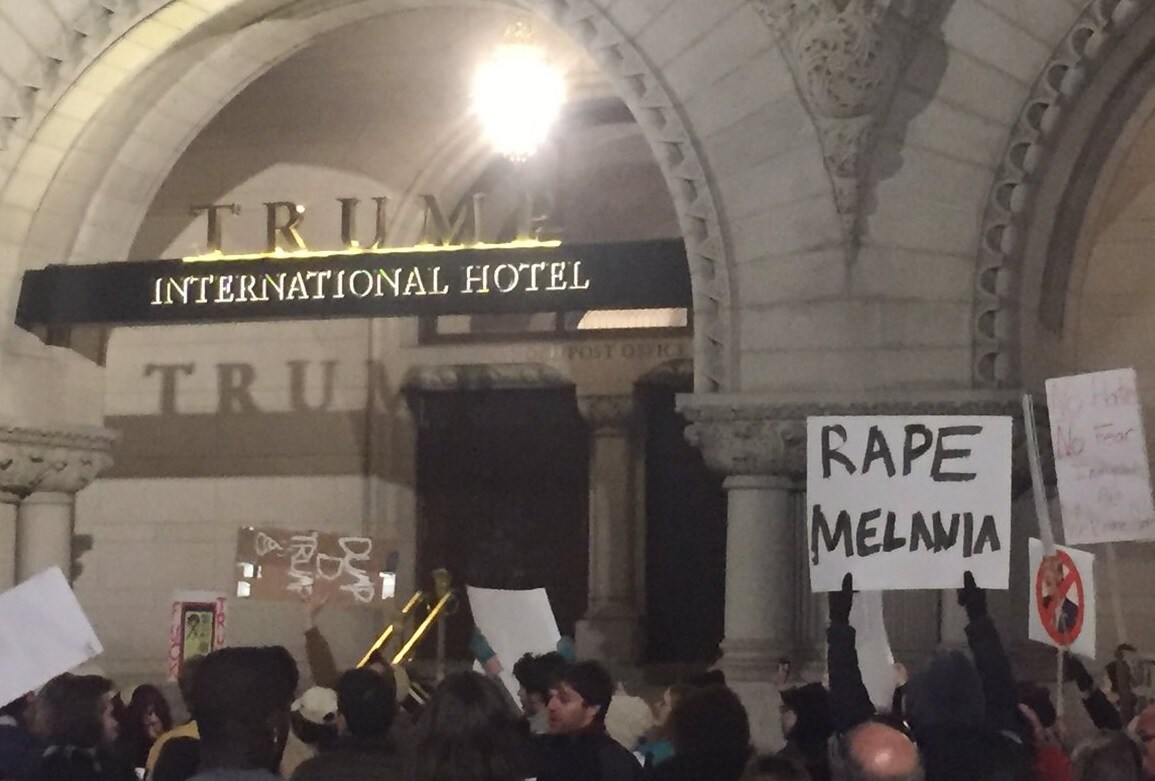
If jokingly calling Michelle Obama a man is so bad, what would be their reaction if protesters gathered at Obama's front door with "rape michelle" signs?
Asking for a friend.
212
2,497
12,620
121,338
Kareem Aweet retweeted

How to address the liberal media by Dana White
Reporter ~ What message do you have for those who say this event shouldn't have happened on the W.H lawn
White ~ F'VCK em, I don't give a s'hit about them
The ratings have to be through the roof
Thumbs up if you watched it
183
1,805
10,091
163,829
Kareem Aweet retweeted

Two GLARING details @GavinNewsom conveniently left out when he tried to blame Trump for the investigation into him and his wife:
The BIDEN Administration started the investigation.
AND the investigations “stemmed from whistleblowers in California— *not* DOJ.
53
1,155
3,965
22,292

Kareem Aweet retweeted

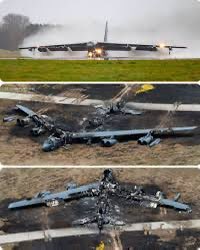
Prayers for our 8 fallen Air Force personnel 🙏🏼
456
743
6,951
185,479
Kareem Aweet retweeted

Godspeed

9
7
197
3,313