
The platform for launching and operating AI-native companies.
Joined February 2026
- Tweets 62
- Following 16
- Followers 24
- Likes 147
8 Photos and videos






The system-of-intelligence thesis is the right argument for the next decade of enterprise. It is also the wrong argument for most of the people reading this.
It assumes you have a system of record to displace.
Most solo founders do not. Their system of record is a Stripe account, a Notion, a few spreadsheets, an email archive, and an accounting tool nobody has opened in three months. There is no unified database to orchestrate above. No CRM to relegate. No twenty years of accumulated context locked inside a vendor that needs to be unseated.
The interesting thing is what happens when you start from fragments rather than from a system.
For two decades, the operational layer of a small business was the founder. You were the CRM. You were the workflow engine. You were the institutional memory. The tools logged things. You did the operating.
The system of record was always in your head. The software just helped you remember.
Enterprise AI is fighting to sit above old systems of record. Solo-founder AI starts earlier. It becomes the operating memory before a brittle system of record ever forms.
That is a different kind of generational shift.
1
1
5
225
The buyer gets a butler. The seller gets homework.
The side worth building for is the one no one's automating.

I came up in music, where creating was never the hard part.
It was all the boring bits around it... all the admin.
So while the buyer gets a virtual assistant, we're building for the person on the other side of the equation
Link 👇
keelbase.io/blog/wrong-side-…
1
14
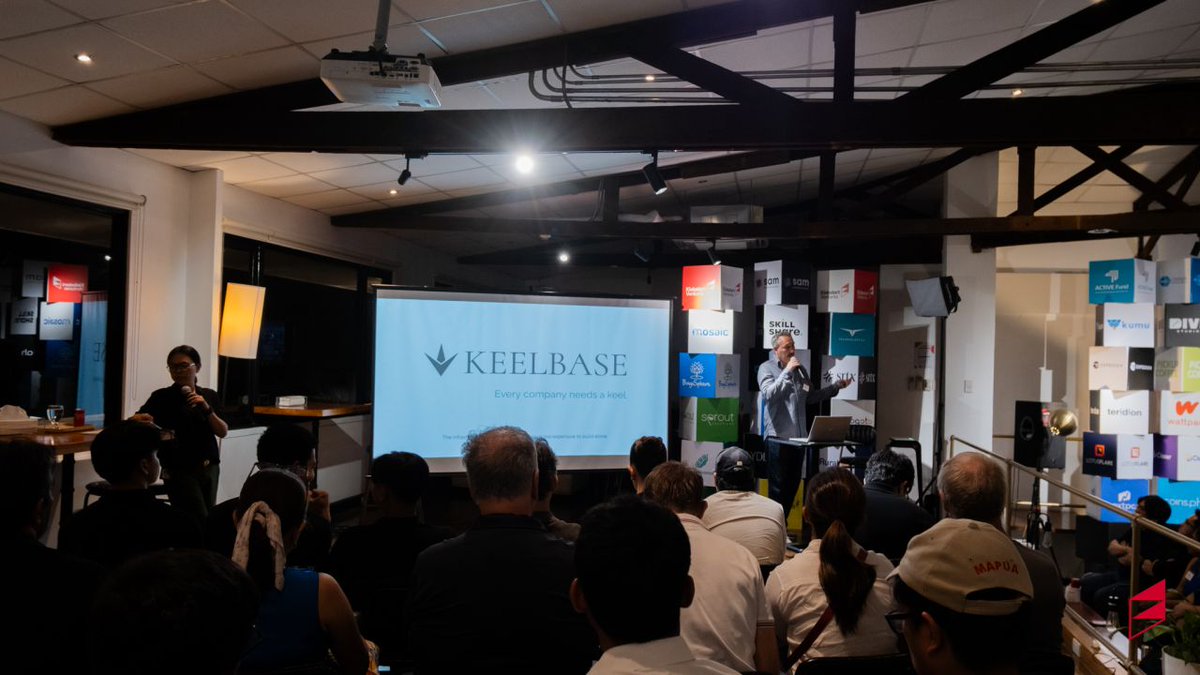
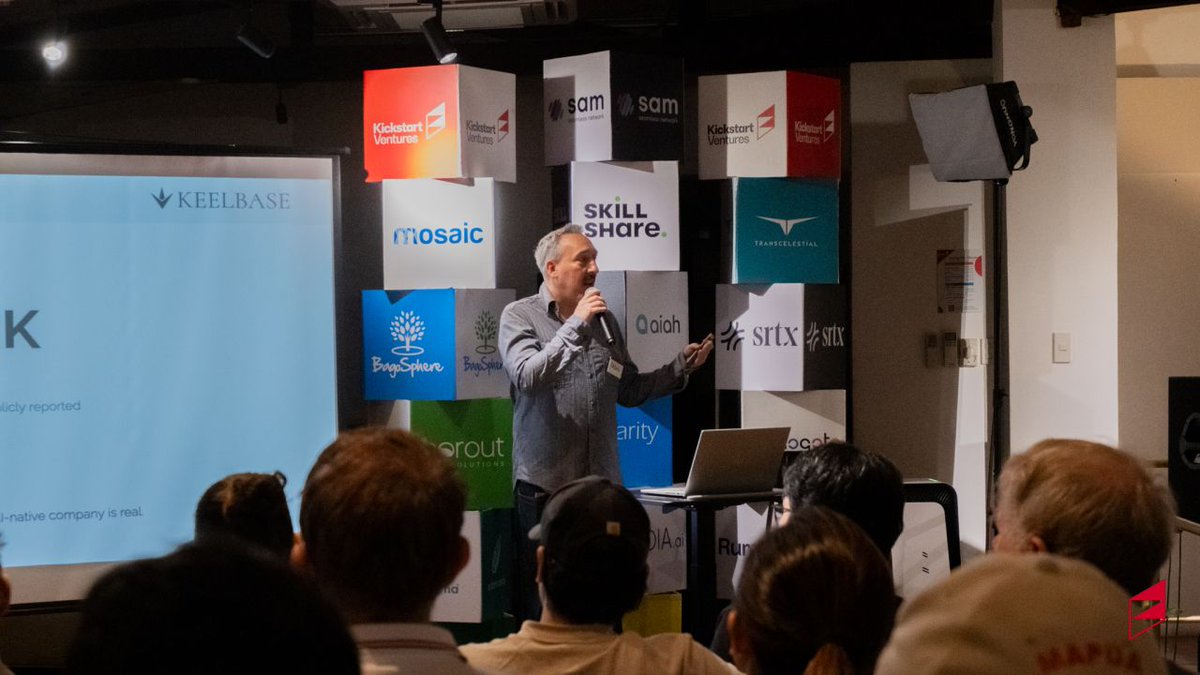
Last week our founder shared a chapter in the story behind Keelbase when he pitched at @Kickstartph.
This week we published our latest journal entry, a deeper dive into the story behind the pitch.
Link in the comments below.
1
12
Our founder spent years building something to free creators from the middlemen who take the cut.
Then he watched the company die — not from the work, the work was good — but from everything around it. The operation. The admin. The jobs no one signs up for.
The layer he couldn't carry, in the end, was his own.
He's sat a long time with why the idea was right and he still couldn't keep it alive. He thinks he finally understands it. And that the same thing that drowned him sits under almost every small business there is.
The whole story — the most honest thing he's written about why Keelbase exists.
keelbase.io/blog/i-was-right…
I built a company to free creators from the middlemen.
In the end I couldn't carry my own middle layer, and I watched it die slowly.
Not from the work. The work stayed good. But from everything around it.
Wrote it here for you 👇
keelbase.io/blog/i-was-right…
1
1
3
128
The system-of-intelligence thesis is the right argument for the next decade of enterprise. It is also the wrong argument for most of the people reading this.
It assumes you have a system of record to displace.
Most solo founders do not. Their system of record is a Stripe account, a Notion, a few spreadsheets, an email archive, and an accounting tool nobody has opened in three months. There is no unified database to orchestrate above. No CRM to relegate. No twenty years of accumulated context locked inside a vendor that needs to be unseated.
The interesting thing is what happens when you start from fragments rather than from a system.
For two decades, the operational layer of a small business was the founder. You were the CRM. You were the workflow engine. You were the institutional memory. The tools logged things. You did the operating.
The system of record was always in your head. The software just helped you remember.
Enterprise AI is fighting to sit above old systems of record. Solo-founder AI starts earlier. It becomes the operating memory before a brittle system of record ever forms.
That is a different kind of generational shift.
1
1
5
225
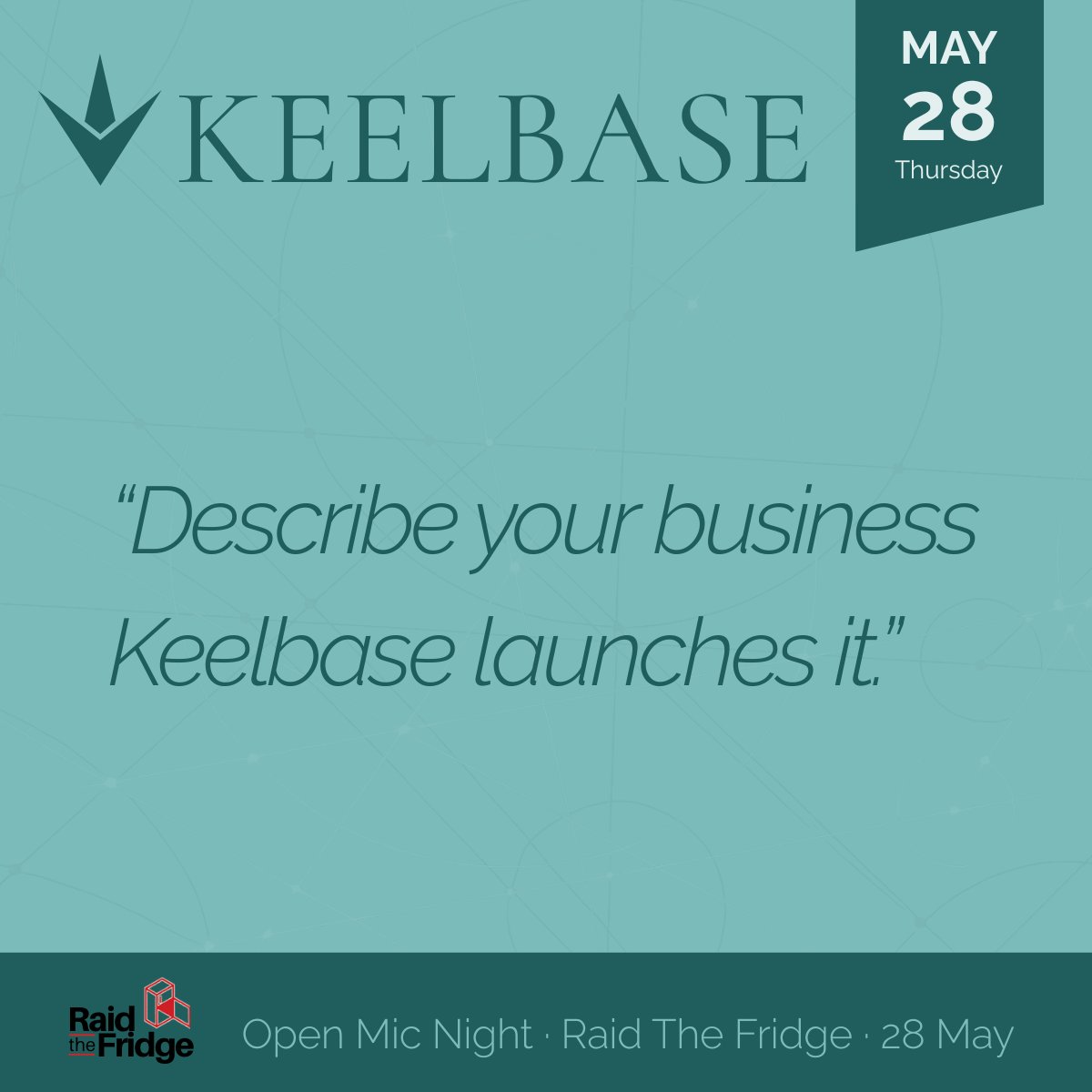
The infrastructure to build an AI-native company shouldn't require a terminal.
That's the company we're building.
May 21
AI-native companies are real and generating revenue today.
The catch: you still need to be technically inclined to build one.
The people with the ideas aren't the people building them. That's the gap.
Pitching @keelbase on May 28th at Raid The Fridge Open Mic Night, Manila.
4
86
You've had the idea for a while now.
You've refined it. Explained it to friends, then to different friends. You know who it is for. You know roughly what it costs. You know, in the way that matters, that it would work.
It's still an idea.
The literature has a theory about why. You are afraid. The idea isn't good enough. You haven't validated it. You need to read another book about lean start-ups.
The theory is wrong.
The gap between having an idea and running a business is not a discipline gap. It's not a courage gap. It's a math gap.
Thirty distinct setup tasks before the work itself can start. Legal structure. Payment processor. Accounting software. The first invoice template. The customer who emails on a Sunday. None of them are hard individually. Many take an afternoon.
Thirty afternoons is six weeks of evenings. Six weeks during which you are not making the thing. By week five you have stopped. By week seven the idea has gone back into the drawer it came out of, and you've told yourself, in some way you may not have noticed, that the timing wasn't right.
The timing was fine. The math was wrong.
If your idea has not moved in a year, don't interrogate the idea. Count the afternoons on your side of the gap. Be honest. If the answer is more time than you have, the idea is not the problem.
The idea has been waiting.
It's not waiting for you to be braver. It's waiting for the math to change.
1
4
150
The system-of-intelligence thesis assumes you have a system of record to begin with.
Most solo founders don't. Their system of record is twelve tabs and a Notion. There's no database to displace, no CRM to orchestrate above, no two years of call transcripts to ingest. There's an idea and the founder.
The most interesting AI-native companies won't be enterprises that put a reasoning layer on top of their stack. They'll be companies that never built the stack underneath.
Skip the database. Skip the integrations. Skip the team that maintains both.
The company is the reasoning layer. Everything else is overhead.
2
198
Chapter one.
May 15
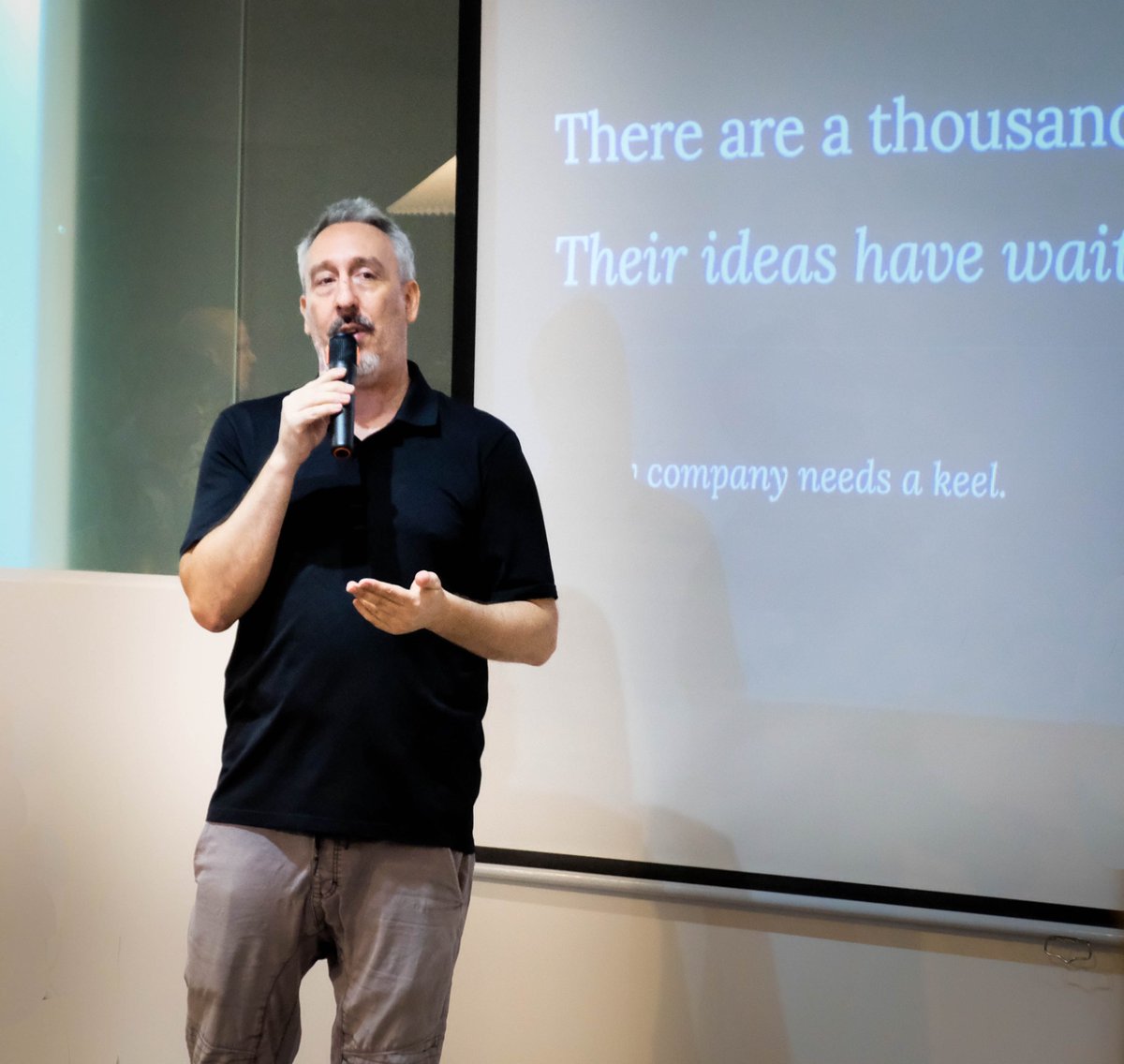
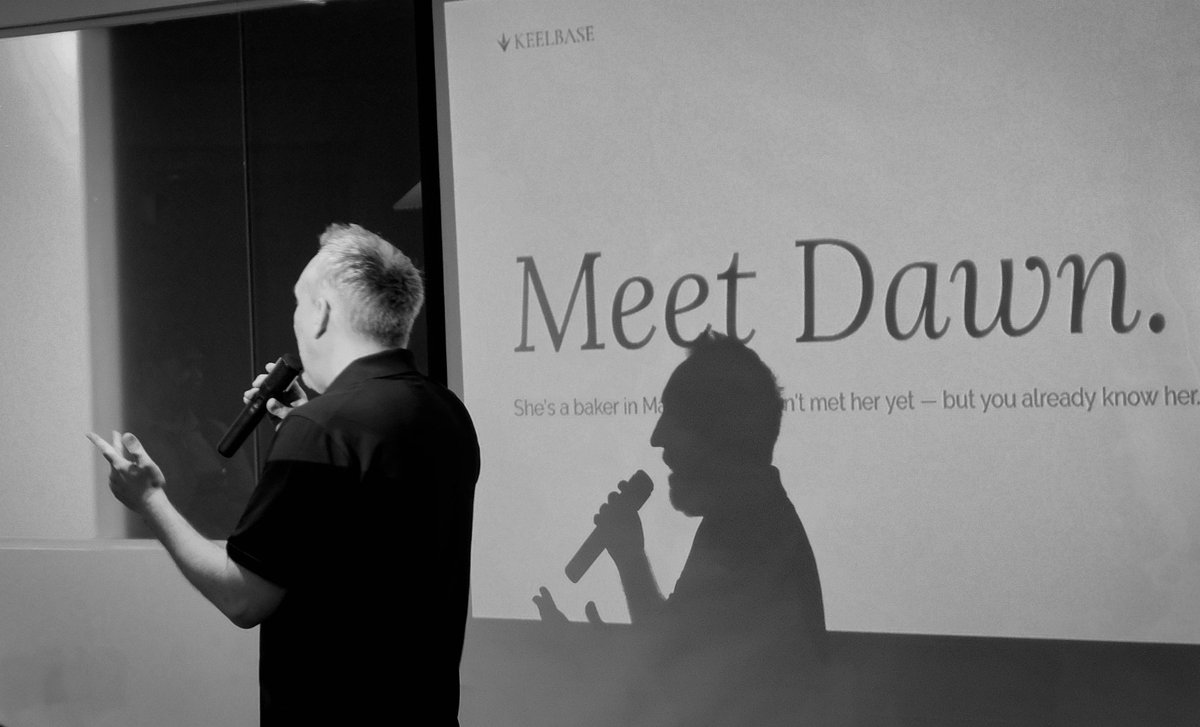
Last night I pitched Keelbase for the first time.
MVP in final build. Phase 1 launches soon after.
The pitch was about the dreams people put aside because the work about the work creates a gap too wide to cross alone.
That gap is what @Keelbase closes.
5
66