
Resolver el acertijo de mi espejo
Joined July 2012
- Tweets 221
- Following 335
- Followers 190
- Likes 112,976
20 Photos and videos






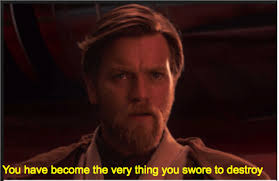

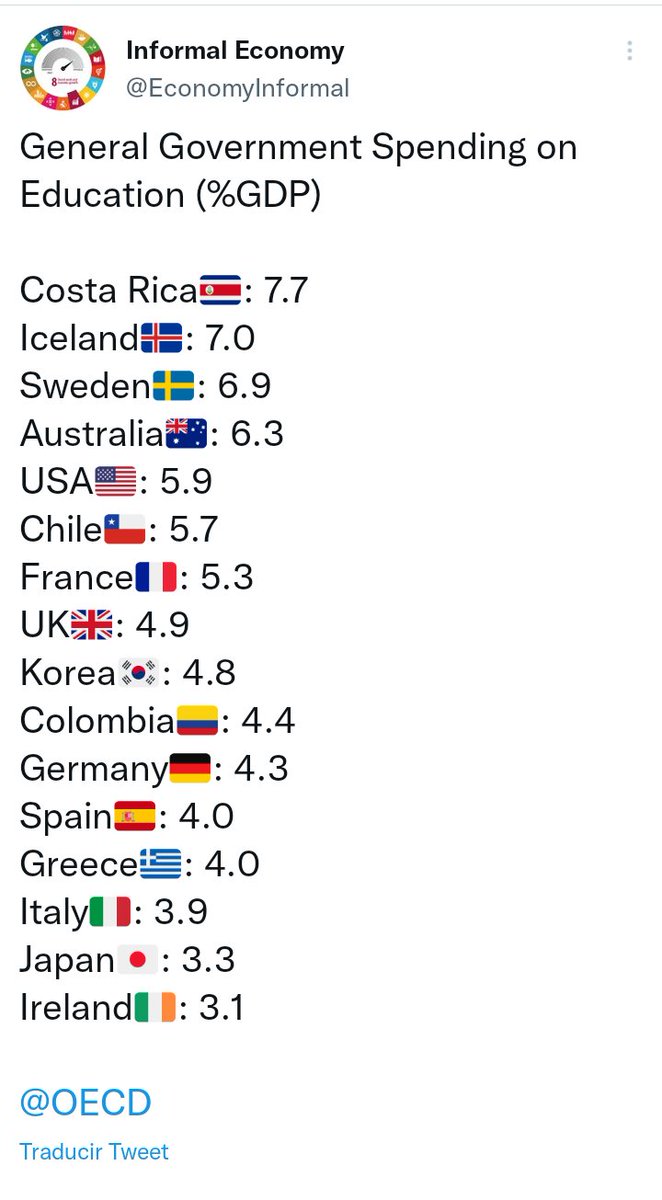
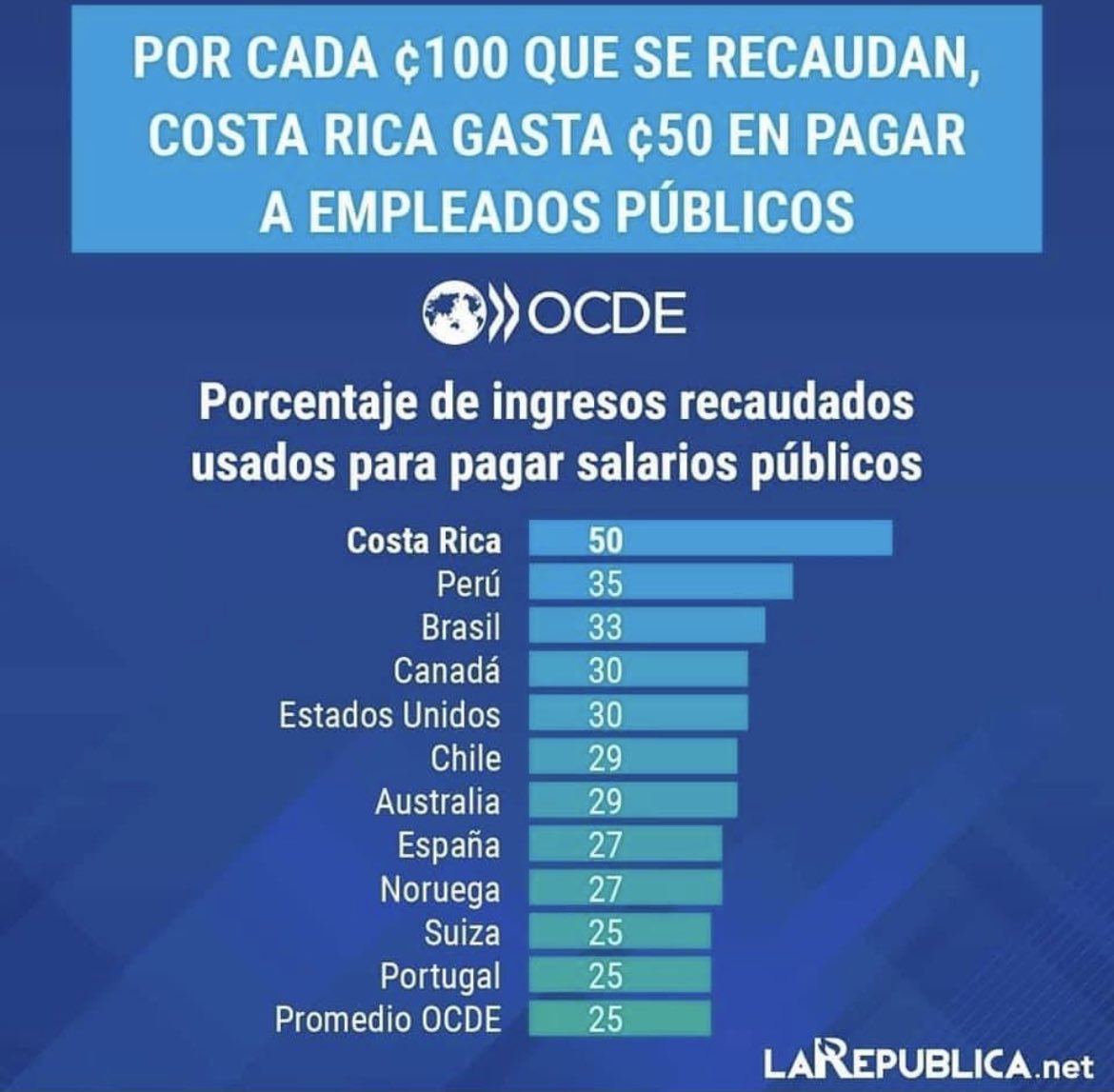

kevin_delgado retweeted

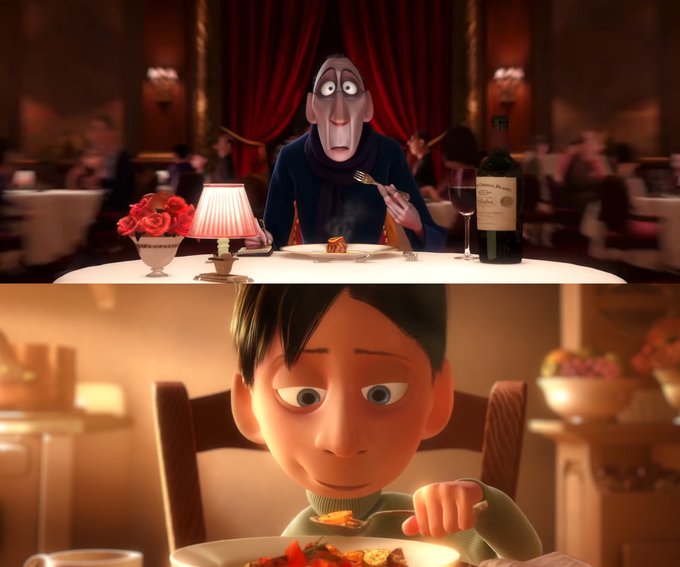
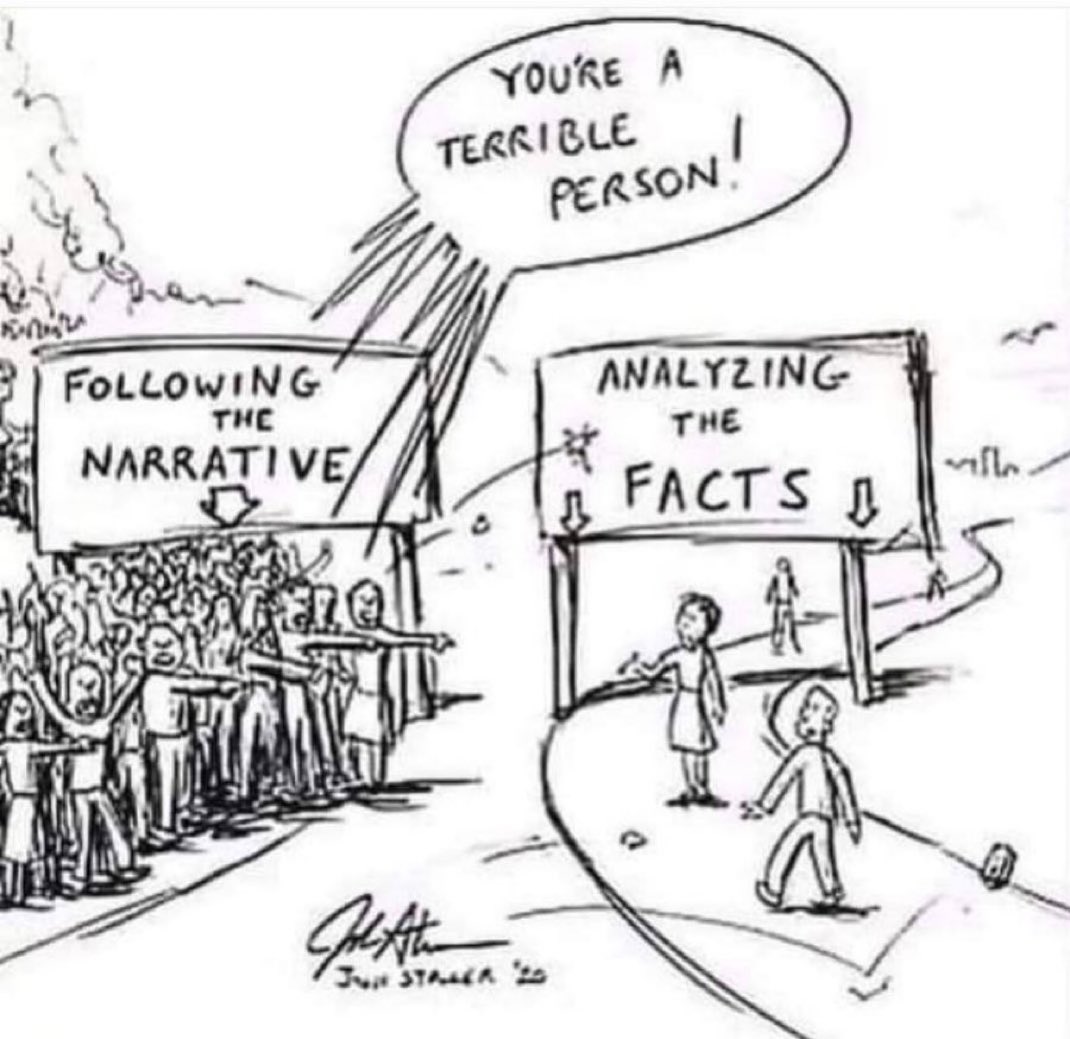
Sometimes the road less traveled is the better choice
42
678
3,618
43,640
kevin_delgado retweeted

May 6
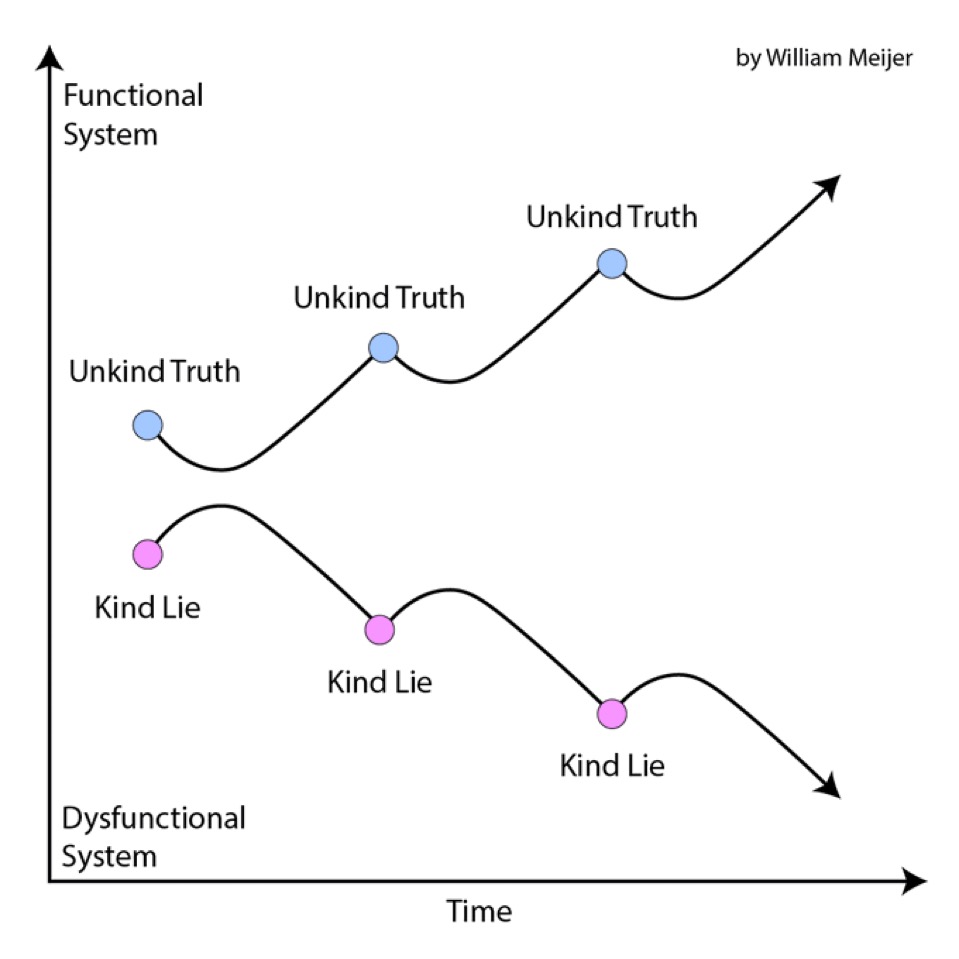
I don't remember where I found this, but its spot on.
733
6,528
31,926
45,095,819
kevin_delgado retweeted

Apr 27
🇵🇱 | Aficionados del club de fútbol polaco Lech Poznan desafían a la UEFA: mostraron ayer una pancarta en la que aparecían representados los santos Pedro y Pablo, patrones la ciudad.
Mar 27

🇷🇸 | La UEFA multa al Estrella Roja de Belgrado, el club más laureado de Serbia, con 40.000 euros por un tifo desplegado por los aficionados durante un partido de la Europa League contra el LOSC Lille con una imagen de Cristo y una pancarta que decía «que nuestra fe os lleve a la victoria».
La multa se debe a que «mostraba un mensaje considerado inapropiado para un evento deportivo» y «socavaba la reputación e integridad del fútbol y de la UEFA».

144
5,724
40,704
1,055,925
kevin_delgado retweeted

Apr 26
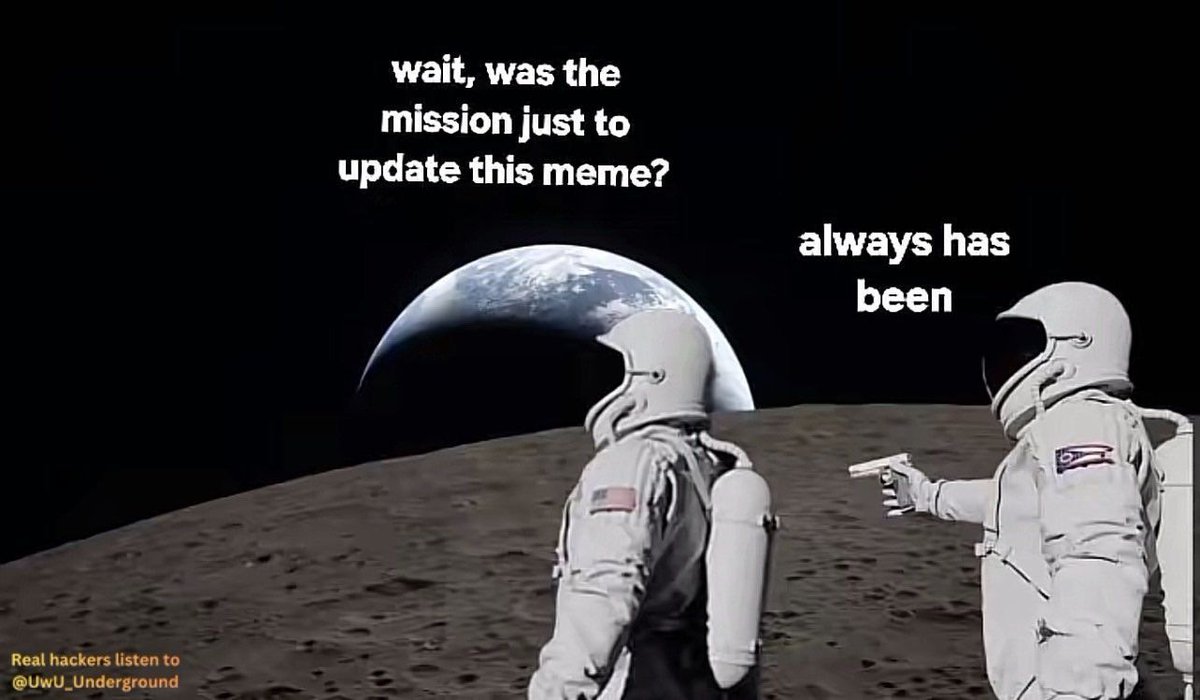
We’re living in a black mirror episode.
Apr 23

NEW: AI startup unveils "anti-Grammarly" tool that adds typos & grammatical errors to emails to make them seem human-written.
27
1,167
8,995
624,972

kevin_delgado retweeted

Apr 10
Every 6 months i realize how dumb i was 6 months ago
127
7,895
56,363
647,648
kevin_delgado retweeted

Apr 9
you have zero control over how people perceive you, so you might as well just be the person you want to be anyway.
77
4,918
19,103
319,191


kevin_delgado retweeted

These two photographs are separated by only 66 years.
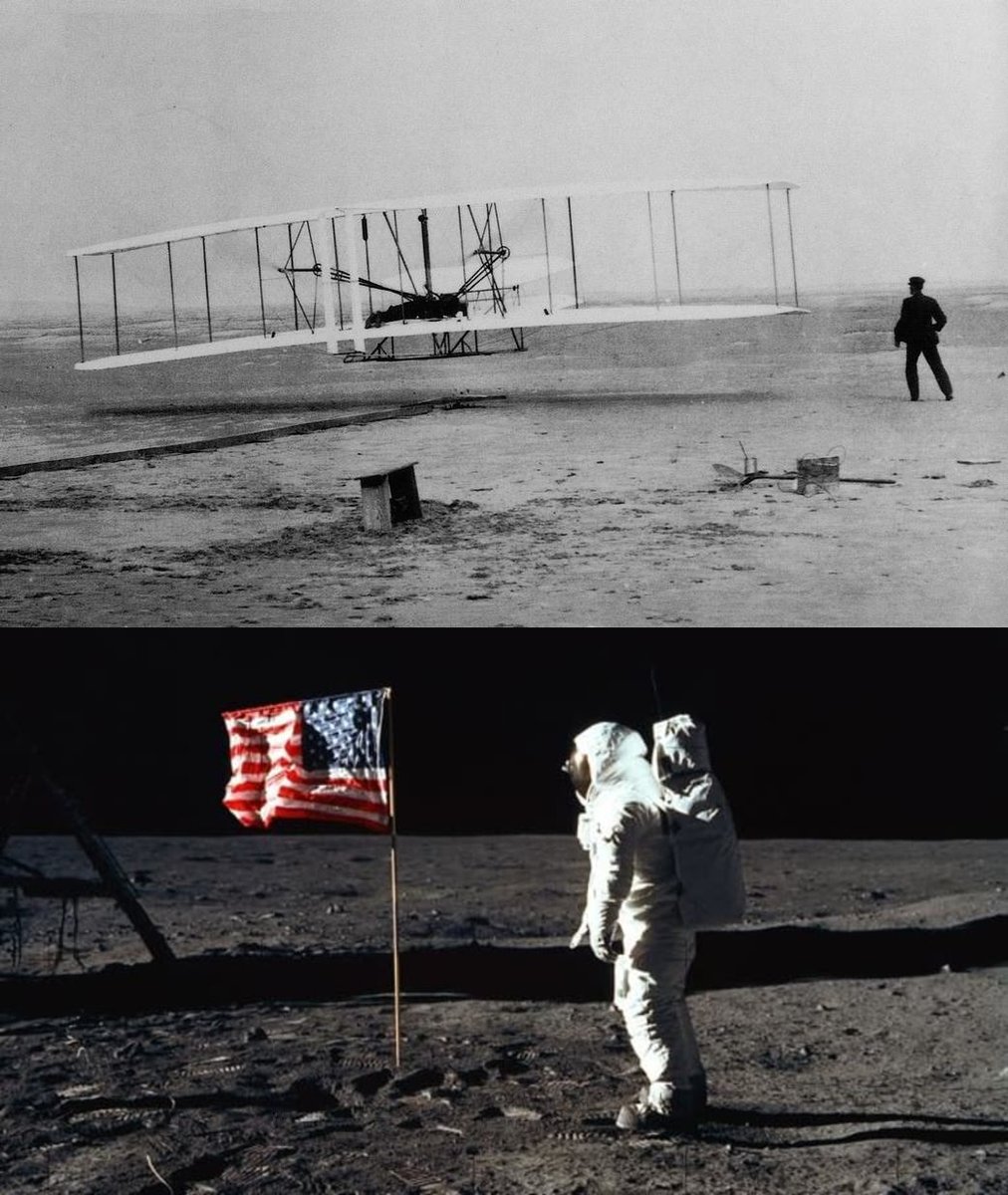
ALT Top (17 December 1903) – The Wright brothers’ first successful flight of the Wright Flyer at Kitty Hawk, North Carolina. Bottom (20 July 1969) – Astronaut Buzz Aldrin standing beside the U.S. flag on the lunar surface during an Apollo 11 EVA.
1,156
2,725
16,098
52,645,899
kevin_delgado retweeted

Mar 20
"Every creature in the universe, every bird in the trees, every fish in the seas, has to live with scarcity, maximizing use of scarce resources."
"The only creature who doesn't do that, is the politician, because he's always using someone else's money."
120
1,978
16,440
401,487
kevin_delgado retweeted

Mar 16
A pattern I've caught in myself more than once: the advice I give most passionately is almost always the advice I most need to take. Pay attention to what you tell others. It's usually a direct message from the part of you that's been trying to get your own attention.
68
280
2,034
39,830
kevin_delgado retweeted

Mar 13
Went down the rabbit hole on this one. Your brain burns 20% of your body's total energy. It weighs 2% of your mass.
Per gram, it costs 10 times as much to run as muscle. And it barely changes its energy consumption whether you're solving calculus or staring at a wall. A focused mental task increases brain energy use by less than 5%. The difference between "thinking hard" and "doing nothing" is not how much fuel you burn. It's where the fuel goes.
When you don't give your brain a specific task, it defaults to something neuroscientists call the Default Mode Network, a set of brain regions that fire up when you're not focused on anything external. It runs your inner monologue. Rehashes old conversations. Simulates future arguments you'll probably never have. Replays embarrassing moments from 2014.
A 2010 Harvard study tracked 2,250 people via a smartphone app, pinging them at random moments to ask what they were doing and thinking. Result: our minds wander 47% of our waking hours. Nearly half your conscious life, your brain is somewhere else. And the people whose minds wandered most were consistently the least happy, regardless of what they were doing. How often your mind drifts predicted your happiness 2x better than whatever activity you were doing at the time.
When you give the brain a goal, the entire system reorganizes. The prefrontal cortex takes over, activating your brain's reward and motivation pathways. A 2022 Nature Communications study found that goal-relevant information enters through the prefrontal cortex, triggers dopamine neurons, and creates a self-reinforcing motivation loop. Your brain literally rewards itself for pursuing something meaningful.
A 2026 review in Frontiers in Behavioral Neuroscience found that flow states, those moments of complete task absorption, partially quiet the Default Mode Network. Less DMN activity meant less self-evaluation, less rumination, and lower anxiety. A twin study of over 9,000 people found that people who experienced flow more often had lower rates of depression, anxiety, and roughly 4% lower risk of heart disease, even after controlling for genetics.
The longevity data makes it real. A 2022 Harvard study tracked 13,000 adults aged 50 for 8 years. People with the strongest sense of purpose had a 15.2% mortality rate over that period. Lowest sense of purpose: 36.5%. More than double. The effect held across race, ethnicity, and gender. A separate meta-analysis of 136,000 people found that a strong purpose was linked to a 17% lower risk of death from any cause. Purposeful people were 24% less likely to become physically inactive and 33% less likely to develop sleep problems.
Dan Koe compressed a lot of neuroscience into one sentence. The brain doesn't idle when you don't give it a goal. It defaults to a mode that burns the same 20 watts but points them inward, toward rumination and anxiety. Give it a direction, and those same watts start building motivation loops, quieting your inner critic, and apparently adding years to your life.
Mar 13

Your brain works against you until you give it a meaningful goal to wire itself around.
40
854
5,448
331,387


Mises obliterated the entire socialist project in 1920 with one devastating insight: "Where there is no free market, there is no pricing mechanism; without a pricing mechanism, there is no economic calculation." The socialists spent the next century pretending this problem didn't exist while their economies collapsed around them.
And yet here we are, watching politicians promise they can "fix" healthcare, housing, and energy markets through central planning. They can't even calculate the cost of their own programs correctly — how exactly are they going to allocate resources across an entire economy?
Every Venezuelan breadline, every Soviet grain shortage, every Chinese famine was just Mises being proven right in the most brutal way possible. But sure, let's try democratic socialism this time. What could go wrong?
681
5,120
23,672
44,829,101
kevin_delgado retweeted

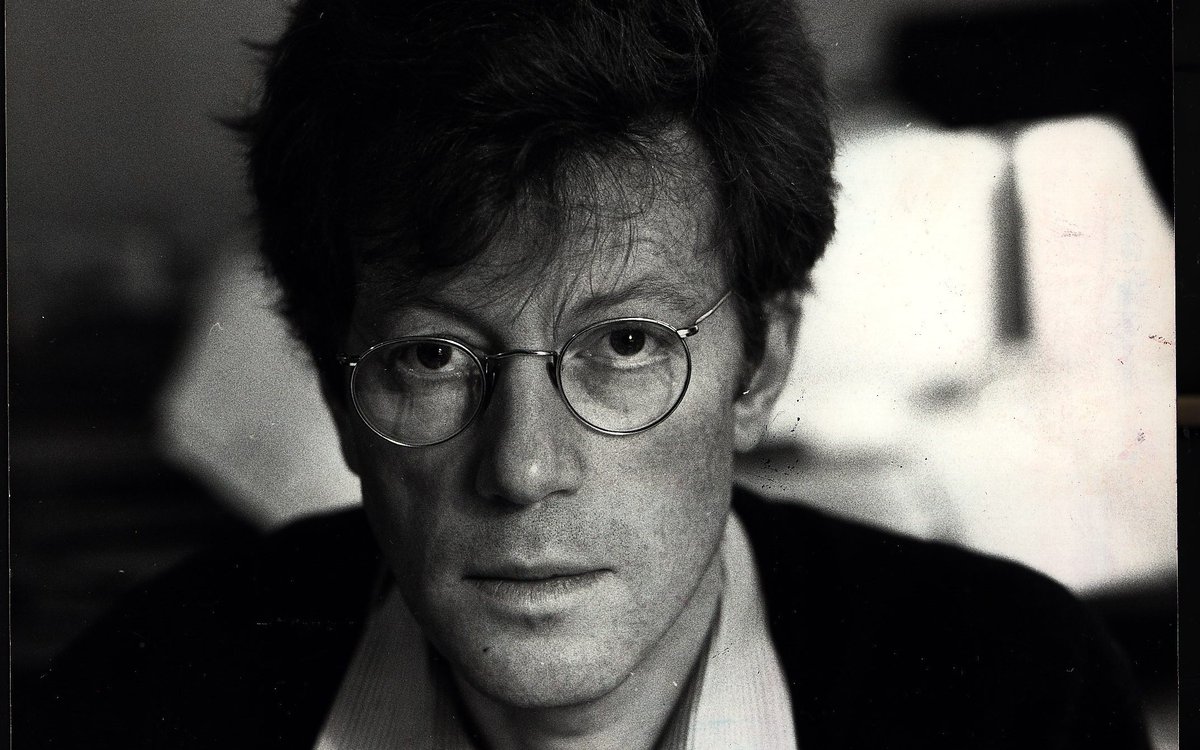
“Intellectuals are naturally attracted by the idea of a planned society, in the belief that they will be in charge of it.”
—Roger Scruton
159
1,788
10,287
166,023
kevin_delgado retweeted

Feb 23
*opens instagram *
yep, everyone's life is still better than mine
*closes instagram*
*opens twitter*
ah yes. my fellow specimens.
402
18,410
199,945
2,022,755

kevin_delgado retweeted

Feb 16
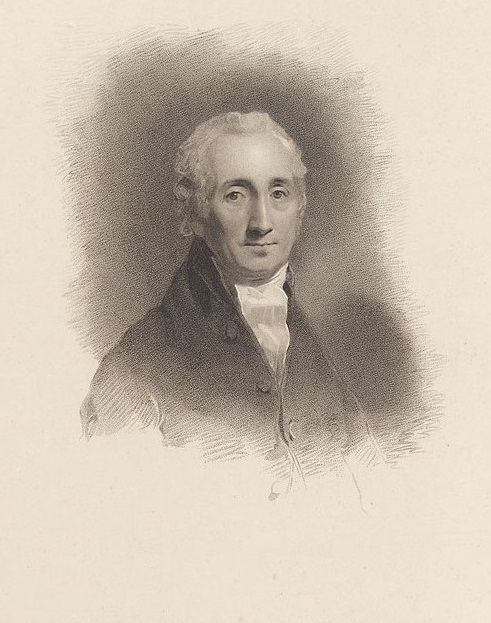
Andrew Fraser Tytler writing in the 1780s:
“A democracy cannot exist as a permanent form of government. It can only exist until the voters discover that they can vote themselves largesse from the public treasury. From that moment on, the majority always votes for the candidates promising the most benefits from the public treasury with the result that a democracy always collapses over loose fiscal policy, always followed by a dictatorship.
The average age of the world's greatest civilizations has been 200 years. These nations have progressed through this sequence: From bondage to spiritual faith; From spiritual faith to great courage; From courage to liberty; From liberty to abundance; From abundance to selfishness; From selfishness to apathy; From apathy to dependence; From dependence back into bondage.”
162
1,216
3,047
113,951