
My life is a seed and I will continue to sow it 🌱 Coach @DCM Serve @perrypaysX #perrypayssuperstarcup #CFC God 1st 💯
Joined October 2010
- Tweets 10,841
- Following 649
- Followers 651
- Likes 31,266
255 Photos and videos



Kelvin O Ogaga retweeted

14h
I Never Saw The Report That Led To Senator Natasha’s Suspension - Kingibe
I was at a retreat with Senator Adams Oshiomhole when I heard about the report. I had earlier stated that I was there with three or four other senators who are members of the committee. We attended the Committee on Petitions and Public Complaints, signed the attendance register, and I later left for the tax reform retreat, which I considered more important at the time.
Senator Ireti Kingibe, FCT Senatorial District, ADC
33
98
313
62,330
Kelvin O Ogaga retweeted

Jun 17
I listened to the full 1hr 22min interview with @PeterObi yesterday and I am more than convinced on why he is a major threat to many career Nigerian politicians.
Man is willing to demonstrate an unwavering commitment to end hunger, poverty, insecurity and corruption. Bear in mind that Nigeria is largely preoccupied by state capture and a gang of political thieves who will do whatever in their capacity to keep Nigeria the way it is at the moment.
Peter Obi represents a new order, a total departure from transactional politics, contract inflations, budget padding and will gladly lay down his life to see that Nigeria is steered towards a new trajectory of hope. As young people, we must continue to demand and fight for a better Nigeria for us all. We have been largely shortchanged in the project called Nigeria and today, we say "NO MORE"
Nigeria will be great in my lifetime.
96
965
2,125
23,111
Kelvin O Ogaga retweeted

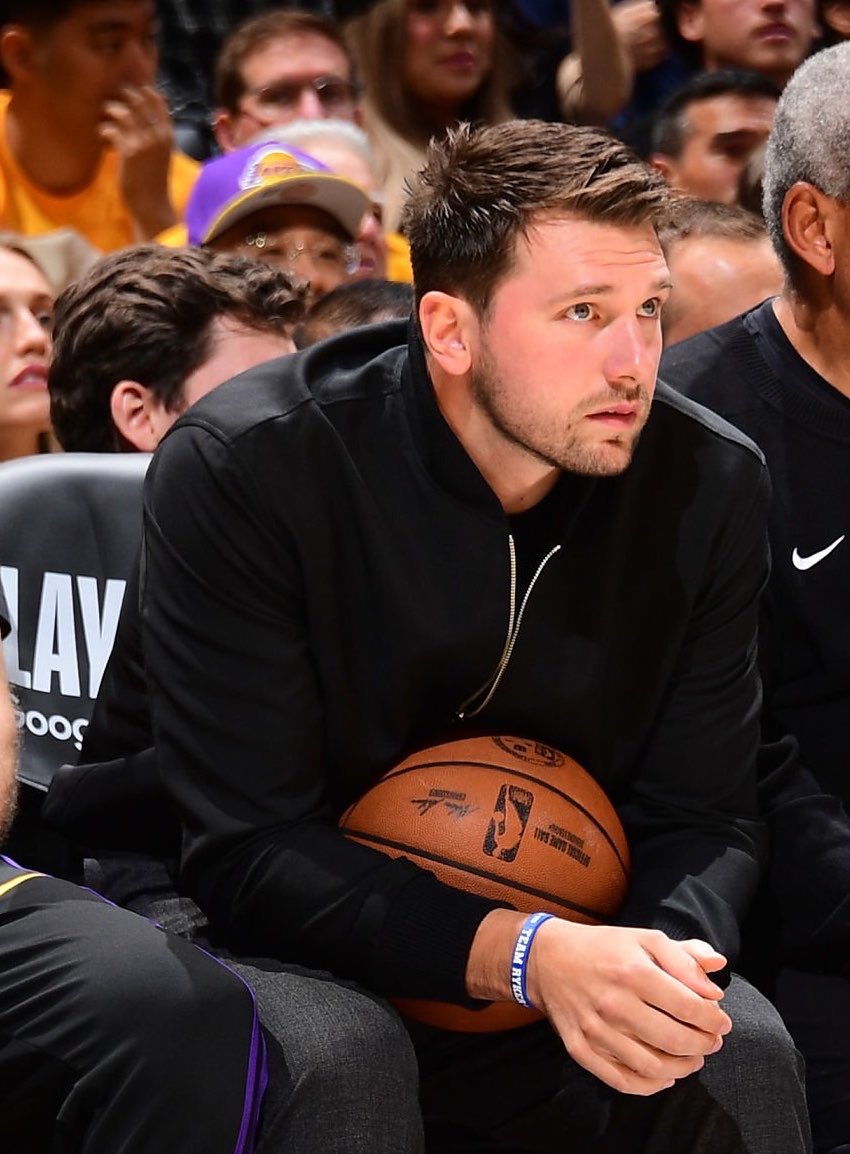
Luka Dončić says he wants shooters and a big man he can run pick-and-rolls with 👀
“I think mainly shooters and a big man who can run the pick-and-roll and jump so I can pass to him. If I have shooters, they won’t double me as much, and it helps me out. I think I always need shooters around me because I usually get double-teamed a lot, so I think I need shooters—and some centers who can jump high and block shots.”
(Via essentiallysports.com/nba-ac…)
512
467
10,524
1,044,076
Kelvin O Ogaga retweeted

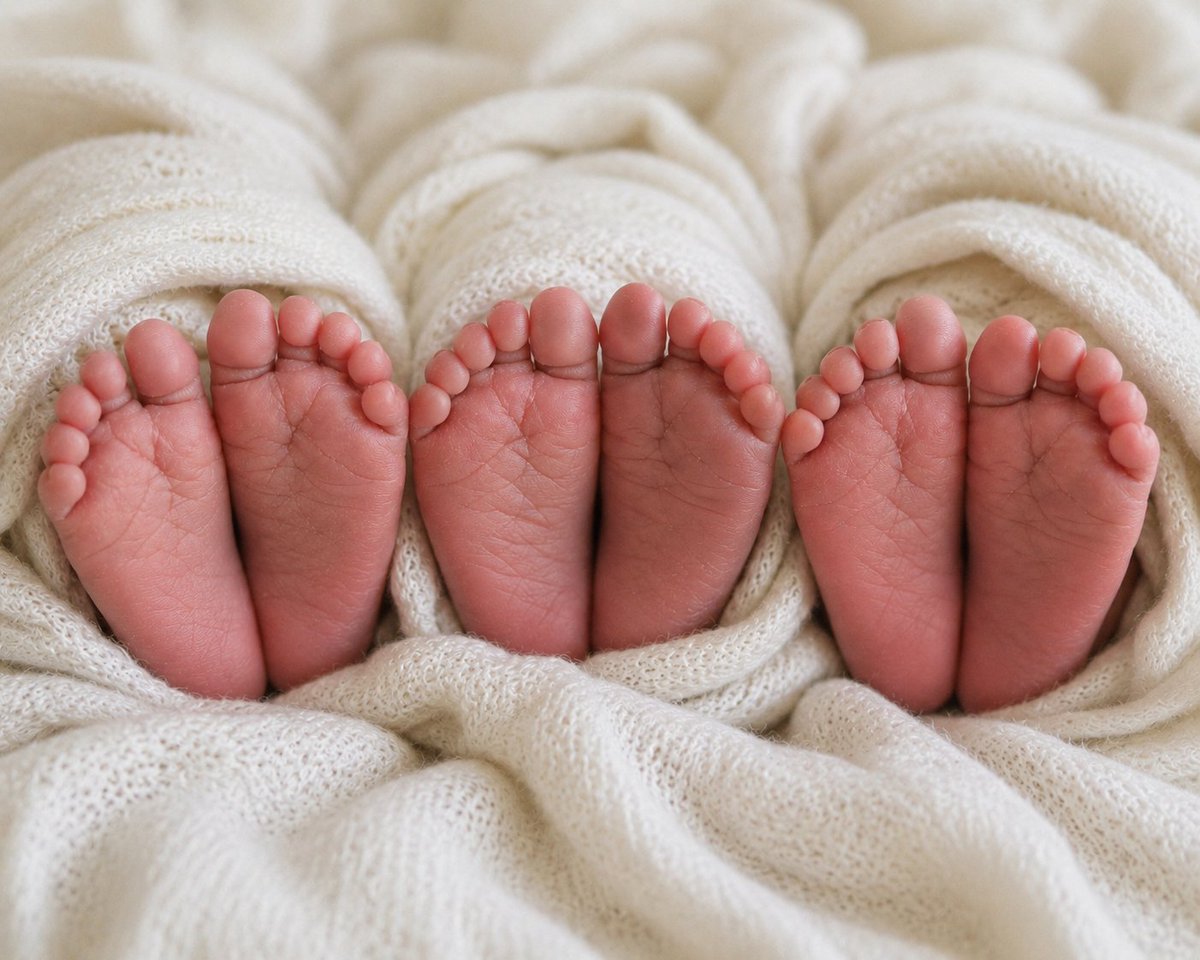
I pushed not just 1 but 3 babies overnight, 3kg, 3.5kg and 4kg, all boys don't be stingy with your congratulations 💃💃💃🏿💃🏿💃🏿💃🏿
I survived the labour room
3,490
2,763
32,243
432,355



Kelvin O Ogaga retweeted

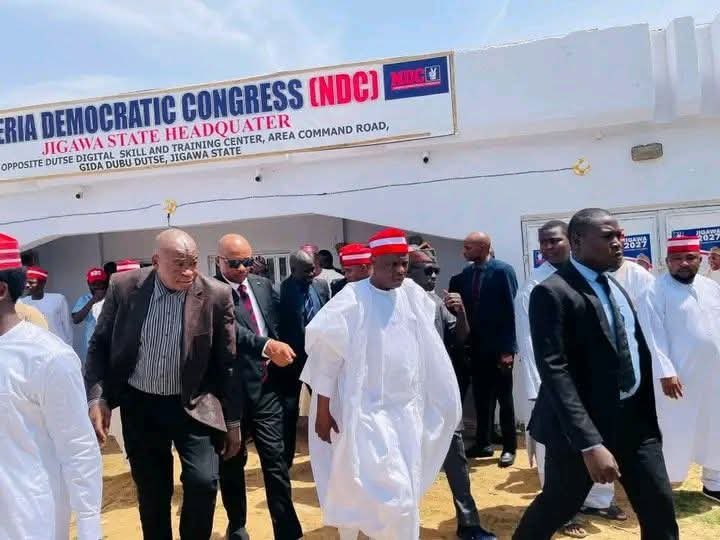
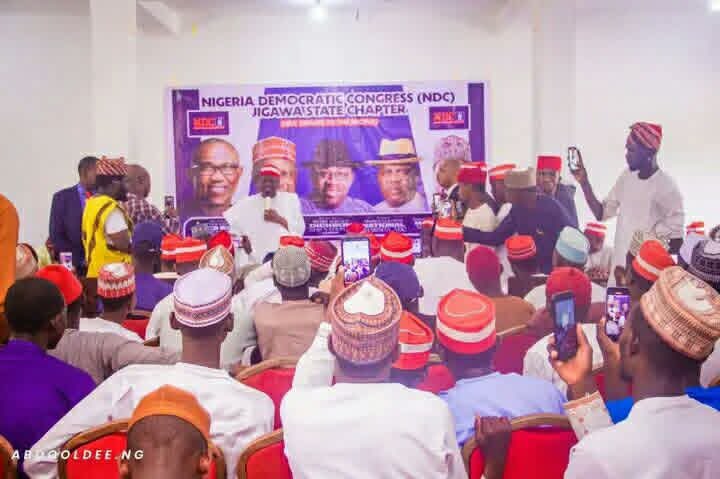
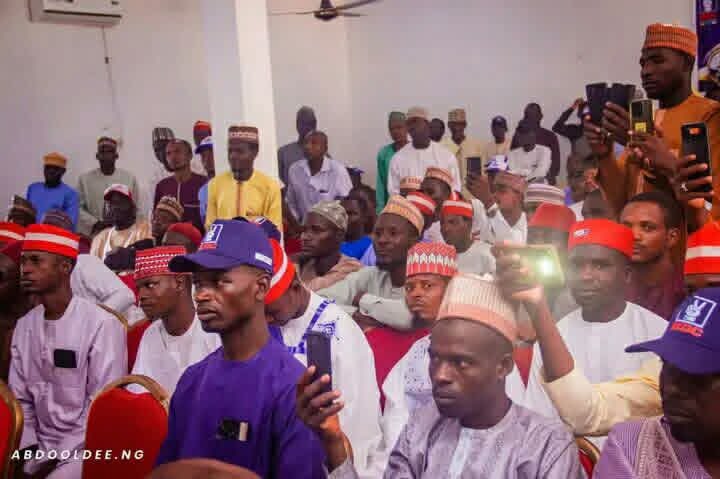
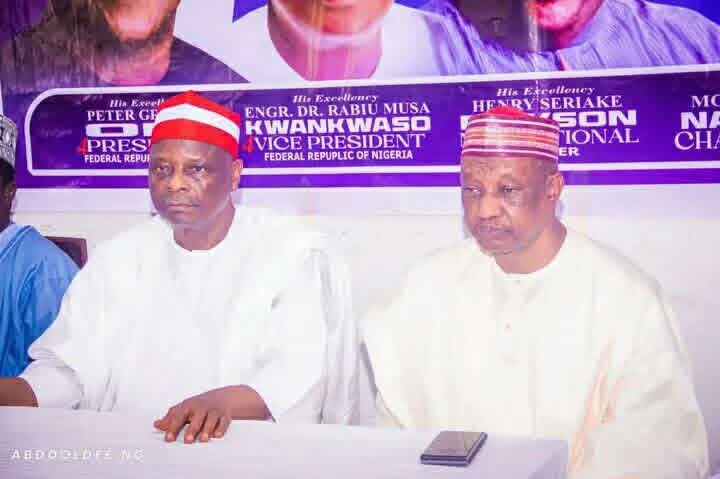
BREAKING: NDC Vice Presidential Candidate, Sen. Rabiu Kwankwaso, arrived Jigawa State to mobilize support for Peter Obi and the NDC.
13
440
1,785
18,179
Kelvin O Ogaga retweeted

Jun 17
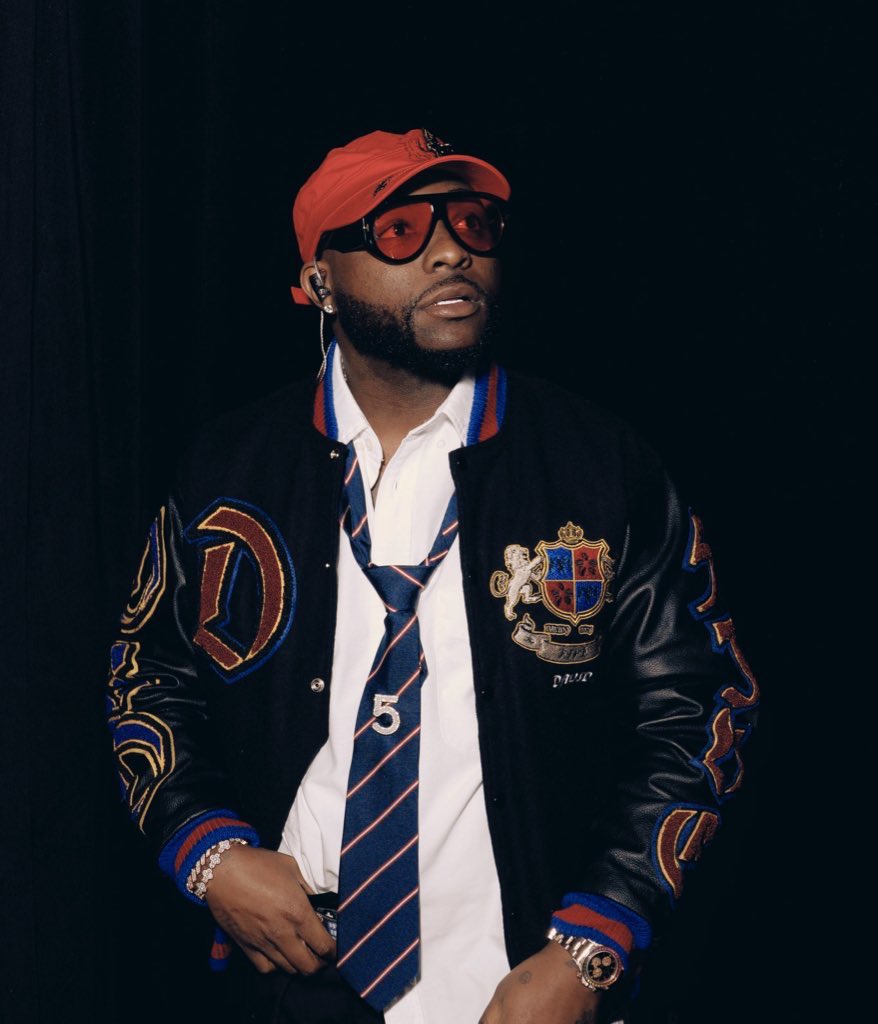
Dear @davido;
This donkey does not in anyway represent the people of the north, we from the north and Nigeria in particular really commend what you did and will be willing to support you on this cause.
Don't bother yourself with the opinion of this donkey, we will deal with him from here.
Best regard;
A fan, and a patriotic citizen.
Thank you.

216
1,055
5,384
299,856
Kelvin O Ogaga retweeted

I will humbly beg to interview the following candidates
Mr President (Bola Tinubu)
Alh Atiku Abubakar
Donald Duke
Mr Omoyele Sowore
Mr Adebayo
Mr Goodluck Jonathan
Gov Seyi Makinde
Add to the list and pardon me for any omission
I thank Mr Peter Obi for his interview
1,704
5,459
21,591
406,550
Kelvin O Ogaga retweeted

Jun 17
Joy is coming by Fido it is!
💃🏽💃🏽💃🏽💃🏽🎊🎉🥳🥳🥳
Get your dancing shoes ready!!!
Jun 12

My people, what song will we be using for the 2027 presidential election?!
Bandana by Asake and Fireboy DML was so apt for the 2023 presidential election
💃🏽💃🏽💃🏽
46
148
857
23,485
Kelvin O Ogaga retweeted

Jun 17
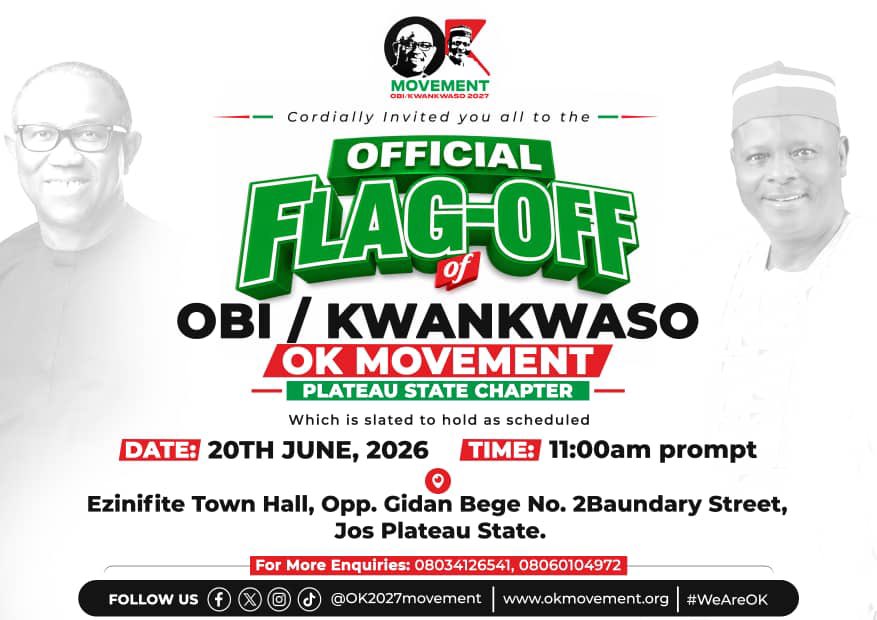
OK Movement invites all supporters and members of the public to the Official Flag-Off of the OK Movement, Plateau State Chapter.
Date: 20th June, 2026
Time: 11:00 AM Prompt
Venue: Ezinifite Town Hall, Opp. Gidan Bege, No. 2 Boundary Street, Jos, Plateau State.
Come and be part of this historic gathering as we continue to build a people-driven movement for a better Nigeria.
Nigeria Will be OK!
12
425
979
9,937
Kelvin O Ogaga retweeted

7 Oct 2025
And If you don’t have naira, no worries 😌.
Trade your crypto and Giftcards for Naira using perrypays.co for fast payments ⭐️🌍
19 Aug 2025

Uniform is ready !!! “GehGeh university of wisdom and understanding ☝️☝️🏧
Dm @PerrypaysX on IG to get yours
1
6
9
1,130
Kelvin O Ogaga retweeted

Jun 17
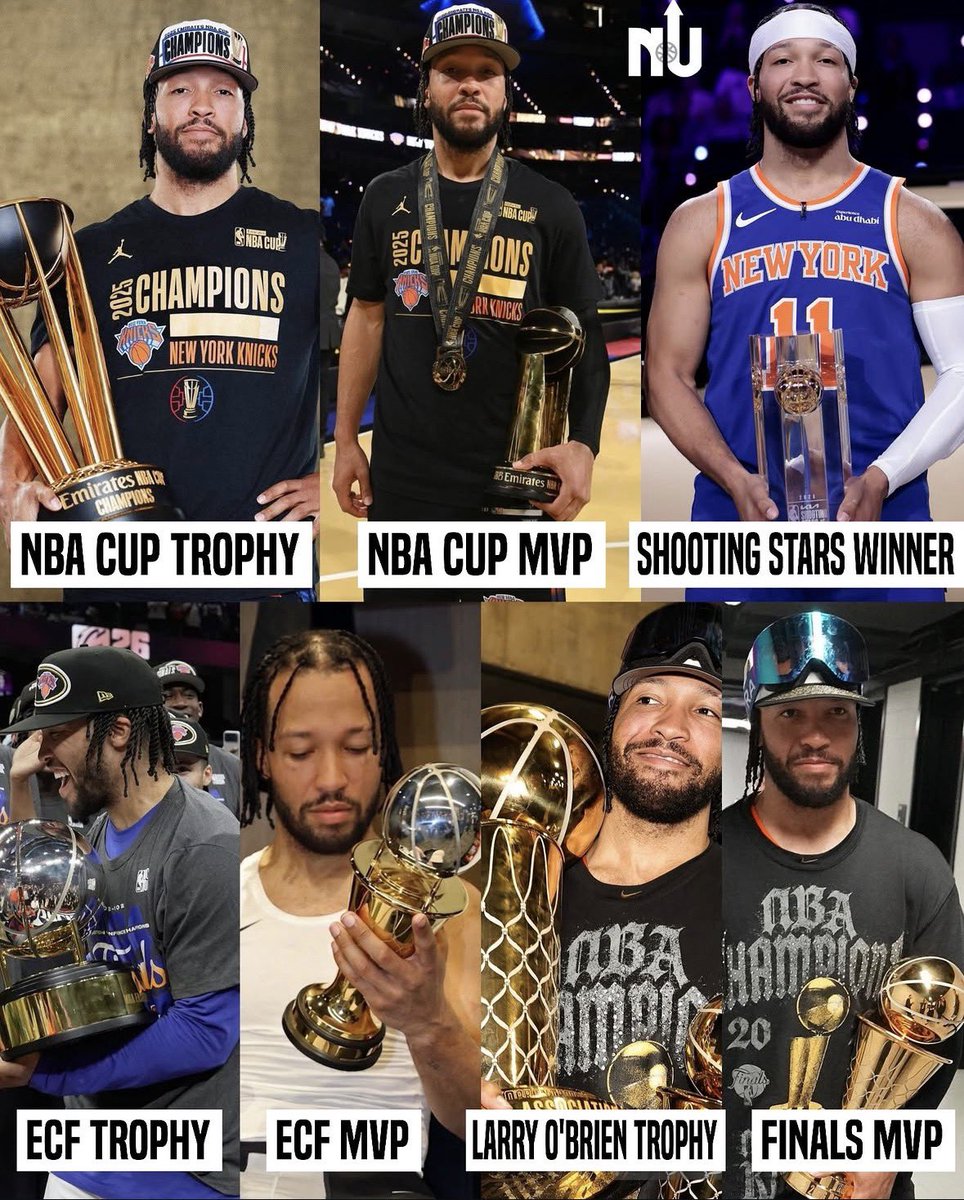
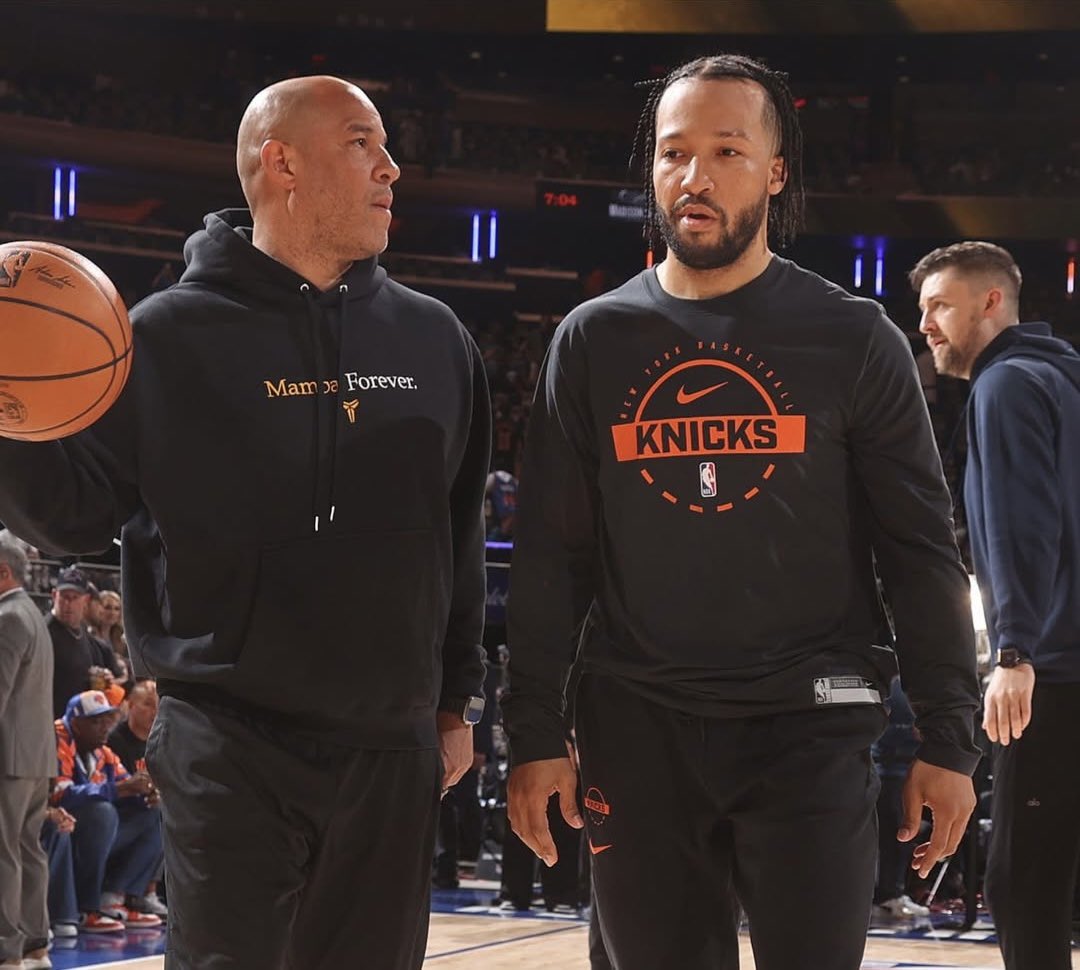
Jalen Brunson is a naturally born righty but his father (Rick) trained him to be a lefty to have an advantage at the highest level
(h/t @OwnHimBrunson)
72
256
7,067
470,586

Please take time to read this
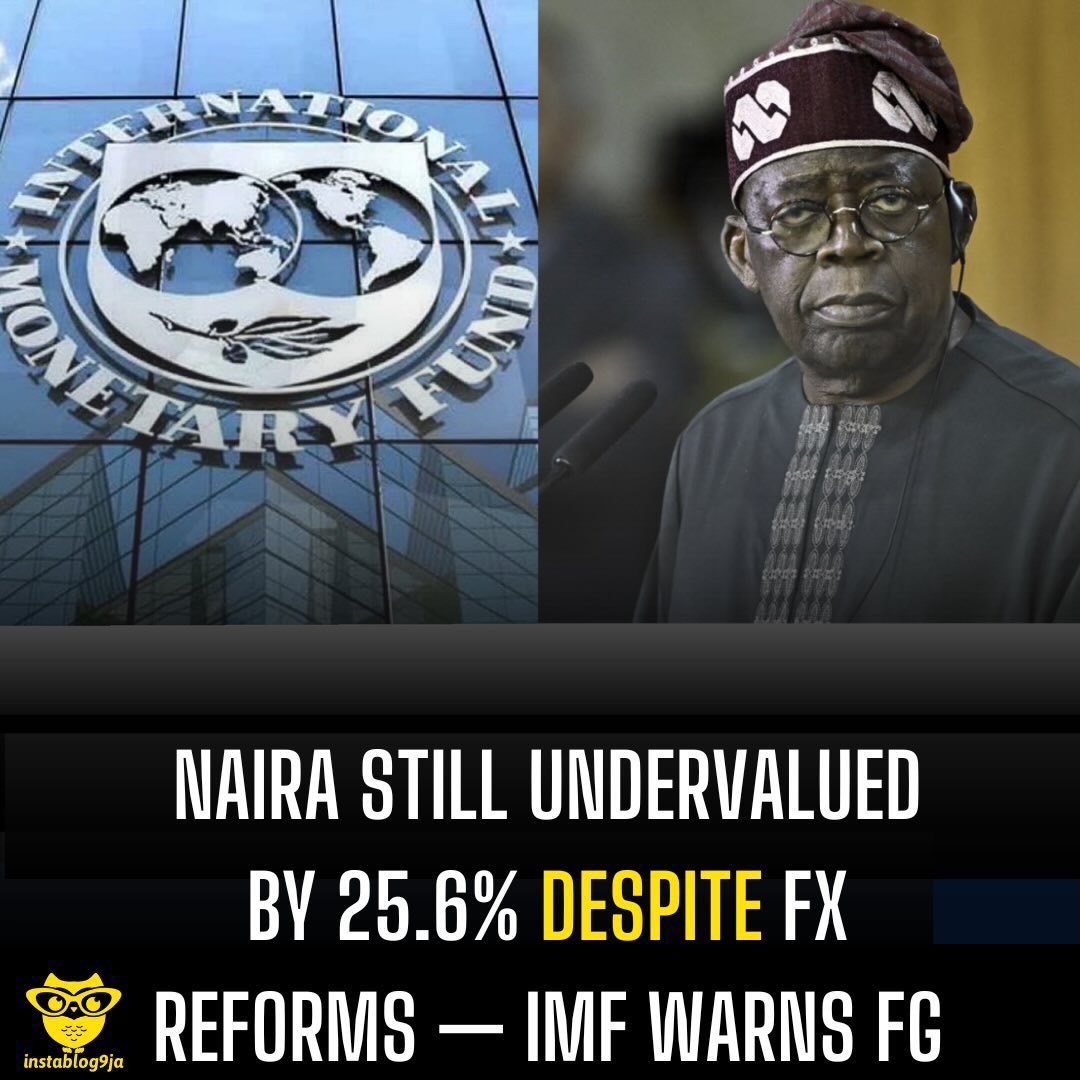
The IMF just said the naira is still undervalued by 25.6%. Let me break this down with actual mathematics so nobody can tell you this is opinion.
The IMF says based on Nigeria’s economic fundamentals, the naira should be trading at N1,131 to the dollar. The official rate today is N1,356 to the dollar. The difference is N225 per dollar. That is not a small gap, it is a 19.9% overcharge on every single dollar transaction happening in Nigeria right now.
Let me show you what that costs real people.
A Nigerian parent paying university fees abroad of $10,000 per year is paying N13,560,000 at today’s rate. At the rate the IMF says the naira should be, that same $10,000 costs N11,310,000. That parent is losing N2,250,000 every year purely because the naira is still undervalued. That is capital that should be staying in a Nigerian household.
A business importing raw materials worth $50,000 per shipment is paying N67,800,000 at today’s rate. At the correct fundamental rate it should cost N56,550,000. The business is absorbing an extra N11,250,000 per shipment that it did not earn and cannot recover except by raising prices on you, the Nigerian consumer. That cost does not disappear. It transfers.
Now look at the bigger picture.
Nigeria’s total merchandise imports in 2024 were approximately $27 billion. At the current undervalued rate versus where the naira should be, that N225 gap per dollar means Nigerian importers collectively overpaid by roughly N6.075 trillion in a single year. That excess cost did not go to Nigerian workers or Nigerian businesses. It evaporated into exchange rate distortion while the CBN defended the rate with reserves instead of fixing the fundamentals.
Now this is the part that should make you angry.
The REER appreciated 32% in 2025. That sounds like progress. But the NEER, the actual exchange rate you see on your screen, depreciated by 5.2% in the same period. How do both happen at the same time? Because domestic inflation was running so hot that even a weakening naira looked stronger against equally weakening trading partner currencies. Nigeria did not get stronger. Everything got more expensive together and the statistics smoothed it over.
Tinubu floated the naira in 2023. Nigerians absorbed the devaluation shock. Petrol prices rose. Cost of living rose. Businesses collapsed. The promise was that the market would correct and the naira would find its true value. Three years later the IMF is saying the naira is still 25.6 percent below fair value. Nigerians paid the full price of the adjustment and received less than three quarters of the correction.
You were charged for a full surgery. The doctor only completed 74.4 percent of the operation. And he is asking for more time.
68
336
514
50,173
Kelvin O Ogaga retweeted

Jun 16
Can you point us to any video that @officialABAT you support has answered any important national questions 💁
Just one ☝️
Jun 16

Why does Peter Obi always seem to skip the most important national questions? Every time he’s asked a direct question, he diverts into lengthy narratives and ends up blaming the government instead of providing clear answers. 😆🤣
Even Rufai Oseni, who is often seen as sympathetic to Obi, appeared confused by some of his responses. Nigerians deserve straightforward answers, not endless deflections “beating around the bush”
61
282
746
35,501

"...if you know I have done anything criminal in the past this is the time to bring it out..."
~ Peter Obi on Rufai's Podcast.
".... Releasing those academic.records will do me irreparable damage...."
~Tinubu to a US Federal Court.
One is a man of Character the other is career crímínal
47
1,641
3,178
35,254
Kelvin O Ogaga retweeted

Jun 16
Rufai: Will you negotiate with bandits?
Peter Obi: In uniting the country, anybody who wants peace I will talk with him, I will negotiate with him. Anybody who wants war, we will go to war.
17
95
301
6,584
Kelvin O Ogaga retweeted

we really need to rally behind this man, please we need to fix this country and reinstall the culture of integrity, competence and transparency
Jun 16

If anyone can prove I took even 1% of Labour Party donations, I’ll stop campaigning for 2027.
— Peter Obi.
42
3,308
7,836
101,341