
Father, Husband, Coach, & Educator. Executive Director and HC @albionscriverside and HC of @ahslionssoccer. @duktig FC member. Addicted to the process. #coys
Joined November 2013
- Tweets 2,552
- Following 679
- Followers 438
- Likes 2,427
160 Photos and videos







Pinned Tweet

26 Feb 2019
That was for all of Riverside 🙌🏻💍💍
26 Feb 2019

Please help us welcome back Arlington High School's boys soccer team, who return as CIF Southern Section Division 2 champions! The Lions’ incredible victory... pe.com/2019/02/23/arlington-…
3
37
Kevin Watson retweeted

May 25
The way the players speak about De Zerbi, you’d be amazed if any of them will want to leave in the summer. He’s done so much more than keep us up. He’s made the players remember the privilege they have in playing for Tottenham Hotspur. He’s made it a place you want to be. Next season has the potential to make supporting this club a pleasure for the first time in a long time. Everyone should buy in to it. COYS
26
102
1,826
76,720
Feb 28
It’s always fascinating to see how everyone in youth soccer speaks about wanting the your game to return to the “old ways” but we continue to tip toe around it with the gatekeeper mentality as the driving force. You want simplicity- make it team based- promotion/relegation- ✅
3
3
688
Feb 28
But until we fix the gatekeeper mentality and reward teams/coaches and communities doing the correct things- then we will continue to be in this merry go round waiving at one another until one decides to jump off. The one quote I picked up was “it’s better to stand alone for the
1
1
55
Kevin Watson retweeted

Feb 12
Isaac Michaelson’s overtime goal lifts Arlington boys soccer team past Upland trib.al/K6iIGF5
1
1
188
Feb 8
My LEADER…give a war chest and the right guys. Let him bring back the magic.

1
73
Kevin Watson retweeted

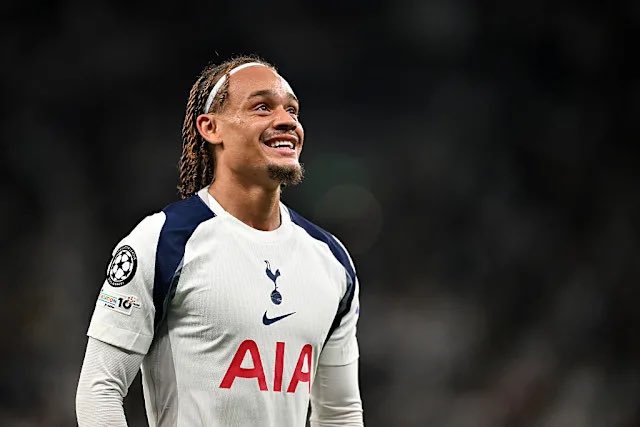
Xavi Simons has been a delight today regardless of the result. Faster feet, movement and reactions than at any point of his Spurs tenure. He’s been everywhere. A bright spark for Tottenham today. If the fans can’t get behind the manager, at least get behind their N7.
#THFC
9
19
637
16,884
Kevin Watson retweeted
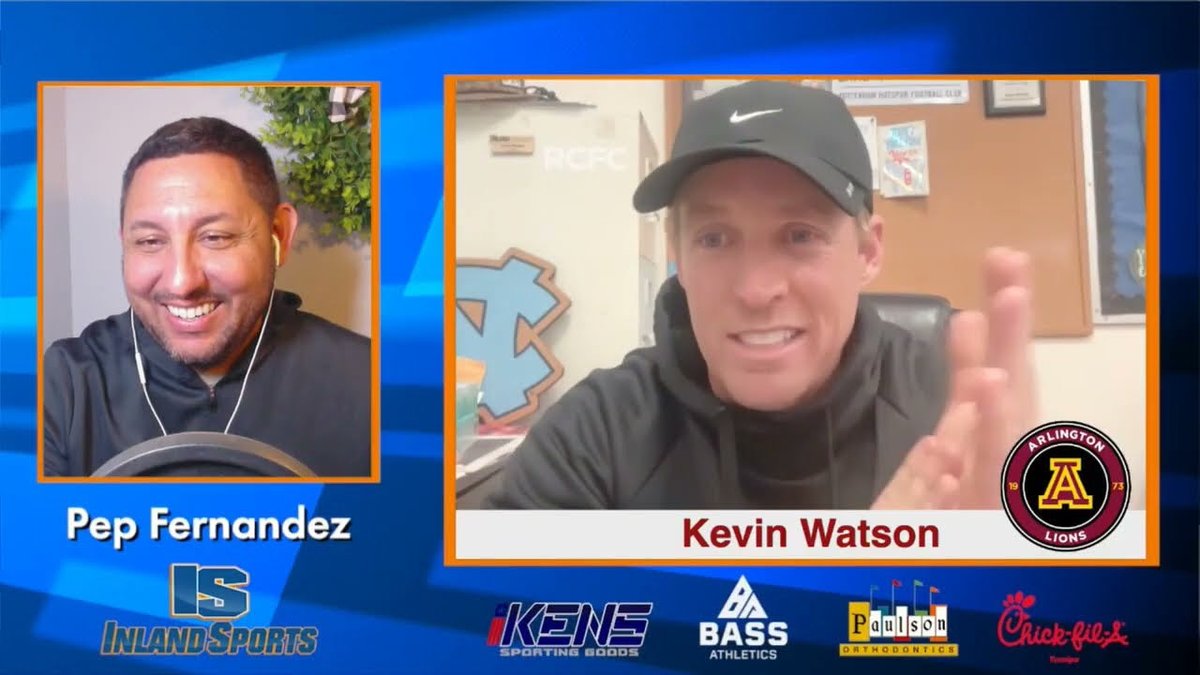
⚽️ It’s looking like another BIG season for the Arlington boys soccer team.
🦁 We’ve got coach Kevin Watson on the show tonight, which kicks-off at 7:05pm!
🔗 youtube.com/live/SmbG4Ov8gX0…
@AHSLionsSoccer
2
2
333
Kevin Watson retweeted

27 Dec 2025
⚽️ The Arlington boys soccer team (5-1) will look to bounce back from its first loss of the season when the Lions take on Mater Dei on Saturday night in a rematch of the CIF-SS Open Division Finals in 2024!
🚨 It’s a Ken’s Sporting Goods “Must See Game” this week!
@KensSptGoods

1
3
455
Kevin Watson retweeted

26 Oct 2025
Both had outrageous performances, yet they're still pushing each other to be better—holding each other accountable and demanding more🔥
17
150
5,756
156,577
29 Aug 2025
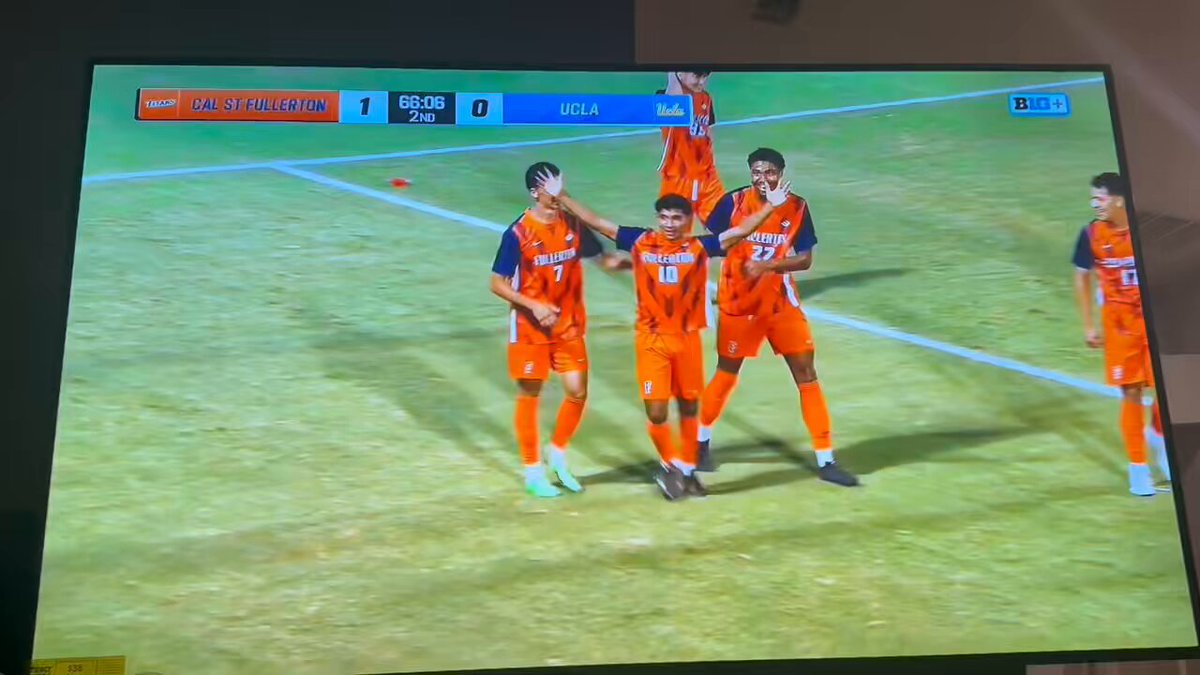
What a goal from ALBION Riverside alumnus Jose DeLaTorre tonight v UCLA. Mind you….this is the same kid that schools said was not “athletic enough or too small” through the recruitment process.
#collegesoccer
#cityofriverside
9
956
Kevin Watson retweeted

23 Aug 2025
The heart of Los Angeles – Happy Birthday, Kobe 💜

463
16,657
72,153
2,673,995


Kevin Watson retweeted

14 Aug 2025
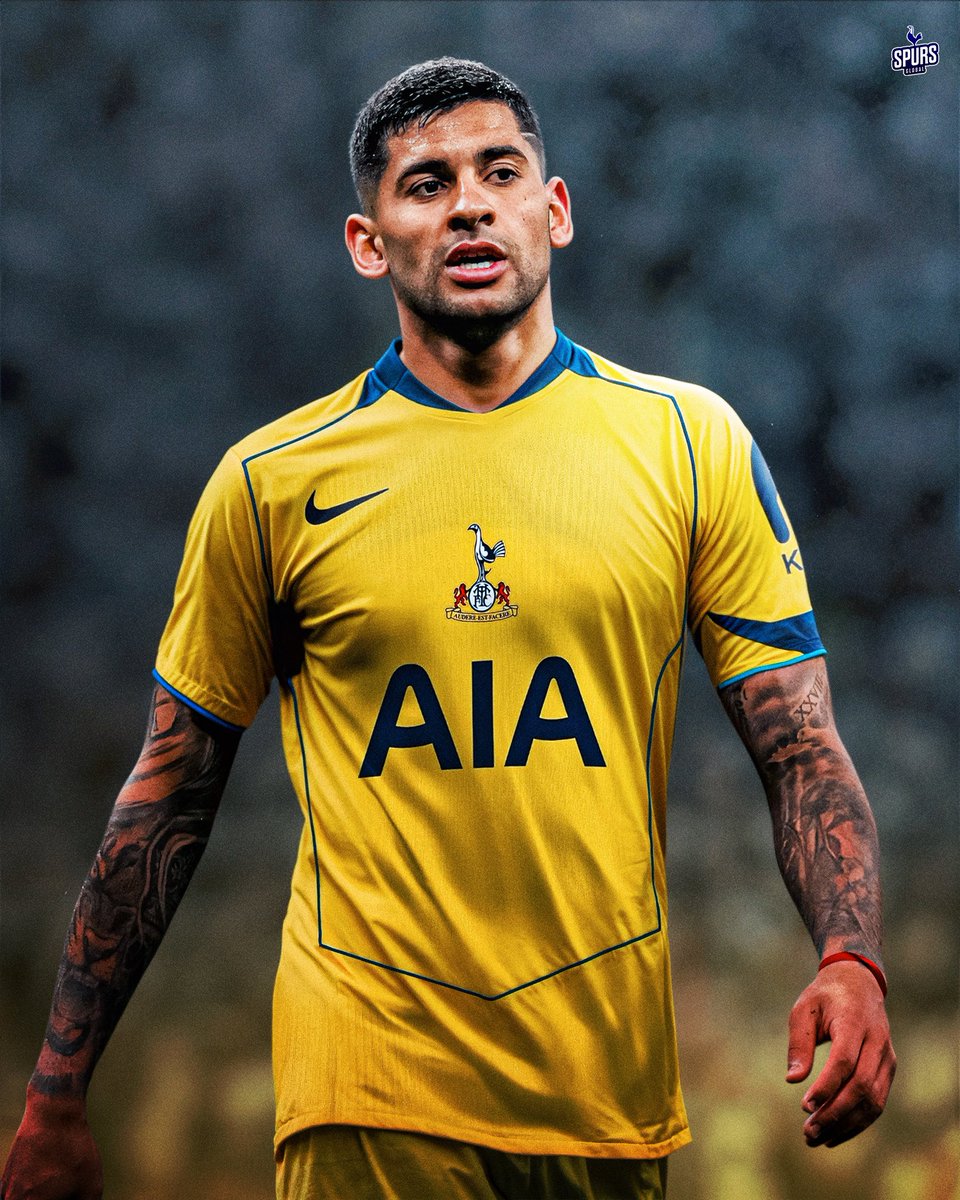
Here’s a look at Tottenham’s 𝐋𝐄𝐀𝐊𝐄𝐃 third kit for the upcoming 2025/26 season… 🟡👀
88
92
4,063
239,122
Kevin Watson retweeted

14 Aug 2025
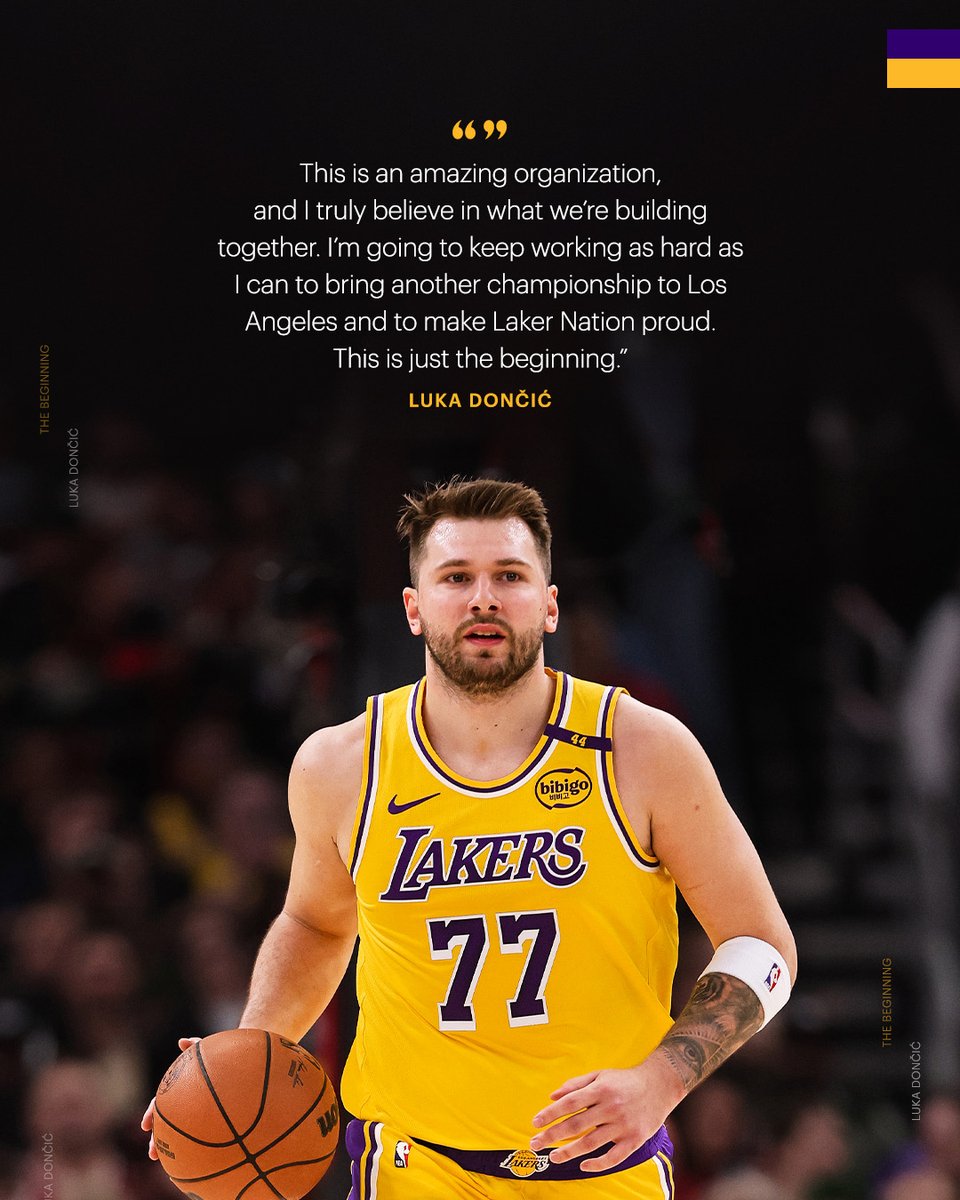
This is by far the greatest Premier League edit I have ever seen.
🎥: JunjaCreates
401
8,253
43,552
2,916,735
Kevin Watson retweeted

18 Jul 2025
🚨Thomas Frank has outlined his principles of what he expects to see from his Tottenham Hotspur players:
🗣️"I’m very clear in my principles. I want to see the team be brave, aggressive and attack.”
🗣️”Brave is linked to Dare is to do. If you are not brave, it is very difficult to achieve anything.”
🗣️”Being aggressive is very important and, of course, we need to attack."
👨🏻💻[@AlasdairGold]
#THFC | #COYS | #TOTTENHAM | #SPURS

1
7
45
9,147
Kevin Watson retweeted

15 Jul 2025
Fragmented Soccer, Fragmented Government:
The landscape of youth soccer in the United States is a reflection of the country’s broader cultural and political dysfunction. Multiple competing leagues—USYS, ECNL, MLS Next, AYSO, and others—vie for players, prestige, and control, often duplicating efforts and creating confusion for families. Rather than working together toward a unified vision for player development, these organizations prioritize self-preservation, branding, and short-term gains. As a result, talent is siloed, access is unequal, and the sport’s potential is limited.
This mirrors the U.S. political system, where partisan gridlock, turf wars, and special interests often override national interest. Like rival youth soccer associations, government factions operate in silos, more focused on winning the next election—or policy battle—than solving long-term issues.
Coordination, compromise, and collective progress become nearly impossible.
In both cases, the core issue is a lack of alignment and shared purpose. Just as soccer development suffers without a national framework and a unified grassroots philosophy, governance struggles when institutions and leaders fail to act with a common goal in mind.
Sport mirrors culture. And in the U.S., both soccer and politics reveal a deep-rooted challenge: too many agendas, not enough unity.
6
7
41
4,246