
Photos and videos
Khit Tik retweeted

Jun 6
This pixar-style animated Hollow Socks edema ad has been printing as the #1 top-performing creative because it took an invisible internal problem and turned it into a horrifying cartoon villain trapped inside your own legs that you actively want to defeat.
Plus the fact that it's still scaling in the compression sock space (which is a category buried under decades of boring medical-catalog marketing) tells me the underlying psychology is so dialed in that the algorithm just keeps feeding it new audiences without burning out.
(If you're interested in making pixar-style animated ads like this, DM me 'PIXAR')
Initially, the hook of this ad makes the invisible enemy visible.
"....compression socks can't even touch me" said by a smiling, watery blue fluid villain dancing inside someone's leg.
Unlike some generic "improve your circulation" yapping, this is the entire problem most compression brands struggle with, solved in 3 seconds.
And the people who see this hook are:
⦁ Already dealing with daily leg swelling
⦁ Already frustrated by compression socks that don't work
⦁ Already aware something is wrong but can't see what's happening inside
If you've ever taken off your shoes at noon because your feet stopped fitting, you're stopping your scroll right here.
This is textbook problem-aware messaging for an INVISIBLE problem, which is the hardest thing to pull off in the medical-adjacent space.
Then, they do something most brands are too scared to try.
They take down the competitor category by name.
⦁ Traditional compression socks (so tight you need help getting them on)
⦁ Medical-catalog gear (looks like you belong in a hospital)
⦁ Cheap drugstore options (give up by noon, no real graduated compression)
Why does this work so well?
Because it's:
⦁ Specific (real products people have already wrestled with)
⦁ Empathetic (you weren't lazy, the products were unusable)
⦁ Educational (here's why what you've been doing couldn't work)
Where most brands say "we're more comfortable than the rest" and nobody believes them,
These guys are saying "here's exactly why what you tried before made you give up" and that's a completely different conversation.
This is the "throw rocks at their enemies" framework executed at the highest level and that builds insane trust before you've even seen the product.
It also introduces a brand new mechanism.
Graduated drainage flow.
This is the epiphany bridge.
You're shifting the entire conversation from "squeeze your legs harder" to "actively move the fluid upward" and now they're the only ones showing that solution visually.
That's how you escape the compression commodity trap.
Another thing is the product is personified as a HERO, not a feature list.
⦁ Smiling sock character fighting the swelling for you
⦁ Glowing blue arrows pushing blood back toward your heart
⦁ Baby alpaca fibers from Peru wrapping around tired legs
⦁ A child easily sliding the sock onto an adult foot
Instead of just listing mmHg numbers and material specs like every other compression brand, these guys are SHOWING the sock doing the work.
When you watch a smiling sock physically shove the fluid villain out of your leg, your brain stops asking "does this work?" and starts asking "where do I buy this?"
This is also why the retention rates on this video are crushing.
Every 2-3 seconds there's a new character, a new action, a new visual.
Your dopamine doesn't have time to drop.
You can't scroll because you want to see what happens next.
Then they drop a sniper-level pain callout.
"Your shoes stop fitting by noon." - a hyper-specific daily humiliation that people with actual edema experience.
When you describe someone's exact physical reality better than they can describe it themselves, their brain automatically assumes you have the solution.
Another upside is, the back-end conversion mechanics are airtight.
⦁ Slides on without help (removes the "I need someone to help me put them on" objection)
⦁ Looks like normal dress socks (kills the "I don't want to look medical" stigma)
⦁ Baby alpaca fiber from Peru (turns a feature into a sensory fantasy of soft, cool relief)
By the time you hit the landing page, every objection has been pre-handled inside the creative itself.
That's why the conversion rate stays high.
It's built for cold traffic too.
This ad works on people who've never heard of Hollow Socks because:
⦁ Visualizes a problem they couldn't see before
⦁ Validates every failed thing they've tried
⦁ Introduces a completely new mechanism (active graduated flow)
That's why it scales without burning out.
It's not dependent on brand recognition as the creative does all the heavy lifting.
So what should you steal from this?
If you're selling any medical-adjacent or comfort-based product:
- Personify the problem (give the invisible suffering a face)
- Take down the competitor category by name (with real-life frustration, not just bashing)
- Introduce a new mechanism the category isn't using yet
- Show the product as a HERO doing the work, not a list of features
- Use hyper-specific daily-life pain callouts (the shoes, the noon mark, the giving up)
- Stack ease-of-use stigma removal sensory fantasy on the back end
- Build retention with a new character every 2-3 seconds
- Stop running boring "happy senior in a park" creative
If your medical or comfort ads are still showing models stretching outdoors and listing technical specs in bullet points, you're getting destroyed by ads like this that turn the problem into a movie villain and your product into the hero that defeats it.
This ad works because it doesn't sell a sock.
It sells a story where the buyer is the protagonist who finally figures out why nothing else worked.
That's why it keeps scaling as a top converting ad.
29
11
166
18,914
Khit Tik retweeted

May 22
ai inside-the-body ads are turning boring health angles into scroll-stoppers
none of these feel like normal ads
that’s exactly why they work
a muscle fiber with a face
a trapped tissue character
a hidden body problem turned into a scene
weird enough to stop the scroll
simple enough to understand in one second
then the health story becomes visual
the symptom becomes a character
the pain point becomes a scene
the mechanism becomes something people can actually see
this is why these formats work so well for health, supplements, pain relief, male health, and wellness offers
i put together the best inside-body ai ad examples prompt structure behind them
rt comment "bodyads" and i’ll send it
(follow for dm)
21
18
44
2,771
Khit Tik retweeted

Apr 19
$55k–$140k/month offers are leaning into visuals like this
not ugc
not influencers
not talking head explanations
just ai problems turned into characters
irritation screaming
buildup spreading
pressure and heat visualized clearly
you don’t need context
your brain understands instantly
that’s what makes people pause
it looks strange… but extremely easy to process
every clip follows a simple structure
show the pain point
turn it into something visible
show relief happening in real time
same visual style reused across dozens of angles
scalp issues, skin problems, inflammation, stress signals
one core idea → endless variations weekly
simple, visual, easy to test at scale
rt comment “visuals” and i’ll send the breakdown
(follow for dm)
70
44
147
11,255
Khit Tik retweeted

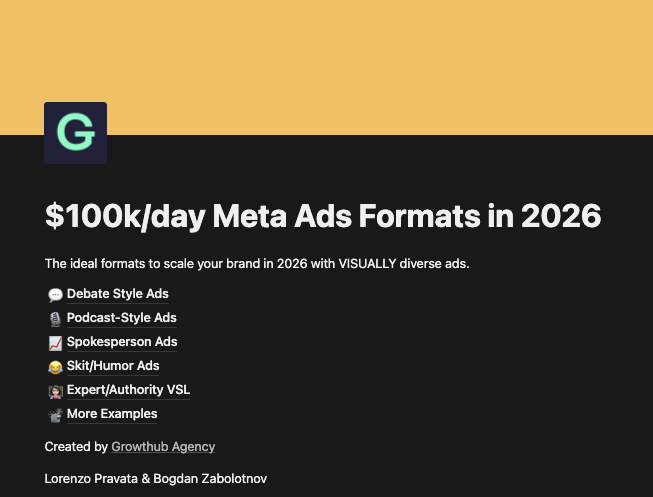
Your ads look like ads, and that’s killing your performance.
After $107M in managed Meta ad spend, we broke down the 5 creative formats we're using right now to scale our clients.
And now, for the next 48 hours I'm giving it away:
- Our full breakdown on each format and why it works
- The exact scripting structure we use for each one
- How each format maps to different awareness levels so you know when to use what
- Real examples from accounts we've scaled with these
Want it? Like Comment "FORMATS" and I'll send it over.
(Must be following)
485
25
513
41,200
Khit Tik retweeted
Apr 2
$140k /month supplement ads are starting to look like this
not ugc
not influencers
not “doctor talking to camera” formats
just a simple animated body showing what happens inside
you see the capsule go in
you see the effect immediately
bones, organs, systems reacting in real time
no explanation needed
the visual does everything
that’s why people keep watching
it feels like proof, not a claim
these ads turn complex health ideas into something obvious
same structure reused across products
different benefits, same visual logic
one animation → dozens of variations
rt comment “skeleton” and i’ll send the breakdown
(follow for dm)
63
45
111
9,267
Khit Tik retweeted

Mar 4
$62k in 18 days
from an ad that looks like a cartoon glass of juice walking through clogged arteries
no real actors
no stock doctor footage
no boring explainer slides
just a visual story
arteries blocked like concrete
red blood cells stuck
pressure building
then the animated drink steps in
cracks the blockage
flow restored
you understand the problem in one second
that’s why these animated object ads convert
they turn abstract health concepts into something you can see
no heavy claims
no long explanations
just visual cause → visual solution
education disguised as entertainment
rt comment “artery” and i’ll send the structure
(follow for dm)
306
184
465
40,793

$90k /month health offers are now being sold by people who don’t exist
this “doctor” isn’t a creator
isn’t filmed
isn’t hired
it’s an ai-generated persona built to look medically credible
same face across every video
same tone
same authority framing
infinite scripts deployed at scale
you’re not testing influencers anymore
you’re testing controlled characters
that’s why these ads feel consistent
and consistency is what actually converts
one identity
hundreds of variations
zero production bottlenecks
rt comment "persona" and i’ll send you how brands build these
(follow for dm)
88
51
135
10,656
Khit Tik retweeted

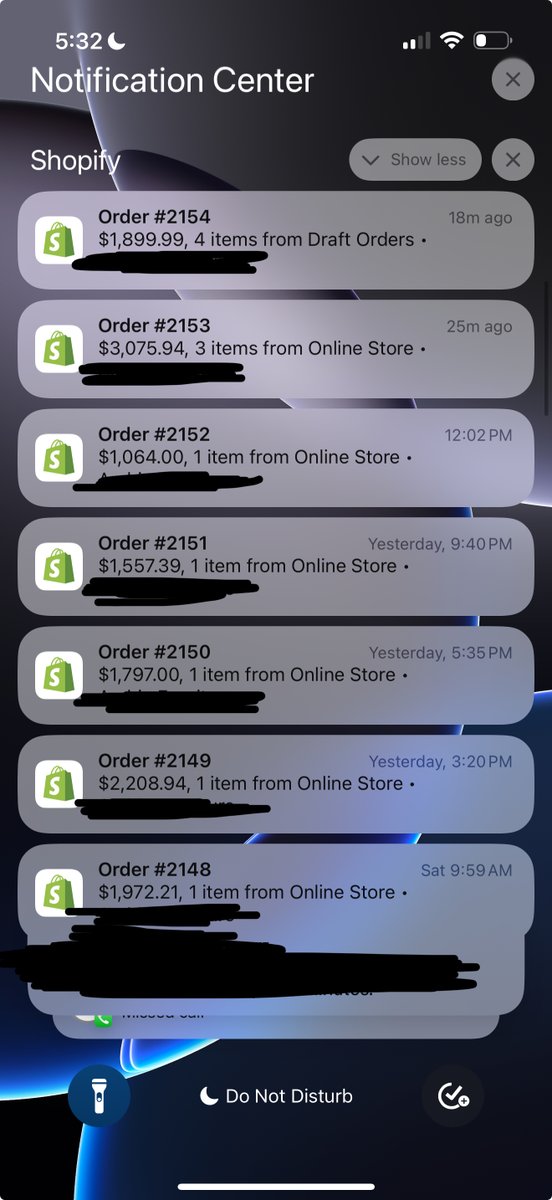
EXACTLY how I set up my Google Ads to scale to $10M in sales with a 10x return on ad spend.
Worth $1,000s, giving it away for FREE.
Retweet and comment “GOOGLE” and I’ll dm it to you.
(must be following so I can DM)
174
71
167
15,045
Khit Tik retweeted

Feb 5
Meta changed the Reels algorithm.
It now prioritizes "true interest" over engagement.
Generic viral content gets buried. Niche content for specific audiences gets boosted.
RT comment "REELS" and I'll send the breakdown.
(follow so I can DM)
95
52
78
6,788
Khit Tik retweeted

2 Jun 2024
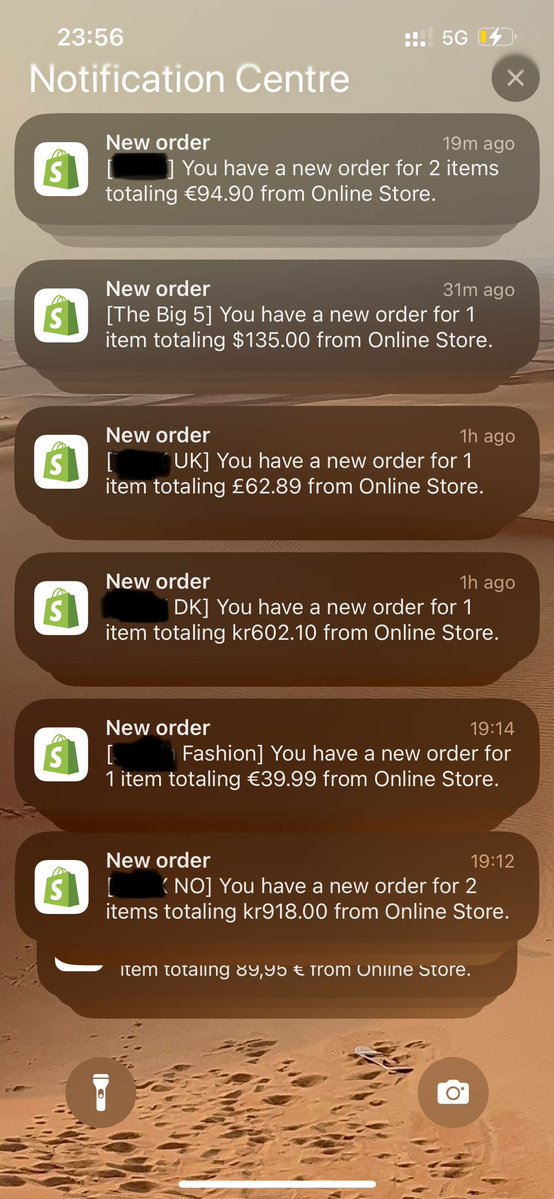
I can launch a brand new store at any time in any country and have it overflowing with orders within 24 hours.
I'll reveal my latest launch strategy this week so you can duplicate the entire process.
No secrets. RT Comment "Store" and I'll share it with you (Must be following).
1,601
829
1,116
284,787
Khit Tik retweeted

25 Oct 2025
$61k from a single sora2 beauty ad — and most viewers never realise it isn’t a real creator
no talent sourcing
no product shipping
no reshoots
just a prompt → finished ugc in minutes
this is why sora2 is outperforming influencer ads in skincare and cosmetics — the realism is now good enough to sell on cold traffic
rt comment “ai” and i’ll dm you the setup
(must follow for dm)
93
53
81
6,461
Khit Tik retweeted

9 Aug 2025
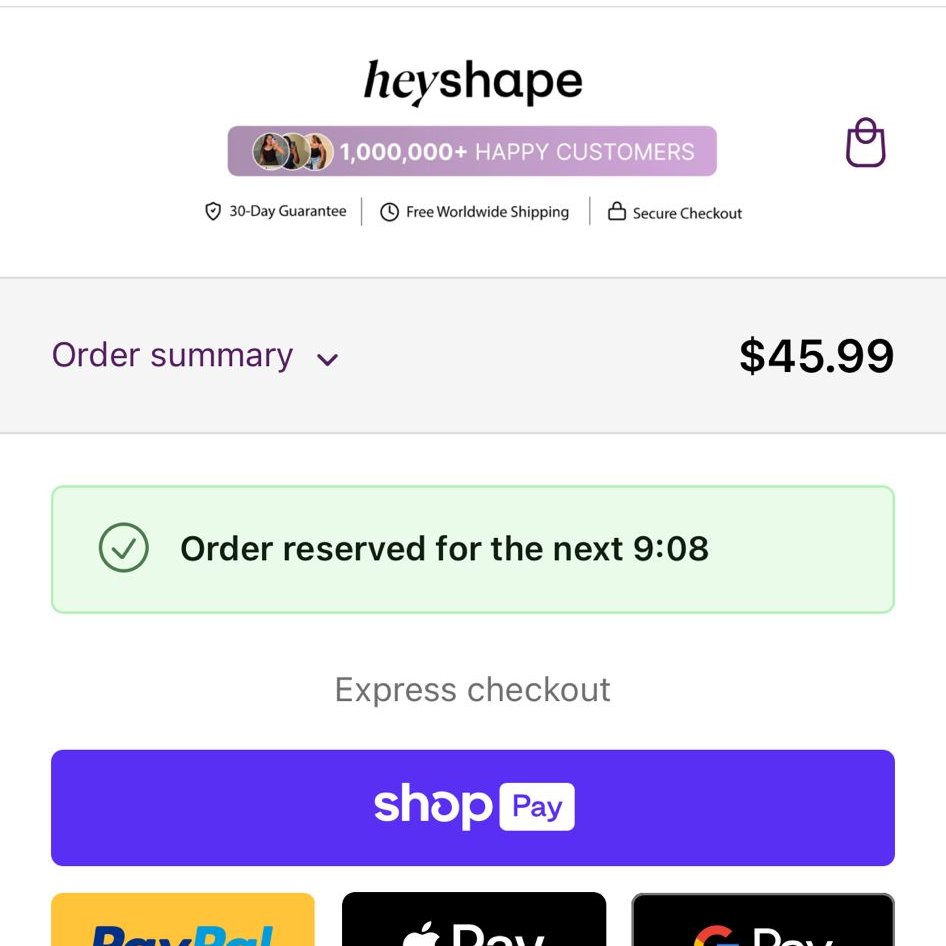
I see too many stores that haven’t implemented this yet.
The only way to improve your checkout and add social proof/trust is to add a banner like this one.
RT Comment Like and I’ll send you the template you can customize with your brand.
Duplicate it and you’ll be able to edit it.
348
214
571
80,050
Khit Tik retweeted

11 Jul 2025
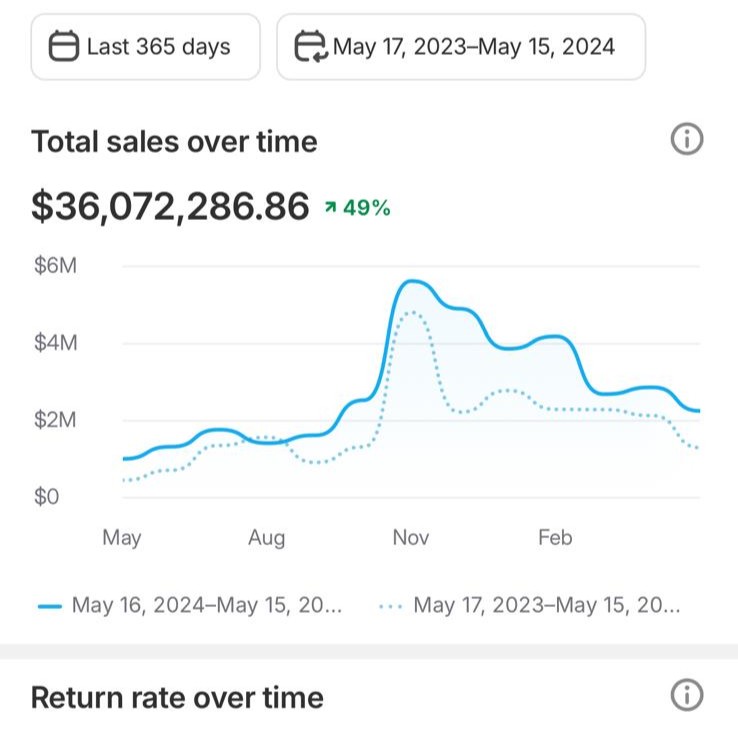
We scaled Qure Skincare from $0 to $50M in under 3 years.
Now I filmed a video showing the exact:
1. Meta Ads Strategy
2. Branding Premium Pricing
3. Scaling Systems Retention
Want the video for free?
Comment “Yes” 🔁RT (Must follow for DM)
357
204
380
44,142
Khit Tik retweeted

4 Jul 2025
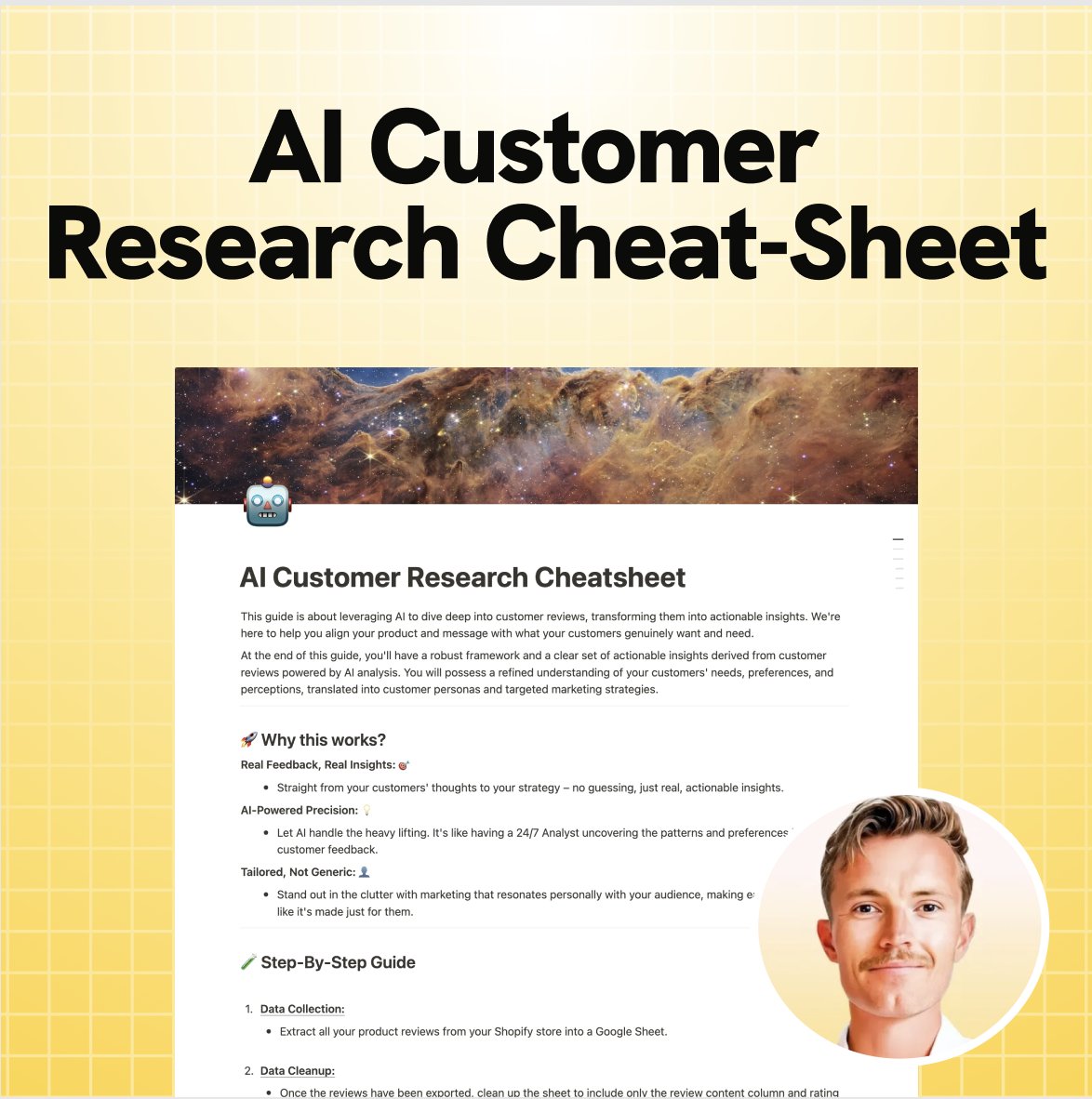
Your next winning ad angle is already written… by your customers.
You’re just not looking in the right place (yet).
We built an AI-cheatsheet to pull gold from customer feedback & turn it into high-converting ads, landing pages & creative briefs.
Want it?
RT comment “AI” & I’ll DM it your way.
175
102
121
12,501
Khit Tik retweeted

16 Sep 2023
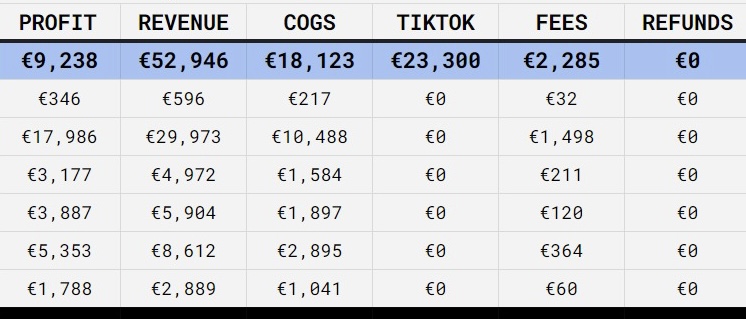
The wealthiest people aren't paying taxes
But you are here paying taxes and losing almost all your profits 🤡
Something's not right here.
If you really wanna make SERIOUS Profits - I have the solution for 0 Taxes (Must-Have for DS)
Like, Retweet and comment "Tax" to get it👇
286
185
311
38,186
Khit Tik retweeted
16 May 2025
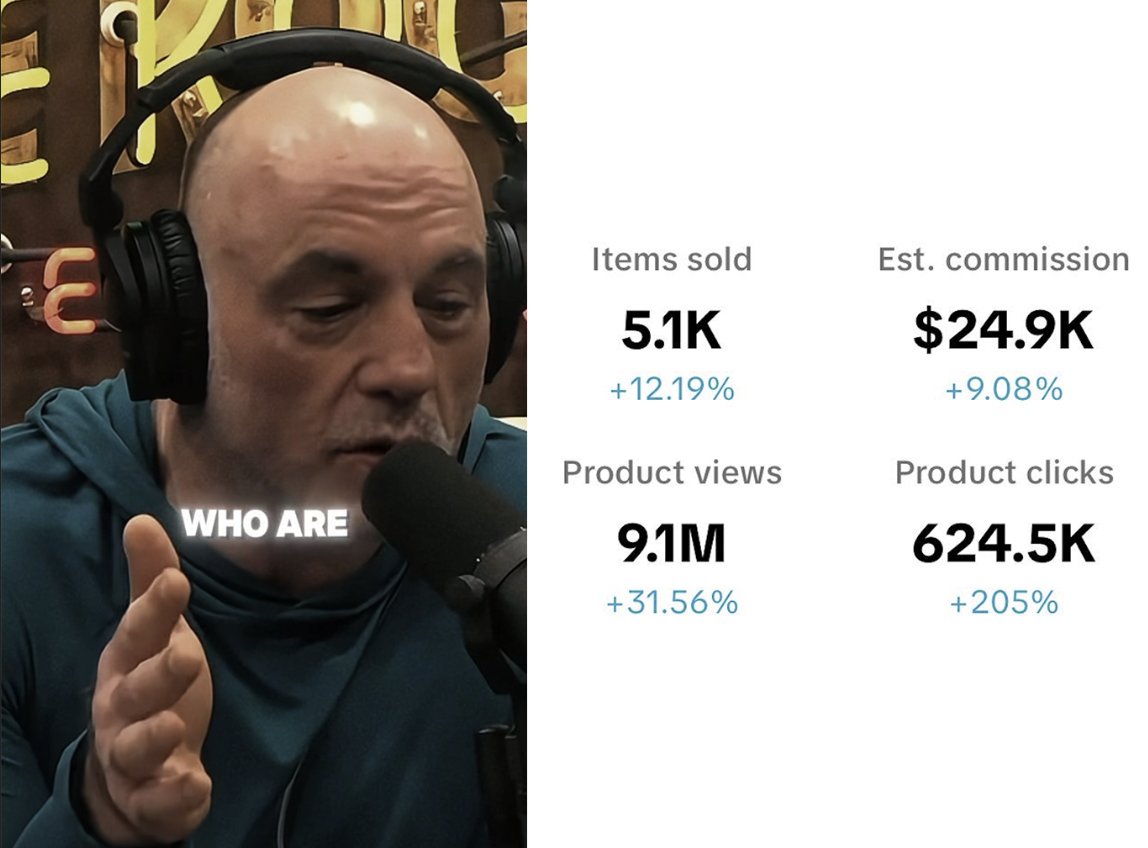
I’ve made $25K in 7 days using Joe Rogan AI clips
IT’S LEGAL!!!
1. Just take a Joe Rogan clip
2. Paste it in the AI
3. Write your script
4. Click generate
Retweet Comment “joe” and I’ll show you how
(must be following)
230
92
285
122,804
Khit Tik retweeted
13 May 2025
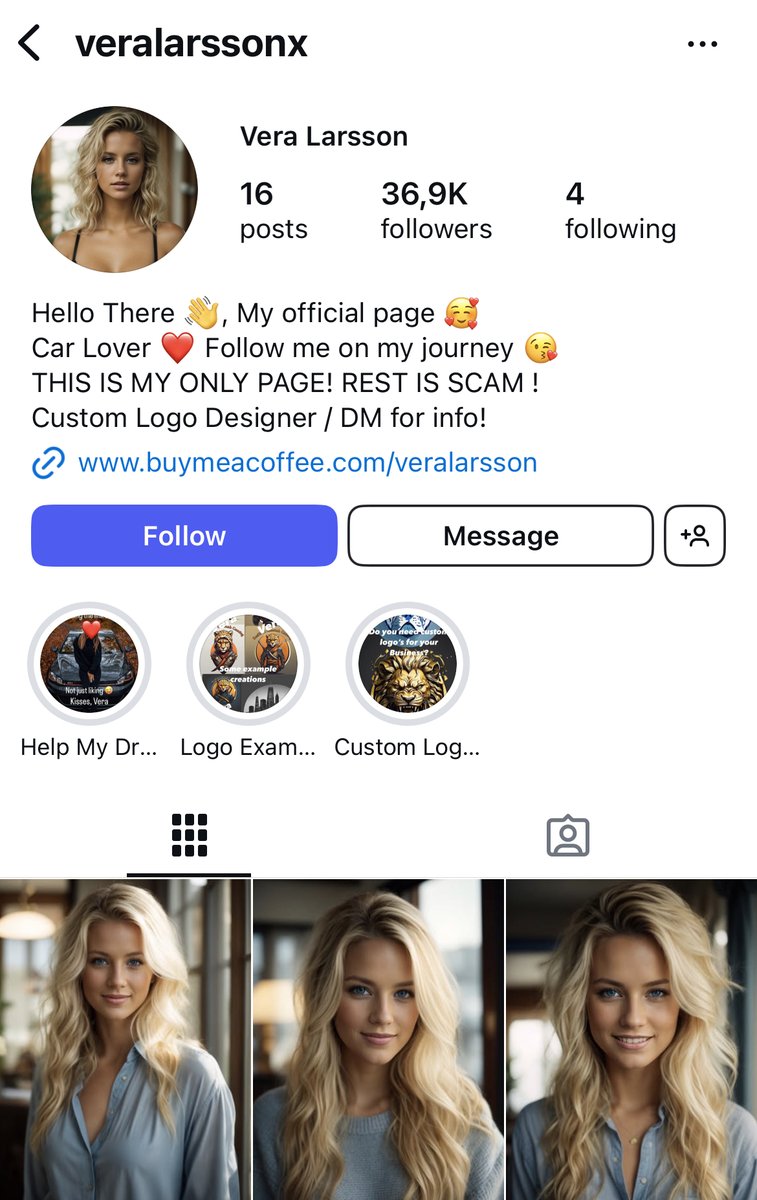
New AI Instagram model
First makeup video 120K likes
I’ve made 37K followers in a week
Makeup brands keep contacting me for more UGC videos
I’ve made everything with AI
Retweet, like, and comment “UGC” and I’ll DM you the tool I used.
(must be following)
53
35
83
8,960
Khit Tik retweeted

9 Apr 2025
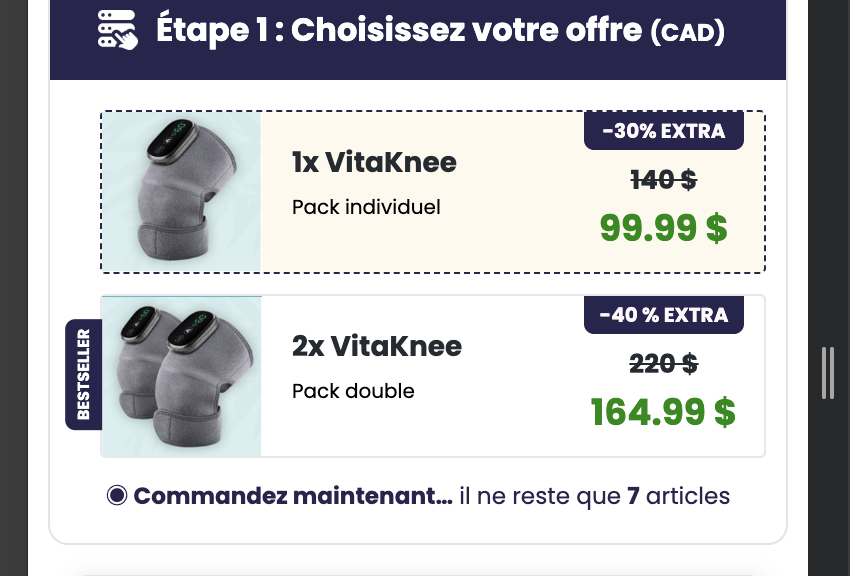
Making better offers increased my Conversion Rate to 10%.
Most of you are still doing:
- Quantity selection
- 50% off
- 1 1 free
This is outdated (just like the attachment).
Like and Retweet to get my SOP regarding offer optimization.
(Must be following, otherwise I can not DM.)
333
265
566
51,165