
Biologist at Scripps, PhD at Stanford. Dynamics of genomes and cells.
Joined February 2015
- Tweets 404
- Following 156
- Followers 1,209
- Likes 4,048
62 Photos and videos

Pinned Tweet

19 Nov 2025
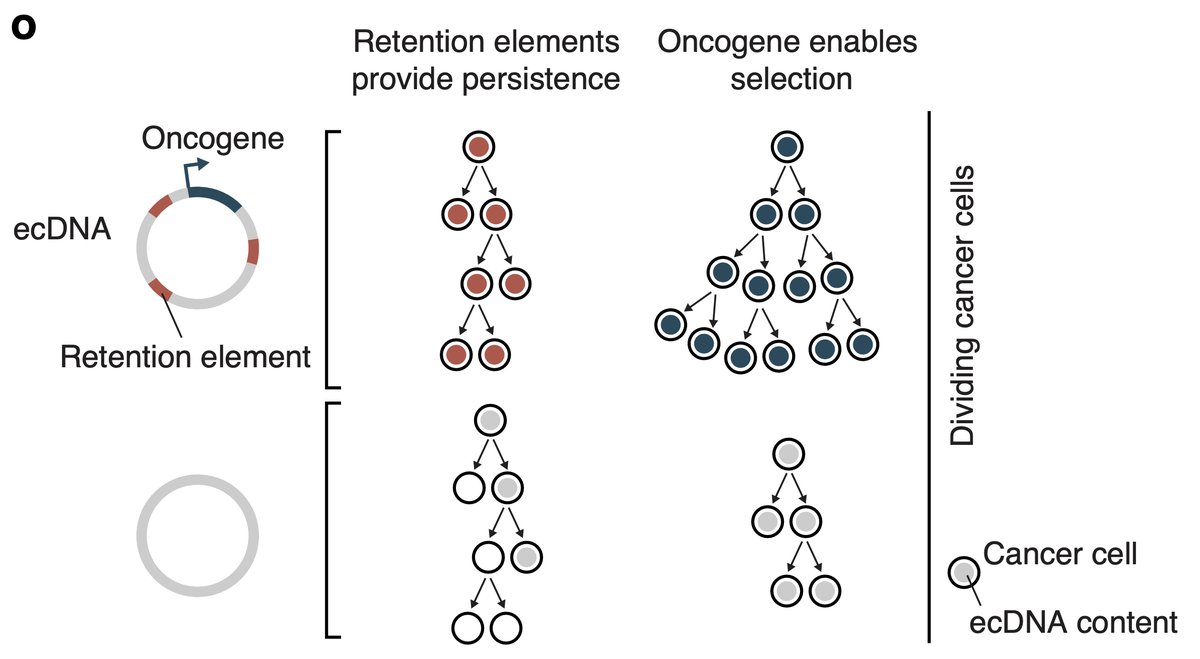
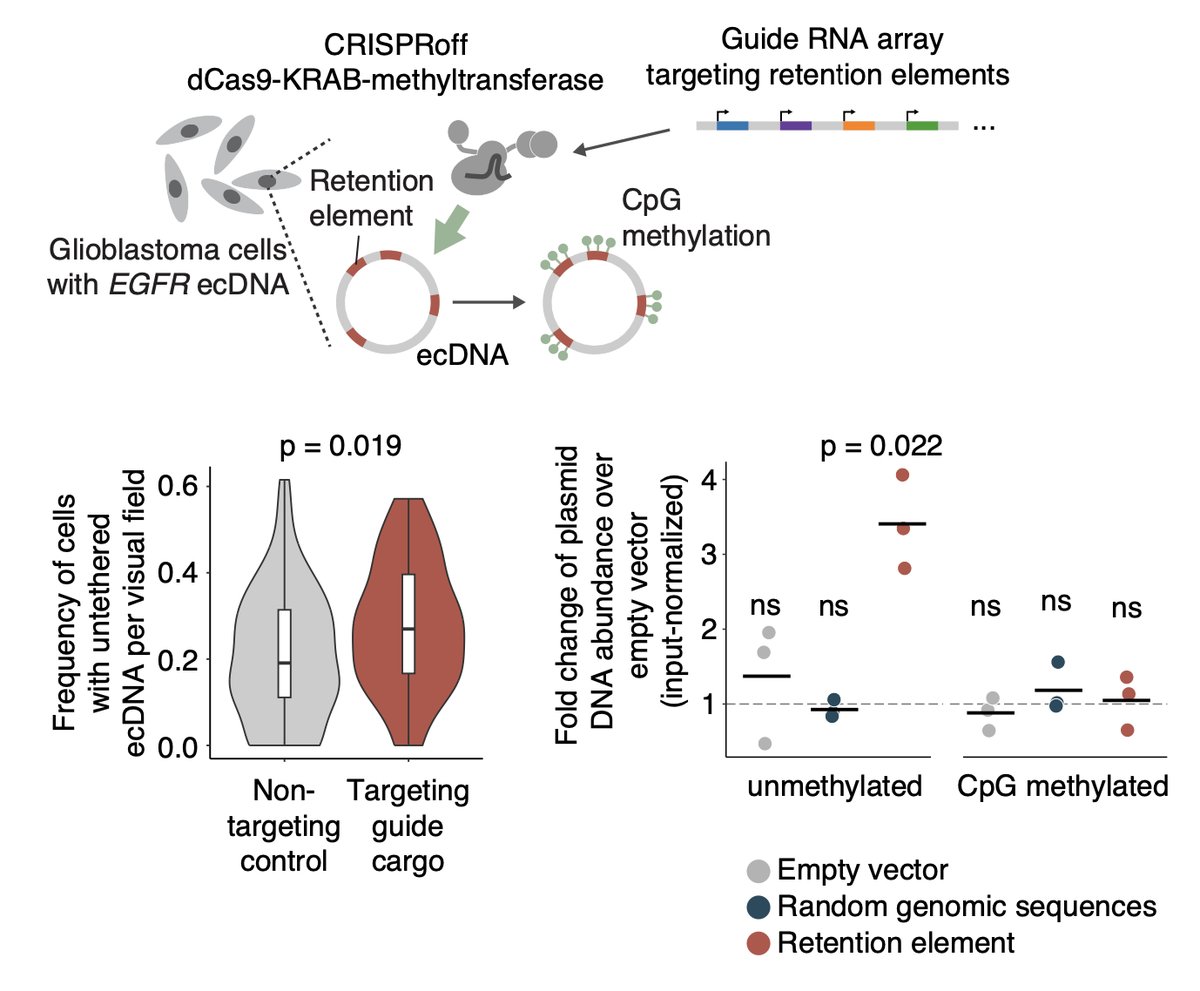
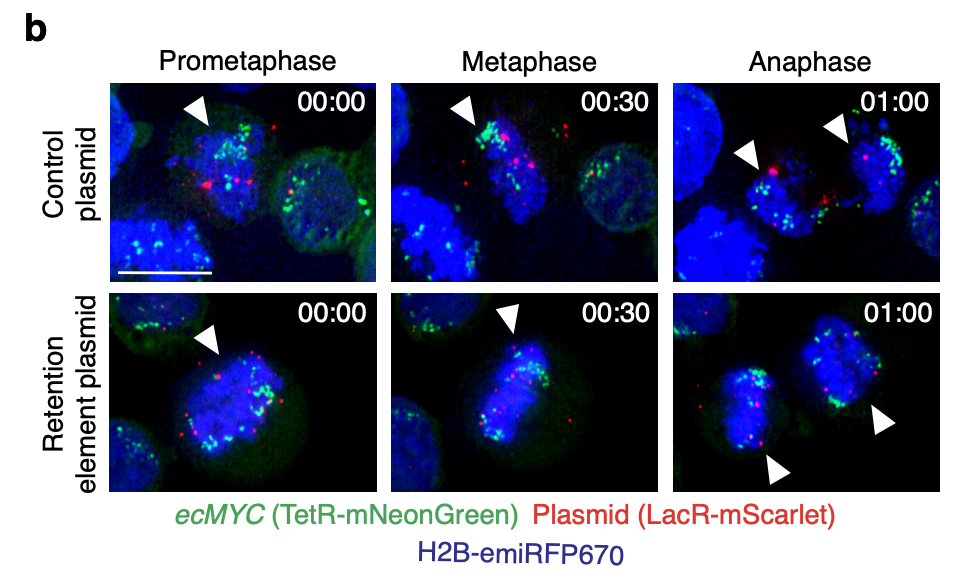
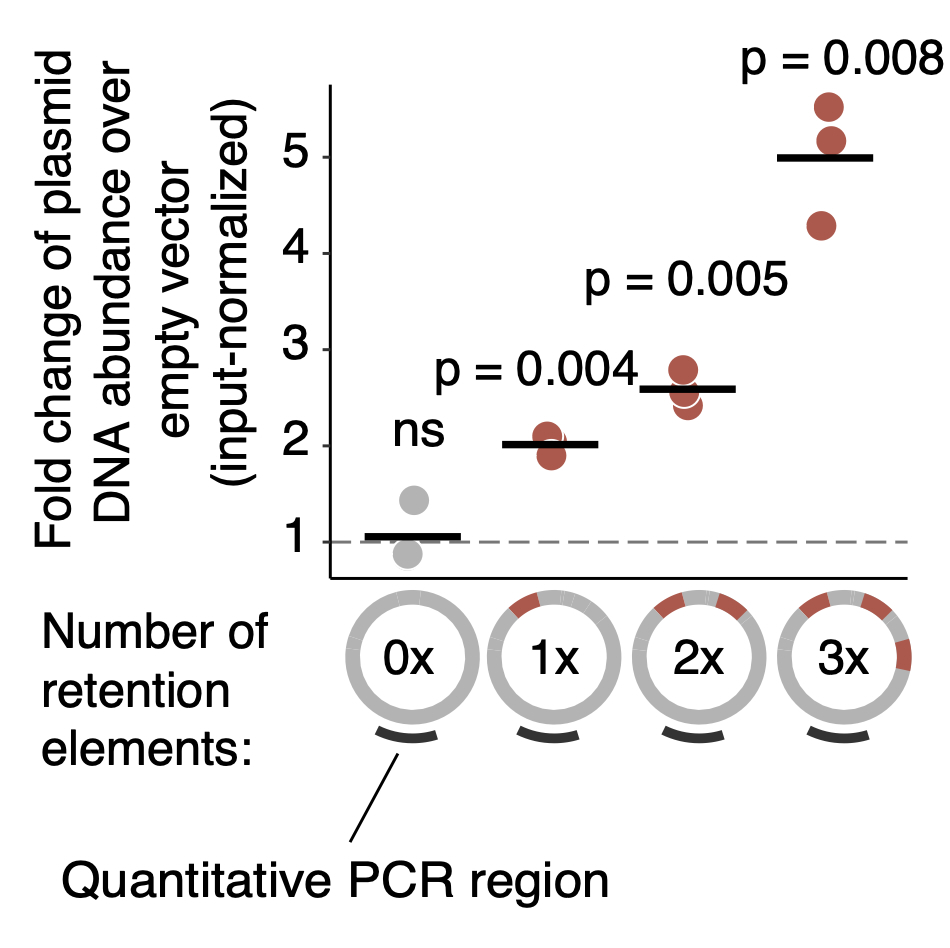
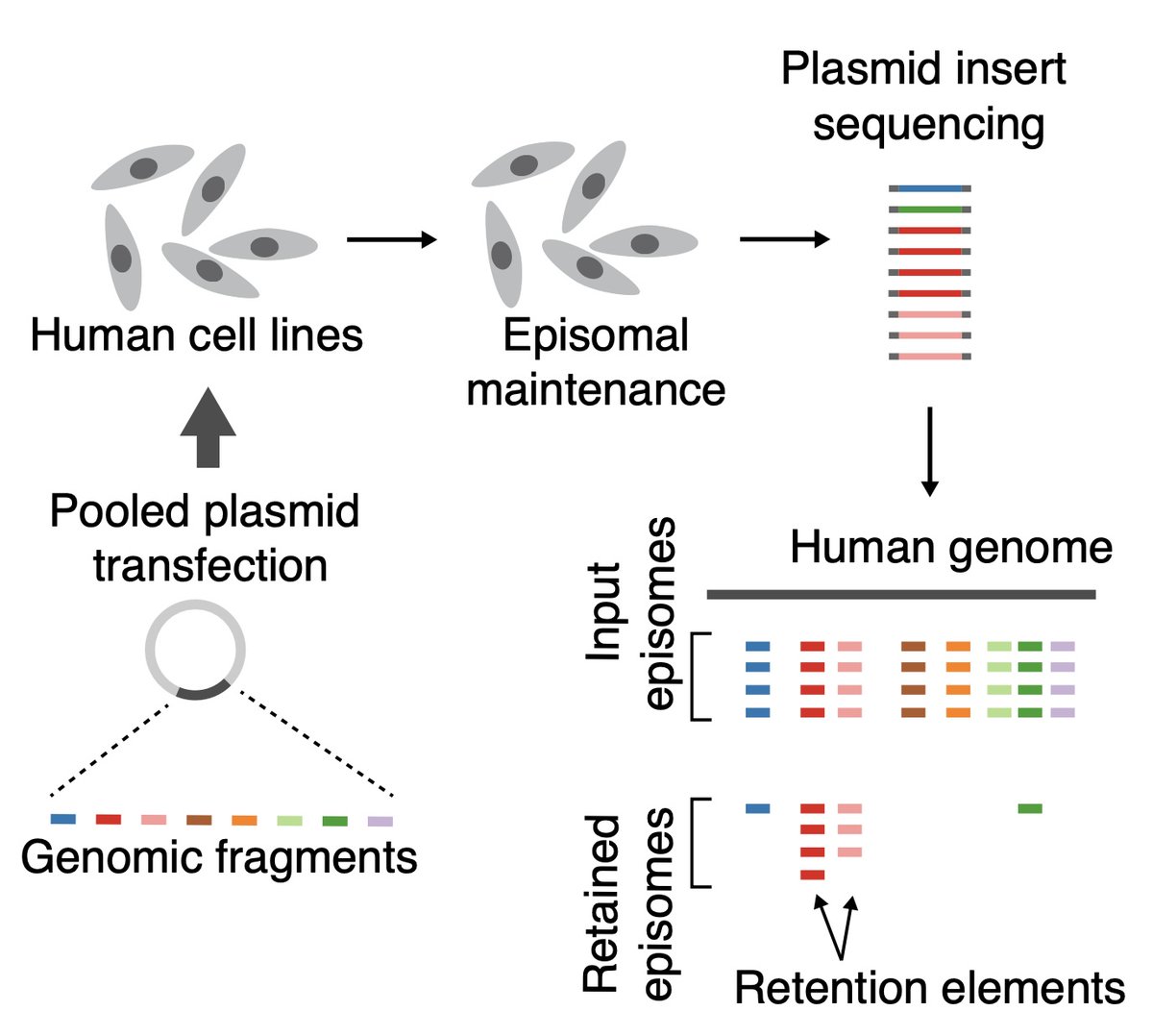
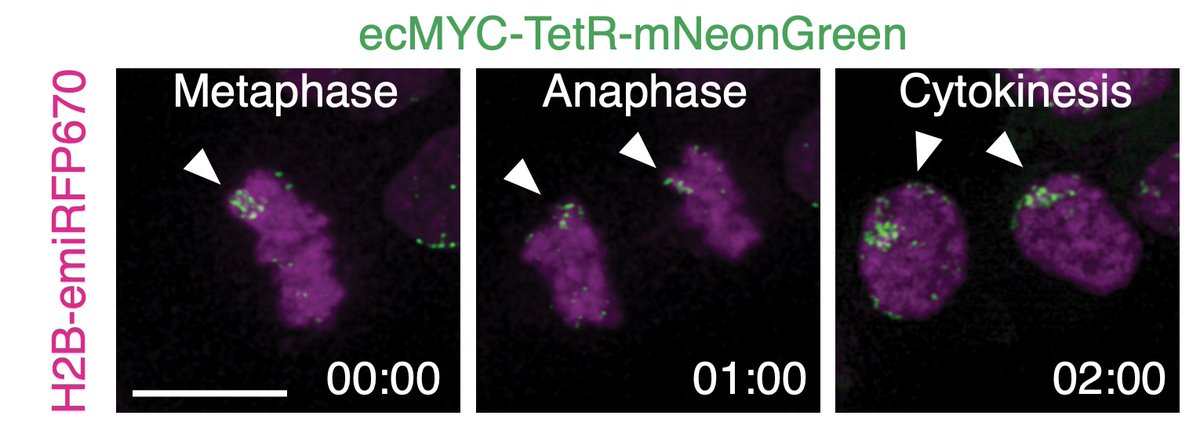
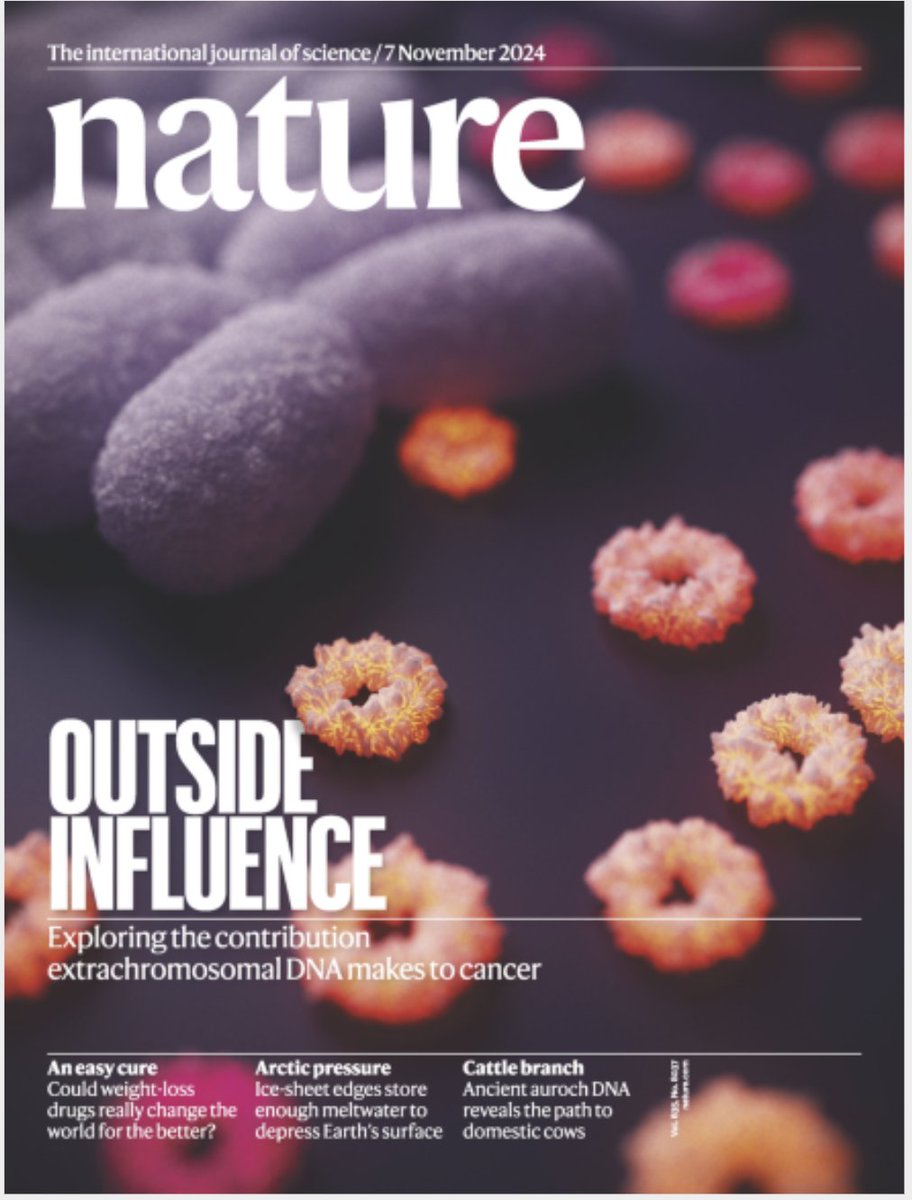
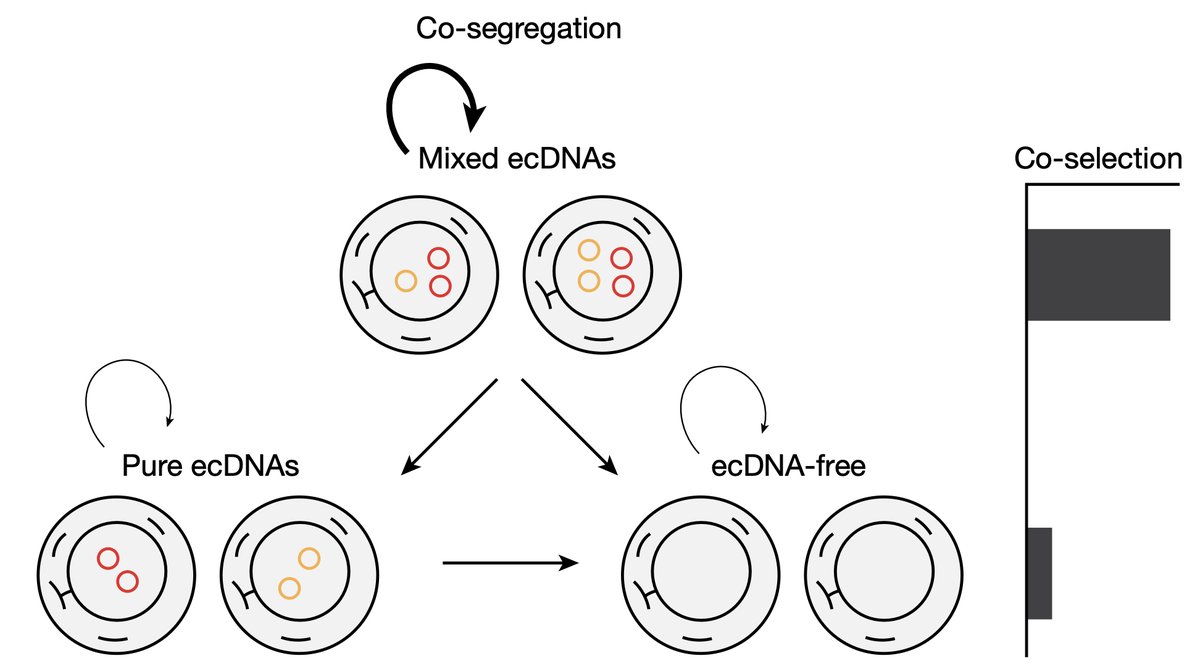
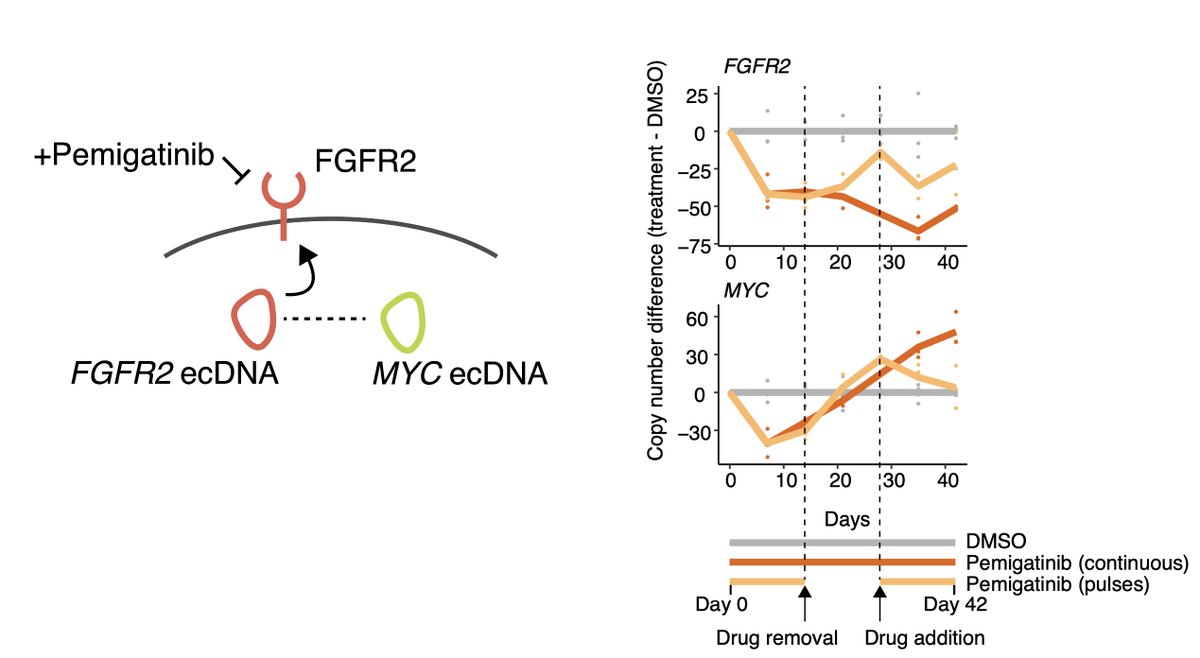
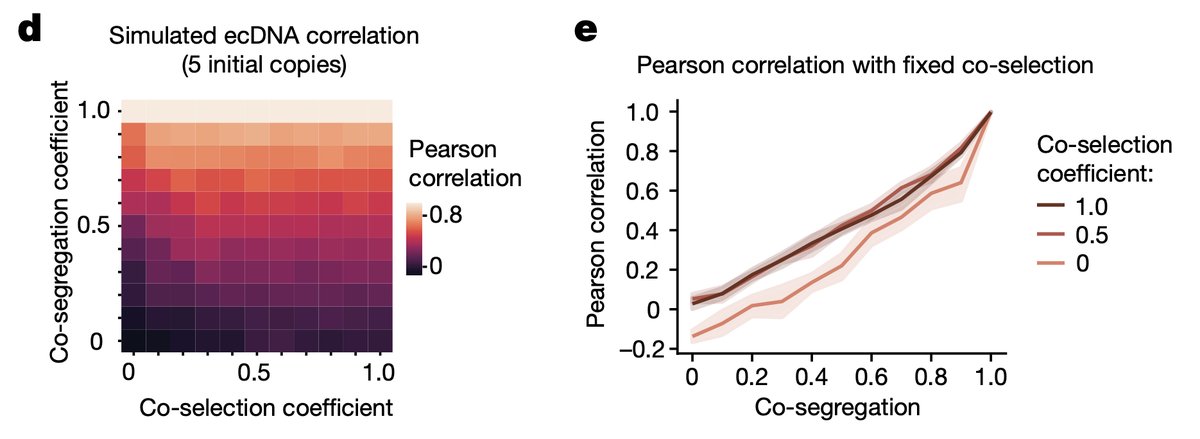
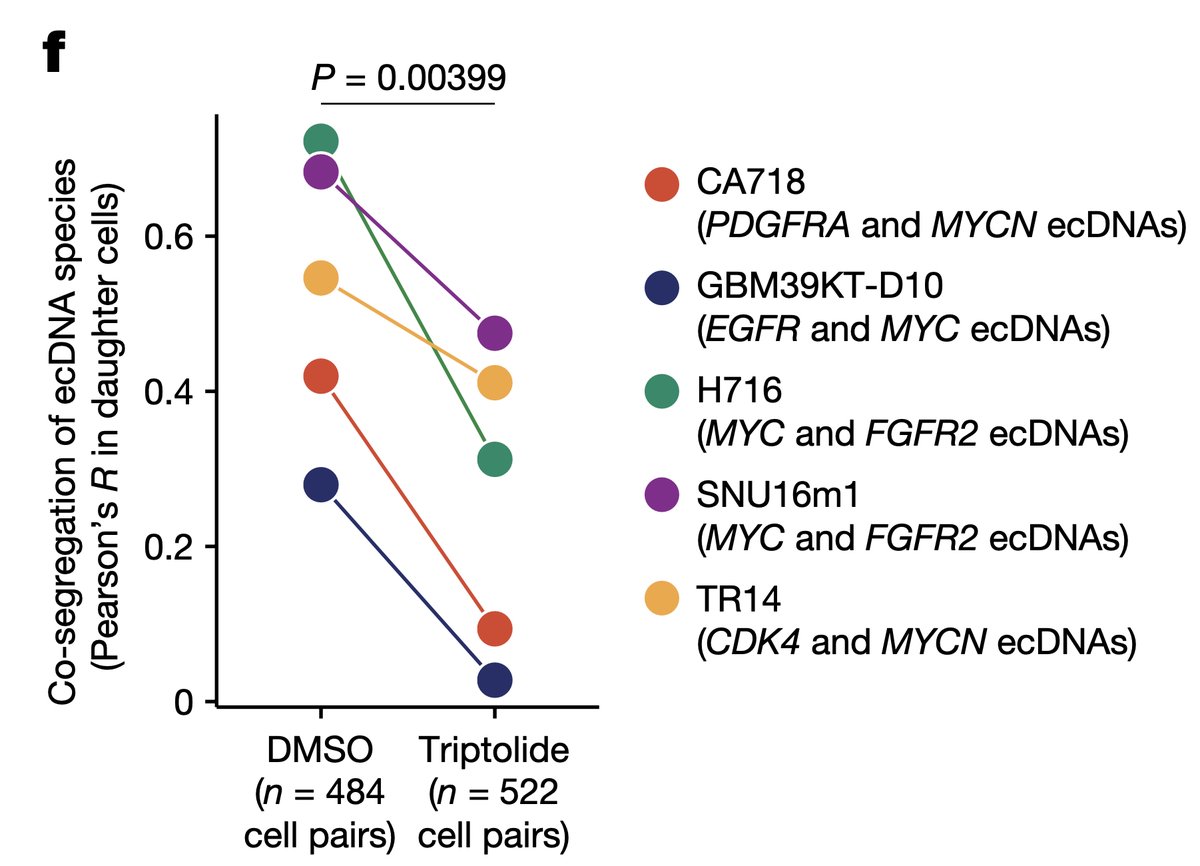
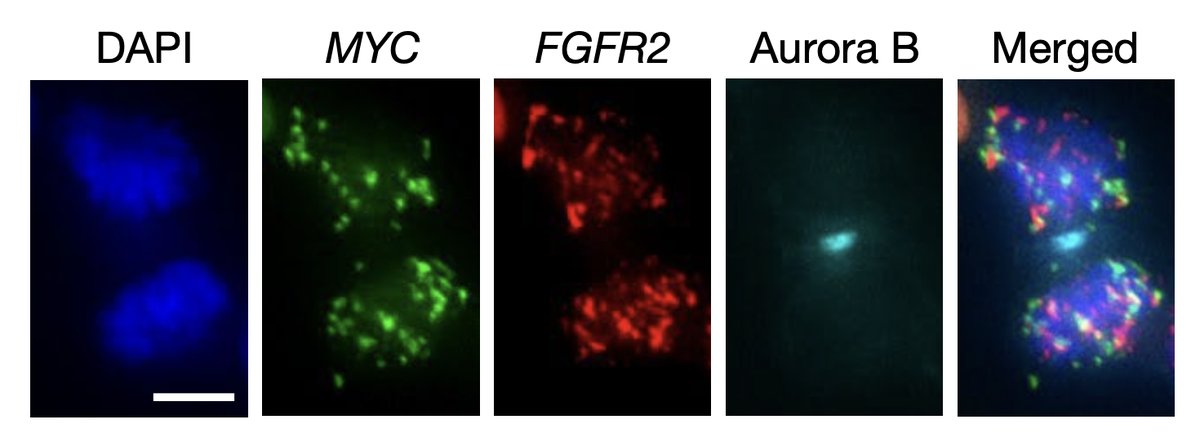
Our paper is out in @Nature! Oncogenes are often copy-number amplified on extrachromosomal DNA (ecDNA) in cancer, but how is ecDNA inherited by dividing cells? Here we identified elements within ecDNA that promote its retention in dividing cells. 1/11
nature.com/articles/s41586-0…
5
57
255
27,338
King L Hung retweeted

Apr 17
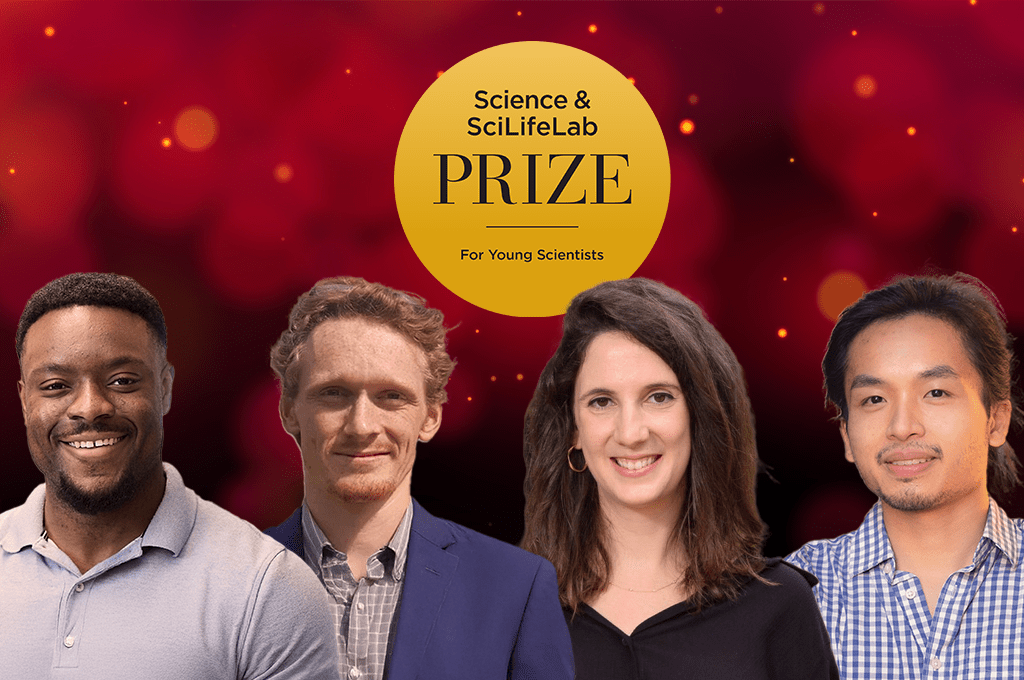
Congrats to postdoctoral fellow King Hung (@kinglhung) on being named a Damon Runyon Fellow, supporting research on how cells communicate to coordinate tissue behavior, a process disrupted in cancer. Using flatworms, he studies how physical and biochemical signals guide regeneration through live-cell tracking. More: ow.ly/qJil50YLhPY
1
4
13
2,393
Apr 14
Happy to receive funding from Damon Runyon Fellowship / HHMI for the next 4 years! We're working on some fundamental questions in tissue biology and I'm excited to share more soon. Grateful to @ardemp for the mentorship!
damonrunyon.org/news/damon-r…
1
1
55
4,319
King L Hung retweeted

So excited to see our work profiling the tumor microenvironment in triple negative breast cancer out @NatureCancer! Please give it a read, super proud of this one :)
For a full description of what we found, see below for a detailed tweetorial. nature.com/articles/s43018-0…
29 Jan 2025

I’m super excited to share what I’ve been working on for the last (many) years: a spatial genomic transcriptomic characterization of how the breast cancer microenvironment evolves through immunotherapy! (1/x) biorxiv.org/content/10.1101/…
11
33
7,285
King L Hung retweeted

Jan 12
Most people eat small (~1-2% body weight) and frequent (2-3x/day) meals. But Burmese pythons 🐍🐍 can fast for >1 yr and eat 100% of their weight in a single meal. What happens in snakes after eating? What lessons they can teach us about human physiology? biorxiv.org/content/10.64898…
8
42
209
25,356
King L Hung retweeted

Jan 7
Now online! EcDNA-borne structural variants drive oncogenic fusion transcript amplification dlvr.it/TQClG0
1
10
43
7,436
King L Hung retweeted

4 Dec 2025
Stanford Medicine researchers found that tiny cancer-linked DNA circles “hitchhike” on chromosomes to spread during cell division. Blocking this attachment may offer a new avenue for future cancer therapies.
med.stanford.edu/news/all-ne…
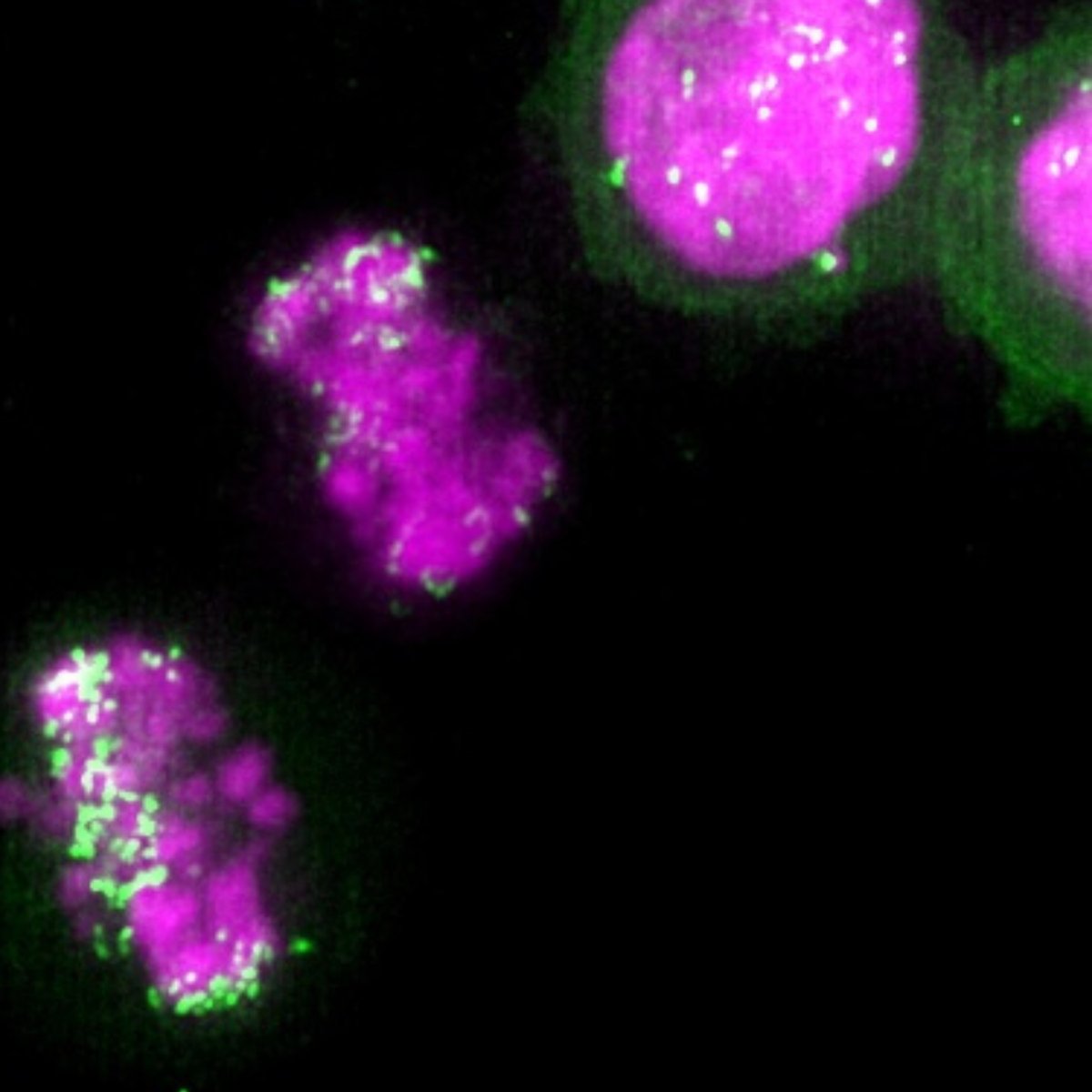
ALT Stanford Medicine: Cancer-promoting DNA circles hitchhike on chromosomes to spread to daughter cells
12
72
236
12,008
4 Dec 2025
Very nice news coverage on my scientific journey by Christie Wilcox in @ScienceMagazine and #ScienceAdviser: science.org/content/article/…
10
690
3 Dec 2025
This was probably one of my crazier ideas early in grad school and was such a fun project to work on. Check out this awesome short video from @JuliaBauman2 highlighting this work!
3 Dec 2025

ecDNA biology is one of those weird, fascinating corners of bio that hook me every time there's a new result. So I loved reading about this one from @HowardYChang & Paul Mischel's labs in @Nature.
Very interesting implications for design of non-diluting, non-integrating gene therapy vectors!
Great work Venkat & @kinglhung 😀
1
1
23
4,782
King L Hung retweeted

19 Nov 2025
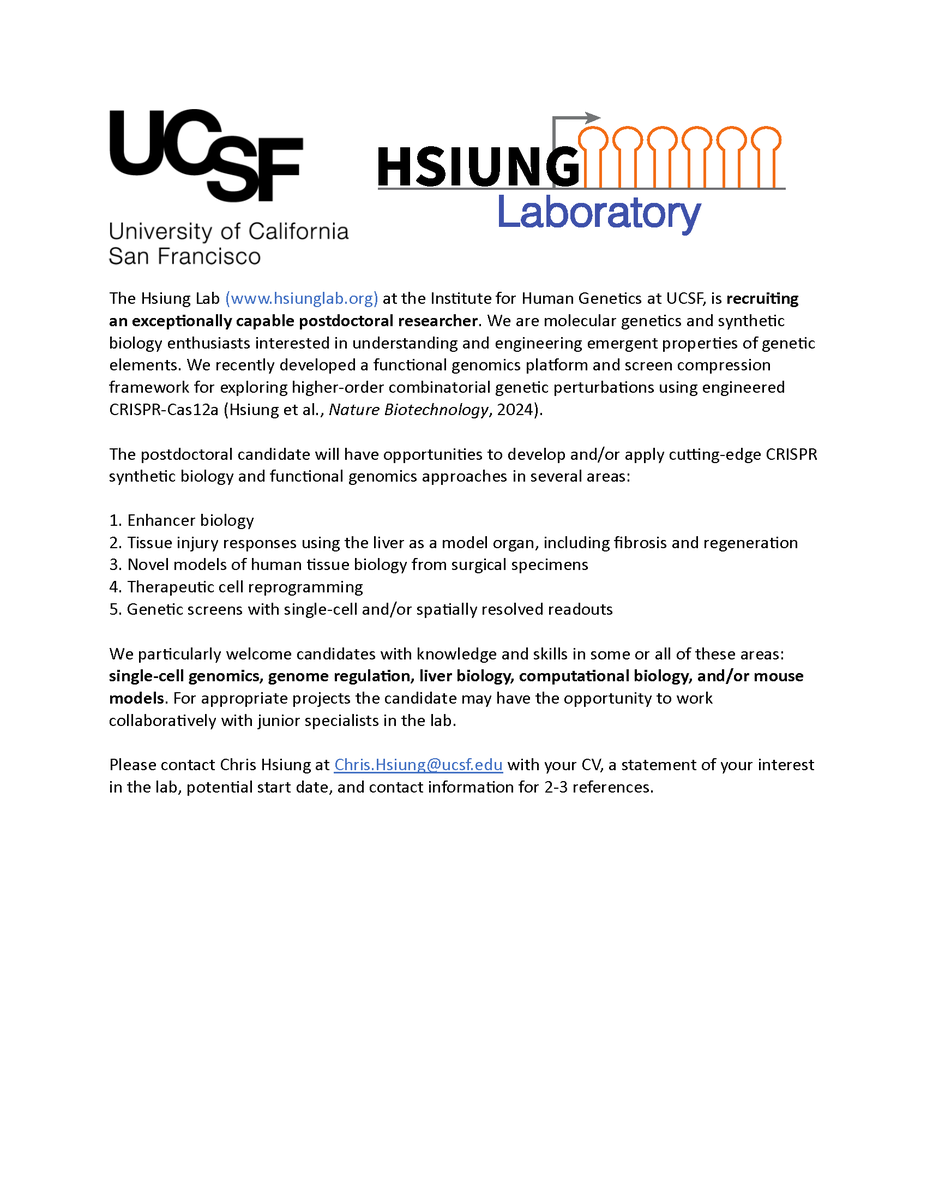
My lab is recruiting postdoc candidates interested in CRISPR synthetic biology and functional genomics approaches to study and engineer tissue injury responses! hsiunglab.org
4
85
223
23,369
King L Hung retweeted

20 Nov 2025
Tremendous work by @kinglhung and @HowardYChang ! This recent discovery answers the most critical question on ecDNA maintenance! @Nature Are you a non-scientist? No worries! Check this non-scientist-friendly summary! rdcu.be/eQMvM

Nature research paper: Genetic elements promote retention of extrachromosomal DNA in cancer cells
go.nature.com/4pkUpDE
1
6
818
20 Nov 2025
Nice feature article from @_eunhee_yi_ and Noah Dusseau about our work: nature.com/articles/d41586-0…
19 Nov 2025

Our paper is out in @Nature! Oncogenes are often copy-number amplified on extrachromosomal DNA (ecDNA) in cancer, but how is ecDNA inherited by dividing cells? Here we identified elements within ecDNA that promote its retention in dividing cells. 1/11
nature.com/articles/s41586-0…
1
1
11
2,986

Nature research paper: Genetic elements promote retention of extrachromosomal DNA in cancer cells
go.nature.com/4pkUpDE
32
121
24,732
19 Nov 2025
Our paper is out in @Nature! Oncogenes are often copy-number amplified on extrachromosomal DNA (ecDNA) in cancer, but how is ecDNA inherited by dividing cells? Here we identified elements within ecDNA that promote its retention in dividing cells. 1/11
nature.com/articles/s41586-0…
5
57
255
27,338
19 Nov 2025
Overall, we propose that ecDNA is not only selected in cancer because of oncogenes, it is also actively retained because of retention elements, allowing it to persist in a growing cancer cell population. 10/11
1
1
5
473
19 Nov 2025
It was great mentoring and working with Venkat Sankar on this project. Also great working with @HowardYChang, Paul Mischel, Aditi Gnanasekar, Ivy Wong, and other collaborators on this project. 11/11
3
409