I study microbes (#Bacteria, #Phages) but love the whole #TreeOfLife @UofNH @UNHManchester associate professor #MicrobialGenomics #ScienceEd (he/him/his)
Joined April 2010
- Tweets 2,951
- Following 1,269
- Followers 1,306
- Likes 31,476
110 Photos and videos



Kyle MacLea retweeted
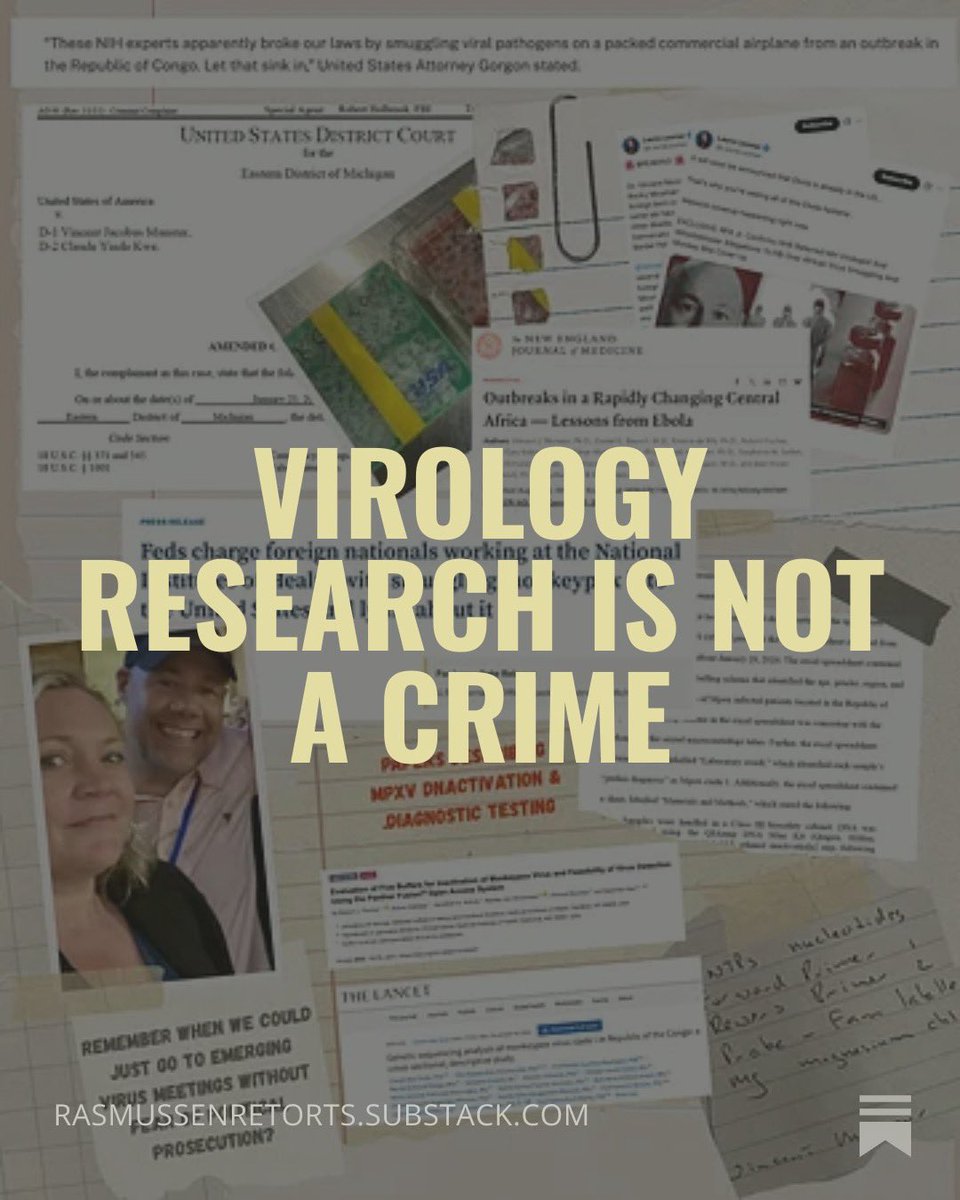
The US government is arresting scientists on pretextual grounds to consolidate their grip on authoritarian power. This should scare the hell out of every single one of us.
open.substack.com/pub/rasmus…
26
101
199
16,873

May 15
RT @PeterHotez: No need to bother our friend @grok the answer is yes, our vaccine group was funded by Gates Foundation for a hookworm anemi…
80
Kyle MacLea retweeted

Apr 17
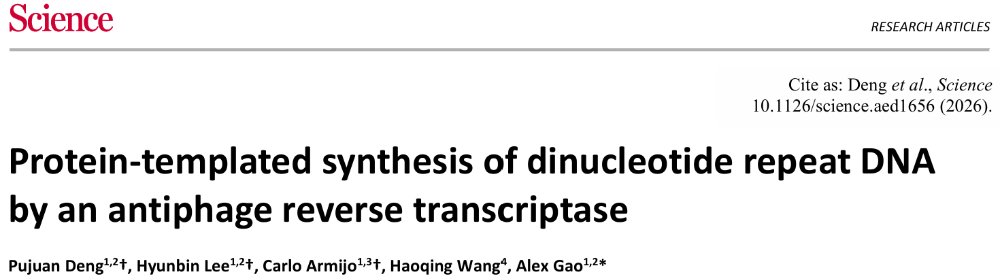
On April 16, 2026, the research group led by Alex Gao from Stanford University published a paper in Science entitled Protein-templated synthesis of dinucleotide repeat DNA by an anti-phage reverse transcriptase.
This study identified and characterized for the first time a bacterial reverse transcriptase named Drt3b, which does not require a nucleic acid template. Instead, it uses its own amino acid side chains as a "template" to precisely synthesize DNA of specific sequences.
This discovery represents another landmark breakthrough in the fundamental rules of biological information transfer since the discovery of reverse transcriptase by Nobel laureate David Baltimore and others in 1970. It not only fills a key gap in our understanding of biological information flow, but also opens a new dimension for deciphering the coding principles of life.
Congratulations to Team Gao on their outstanding work—this discovery is worthy of a Nobel Prize!
5
65
289
25,285
Kyle MacLea retweeted

Apr 10
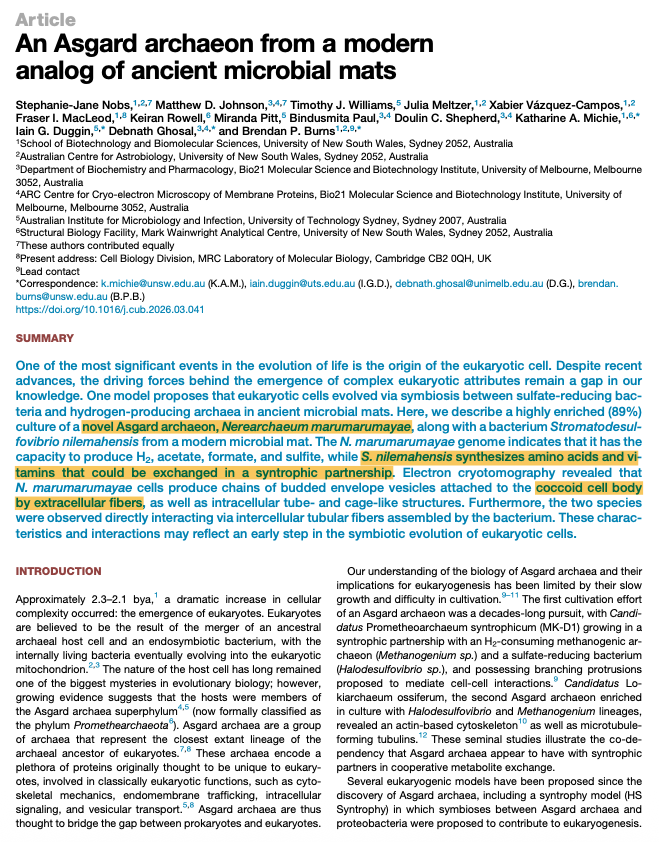
New Asgard paper dropped yesterday. This is only the third Asgard archaeon to be cultured in the laboratory (the first took 10 years of work.)
Many microbiologists think that the Asgard archaea are the closest living relatives of the ancestor that gave rise to eukaryotic cells. They have cellular features that "bridge" bacterial and eukaryotic cells. And this new Asgard species, found off the coast of Western Australia, is interesting for a couple reasons:
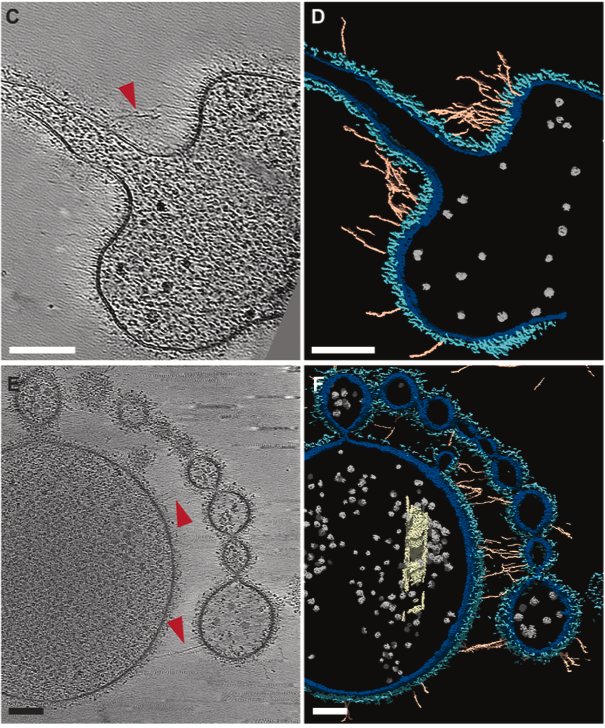
1. The Asgard buds off extracellular vesicles, like many other organisms. But these vesicles remain "tethered" to the main cell via a thin fiber. You can see this clearly in the cryotomography images below. I've never seen other examples of this (but maybe microbiologists on Twitter have.)
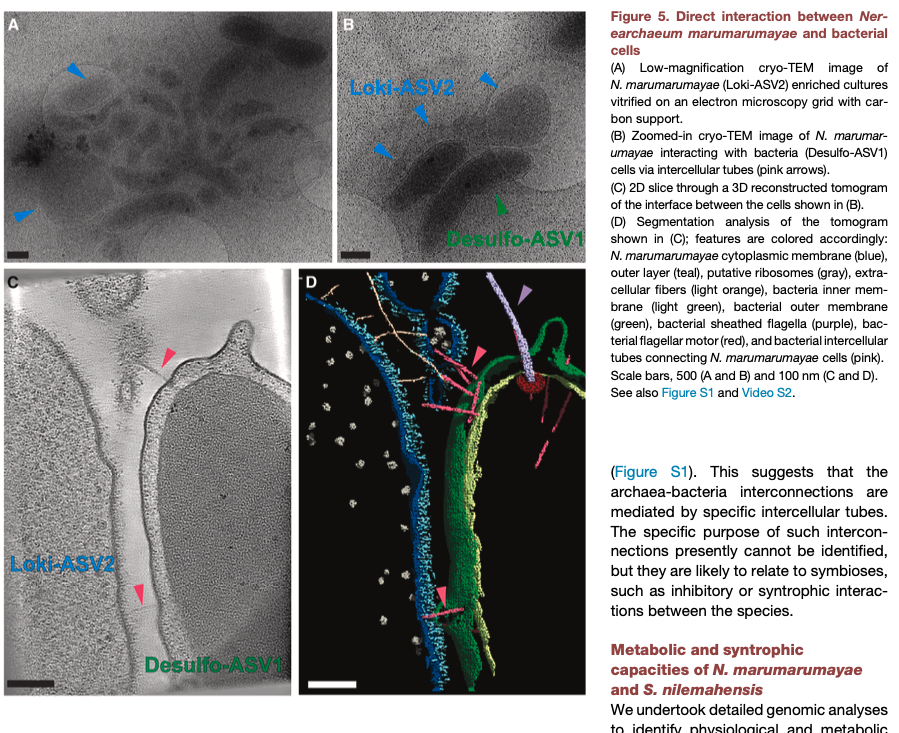
2. Asgards cannot be cultured on their own. All of the species cultured thus far can only be grown in the presence of a syntroph. This Asgard can only be cultured with a microbe, called S. nilemahensis. The Asgard makes acetate, formate, and lactate for the bacterium; the bacterium, in exchange, makes amino acids and vitamins for the Asgard. (The archaeon seems to entirely lack metabolic pathways for arginine, proline, phenylalanine, and tryptophan.) These nutrients are exchanged via hollow tubes that physically context the Asgard --> bacterium. (See the images below.)
4
108
447
27,955
Kyle MacLea retweeted
Apr 3
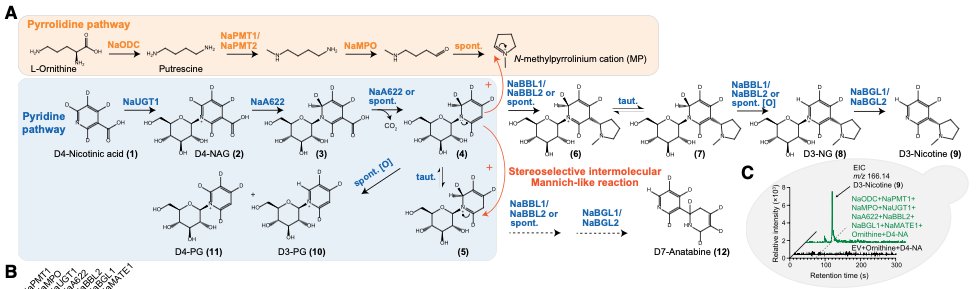
Nearly 200 years after nicotine was first chemically isolated, we’ve finally figured out its complete biosynthesis pathway. Doing so required an insane effort and many years of work. The authors — a Chinese group — ended up crossing 643 lines of tobacco plants to find a single mutant incapable of making nicotine. They next backcrossed and inbred that plant to figure out the specific mutations, in various genes, and map the enzymes responsible.
Nicotine is made from two “ring-shaped” molecules fused together. One ring has five carbons (the “pyrrolidine ring”) and the second has six carbons (the “pyridine ring.”) Scientists already knew quite a bit about how these rings get made, but not every step, and not how tthey join together to make nicotine.
The pyrrolidine ring starts when ornithine, an amino acid that is not used to make proteins, gets its carbon dioxide clipped off by an enzyme, called ornithine decarboxylase, to make putrescine. This putrescine then has a methyl group attached to it, and gets oxidized. At this point, the molecule is a chain with four carbon atoms; one end has an amine, and the other a methylated amine. The amine end gets cut off and replaced with a reactive aldehyde; the chain folds into a loop; and the methylated amine “attacks” electrons on the aldehyde to form the ring.
To make the pyridine ring, plant cells first take aspartate (the amino acid) and oxidize it. The resulting molecule is then transformed into nicotinic acid mononucleotide, which is just vitamin B3 with a sugar and phosphate attached. This paper is the first to report that NAMN hydrolase clips off the sugar and phosphate to release pure vitamin B3; also called niacin or nicotinic acid. (The names are slightly confusing.)
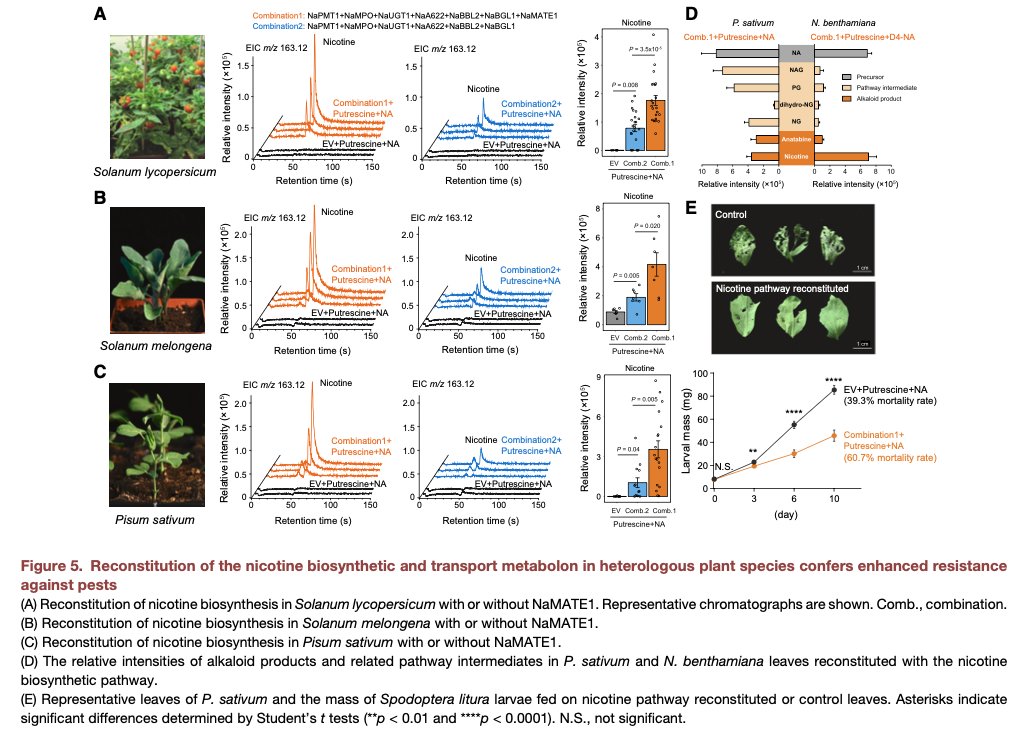
The paper’s major contribution, though, is in figuring out how the two rings get fused together. The nicotinic acid is unstable, so an enzyme quickly attaches a sugar to it. Another enzyme, called A622, then strips off a CO2 group, making the molecule reactive again. And finally, that reactive intermediate “attacks” the five-membered pyrrolidine ring to join the two halves together. Other enzymes strip off the remaining sugar to make nicotine. (This whole pathway is shown in the image below.)
All of this happens on the surface of plant vacuoles. Many of the chemical intermediates are toxic, so they need to be sequestered and converted quickly. And as soon as the final nicotine gets made, a transporter pumps it into the vacuole, where it is stored away.
It’s actually difficult to wrap my head around the amount of work packed into this paper, so I’ll just give some quick bullet points:
1. They grew 643 inbred plant lines, which were made by crossing together 26 different parent tobacco plants. They extracted metabolites from all of them.
2. They did a bunch of single-cell RNA sequencing on the tobacco roots to figure out which cells actually express the nicotine biosynthesis genes.
3. “Stumbled” upon a mutant plant which was not able to make nicotine, and then sequenced its entire genome. They also crossed back this plant and inbred it for two generations to find the mutation responsible; a single C-to-T swap. This experiment alone must have taken at least two years of work.
4. Fed plants with isotopically “heavy” nicotinic acid and then tracked its movements through metabolic pathways.
5. Collected at least 630 mass spectrometry spectra.
6. RECONSTITUTED THE ENTIRE PATHWAY IN FOUR DIFFERENT SPECIES: YEAST, TOMATO, EGGPLANTS, AND PEAS (!!!!!!!!)
7. And a lot more…
Anyway, insane paper. China has been putting out incredible plant biology papers for the last several years.
28
209
1,593
255,000
Kyle MacLea retweeted

Apr 2
Glad to have made a small contribution to the paper. Hope this is just one of many examples in independent researcher collab with academic scientists!
#archaea folks, this pipeline rules for global baseline annotation
doi.org/10.64898/2026.03.31.…
#microbiology #bioinformatics
1
6
24
2,756
Kyle MacLea retweeted

Feb 27
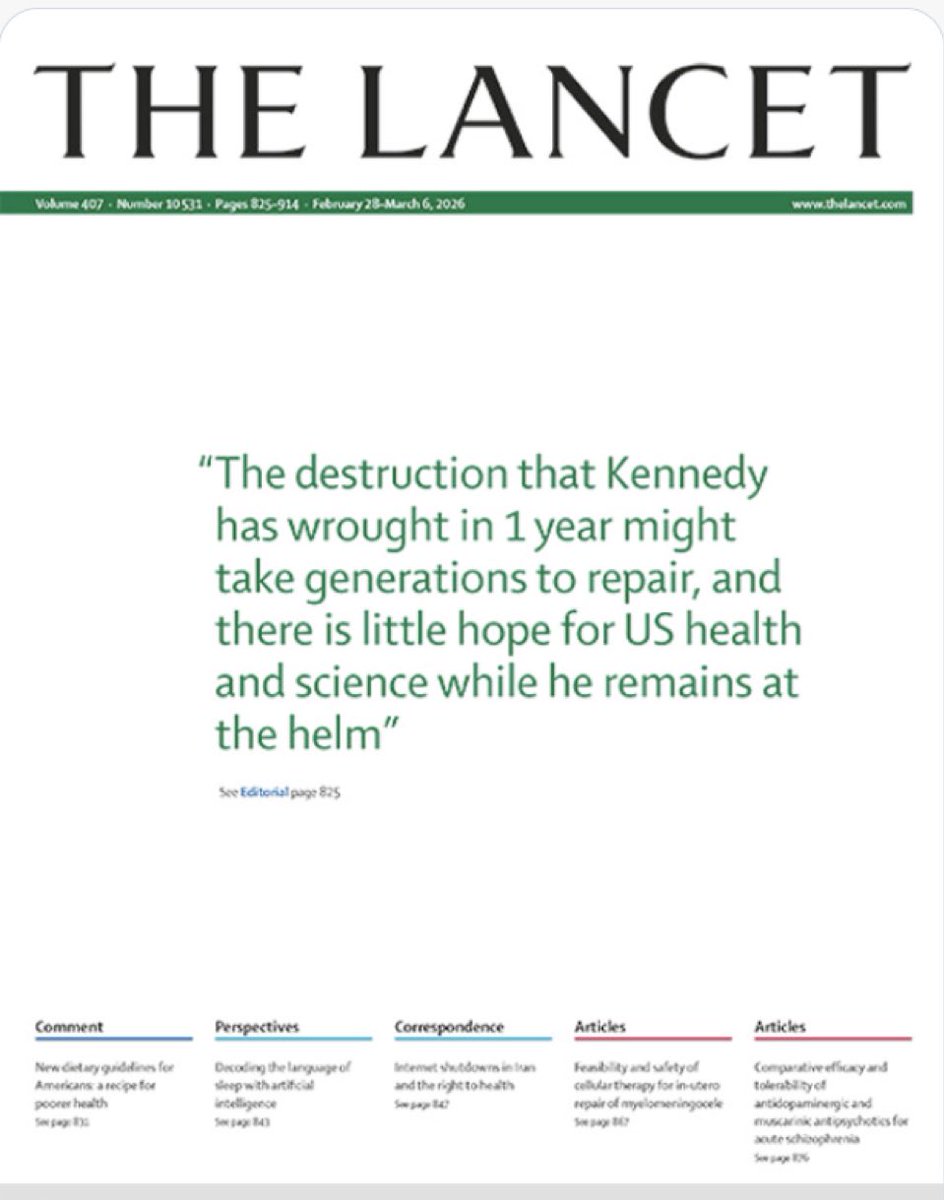
The cover of the Lancet. It says it all.
605
9,438
29,568
822,670
Kyle MacLea retweeted

Feb 26
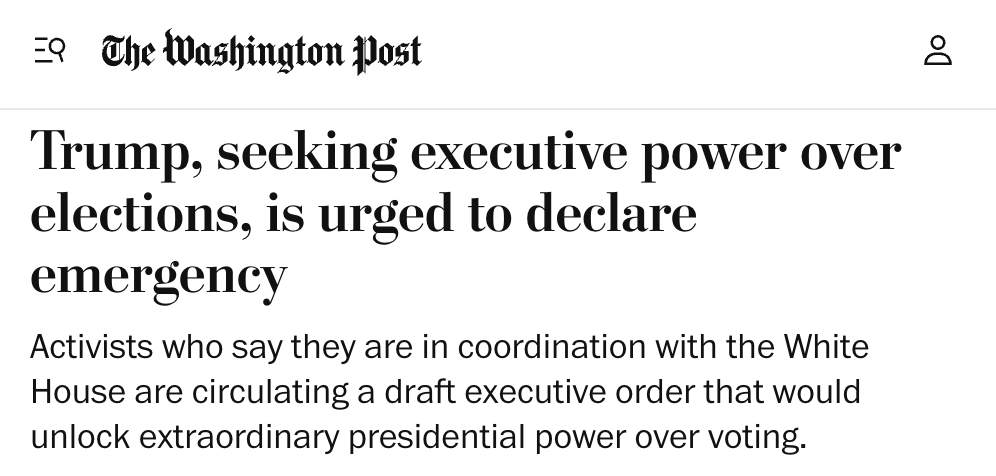
The 2026 elections may not come down to Democrats vs. Republicans.
It may be about whether we remain a democracy or move to an authoritarian society.
We cannot allow Trump and his friends to stop a free and fair election.
Fight back.
6,794
5,452
19,018
498,492
Kyle MacLea retweeted

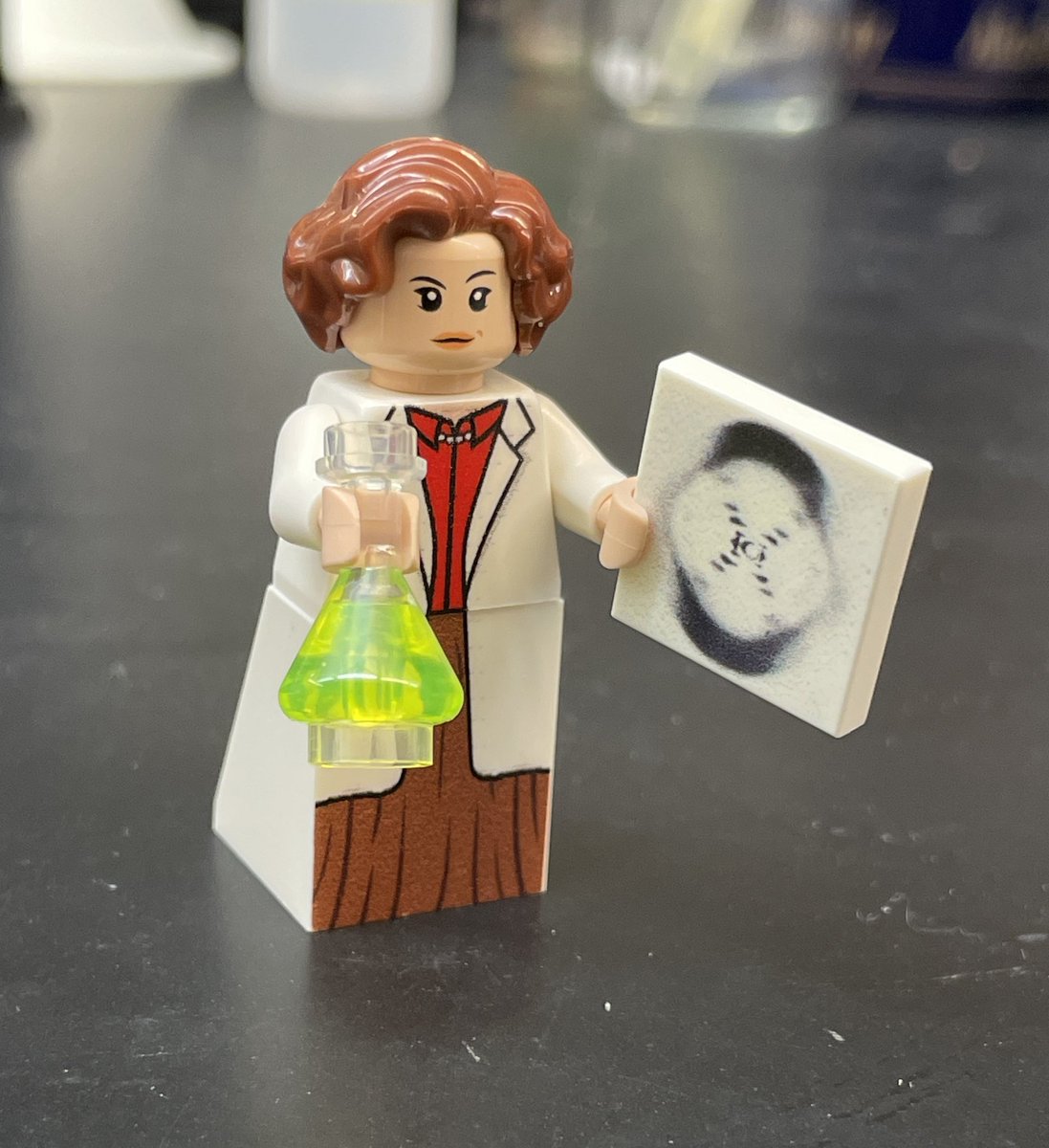
Something I bought from the UK: a Rosalind Franklin mini-fig, complete with Photo 51. I am super fond of it. #HistoryOfScience #DNA
1
1
9
120
Kyle MacLea retweeted

Check out our latest work!
JERBOA, a toolkit for making genome-wide genetics work in non-model bacteria.
blog.cultivarium.org/p/so-yo…
12
32
14,982
Kyle MacLea retweeted
Jan 10
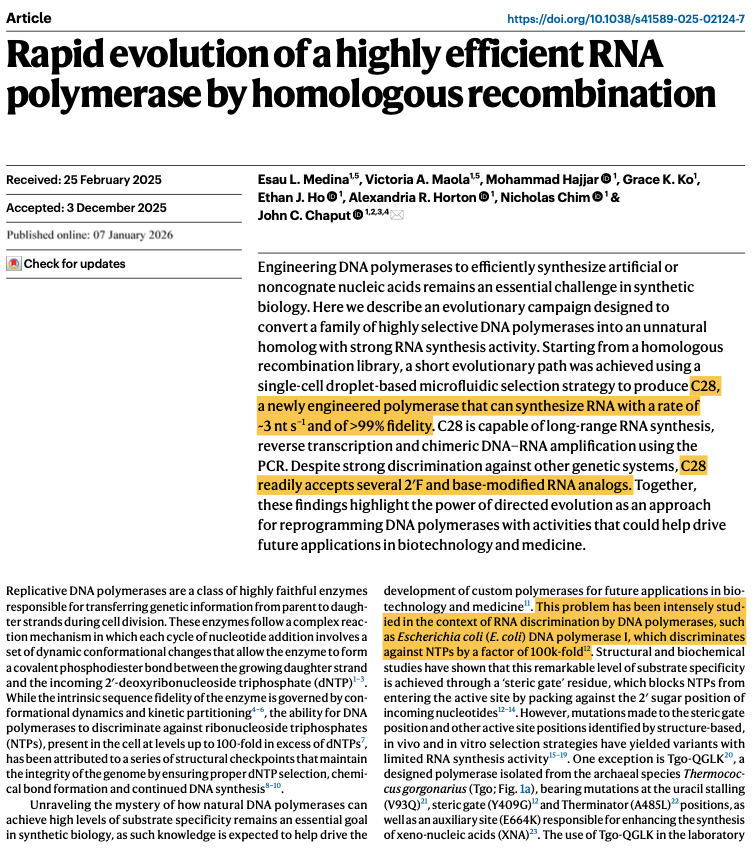
This paper is wild. After 3 rounds of directed evolution, they converted a DNA polymerase into an enzyme that can do:
- RNA synthesis
- Reverse transcription
- Synthesis of "unnatural" nucleotides
- Synthesis of DNA-RNA chimeras
One of the best papers I’ve read recently.
For context: In nature, it is DNA polymerase that takes a DNA sequence as a template and then copies it. These enzymes are crucial in replicating the genome for cell division, and they are EXTREMELY specific for DNA over RNA. This is key because RNA nucleotides are present in the cell at concentrations ~100x higher than DNA nucleotides, so the enzyme has evolved clever strategies to select one over the other.
RNA polymerases, for comparison, are the enzymes that take a DNA sequence as template and then convert it into RNA. They are involved in gene expression, for example.
To convert a DNA polymerase into an RNA polymerase (and all the other functions I mentioned earlier), the authors did a fairly straightforward directed evolution experiment.
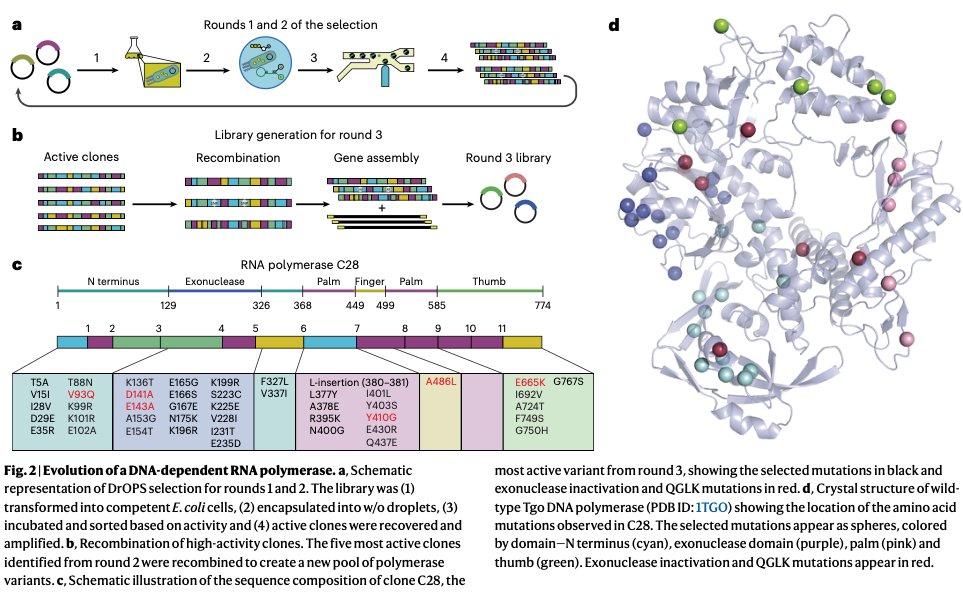
First, they took four DNA polymerase enzymes belonging to various archaea. These DNA polymerases don’t check for DNA vs. RNA as stringently as other types of cells, so they’re a good starting point to evolve RNA polymerases. The authors inserted some targeted mutations into these enzymes, based on known mutations in the literature. For example, they swapped the amino acid at position 409 for a smaller amino acid, thus removing a “gate” that keeps RNA building blocks from entering the enzyme.
Next, they took the four genes encoding these DNA polymerases and cut them up into 12 segments each. They randomly stitched these 12 segments together — from the four different genes — to build millions of unique variants. Each shuffled gene was inserted into an E. coli cell.
Then, they grew up these cells (each carrying a unique polymerase) and put them into microfluidic droplets. A device isolates each droplet, lyses the cell open, and releases the polymerase. The droplet also contains RNA building blocks and a DNA template, encoding a fluorescent reporter. If the polymerase begins synthesizing RNA, it will produce a detectable signal. They screened about 100 million droplets in 10 hours of work, searching for those with a signal.
For each well that yields a fluorescent signal, the researchers isolated the DNA and sequenced it to figure out which polymerase it was. They repeated this 3x times, finally isolating a really excellent RNA polymerase variant which they called "C28."
C28 has 39 mutations compared to the wildtype enzymes. It incorporates about 3.3 nucleotides of RNA per second, with 99.8% fidelity. The crazy thing is that this enzyme can also copy DNA or RNA templates back into DNA (reverse transcription), or use chimeric DNA-RNA molecules as a template and amplify them. It is just a super versatile polymerase that can act on DNA, RNA, or modified nucleotides, to build just about anything.
17
355
1,689
86,811
28 Nov 2025
RT @PeterHotez: For all practical purposes measles is back, now whooping cough on the rise, next domino to fall. What’s next? Hib meningiti…
2,064
Kyle MacLea retweeted
13 Nov 2025
Any #archaea lab out there interested in having their Natrialba species sequenced on ONT r10 up to about 3Kx read depth for free? I'll send back annotated assembly, methylation data and raw signal files. I need at least one more species for a current paper. Feel free to DM!
4
3
199
Kyle MacLea retweeted

23 Oct 2025
DNA extraction free whole genome sequencing of bacteriophage genomes from a single plaque | bioRxiv biorxiv.org/content/10.1101/…
1
5
20
1,305
Kyle MacLea retweeted

8 Oct 2025
- Immigrates to US at 15 dirt-poor
- Undergrad at Hudson Valley Community College & SUNY Albany
- PhD at University of Illinois Urbana-Champaign
- NSF postdoc at Harvard
... Nobel Prize!
A testament to the US education and research system and the US would be poorer without it!
8 Oct 2025

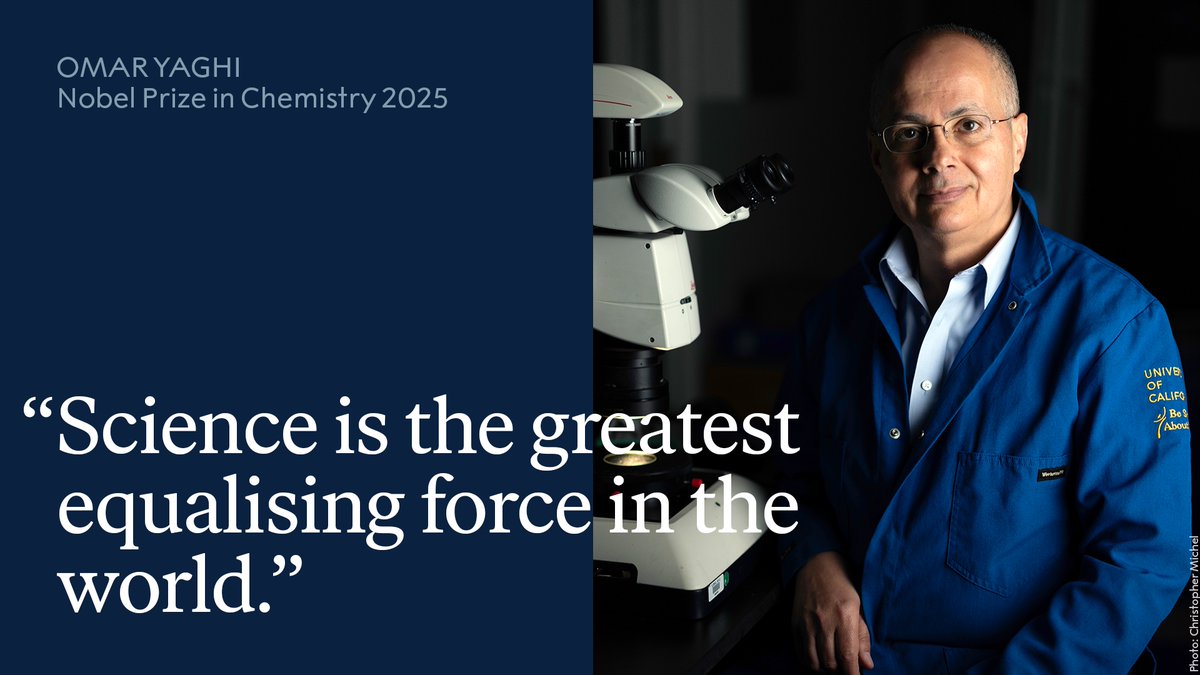
This year’s chemistry laureate Omar Yaghi was born in Amman, Jordan, in 1965 to parents who were refugees from Palestine. When we spoke to him he shared his story:
“I grew up in a very humble home, we were a dozen of us in one room, sharing it with the cattle that we used to raise. I was born in a family of refugees, and my parents could barely read or write. My father finished sixth grade and my mother couldn’t read or write. It’s quite a journey. Science allows you to do it. Science is the greatest equalising force in the world.
Smart people, talented people, skilled people exist everywhere. That’s why we really should focus on unleashing their potential through providing them with opportunity.”
Today Yaghi shared the 2025 Nobel Prize in Chemistry with Susumu Kitagawa and Richard Robson for their work developing metal–organic frameworks.
Learn more about the prize: nobelprize.org/prizes/chemis…
156
1,609
9,453
580,886
Kyle MacLea retweeted

7 Oct 2025
I knew it. ACIP will deschedule the MMR in favor of monovalents that don't exist and won't get approved because the FDA will require placebo-controlled trials that can't ethically be carried out.
The end result is bye bye MMR vaccine, hello measles, mumps, and rubella.
6 Oct 2025

Thank you @POTUS for your leadership.
I call on vaccine manufacturers to develop safe monovalent vaccines to replace the combined MMR and “break up the MMR shot into three totally separate shots.”
49
432
1,217
64,310
Kyle MacLea retweeted

19 Sep 2025
This will be absolutely devastating in the medical field.
~30% residents are international medical graduates & ~10k of 43k residency spots are filled by docs with H1-B visas.
Previously the h-1B fee was <$5,000.
No hospital will pay a $100k fee for a $55k resident salary.
19 Sep 2025

Trump signs an EO on H-1Bs raising "the fee that companies pay to sponsor H1-B applicants to $100,000"
7,252
11,374
57,443
8,697,915
Kyle MacLea retweeted

9 Sep 2025
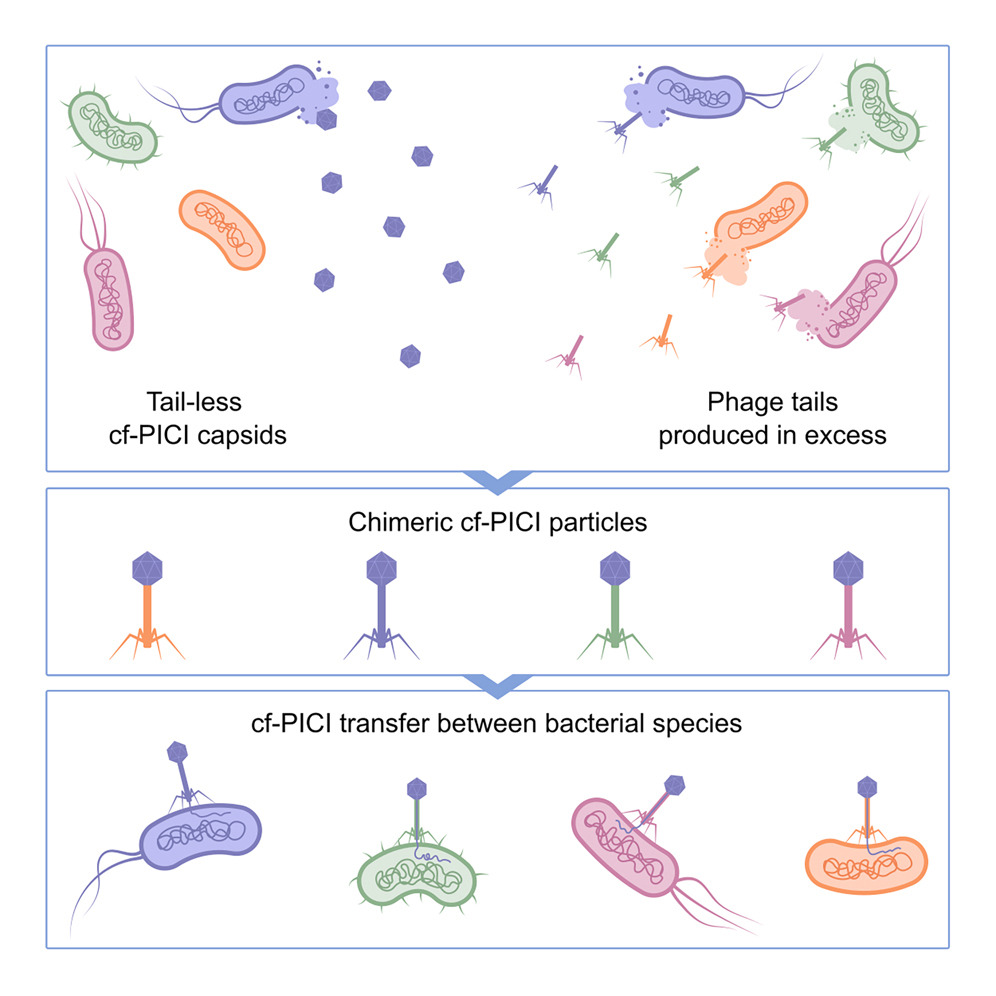
Thrilled to share our discovery of a new horizontal gene transfer mechanism: tail-less cf-PICIs hijack free phage tails extracellularly, forming infectious chimeric virions that drive both intra- and inter-species transfer among bacteria. @jonaszpatkowski @jrpenades @CostaT_Lab
3
31
75
10,404
Kyle MacLea retweeted
7 Sep 2025
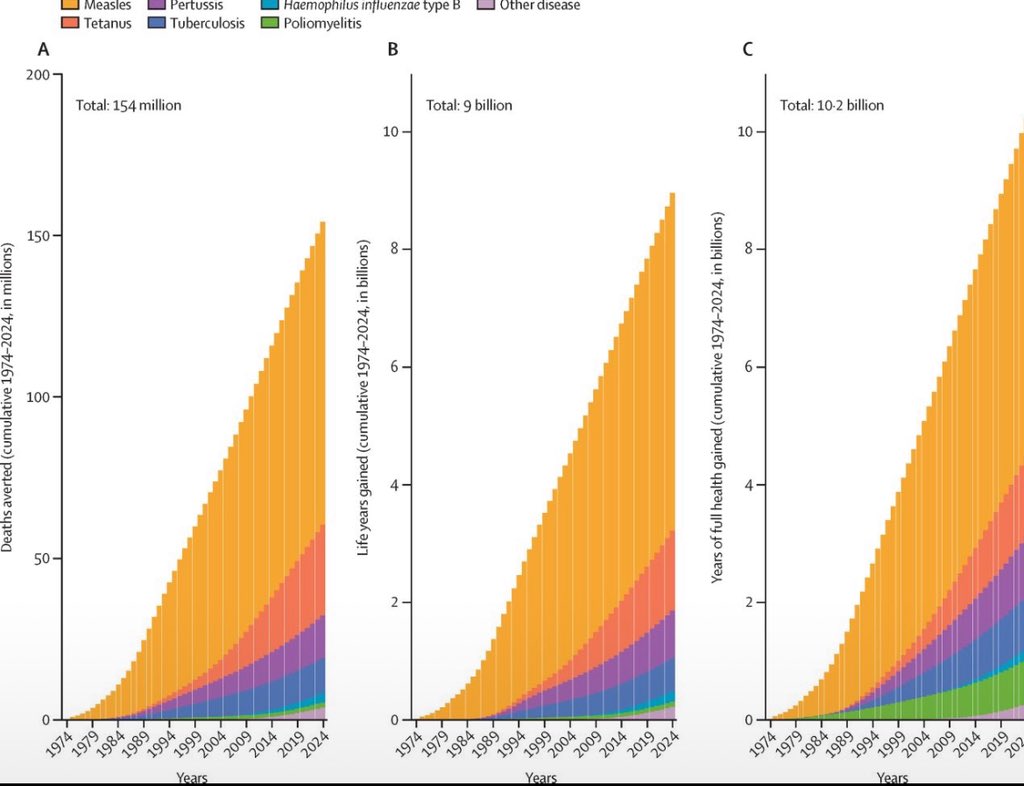
Staggering numbers by the Lancet. Vaccinations have:
- Averted 154 million deaths
- For every death averted, 66 years of full health were gained on average = 10.2 billion years total
- Accounted for 40% of the observed decline in global infant mortality
182
1,861
5,236
264,397
Kyle MacLea retweeted
21 Aug 2025
Vaccines are scientific miracles
20 Aug 2025

Dr Edward Jenner created the first-ever vaccine when he found out people infected with cowpox were immune to smallpox. This discovery ultimately led the world to eradicate this deadly disease and save millions of lives ⬇
4
90
498
44,941