Professor of Physical Chemistry interested in photonics, fluorescence, nanomaterials, functional interfaces, biosensors, cell biophysics @ruhrunibochum Germany
Joined November 2017
- Tweets 571
- Following 174
- Followers 933
- Likes 1,319
94 Photos and videos

Jun 12
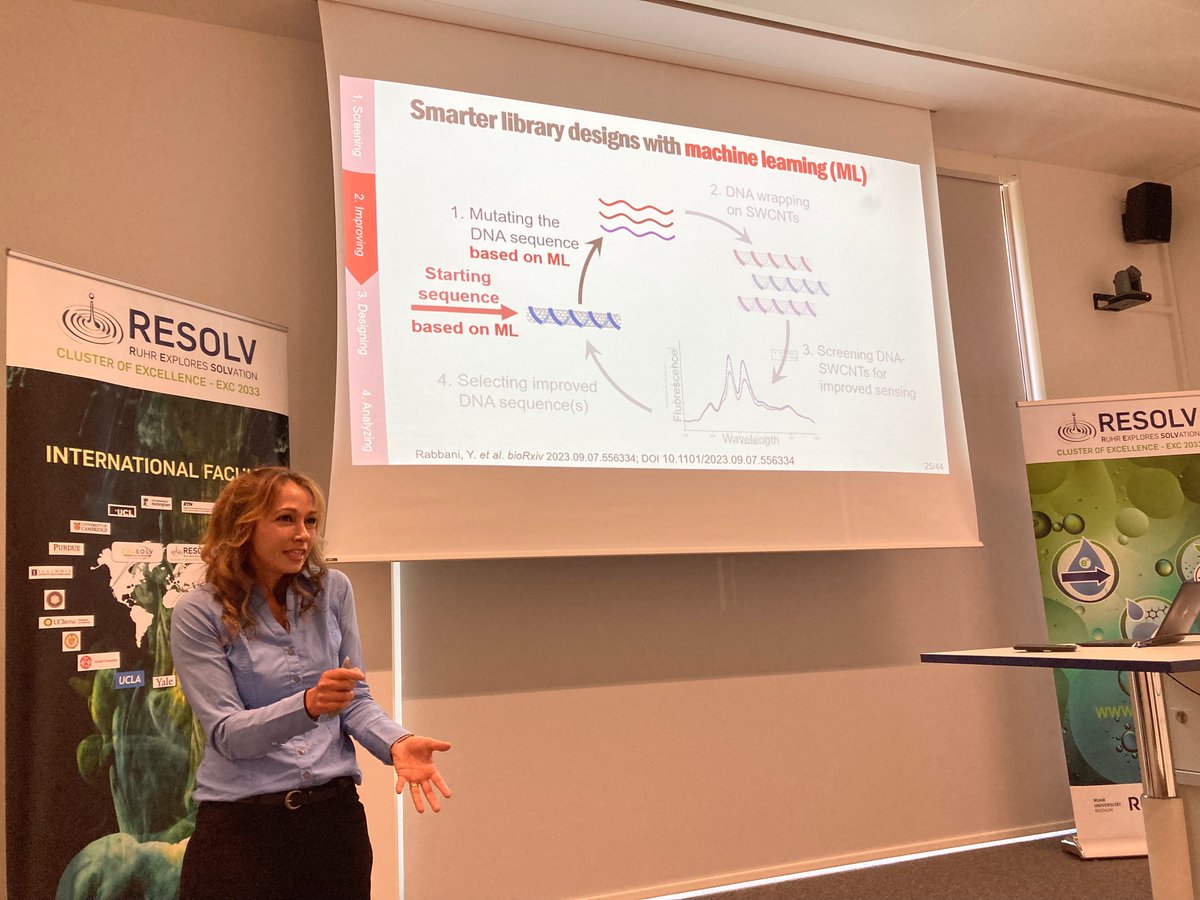
Many thanks to @ArdemisPrime for visiting us in Bochum and sharing her vision about future sensor design. It was great to catch up and brainstorm about future technologies. @nanocarbons @ruhrunibochum @SolvationSci
1
9
415
Jun 10
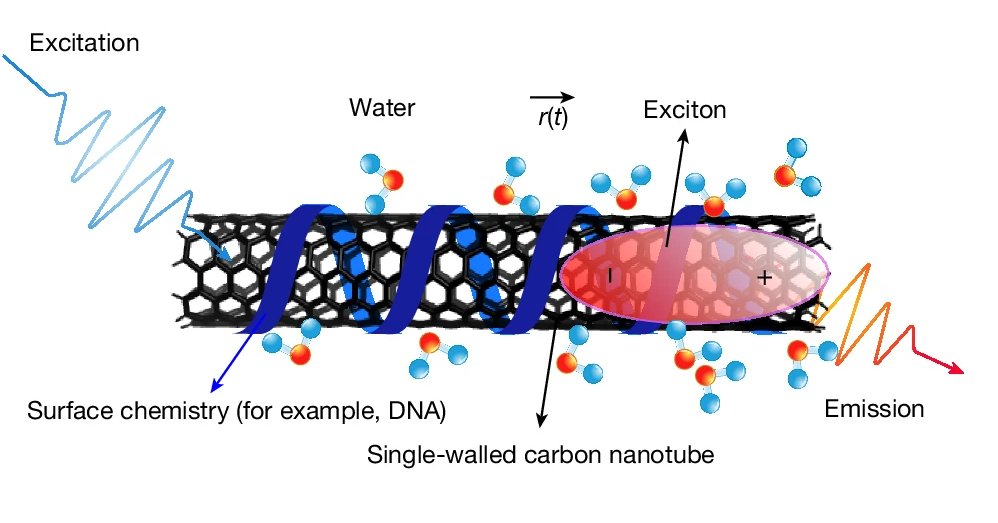
1/4 Check out our work with the Sulpizi and Havenith labs @Nature. We show that light can slow down diffusion of small objects (@nanocarbons), find a THz signature for it in the water and support it by simulations. @ruhrunibochum @SolvationSci nature.com/articles/s41586-0…
2
3
16
683
Jun 10
3/4 Optical pump probe THz spectroscopy probes the water structure and we found a unique feature that we assign to the exciton water interaction. Because of the time scales we propose that this pathway allows the nanotube to exchange momentum with the water via quantum friction.
1
2
87
Jun 10
4/4 Finally, we performed MD simulations. They support the interpretation that charge oscillations of the exciton interact with the water and are the reason. There are very interesting implications and still many open questions. Many congrats to Tanuja and Krishan the whole team
1
47
Jun 10
Looking forward to the talk from Ardemis, a global leader in biosensor design and research. @ruhrunibochum @SolvationSci

Excited to speak at tomorrow's RESOLV seminar on AI for medical diagnostics and next-generation sensors.
Thanks to @KrussLab for the invitation!
📍 ZEMOS Building, Ruhr-Universität Bochum
🕚 11:15
Hope to see some of you there.
#AI #MedicalDiagnostics #Sensors #RESOLV
5
275
Sebastian Kruss retweeted

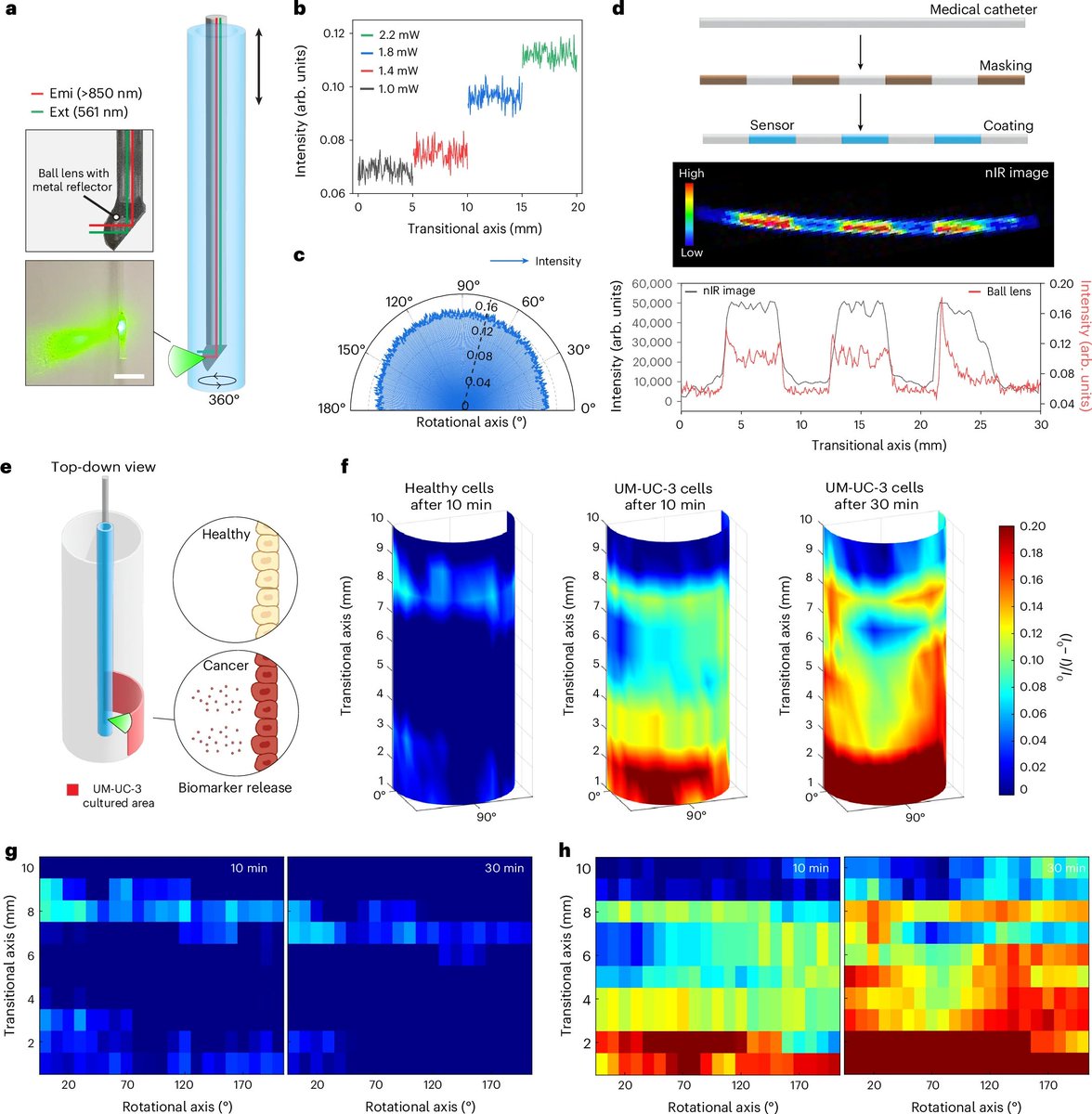
New paper online: Chemical efflux imaging using an annular nanosensor array for in situ bladder cancer detection.
"A catheter-integrated carbon nanotube #nanosensor array enables NIR mapping of bladder #cancer biomarkers with 182× higher sensitivity."
nature.com/articles/s41565-0…
16
27
2,335
Sebastian Kruss retweeted

May 18
Integrating experimental and computational approaches we elucidated the role of nanoparticle size and cross-linking on plant cell wall-nanoparticle interactions for advancing plant nanobiotechnology and nano-enabled agriculture.
pubs.acs.org/doi/10.1021/acs…
2
5
257
May 12
Monitoring Molecules in Neuroscience (MMiN) conference in Amsterdam abstract deadline is approaching. monitoringmolecules.org/spea…
Highly interesting for anyone interested in neurochemical technologies. There will be also a symposium on @nanocarbons for neuroscience.
2
4
199
Sebastian Kruss retweeted

Nanoscale rheological heterogeneity revealed by Single Particle orientation Tracking (SPoT) of ultrashort carbon nanotubes in brain tissue biorxiv.altmetric.com/detail…
1
4
8
966
Sebastian Kruss retweeted

Apr 19
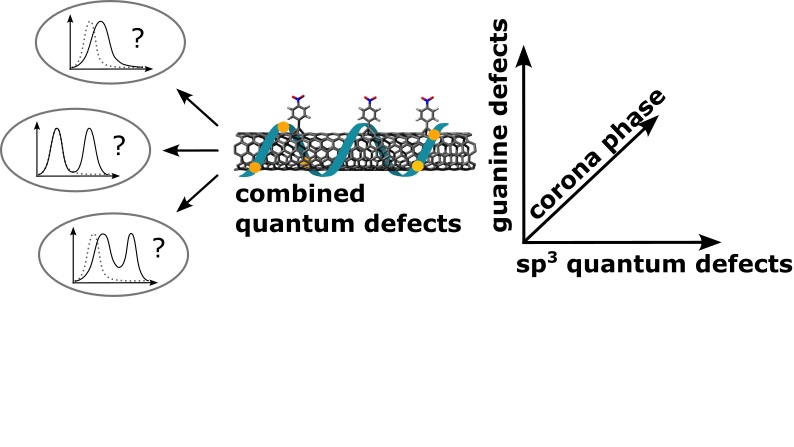
Read our latest: Detecting organophosphates with nanosensors! 💡Identical defect sites in SWCNTs produce opposite fluorescence responses depending on the corona phase.
A new design principle for optical sensing in complex environments 🌊Now in Nanoscale pubs.rsc.org/en/content/arti…
2
5
21
1,324
Apr 23
Cool work and new dimension for CNT chemistry!
Apr 21

Quantum defects make carbon nanotubes better! A massive expansion of quantum well defect chemistry that can improve sensors for cancer and many other applications. Congratulations team, funders, and collaborators! @MSKCancerCenter @nanocarbons nature.com/articles/s44160-0…
2
6
709
Sebastian Kruss retweeted
Apr 20
📢How many sensors do you really need for reliable chemical fingerprinting?
In our new work with @sycho_lab, we introduce a transparent framework that selects minimal sensor subsets from small screening datasets while preserving classification accuracy.
pubs.acs.org/doi/10.1021/acs…
2
4
12
403
Apr 22
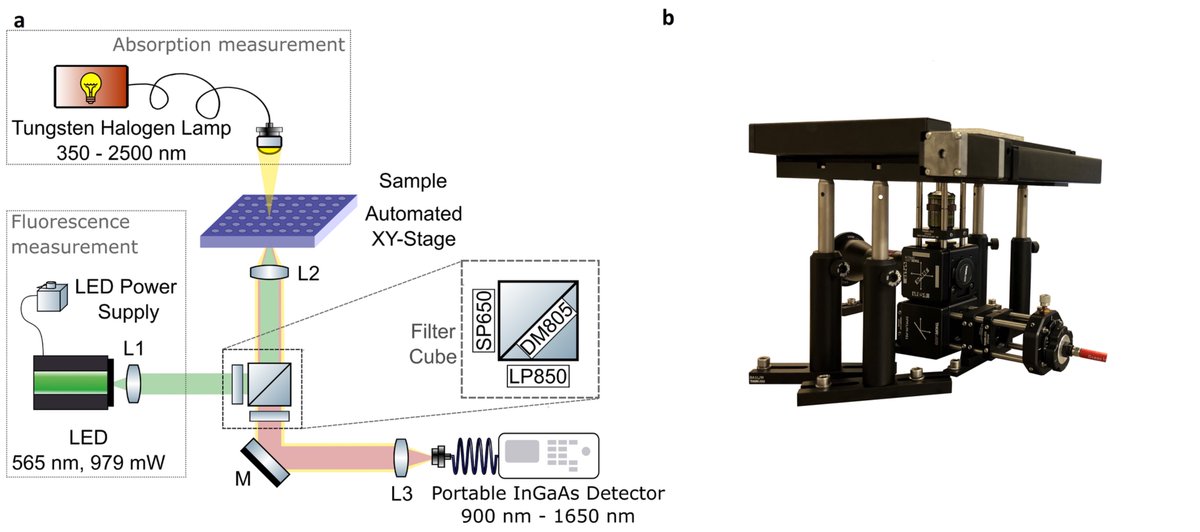
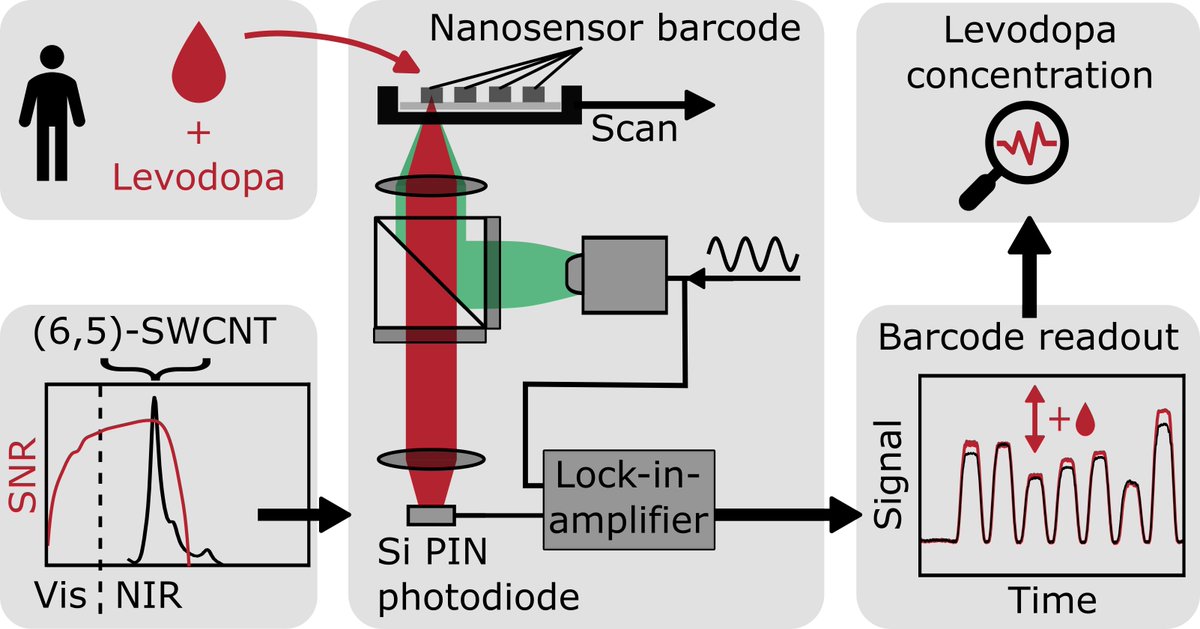
If you are interested in near infrared (NIR) absorption and fluorescence spectroscopy: Here is a a simple, low cost instruction. tinyurl.com/44k6xj53 You can also equip It with a xy controller for high throughput screenings. Congrats to Krisko. @ruhrunibochum @SolvationSci
3
14
57
5,833
Sebastian Kruss retweeted

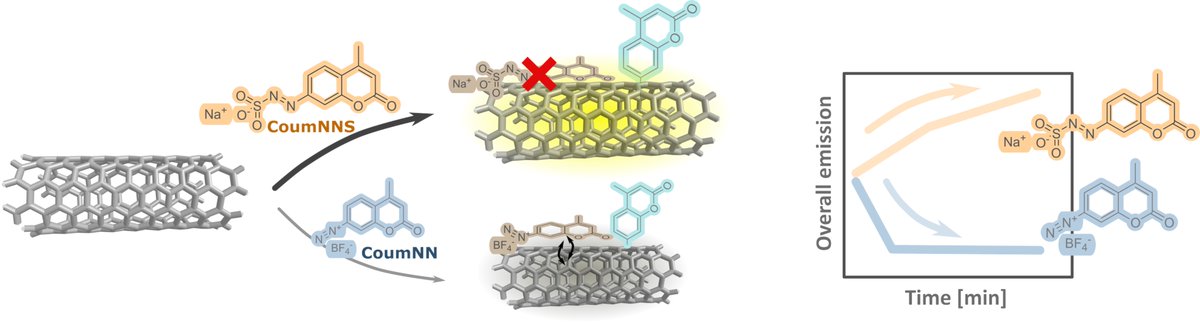
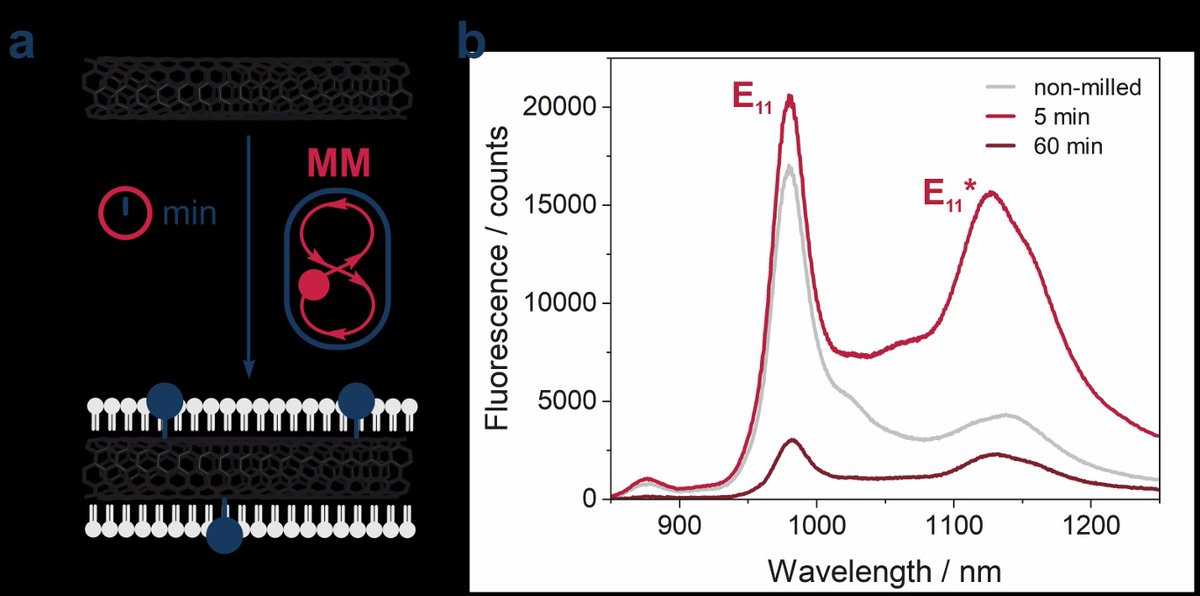
@krusslab report a new method to incorporate tiny perturbations (quantum defects) into the lattice of carbon nanotubes: it works without purification, creates brighter fluorescence and enables applications in sensing #openaccess
onlinelibrary.wiley.com/doi/…
1
14
1,669
Sebastian Kruss retweeted

Mar 17
Where did carbon nanotubes go? Were they just hype? No! They’re in your lithium ion batteries and more! “Industrial Adoption of Carbon Nanotubes” - Open access! pubs.acs.org/doi/10.1021/acs…
1
5
20
730
Sebastian Kruss retweeted
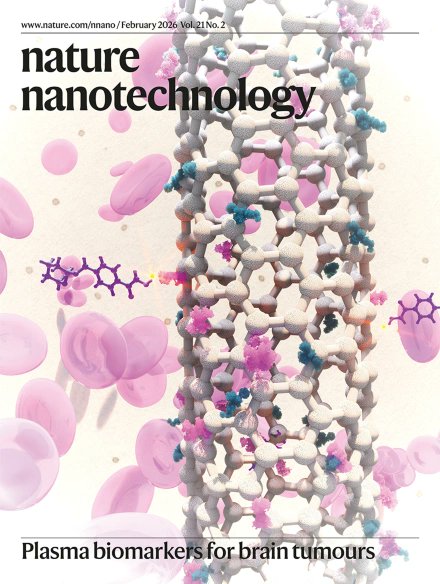
On the cover of this month's issue of Nature Nanotechnology! Our nanosensor AI-based liquid biopsy (blood test) for brain tumors that also enables the discovery of new biomarkers. nature.com/articles/s41565-0…
7
17
96
5,643
Sebastian Kruss retweeted

Feb 17
Our lab has had a productive, exciting couple of weeks! We had a review article come online in Advanced Sensor Research, in which we focus on rational design of optical nanosensors with molecular recognition elements Great work led by Dr. Amelia Ryan! advanced.onlinelibrary.wiley…
1
1
6
159
Feb 10
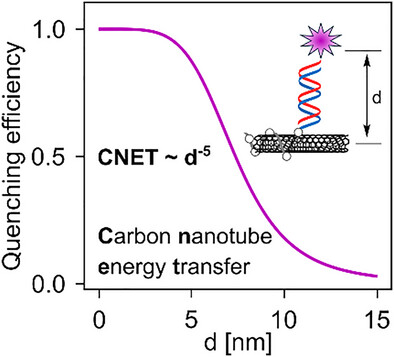
Great collaboration with @PhilipTinnefeld @Vukovic_Lab and special congrats to Izabela and Justus. We show in @angew_chem that @nanocarbons quench dyes with a beautiful d^-5 scaling law. Interesting perspectives for nano engineering... @SolvationSci tinyurl.com/8dj3en47
1
4
13
372
Feb 8
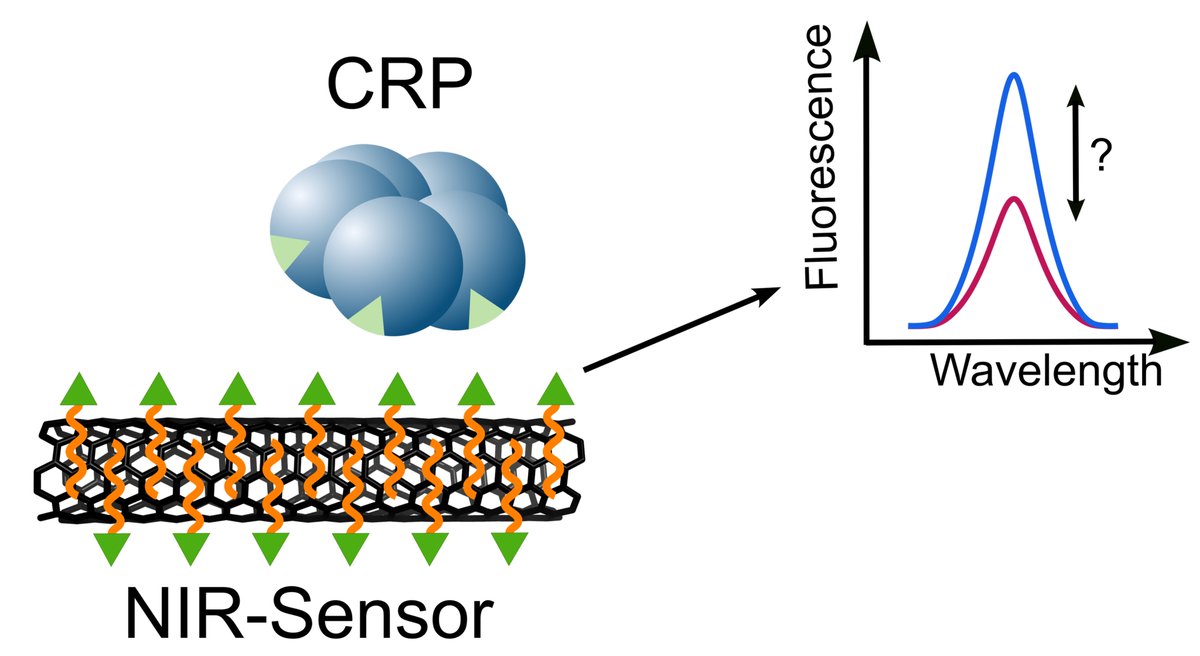
Congrats to Christina on her work in @ACS_Sensors . She developed a new biofunctionalization strategy for biosensors to detect CRP in human serum, which is an important biomarker for inflammation. @nanocarbons @ruhrunibochum @SolvationSci pubs.acs.org/doi/10.1021/acs…
2
22
1,329