
254 Photos and videos

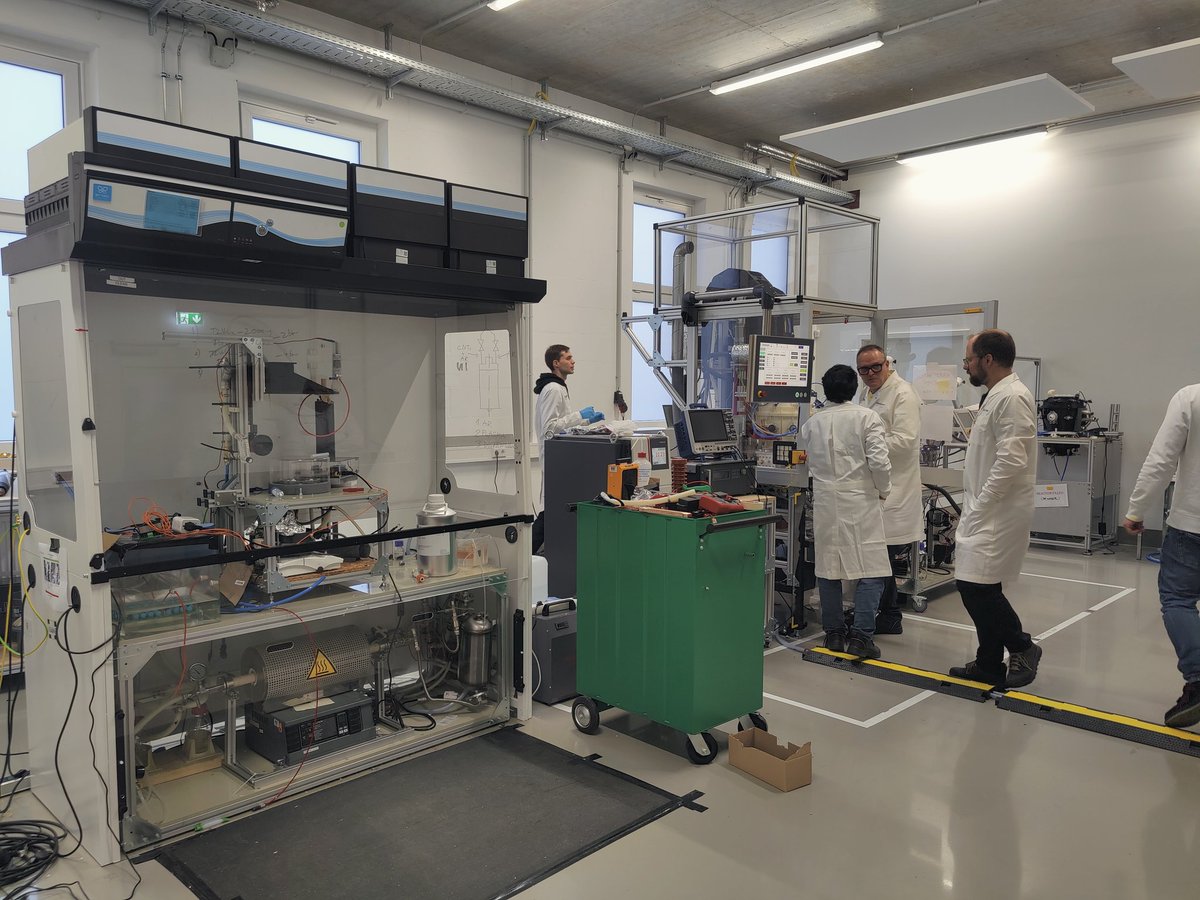
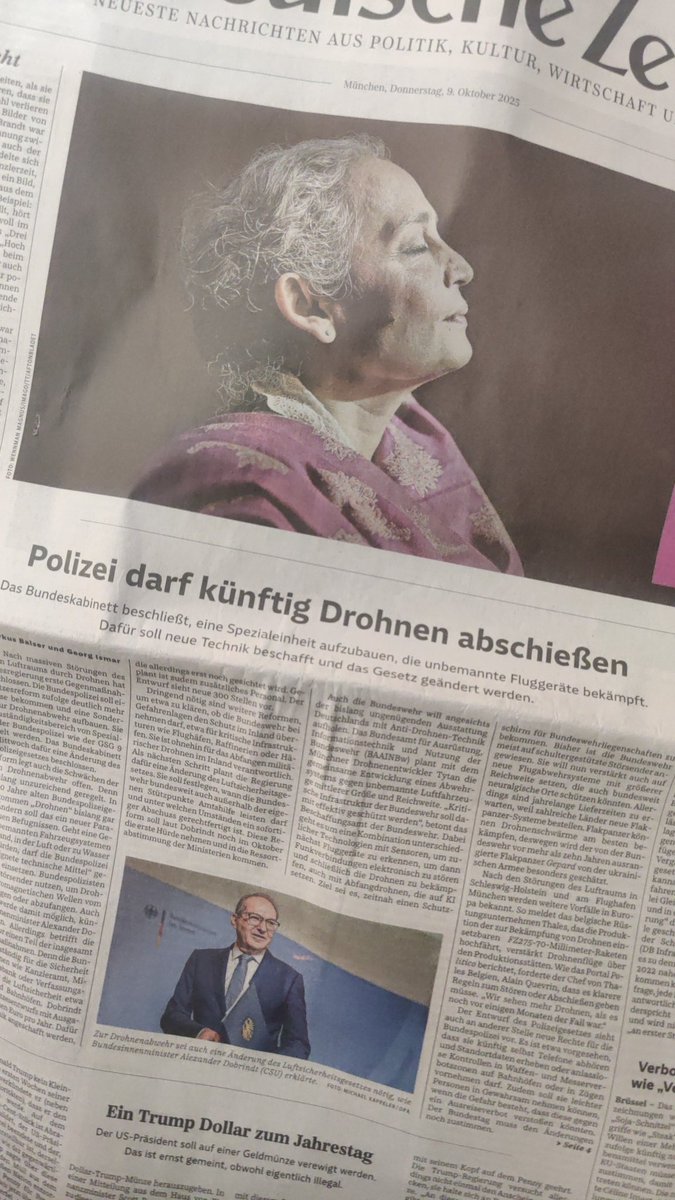
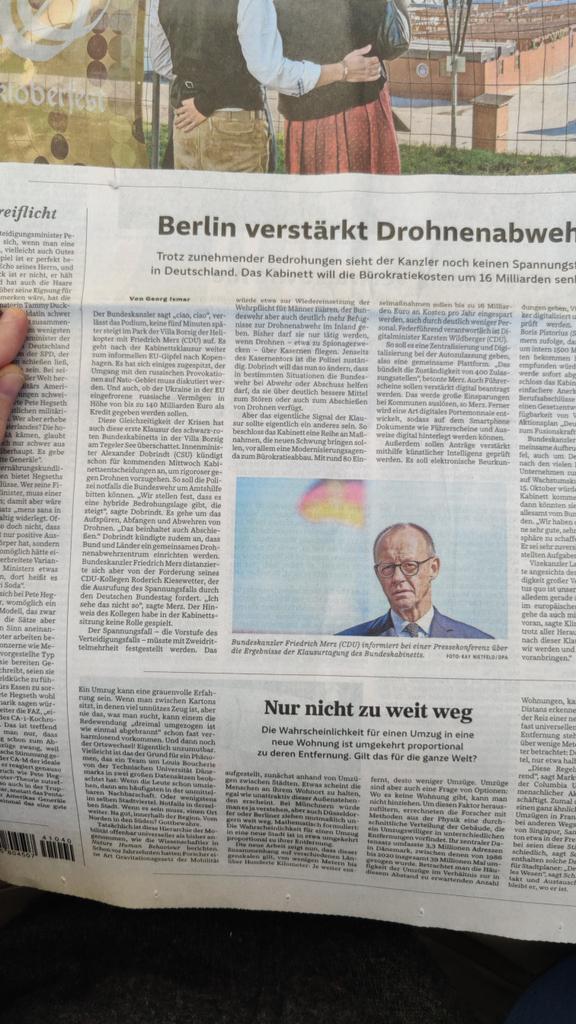
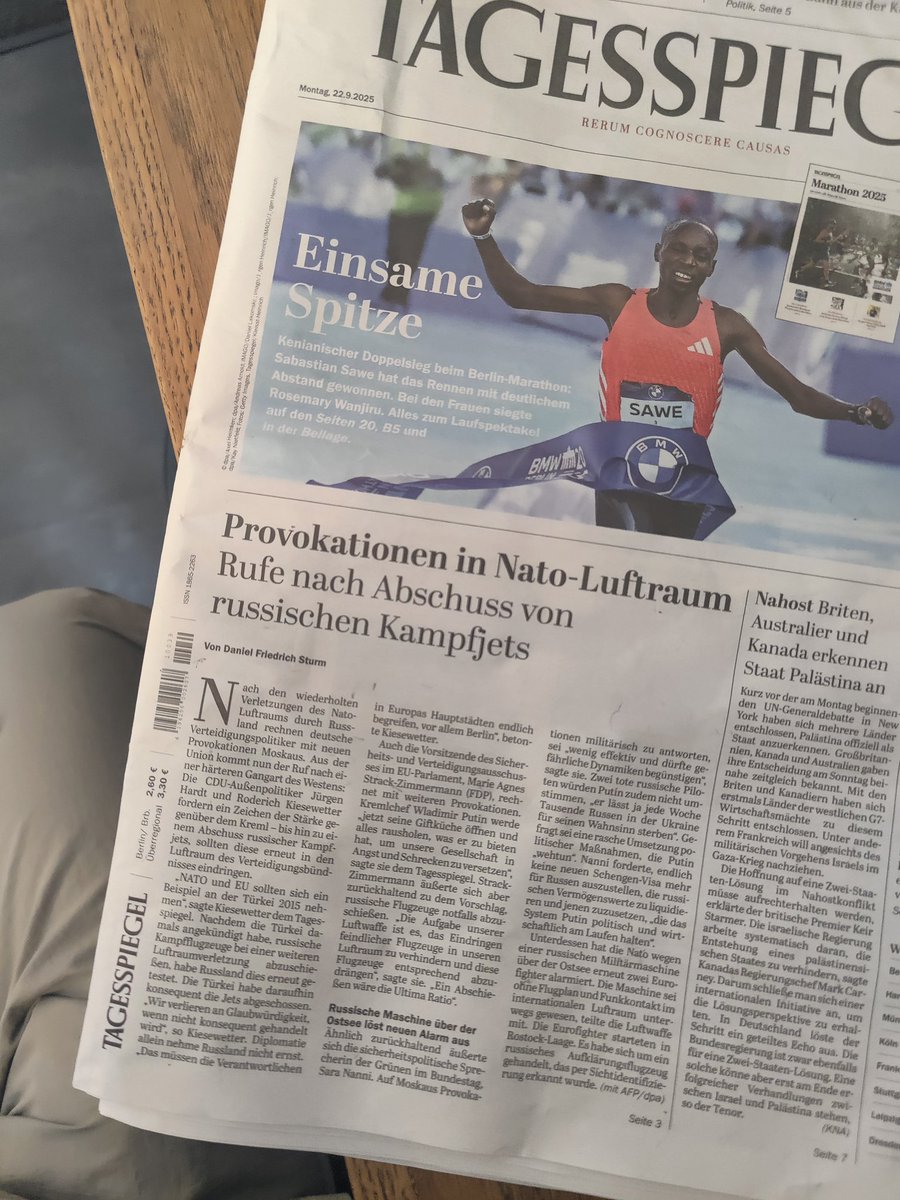
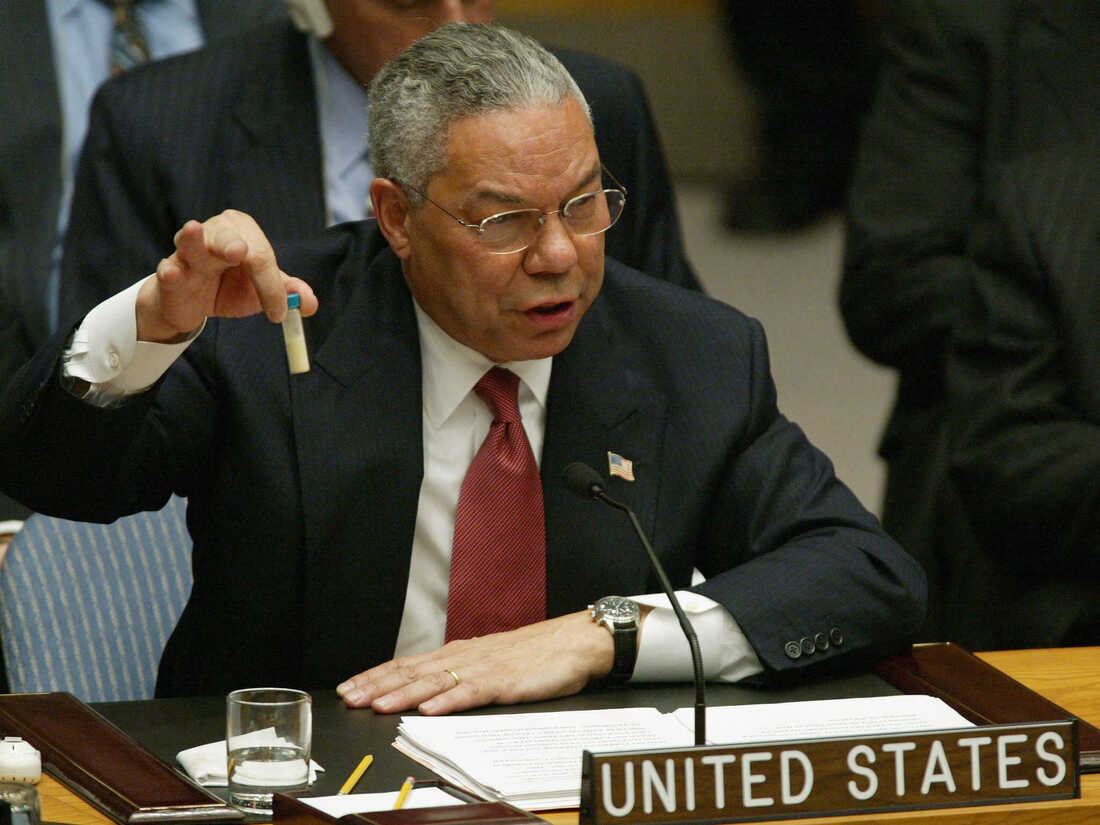
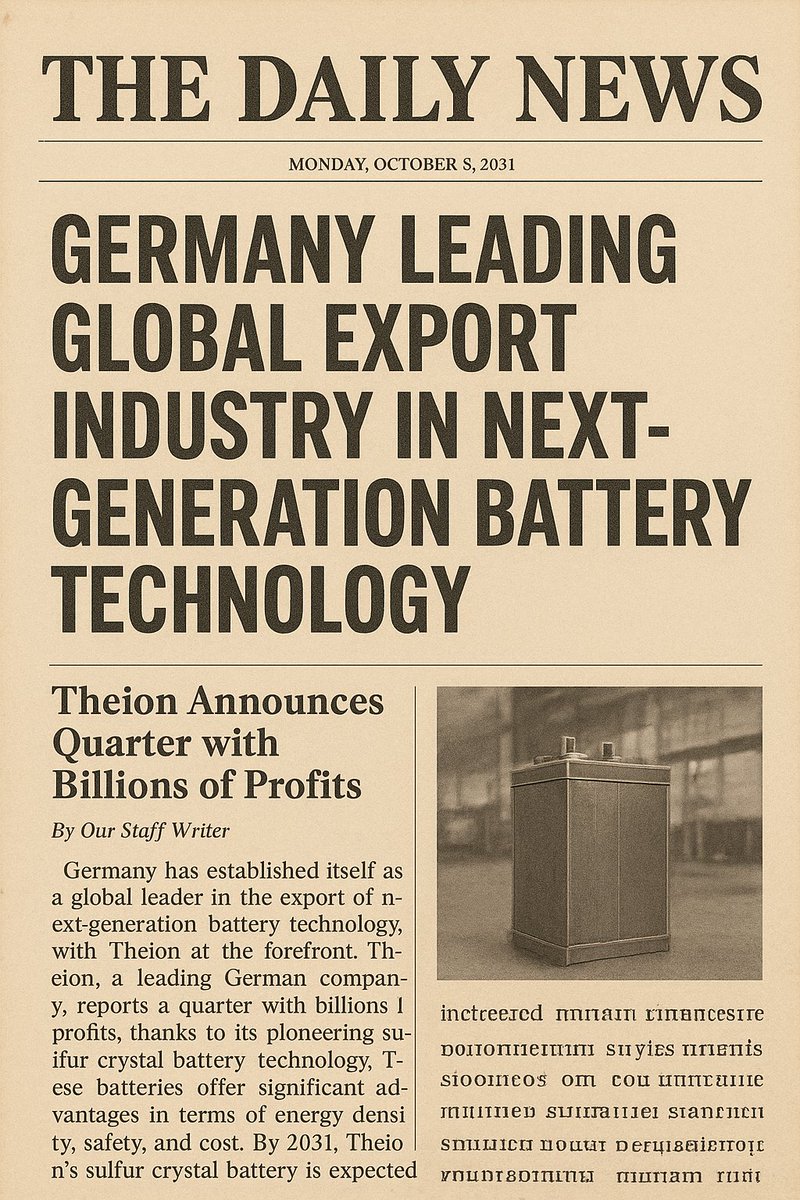
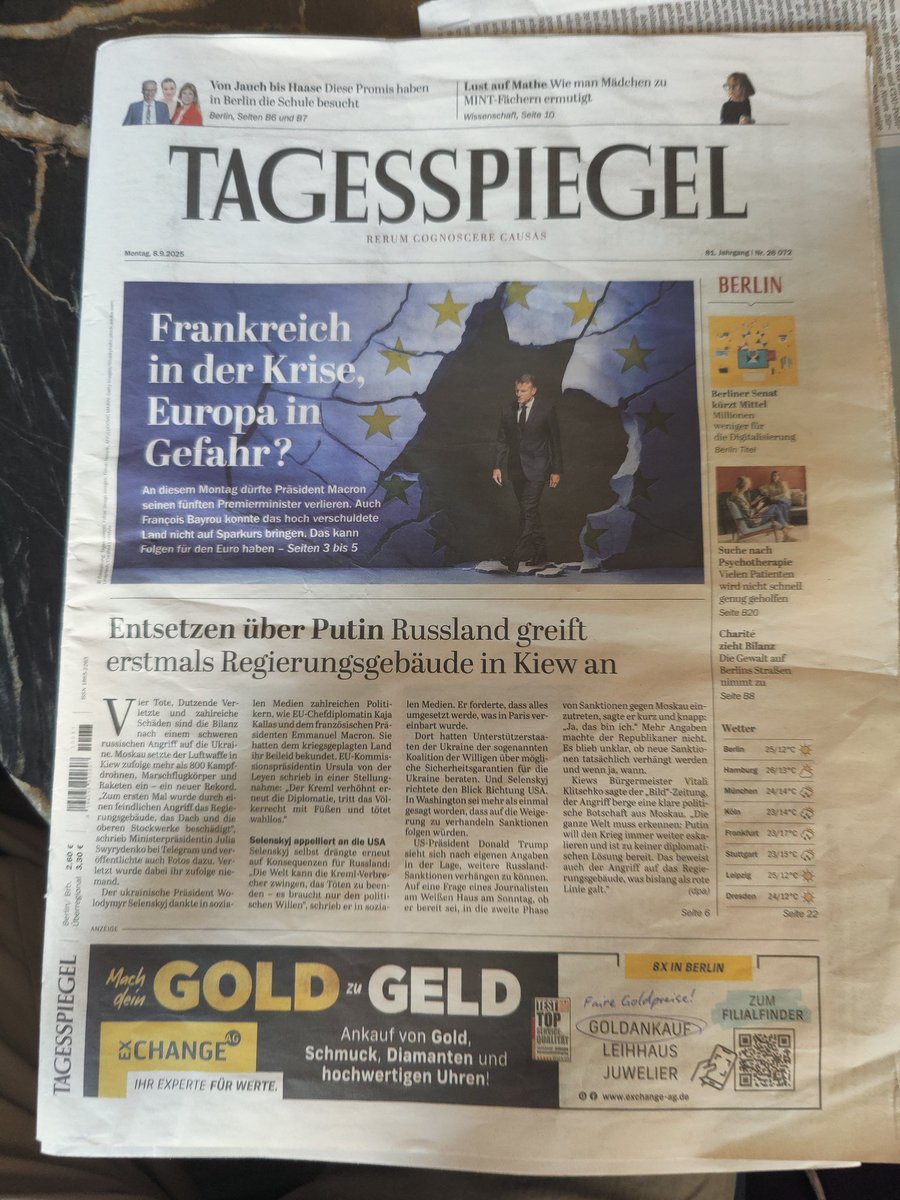

Ein Schritt in die richtige Richtung seitens deutscher Medien. Aber noch ein weiter, weiter Weg. Das Thema garbage in garbage out findet auch beim Thema Russland statt. Und auch solchen, die zensiert sind und die man gar nicht erwähnen darf. Ein weiter Weg....
Jun 10

This is extraordinarily rare.
In fact, according to a key figure in the German business community (who is a dear friend of mine), it's unprecedented.
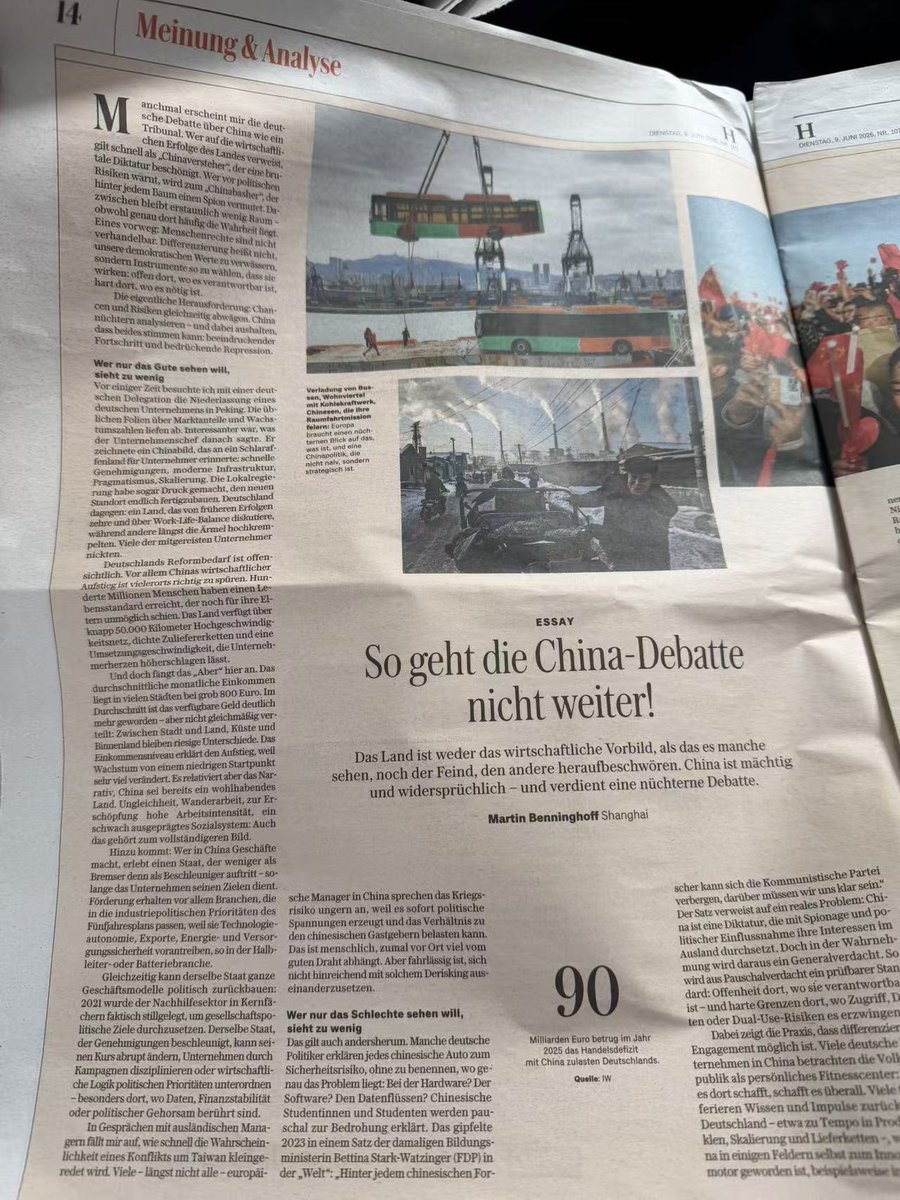
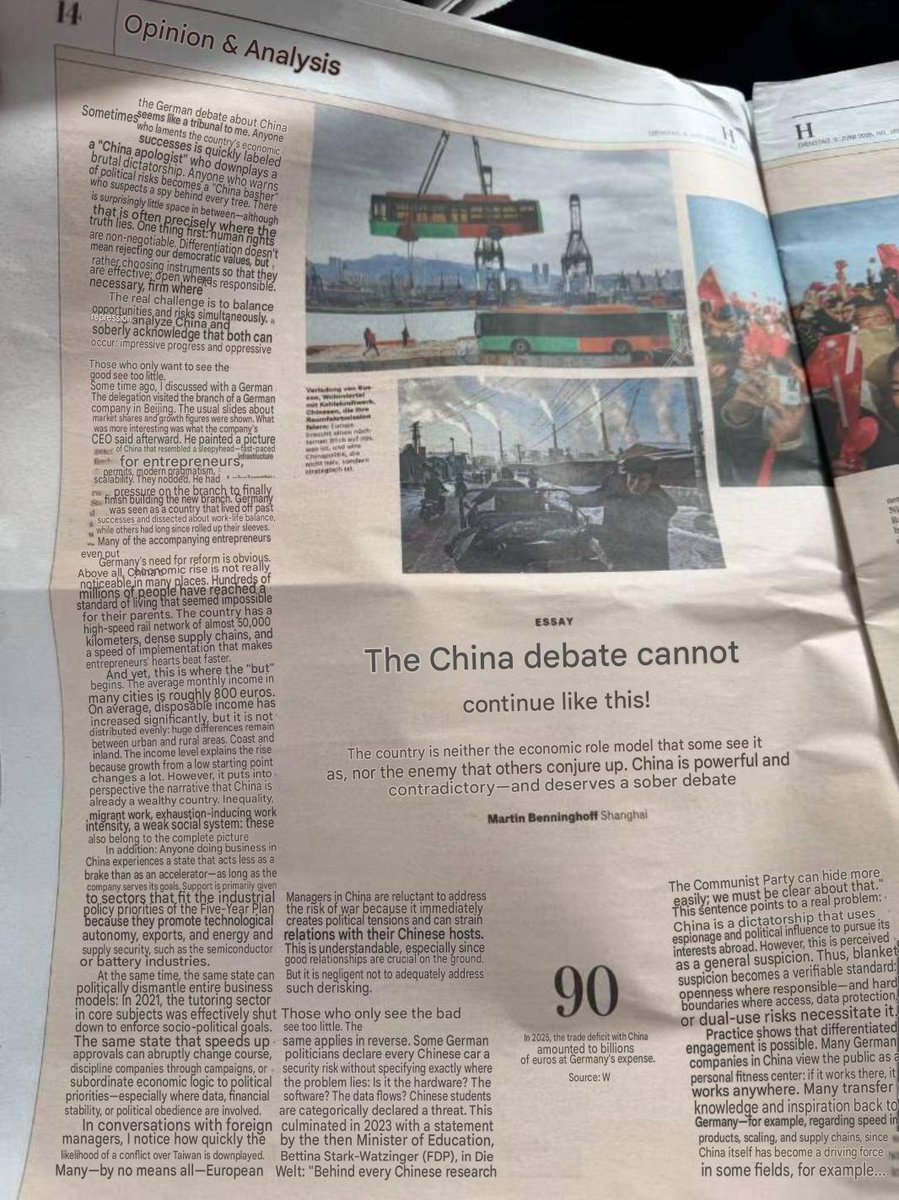
An op-ed, two pages, centerpiece, in Germany’s most important economic newspaper (the Handelsblatt) that begs the German establishment to stop looking at China via the prism of propaganda. And it's by their Shanghai bureau chief - not some outside contributor.
The title is "The China debate cannot continue like this!" and the article makes the case that it's suicidal, from a German and European standpoint, to keep reducing China to false caricatures rather than facts.
In effect it's rubbish in, rubbish out: if you tell people lies about China - whichever direction they go (anti or pro) - then obviously the policies that come out will be rubbish, designed for a mirage of a country that exists only in people's imagination.
Needless to say, this is absolutely music to my ears because it's literally the main point I've been making in my advocacy around China for now almost 10 years. Some are finally seeing the light...
I also believe, as I argued in my article "Are Western media turning China-friendly?" last year (arnaudbertrand.substack.com/…) that this type of coverage was bound to happen, and there will be more and more of it.
Why? For a very simple structural reason: China is now too powerful to coerce. The West, and Europe in particular, just don't have the leverage anymore. Which means that if you tell China to do something and they don't want to, they just won't do it. Period.
In this situation, incapable of coercing, your only remaining choice is... convincing. And what do you need if you want to convince someone? Well, you need to understand them: understand how they think, how they behave, what drives them, what they actually want.
In other words: the moment coercion stops being an option, not only does propaganda stop being useful, it begins to be actively harmful as genuine understand becomes a strategic necessity. Reality is finally becoming profitable again.
Which means, if you're a journalist reading this and you're peddling some of your usual lies, describing China as some sort of cartoonish dictatorial dystopia that's simultaneously on the verge of collapse yet a "threat" to the whole world (in short, if you write on China for The Economist or the FT), be on notice: the real threat to your country isn't China. It's you.
1
64
Lukasz retweeted

Jun 10
This is extraordinarily rare.
In fact, according to a key figure in the German business community (who is a dear friend of mine), it's unprecedented.
An op-ed, two pages, centerpiece, in Germany’s most important economic newspaper (the Handelsblatt) that begs the German establishment to stop looking at China via the prism of propaganda. And it's by their Shanghai bureau chief - not some outside contributor.
The title is "The China debate cannot continue like this!" and the article makes the case that it's suicidal, from a German and European standpoint, to keep reducing China to false caricatures rather than facts.
In effect it's rubbish in, rubbish out: if you tell people lies about China - whichever direction they go (anti or pro) - then obviously the policies that come out will be rubbish, designed for a mirage of a country that exists only in people's imagination.
Needless to say, this is absolutely music to my ears because it's literally the main point I've been making in my advocacy around China for now almost 10 years. Some are finally seeing the light...
I also believe, as I argued in my article "Are Western media turning China-friendly?" last year (arnaudbertrand.substack.com/…) that this type of coverage was bound to happen, and there will be more and more of it.
Why? For a very simple structural reason: China is now too powerful to coerce. The West, and Europe in particular, just don't have the leverage anymore. Which means that if you tell China to do something and they don't want to, they just won't do it. Period.
In this situation, incapable of coercing, your only remaining choice is... convincing. And what do you need if you want to convince someone? Well, you need to understand them: understand how they think, how they behave, what drives them, what they actually want.
In other words: the moment coercion stops being an option, not only does propaganda stop being useful, it begins to be actively harmful as genuine understand becomes a strategic necessity. Reality is finally becoming profitable again.
Which means, if you're a journalist reading this and you're peddling some of your usual lies, describing China as some sort of cartoonish dictatorial dystopia that's simultaneously on the verge of collapse yet a "threat" to the whole world (in short, if you write on China for The Economist or the FT), be on notice: the real threat to your country isn't China. It's you.
154
1,097
4,272
260,617
"Historically, direct warfare between China and Japan was actually quite rare before the late 19th century. Because they are separated by the East China Sea, their early conflicts were almost entirely proxy wars fought on the Korean peninsula." (AI prompted on history). Korean proxy wars also were rare.
406

If that would be really true, our media would cover it. Our leaders would know it and act accordingly.

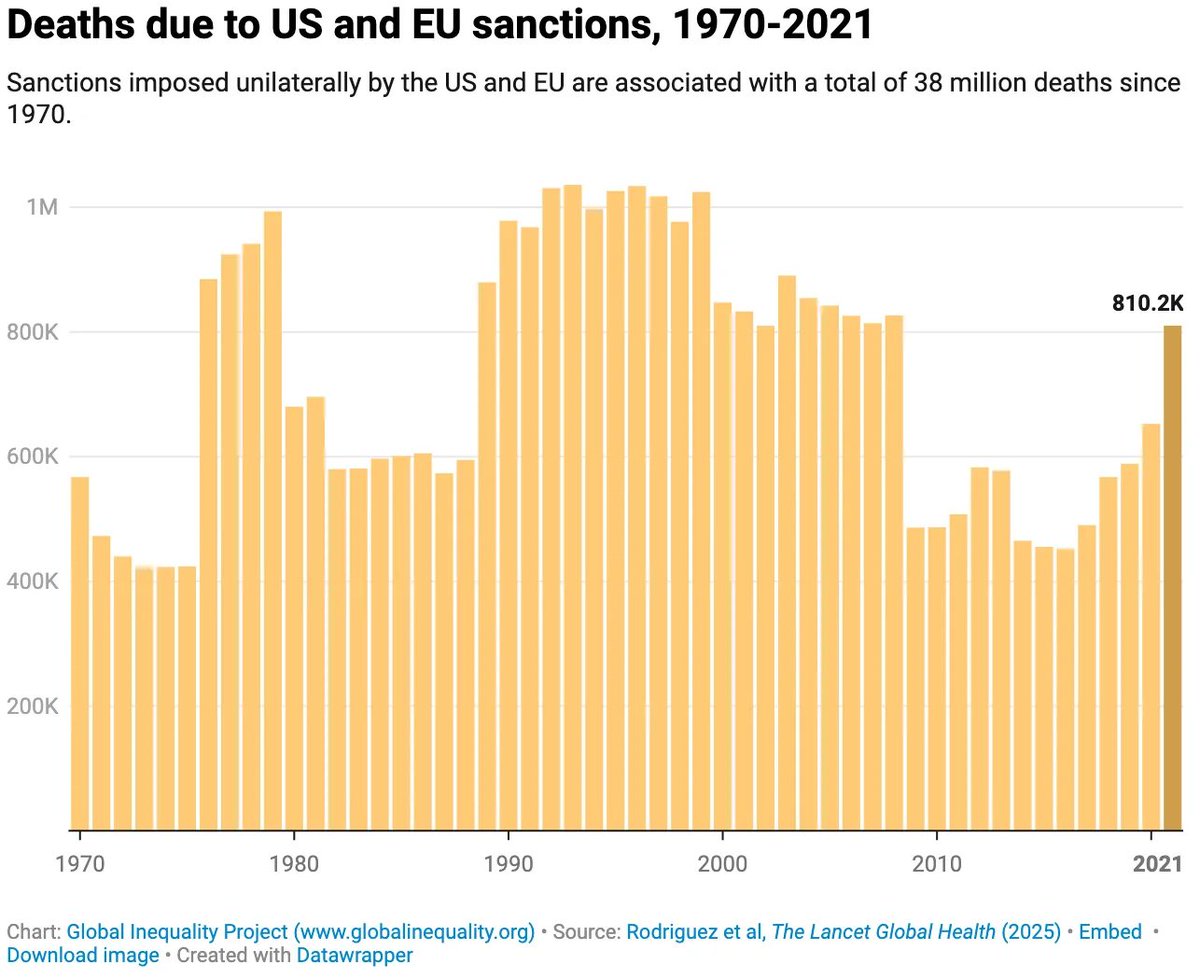
The Lancet recently published a study which found that sanctions from the US have caused 38 million deaths since 1970. The average death toll ranges from 400,000 to over 1 million per year.
202
Yepp, can confirm that as well. The traffic light feature is awesome.
Feb 26
This is actually a fascinating topic that I researched a bit, because I was immensely frustrated to be unable to use Chinese maps (specifically Amap, my favorite) outside China.
First of all, people are unaware of just how superior Chinese maps are: some of the features are so insane that you really feel it's magic.
For instance:
- they show you when you change lane on the highway
- they have a live countdown of all the red lights in China
- to OP's point below, as a pedestrian you can choose you route based on % of shade (as in, whether you won't be walking directly under the sun)
- they have real-time live tracking of all the public buses in China. Like, they show you precisely where your bus is at this very moment and when it'll reach you
- they have exact toll fee calculations so you can choose your route based on this
- they have such insane comprehensive mapping coverage that they can make you take a shortcut through the internal parking garage of a shopping mall, using a different exit to bypass the most congested stretch of road (true story: zhihu.com/question/269039952).
Plus, the navigation UI/UX is so well done that I've legit never made a mistake during years of driving in China. The same VERY MUCH cannot be said of Google Maps or Waze: driving with it in Malaysia, I can hardly do a single trip without making a mistake, which drives me completely nuts (hence my frustration!). Like you have 3 possible roads to take on the right and it just says "turn right": "I fuck*ng know, but which right???!!!"
The reason why it's not really available outside China, turns out, is mostly the availability of data.
It's just not realistically feasible for them to build their own map data globally. Apple took that path and, despite having every conceivable advantage, it took them 4 years of preparation before even launching in a single metro area, and to this day they only cover 35 countries.
Map data is extremely concentrated. Google is the big player (they own Waze too) and they certainly won't sell data to Chinese competitors.
HERE - owned by a consortium of German automakers, Mitsubishi and Intel - is pretty much the only supplier Chinese companies can use. Which is what both Baidu Maps and Amap have done for their (very limited) overseas services.
But HERE is the mapping that's natively embedded in car navigation systems and everyone knows how much it sucks: it's even worse than Google...
The reason why Chinese maps are so good in China is because of 3 factors:
- the base data they have at their disposal is excellent: there is a fiercely competitive domestic ecosystem with 19 companies surveying and maintaining their own datasets. Compare this with basically just HERE for the rest of the world (and smaller players like Tom-Tom and Open Street Maps which are not even worth mentioning)...
- they have a massive user base which enables them to get excellent real-time data, which they don't have outside China (a chicken and egg problem)
- lastly, they rely on the Beidou positioning system which is significantly more precise than the West's GPS (gpsworld.com/chinas-beidou-c…). That's how you can get things like the "see when you change lane" feature.
So unfortunately the answer is that, unless you go inside China and test it for yourself, you're unlikely to ever understand what a truly great map app can be.
And this is generally something applicable to so much of what China has built: great tech is often all about the ecosystem and ecosystems, by definition, can't really be exported.
1
393
Noteworthy
Feb 25
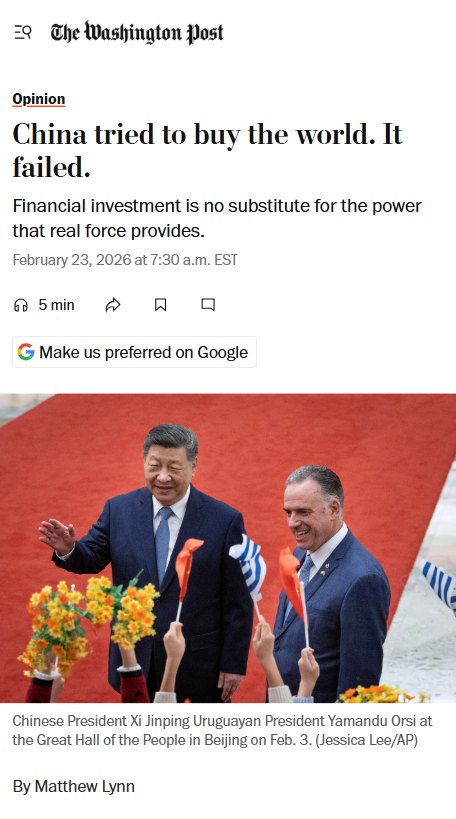
This WaPo article is unreal: they unironically mock China for not being imperialist and failing to use force to defend its interests, arguing that they're losing out to the U.S. (in Venezuela, Panama, etc.) which does precisely that.
In essence the article can be summarized as: "You Chinese losers thought you could gain influence by actually building things? The only thing that actually works is bombing people."
I'm not even exaggerating. The author literally writes that "China can spend all the money on infrastructure it wants... But in a crunch, it is only military force that counts."
He argues that China's approach was "a colossal waste of money" because "control of infrastructure can be changed" with a US-led "change of regime" and "ownership of any asset can be overturned."
His article's conclusion? "You can’t buy an empire, nor can you purchase global influence. It is only hard power that counts for anything."
As cynical and brutish as the article is, it's also refreshingly honest. It is factual that China's strategy was to win over the Global South by investing in their infrastructure and development, while the U.S. maintains its influence through regime change, various forms of coercion, and the threat (or use) of force.
The conclusion that it is China that should feel embarrassed by this as opposed to the U.S. is, however, completely insane.
Every sane person on earth should hope that it is China's approach that ultimately prevails, for the sake of our collective future as humanity. China is ultimately trying to prove that one can prevail geopolitically without violence, by building instead of destroying: don't be like this idiot WaPo writer and root for the answer to be "no".
Src for the article: washingtonpost.com/opinions/…
174
notable
Feb 12
Many people aren't aware that Seedance, the insanely good new AI video generation tool, is made by Bytedance, TikTok's parent company (well, if one excludes TikTok U.S. now...).
As I wrote 2 weeks ago (x.com/RnaudBertrand/status/2…), Bytedance is now - by far - the world's largest AI company in terms of usage: far bigger than OpenAI, Google or Microsoft. They process 50 trillion tokens a day, which is unbelievable scale: OpenAI's entire API is less than 9 trillion tokens per day.
Everyone somehow focuses on Deepseek when it comes to AI in China but Deepseek actually isn't super popular in the country: Doubao, Bytedance's consumer-facing AI chat, is by far the market leader.
Seedance 2.0 confirms this leadership: it's unarguably the best AI video tool out there, and by a wide margin.
The most incredible part is that it does seamless audio-video co-generation (as opposed to the typical approach of generating video first and syncing audio afterwards) which means every element of a scene - visuals, dialogue, music, sound effects - emerges together as a unified whole.
It's also set up to achieve character consistency, which so far had been one of the biggest challenges for AI video (the same character would look completely different from one shot to the next). Seedance 2.0 solves this by allowing up to 12 reference files (up to 9 images, 3 videos, 3 audio files) for each video generation, which means you can feed it with multiple angle shots of a character's face, body, and clothing as well as their voice, gait, etc.
And, last but not least, it's lightning fast: generating videos up to 15 seconds takes less than 60 seconds, which means we're actually not that far from video generated as fast as you can watch it. Imagine a personalized Netflix show rendered on-the-fly, tailored to your tastes.
All in all, there is a certain irony there: the U.S. spent the last few years battling Bytedance over TikTok, fighting the old social media war. Meanwhile Bytedance is now winning the AI war...
463
That one is hilarious

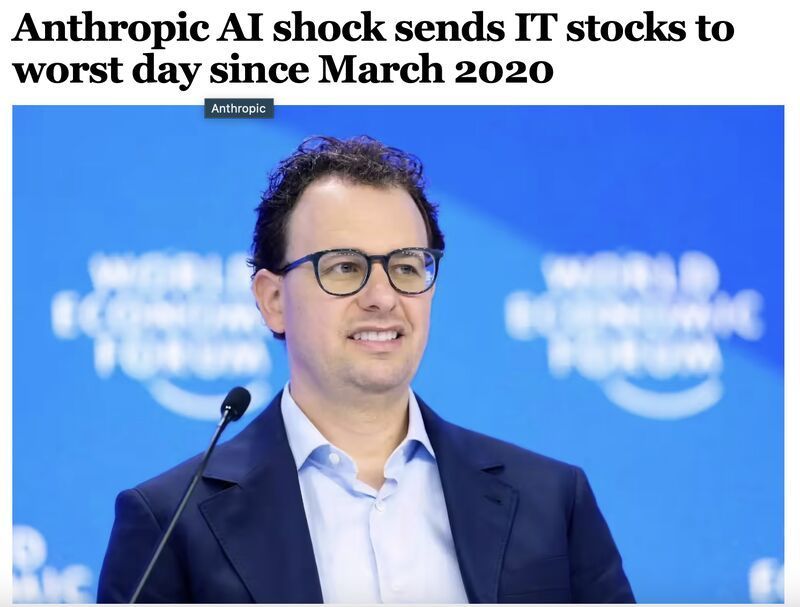
I'm pretty sure everyone at my company saw this article and now they all think we're in an AI crisis.
We're not in an AI crisis. We use Claude to summarize Slack threads.
But here's what's actually interesting: this whole panic reveals something nobody wants to admit.
Every company in America has been bullshitting about their "AI strategy" for two years.
We all saw the hype. We all knew we had to say something. So we rebranded our existing automation as "AI-powered" and called it a day.
My company isn't special. We're all doing the same thing.
The problem is now the executives actually believe their own bullshit. They think we have "significant AI exposure" because they've been telling investors we're "AI-first."
I just got pulled into an emergency meeting. Six executives asking me to explain our "AI dependency matrix."
There is no AI dependency matrix.
There's Claude for meeting summaries, there's some sentiment analysis in our support tickets that came free with Zendesk, and there's whatever Gmail is doing when it autocompletes my sentences.
But I can't say that in a room full of people who told their boards we're "transforming the business through AI."
So I said we have "distributed AI touchpoints across multiple vendors with no single point of failure."
Which is technically true. We use a bunch of different services that all have AI features we mostly ignore.
The CFO asked if we should "hedge our AI exposure."
I have no idea what that means. Neither does he.
What am I going to do: nothing. Because in three weeks, Anthropic will say something reassuring, the stocks will recover, and everyone will forget this happened.
But I'll have documentation showing I recommended a "risk assessment" that mysteriously never got prioritized.
The funniest part is that half these executives probably don't even know what Anthropic is. They just saw "AI" and "crash" in the same headline.
We're all pretending. The whole industry is pretending.
And articles like this just remind everyone how fragile the pretending is.
1
397
relevant
Jan 27

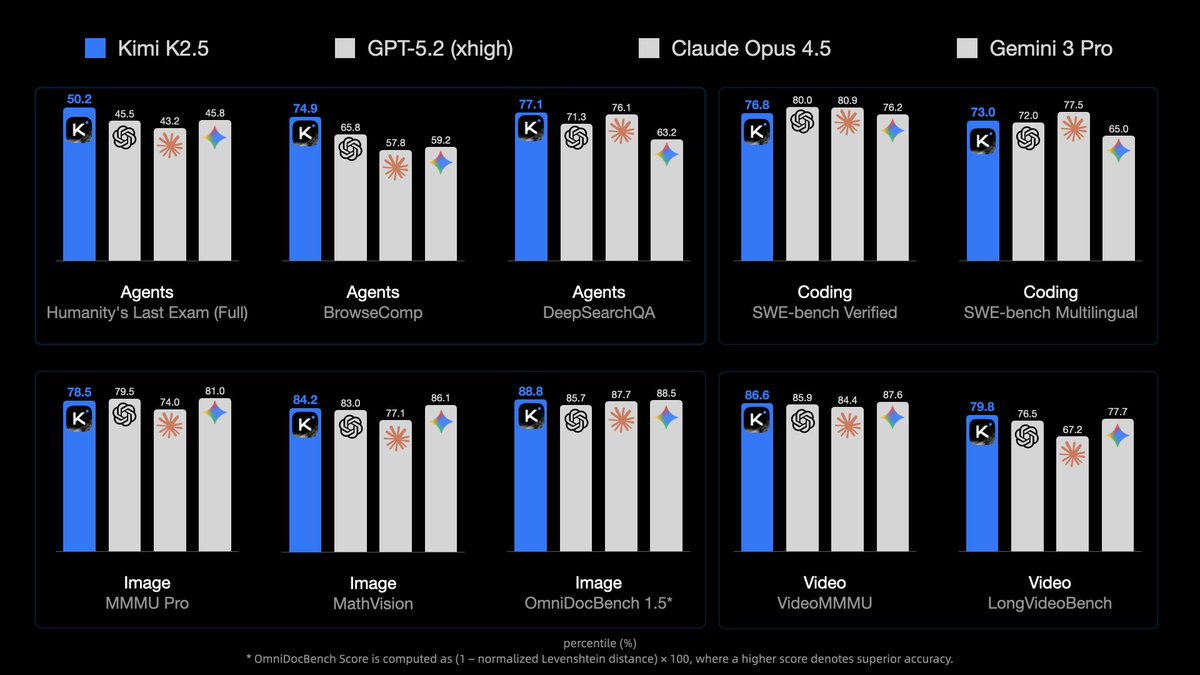
🥝 Meet Kimi K2.5, Open-Source Visual Agentic Intelligence.
🔹 Global SOTA on Agentic Benchmarks: HLE full set (50.2%), BrowseComp (74.9%)
🔹 Open-source SOTA on Vision and Coding: MMMU Pro (78.5%), VideoMMMU (86.6%), SWE-bench Verified (76.8%)
🔹 Code with Taste: turn chats, images & videos into aesthetic websites with expressive motion.
🔹 Agent Swarm (Beta): self-directed agents working in parallel, at scale. Up to 100 sub-agents, 1,500 tool calls, 4.5× faster compared with single-agent setup.
-
🥝 K2.5 is now live on kimi.com in chat mode and agent mode.
🥝 K2.5 Agent Swarm in beta for high-tier users.
🥝 For production-grade coding, you can pair K2.5 with Kimi Code: kimi.com/code
-
🔗 API: platform.moonshot.ai
🔗 Tech blog: kimi.com/blogs/kimi-k2-5.htm…
🔗 Weights & code: huggingface.co/moonshotai/Ki…
325
A real problem about 'our' media. The wsj has quite some credibility domestically. So, people trust it, and end up misinformed, and their mental model of the world distorted. Humans make decisions based on information. Garbage or noise in, garbage or randomness out.
Jan 26
A journalist asked me for my take on Zhang Youxia, so I might as well post it publicly.
The nuclear secret WSJ story is very likely completely bullshit (for reasons explained by Neil Thomas here: x.com/neilthomas123/status/2…) and the coup narrative even more so, for reasons of organizational structure (see x.com/zhao_dashuai/status/20…), and also for the simple reason that Xi obviously doesn't sleep in a hotel when he is in Beijing (the narrative is that the coup was planned on January 18th as he was staying at the Jingxi Hotel, because he "has no fixed residence" in Beijing which is completely bullshit). The source for the coup story is Sheng Xue, a typical Chinese dissident based in Canada, whose rumor was spread by Falun Gong: all the signs of an evidence-free China rumor.
The truth is that when it comes to elite CPC politics, besides what the authorities officially say, it's all pretty baseless speculation. These people just don't leak, it's impossible. The consequences for an unauthorized leak to the media are just too grave, and on top of that everyone in the party at these levels - including Xi himself - are monitored constantly for security reasons.
So the only thing that you can do without venturing into rumor territory is "reading the tea leaves" and carefully parsing the language of official communiqués and observing the observable (who appears where, who is absent). Or simply accepting that the honest answer to most questions about party elite politics is simply "we don't know".
I think, reading the tea leaves, that this seems to be about disrespect of the chain of command. People's Daily used the expression "severely trampled on and undermined - "践踏破坏" - the CMC Chairman responsibility system" (paper.people.com.cn/rmrb/pc/…). Similar language was used in the past for the dismissal of Guo Boxiong (cpc.people.com.cn/pinglun/n1…) - also a CMC Vice Chairman like Zhang Youxia - who was accused of having built an alternative power center - "forming a clique" (结党) being the official expression - that effectively undermined the CMC Chairman responsibility system during Hu Jintao's tenure (see web.archive.org/web/20201105…). And similar language was also used for He Weidong's dismissal last year.
Notably, the language for Zhang is even stronger - "践踏" (trampled on, when it was only "严重破坏", seriously undermined, for Guo Boxiong or He Weidong) conveys deliberate, almost contemptuous disregard. So my best guess is that Zhang undermined the chain of command, meaning Xi's authority, in a pretty bad way, on top of enabling corruption (which is the other official accusation).
Or it could also very well be the case that I'm overcomplicating this: "trampling on" the chain of command might simply mean failing to crack down on corruption despite Xi's explicit directives to do so. Xi has made anti-corruption a centerpiece of his rule: failing to implement those directives in the military is itself a form of contemptuous disregard for his authority. The stronger language could just reflect the scale of what was allowed to fester, not any political disloyalty in a grander sense.
But, again, the more honest answer is: we don't know for sure and anyone who tells you they do is a liar.
1
3
436
haha. Pictet? ;)

1
364
The big picture... nowhere to be found in our media.
With all the noise, it's hard to see what is essential.
The big movements of funds. It's all intransparent, numbers are floating around, ephemeral.
How about these 700 billion eu peomised to invest in US?
Read and share.
23 Dec 2025

Three Shocks that Shook the World in 2025
project-syndicate.org/commen…
This was the year that the remaining pillars of the late-20th-century order were shattered, exposing the hollow core of what passed for a global system. Three blows sufficed.
The first was Russia’s impending victory in Ukraine over Europe’s combined leadership. For almost four years, the European Union and NATO engaged in a perilous double game. On one hand, they committed rhetorically to a Ukrainian victory they were unwilling to bankroll. On the other hand, they exploited this never-ending war to advance a new political and economic domestic consensus: military Keynesianism would be their last-ditch stand against Europe’s deindustrialization.
In a continent where debilitating political constraints forbade significant deficit-funded green investments or social policies, the war in Ukraine provided a powerful rationale for funneling public debt into the defense-industrial complex. The unspoken truth was that a forever war served a critical function: it was the perfect engine for Keynesian pump-priming of Europe’s stagnating economy.
The contradiction was fatal: If the Ukraine war ended with a peace deal, it would be hard to sustain this economic pump-priming. Yet to achieve a victory that would justify the spending was deemed too expensive financially and too risky geo-strategically. Thus, Europe settled on the worst possible strategy: sending just enough equipment to Ukraine to prolong the bleeding without altering its course.
Now that Russia is set to prevail (a predictable result that US President Donald Trump merely brought forward), the EU’s best-laid plans lay in ruins. Europe has no Plan B for peace because its entire strategic posture had become dependent on the war’s continuance. Whatever grubby peace deal the Kremlin and Trump’s men ultimately impose on Ukraine will do more than redraw a border. Whether or not Russia remains a threat to Europe or not, Europe is about to lose the pretext for its nascent military-industrial boom and thus foreshadows a new austerity.
The second shock was that China won the trade war against the United States. The US strategy, initiated under Trump’s first administration and intensified under Joe Biden, was a pincer move: tariff barriers to cripple Chinese access to markets, and embargoes on advanced semiconductors and fabrication tools to cripple its technological ascent. In 2025, this strategy met its Waterloo, and Europe was again the primary collateral damage.
China responded with a masterful two-part response. First, it weaponized its dominance over rare earths and critical minerals, triggering a supply-chain seizure that paralyzed not so much American, but European and East Asian green manufacturing. Second, and most injuriously for America’s standing as the global tech leader, China mobilized its “whole-nation system” toward a single goal: technological autarky. The result was a staggering acceleration in domestic chip production, with SMIC and Huawei achieving breakthroughs that rendered the US-led Western embargo not just obsolete, but counterproductive.
This is probably the shock with the longest-lasting repercussions. In 2025, the US proved incapable of slowing China’s rise and, instead, unwittingly propelled its tech sector toward full independence. And Europe, having dutifully imposed on China the sanctions dictated by the White House, was left with the worst of all worlds: increasingly shut out of the lucrative Chinese market for its high-value goods, yet receiving none of the lavish subsidies and on-shoring benefits of the now rescinded US Inflation Reduction Act. By choosing to act as a strategic subcontractor to the US, the EU accelerated its own deindustrialization. This was not a loss in a trade war; it was a geopolitical checkmate, and Europe featured only as the losing side’s pawn.
The third shock was the ease with which Trump won his tariff war with the EU. At the end of their meeting at one of Trump’s golf clubs in Scotland, choreographed by his men to maximize her humiliation, Ursula von der Leyen, the president of the European Commission, struggled to portray a surrender document as a “landmark agreement.” Tariffs on European exports to the US jumped from 0.5% to 15% and in some cases to 25% and 50%. Long-standing EU tariffs on US exports were canceled. Last but not least, the Commission committed to $700 billion of European investment in US industry on US soil – money that can come only from diverting mainly German investments to chemical factories in Texas and car plants in Ohio.
This was more than a bad deal. It was an unprecedented capital extraction treaty. It formalizes the EU’s transition from an industrial competitor to a supplicant. Europe is to be a source of capital, a regulated market for US goods, and a technologically dependent junior partner. To add insult to injury, this new reality was codified in a binding commitment, stripping the EU of any pretense of sovereignty. Part of the capital Trump needs to consolidate his vision of a G2 world structured around the Washington-Beijing axis is now contractually obligated to flow from Europe westward.
These three shocks form a synergistic trilogy. Europe’s defeat in Ukraine has revealed its strategic blind spots and punctured its military Keynesian project. Trump’s acquiescence to Chinese President Xi Jinping has triggered a flood of Chinese exports to the EU. The shakedown in Scotland has cost Europe its accumulated capital and any lingering hope of parity.
In the G2 world, the imagined global village is a gladiatorial arena where the European Union and the United Kingdom now wander aimlessly. A new, harder, colder world order has been erected on the grave of European ambition. The year’s enduring lesson is that in an age of existential contests, strategic dependency is the prelude to irrelevance.
1
246