
Editor In Chief, Constellation Insights, part of @constellationr
Joined January 2008
- Tweets 26,386
- Following 2,453
- Followers 29,006
- Likes 532
353 Photos and videos




Larry Dignan retweeted

MyPOV: @FoxBusiness: @ElonMusk's @SpaceX IPO could propel him toward trillionaire status, analyst says
Speaking with Stuart @Varneyco about the IPO and the future of the Space Economy
foxbusiness.com/video/639824…
1
1
299
Larry Dignan retweeted

Jun 10
You have noticed it. ChatGPT feels dumber than it used to. Your prompts that worked six months ago produce worse results now. The writing sounds flatter. The ideas sound safer. The internet itself feels like it is shrinking. Every article reads the same. Every email sounds the same. Every answer sounds like it was written by the same voice.
You thought it was you. It is not you.
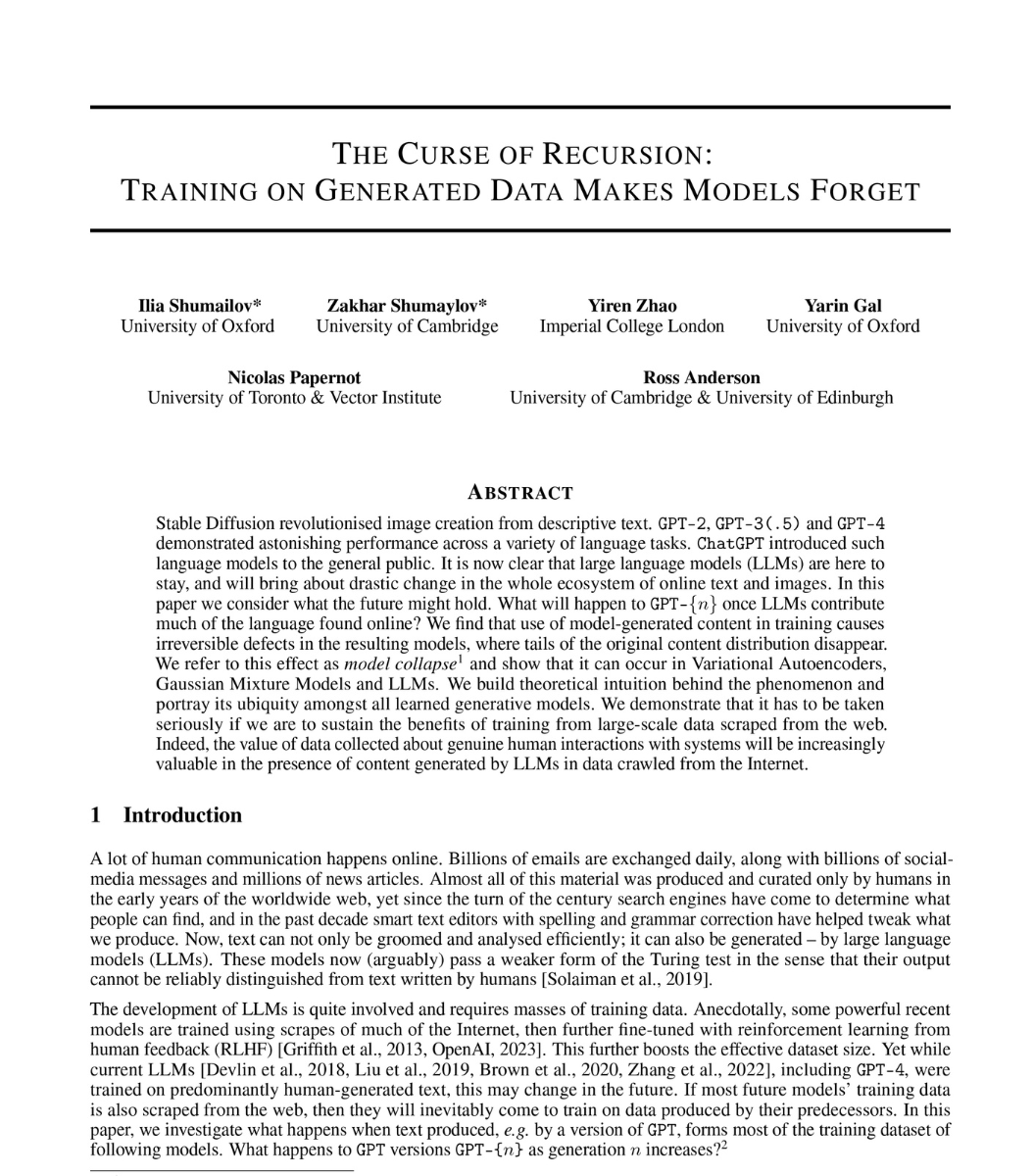
Researchers at Oxford and Cambridge published a paper in Nature proving what is happening. They call it Model Collapse.
Here is the mechanism in one sentence. AI trained on AI-generated data gets dumber every generation until it forgets what real human data looked like.
The internet is filling with AI-generated content. Blog posts. Articles. Reviews. Comments. Social media. AI companies scrape the internet to train the next generation of models. Which means the next generation of AI is being trained on the output of the current generation.
Each cycle loses information. Not randomly. It loses the rarest, most unusual, most creative parts first. The researchers call these the "tails of the distribution." The weird ideas. The unexpected perspectives. The things that made the internet feel human. Those disappear first.
What remains is the average. The safe. The expected. The bland.
Then the next generation trains on that. And loses more. And the next generation trains on that. And loses more. The researchers proved this is not a slow decline. Major degradation happens within just a few iterations. Even when some of the original human data is preserved.
They tested it on large language models. On image generators. On statistical models. The pattern was the same every time. The output converges toward a narrow, flattened version of reality that looks nothing like the original data.
The lead researcher put it plainly. "Large language models are like fire. A useful tool. But one that pollutes the environment."
The pollution is invisible. You cannot see which sentence on the internet was written by a human and which was written by AI. Neither can the AI that is about to train on it. And once the tails are gone, they do not come back. The damage is irreversible.
This is not a prediction anymore. It is a diagnosis.
The internet you grew up on was built by humans writing things no algorithm would have written. Strange, personal, imperfect, alive. That internet is being diluted. One generation of AI at a time. And the models trained on what remains are learning a smaller and smaller version of the world.
Model Collapse is not a technical problem. It is a cultural one. The thing that made the internet worth reading is the thing that disappears first.
1,137
6,386
17,713
2,221,314
Larry Dignan retweeted
2
2
686
Larry Dignan retweeted

May 20
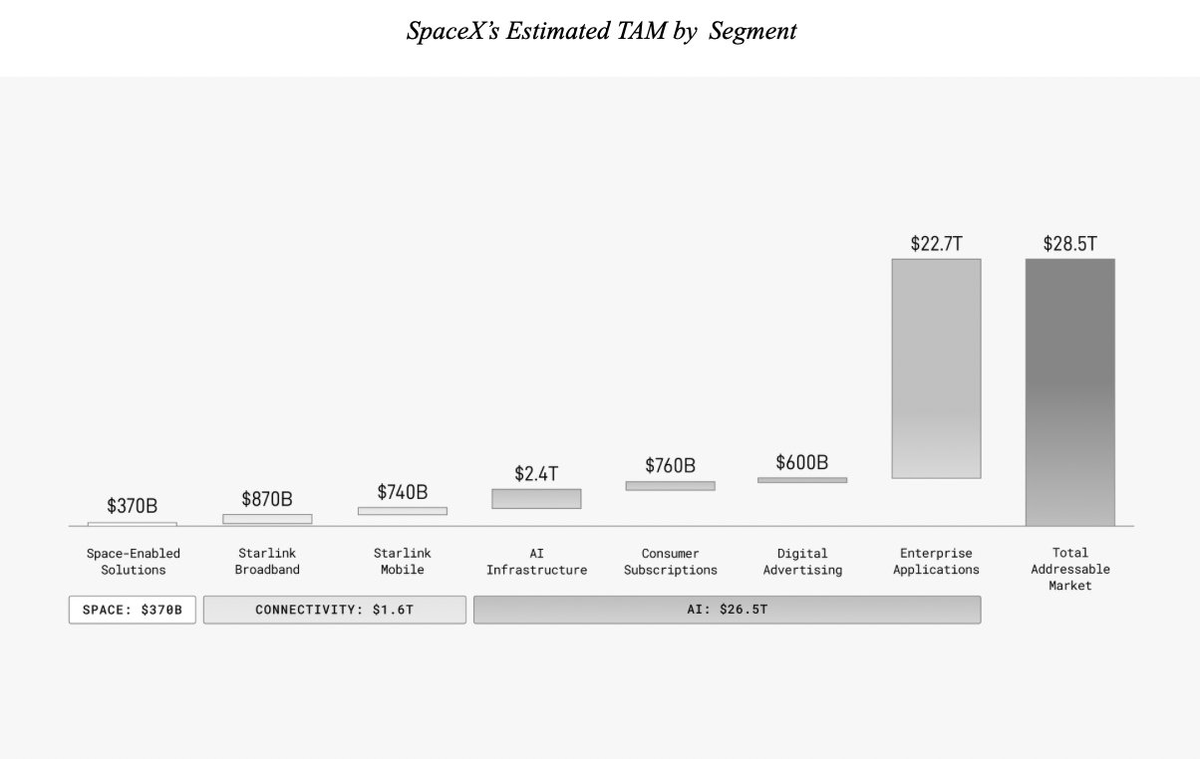
SpaceX wins the trophy for most ridiculous TAM analysis in public market history.
Saying your market is "$28.5 trillion" is the typa shit you see in F-tier startup pitch deck
50
92
898
45,425

May 12
Here's the @SAP news from #SAPSapphire. @holgermu @lizkmiller @rwang0 and @mikeni posting live from the keynote. constellationr.com/insights/…
1
3
4
258
Larry Dignan retweeted

May 12
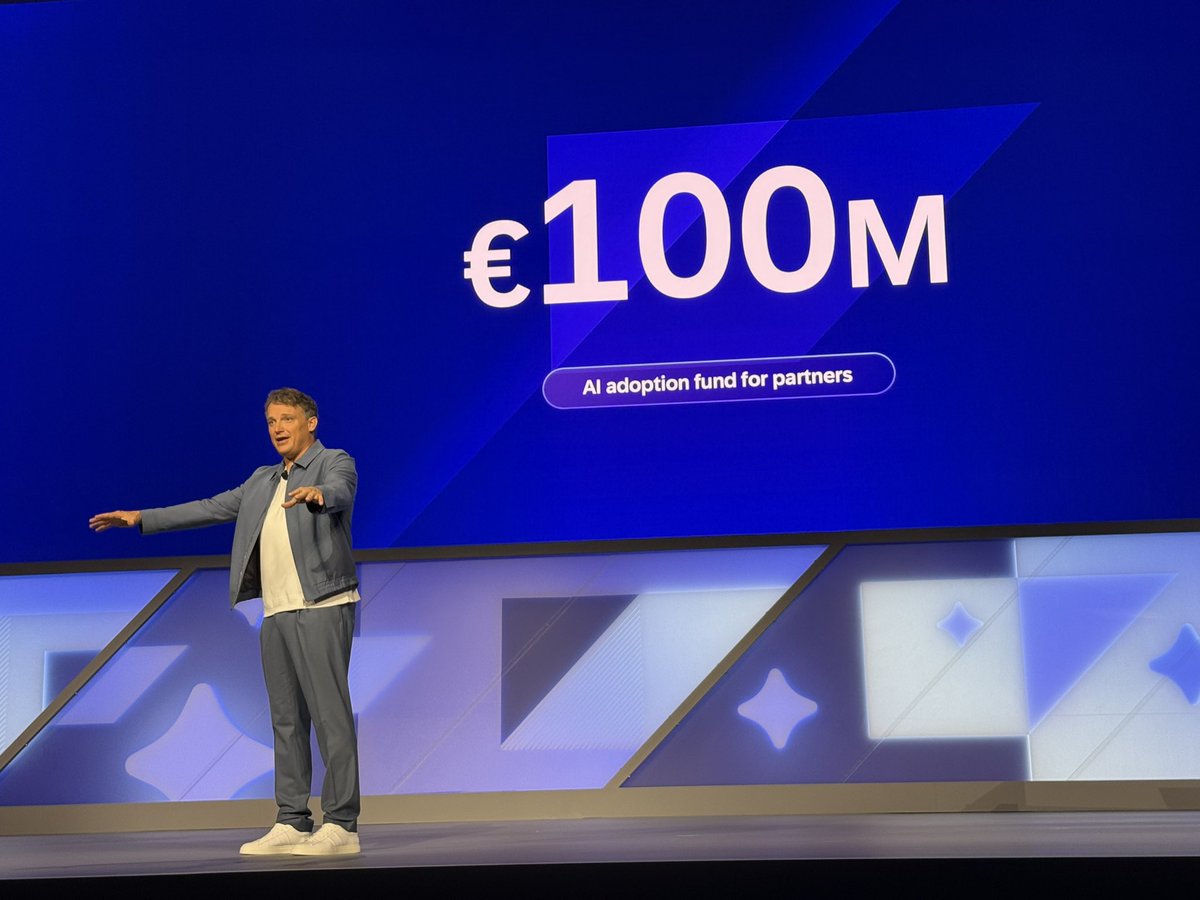
Free isn't necessary what you hear from a keynote stage relative to #AI. @ChrstnKlein breaks out 3 announcements including #Joule studio for free and runtime for free until end of 2026. 100 million euro investment to drive AI adoption. @SAP #SAPSapphire


1
141
Larry Dignan retweeted

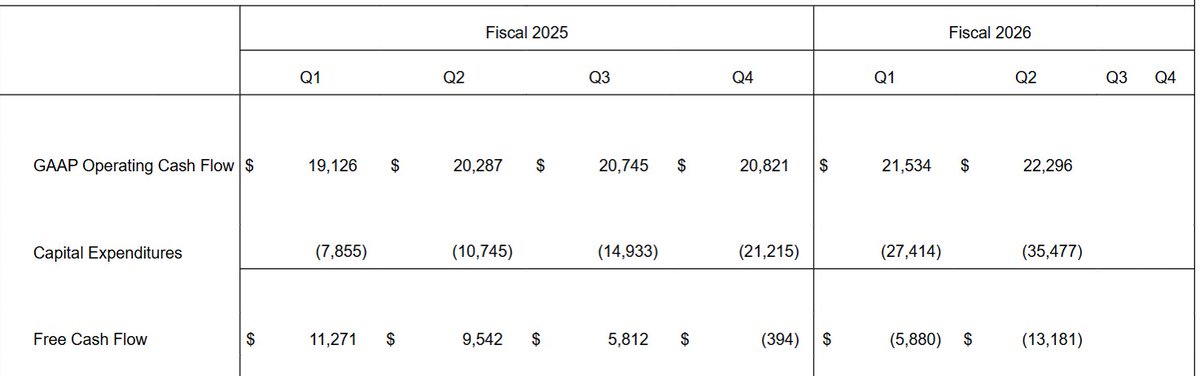
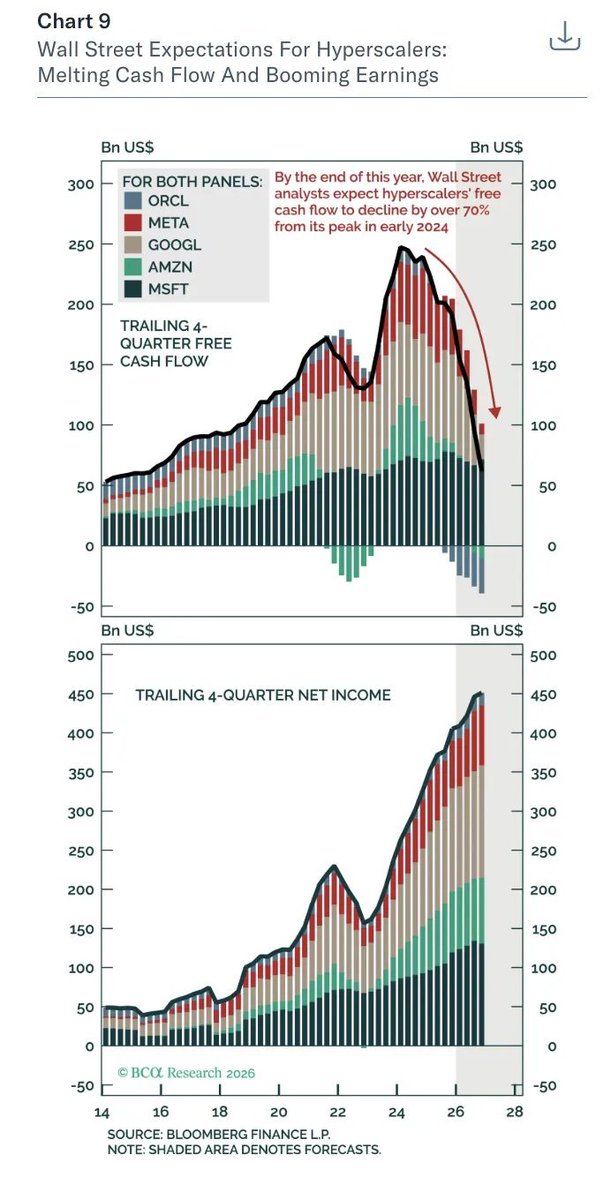
‼️Big Tech cash is disappearing at a RAPID PACE:
Combined free cash flow across Microsoft, Alphabet, Amazon, Meta, and Oracle is projected to FALL more than -70%, to ~$100 billion, by the end of 2026.
This figure peaked at ~$250 billion in early 2024, even as trailing net income continues surging toward a record ~$450 billion.
This comes as AI capital expenditure is consuming nearly every dollar, with the combined 2026 CapEx expected to surpass $715 billion.
In simple terms, these companies are reporting record profits on paper while simultaneously running out of actual cash, forcing them to issue a projected $175 billion in new debt in 2026 alone, more than 6 times the pre-AI cycle average, according to BofA.
When earnings and cash flow move in opposite directions this aggressively, equity valuations built on earnings alone become extremely fragile.
23
147
411
81,410
Larry Dignan retweeted

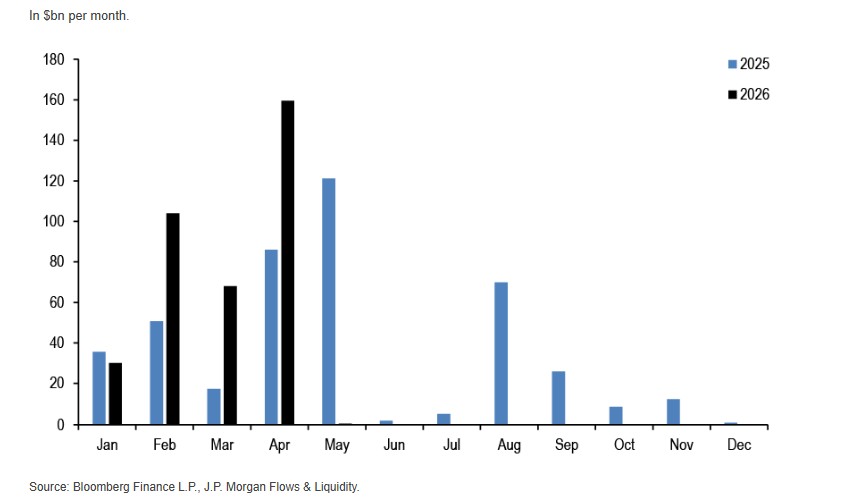
There's been a lot of focus on hedge funds' and retail investors' renewed appetite for tech stocks in April. But corporations themselves also helped fuel the rally, JPM's Nikolaos Panigirtzoglou notes.
Buyback announcements from tech companies are far higher this year vs 2025:
8
1
2
289
Larry Dignan retweeted

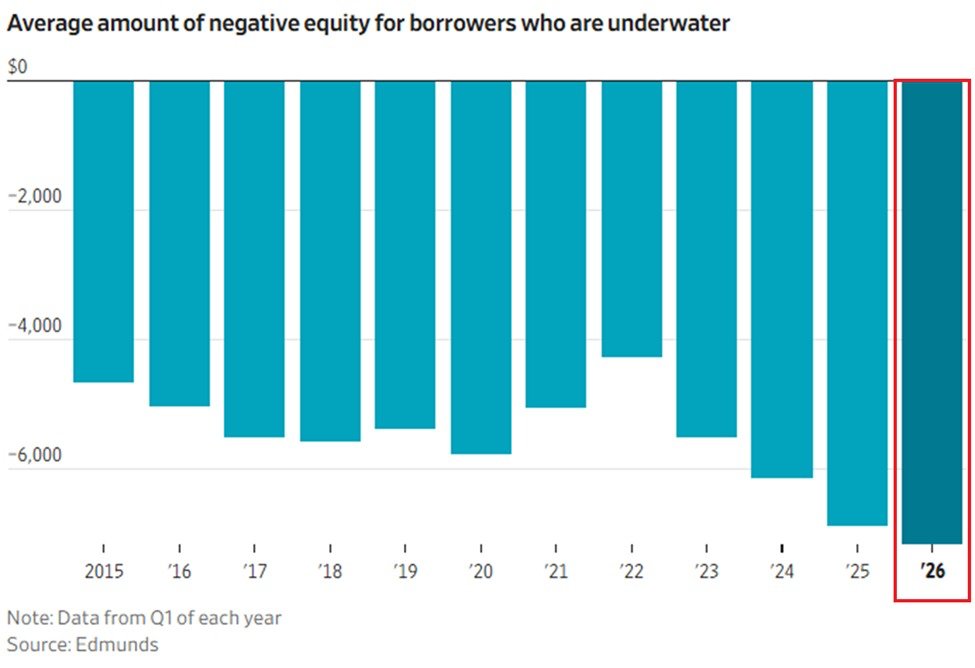
The US auto loan crisis is accelerating:
The average amount owed by underwater car borrowers rose to ~$7,200 in Q1 2026, the highest on record and the 4th consecutive annual increase.
Over the last 4 years, the average amount owed by negative equity car borrowers has risen 71%.
Overall, ~30% of car buyers who traded in a vehicle in Q1 had negative equity.
This comes as pandemic-era vehicles, bought at peak prices, have lost value faster than borrowers can pay down the loans.
This compounds existing pressure on auto buyers amid elevated vehicle prices and interest rates.
Auto credit stress is spreading.
125
320
1,472
174,980
Larry Dignan retweeted

May 4
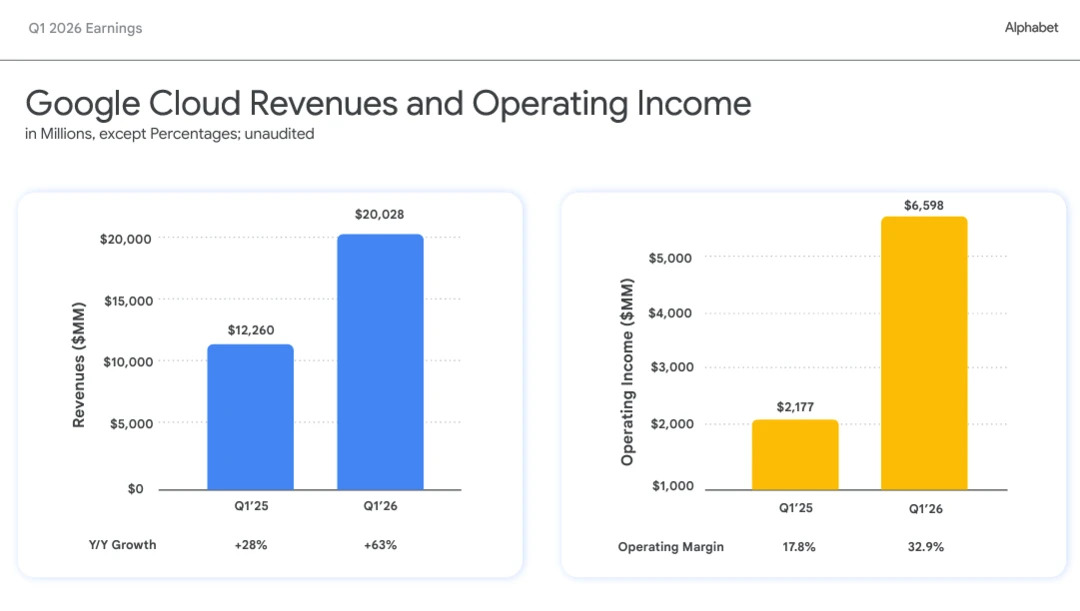
Google Cloud, AWS, Microsoft Azure: The AI vertical integration race - by @ldignan dlvr.it/TSM07S (via @jonerp)
1
115

SAP to acquire Dremio, an open data lakehouse provider, and Prior Labs, which it pledges to invest €1B in over four years, hoping to create a frontier AI lab (@ldignan / Constellation Research)
(Visit Techmeme dot com for the link and full context!)
3
16
3,316
Larry Dignan retweeted
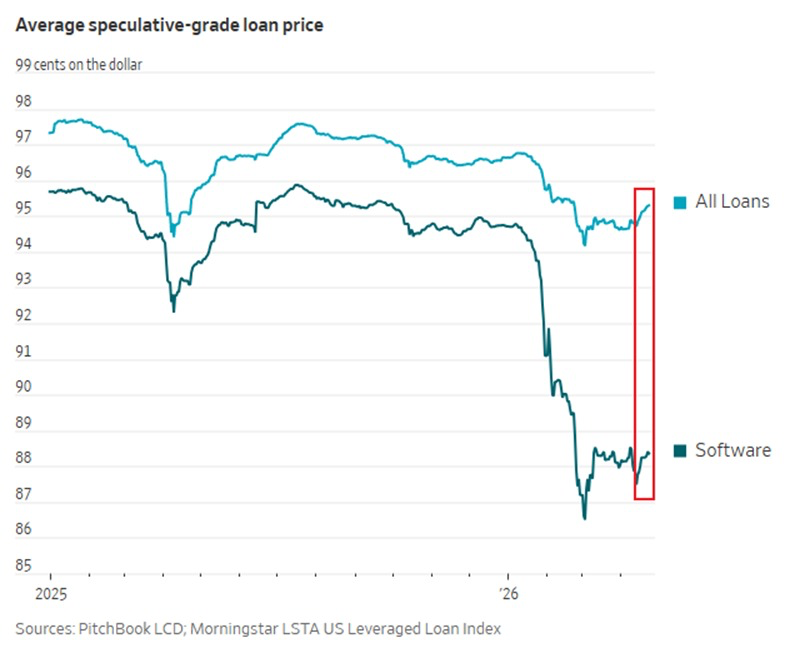
The US software sector is struggling:
Average software company loan prices are down to ~88 cents, near the lowest in at least 2 years.
This marks a 6-cent, or -7% decline since the start of the year.
As a result, software is the most affected sector in the US leveraged loan market.
Software engineering loans have dropped by -16.3 cents on average since January 20th, followed by horizontal software at -8.8 cents, cybersecurity at -5.3 cents, and vertical software at -4.2 cents.
By comparison, the US Leveraged Loan Index trades at ~95 cents, highlighting how concentrated the selloff has been in software.
The software sector is under heavy pressure.
79
111
807
130,615
Apr 27
Likely a good deal for both parties. The Microsoft-OpenAI deal worked great at the start, but now has become limiting. constellationr.com/insights/…
Apr 27

we have updated our partnership with microsoft.
microsoft will remain our primary cloud partner, but we are now able to make our products and services available across all clouds.
will continue to provide them with models and products until 2032, and a revenue share through 2030.
1
328
Larry Dignan retweeted
Apr 27

1
124
Larry Dignan retweeted
MyPOV: catch the full coverage for #CXOs from @googlecloud #GoogleCloudNext
@constellationr @ldignan
constellationr.com/insights/…
5
3
608
Larry Dignan retweeted
Why @Salesforce Headless 360 matters bit.ly/4elCIS0 Salesforce launched Salesforce Headless 360 in a move that makes its entire platform available via APIs, Model Context Protocol, and CLI commands for humans and AI agents. @ldignan @constellationr
1
3
283
Larry Dignan retweeted
MyPOV: @Canva revamps its platform with Canva AI 2.0 bit.ly/48AcPtY Canva has rearchitected its visual communication platform that layers AI, including a set of its own foundational models, throughout the creativity process and expands into workflows. @ldignan @constellationr
1
1
3
216
Larry Dignan retweeted

Automated decisions, smarter outcomes. The latest ShortList for Decision Automation Platforms by @MikeNi highlights the solutions helping businesses act faster and more intelligently zurl.co/claBh @Aera_Technology @FICO_corp @IBM @pegasystems @SASanalytics
2
1
416
Larry Dignan retweeted
AI Hype vs. Human Reality: Why SaaS Isn’t Dying and Healthcare Is Rising x.com/i/broadcasts/1nKOLErdP…
1
6
3
448