LEAD stands for Leadership, Evangelism, Accountability and Diversity. I'm funny in real life.
Joined July 2012
- Tweets 32,575
- Following 991
- Followers 5,064
- Likes 1,372
3,804 Photos and videos





The harsh reality is this: Australia arrived believing they could win. Turkey arrived believing they should win. One mindset creates history. The other creates headlines.
Harry Kane
45
Roger Hernandez retweeted

Jun 8
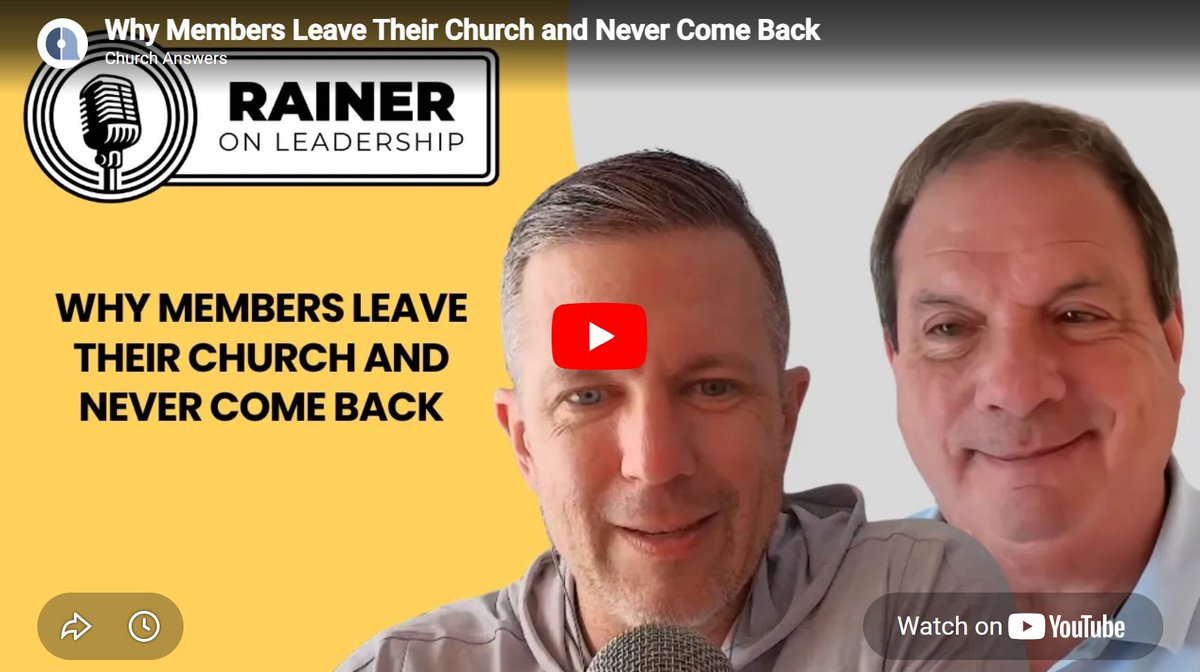
Why do formerly active members quietly disappear for good? After years of research with people who once attended faithfully but haven’t returned to any church for at least two years, clear patterns emerge. Most departures aren’t dramatic or theological. They’re gradual.
Drift is the most common exit. Many people don’t leave over conflict. They simply fall out of the habit and never return.
Life transitions are major drop-off points. High school graduation, college, and leaving home often break church routines permanently.
Church hurt is real and lasting. Conflict, bullying, or petty disputes wound people deeply enough to walk away for good.
Consumer mindsets lead to chronic church shopping. When church becomes about preferences and personal needs, disappointment becomes inevitable.
Specific unmet needs push people out. A single moment—like lack of care during illness or grief—can permanently damage trust.
Disconnection predicts departure. Those not involved in groups or relationships rarely stay; belonging, not attendance alone, anchors people.
Financial investment often mirrors commitment. Many who leave were never giving or fully invested, signaling shallow engagement long before they disappeared.
Pastor loyalty can replace church loyalty. When attachment is to a personality instead of the body, people leave when the pastor leaves.
Relocation breaks continuity. After moving, many never prioritize reconnecting to a new church, and the habit quietly dies. churchanswers.com/podcasts/r…
3
8
1,002

Jun 8
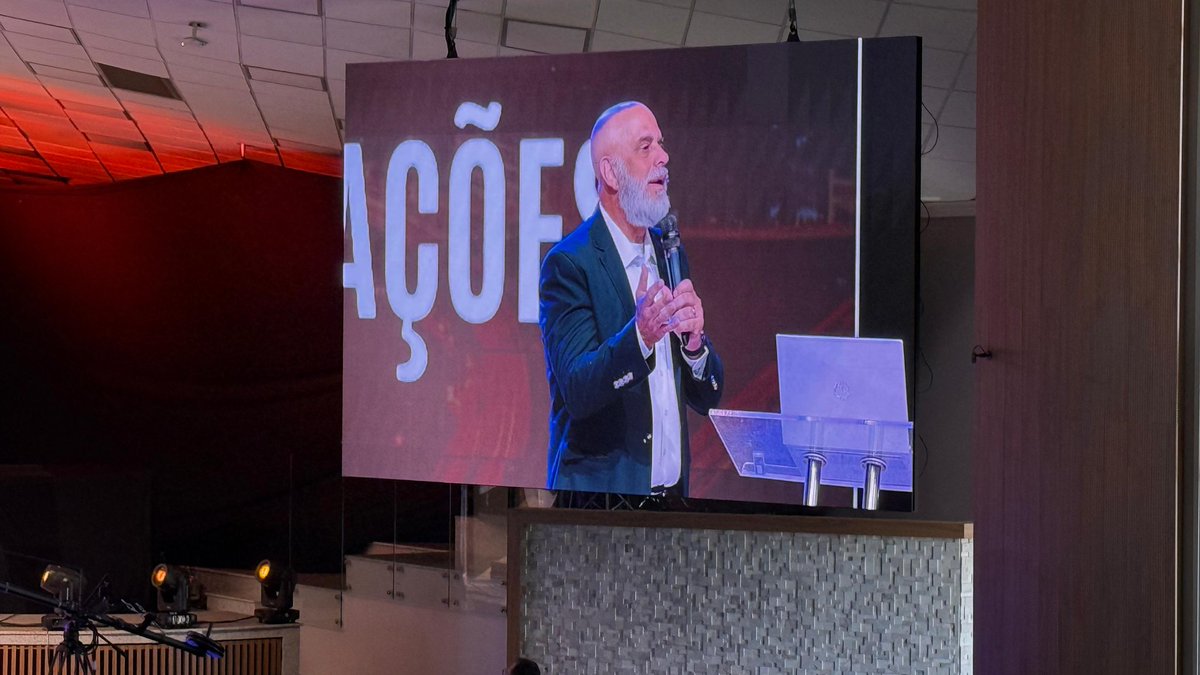
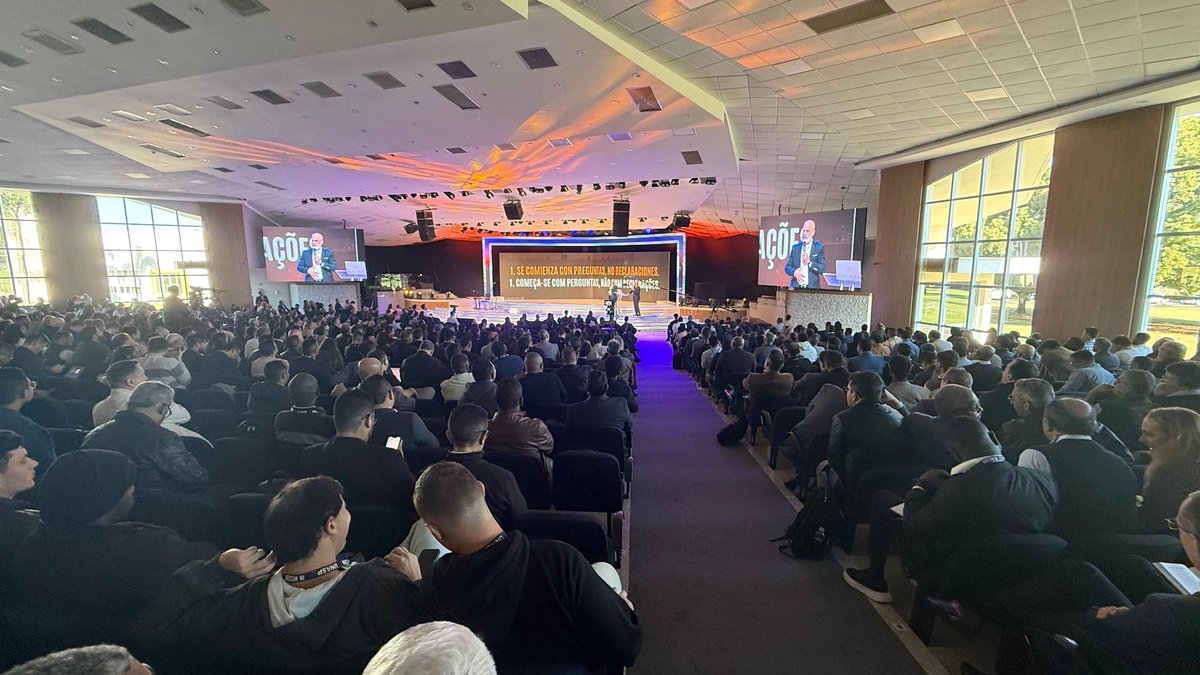
Technology so advanced in Brazil they even made me grow hair. Lol
Urban Evangelism Conference.

31
Jun 7
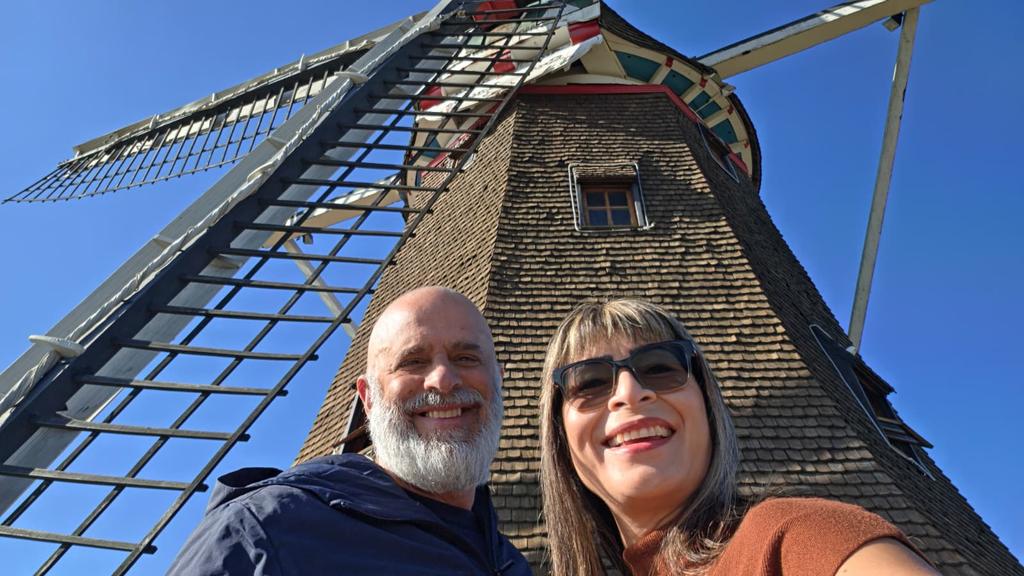
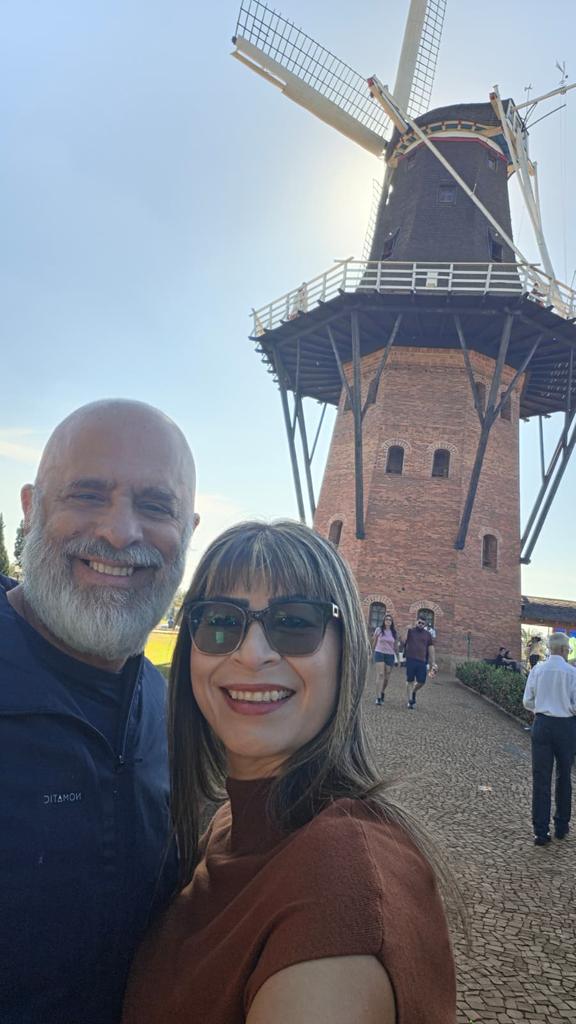
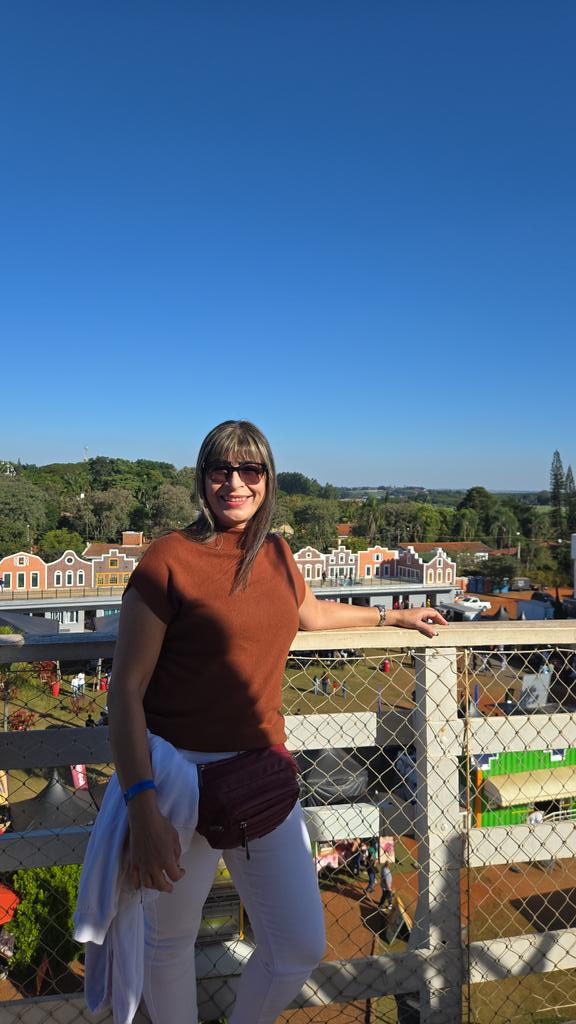
Parece que estamos en Holanda pero es Brazil. Brazil es un excelente pais con lindas personas y proximo campeon del mundo.
59
Jun 6
It pains me to see how some work really hard at building fences and not bridges.
1
47
Jun 5
My resting heart rate is 43.
I used to hate running. Now I love it.
1
1
55
May 31
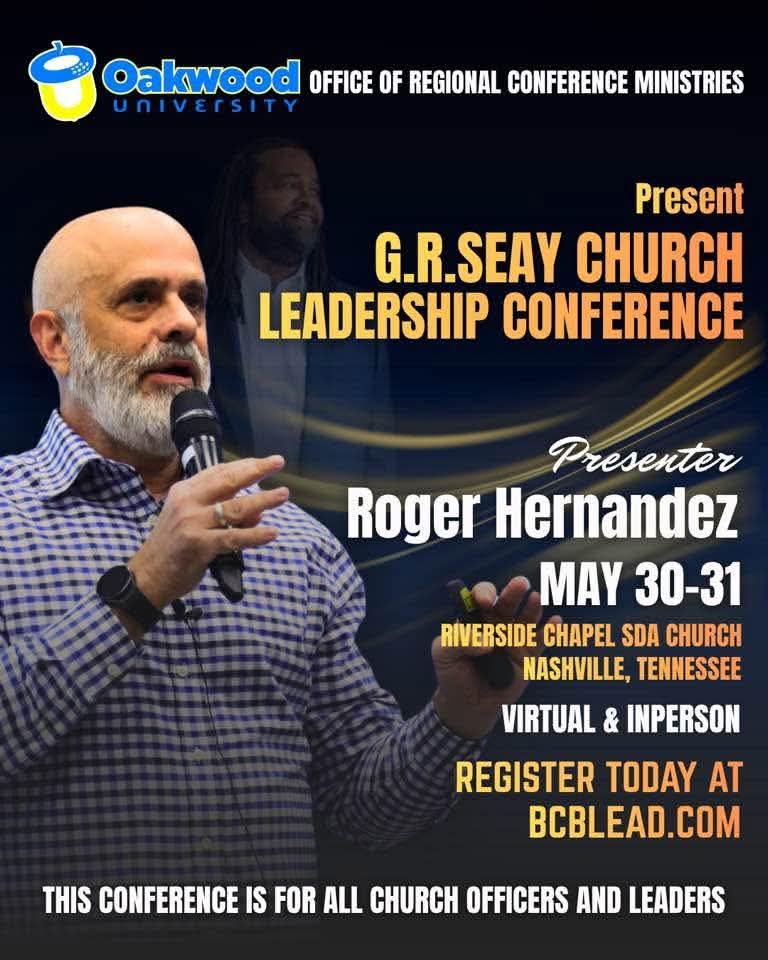
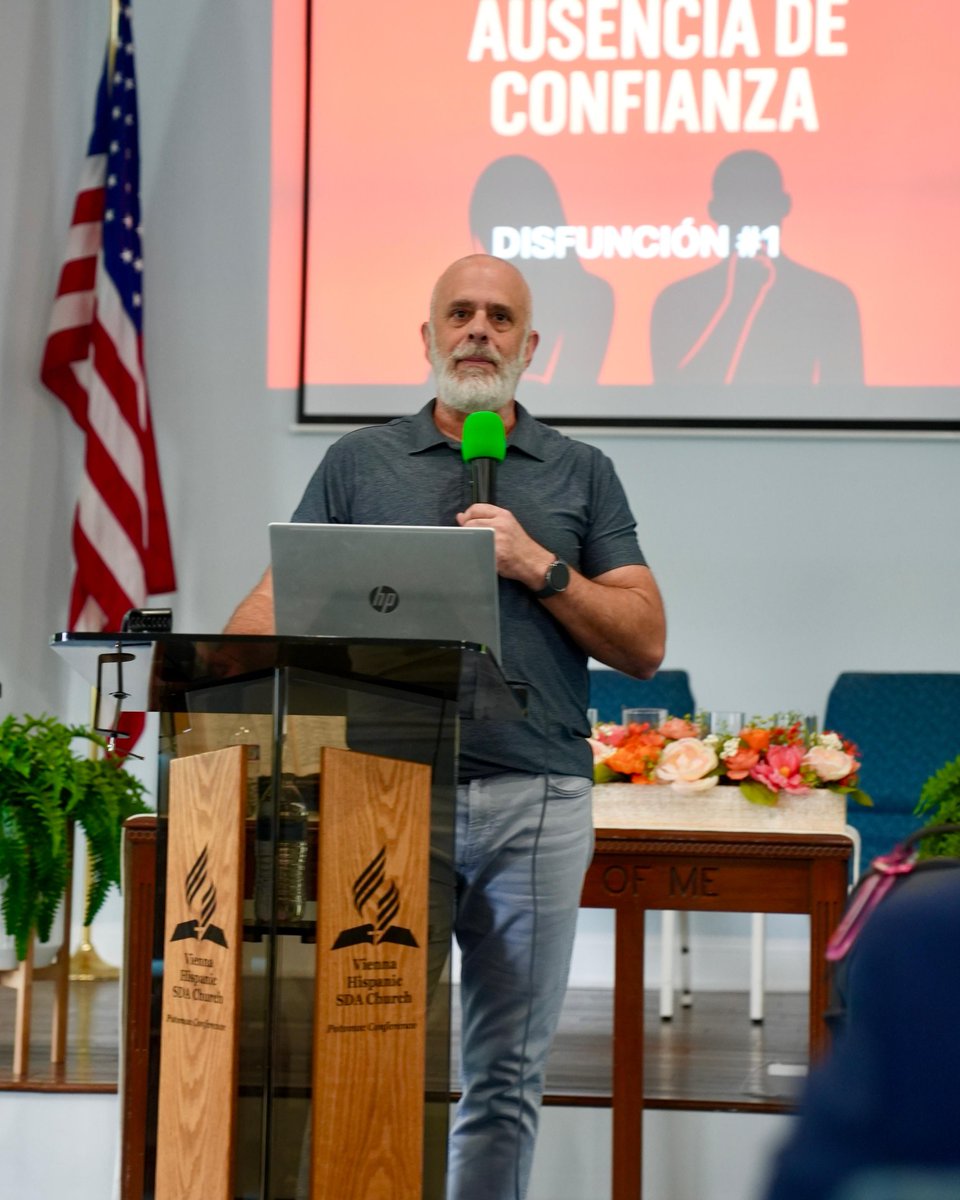
Speaking on leadership to leaders is one of my favorite parts of my job.
If you're looking to encourage your employees or leaders my DMs are open.
1
40
May 28
Ezekiel 14:23 When you meet them and see their behavior, you will understand that these things are not being done to Israel without cause. I, the Sovereign Lord, have spoken!”
There's always a reason.
1
30
May 26
Requesting prayer for a special petition today. Would you take a couple minutes and pray?
2
47
May 22
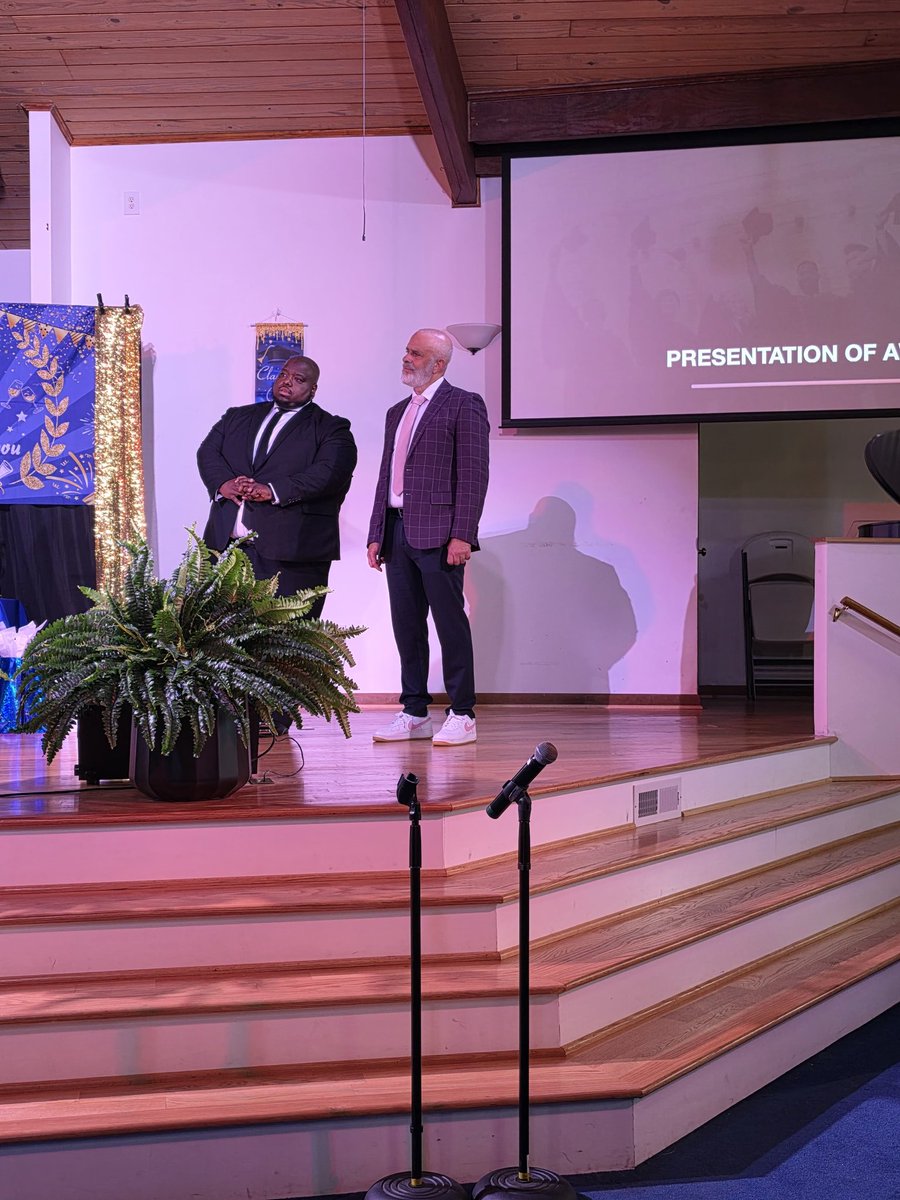
Uno de los privilegios de mi trabajo es predicar para la graduacion de nuestras escuelas. Ghetsemani Academy todos los graduandos con honores.
La educacion adventista vale la pena.
2
98
May 21
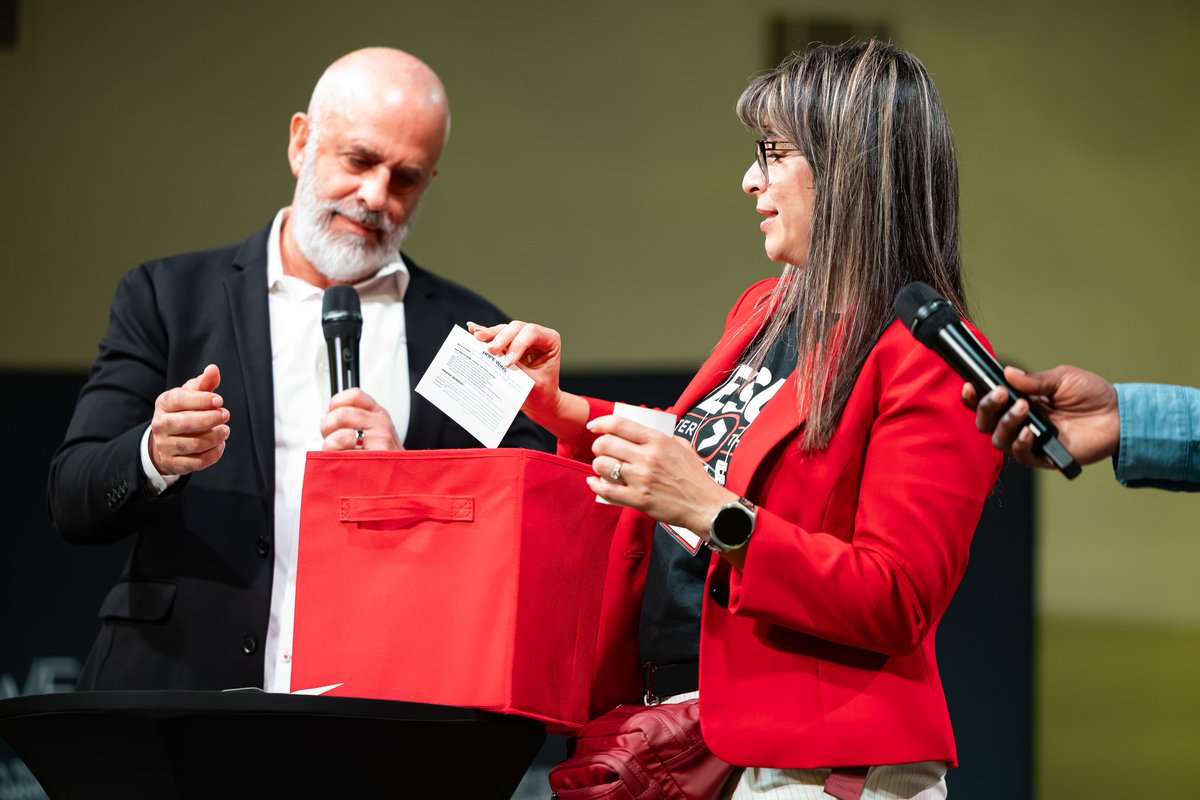
My beautiful wife.
The most detail oriented person I know. She works intentionally to produce great events.
1
67
May 17
There are people in your circle who have a problem for every solution.
How do you deal with them?
71