
Joined May 2025
- Tweets 1,237
- Following 137
- Followers 65
- Likes 700
203 Photos and videos



Florian Strauf retweeted

May 12
It’s 2018 and your coworker just sent you a 400 line pull request.
You get a cup of coffee and sit down to review it.
It’s beautiful. Elegant micro-refactors. Crispy method names.
You catch a few things, but that’s ok. It’s part of the dance. They didn’t consider extensibility on part of their API. Here’s a comment buddy.
They respond in an hour saying they think we should do one piece differently than your comment. Hey let’s jump into a room and figure it out. We can’t just agree to disagree, this code is too important.
The PR merges and goes to prod. You feel a shared sense of ownership and accomplishment.
That night you go to sleep and dream of that code. You can still see the shapes of it on the backs of your eyelids, your IDE syntax highlighting sparking neurons in your reptile brain.
You go to work the next day ready to go. You understand the system. N is your foundation. Time to build n 1.
144
432
9,904
958,836
AI agent simple backend for my taxes feels way better than any UI.
Expense Sorted as backend, but data entry and validation go through the agent. for anything complex or conversational the real UI is the agent. Apps just become thin, purpose-built views on top.
22
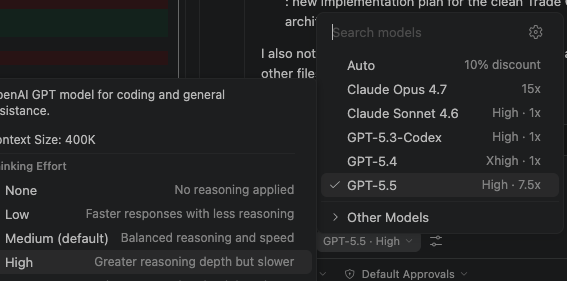
We had a good run Copilot, but I think it's over. Kimi has much better value for money.
15
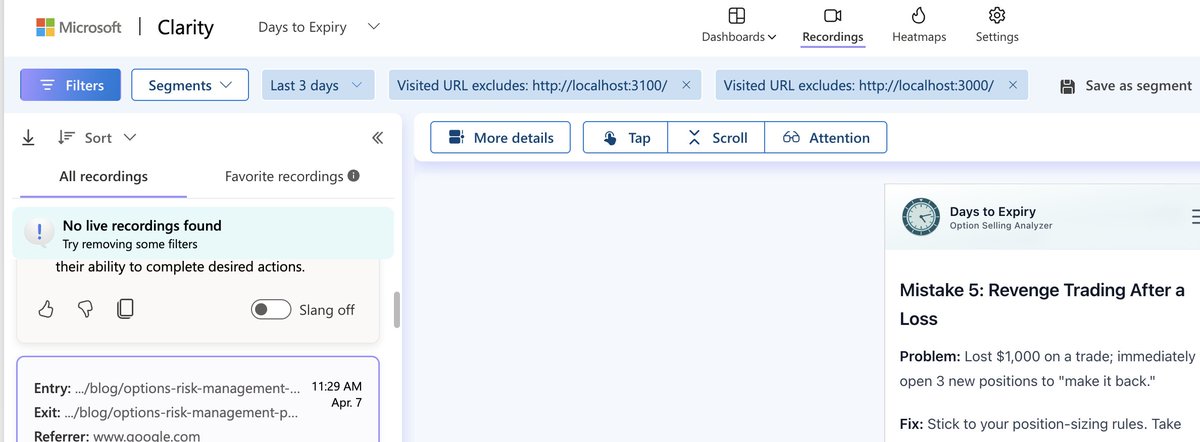
I feel like a boomer using Copilot and now I started liking MS Clarity!
37

Mar 25
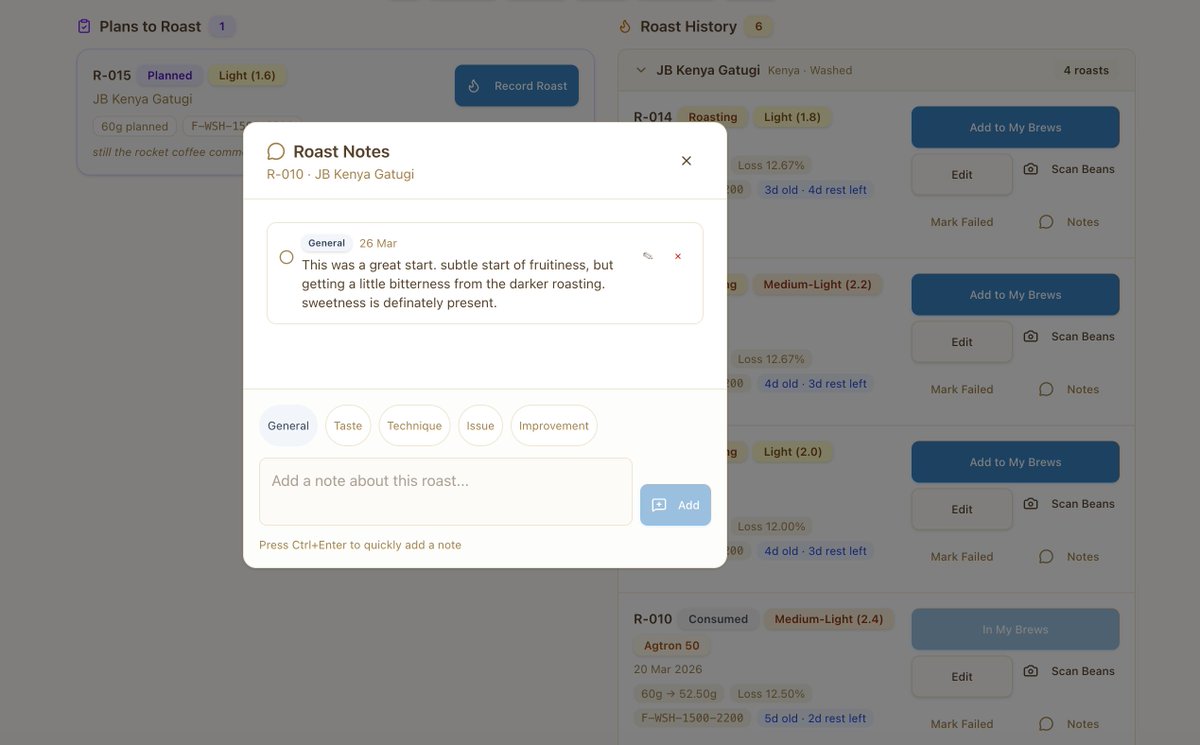
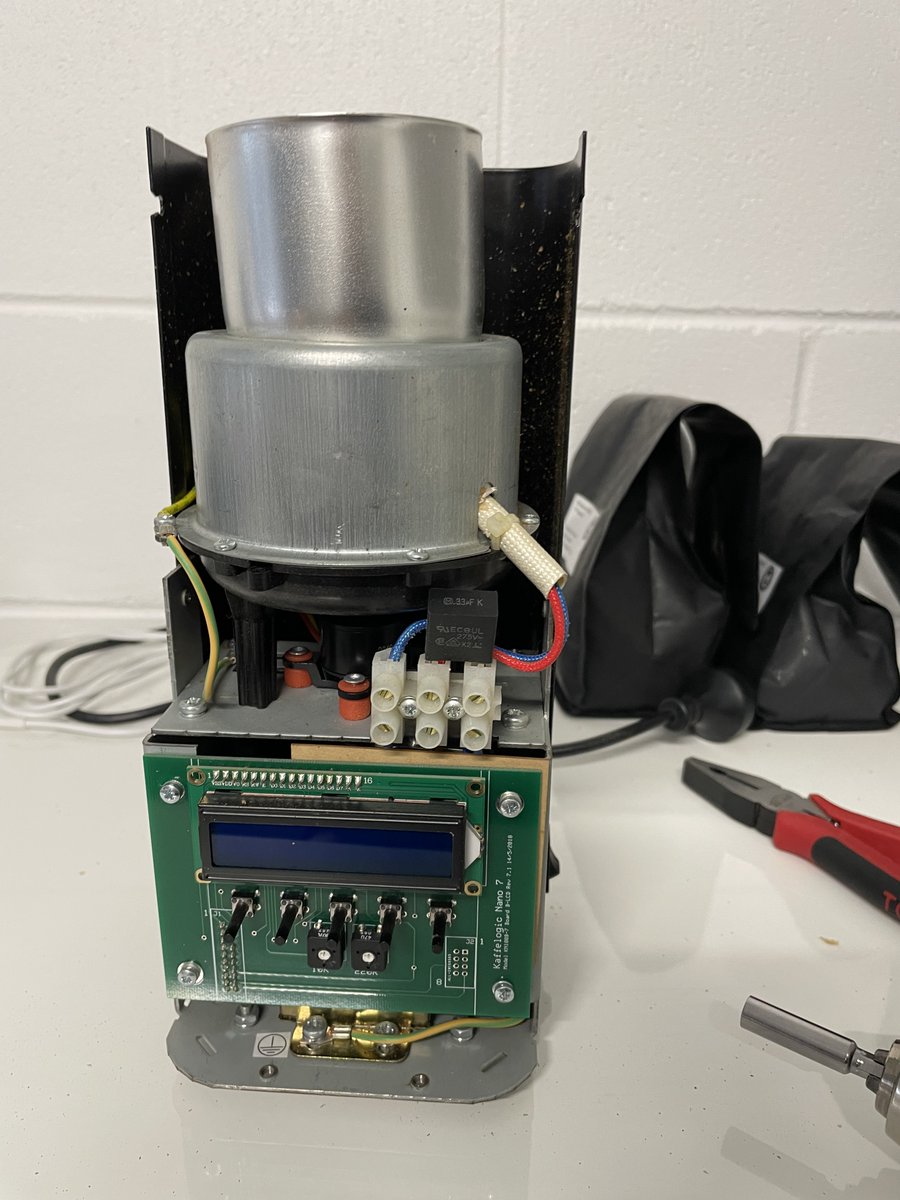
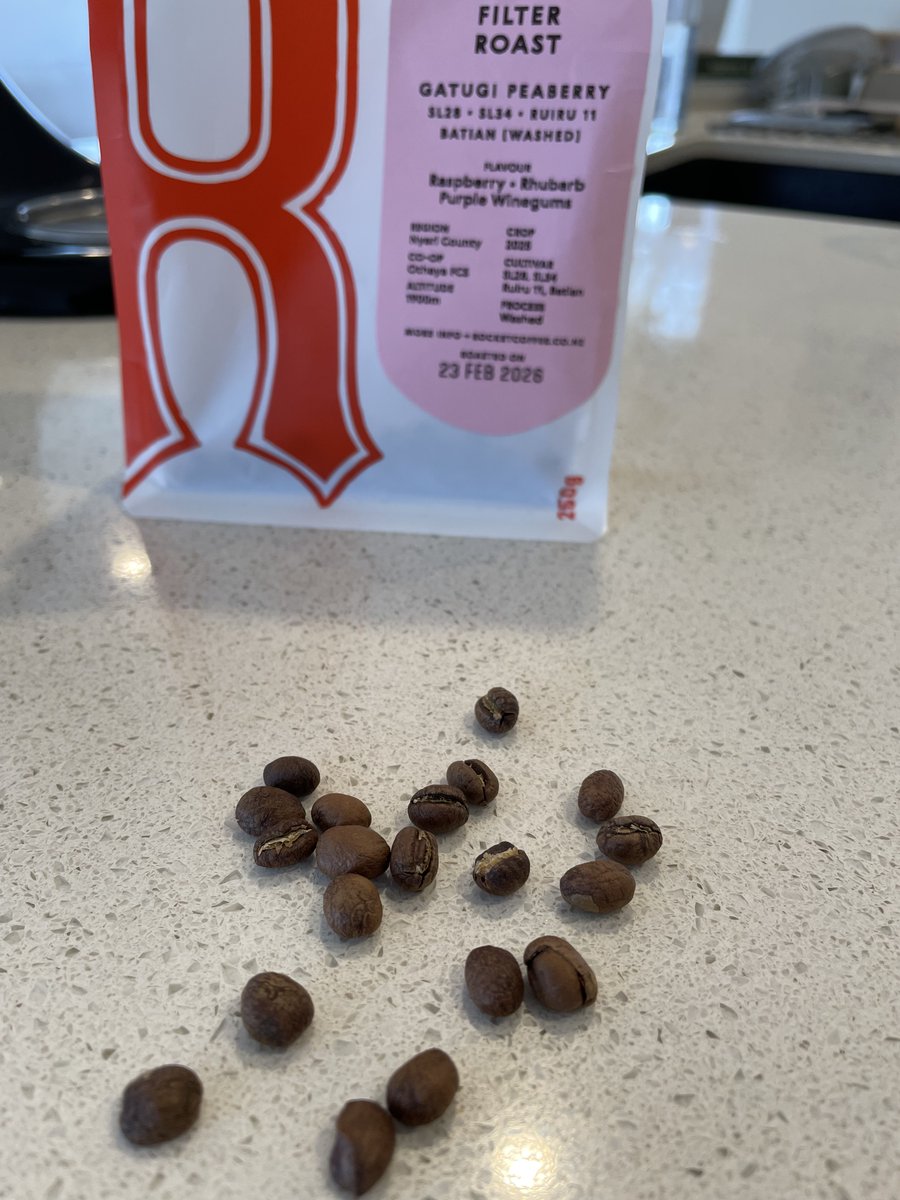
Taking notes on the first roast with some nice beens.
I've so far roasted four batches of these same beans and this first one at 2.6 was the darkest.
It tastes great, good sweetness but the darker roast bitterness is present. Not unpleasant, but I prefer acidity with that sweetness and the lighter roasts will hopefully deliver that.
40
Florian Strauf retweeted

"She goes to a different school"
Mar 23

Q: Who is Steve Witkoff speaking with in Iran?
TRUMP: A top person
Q: Who is it?
TRUMP: I can't. I don't want them to be killed
29
124
1,911
68,997
Florian Strauf retweeted

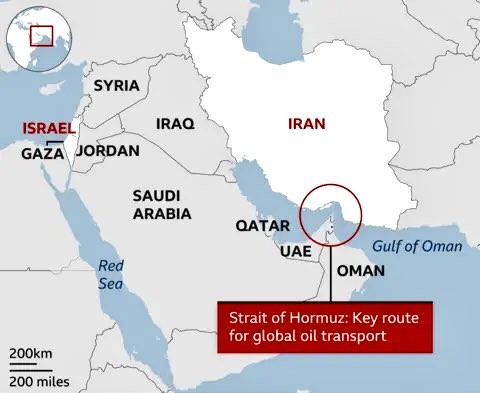
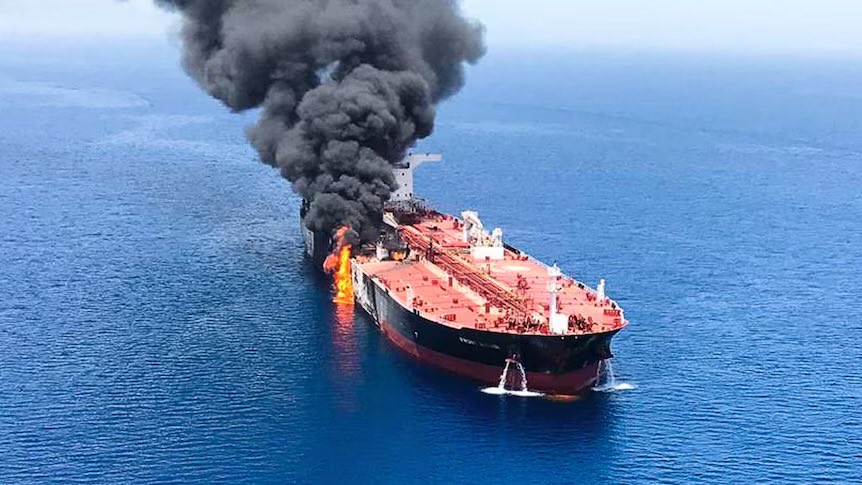
The war in the Strait of Hormuz will reach your local pharmacy within six weeks. Not because your pharmacist follows geopolitics. Because the active pharmaceutical ingredients in roughly half of America’s generic prescriptions begin as petrochemical derivatives manufactured in India, and India’s petrochemical industry begins as crude oil that transited 21 miles of water that closed on March 4.
Nearly 70 percent of the active ingredients in US generic drugs are produced in India. India imports approximately 40 percent of its crude oil through the Strait of Hormuz. The crude feeds refineries that produce naphtha. The naphtha feeds petrochemical crackers that produce intermediates. The intermediates feed pharmaceutical plants in Gujarat, Maharashtra, and Hyderabad that produce the API, the active pharmaceutical ingredient, that is shipped to contract manufacturers in the United States, Europe, and across Asia. The chain from the strait to the tablet is six steps long. Every step requires the one before it.
CNBC reported that the Hormuz closure puts America’s generic drug supply at risk. Fierce Pharma warned of longer-term effects on US manufacturing and generics. Think Global Health mapped the pharmaceutical supply chains most vulnerable to disruption. The consensus across trade publications, health policy analysts, and industry executives is identical: four to six weeks of current inventory exists in the pipeline. After that, shortages begin with the most complex formulations first.
Cancer drugs are the highest risk. Biologics requiring cold-chain storage have the shortest shelf life and the longest replenishment cycle. Clinical trial medications depend on uninterrupted supply chains that are now interrupted. Insulin analogues, antivirals, and cardiac medications all contain intermediates sourced from Indian manufacturers whose input costs are rising with every day the strait remains closed.
Air cargo is the emergency bypass. But air freight rates from India have climbed 200 to 350 percent on some routes since the war began, according to logistics tracking firms. Gulf air capacity is down 79 percent because airports in the UAE, Kuwait, and Qatar have been damaged or operate under restricted conditions. The Suez Canal route adds 10 to 14 days to maritime shipping times. The Cape of Good Hope route adds 21 to 28 days. Both alternatives assume the Red Sea remains navigable, which the Houthi threat has complicated since 2024.
The World Health Organisation reported a 70 percent funding gap for its operational response in the region. Medical supply chains to Iran itself have been devastated, with hospitals reporting shortages of surgical supplies, blood products, and anaesthetics. But the downstream pharmaceutical effect extends far beyond the war zone. Every Indian manufacturer that pays more for crude pays more for naphtha, pays more for intermediates, and passes the cost forward into API prices that American generic drug companies absorb until they cannot absorb any further.
The molecule does not know it is a medicine. The strait does not know it is a pharmacy. The petrochemical derivative that becomes a blood pressure tablet transits the same water as the petrochemical derivative that becomes a fertiliser pellet. Both are trapped. Both have shelf lives. Both have planting windows or prescription refill cycles that do not negotiate with blockades.
Six weeks. Then the pharmacy starts calling patients about substitutions.
open.substack.com/pub/shanak…

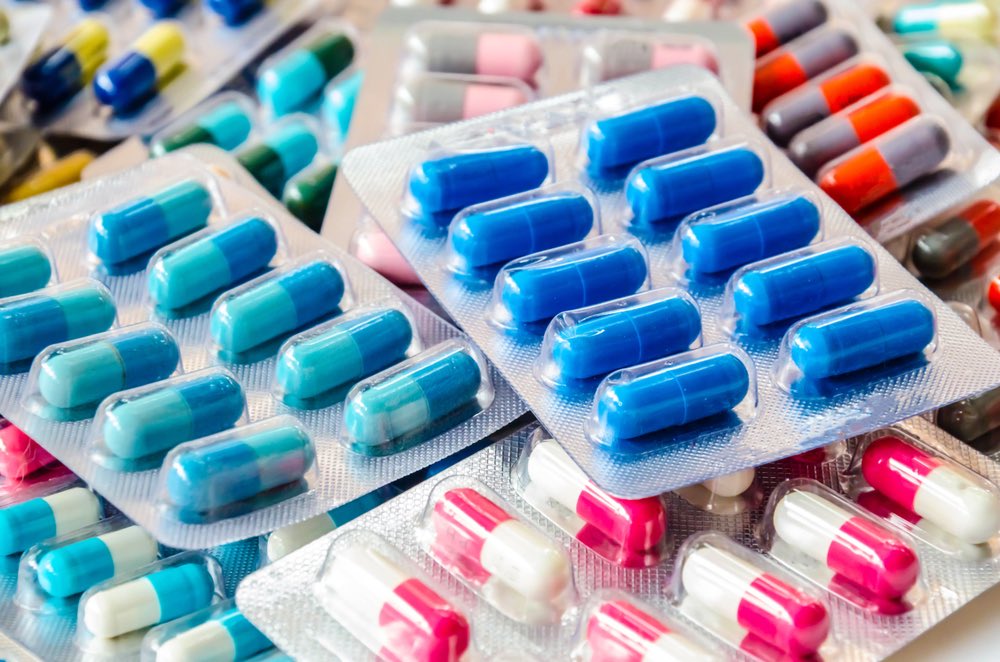
Your paracetamol is made from oil. The phenol comes from a cumene process that starts with naphtha. The naphtha comes from a refinery. The refinery’s feedstock transits the Strait of Hormuz. Ninety-nine percent of pharmaceutical feedstocks, solvents, reagents, and packaging are petrochemical-derived. The American Gas Association confirmed it. The medicine cabinet is the sixth layer of the Hormuz crisis and nobody is talking about it.
The war started with uranium. It moved to oil. Then fertiliser. Then water. Then plastic. Now medicine.
Paracetamol is 100 percent petrochemical. Phenol from cumene, converted to para-aminophenol, then acetylated. Ibuprofen is 100 percent petrochemical. Isobutylbenzene plus propionic acid derivatives. Metformin, the most prescribed diabetes drug on Earth, is 80 to 90 percent petrochemical. Dicyandiamide from natural gas derivatives. Antibiotics like amoxicillin and ciprofloxacin require methanol, acetone, and dichloromethane as solvents for extraction and crystallisation. Oncology drugs need cold-chain energy and plastic packaging. Every blister pack, every pill bottle, every syringe is PE, PP, or PET from Gulf naphtha.
India makes 40 to 47 percent of American generic medicines by volume. It imports $4.35 billion in active pharmaceutical ingredients annually, 74 percent from China. But the critical precursors, the methanol and ethylene glycol that feed Indian API synthesis, are 87.7 percent and roughly 100 percent Hormuz-dependent respectively. The Indian government has prioritised household LPG over industrial petrochemical feedstock, starving the downstream pharmaceutical chain. API costs have surged 30 percent in the last two weeks.
The typical buffer is two to three months of inventory. The war is nineteen days old. The clock started before the buffer was designed for this scenario.
A diabetic in Ohio takes metformin every morning. The dicyandiamide that becomes the active ingredient traces back through a Chinese intermediate to a natural gas derivative that originated in the Gulf. The methanol used to crystallise the compound in a Hyderabad factory was shipped from a terminal that now sits behind the same strait controlled by provincial commanders with sealed orders. The blister pack was moulded from polyethylene derived from naphtha that loaded at a facility the IRGC published satellite targeting images of yesterday.
One pill. Four petrochemical dependencies. One chokepoint.
The farmer in Iowa cannot plant corn because nitrogen costs $610. The diabetic in Ohio may not be able to fill a prescription because methanol costs whatever the strait permits. Both crises trace to the same 21 miles of water. Both are governed by the same sealed packets. Both operate on biological clocks that do not negotiate with doctrine.
Nitrogen decides whether the food grows. Methanol decides whether the medicine is synthesised. Polyethylene decides whether it reaches the shelf in a blister pack. Energy decides whether the cold chain holds for oncology and biologics. Every molecule in the pharmaceutical supply chain is now compromised by the same chokepoint that trapped the fertiliser, the gas, the plastic, and the water.
Europe said Iran is not their war. Their existing drug shortages, 400 to 1,500 medicines depending on the country, will deepen regardless. Bangladesh, Egypt, and sub-Saharan Africa depend on Indian generics for infectious disease and maternal health. The API depletion clock runs for everyone.
The strait does not distinguish between a urea molecule and a methanol molecule. Both are gated. Both are biological. And both determine whether human beings survive the next quarter.
Full analysis - open.substack.com/pub/shanak…
123
2,785
4,774
605,514
Mar 19
You buy green beans,
you roast,
you rest,
you grind,
you brew,
you taste and
you repeat.
18
Mar 17
OMG the worlds first AI Marketing CMO.
FREE.
Open Source.
BYO CLI.
2
1
46
Mar 17
Does China have and advantage because it has cheaper energy and can offer cheaper model quota?
18
Mar 17
who cares about oil!

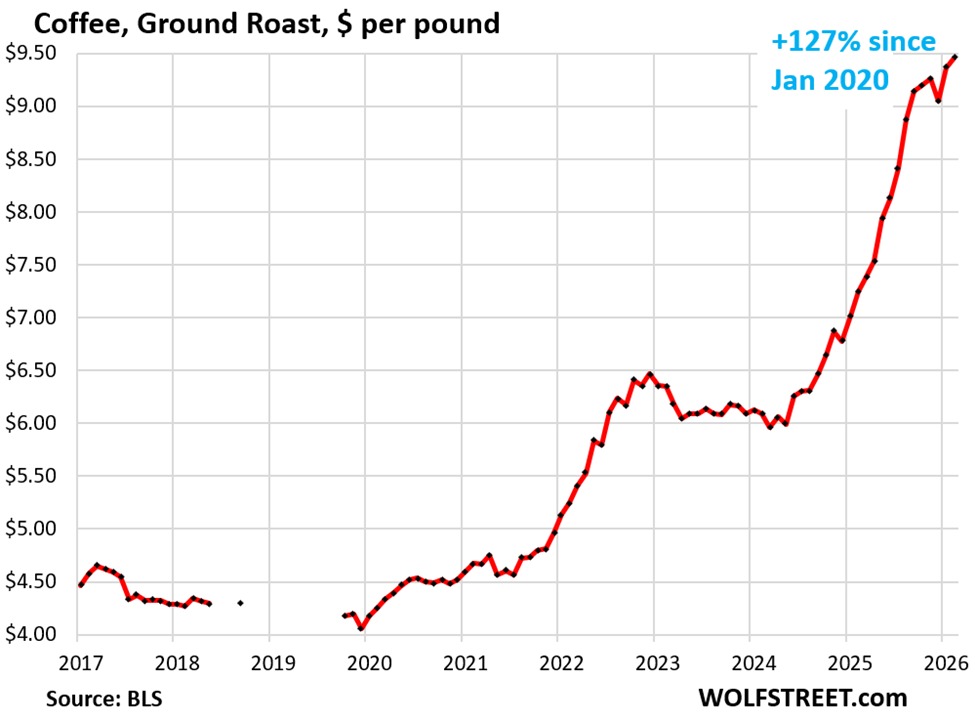
US coffee prices are surging at a record pace:
The average price of ground roast coffee is up to a record $9.46 per pound.
In February, coffee prices jumped 30.5% YoY, and have surged 127% since January 2020.
Over the same period, ground beef prices have risen 73% to $6.74 per pound, near an all-time high.
Furthermore, steak prices have soared 66% to a record $12.74 per pound.
Overall, the "food at home" category price level is up 31% while "food away from home" is up 36% since January 2020.
Food inflation remains a major issue.
18
Mar 17
everything is easier with a little system.
ai coding one is easier than building a spreadsheet these days.
21
Mar 16
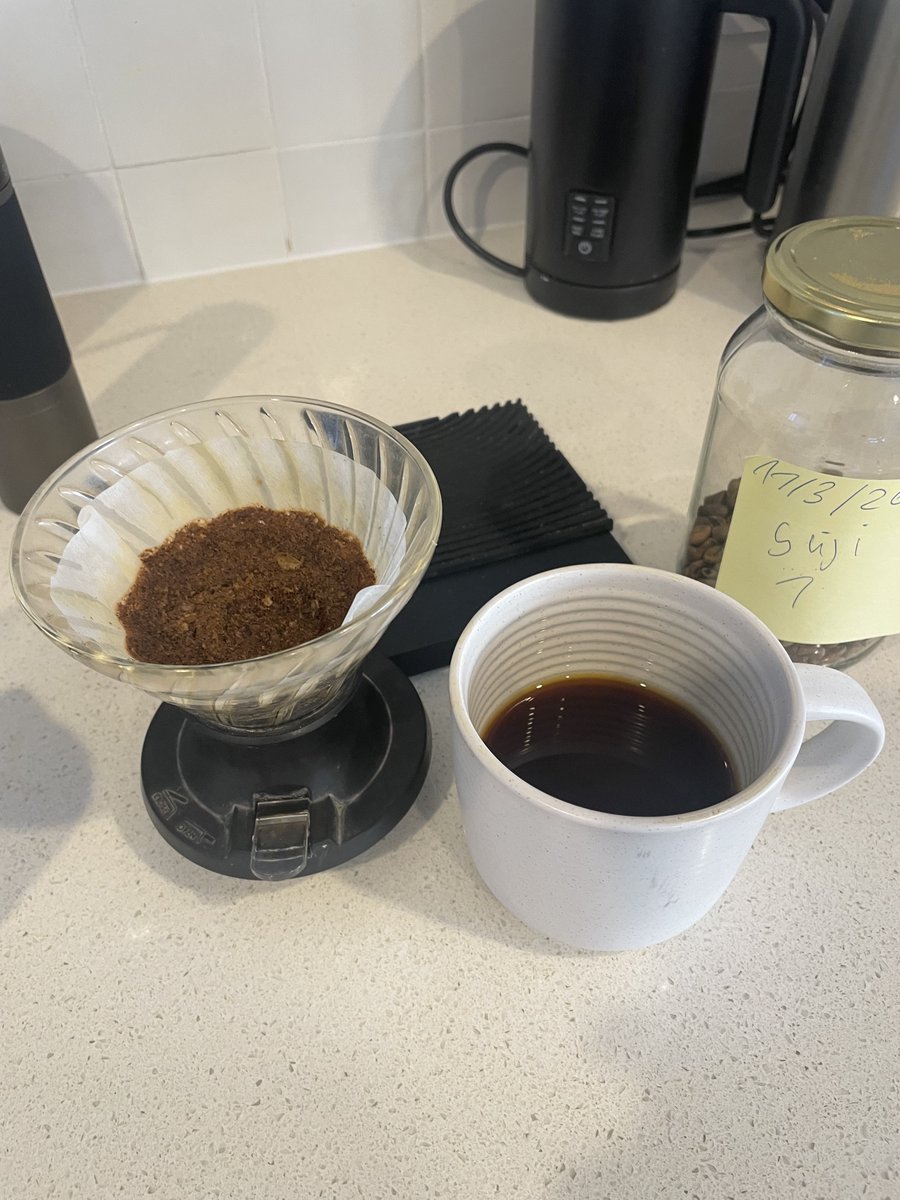
Brewed my very first home roasted coffee!
On the V60 it’s fruity but also a little earthy, which likely means the roast is still too light.
I’m impressed it already tastes fruity on the first try.
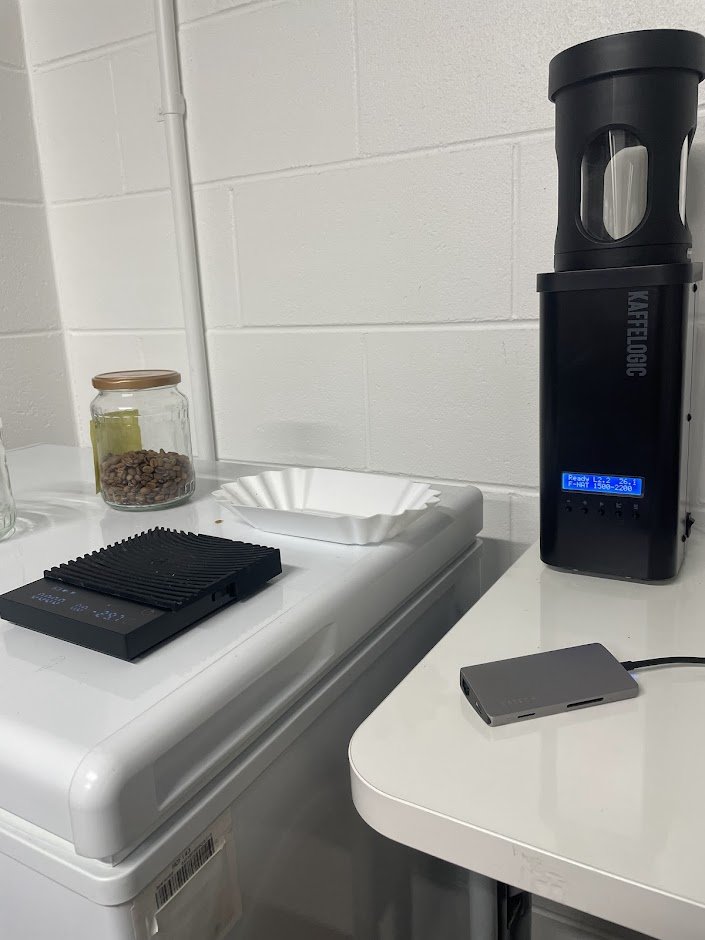
This is on the Kaffelogic, using the F‑NAT‑1500‑2200 profile at level 1, a stock profile that ships with the roaster.
It’s not dialed in yet, but I’m surprised how easy roasting has been so far.
1
179
Florian Strauf retweeted

Mar 16
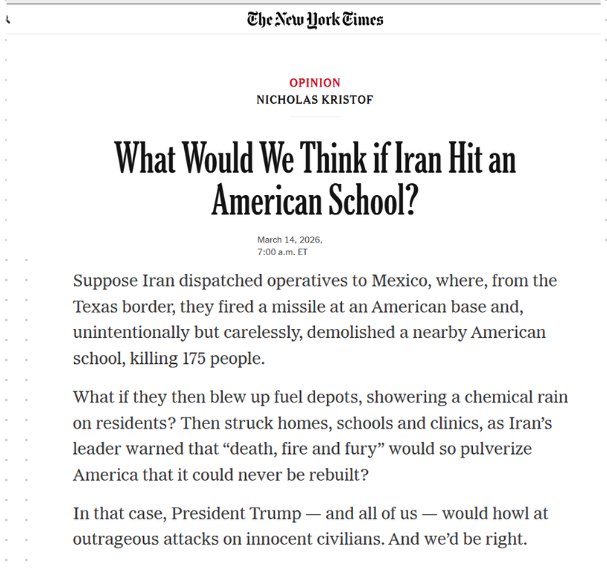
Unfortunately, it has become increasingly rare for us to put ourselves in the shoes of the other side.
244
2,149
6,916
108,760
Mar 16
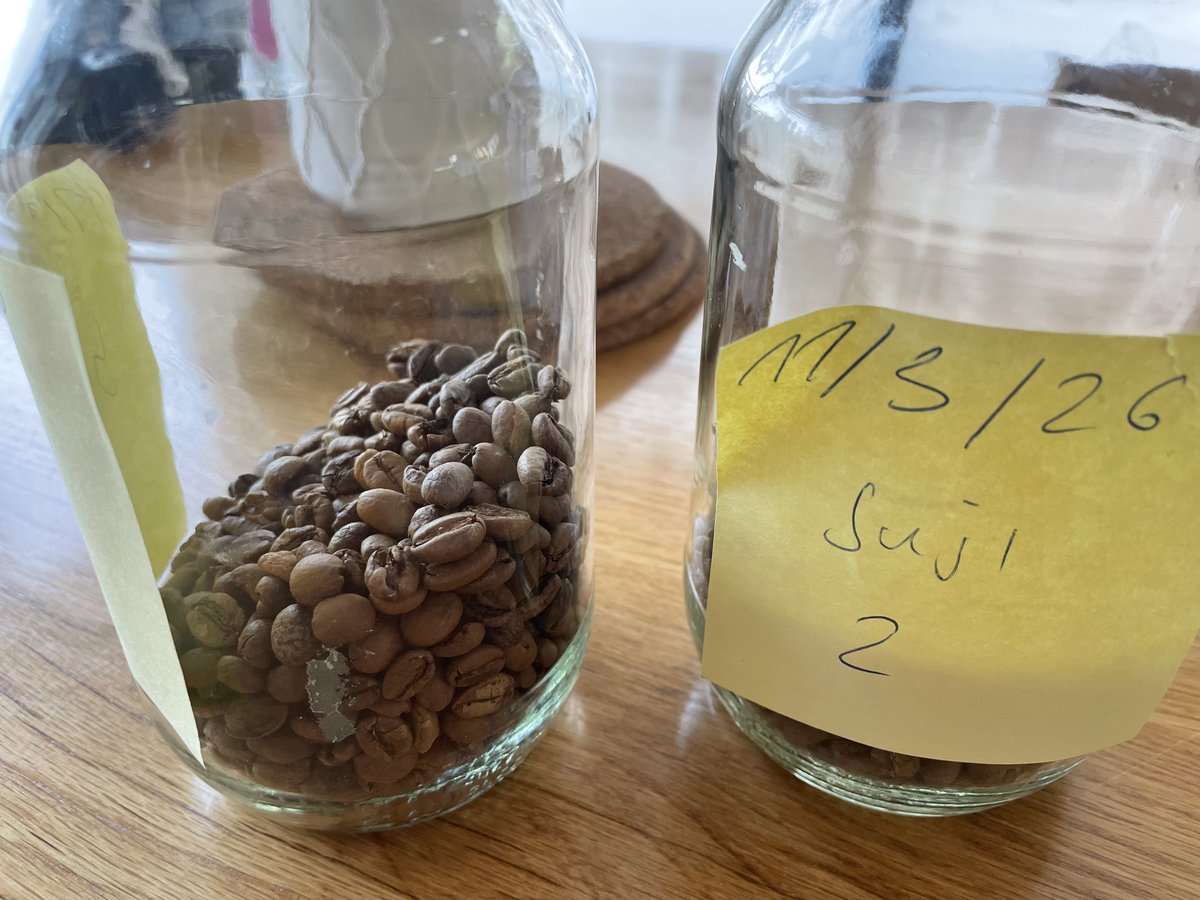
five days rested - ready to try my first roast tomorrow.
Iive got some light roasted Ethiopian Guji.
did one a little lighter and one a little darker to test the difference.
initially the smell was quite grassy, but it's been improving over the last days of resting.
29
Florian Strauf retweeted

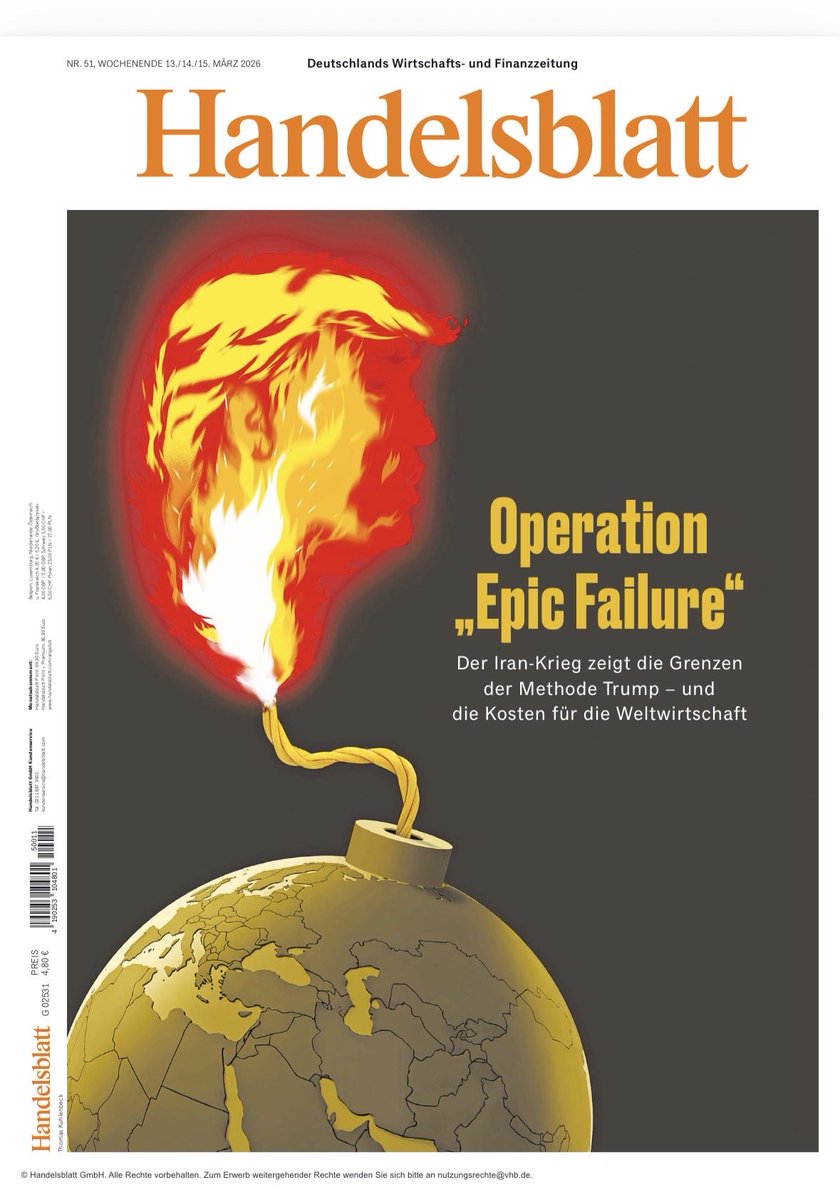
Germany’s leading business daily gets it.
112
3,494
9,662
227,791
Florian Strauf retweeted

Mar 13
The only reason I do not allow my children to play in the middle of the highway is the cars speeding at 70 MPH. Otherwise, the highway is open as a playground.
Mar 13

U.S. Secretary of Defense Pete Hegseth states that the Strait of Hormuz is “open for transit” and the only thing preventing that is continued drone and missile attacks by Iran.
413
9,718
74,238
1,737,643