220 Photos and videos

Pinned Tweet

Feb 19
There are billions of ideas that could earn you thousands of $$$ in the App Store.
But all the AIs build apps you've seen before, apps that have no chance to win.
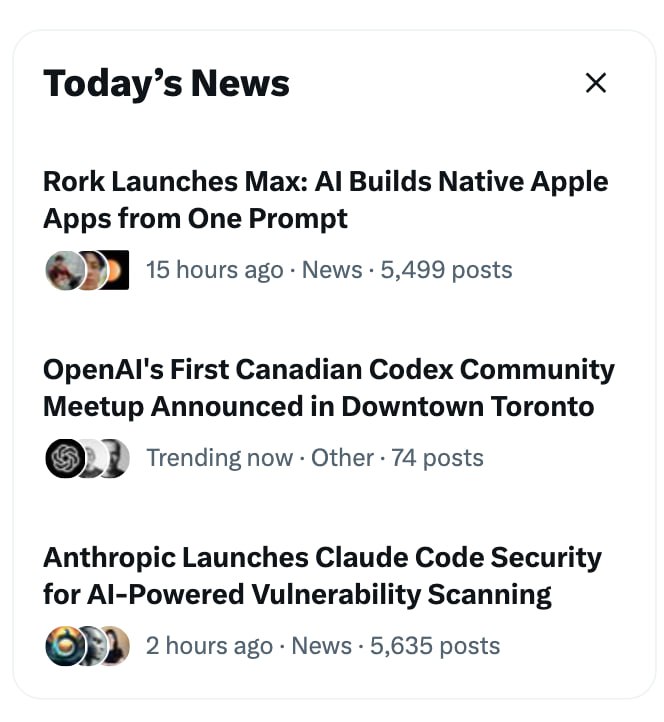
Rork Max is the first AI that creates apps you've never seen. More than that, it builds the most amazing apps you've ever seen.
We learned how important this is because our first Rork Star @GeorgeLampro20 is making $40k MRR with an AI MMA Coach, an app that was hard to even imagine before.
So here is Rork Max, an AI to build the most beautiful and amazing apps that you have never seen.

Introducing Rork Max
AI that one-shots almost any app for iPhone, Watch, iPad, TV & Vision Pro. Even Pokémon Go with AR & 3D.
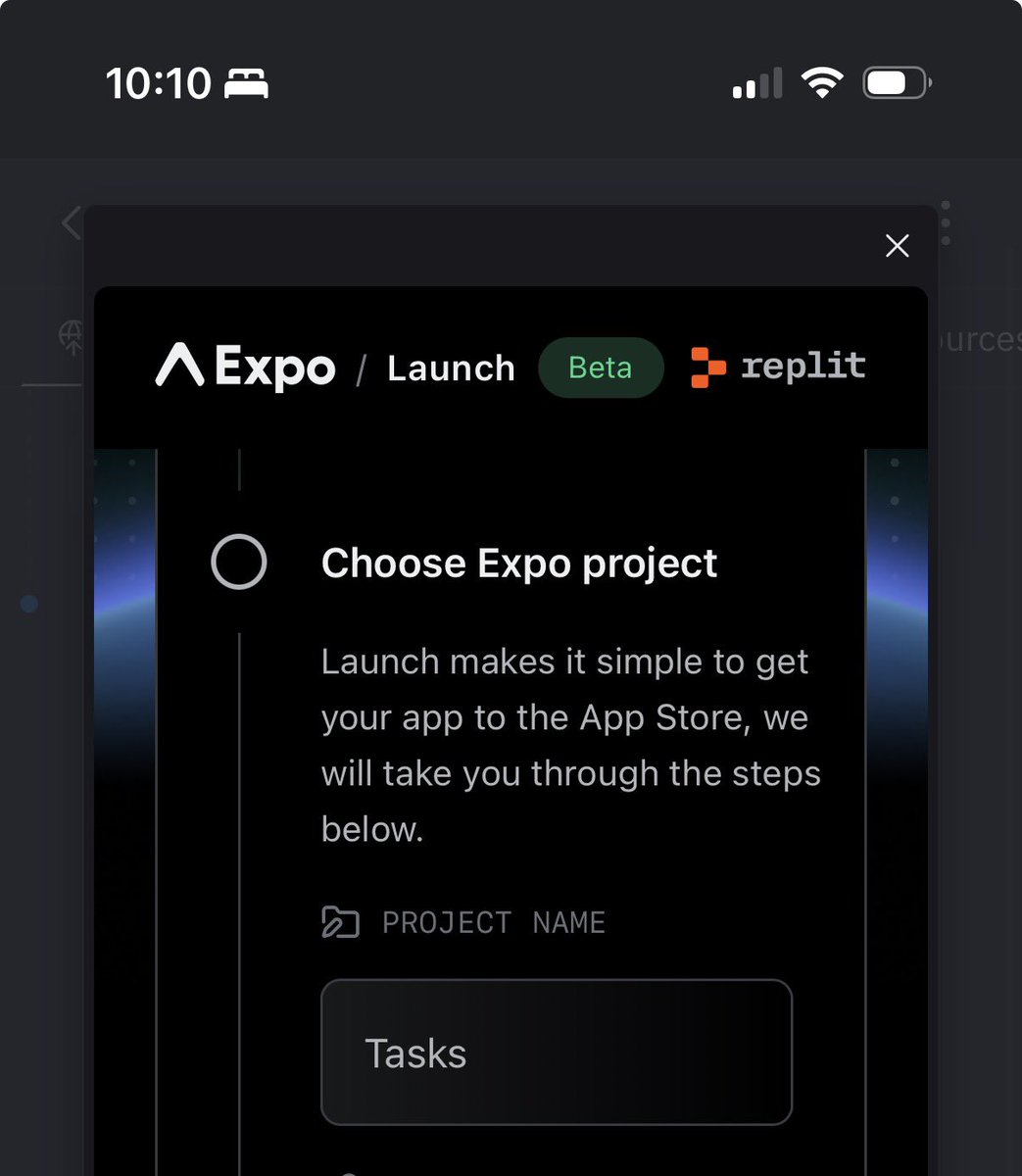
Max is a website that replaces Xcode. Install on device in 1 click. Publish to App Store in 2 clicks.
Powered by Swift, Claude Code & Opus 4.6.
10
8
71
14,468

Introducing Rork Games × Claude Fable 5
Rork can now one-shot 3D & 2D games you can play with friends online. Even Fortnite with voice chat.
Play on Web and iPhone. Generate 3D models from text and photos, 2D Assets, sound effects and music.
29
31
270
77,443
Jun 12
I just one-shot Google Meet in Rork and it works
Rork is unlimited
5
4
39
9,567
Jun 9
🇬🇧🇬🇧🇬🇧 ALERT BRITISH PEOPLE 🇬🇧🇬🇧🇬🇧
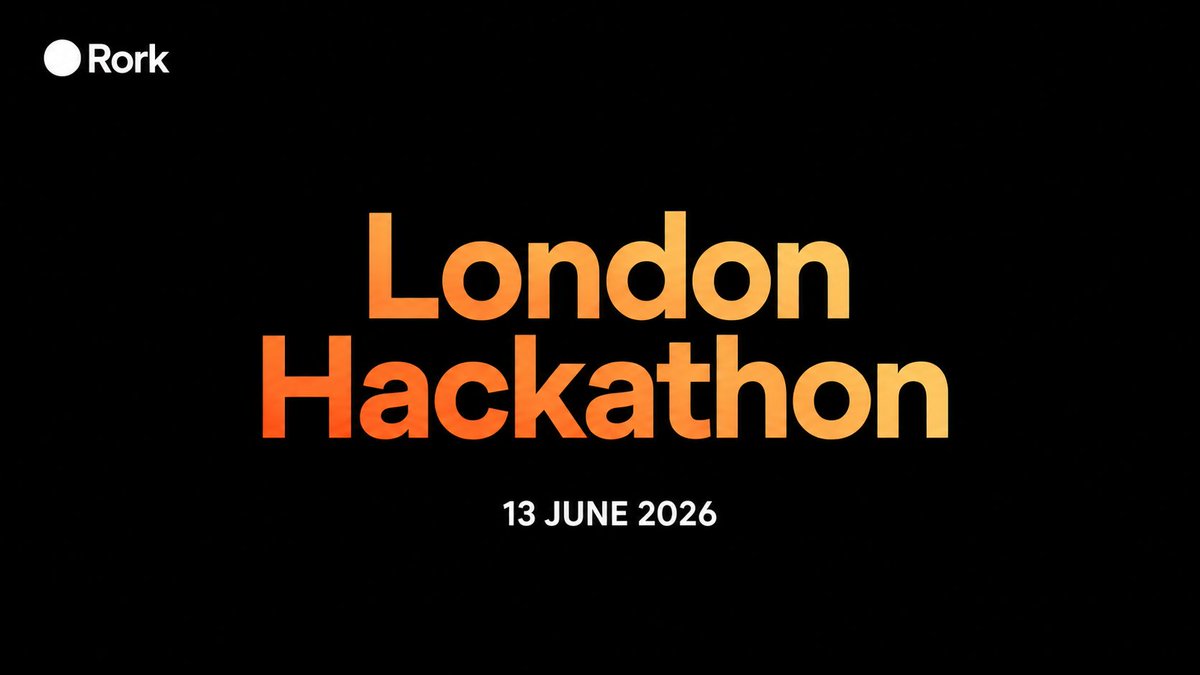
Come to our Rork Games Hackathon
Rork Games Hackathon in London
Our very first offline hackathon and we could not be more excited!
Build a cool game, demo it to the Rork founders in person (yes, they're coming too!), win prizes and vibe with the builder community
Prizes, food, a photo zone and special merch all day
Friday, 13 June at 10 AM
Spots are limited, join us and bring your friends!
luma.com/6bc7rc4k
3
12
2,373
Jun 8
Cursor is better than Codex App. Both for code and knowledge work.

1
2
427

Jun 5
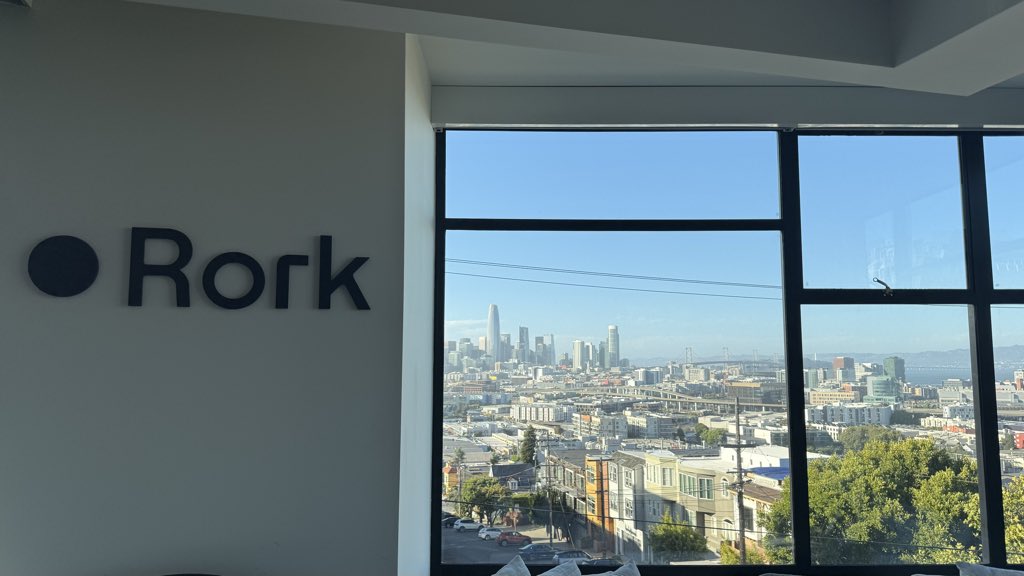
seed stage VC may finally escape the is-great-logo logic
if AI can detect great founders by reading their info like claude code sessions and private chats we can accelerate the world by funding the hidden gems
5
1
24
10,370
May 30
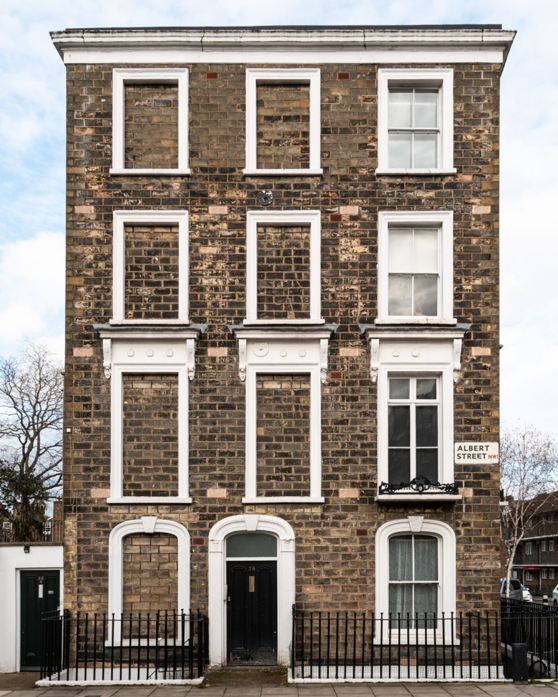
Since moving to London I kept wondering why, for such a sunless city, the architecture makes almost no effort to catch the light: tiny windows, houses built an arm's length apart
now i know one of the reasons

In 1696, the British government decided to tax sunlight. Under the Window Tax, households were charged according to the number of windows in their homes. To avoid paying, many people simply bricked up or boarded over their windows, choosing to live in darkness rather than hand money to the state for daylight.
The tax was presented as a fair way of taxing wealth, since larger houses tended to have more windows. In practice, it proved crude and damaging. Tax inspectors were given the power to enter homes and count the windows, which was widely resented as an invasion of privacy.
The consequences were severe. Poorer families, in particular, bricked up windows to reduce their liability, leaving homes darker, damper and poorly ventilated. This contributed to higher rates of disease, including tuberculosis and rickets. Architects began designing houses with fewer windows to minimise the tax, resulting in buildings that were less healthy and less pleasant to live in.
Far from being an efficient revenue raiser, the Window Tax distorted behaviour, harmed public health and became increasingly unpopular over time. Yet it remained in place for 155 years until it was finally abolished in 1851. The Window Tax required invasive enforcement and created more resentment, hardship and economic distortion than revenue. It is a classic example of the unintended consequences of taxation.
12
3,160
May 20
Is there a word to describe an event so significant that it would divide history into 'before' and 'after'?
May 20

I’m lucky enough to have the inside scoop of some operations rork work on, and let me just tell you this new app they’re releasing will be absolutely insane. Genuinely don’t think a single vibe code platform can compare to rork after this one.
@rork
2
8
809
May 12
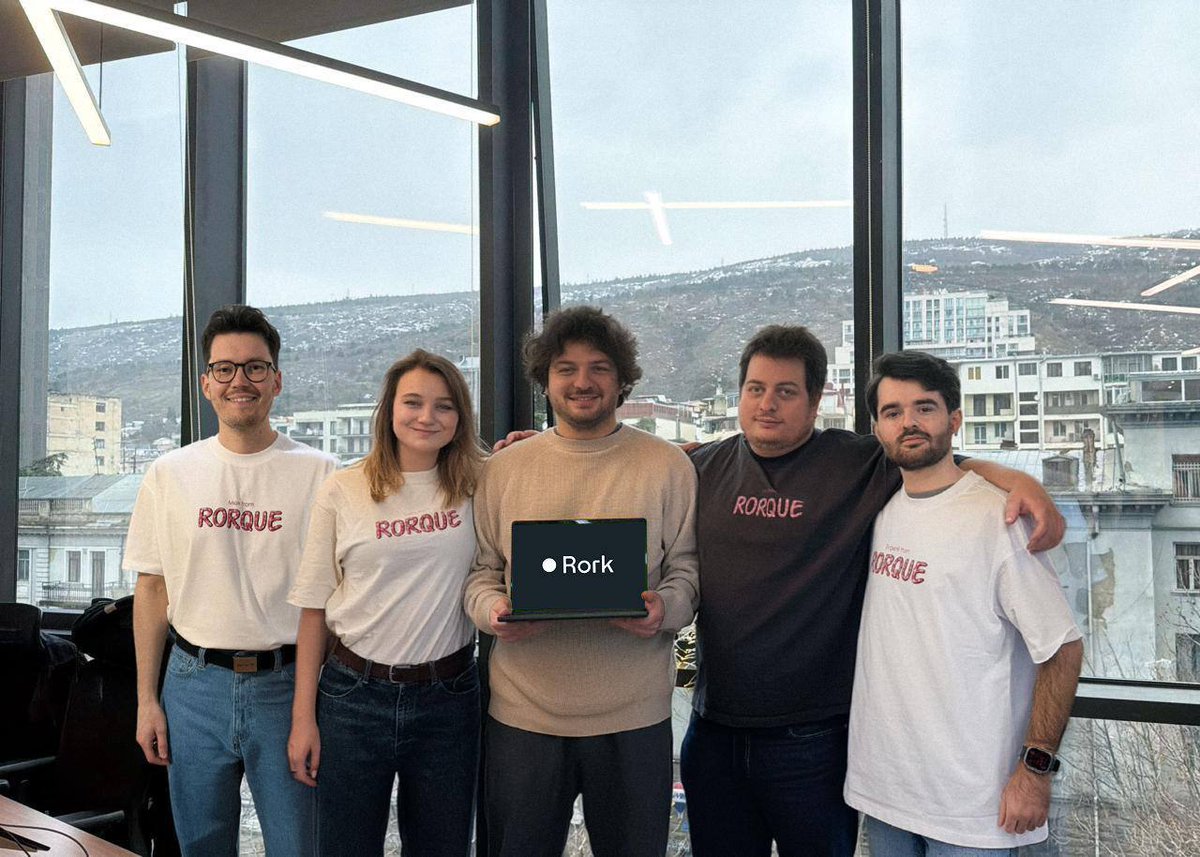
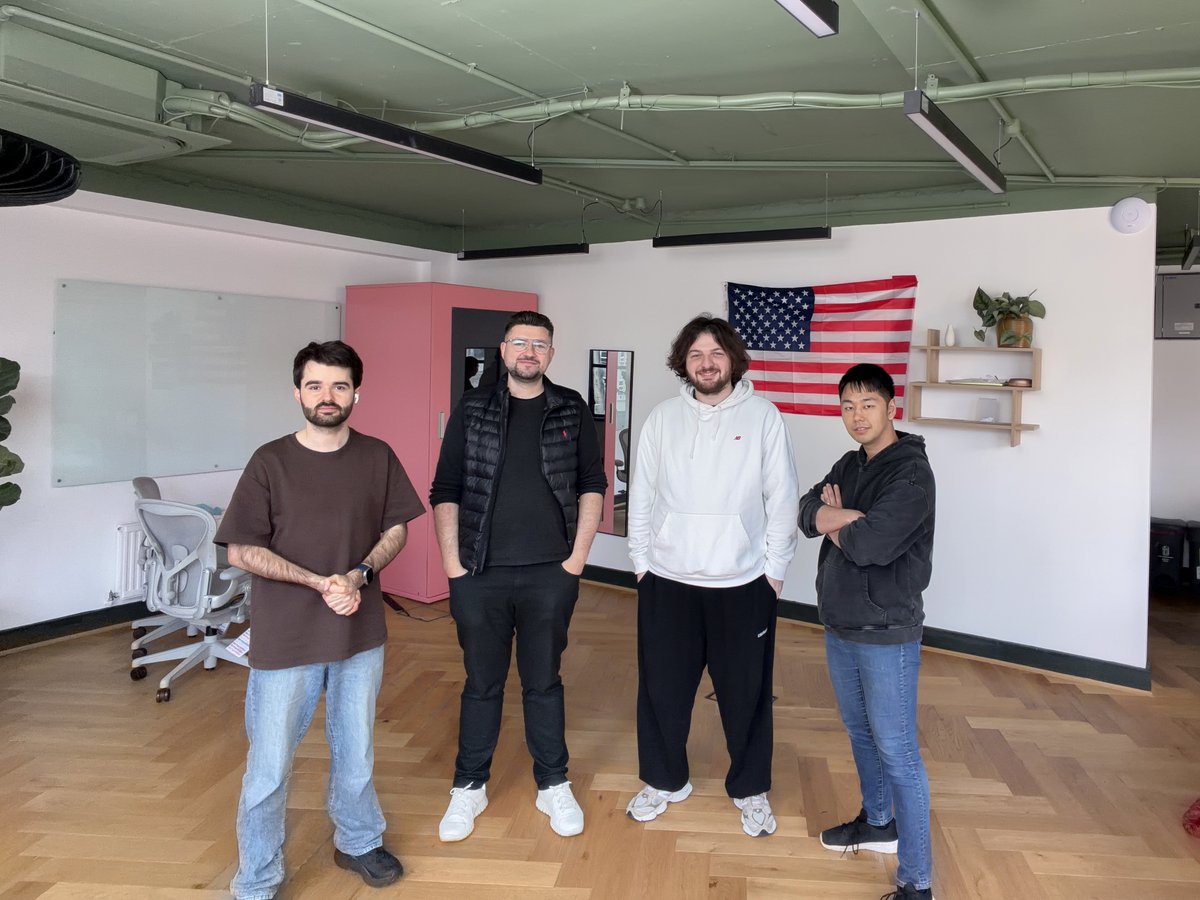
I’m happy to welcome @_jbroma to the Rork team!
Jakub is a core maintainer of Re.Pack and has spent years deep in the React Native ecosystem, building, optimizing, and pushing mobile infrastructure forward!
Jakub will help us make Rork faster, more reliable, and more powerful across every platform as we scale the infrastructure behind thousands of mobile apps.
We’re building the future of app creation that will redefine how mobile apps are created small non-technical teams to large enterprises. Jakub will help us reach the next level.
4
4
36
3,520
Levan Kvirkvelia retweeted

May 12
Very excited to announce that I’m joining @rork!
Over the last 4 years at Callstack, I got to work on projects I was genuinely fascinated by: React Native infrastructure, Module Federation on mobile through Re.Pack, and a lot of open source. More importantly, I got to learn from and build with some incredible people.
Now I’m joining Rork to help make building apps something everybody can do & where imagination is the only real limit.
19
7
91
8,691
May 7
Probably the easiest way to make money in 2026.
> Find a great problem to be solved with AI
> Build an app in @rork
> Ship to App Store in a few days
> Start making short videos about the usecase
> Make $$$ (or just keep trying, until it works)
Introducing Rork AI Cloud
Rork can now use any of the 150 models and one-shot almost any AI app, even Higgsfield.
Take full control over which model your app uses: a movie maker on Kling 3.0, a photo studio on GPT-Image 2, an AI tutor on GPT-5.5, or a voice assistant on ElevenLabs. No API keys needed.
8
7
56
14,529
May 7
i should have said 'small problem', not 'great problem' to make it clear. because a great problem to fix is a small problem where u have no competitors.
Take @GeorgeLampro20 as an example
rork.com/blog/george-wrestle…
5
500
May 7
It's crazy that both AI and human agents thrive in a world with less regulation
2
4
527
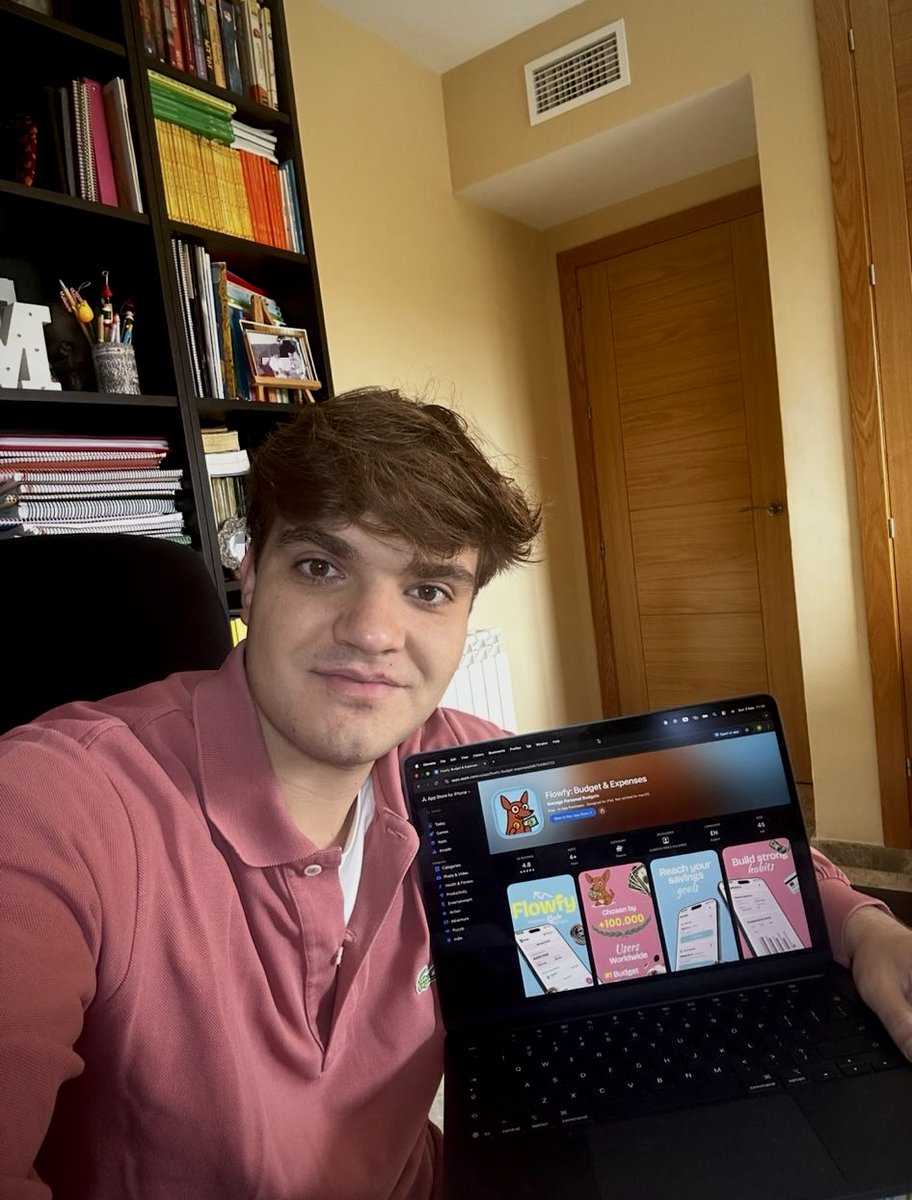
An app made in Rork just hit #3 in Finance on the App Store in Spain
Meet Alberto, 22yo founder of Flowfy.
When he joined Rork Stars in January he had made $750 total
Now he's at $22K and 100K downloads with his first IOS app.
This is how Rork can change your life.
Apply to Rork Stars today. Be the next Alberto
44
19
276
103,425
Introducing Rork Analytics
Connect your @revenuecat to see advanced analytics for your app:
• Usage: Downloads, Active subscriptions & users
• Revenue: MRR/ARR, ARPU, LTV
• Conversion Rate
Also, Rork Analytics turns Rork into an AI product manager: it now runs an AI metrics health check that tells you exactly what you need to fix in your app to improve conversion & monetization.
16
15
123
39,687
Apr 28
"Rork Max changed the game completely"
iykyk
Apr 28

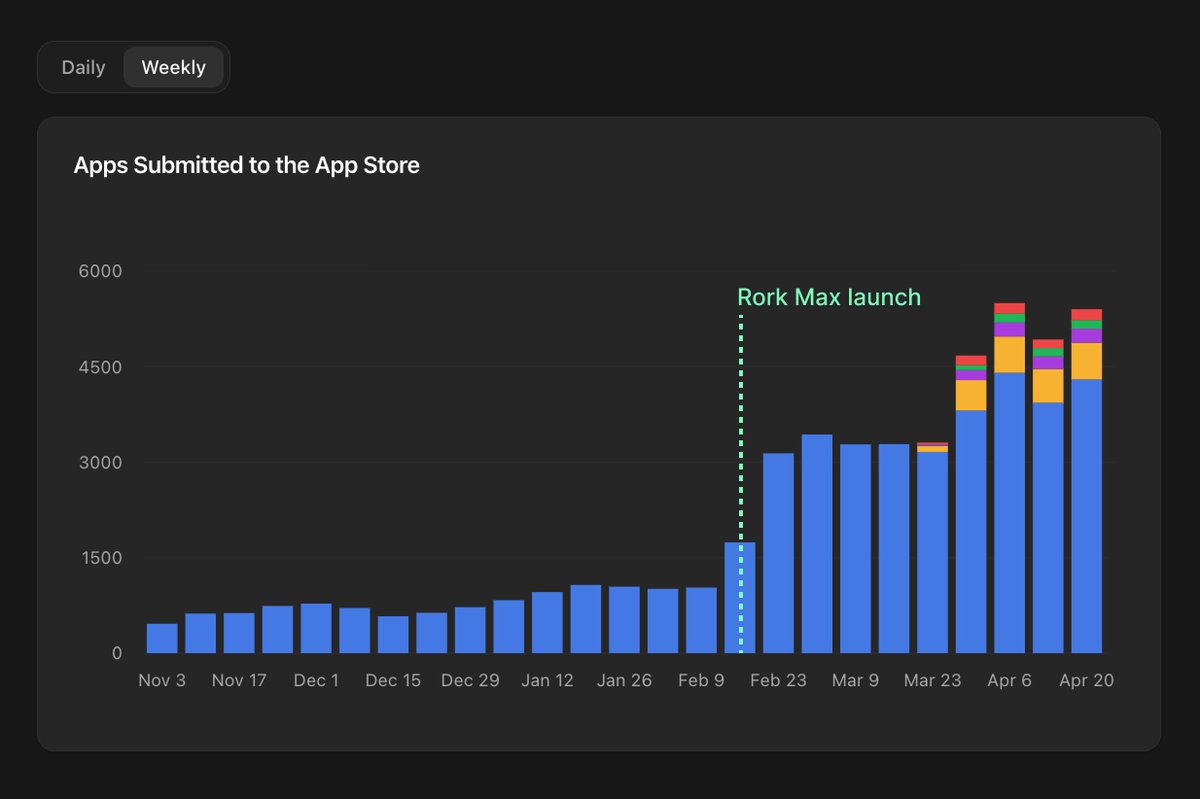
Rork users are now shipping 3x more apps to the App Store since we launched Rork Max. At this pace, they'll submit 1M apps in 2026.
A year ago, shipping an iPhone app meant Xcode, a Mac, a developer account, a week of fighting Apple's submission portal, and hoping you don't get rejected for something you didn't even know was a rule, or get stuck for 3 months.
Rork Max changed the game completely. AI that one-shots apps for iPhone, iPad, Watch, TV, Vision Pro – just describe what you want.
Rork Max Publishing handles every step: fills out your whole App Store Connect page for you, generates screenshots, and actively prevents rejections.
Remove friction -> get X more users.
4
3
21
7,013