
Easy licensing for the next generation of the internet.
Joined June 2016
- Tweets 6,009
- Following 1,246
- Followers 880
- Likes 6,304
398 Photos and videos





license.rocks retweeted

3 Aug 2024
Artists can significantly boost their revenue by selling directly to fans rather than relying on streaming. For instance, merchandise sales 👕💵 can yield over $10,000 per show, while the average artist earns only about $625 annually from streaming royalties.
1
2
3
346

21 May 2024
Was a blast to hack with these smart guys at the @CelestiaOrg infinite space bazaar hackathon. Thanks for the dedication and setting that up. #ticketing #modularblockchain #hackathon
2
203

license.rocks retweeted
10 May 2024
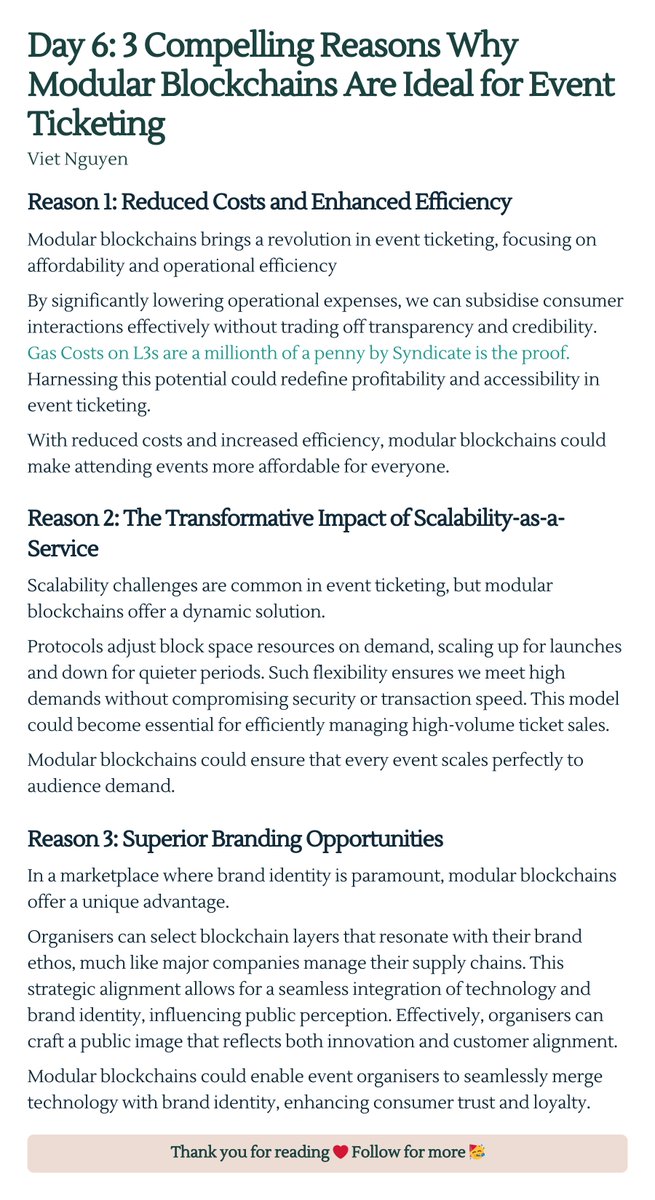
Modular blockchains meets ticketing 🙏👇
10 May 2024

Day 6: 3 Compelling Reasons Why Modular Blockchains Are Ideal for Event Ticketing
1
1
3
232
license.rocks retweeted
19 Mar 2024
Awesome hackathon coming up.
With that name we need to think about some magic carpet ride dapp to enter the space bazaaar in style.
Sign up and hack around with teams spread all over the world. Looking forward meeting tons of new peeps building together our decentralized future.

Welcome to the Infinite Space Bazaar ☄️
Get ready for the first global online Celestia hackathon, from April 2 to May 17, with $100k in prizes. 🏁
Register now: bazaar.celestia.org/
2
5
227
license.rocks retweeted
25 Jan 2024
3 Common Myths About Gamified CRM Busted – What You Thought You Knew Might Be Holding You Back!
Myth 1: Gamification is just for fun. It's a serious engagement tool. • Define business objectives • Align with CRM goals • Measure impact on KPIs Snap: Serious strategy, serious
1
1
1
179
7 Dec 2023
There will be a live stream for answering question to Journalist today for the #European #AI Act. Here is the link to it multimedia.europarl.europa.e…
Starts at 10.00 CET.
#regulation #legal #AIACT #pressconference #EU #compliance
1
456
29 Nov 2023
We fix that UX thing with the help of @biconomy account abstraction SDK and also their gas station solution. You you dig into that if you try to build user friendly DAPPs.
29 Nov 2023

Blockchain technology is groundbreaking, but let's face it, User Experience (UX) in the blockchain world has often been a major fail. 🚀 In this thread, we'll explore how Account Abstraction can fix this, with a focus on smart wallets. #Blockchain #UXDesign
2
182
22 Nov 2023
🔥 Dive into the future with #OnChainLicensing! 🌐 Imagine a world where your digital assets are securely licensed & managed on the blockchain. Say goodbye to paperwork & hello to innovation! 🚀 Curious how it works? Hit us up and explore! #Blockchain #DigitalRights #web3 #nfts
1
2
167
license.rocks retweeted

3 Nov 2023
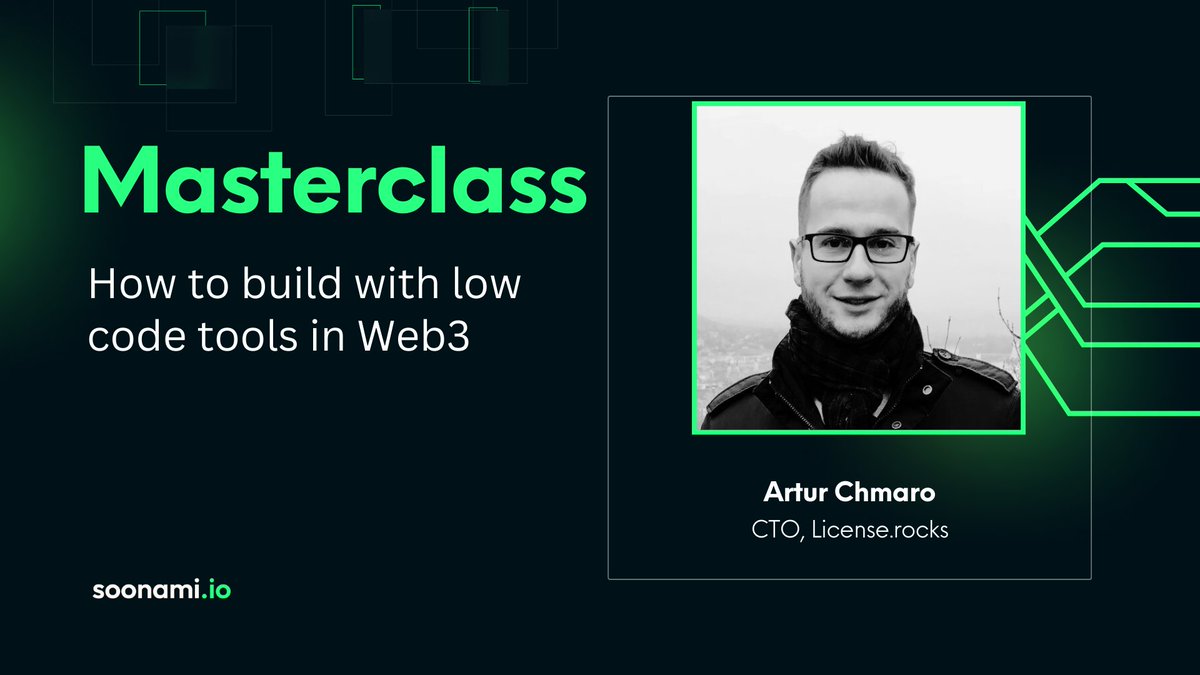
⚠️Masterclass Alert!⚠️🚀Learn how to use low-code tools for blockchain and AI from @ArtiChmaro, CTO at @licenserocks GmbH 🧑🏽💻 Watch the masterclass on our YouTube channel or see the blog here bit.ly/47i92yf 🙌
#soonami #web3
1
1
1
133
16 Sep 2023
The #SEC and one move after the other to get less innovations in the US in the #crypto and #nft space - so when is my NFT now a security sec.gov/news/press-release/2… - was it just that they … highlighted specific benefits of owning them, including the option for owners to resell their NFTs on the secondary market..
uuuuuups never saw any other NFT project doing that 🙃
1
190
license.rocks retweeted
15 Sep 2023
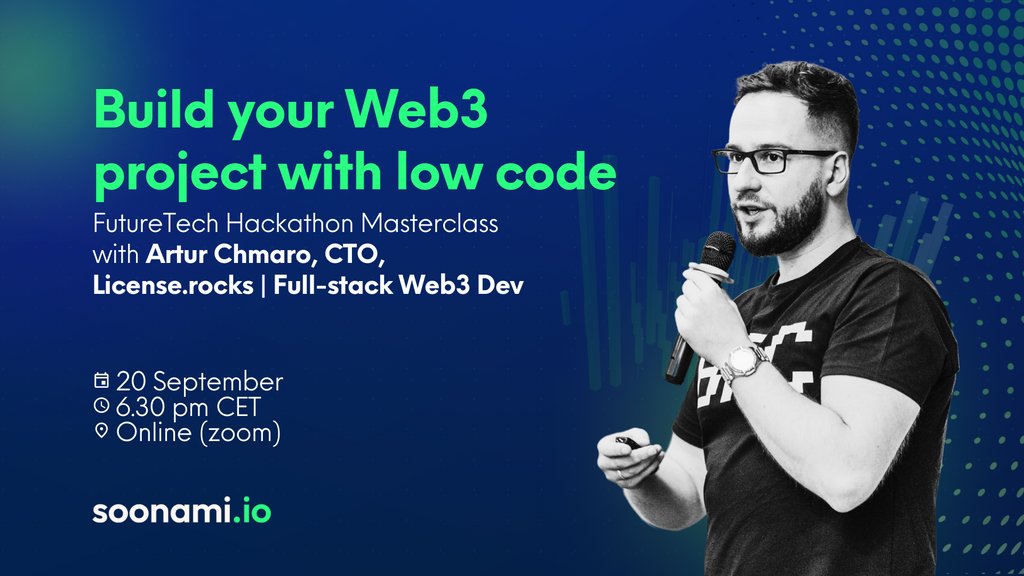
Yes, you can build Web3 projects with low-code!
Join us for a FutureTech Hackathon pre-event masterclass led by @ArtiChmaro, CTO at @licenserocks GmbH, and explore the potential of low code and no code tools in the realm of Web3 development. 🔗
👉🏽 lu.ma/qbp1z9oq
2
6
315
14 Sep 2023
What feature would you add to NFT marketplaces like Opensea?
1
123
13 Sep 2023
Another mistake NFT creators make:
Ignoring copyrights.
Awful.
Failing to obtain licensing can lead to legal troubles.
Don’t forget about it.
179
12 Sep 2023
The Lack of Control: NFT Project Founders on Marketplaces like OpenSea
NFTs have taken the digital art and collectibles world by storm, with platforms like OpenSea leading the charge. These blockchain-based marketplaces offer creators unprecedented opportunities to tokenize and sell their unique digital assets.
However, as NFT projects gain momentum, founders are discovering a challenging truth – they have limited control over their creations once they are listed on marketplaces like OpenSea.
The Promise of Decentralization
One of the foundational principles of blockchain technology is decentralization, and NFTs are no exception. Decentralization ensures that no single entity has absolute control over the network, reducing the risk of censorship, fraud, or manipulation. While this principle offers many advantages, it can also pose significant challenges for NFT creators.
Immutable Smart Contracts: Once an NFT project is deployed on a blockchain, the smart contract governing it becomes immutable. This means that the code cannot be altered or updated without community consensus, even if the project's founders want to make improvements or fixes.
Listing and Trading: NFT marketplaces like OpenSea operate independently from the projects themselves. Creators may have limited influence over the pricing, presentation, or visibility of their NFTs once they are listed for sale. This lack of control can affect the perceived value and success of a project.
Ownership and Resale: Once an NFT is sold, the ownership can change hands freely, and the creator has no say in subsequent sales or transfers. Buyers can resell NFTs at any price they choose, potentially impacting the project's reputation or perceived value.
Community Governance: Many NFT projects rely on community governance to make decisions collectively. While this can be empowering, it also means that founders may not have unilateral authority over project direction or decisions.
Marketplace Policies: NFT marketplaces like OpenSea have their own policies and rules. Creators may find their projects subject to these platform-specific policies, which can impact their ability to manage and control their creations.
Challenges and Considerations
The lack of control that NFT project founders face on marketplaces like OpenSea is a complex issue with several implications:
Community Empowerment: While founders may have limited control, the decentralized nature of NFTs allows communities to have a more substantial say in the project's direction. This can lead to greater inclusivity and collaboration.
Risk of Exploitation: The absence of control can expose creators to potential exploitation or scams. Projects may need to rely on community vigilance and proper due diligence to mitigate these risks.
Navigating Challenges: Creators must navigate the challenges presented by decentralization. This includes educating themselves about blockchain technology, building strong communities, and effectively communicating with their audience.
Adaptability: Being able to adapt to changing circumstances and market dynamics is crucial for NFT project founders. Flexibility and openness to community feedback can help mitigate the loss of control.
1
75
12 Sep 2023
What are the biggest challenges when trying to launch an NFT project?
99
license.rocks retweeted
4 Sep 2023
NFT Licensing vs. Traditional Licensing: A Comparative Look into the Future of Intellectual Property
As we navigate through the digital age, the way we handle intellectual property is undergoing a seismic shift. One of the most intriguing developments in this space is the rise of NFTs.
While traditional licensing methods have been the cornerstone for artists, creators, and businesses, NFTs offer a new paradigm that promises more control, transparency, and opportunities for monetization.
Let's delve into the key differences between NFT licensing and traditional licensing.
📜 Traditional Licensing
Intermediaries
Traditional licensing often involves multiple intermediaries like agencies, legal teams, and distribution platforms. This can make the process cumbersome and expensive.
Royalties
While creators do earn royalties, the percentage is often less due to the involvement of intermediaries. Additionally, tracking these royalties can be complex and opaque.
Transferability
Once a license is sold, transferring or reselling it usually involves a complicated legal process.
Customization
Traditional licenses are often rigid and standardized, offering little room for customization.
Enforcement
Policing unauthorized use is often challenging and costly, requiring legal action.
🔗 NFT Licensing
Decentralization
NFTs operate on blockchain technology, eliminating the need for intermediaries. This allows creators to interact directly with consumers.
Smart Contracts
These automated contracts can be programmed to distribute royalties instantly and transparently every time the NFT changes hands.
Ownership & Transferability
NFTs provide indisputable proof of ownership, and transferring or reselling them is as easy as a few clicks.
Customization
NFTs can be bundled with various types of digital assets and experiences, offering a high degree of customization.
Immutable Record
The blockchain provides a transparent, immutable record, making it easier to enforce intellectual property rights.
🤝 Common Ground
Legal Framework
Both traditional and NFT licensing are subject to the legal frameworks of the jurisdictions they operate in. Always consult with legal professionals when dealing with intellectual property.
Value
In both cases, the value of the license is largely determined by market demand and the reputation of the creator.
Intellectual Property
Both methods aim to protect and monetize intellectual property, albeit through different mechanisms.
Final Thoughts
While NFTs offer exciting possibilities, they are not a one-size-fits-all solution.
Traditional licensing still has its place, especially in sectors that are heavily regulated or where physical goods are involved.
However, as blockchain technology matures and becomes more integrated into our digital lives, NFTs could very well become the new standard for licensing digital assets and intellectual property.
What are your thoughts on this evolving landscape? Feel free to share your insights!
1
3
6
284