Assistant Prof. interested in the gut microbiota, metabolism, biochemistry, etc.
Joined March 2011
- Tweets 556
- Following 809
- Followers 648
- Likes 3,028
2 Photos and videos
Pinned Tweet

19 Feb 2025
Pleased to share that our lab was recently featured in a great piece, highlighting our work on understanding the gut microbiome.
Huge thanks to the Inside the Lab team for putting this together and for capturing the essence of what drives our research.
17 Feb 2025

Could the key to understanding disease live within in our intestines? Microbiologist Sam Light's lab at UChicago is exploring the role of the microbiome—the billions of microorganisms within our guts—in finding treatments for diabetes and liver disease. ms.spr.ly/6011UQjah
1
7
24
2,473
Sam Light retweeted

Mar 21
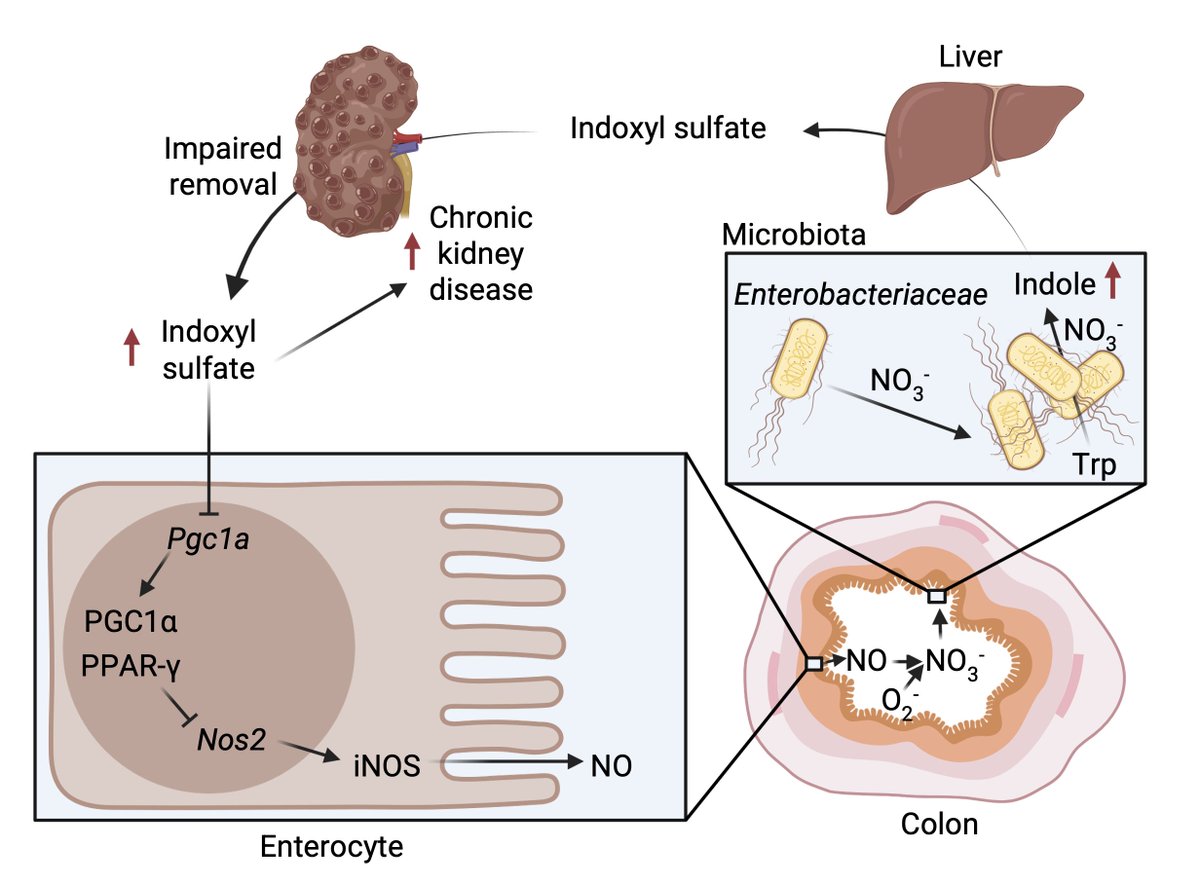
Does an imbalanced gut microbiome worsen chronic kidney disease?
By elucidating the ecological causes for changes in the gut microbiota composition and its consequences for disease progression we were able to answer this question.
Read more at: pubmed.ncbi.nlm.nih.gov/4185…
1
8
28
1,563
Sam Light retweeted

Genome Biology is calling for submissions to the Collection "Non-bacterial metagenomics", which focuses on methods and applications that broaden metagenomic inquiry beyond bacteria! link.springer.com/collection…
1
2
2
186
Sam Light retweeted

This Friday's work in progress talk will be by Tess Brunner in the Light and Blekhman labs, talking about the gut microbiome as a longitudinal reservoir and adaptive niche for hospital-associated pathogens.
1
1
240
Sam Light retweeted
This week's COM invited speaker is Dr. Lauren Palmer from the University of Illinois - Chicago, talking about how amino acid competition shapes Acinetobacter baumanii gut carriage.
1
2
157
Sam Light retweeted

3 Dec 2025
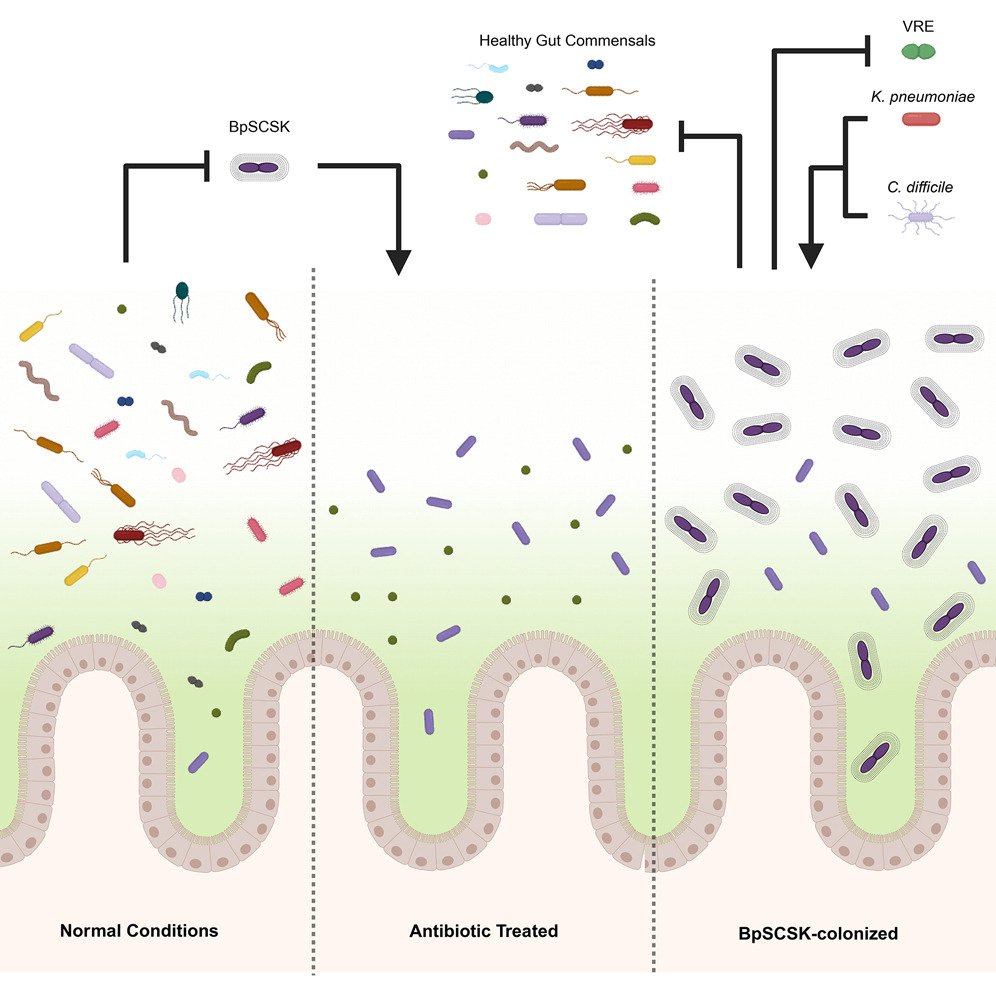
Lantibiotic-producing bacteria impact microbiome resilience & resistance
Gut colonization w/ lantibiotic-producing Blautia pseudococcoides SCSK prevents recovery of antibiotic-induced dysbiosis & increases susceptibility to K. pneumoniae & C. difficile
cell.com/cell-host-microbe/a…
9
29
2,850
Sam Light retweeted

22 Oct 2025
Please share this with anyone who may be interested in a post-doc in 🇩🇪
jobs.awi.de/Vacancies/2074/D…
An exciting opportunity to push the boundaries of what is known regarding the molecular basis of the formation and demise of photosymbiotic relationships in marine habitats.
2
33
48
5,772
21 Oct 2025
Happy to share the final version of our study examining DNA catabolism in the gut microbiome. pnas.org/doi/10.1073/pnas.25…
24 Mar 2025

1/ New preprint! We discovered that Bacteroidales in the gut microbiome can metabolize exogenous DNA 🧬 —turning genetic material into usable nutrients.
“DNA-utilization loci enable exogenous DNA metabolism in gut Bacteroidales”
👉 doi.org/10.1101/2025.03.18.6…
76
21 Oct 2025
Pleased to share “Gut Bacteria Metabolize Natural and Synthetic Steroid Hormones via the Reductive OsrABC Pathway” led by @sciscorz
and Chris J now out in @cellhostmicrobe authors.elsevier.com/a/1lzTy…
1
2
77
21 Oct 2025
See this previous thread for background on the findings. x.com/lightsam1/status/18461…
15 Oct 2024
1/ Pleased to share a preprint of our latest work “Gut Bacteria Metabolize Natural and Synthetic Steroid Hormones via the Reductive OsrABC Pathway” led by @sciscorz and Chris J! See the rest of this thread for a summary of our findings. doi.org/10.1101/2024.10.08.6…
110
Sam Light retweeted

4 Oct 2025
Join my team at Children’s Hospital of Philadelphia, Research Technician III-Microbiome Center careers.chop.edu/70oyDxL
4
3
222
Sam Light retweeted
13 Sep 2025
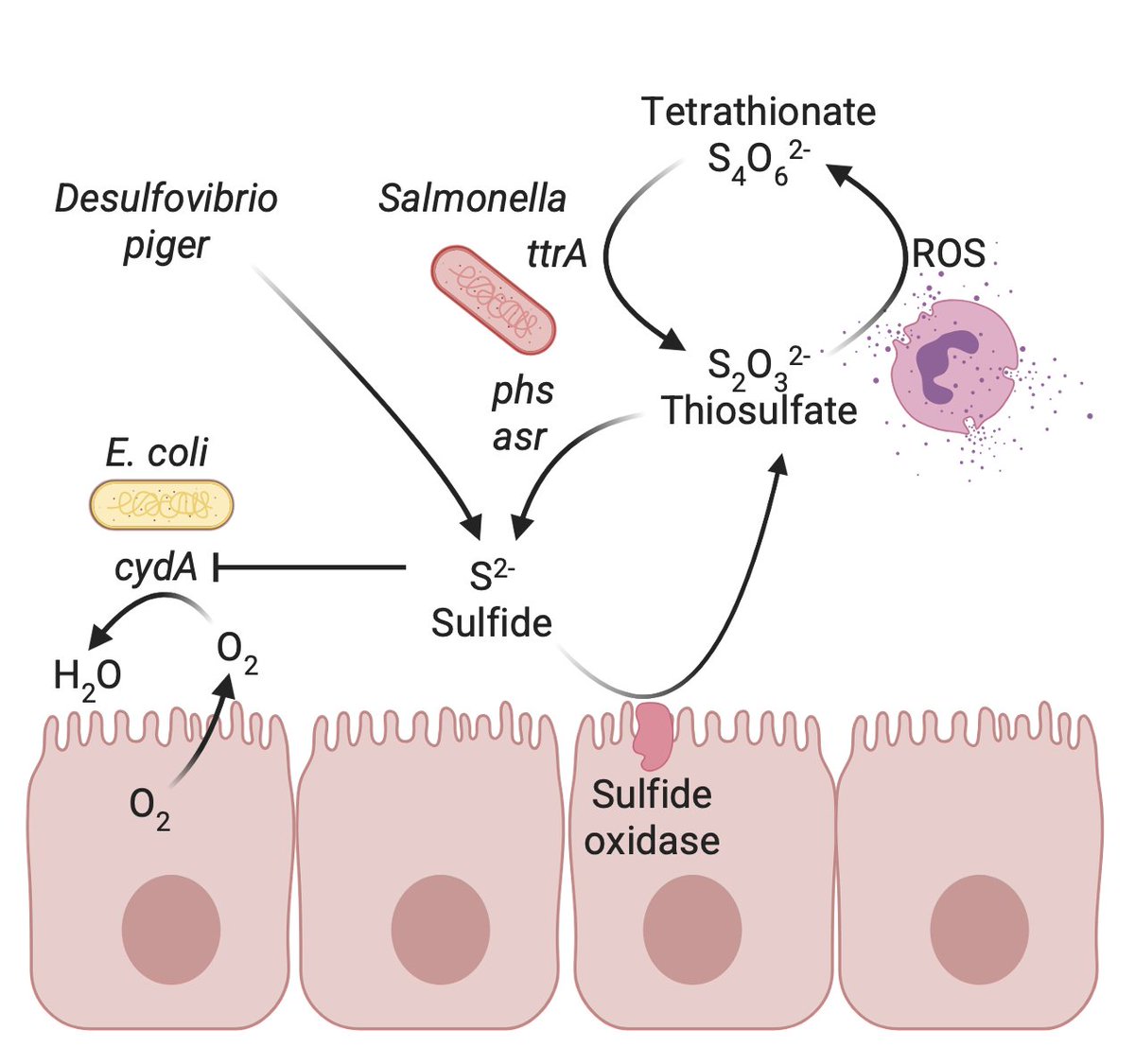
Hydrogen sulfide production distinguishes Salmonella from close relatives, but its biological significance remains obscure. This study uncovers the secret: Salmonella uses hydrogen sulfide production as a weapon to outcompete E. coli.
pnas.org/doi/10.1073/pnas.25…
6
19
900
Sam Light retweeted
1 Sep 2025
A blog post that covers my visit to Barhal, the village where my family comes from:
merenlab.org/2025/09/01/barh…
No science this time, just life and personal reflections.
1
1
22
1,518
Sam Light retweeted

4 Aug 2025
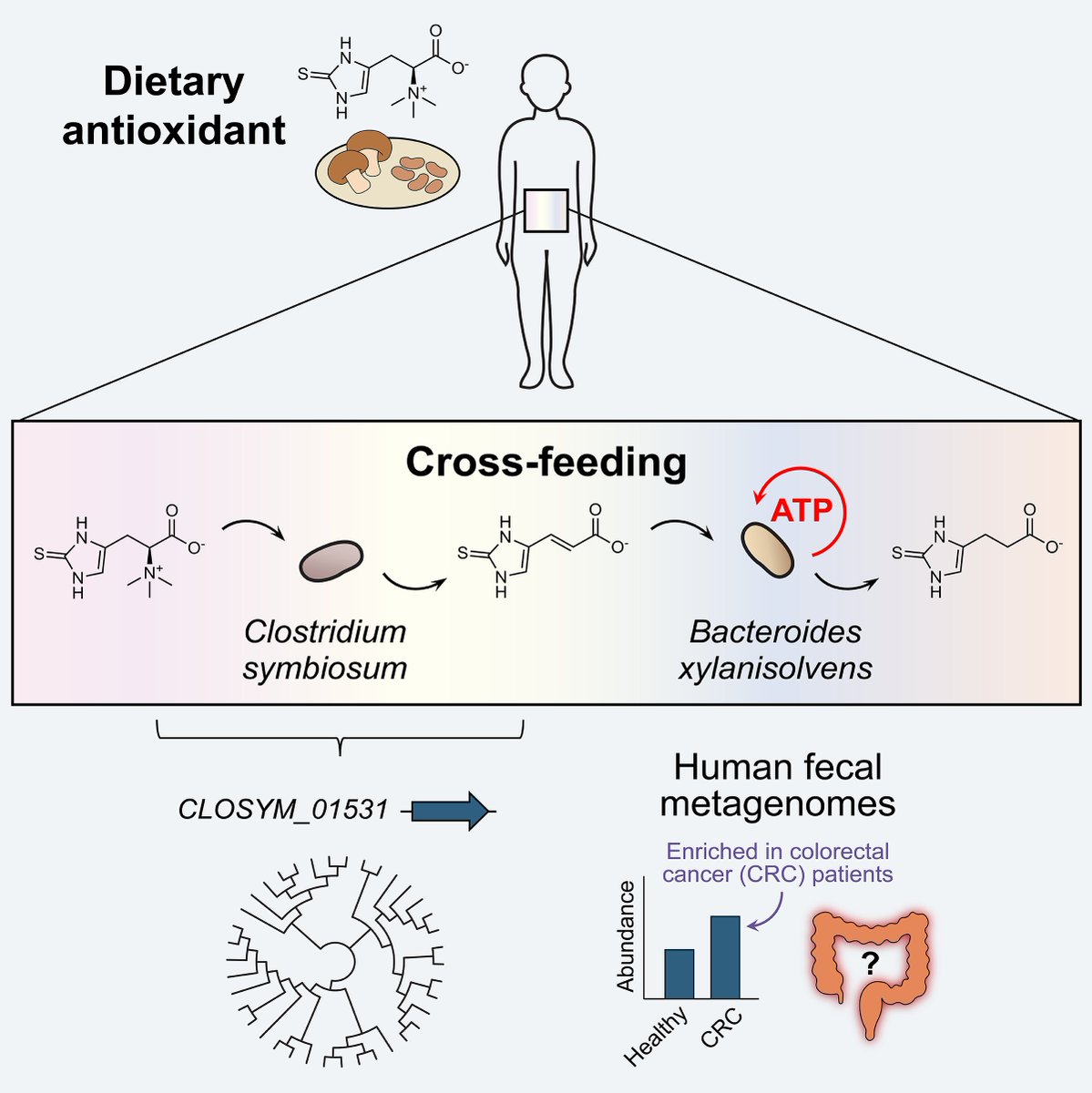
Congrats to postdoc @ZheZhou_ICA on her paper out today in @cellhostmicrobe showing that gut bacteria cross-feed a common dietary antioxidant to produce energy under anaerobic conditions. Big thanks to collaborators Angela Jiang and Xiaofang Jiang @NIH.
sciencedirect.com/science/ar…
7
24
2,104
Sam Light retweeted
16 Jul 2025
Methylglyoxal: antibacterial effector
Methylglyoxal produced by infected macrophages upon transition to aerobic glycolysis acts as an innate immune antimicrobial effector that bacteria must detoxify for virulence and to prevent mutations
cell.com/cell-host-microbe/f…
4
15
1,287
Sam Light retweeted

1 Jul 2025
Very excited to advertise the work of Charli in my lab!
biorxiv.org/content/10.1101/…
6
11
919
Sam Light retweeted

21 Apr 2025
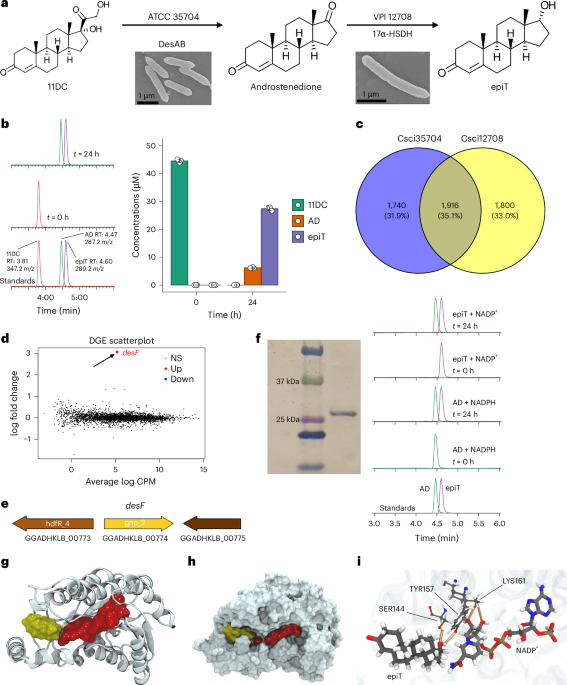
Out Now! An expanded metabolic pathway for androgen production by commensal bacteria bit.ly/42VVf0Y #Androgens #ProstateCancer #CancerResearch
1
25
101
9,708
Sam Light retweeted
14 Mar 2025
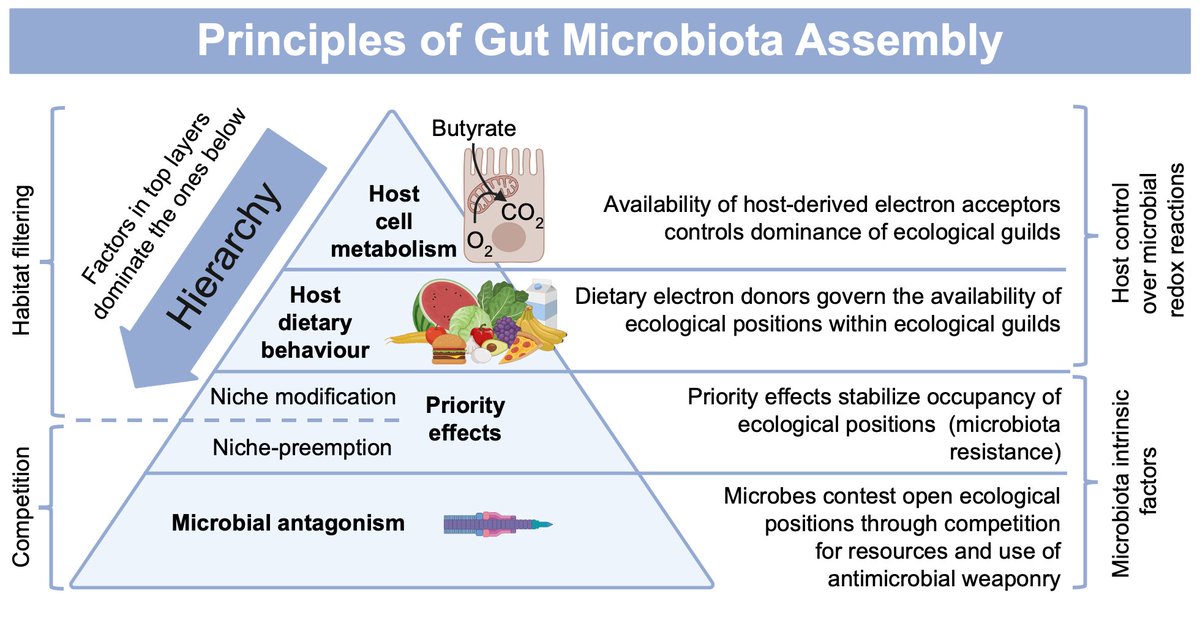
🔬🦠 How to make sense of the taxonomic complexity & interpersonal variability of the gut microbiota? We propose that beneath this complexity lies a hierarchy of factors that control gut microbiota assembly. Read more! #Microbiome #GutHealth
authors.elsevier.com/a/1km32…
18
40
4,008
24 Mar 2025
1/ New preprint! We discovered that Bacteroidales in the gut microbiome can metabolize exogenous DNA 🧬 —turning genetic material into usable nutrients.
“DNA-utilization loci enable exogenous DNA metabolism in gut Bacteroidales”
👉 doi.org/10.1101/2025.03.18.6…
2
10
31
1,595
24 Mar 2025
8/🧬 Takeaway:
Extracellular DNA isn’t just genetic material—it’s a nutrient in the gut ecosystem.
And bacteria have evolved sophisticated systems to use it.
Could these pathways influence host physiology? That’s the next big question.
1
2
137
24 Mar 2025
9/ Huge thanks to the team here at the @UChicago Duchossois Family Institute and especially Deepti and Aga for taking project lead!
2
127