
connecting dots #withSenzu (@SenzuSelect) | a fractionally professional account
Joined October 2019
- Tweets 4,679
- Following 1,119
- Followers 547
- Likes 467
368 Photos and videos







A warm intro might get you in the door but preparation is what moves you through the process
youtu.be/ZOe4C8x97Sw?si=XKdR…
1
4
33
M retweeted

Jun 15
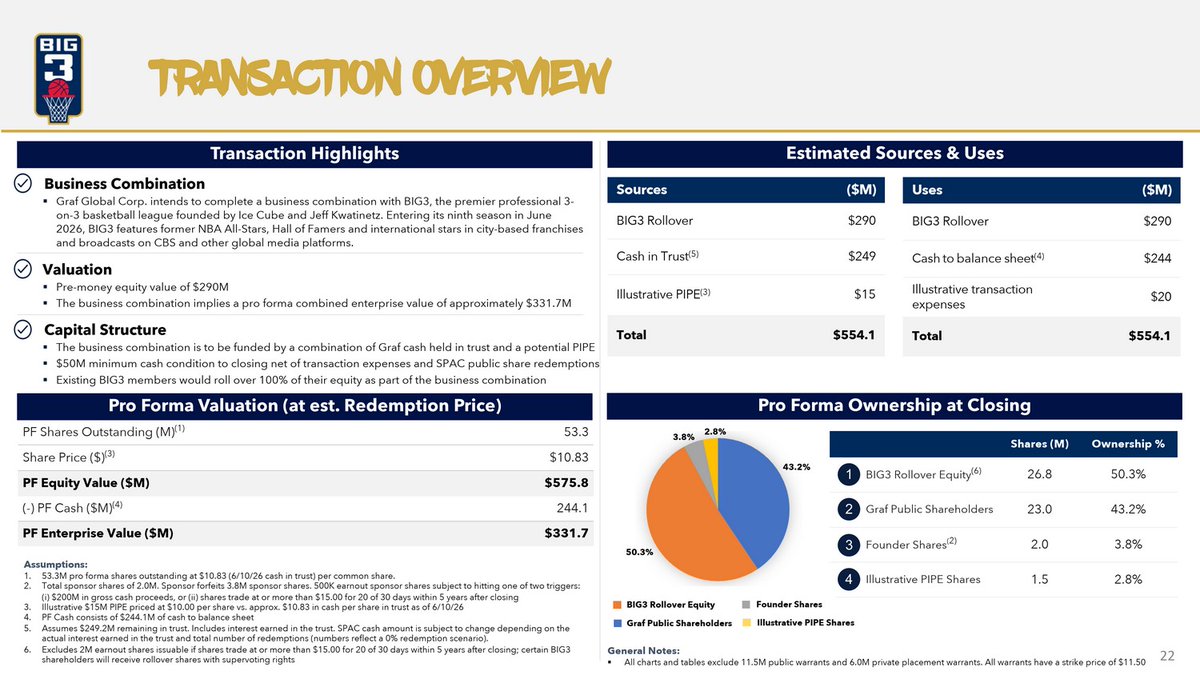
#CAA and #TPG are betting on creator-led businesses with a new $250M fund that aims to buy and build businesses founded by top online #YouTubers and creatives.
Get the full breakdown: lnkd.in/gHiXhiq
1
39
M retweeted
Jun 15
3 Quick Bites
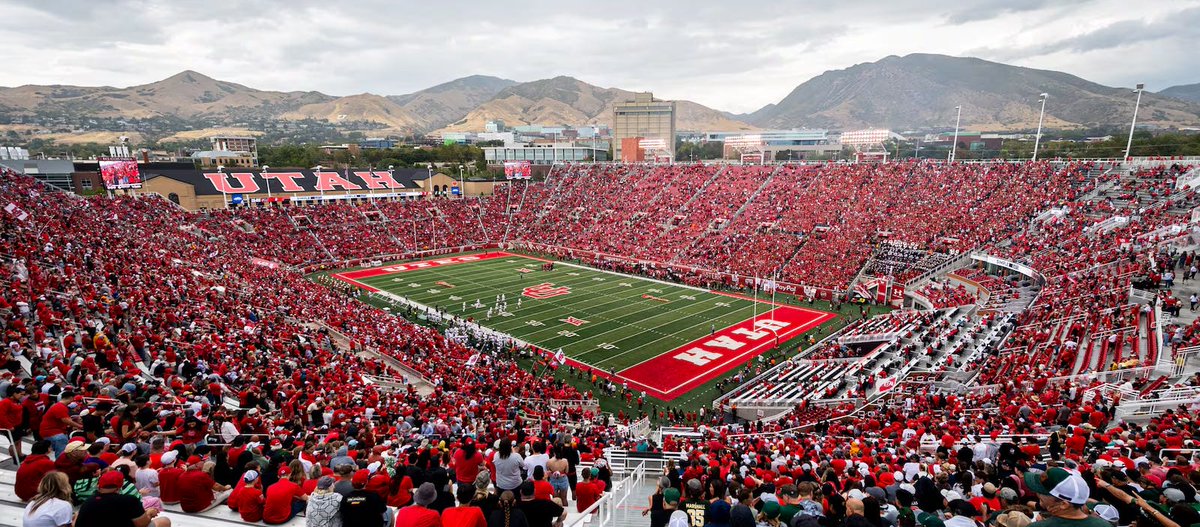
@UUtah has entered into a private-equity deal that is both ambitious and risky. By partnering with #OtroCapital, the school is handing commercial operations to #CrimsonBrandPartners in hopes of reshaping how college athletics is financed.
1
1
30
Who could’ve ever seen this coming
Jun 4

JUST IN: Sam Altman says AI budgeting has suddenly become a “huge issue” for companies.
33
But I thought
Jun 1

BREAKING: Michael Saylor's 'Strategy' sold 32 Bitcoin worth $2.5 million.


1
44
This is a horrible idea

BREAKING: Bernie Sanders will introduce a bill to have the public take a 50% ownership stake in the country's biggest AI companies.
The American AI Sovereign Wealth Fund Act would have the government tax AI companies, take 50% of the stock, and put it under public control.
37
M retweeted

May 30
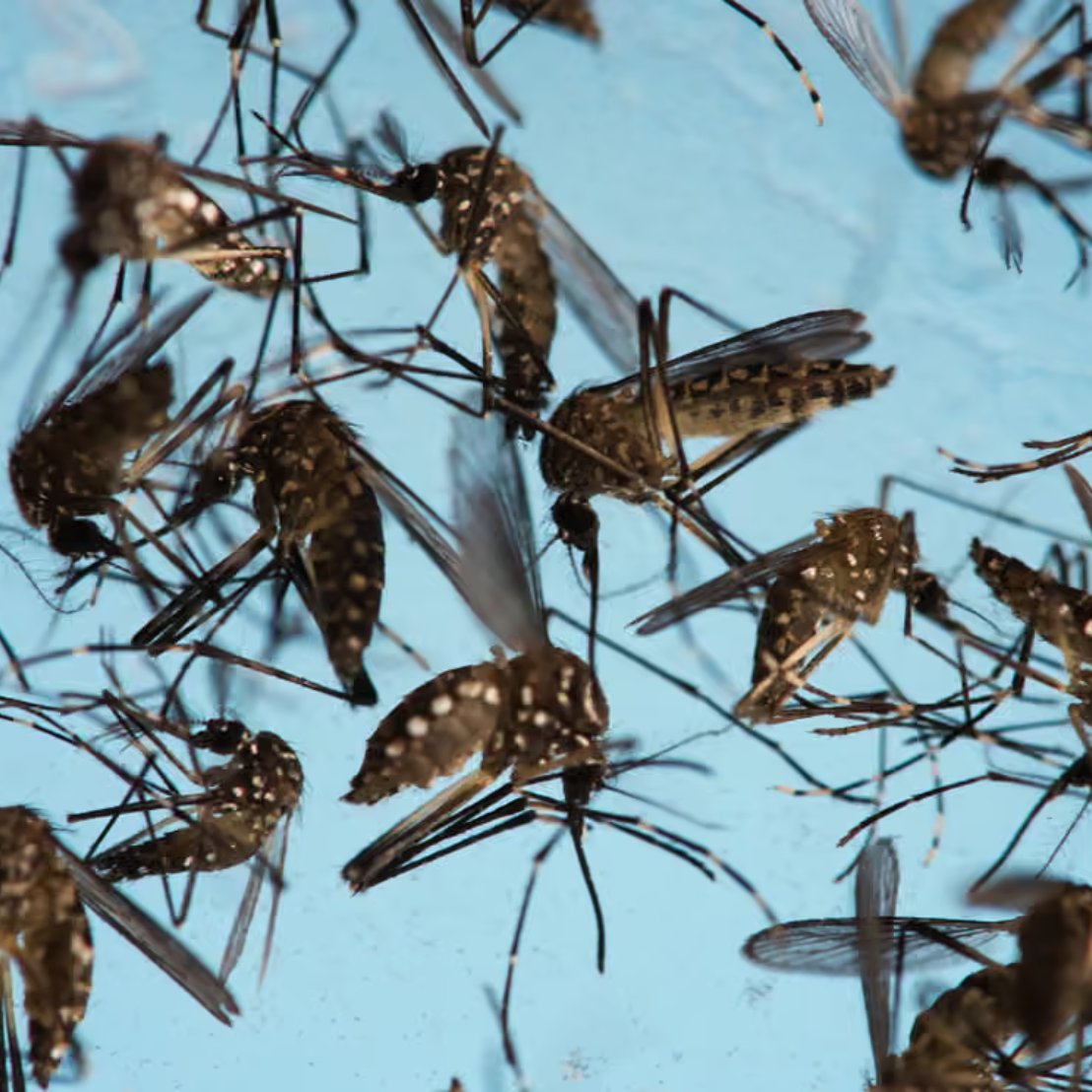
BREAKING: Google is planning to release 32 million mosquitoes across Florida and California.
The company has asked the EPA for permission to proceed, with the public given until June 5 to respond.
The mosquitoes are infected with Wolbachia bacteria, which stops them from reproducing and slowly collapses the wild population from within.
Google's previous Debug Project trial in California's Central Valley nearly eliminated mosquitoes from three test sites entirely. A separate trial in Singapore cut dengue cases by 70% within 12 months.
Google has now released over 1 billion mosquitoes across four continents. This new proposal is the largest deployment in US history.

2,675
2,203
25,226
14,487,394
M retweeted

May 28
A new procedural notice was just issued on prior loss eligibility rules for SBA loans.
Before everyone starts posting AI slop, it is important to take a step back and understand how much of a shift this is from historical rules. It is another example of the SBA continuing to tighten certain credit and eligibility standards while also recognizing that modern capital structures and investment arrangements do not always fit neatly into older eligibility frameworks.
Alright… I’ll stop being a nerd and get to the good stuff
Historically, if someone owned part of a business that defaulted on an SBA loan and caused a loss to the government, that person could effectively be blocked from future SBA financing.
This seems to makes sense until you realize that this could impact even a small passive investor with no control over the business.
Under the new guidance, the SBA may consider a waiver for a person who:
1: Owned less than 20% of the prior business;
2: Was not a guarantor or co-borrower on the defaulted SBA loan; and
3: Had no control over the business that incurred the loss.
In short… the SBA appears to be recognizing that a passive minority investor should not automatically be treated the same as an owner/operator who controlled the company and the loan.
It is important to note that this is not an automatic approval.
I’m looking at you… social media people who took the last procedural notice to mean that you could go out and snag a $10,000,000.00 7(a) loan.
Spoiler alert… you can’t.
Go read the last notice carefully or shoot me a message.
Anyway…
The SBA will review the waivers case-by-case and evaluate aspects such as:
The person’s involvement with prior SBA loan defaults...
The timing of the default…
How many prior losses exist…
The size of the investment relative to the SBA loan amount…
etc.
This only applies to losses involving SBA 7(a) and 504 loans and does not apply to PPP loans, COVID EIDL loans, or other federal defaults.
Overall, this feels like the SBA is trying to strike a balance between maintaining program integrity while also recognizing how modern investment and ownership structures work in today’s market.
And honestly… that’s a good thing.
2
3
21
16,083
Signs he’s got the right team around him
May 26

Three things I’m underwriting hardest in 2026:
-AI applied to industrial throughput.
-autonomous defense space robotics
-clinical-stage biotech where AI compresses trial timelines. Everything else feels crowded
32
M retweeted

May 23
Pattern Recognition is also the form of intelligence that causes the most stress.
You will see things that others do not.
You'll feel crazy.
Things will be *so obvious* to you, and others will just deny it.
1,226
19,685
94,421
3,586,151
This is a real quote.
“The machinery of government should never be weaponized against any American, and it is this Department’s intention to make right the wrongs that were previously done while ensuring this never happens again,”
May 18

BREAKING: The Trump administration announces a $1.7 billion fund to compensate prosecuted allies after dropping a lawsuit against the IRS. apnews.com/article/trump-law…
1
31
M retweeted
May 8
Sports is institutionalizing, but the opportunity ladder has distinct rungs. The capital that understands risk-adjusted returns is building infrastructure around them. Where you enter depends entirely on your access, capital base, and risk tolerance.
profitsnack.com/p/how-smart-…
3
38
1) what
May 15
NEW: Martha Stewart raises $10 million in seed funding for her AI startup.
1
43
Getting a Big 4 team feels like a stretch, with baseball being the most likely, but NWSL and WNBA seem extremely attainable
May 14

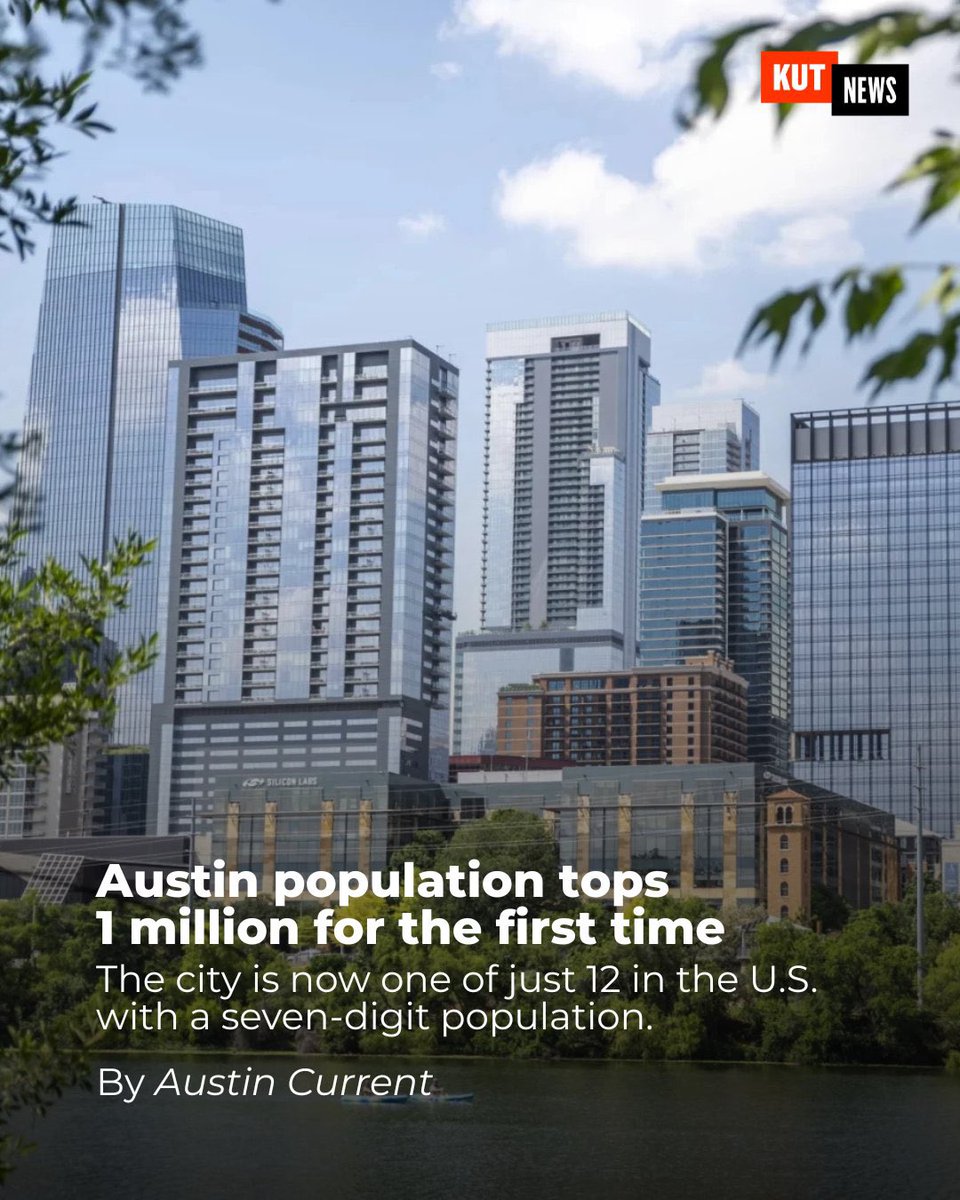
Austin population officially hits 1,000,000 and we still don’t have a Big 4 pro sports team.
85
Apply this to the JD/MBA programs and I’m in
May 13
JUST IN: Business schools are slashing MBA tuition by as much as 50% due to falling demand.
51