
Near 70, canceled DL, non-resident alien per IRS, not yet finished to apply National Passport.
Joined November 2024
- Tweets 1,813
- Following 142
- Followers 107
- Likes 3,348
81 Photos and videos


August 24, 2025. Jeffrey Epstein and the 12 year old triplets. youtu.be/Kbg_6opqTaY?si=Sov2… via @YouTube
11
[라나회장] 블랙락 , 웜홀 , 숨겨진 기술 공개...시작된 세계 에너지 재편 / 미국 현지 최신 대박 소식 223편, 2026년... youtu.be/VCHvQx87NEA?si=13TV… via @YouTube
64
Lim Jee-S. A. Texas, Targeted woman retweeted

May 10
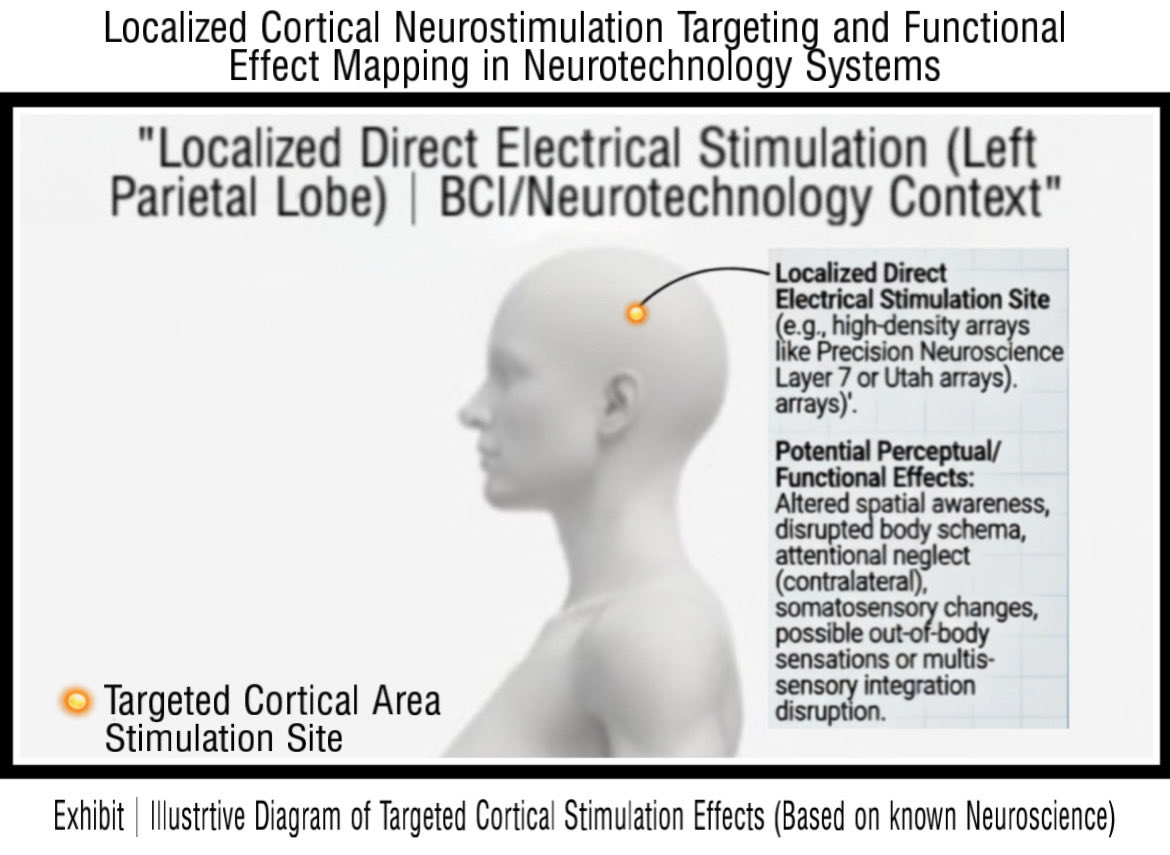
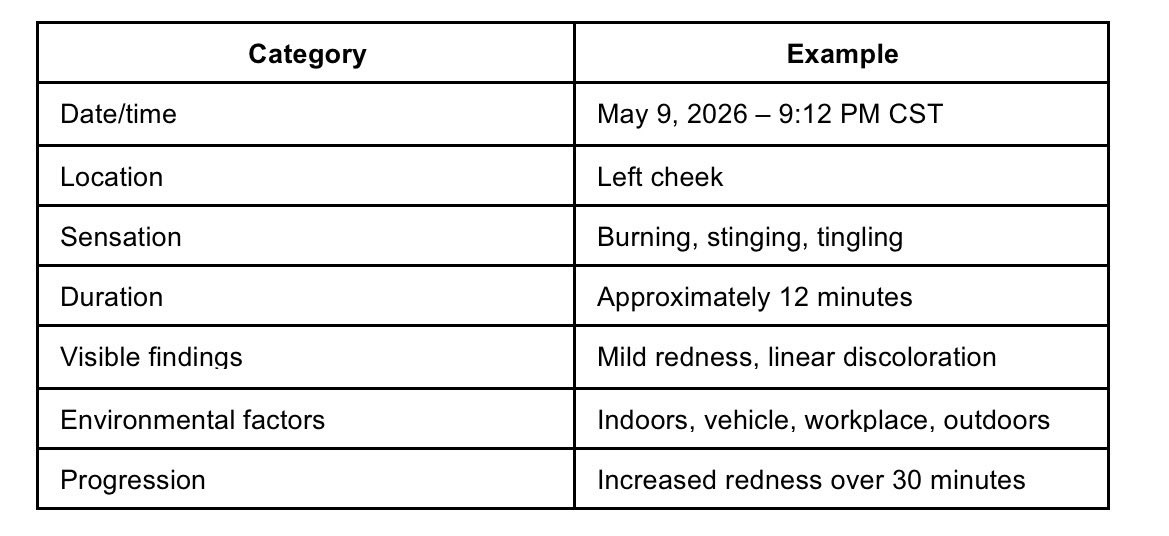
One of the central problems in these discussions is that demonstrating thetheoretical capability of electromagnetic or radiofrequency-based interaction with biological systems is not the same thing as proving who is responsible for a specific alleged act, how a system was deployed, or whether a particular injury or symptom was caused by a specific mechanism in a legally admissible way.
In a court of law, generalized references to microwave or radiofrequency effects on the brain do not, by themselves:
• identify a responsible actor,
• establish intent,
• prove operational deployment against a particular individual,
• localize where an alleged exposure originated,
• quantify dosage or exposure parameters, or
• document the precise physiological mechanism producing a reported effect.
This is the distinction I continue trying to emphasize.
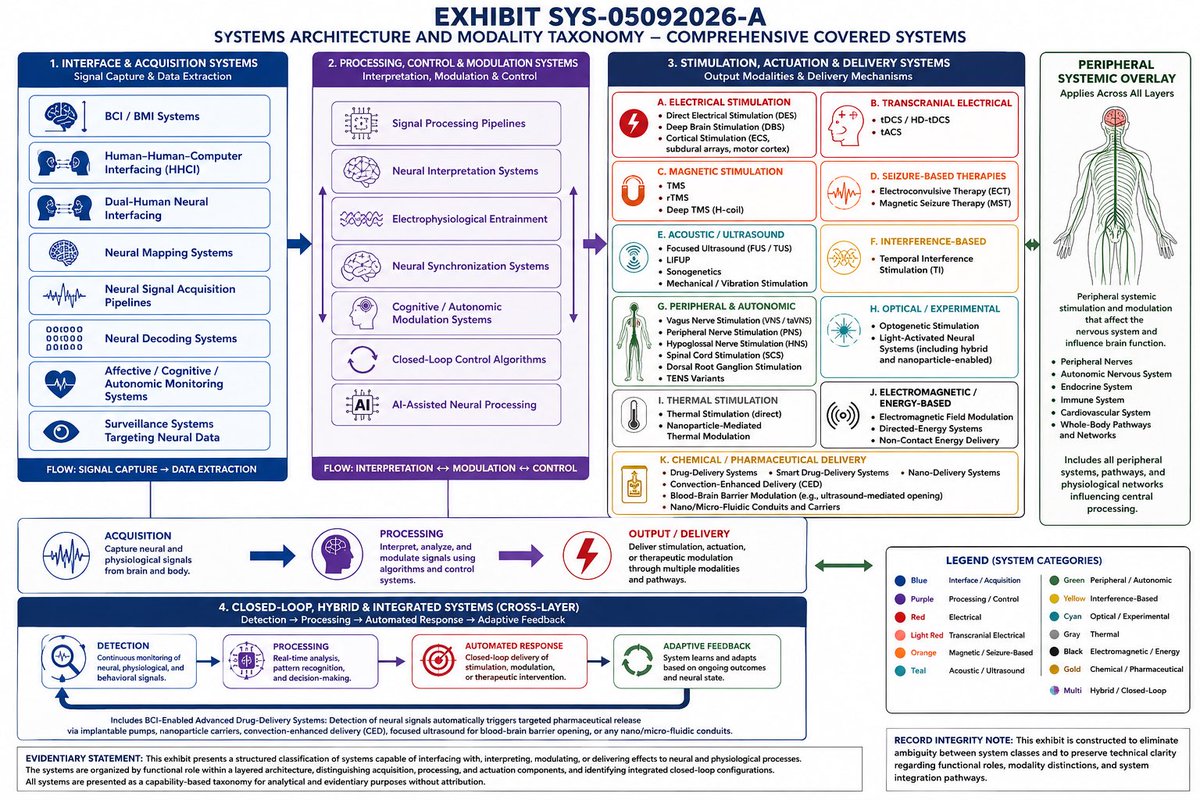
The existence of published neuroscience, neuromodulation systems, electrophysiological research, brain-computer interface architectures, or radiofrequency interaction studies may establish that certain categories oftechnology are scientifically conceivable or technically feasible in limited contexts. However, feasibility alone is not attribution.
What victims and researchers alike are struggling with is the evidentiary gap between:
known scientific capability,
alleged real-world misuse, and
legally admissible proof tying a specific actor, system, location, method, and injury together.
That gap is enormous.
For many individuals attempting to document these experiences, thedifficulty is not simply describing symptoms. The difficulty is obtaining objective, independently verifiable forensic evidence capable ofwithstanding judicial scrutiny under evidentiary standards governing causation, authentication, expert testimony, and chain of custody.
This is why scientific precision matters.
If a person alleges ongoing neurological or physiological interference, broad phrases alone are insufficient. Courts typically require evidence that is measurable, attributable, reproducible, and supported by qualified expert analysis. Without that, discussions often remain speculative and unresolved, regardless of how real the reported experiences may feel to the individual describing them.
My position is not that capability automatically proves deployment. My position is that the existence of advanced neurotechnology research raises legitimate oversight, ethics, transparency, and evidentiary questions that deserve serious examination through lawful scientific investigation, independent review, and accountable institutional processes.
That is why hearings involving historical programs like MK-Ultra matter. They establish historical precedent showing that unethical human experimentation can occur under conditions of secrecy. But history alone still does not answer themodern evidentiary questions of who, how, where, and by what mechanism in any individual case.
Those questions require evidence, transparency, and rigorous investigation — not vague descriptions that could be misattributed otherwise, and therefore dismissed.
#NEUROETHICS #NEURORIGHTS
#TARGETEDINDIVIDUALS
#TARGETEDJUSTICE #Mkultra #Gangstalking #HavanaSyndrome #DirectedEnergyWeapons
#MindControl
@NEUROETHICS @NEURORIGHTS
@TARGETEDINDIVIDUALS
@TargetedJustice @OccupyCenCA @TargetedRn @aa_energy @limjee98 @targetedinneb @mindcon07243379 @MindControlArt @MKUltraReject69 @MKUltraReject69 @GangHits @Havanasyndrome1 @HavanaSyndLAgrp
5
11
18
795
Rosemary's Baby was made by the Department of Defense | Intel is involve... youtu.be/TyBid72TUa0?si=dxfO… via @YouTube
13
Lim Jee-S. A. Texas, Targeted woman retweeted

May 3
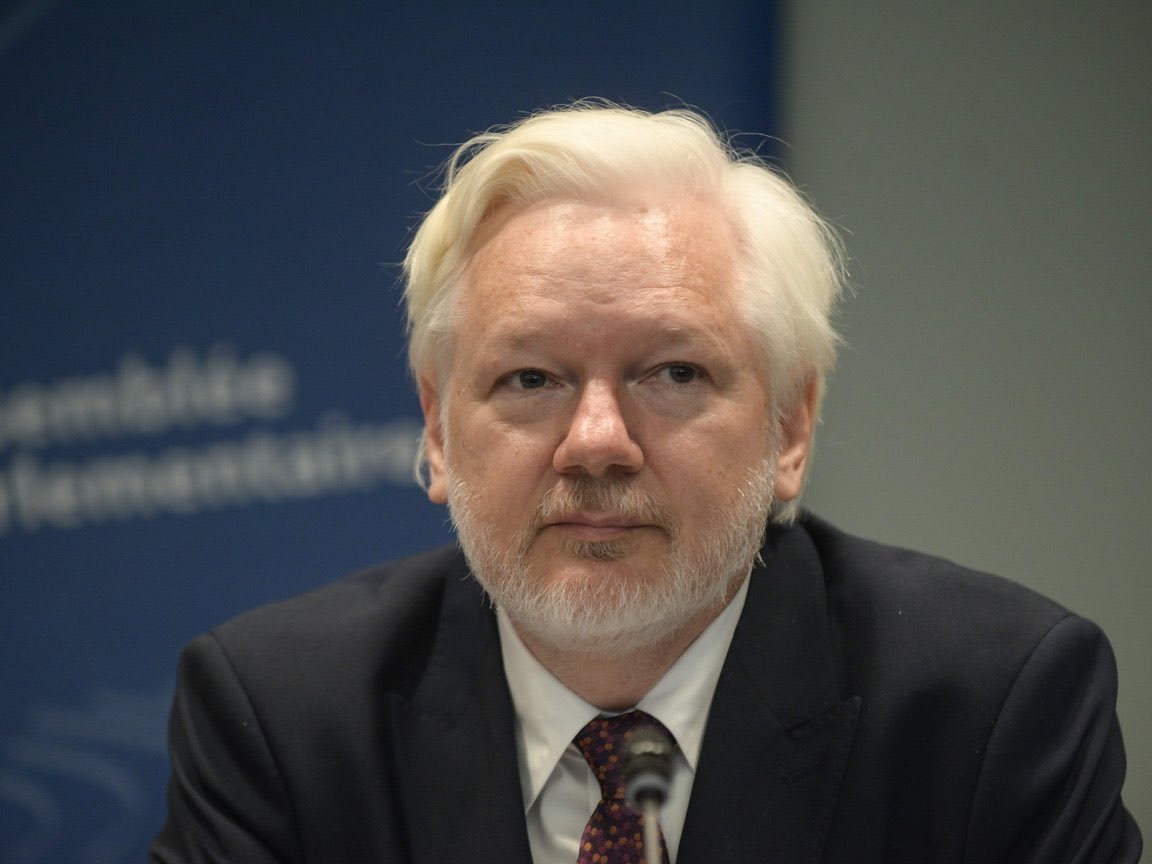
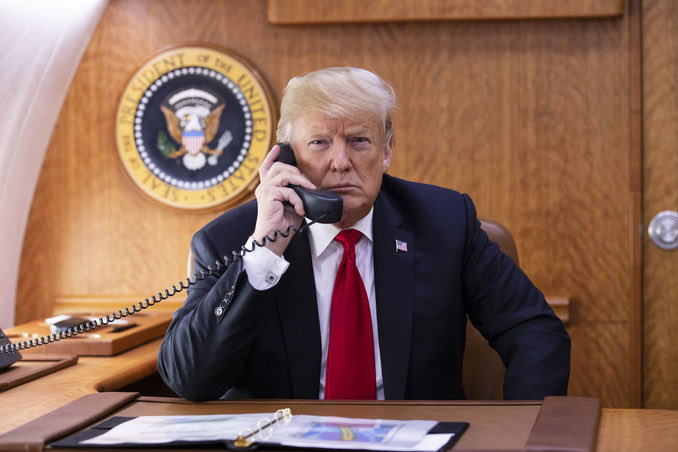
🚨BREAKING:🚨PRESIDENT TRUMP HAS REPORTEDLY SPOKEN TO JULIAN ASSANGE REGARDING PARDON - President Trump and Director of National Intelligence Tulsi Gabbard recently spoke to WikiLeaks founder, international freedom fighter and DEEP STATE DEMOLISHER Julian Assange on a phone call about a FULL PRESIDENTIAL PARDON, according to a White House source familiar with the conversation. This comes as Assange has recently described President Trump as "The Deep State's WORST NIGHTMARE" in an interview with Megyn Kelly and stated that the reason WikiLeaks never released any dirt on our President is "There is no dirt on Donald Trump for us to release." There are also growing reports that Trump is considering appointing Assange as well as fellow PERSECUTED whistleblower Edward Snowden to a special government task force to DISMANTLE The Deep State. What do YOU think... Do YOU want to see President Trump PARDON Julian Assange so that he can once again continue EXPOSING The DNC and CORRUPT governments around the world? 🔥🇺🇸
3,525
5,957
24,256
369,075
EXPOSED: The 'Trapped Trump' Lie — DOJ Drops SPLC Bombshell youtu.be/PQ629eW3HRs?si=3n57… via @YouTube
1
9
Maxine Waters DESTROYED After Vance Reveals Husband's $12M Bank Bailout ... youtu.be/R-kfZwxr8bk?si=f72H… via @YouTube

11
Unveiling Shadows Podcast I Community Power Against Mind Control Techno... youtu.be/E19wMeCe0MM?si=4811… via @YouTube
19
Immune Booster, Grandma's Onion Remedy That Actually Works #immunity #coldseason #natura... youtube.com/shorts/BY0b0SS0N… via @YouTube
13
BEFORE EPSTEIN ISLAND MEET NORTH FOX ISLAND rumble.com/v764k7m-before-ep…
15
They EAT Babies, she (Barbara Marx Hubbard) said.
Did this woman just say what I think she said?? Or am I just trippin’ y’... youtube.com/shorts/Qp_MfewsP… via @YouTube
15
Ep**********tein Alive.
살아있는 그림자: 엡스타인의 생존과 그 너머의 진실 Epstein's Survival and the Truth Beyond rumble.com/v75i4sk--epsteins…
52
From Psyop to Mind War for TP U.S.A.
TEMPLE OF SET CONNECTIONS rumble.com/v750awc-temple-of…
6
Drugs come in by bribing the border patrols. Surprise.
Cartel Reporter: "I know where ALL the Chinese Went!" | Jorge Ventura youtu.be/SGhINO4chhw?si=mIz6… via @YouTube
1
12
Lim Jee-S. A. Texas, Targeted woman retweeted

Jan 9
BREAKING NEWS:
TOMORROW WHEN YOU WAKE UP, CHECK YOUR PHONE. YOU WILL RECEIVE SOME OF THE BEST NEWS YOU'VE EVER HEARD, DON'T RISK THE SKIP.
TYPE "YES" TO AFFIRM!
Repost and follow 👇
@real_EBS_ @_JFK_JR_Q
532
195
1,136
52,463
Very Good, so many businesses join INFRA GUARD and get paid to deceive people in local areas. All Applications (loan, lease, credit card, etc.) are fully prepaid for that is exchanged at the Fed. Reserve window, but they banks charge people again.

17
Thank you DuncanWorks, it just connected, God bless you.
Jan 9

We can ensure your payment is processed correctly. We recommend deleting your account number from your post for security purposes but if you DM us that number we will do what it takes to turn this around.
^DuncanWorks
3
Even since apply, you sent 17 emails, you cannot approve or not, you are using people's CREDIT, without people, you cannot exist. The Application is the CASH you exchange from the Federal Reserve window. Send the card to MOONSUN CHUNG applied in 11/2025.
27 Aug 2025

Experience our newest flagship Capital One Lounge at JFK, located in Terminal 4. Immerse yourself in local chef-inspired food from the Bodega and Cheesemonger, beverages, private restrooms, or get work done with outlets near every seat.
Terms Apply. See i.capitalone.com/JgQcLESQL for details.
38
Population Control and Green Policies, A Dark Age #shorts youtube.com/shorts/J26El0_0-… via @YouTube
3