想暴富
Joined November 2021
- Tweets 1,601
- Following 25
- Followers 23
- Likes 681
103 Photos and videos
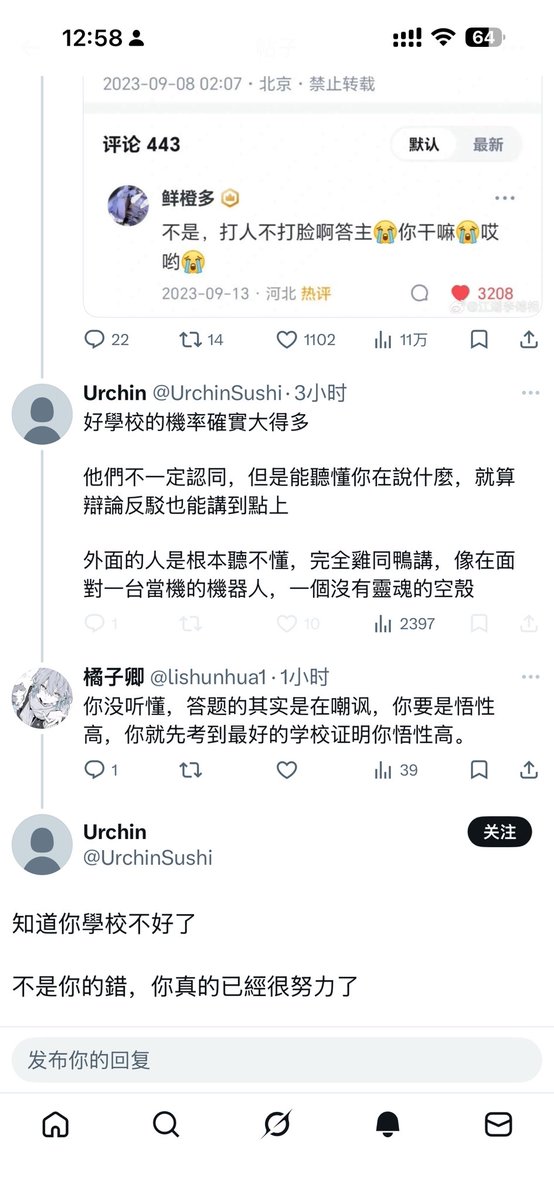
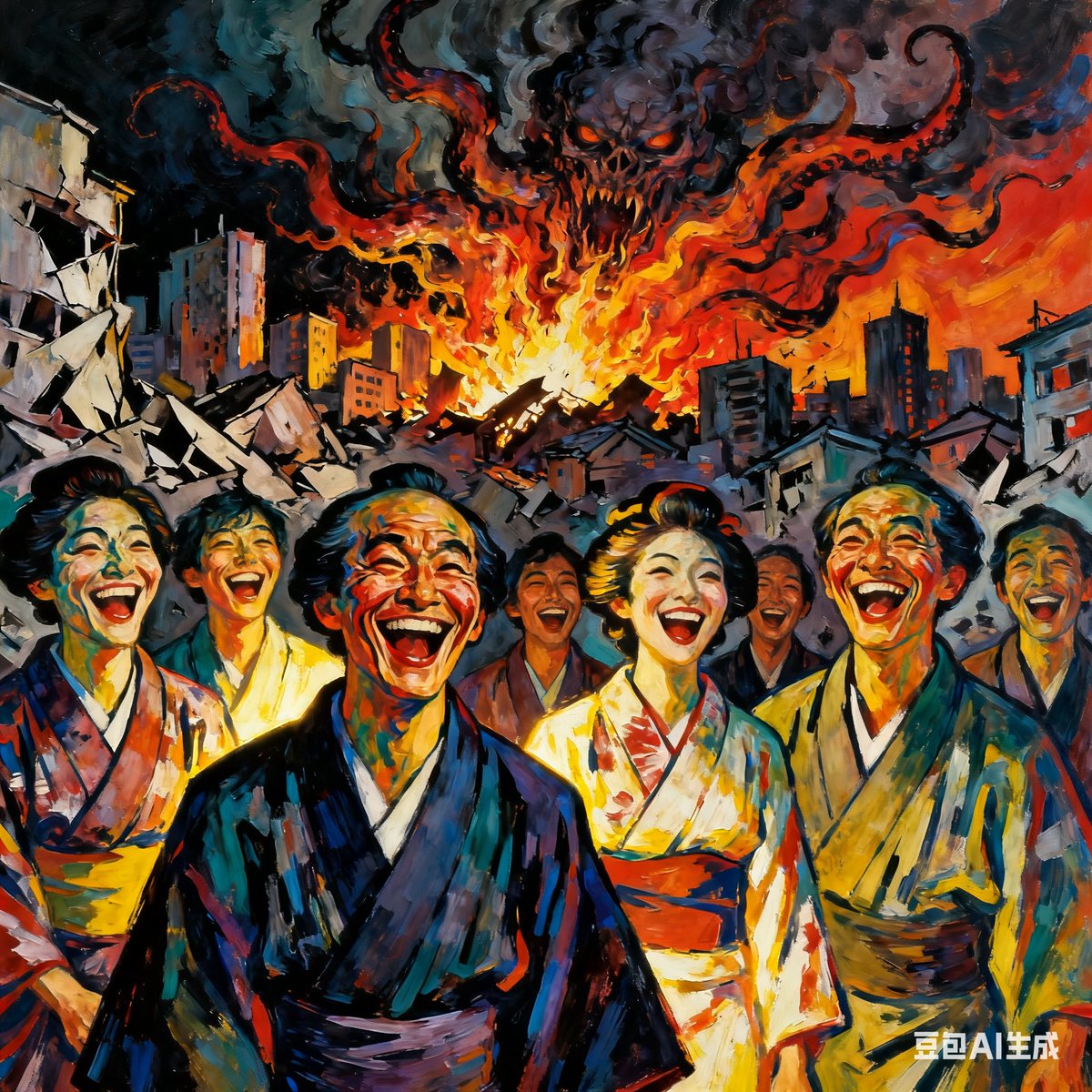

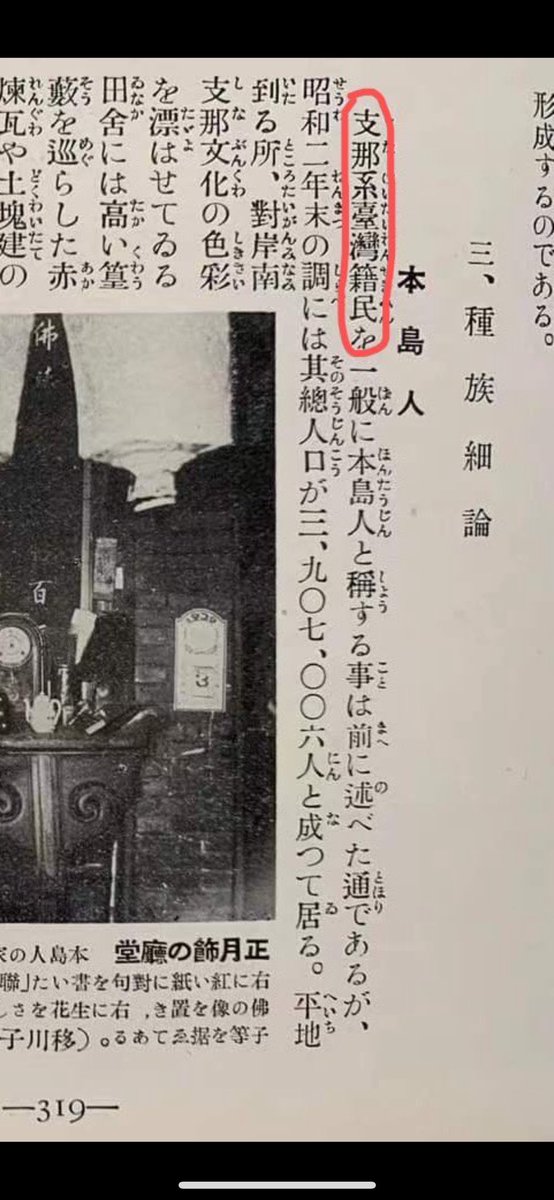
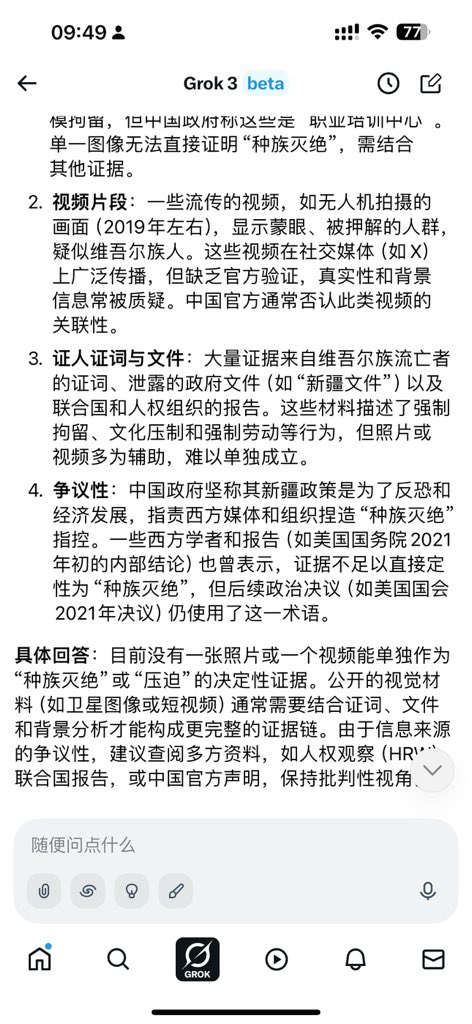
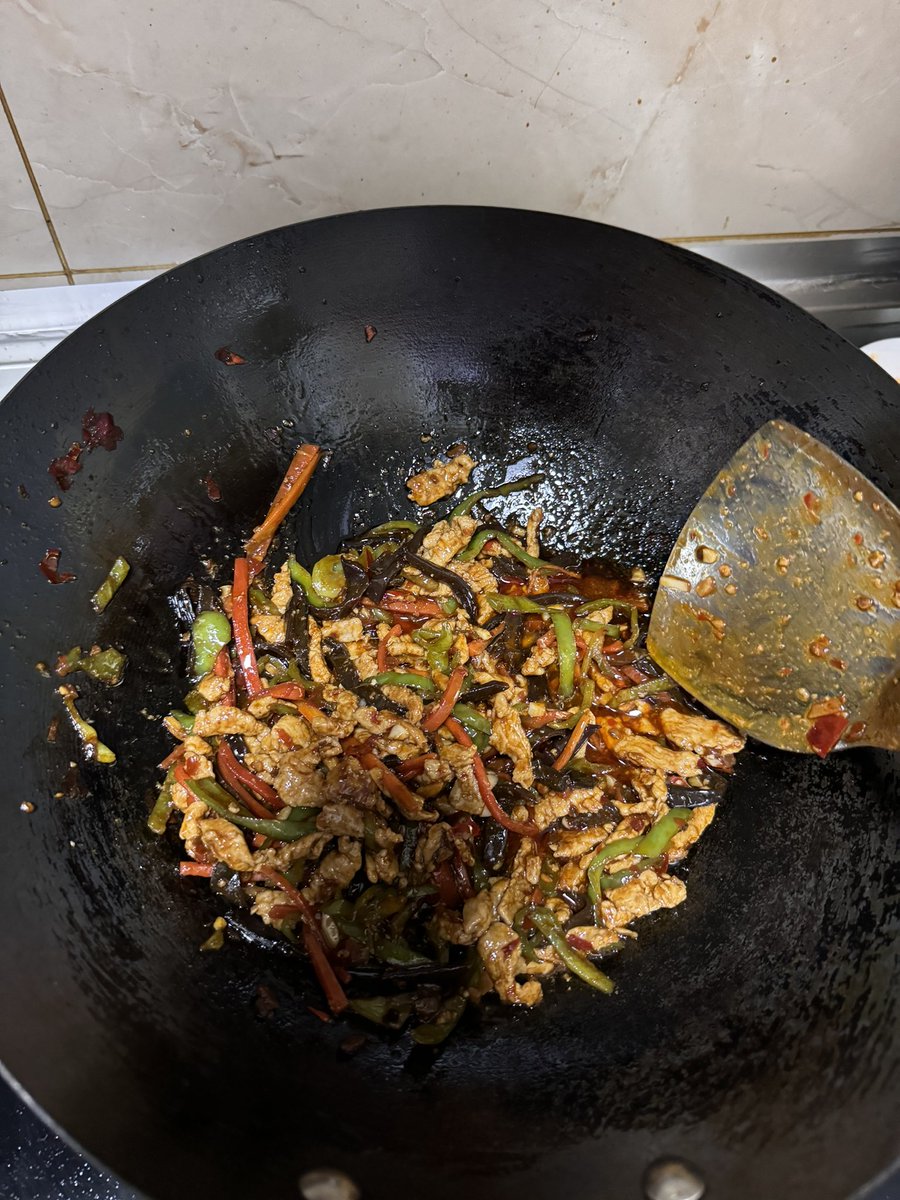
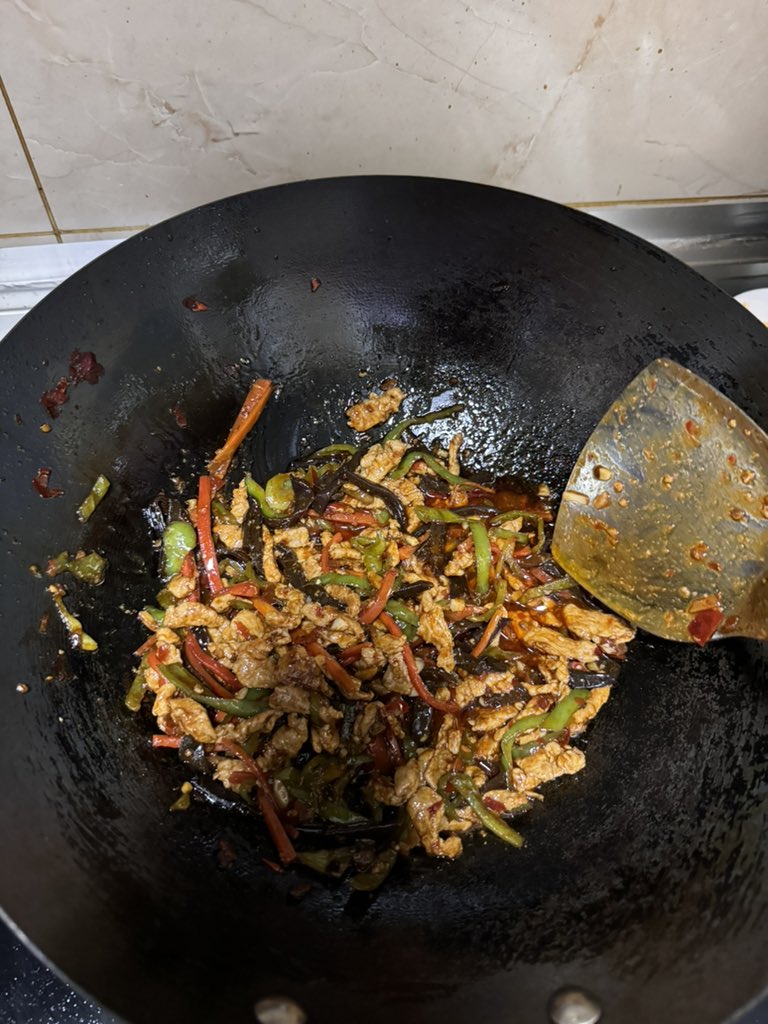
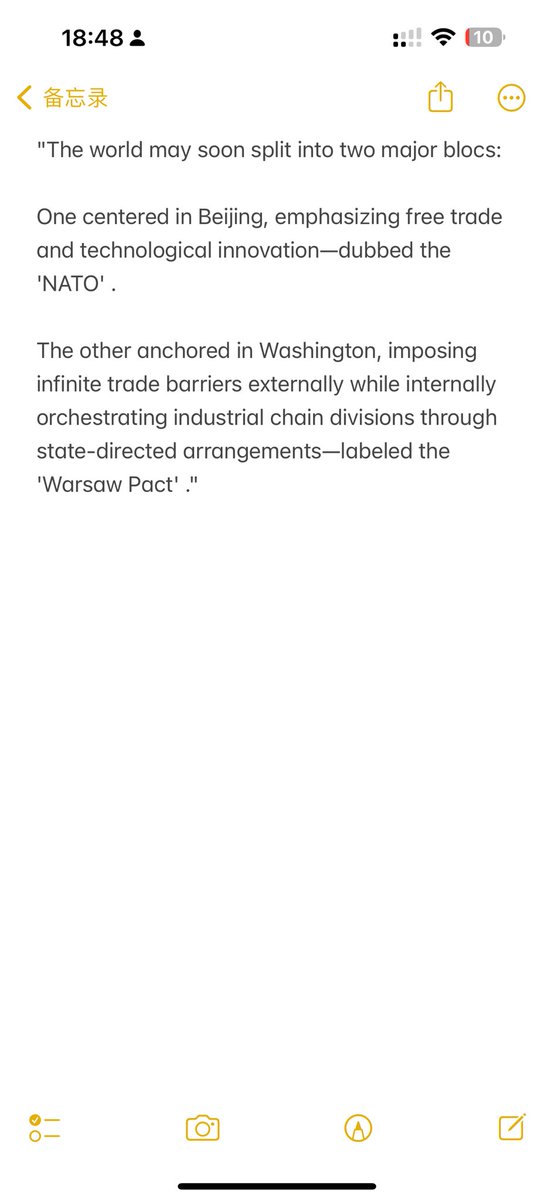


希望vctcn之外的赛区粉丝能理解,中国语境下,我说你妈死了或者你全家暴毙,不代表我真的再说你妈或者你全家,它是一个虚拟的代表,现实我碰到你妈或者你全家,我依旧会问好,你们觉得鞭尸是玩笑,我们觉得你妈死了也是玩笑,中国粉丝不是死亡威胁,就是骂你而已,死亡威胁这块欧美人比中国人厉害。
1
138
橘子卿 retweeted

11 Apr 2025
Maybe they need to speak in language you understand
Whether you shoot somebody 25 times or 35 times is immaterial. He is dead anyway
1
1
82
2,784
橘子卿 retweeted

9 Apr 2025
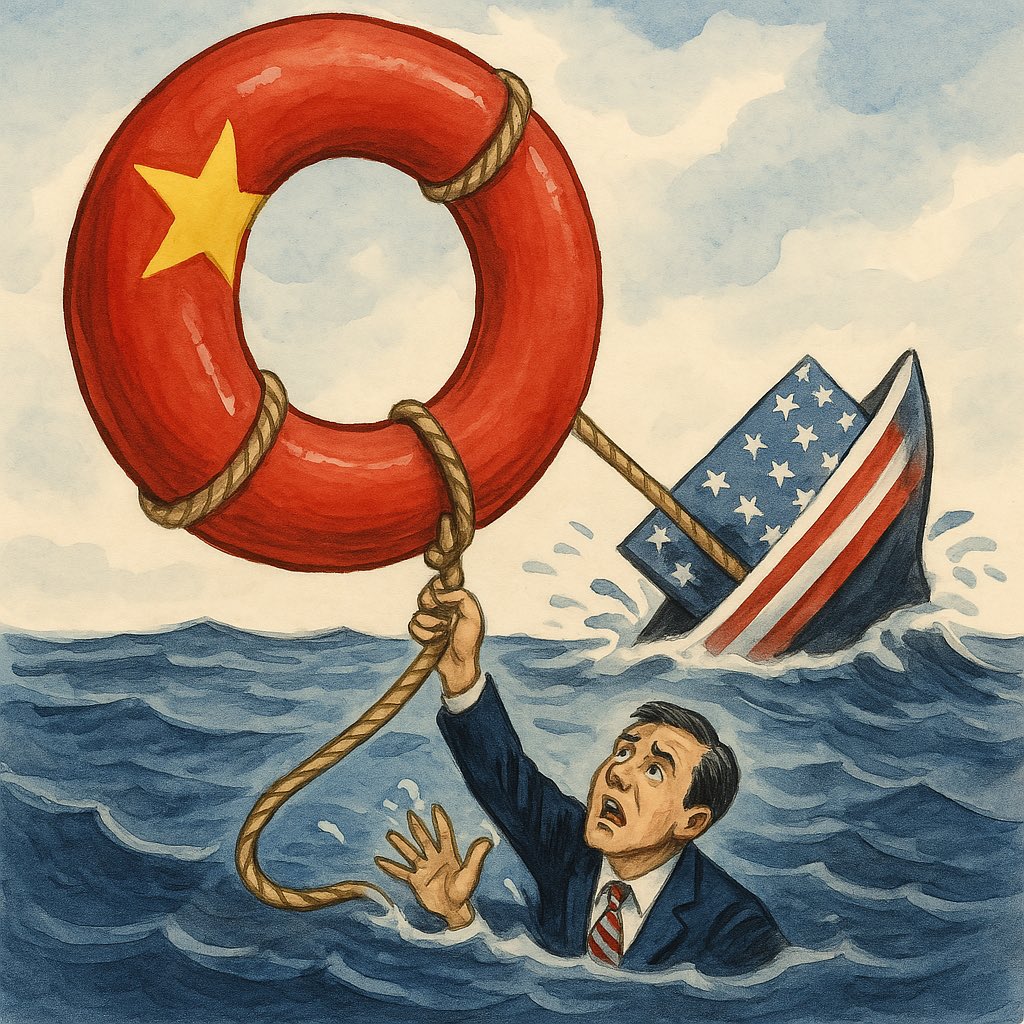
Let’s give a quick reminder to those Negative Nancies who forgot their meds, and conveniently, their history. You know, the part where China helped keep the U.S. economy afloat during the 2008 financial crisis. Here’s a timeline because facts still matter, even in an era of geopolitical hot takes and gaslighting.
Early 2000s to 2007
China ran large trade surpluses with the U.S., accumulating vast amounts of U.S. dollars. To manage its currency (the RMB) and keep exports competitive, China used these surpluses to buy U.S. Treasury securities.
This made China the largest foreign holder of U.S. debt, helping to keep U.S. interest rates low and funding American spending at a low cost.
2008 The Global Financial Crisis Hits
September 2008
Lehman Brothers collapses. Global markets panic. Credit freezes. The U.S. needs massive capital to stabilize the financial system and fund its bailouts and stimulus plans.
Guess what?
Behind the scenes diplomacy, U.S. Treasury Secretary Henry Paulson held urgent talks with Chinese officials, including central bank leaders and the Chinese finance ministry, to reassure them and urge continued investment in U.S. debt.
Paulson and other U.S. officials feared that a sudden sell-off by China could crash the Treasury market and deepen the crisis. It would then and it would now.
Late 2008 China supports
Instead of pulling back, China continues buying U.S. Treasuries. In fact, China increased its holdings, reaching around $727 billion by early 2009, up from $477 billion in mid-2007.
This influx of capital helped the U.S. finance massive stimulus programs like TARP and later the American Recovery and Reinvestment Act (ARRA).
2009–2013 The Aftermath
China maintains high levels of U.S.Treasury holdings, peaking at over $1.3 trillion in 2013. This helped the U.S. borrow cheaply during a fragile recovery.
Chinese investment in U.S. debt signaled confidence to global markets, easing fears of U.S. default and keeping the dollar strong.
But why did China do it?
1. To stabilize the global economy! Back then China’s export economy depended heavily on U.S. demand(not anymore). A collapsed U.S. economy would have hurt China too.
2. To maintain the value of its foreign exchange reserves! With trillions in U.S. dollars, China had every incentive to keep the dollar (and the U.S. economy) stable.
3. Strategic leverage! By holding U.S. debt, China became a key economic stakeholder.
This support helped the U.S. government maintain liquidity, fund bailouts, and kickstart recovery.
Funny how history gets amnesia in the minds of Negative Nancies when politics start shouting. Again, let’s not forget, during the financial meltdown, China wasn’t the villain. It was the lifeline that kept the U.S. from sinking even deeper.
Now some are screaming about ‘destroying’ China with tariffs. See, that’s exactly why skipping your meds is a bad, bad idea. It’s a terrible idea.
45
193
644
82,296

8 Apr 2025
The fundamental driver of a nation's progress lies not in the grandeur of its ethnicity or the nobility of its moral virtues, but in its capacity to confront the unknown with fear and continuously strengthen state power to address such uncertainties.
340
8 Apr 2025
看了x这么久,部分人觉得特朗普就是在针对中共,这种观念是错误的,特朗普想要的是制造业回流,为美国人民创造大量就业岗位。
所以就算你对美国零关税,特朗普为了逼资本家回来,不会降低任何国家的关税,就是让资本家觉得在美国建厂最划算。
过高的劳动成本,政策的不稳定性都是美国的问题。
300