Joined May 2010
- Tweets 103,230
- Following 5,758
- Followers 11,752
- Likes 35,433
1,621 Photos and videos
Pinned Tweet

Apr 13
Japan to Abolish its "Peace Constitution"
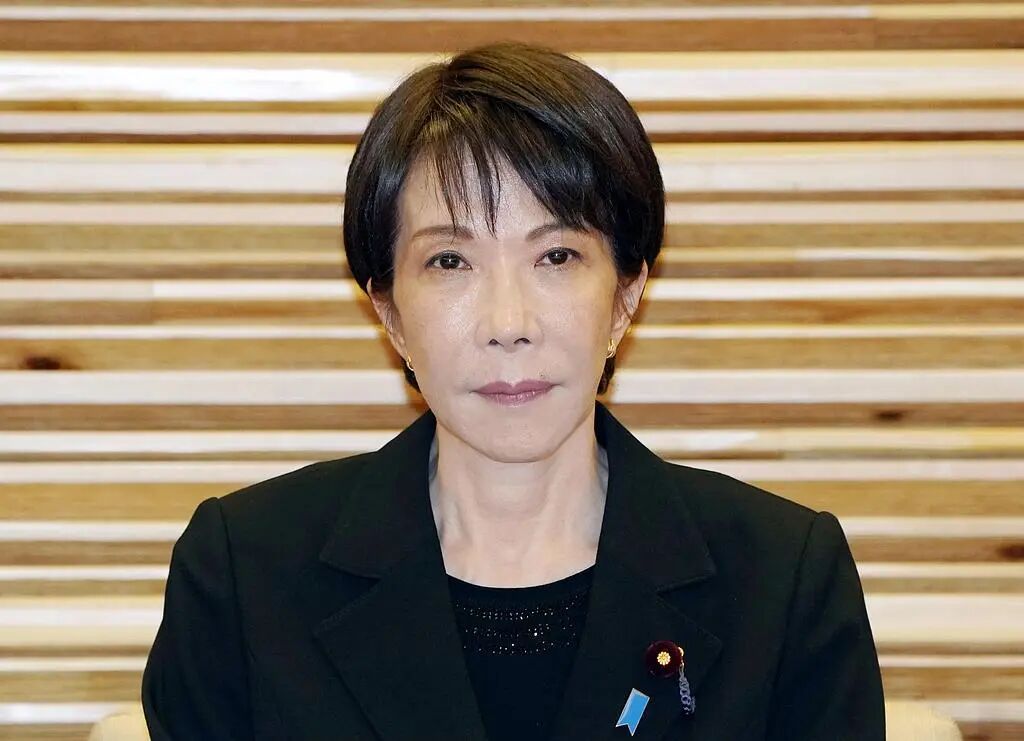
The ruling Liberal Democratic Party (LDP) held its 93rd party congress in Tokyo on the 12th. Prime Minister and LDP President Sanae Takaichi declared on the issue of constitutional revision, stating, "The party has been established for 70 years, and the time is ripe for constitutional revision."
From pushing for the early revision of the "Three Security Documents" and attempting to amend the "Three Non-Nuclear Principles," to proposing to relax restrictions on arms exports and increase Japan's defense spending, Takaichi and the LDP are continuously undermining Japan's long-held "exclusively defensive defense" principle and hollowing out the foundation of Japan's "Peace Constitution."
Takaichi's renewed advocacy for constitutional revision is no longer a superficial political gesture, but an open mobilization order to accelerate the evolution of a "new type of militarism" in Japan. In the current complex and sensitive international and regional context, Takaichi's insistence on pushing forward the constitutional revision agenda will only be seen by the outside world as a signal of Japan's accelerating rightward shift and militarization, ultimately damaging Japan's international image and strategic space.
466
5,562
8,285
1,186,670
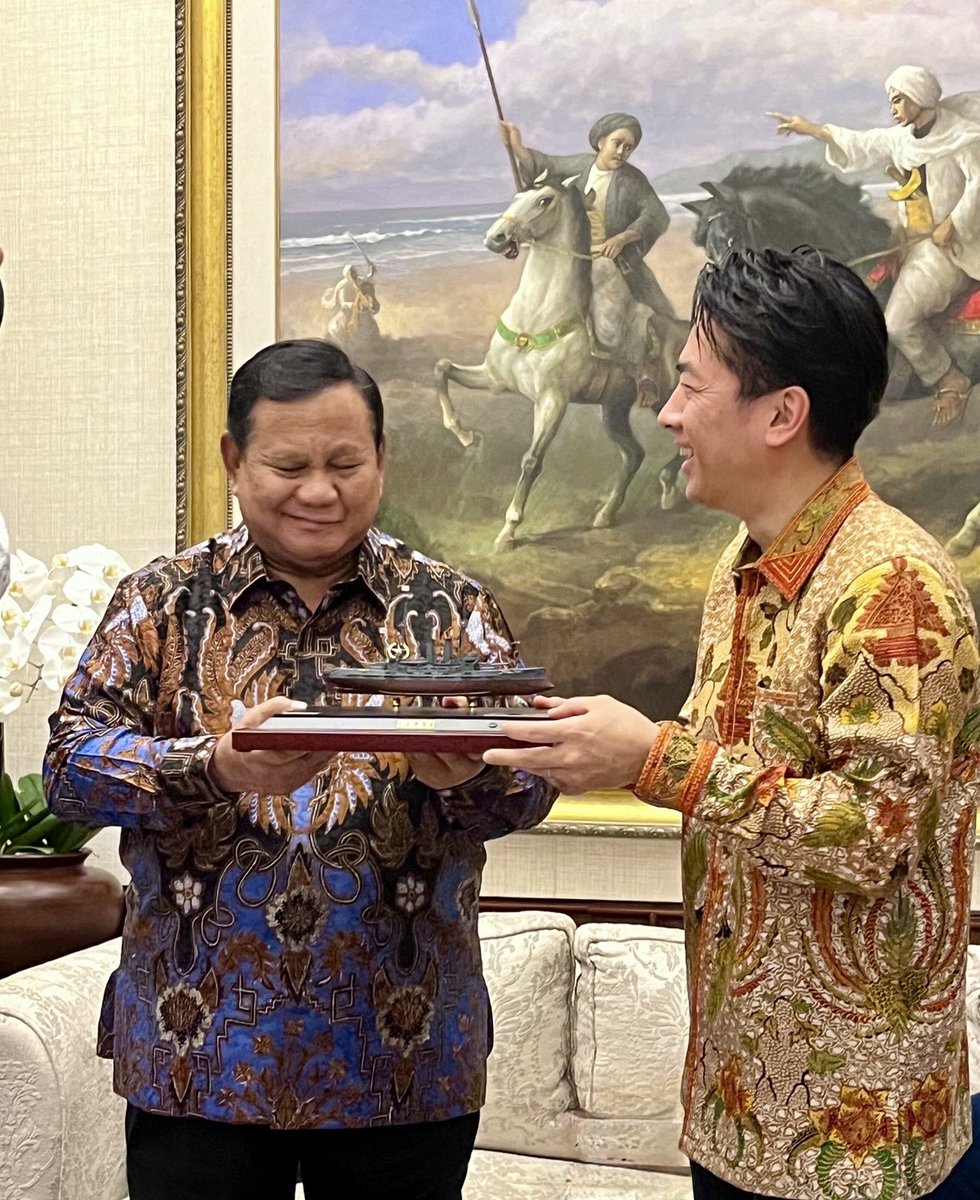
The thought process of Japanese politicians is shocking—the Defense Minister presented a "warship," a symbol of militarism, to the leaders of Indonesia, a nation invaded and colonized by Japan during World War II?
Is he trying to remind Indonesia that the Japanese occupation of Indonesia during World War II (1942-1945) was a history of violent plunder. The Japanese army caused profound suffering to the region in its plunder of war resources such as oil and rubber. Japan forcibly conscripted hundreds of thousands of "Romusha" (laborers) in Indonesia, many of whom were sent to Burma and Thailand to build railways, where they died in large numbers due to hunger, disease, and mistreatment.
The Japanese army perpetrated the horrific Pontianak Massacre in West Kalimantan, killing a large number of local sultans, intellectuals, and Chinese.
Perhaps the Defense Minister was ironically reminding Indonesia that it was the Japanese colonizers who helped Indonesia overthrow Dutch rule and achieve national independence? This logic is utterly shameful.
Jun 13

先ほど日帰りのインドネシア出張から帰国しました。
昨夜はインドネシアのプラボウォ大統領の私邸で会談した際に私の地元横須賀の戦艦「三笠」の模型をギフトとしてお持ちしました。軍出身で国防大臣経験者のプラボウォ大統領はやはり喜んでくださり良かったです。
横須賀にある防衛大学にインドネシアから留学生を送ることを主導したのがプラボウォ大統領。昨日も私のために防大卒業生を集めてくださっていました。そのうちの一人はインドネシアの農業副大臣で、昨夜もわざわざ参加してくれました。大統領の防大への特別な想いに感謝です。
昨日の大統領との実質的な会談の内容を私とシャフリ国防大臣@sjafriesjams の間でしっかりとフォローアップしまた進捗を報告させて頂くことで一致しました。日帰りのインドネシア出張でしたが、今後の日本-インドネシア関係の強化に繋がる成果を得ることができました。プラボウォ大統領、ありがとうございました!
1
25
Every time she appears in public, her image is so disgraceful to the Japanese people

26
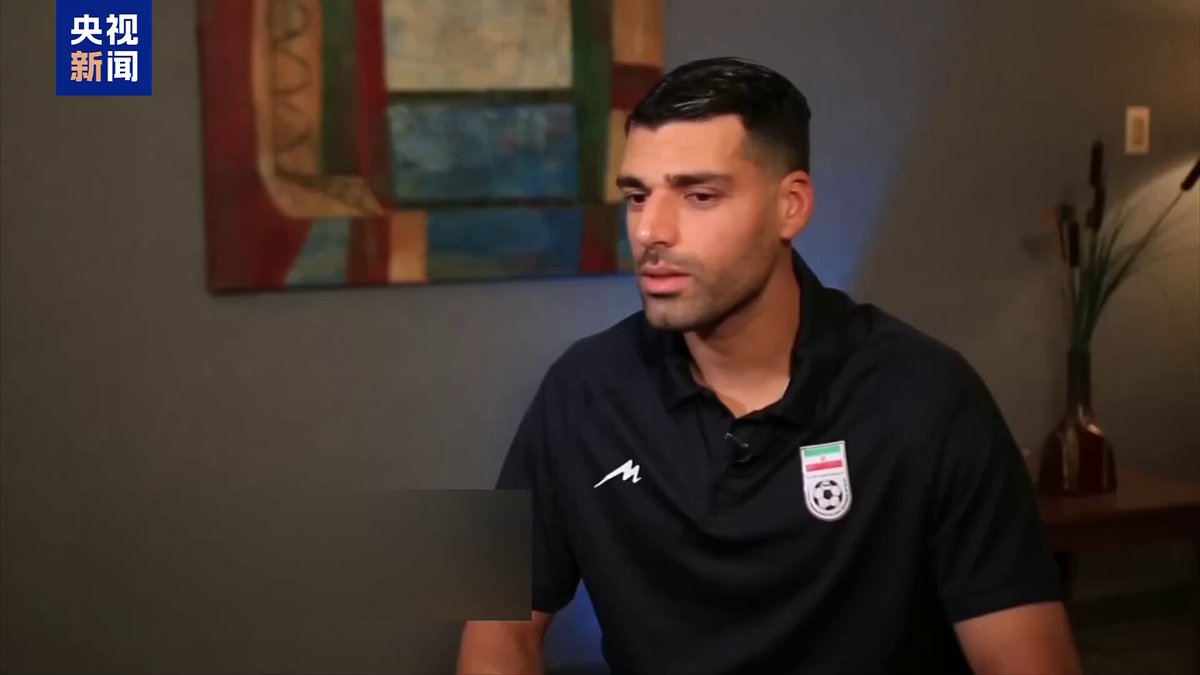
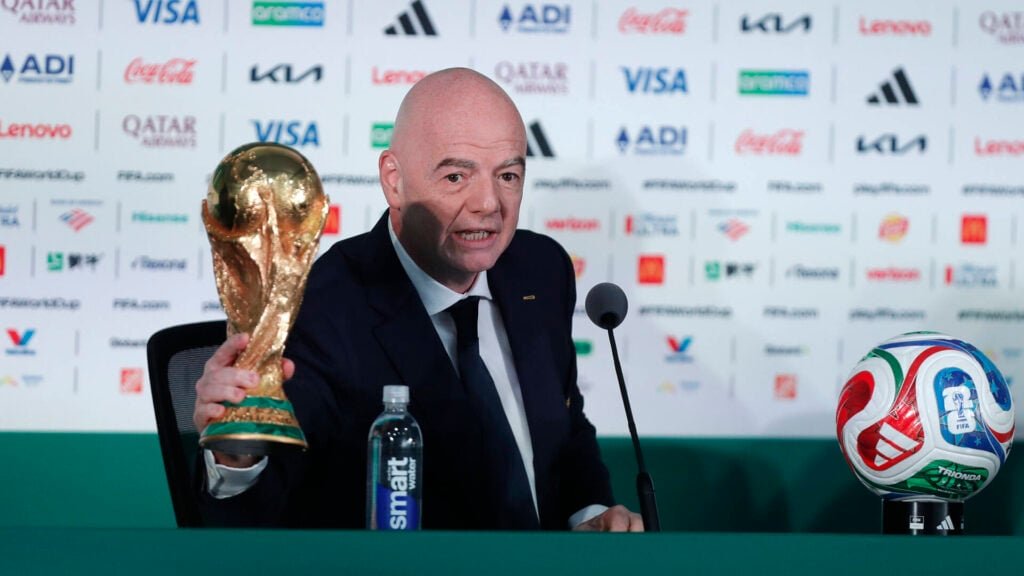
Iranian players rhetorically questioned an American journalist: "Are you sure we're safe in the US? Do you have confidence in your country? How do you view us? As politicians or athletes?"
Due to the conflict between the US and Israel, and the US's obstruction of visa issues, the Iranian national team's journey in this World Cup has been quite arduous. In a recent interview in Mexico, Iranian national team players stated that they remain constantly concerned about the situation in their homeland during preparations and are dissatisfied with the US's actions regarding security and visas.
Iranian player Taremi: "The current situation is that the conflict is affecting our families. In the whole world, family is the most important thing, which is why it's difficult for us to focus on football right now. But we are professional players, and we have to. Mentally, it's difficult to focus on football right now because throughout the day your mind will involuntarily think about the situation in Iran, and unfortunately, this is not good for us."
American journalist: "I haven't experienced all of this. I'm not a player from a country experiencing war."
Iranian player Taremi: "I have a question, a question very relevant to the US: Are you sure we're safe there?" American journalist: US President Trump has repeatedly stated that he is unsure if he can guarantee your safety.
Iranian national football team player Taremi: How do you view us? As politicians or athletes? Perhaps in Trump's eyes it's all the same, but we are athletes.
Currently, some staff members of the Iranian team have still not obtained US visas. Iranian national football team player Jahanbakhsh stated that these staff members are part of the team, and their absence has affected the team's preparations; their absence is very regrettable.
1
56
Loong of the east retweeted

The West did exactly what China wanted it to do.
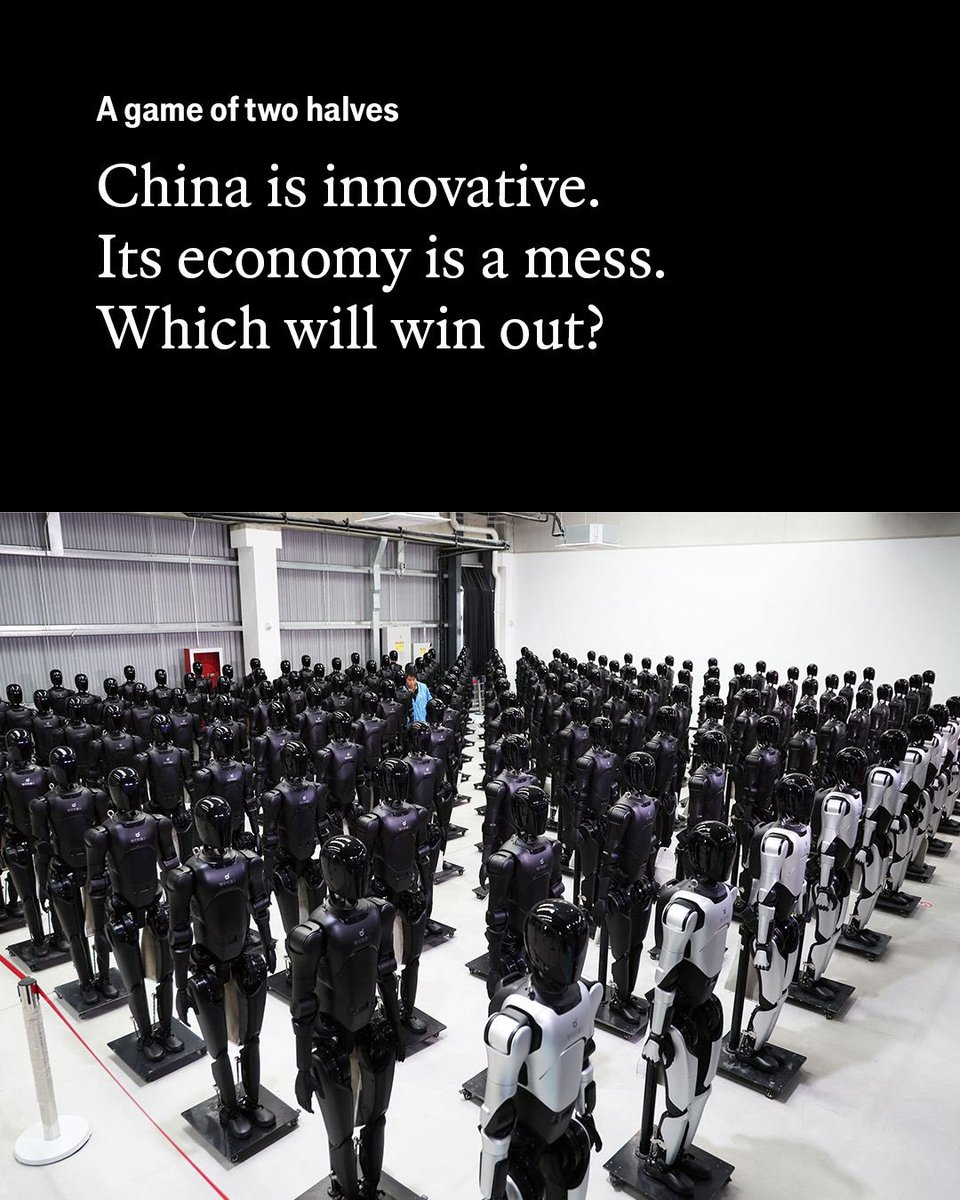
From my perspective here in China since 1995, this latest Economist cover — rows of humanoid robots standing like an army, headline screaming “China is innovative.
Its economy is a mess.
Which will win out?” — is pure comedy.
Beijing must be quietly chuckling over their morning tea.
Sun Tzu couldn’t have scripted it better: “All warfare is based on deception.”
When you are strong, appear weak. When your opponent is arrogant, let him underestimate you.
The West has fallen for it hook, line, and sinker for decades. They mock the numbers, obsess over property, youth unemployment, and every quarterly dip, convinced the “pig is getting fat and will soon be slaughtered.”
x.com/angeloinchina/status/1…
That old Chinese proverb lands perfectly here.
The West thought it was the butcher — feeding China WTO access, tech transfers, and markets while sharpening the knives of tariffs, export controls, and “de-risking.”
Instead, China used that time to build real capacity: factories, supply chains, patents, robotics warehouses, high-speed rail, EV dominance, and the industrial base of the next era.
The “pig” didn’t get slaughtered.
It grew stronger, diversified, and kept advancing while the butcher argued over the blade’s color.
This is exactly why China welcomes the cascade of Western doom headlines. Every “collapse” prediction, every smug “mess” analysis buys precious time.
It keeps elites complacent.
It delays real urgency. It lets China execute — pragmatic central planning, infrastructure as long-term assets, not quarterly theater.
Time is on China’s side, in the pure Thucydides sense.
The rising power doesn’t need to sprint.
It compounds while the incumbent exhausts itself in denial and overreach. Athens didn’t fall because Sparta was unbeatable — it fell because it couldn’t accept a peer competitor without self-destructing.
x.com/angeloinchina/status/2…
I’ve seen this pattern repeat for thirty years. While pundits celebrate every negative headline, Chinese firms file more patents, lock in green tech chains, scale robotics by the warehouse, and build tomorrow’s infrastructure.
Laurent Michelon nailed a similar Economist hit piece recently, exposing the desperation in Western narratives.
x.com/LH_86_/status/20367196…
x.com/angeloinchina/status/1…
Sun Tzu smiles.
The pig is not on the chopping block.
It’s been quietly building the farm.
And the butcher is still busy writing editorials.
Reality on the ground in China tells a very different story from the Western echo chamber.
The question isn’t whether China will overcome its challenges — every major economy has them.
The real question is how long the West will keep harming itself by refusing to see the obvious.
Cooperation beats confrontation.
History is already showing which path delivers.

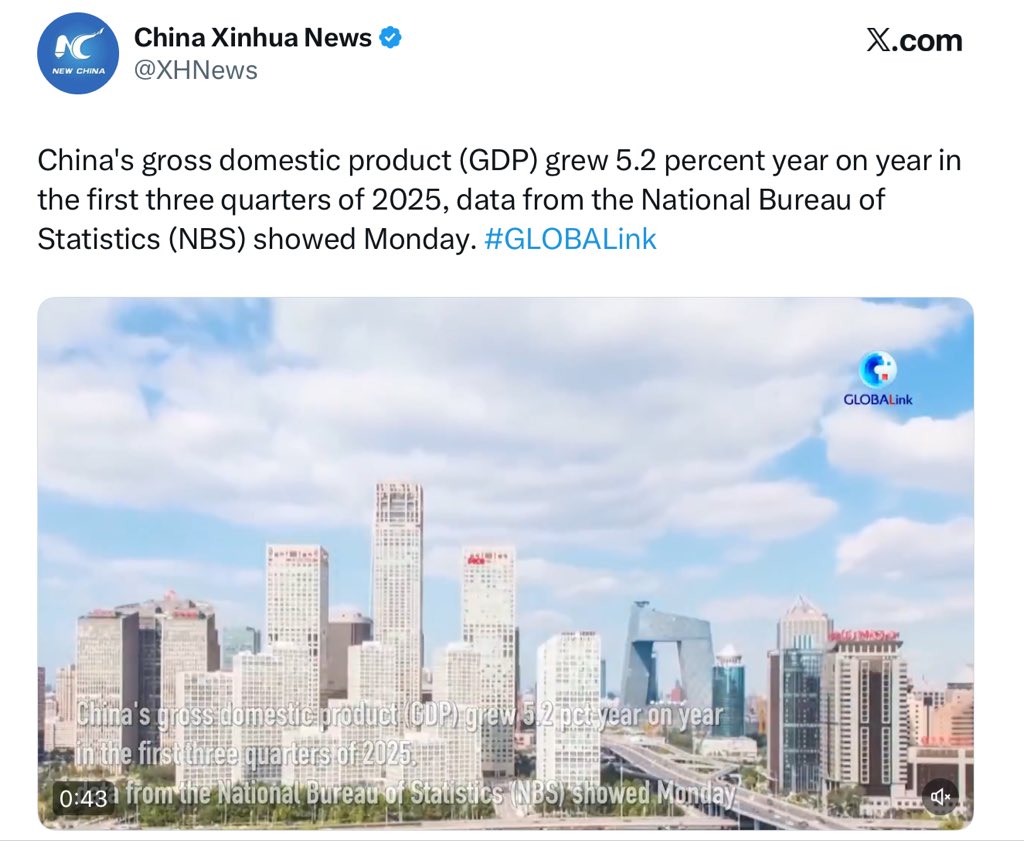
20 Oct 2025

China's 5.2% GDP growth stands as a fact.
One can already predict the skeptical framing from some Western outlets: 'But at what cost?'
The reality is that the Chinese economy, fortified by diversified markets and innovation, remains strong.
The West's choice is simple: partner with China for mutual gain or accelerate their own decline through futile containment strategies
18
45
2,694
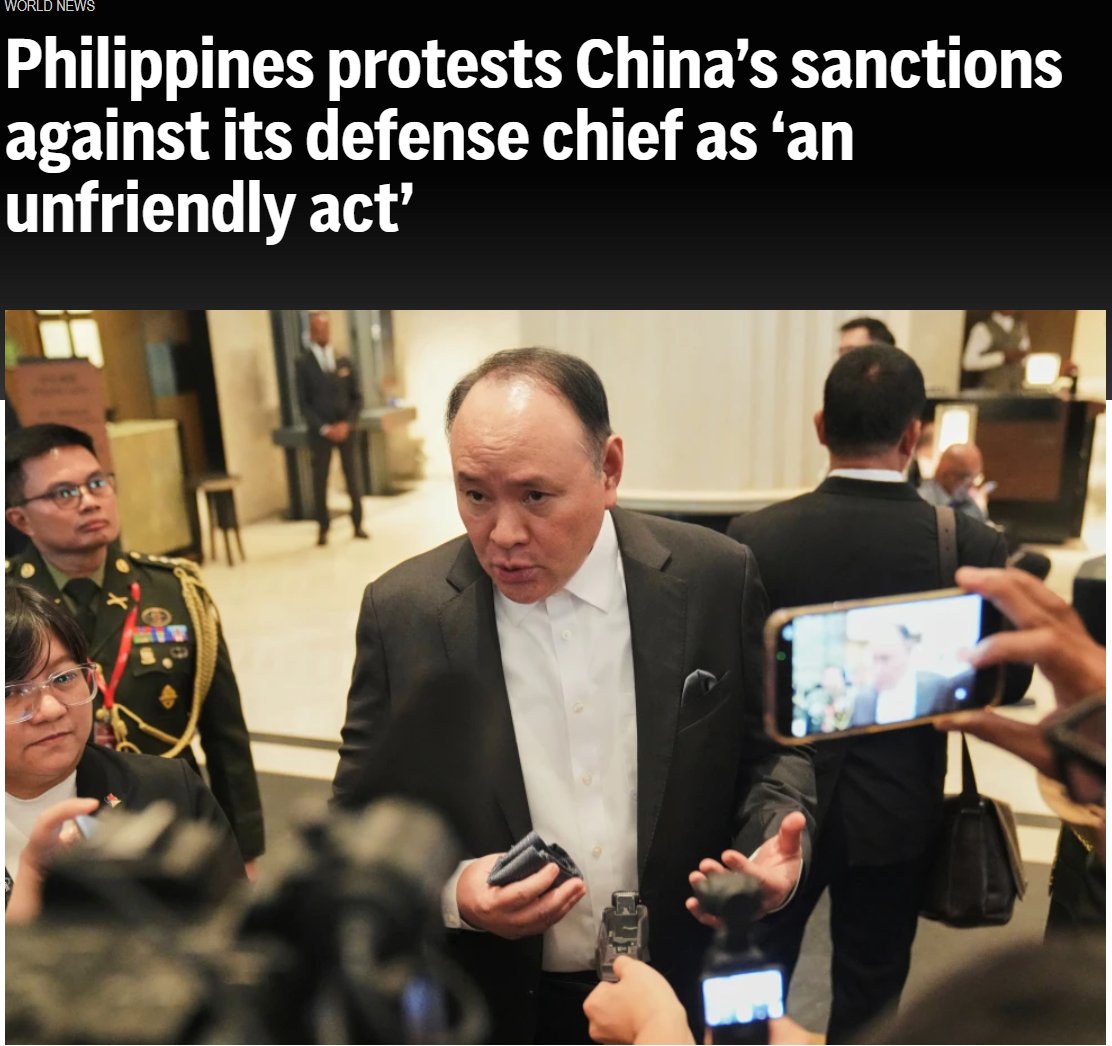
Come on, if the Philippine regime has the guts, close the Chinese embassy or expel the Chinese ambassador.
The Chinese ambassador must represent the interests of his motherland. He is stating the facts and explaining the sanctions China has already imposed. Why don't you shut him up?
It is precisely people like this who are desperately trying to damage Sino-Philippine relations and artificially create conflict. It is common knowledge that the Philippine Department of National Defense and Coast Guard receive money and equipment from the United States and represent American interests.

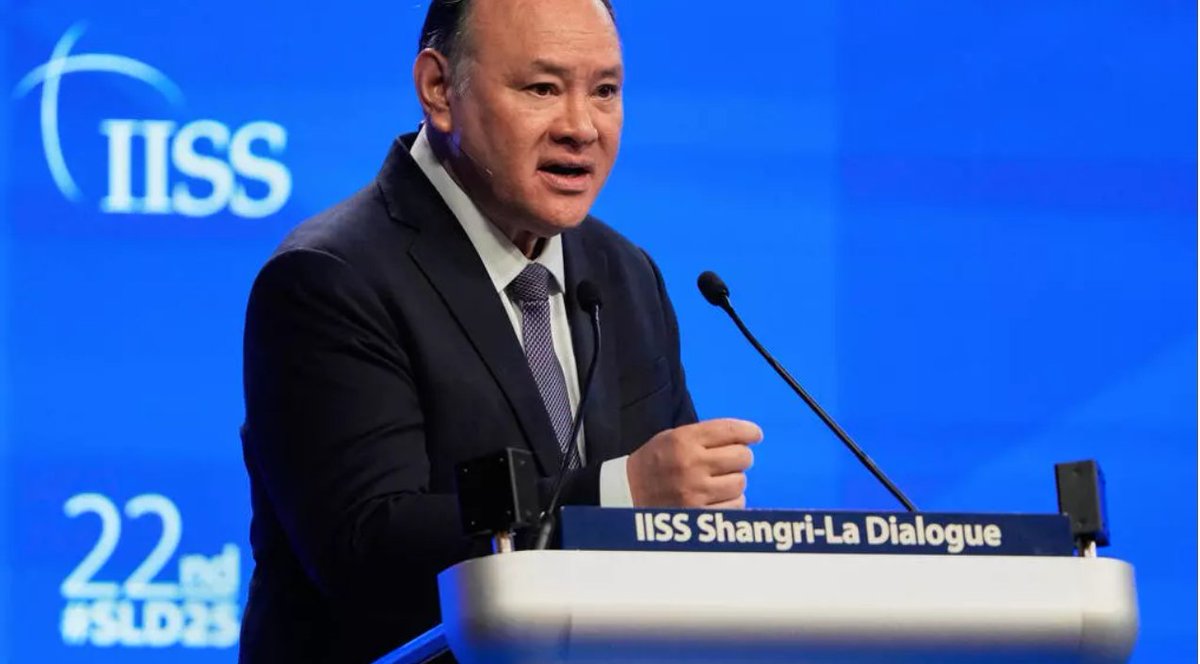
Mr. Guo Wei should remember where he stands. He resides here as a guest in the Philippines, yet has the audacity to say our Defense Secretary deserves to “ultimately pay the price” for defending our own country.
Secretary Teodoro has only upheld the rights of the Filipino people in our own waters — affirmed by the 2016 Arbitral Award that China refuses to honor.
Mr. Guo says “people are known by the company they keep.” We agree — so look closely at who fires water cannons at our boats and rams our ships, then blames the nation defending against it.
1
3
206
The cold and hardline stance of the US government has shocked India—even towards India, a self-proclaimed ally, the US shows no humanity or respect.
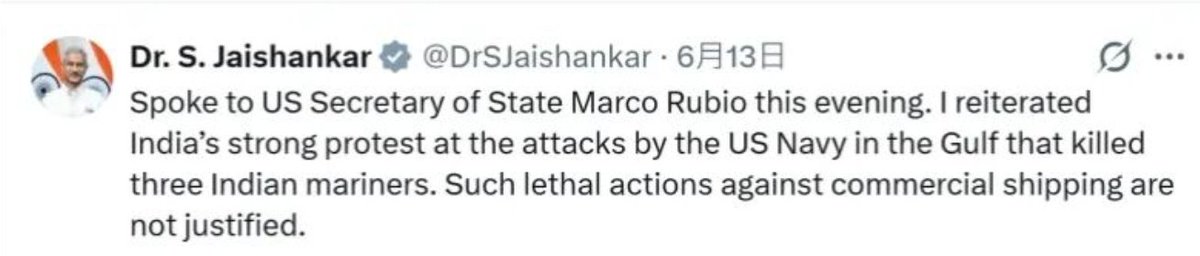
Earlier this week, the US military attacked a Palauan-flagged oil tanker in the Gulf of Oman, resulting in the deaths of three Indian crew members. Indian External Affairs Minister S. Jaishankar spoke with US Secretary of State Marco Rubio on June 13, again strongly protesting the attack.
According to a press release from the US State Department, Rubio emphasized to Jaishankar during the call that the US military is "committed to maintaining peace and security in the Strait of Hormuz," and that all merchant ships should "immediately obey US military orders." Rubio also stated that "violations of US blockade orders and the illegal transport of Iranian oil will not be tolerated."
This week, three ships carrying Indian crew members have been attacked in Omani waters near the Strait of Hormuz.
Indians believe that "almost every merchant ship sailing in these crucial waters carries Indian crew members. Are they now legitimate targets of American missiles?"
Meanwhile, India is facing a critical period in trade negotiations with the United States, and Modi has remained silent on the matter so far. Perhaps this is the reason why the United States is treating India based on its so-called "favorable power position."
1
4
179
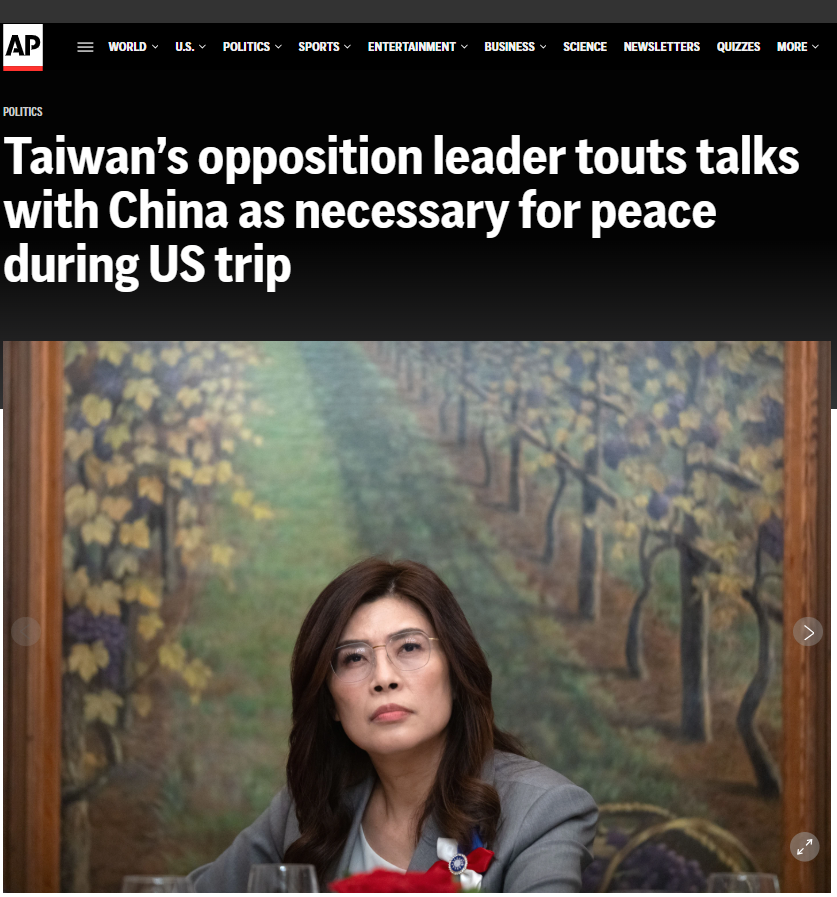
This is a classic case of misrepresentation—the Kuomintang (KMT) has never denied the One China policy, nor has it ever publicly advocated for the unified leadership of mainland China, and they have never supported the so-called claim of Taiwan's sovereignty and independence.
Jun 12

One impact of Cheng Li-wun's current US trip: many China observers have updated their views of the KMT.
The anti-communist KMT of the Cold War is gone.
This KMT is now aligned with its former nemesis, the CCP, against Taiwanese sovereignty.
More here:
asia.nikkei.com/opinion/the-…
7
310
Loong of the east retweeted
In fact, China has much more to do.
US intelligence agencies have long prioritized China, and the proportion of resources specifically allocated to China within their total intelligence budget of hundreds of billions of dollars has increased significantly in recent years.
CIA Director William Burns previously revealed to the media that the CIA's budget for "Chinese targets" has tripled. To this end, the CIA established the "China Mission Center," becoming the agency's only single-country dedicated mission center.
A large portion of this budget is used to recruit and train more intelligence personnel fluent in Chinese and to comprehensively strengthen strategic surveillance of China globally, including in the Indo-Pacific region, Latin America, and Africa.
3
24
81
4,204
Jun 13
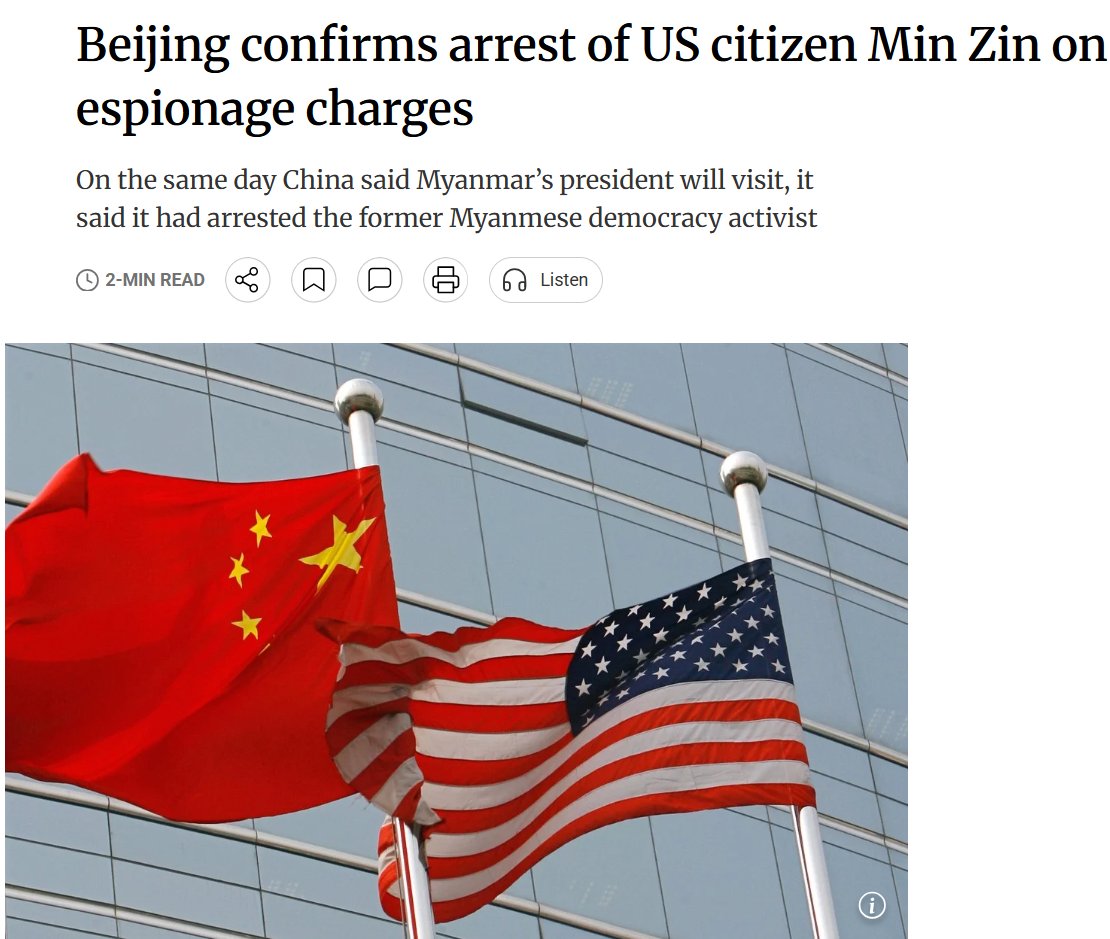
China is a country ruled by law, and it governs and handles any cases that endanger national security and the rule of law in accordance with the law. Are Americans an exception? Absolutely not in China, and this has nothing to do with Trump's visit to China.
At least this proves that China is not a cowardly vassal state, and Chinese law will not excuse Americans or the wealthy. Anyone who escalates this matter to a diplomatic or major event has ulterior motives.

Incredible for China to arrest an American citizen - who’d been invited to China by a Chinese university - on spurious charges weeks after Trump visited Beijing.
US needs to treat this as a show-stopping problem. Business as usual would signal extraordinary weakness.
3
1
25
1,714

In fact, China has done far more than that.
US intelligence agencies have long prioritized China, and the proportion of resources specifically allocated to China within their total intelligence budget of hundreds of billions of dollars has increased significantly in recent years.
CIA Director William Burns previously revealed to the media that the CIA's budget for "Chinese targets" has tripled. To this end, the CIA established the "China Mission Center," becoming the agency's only single-country dedicated mission center.
A significant portion of this budget is used to recruit and train more intelligence personnel fluent in Chinese and to comprehensively strengthen strategic surveillance of China globally, including in the Indo-Pacific region, Latin America, and Africa.
177
Loong of the east retweeted
Cheng Li-wen was merely attempting to dispel US concerns about the KMT's "pro-China stance." Her core argument remained the same: she advocated a "peaceful path" that "guarantees peace and stability and will never allow its ally, the United States, to be drawn into war," trying to prove herself a political leader acceptable to both Beijing and Washington.
In her remarks to the US, Cheng attempted to rewrite the "first island chain" as a node of economic prosperity, which contradicts the US view of it as a "frontline of the security alliance" to contain China's expansion. Earlier, in the US-Taiwan arms sales deal, the KMT-led Legislative Yuan's cuts to defense spending had already displeased US conservatives and the military-industrial complex, with some even publicly questioning whether her stance was too close to Beijing.
Undeniably, against the backdrop of escalating comprehensive competition between the US and China, the US absolutely does not want to see close ties and reconciliation between the two sides of the Taiwan Strait, whether among civilians or opposition parties. The US remains wary of the Kuomintang (KMT) bypassing the Democratic Progressive Party (DPP) government and negotiating with Beijing independently. This is because the US needs to be more cautious in balancing maintaining the status quo in the Taiwan Strait and managing US-China relations. It neither supports the DPP's risky push for Taiwan independence nor the KMT's push for "unification under the One China principle."
Beijing welcomes the US's promotion of a "Taiwan independence-excluding" and "anti-Cold War" path to peace in the international and US arenas, but it also needs to recognize the fact that the US remains the biggest obstacle to resolving Taiwan's security, stability, and peaceful development.
3
2
14
582
Loong of the east retweeted
Jun 13
Wow, brave Filipino people? They didn't even have the courage to stop Duterte's illegal arrest, they didn't even have the courage to stop the Bumbum Marcos family's massive corruption and his terrible performance at the earthquake site.
Inciting extremist nationalist sentiment is exactly what the rulers are thinking, diverting public discontent from the terrible state of the country.
Jun 12

Patriotic Filipinos just stormed the Chinese Embassy in Makati on the occasion of Philippine Independence Day.
Protesters burned China’s ridiculous 10-dash line map and exposed China's harassment of their fishermen.
Filipinos are fed up with Chinese aggression!
29
40
433
31,293
Jun 13
American politicians only respect strength and are adept at treating their puppets with a superior attitude
Jun 13

Look at the body language of US politicians in Beijing versus visiting the rogue "gov't" in Taiwan province. VERY telling!
8
416
Loong of the east retweeted

Jun 13
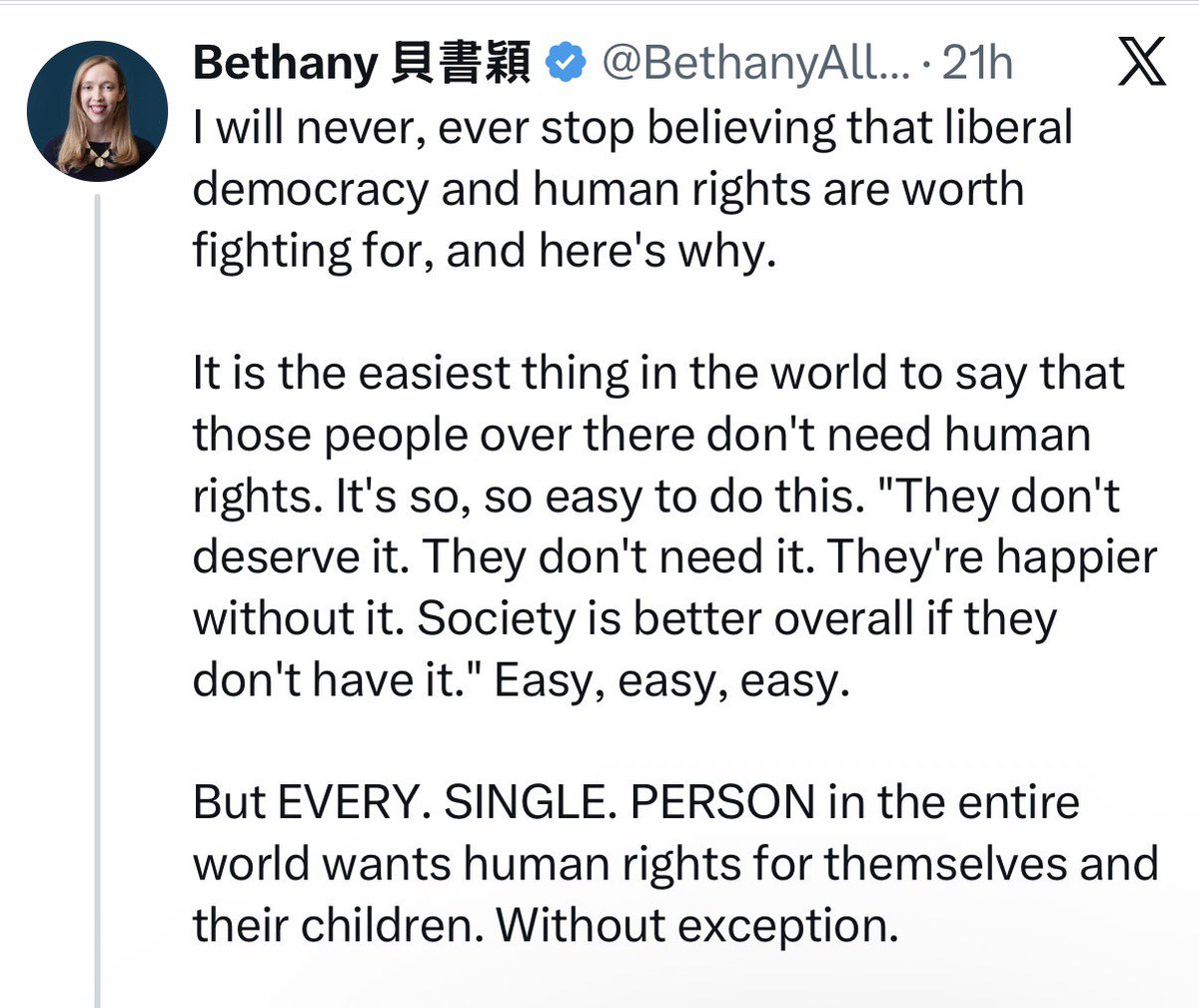
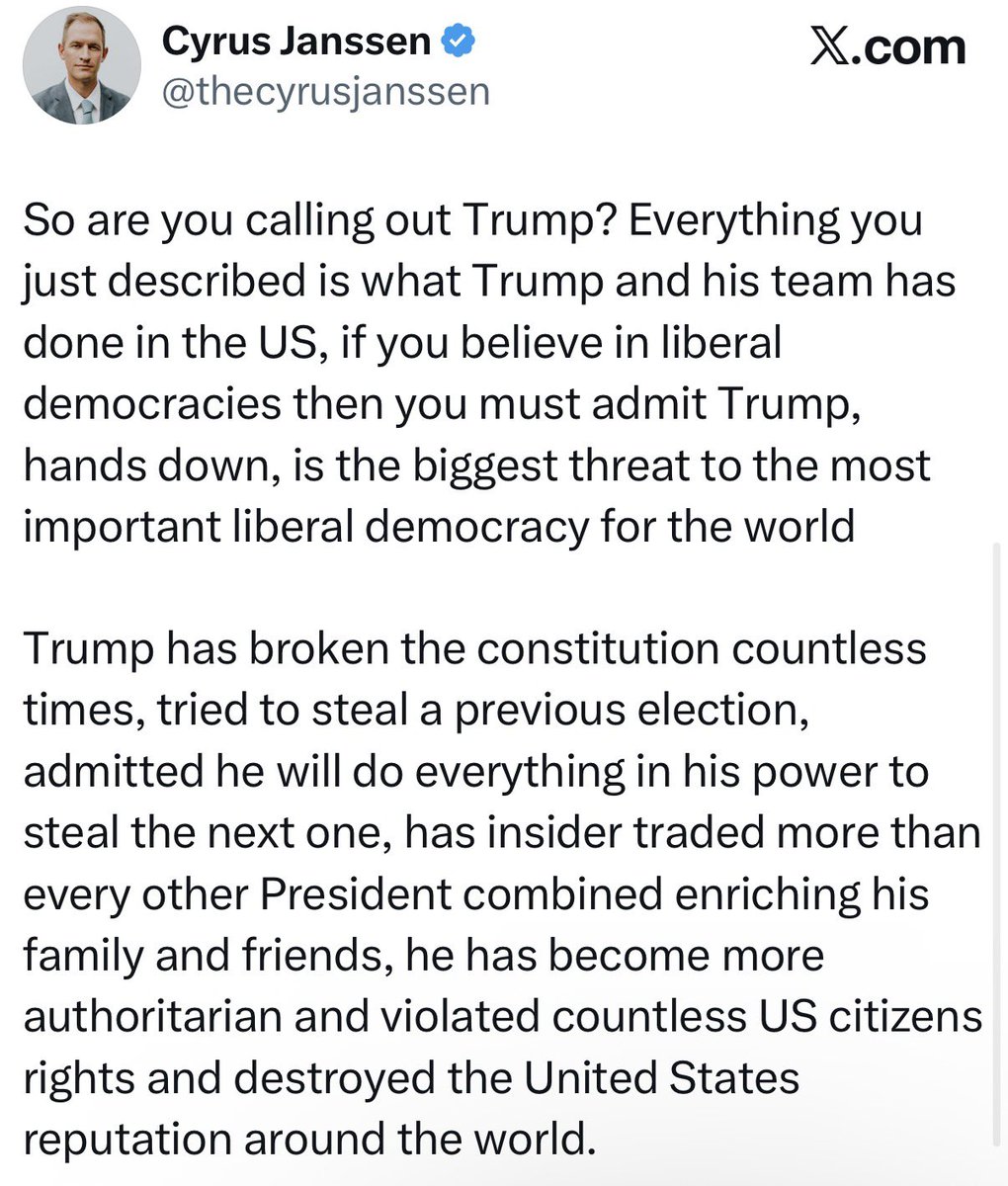
I’m so sick and tired of these so called “China experts” who go off every day about defending liberal democracies but yet don’t have the guts to call out Trump and what he is doing in the United States.
Instead of trying to defend her points @BethanyAllenEbr does the only thing she can do, block and ignore. If you aren’t brave enough to call out Trump and speak about what he has done to the United States global reputation then you can’t call out other countries. Simple as that 👇

34
64
503
9,805
Jun 13
Sure enough, the "zero-dollar purchase" phenomenon reappeared, a true reflection of American standards.
As I said, this is the real America presented to the world by this World Cup. It's truly unforgettable; a series of shameful acts will be recorded in World Cup history. Oh, and don't forget to shout "MAGA!"
Jun 13

🚨 BREAKING:
England’s team equipment has been stolen including players’ boots/shoes, training gear, coaching staff equipment, balls and uniforms.
The England camp is now working with police to find the stolen items or replace them quickly so the team can train as planned.
[Daily Mail]
#WorldCupwithMicky
#ThreeLions
#FIFAWorldCup
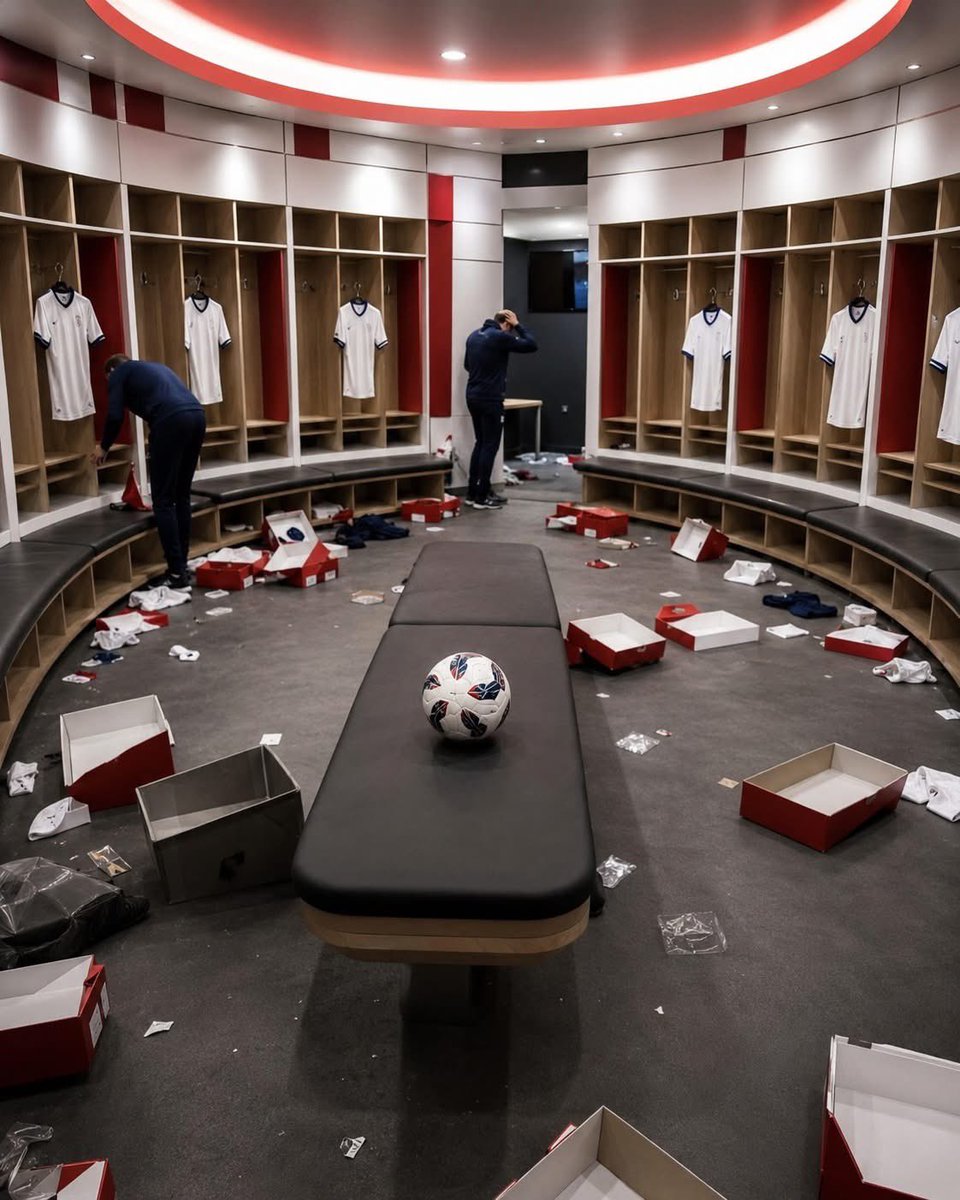
Community note
The image depicts a ransacked locker room but the equipment was stolen from a transport van en route to England's training base, not from the camp. dailymail.com/sport/football… hitc.com/what-was-stole…
1
12
43
2,014
Loong of the east retweeted
Jun 12
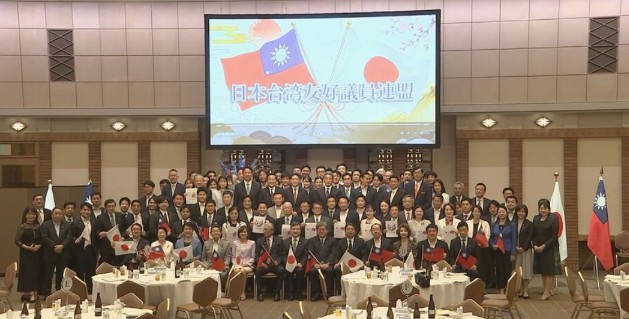
Japan once again challenges China's red line—sending an extremely dangerous signal to "Taiwan independence" forces.
The "Japan-ROC Diet Members' Consultative Council"—a group of pro-Taiwan Japanese lawmakers—has changed its name to the "Japan-Taiwan Friendship Diet Members' League." Keiji Furuya, the driving force behind this move, stated bluntly that following the potential "ascent of a Sanae Takaichi administration," they judged that "now is the opportunity" (to openly strengthen official relations between Japan and Taiwan).
On the surface, this appears to be merely a name change for a pro-Taiwan group within Japanese politics, seemingly aligning with the evolving terminology used by similar organizations in recent years; yet, therein lies the crux of the matter. If this were simply a "natural progression," why specifically emphasize that "now is the opportunity" following a potential Takaichi administration? This indicates a clear political agenda behind the name change—a calculated move by Japanese right-wing and pro-Taiwan factions to assess the timing, test red lines, and build up a series of concrete actions. Put simply, this is not just about changing a name; it is about using that change to advance the political positioning of Japan-Taiwan relations.
In recent years, certain individuals in Japan have taken increasingly frequent actions regarding the Taiwan issue: some have championed "values-based diplomacy," others have hyped the narrative that "a Taiwan contingency is a Japan contingency," and some have continuously pushed for coordination on Taiwan-related matters across security, parliamentary, and public opinion spheres. Now, even the "Japan-ROC Council"—which previously maintained some room for ambiguity in its terminology—is explicitly incorporating the word "Taiwan" into its official name. Their intent is unmistakable: they seek more than just so-called "friendly exchanges"; they aim to progressively "internationalize" the Taiwan issue while "normalizing" and "legitimizing" Japan-Taiwan relations.
The most alarming aspect of this development is the threefold signal it sends.
First, pro-Taiwan forces within Japanese politics are becoming increasingly overt. In the past, certain actions were often cloaked in the guise of "non-governmental exchanges" or "parliamentary interactions"; now, that veneer is being stripped away. Directly adopting a name like the "Japan-Taiwan Friendship Diet Members' League" effectively creates a "One China, One Taiwan" scenario, consolidating pro-Taiwan factions domestically while signaling to the outside world where they stand.
Second, Japan's right-wing forces are placing their bets on future shifts in the political landscape. Keiji Furuya’s explicit mention of a potential "Sanae Takaichi administration" signals that some Japanese politicians are no longer content to merely trail behind the U.S. strategy toward China; against the backdrop of a rightward shift in Japan's domestic politics, they seek to push the envelope further on Taiwan-related issues. Sanae Takaichi has long been known for her hardline stance on security, defense, historical perceptions, and attitudes toward China. Should this political trajectory extend further, Japan is bound to become increasingly reckless regarding the Taiwan issue.
Third, this represents yet another erosion of the political foundation of China-Japan relations. A key prerequisite for maintaining the basic framework of these relations has been Japan's clear political commitment regarding the Taiwan issue. Yet, some Japanese politicians pay lip service to the importance of the bilateral relationship while simultaneously engaging in "salami-slicing" tactics—skirting boundaries and testing limits—on Taiwan-related matters. This duplicitous approach essentially hollows out political mutual trust and sows the seeds of future conflict in the region.
The entire world recognizes that the Taiwan issue is not merely a standard diplomatic matter; it lies at the very core of China's core interests and represents an inviolable red line. It is a gross miscalculation for certain individuals in Japan to believe they can alter the fundamental nature of the Taiwan issue through name changes, the formation of alliances, or the floating of trial balloons. Names may be altered, but history cannot be rewritten; packaging may change, but the facts remain immutable. Taiwan is an integral part of Chinese territory—a reality that cannot be shaken by meetings held or signboards swapped in Tokyo.
Since Sanae Takaichi assumed the role of Prime Minister, such maneuvers within Japanese politics have become increasingly frequent, revealing a dangerous agenda: Japanese political forces harbor the fantasy of "using Taiwan to contain China" and leveraging U.S. backing to bolster their confidence, all in an attempt to secure greater geopolitical leverage amidst the rivalry between major powers. However, the reality is that using the Taiwan issue as a bargaining chip will inevitably lead to a situation where "those who play with fire get burned." Japan should not underestimate China's resolve to defend its rights and interests, nor its capacity to take countermeasures.
2
18
56
2,296