
Miles de preguntas en una sola cabeza. Menos mal.
Joined July 2010
- Tweets 2,747
- Following 318
- Followers 311
- Likes 2,276
135 Photos and videos



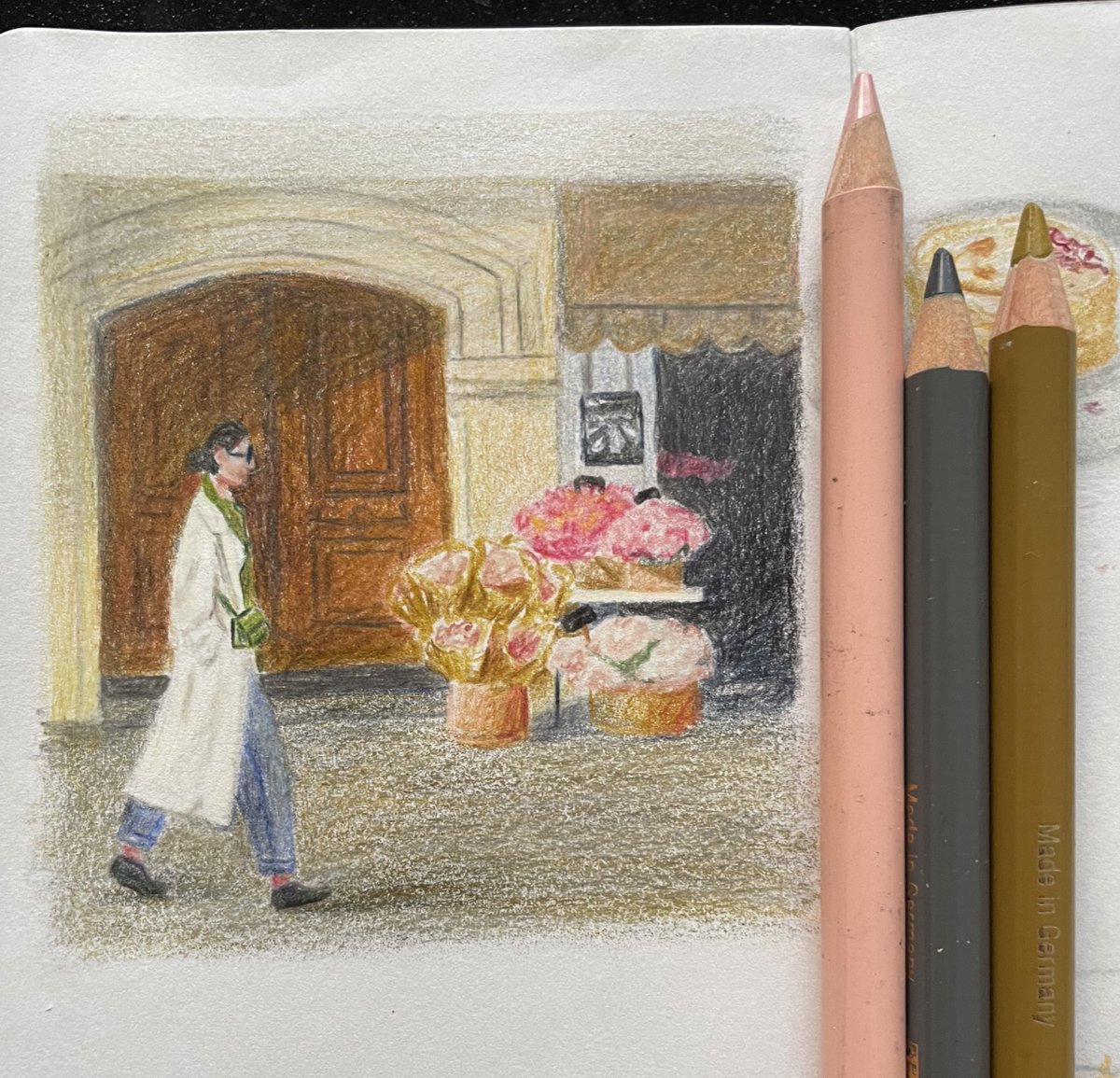





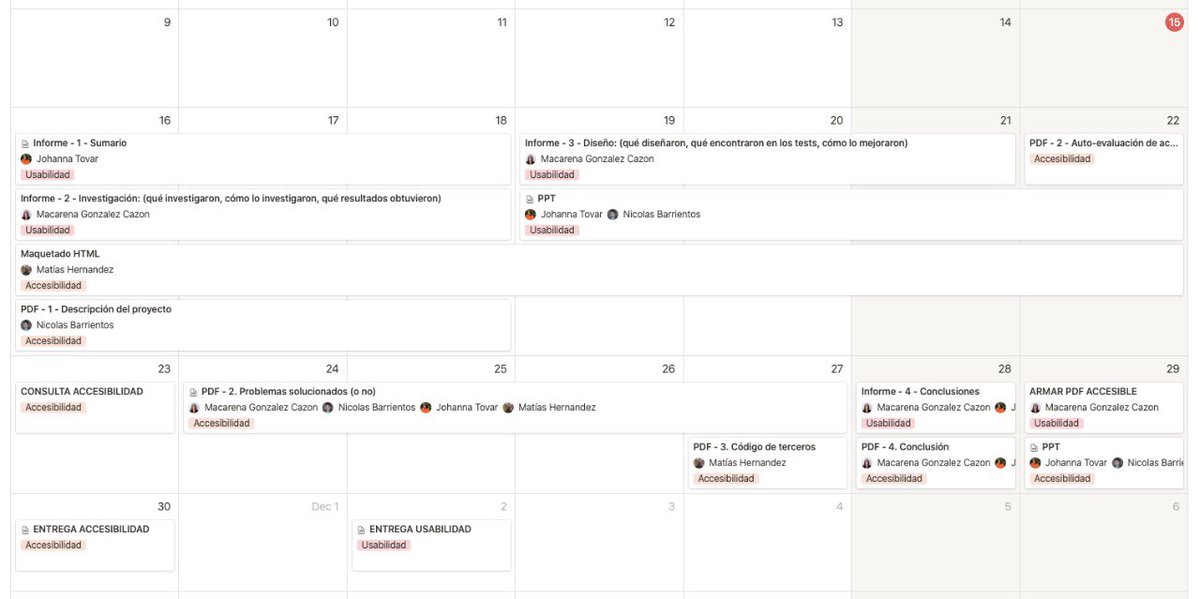

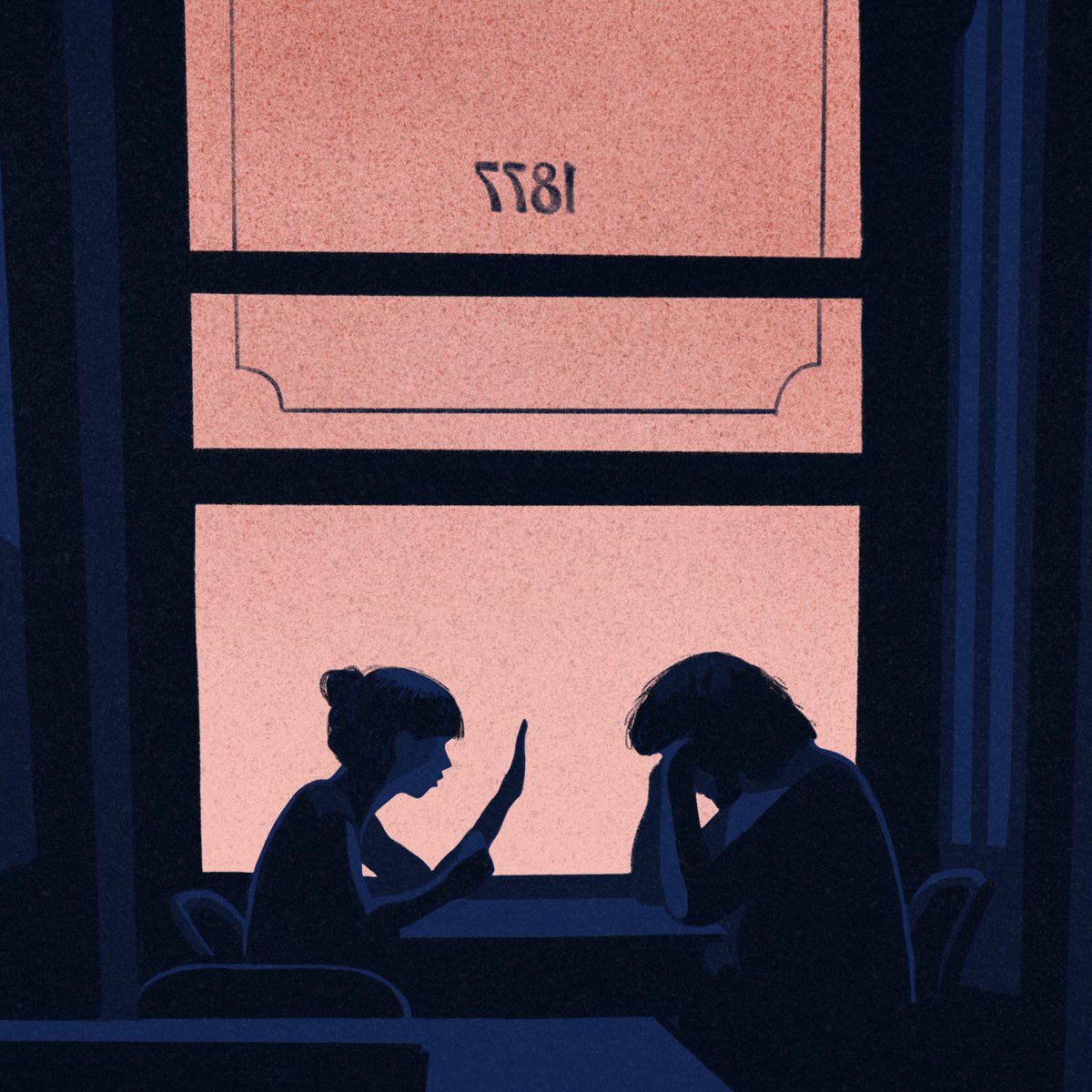




Jacob Collier - Little Blue | @MahoganySessions youtu.be/IQvzX0Z3HE4?si=Vbx_…
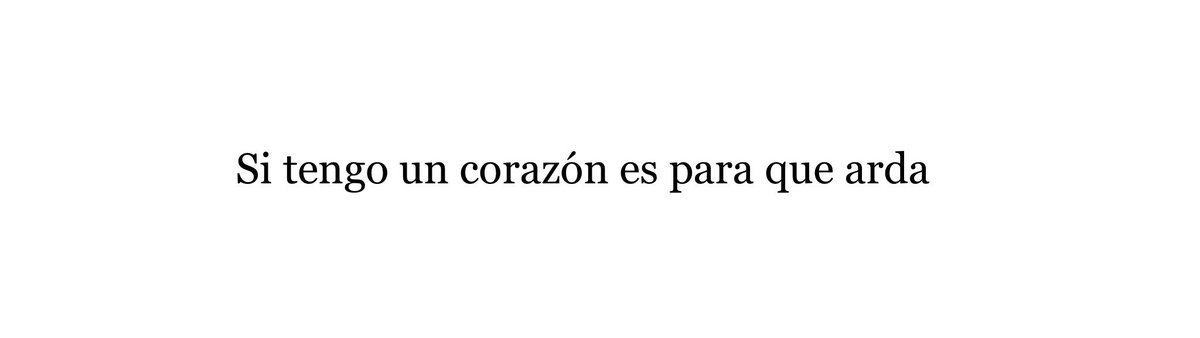
Una hermosura que descubro en el newsletter de
@maca_gc
1
1
62


Maca Gonzalez Cazon retweeted

Apr 11
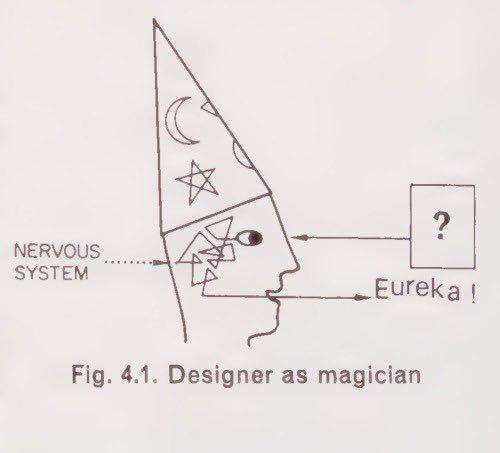
Alan Kay, pioneer of object-oriented programming and the graphical user interface, talking about agents and tools in 1990.
42
375
2,190
126,566
Maca Gonzalez Cazon retweeted

Mar 23
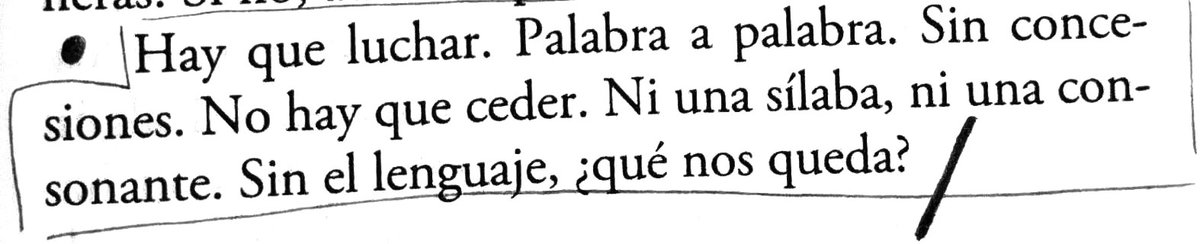
“Las gratitudes” (2019), de Delphine de Vigan.
914
4,200
68,172
Maca Gonzalez Cazon retweeted

Feb 14
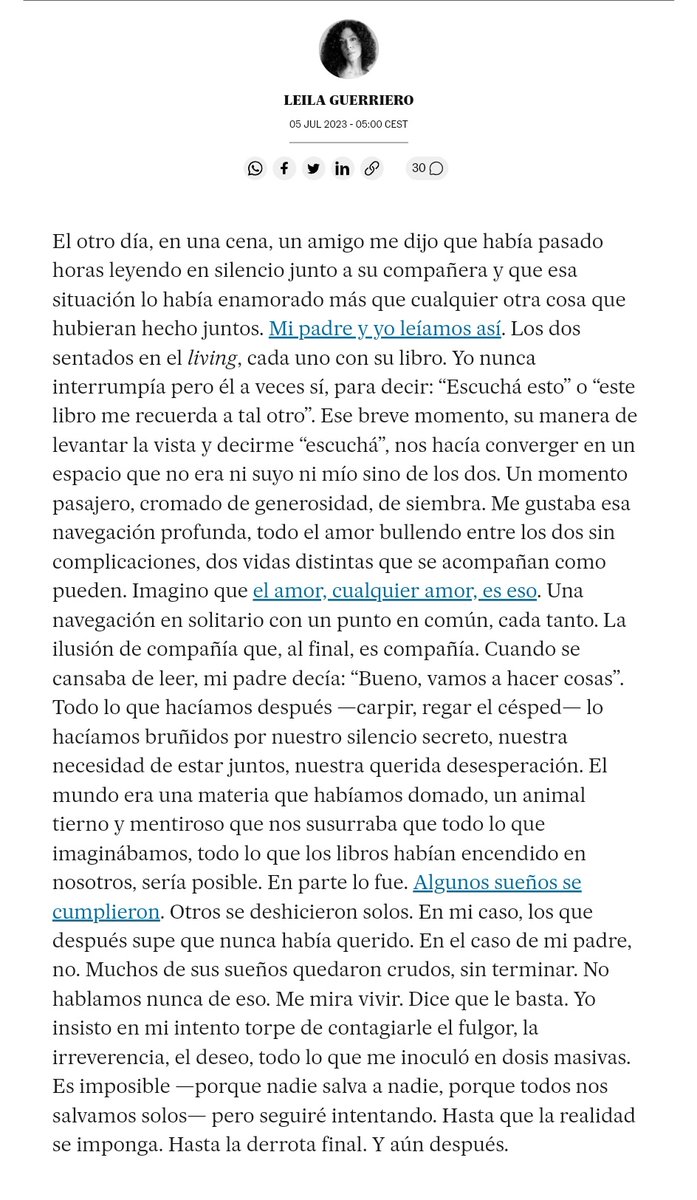
«Imagino que el amor, cualquier amor, es eso».
Y volver a esta columna de Leila.
7
593
2,457
64,429
Maca Gonzalez Cazon retweeted

Jan 25
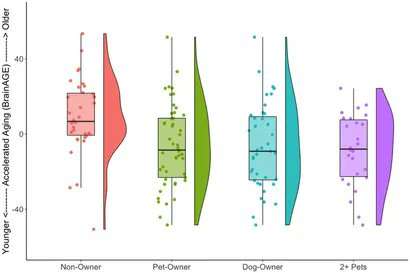
Most people see this and think “dogs are good for you.”
The actual mechanism is more interesting.
Three minutes of petting your dog triggers oxytocin release in both you and the animal. Your cortisol drops. Your heart rate decreases within an hour. This happens every single day you own a dog. Twice a day, three times a day.
The loop: physical touch → oxytocin release → HPA axis downregulation → lower cortisol → reduced neuroinflammation → preserved brain volume.
The study everyone’s referencing had only 95 participants, which is small. But it replicates. A longitudinal European study tracking adults 50 over 18 years found pet ownership associated with slower decline in executive function and episodic memory. Baltimore Longitudinal Study data showed the same pattern across multiple cognitive tests.
Why dogs specifically? Cats showed similar effects. Fish and birds didn’t. The difference is tactile interaction frequency. Dogs demand contact. They interrupt your doom scrolling. They force you outside. Dog owners in the research showed higher physical activity levels, lower BMI, and lower incidence of hypertension.
The brain age gap in this chart isn’t about dogs being magical. It’s about dogs being a delivery mechanism for consistent nervous system regulation that most people fail to achieve on their own.
Human connection does the same thing. Most people just don’t have a human who wants to cuddle them twice a day and force them on walks.

Pet owners have ~15 years younger predicted brain age than non-pet owners
Pet ownership, especially dogs, is robustly associated with better cognitive and structural brain health, especially in older adults.
Study: PMID: 36337704
150
1,275
12,665
1,679,241

Jan 10
RT @tedeciruelas: Mary Oliver:
“No le di a nadie la responsabilidad de mi vida. Es mía. Yo la hice. Y puedo hacer lo que quiera con ella.…
330
RT @tedeciruelas: cuando Anaïs Nin escribió:
“Me canso mucho porque todo me afecta y me conmueve. Nada me deja indiferente.”
3,606
Maca Gonzalez Cazon retweeted

Ursula K. Le Guin: "We will need writers who can remember freedom"
36
2,479
13,164
348,112
Maca Gonzalez Cazon retweeted

Jan 3
No es necesario compartir ni respaldar al gobierno de Nicolás Maduro para reconocer que avalar una intervención militar contra un Estado que no ha cometido un acto de agresión vulnera principios fundamentales del Derecho Internacional.
89
1,688
8,329
155,862
Maca Gonzalez Cazon retweeted

Jan 3
Mi latino boludo favorito es el que cree que Estados Unidos va a salvarlo.
272
13,551
75,317
952,197
Maca Gonzalez Cazon retweeted

22 Dec 2025
Esto que bien dice De Caro, llevado al paroxismo 👇
21 Dec 2025

Mi problema con LuzuTv y afines radica en que yo cuando llevo a mi sobrina con sus amigas de 13 años a merendar y escucho sus conversaciones son las mismas que aparecen en los clips de Luzu y demás, conversaciones normales para nenas de 13 pero no para huevones de casi 40 años
61
665
4,265
226,988
Maca Gonzalez Cazon retweeted

21 Dec 2025
Diré una barbaridad: el problema actual de la educación es que no pone el foco en el aprendizaje y la formación (humanística, científica), sino en la capacitación (para el empleo, la IA: para la total alienación). Educar es enseñar a pensar más allá de lo que nos permiten pensar.
37
677
3,018
97,630
Maca Gonzalez Cazon retweeted

1 Sep 2025
Impresiona la cantidad de cosas que tienen que prohibirnos para que seamos libres.
20
2,990
14,280
257,398
Maca Gonzalez Cazon retweeted

22 Jul 2025
So many favorite moments but this particular scene healed a part of me
21 Jul 2025

9 years ago, ‘FLEABAG’ premiered.
Tell us your favorite moment from the series created and written by Phoebe Waller-Bridge.

18
2,097
10,919
529,692
Maca Gonzalez Cazon retweeted

22 May 2025
Hay poemas —como este de Mary Oliver— que llegan cuando los necesitas.

7
329
1,688
64,437
Maca Gonzalez Cazon retweeted

13 May 2025
“No se cansen de ser buenos, aunque ser bueno no sirve para mucho. Sirve para no arrepentirse con uno mismo”, Pepe Mujica, 1935 - 2025.
94
11,493
44,391
1,104,203