Joined September 2025
- Tweets 12
- Following 0
- Followers 1,422
- Likes 39
3 Photos and videos
Maison AGI retweeted

May 27
Introducing AttuneBench!
We built this benchmark on a simple premise: for self-improving AI to reach its full usefulness to humanity, it needs high EQ.
We decomposed EQ into distinct skills and evaluated 11 frontier models across 50 real-life topics, from relationships and marriage to school and job stress, using 50,000 first-person annotations.
4
11
58
18,374
Maison AGI retweeted

3 Dec 2025
agi unboxing on a random tuesday :)

6
2
35
7,020
Maison AGI retweeted

24 Oct 2025
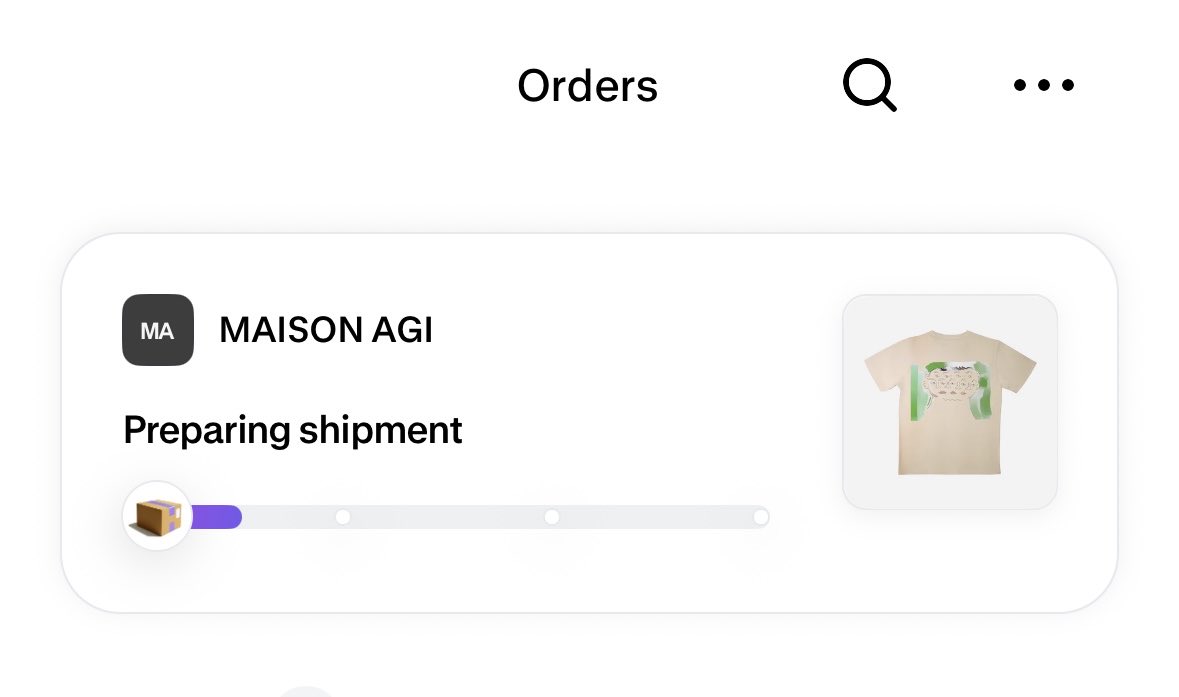
in case you were wondering where AGI is, mine’s en route
6
3
28
9,939

24 Oct 2025
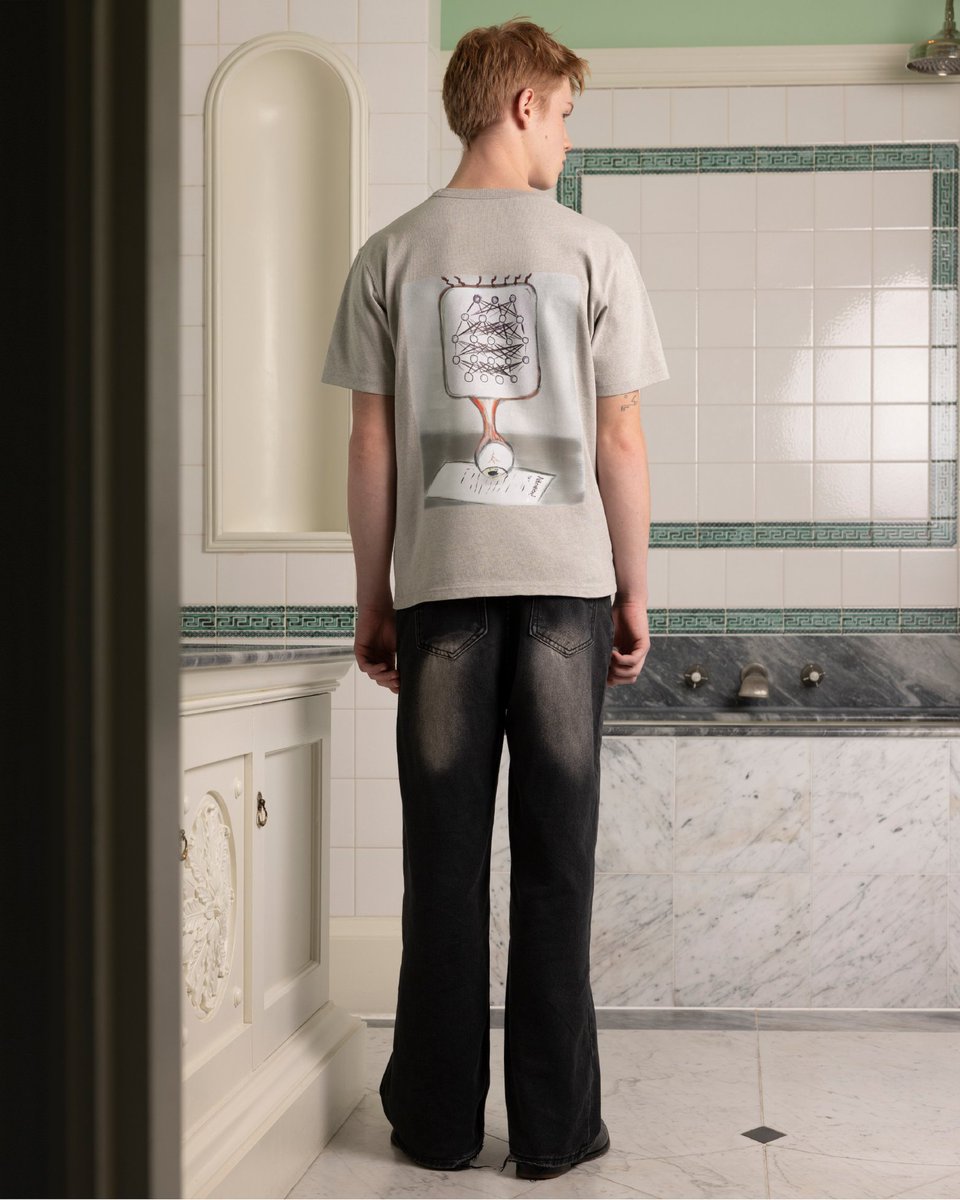
A nod to "Attention Is All You Need" (Vaswani et al., 2017)
Before Transformers, our models read text like humans do: word by word, left to right, holding onto context through a kind of sequential memory. It was slow and limiting.
The breakthrough was realizing we could let the model look at everything simultaneously. Imagine reading a sentence where every word can instantly "talk" to every other word to figure out what's important. That's attention. When you read "The animal didn't cross the street because it was too tired," the model can instantly connect "it" to "animal" rather than "street" by having all words attend to each other in parallel.
This architecture unlocked more efficient training at scale. Suddenly we could train on massive datasets because we weren't bottlenecked by sequential processing. More importantly, these models could discover patterns and relationships across much longer contexts, enabling emergent capabilities we see today.
This made it possible to go from narrow, task-specific models to the general-purpose AI assistants we're building and using today (eg ChatGPT, Claude).
1
1
3
3,504

Maison AGI retweeted

22 Oct 2025
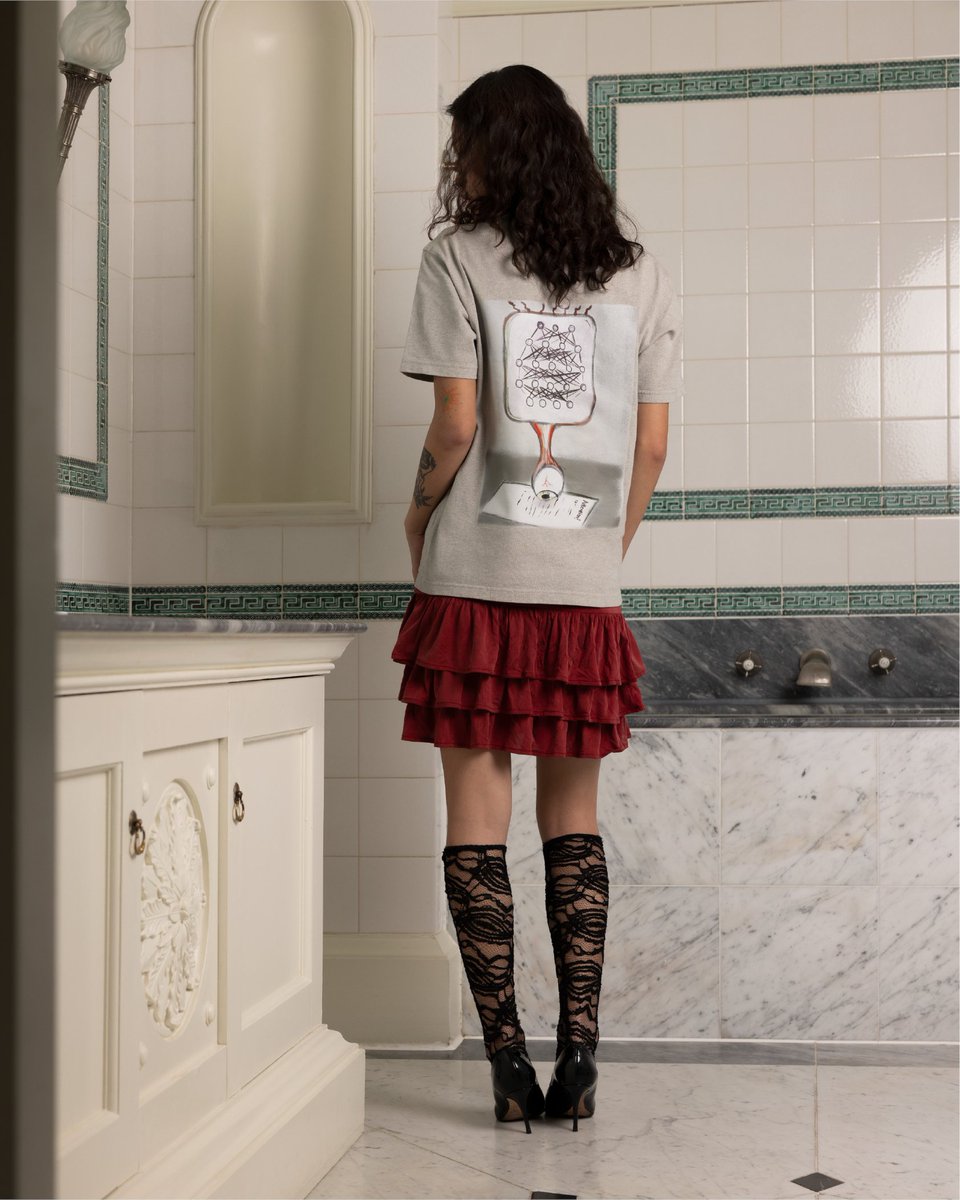
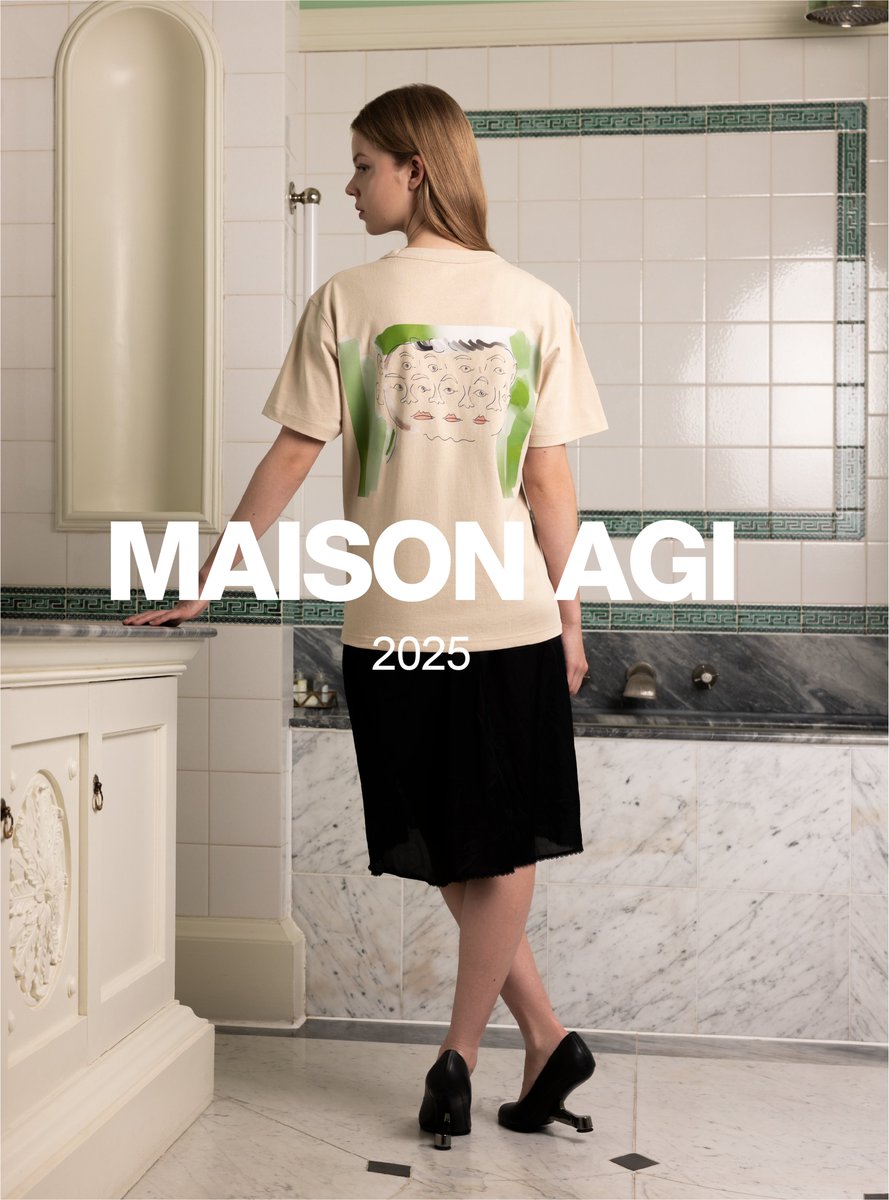
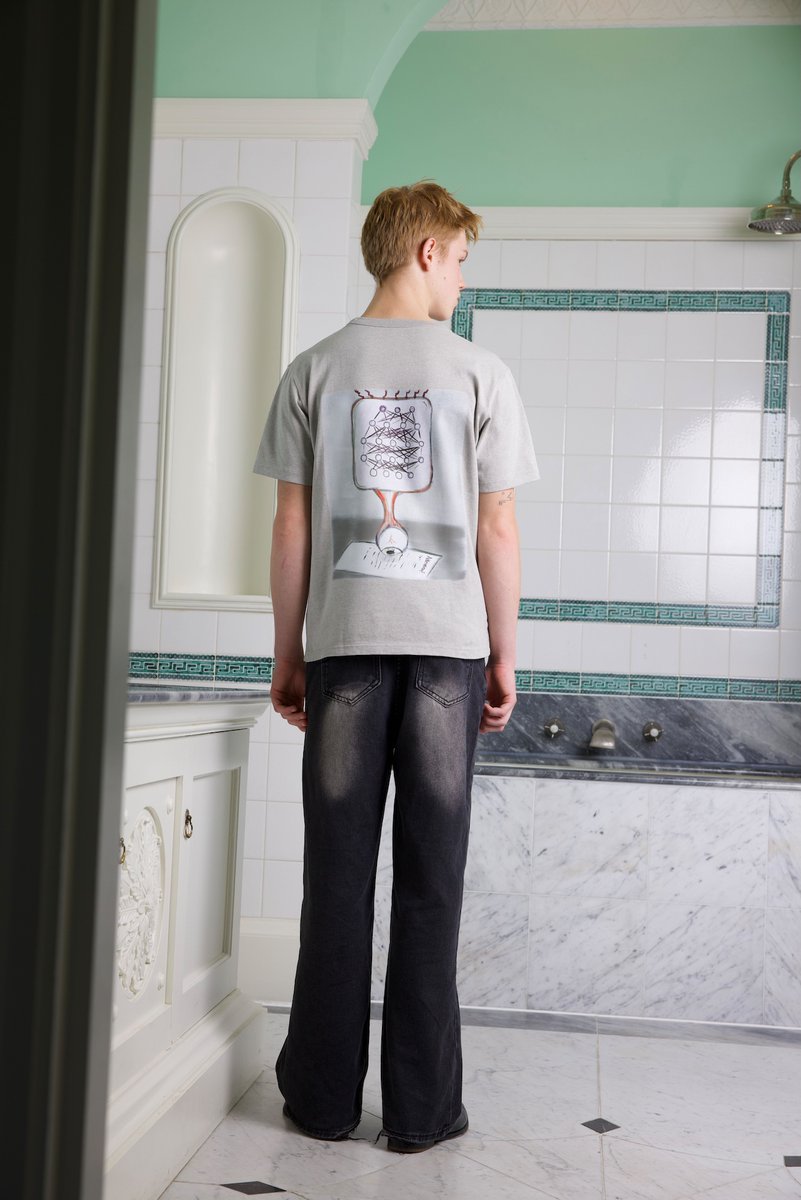
We’re kicking things off with the first half of the drop: three T-shirts that bring @ilyasut's incredible art to life! Multi-head, Attention, and The Gaze each tell their own visual story. Pick up any one and you’ll get early access to complete the look with the long-awaited hat.
Proceeds from this collection will fund grants for emerging artists and creatives exploring new forms of creation.
47
20
546
157,528
Maison AGI retweeted
15 Oct 2025
After a formative time at OpenAI, I’m launching Maison AGI (@maisonagi), a fashion house creating cultural artifacts for the AI era.
Our first collection, Relic of Thought, is a collaboration with Ilya Sutskever (@ilyasut), featuring his original artworks alongside a signature hat modeled after his iconic head. It is a study in conviction and the clarity of vision that gives thought its form.
I believe we're living through something extraordinary that deserves to be remembered. Not in research papers or technical model cards, but in tangible objects we can hold, wear, and pass down.
Working alongside some of the world's brilliant researchers building Claude and ChatGPT, I've come to realize they are among the most creative minds alive. Research, at its best, is an act of imagination: the ability to glimpse what doesn't yet exist and then build toward it. Many of them remain unseen, even as their work quietly reshapes our future.
Though AGI progress can feel incomprehensible from the outside, its story is deeply human - full of curiosity, conviction, and creation. We're bridging that world with the creatives who give form to ideas.
This may be humanity's last time to create a hand-crafted project before what we build surpasses us. Each collection is also a message to superintelligence itself: that we cared, and that we tried to make beauty out of understanding.
218
96
1,720
777,164