Nephrologist and Transplant Physician
Joined October 2016
- Tweets 4,587
- Following 919
- Followers 2,045
- Likes 13,905
325 Photos and videos



Pinned Tweet

19 May 2020
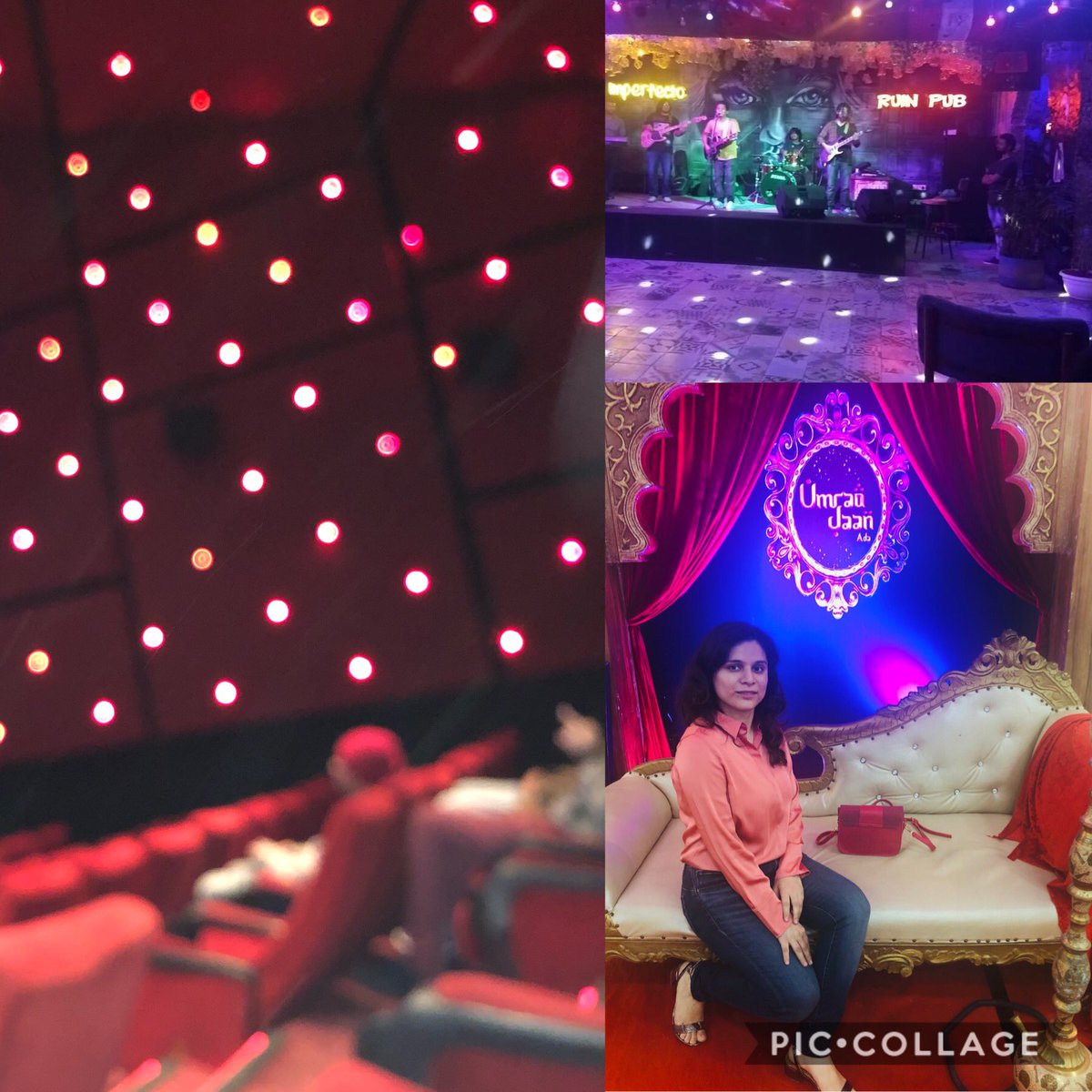
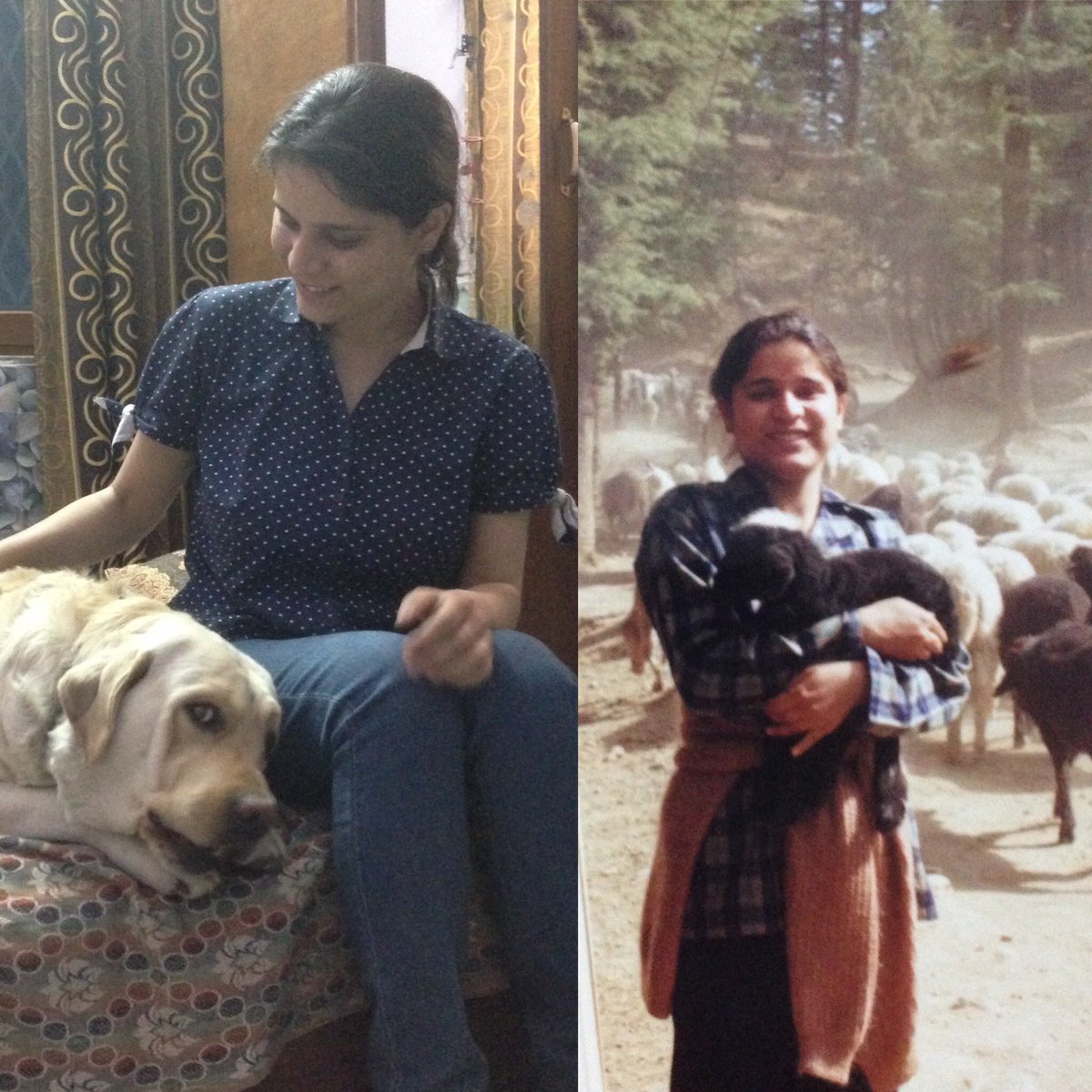
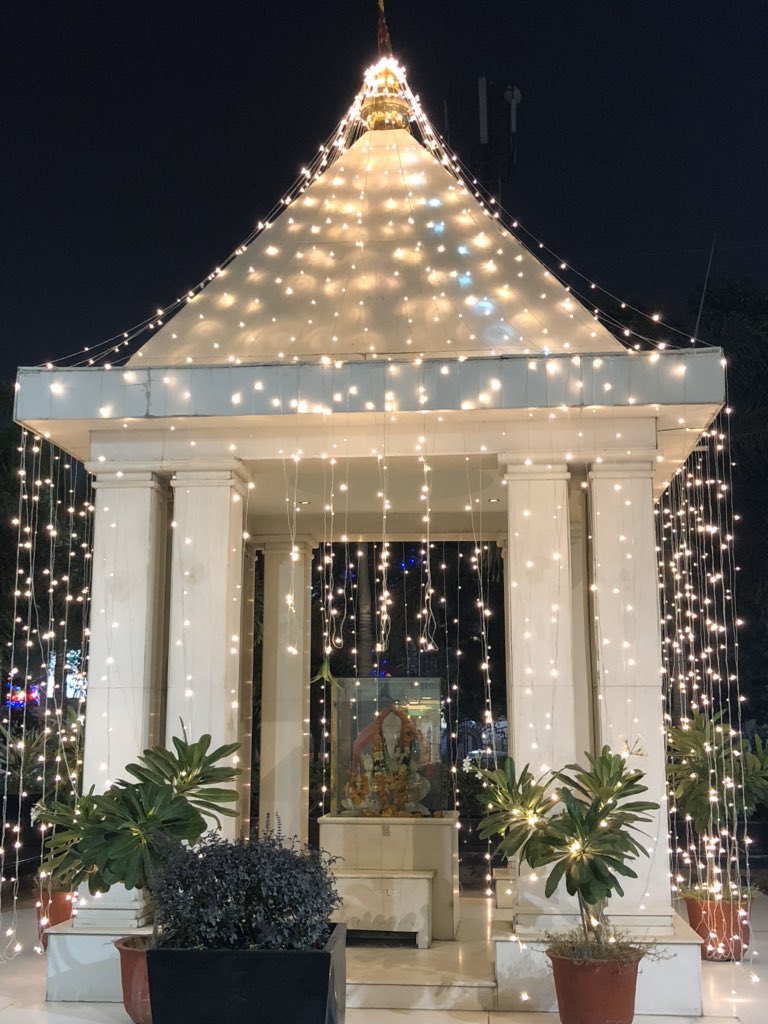
My life in pictures. No words. Just a picture everyday for 7 days. I was nominated by @gag_aggarwal
I nominate @drlovygaur
Day 1
10
17
Manisha Dassi retweeted

8 Jan 2024
Dear hospitalist,
Your patient isn't confused because the BUN is 55, it's cuz their GFR is 9 and you've given them full dose cefepime for three days.
Sincerely,
A job secured nephrologist
9
19
211
38,649
9 Jan 2024
Grateful not only for the qualification, also for the life training !
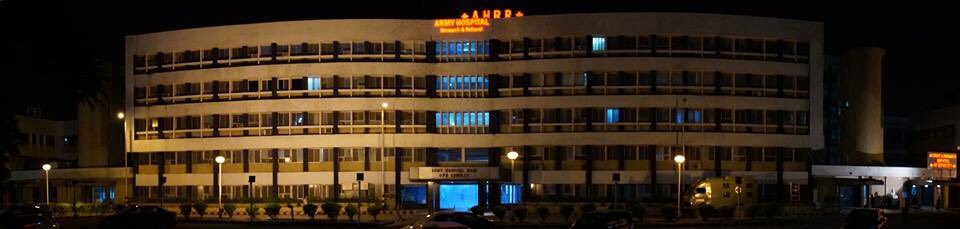
It was a done deal on my first day at #AHRR !
9 Jan 2024

Proud of my Alma mater
💥Did DNB Nephrology from premier institute for Super-specialisation in India
#FOAMed #MedEd #MedTwitter
2
528
Manisha Dassi retweeted

22 Nov 2023
Excited to have interviewed @ASNKidney President Dr Josephson about her upcoming talk at #ISNCON2023
Here is an excerpt ->tips for early career nephrologists👇
Full📽️ youtube.com/watch?v=MWox3rYz…
Register isncon2023.com
𝐃𝐞𝐜𝐞𝐦𝐛𝐞𝐫 𝟏𝟒-𝟏7, 𝟐𝟎𝟐𝟑 | Kolkata @isn_india
8
22
4,019
Manisha Dassi retweeted

4 Aug 2023
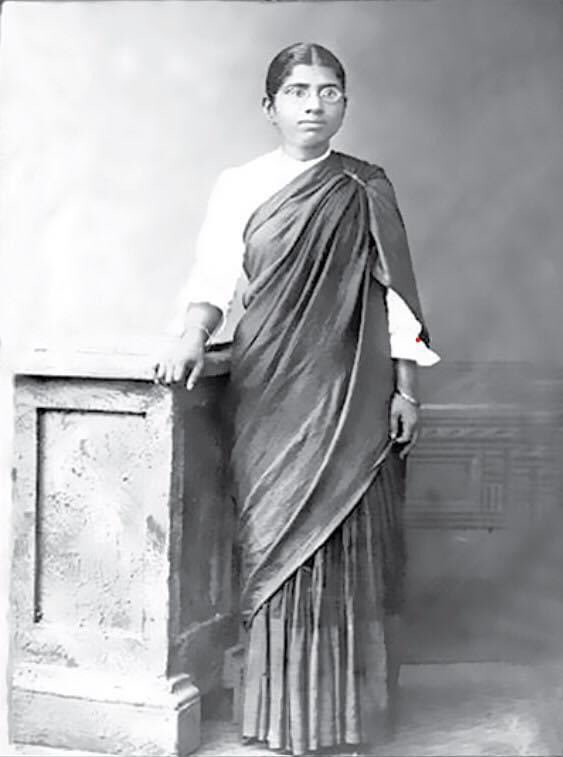
Victimhood is the modern day opium of the masses. While narratives of congenital disadvantages are common, stories of steely resolve that overcame them aren’t. Which is why it is important to remind ourselves of great souls.
Muthulakshmi Reddy was born in 1886 in the princely state of Pudukottai in Tamilnadu. Her father was Narayanswami Iyer. Her mother was a devadasi. In Tamil, they were called “Devaradiyar”.If you are an Indian, I don’t need to tell what that means. In case you didn’t know, they were women who were ostensibly “dedicated” to temple deities tasked with passing on the baton of the art of dance to the next generation. The grim reality was different. They were often subjected to exploitation and were considered prostitutes by the British government. It was actually worse than prostitution- no one chose to be a devadasi. The prepubescent girl was initiated into the system by a religious ceremony which ensured her permanent status as a concubine. She would have a male patron, but no rights to his surname or inheritance. Devadasis needn’t marry and were called, “Nityasumangali” - meaning immune to widowhood. It was a crass euphemism - after all, you can’t become a widow if you aren’t married.
Luckily for Muthulakshmi, her father was an academician and a school principal. A sole oasis in an otherwise barren desert. He gave her the power of education. The class in which she studied had 40 boys and 3 girls - separated by a screen. Even then the parents of the boys objected, fearing their “innocent” sons would be ensnared by a prepubescent femme fatale.This may sound absurd, but this was a common trope in those days. One of the teachers resigned in protest. But her father stood with her and provided her a plank. After attaining puberty, she was home schooled, as was the tradition in those days. She wanted to change not just her destiny, but also those of others. She asked the Maharaja of Pudukottai for funds to study medicine.The stunned Maharaja gave her a princely sum of Rs.150 which was the much needed escape velocity that changed her trajectory.
She became the first woman to enter Madras medical college. She was studious and bagged several medals. When she wanted to take obstetrics and become a surgeon, the professors were shocked. Surgery with its blood and gore, was considered a man thing then. Nevertheless, with characteristic persistence, she became an obstetrician. She started catering to the elite professionals first. However, a turning point happened soon.
Her sister developed rectal cancer and eventually died. Back then, cancer wasn’t known to the public as the emperor of maladies. Those who were unlucky enough to get it were considered doomed. No one wanted to spend on a lost cause. So Dr Muthulakshmi took it upon herself to go to the UK and trained in Royal Marsden hospital to manage cancer patients. She had a rare combination of strong roots and powerful wings. She came back to Madras, but faced painful apathy about cancer.
She turned to Women’s India Association - which helped fund, the first cancer hospital in Madras - the Adyar cancer institute. One day, three girls from Namakkal ran away from the Devadasi system and asked her , “Now what will happen of us? Where will we stay?”. She realized the dire problem and set about the long journey that would culminate in their emancipation.
She sheltered them, but not just them. She started the Avvai home. She met Sarojini Naidu and became a nationalist. Realizing the importance of political power, she went on to become the first woman to join the legislative council in British India. She was also the first woman in the world, to become the deputy President of a legislative council.
15
136
470
60,049
Manisha Dassi retweeted
22 Jul 2023
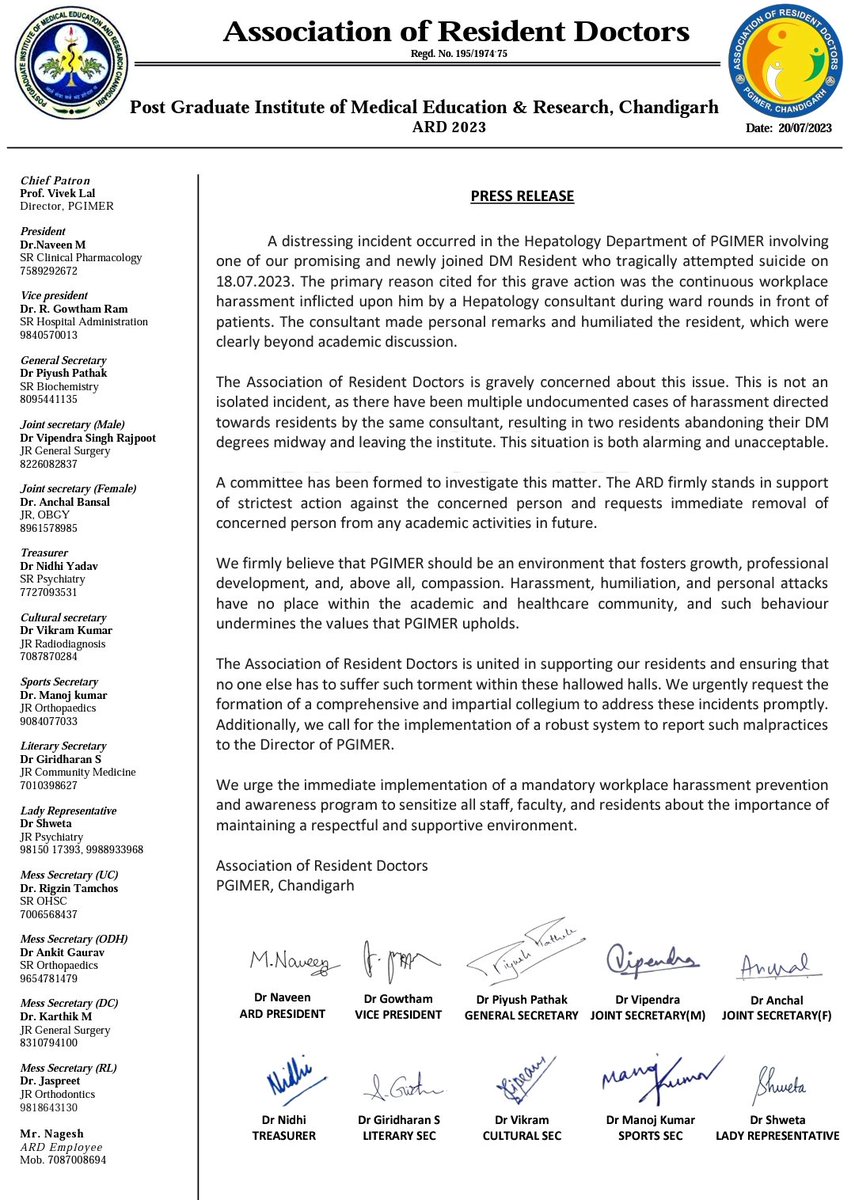
Glad the Resident doctors are FINALLY standing up for themselves! Toxic residency cultures in most residency programs 🇮🇳 need to be checked. No more “we had it worse” “these kids need to learn the hard way”
Feel sorry for the resident, and many like them. Stay 💪🏽
21 Jul 2023

Requesting to @narendramodi ji & @mansukhmandviya ji
Kindly look in this matter personally !!
& After proper investigation, provide justice for Doctors by giving strict punishment .
4
15
2,565

Manisha Dassi retweeted

14 Apr 2023
13 Apr 2023

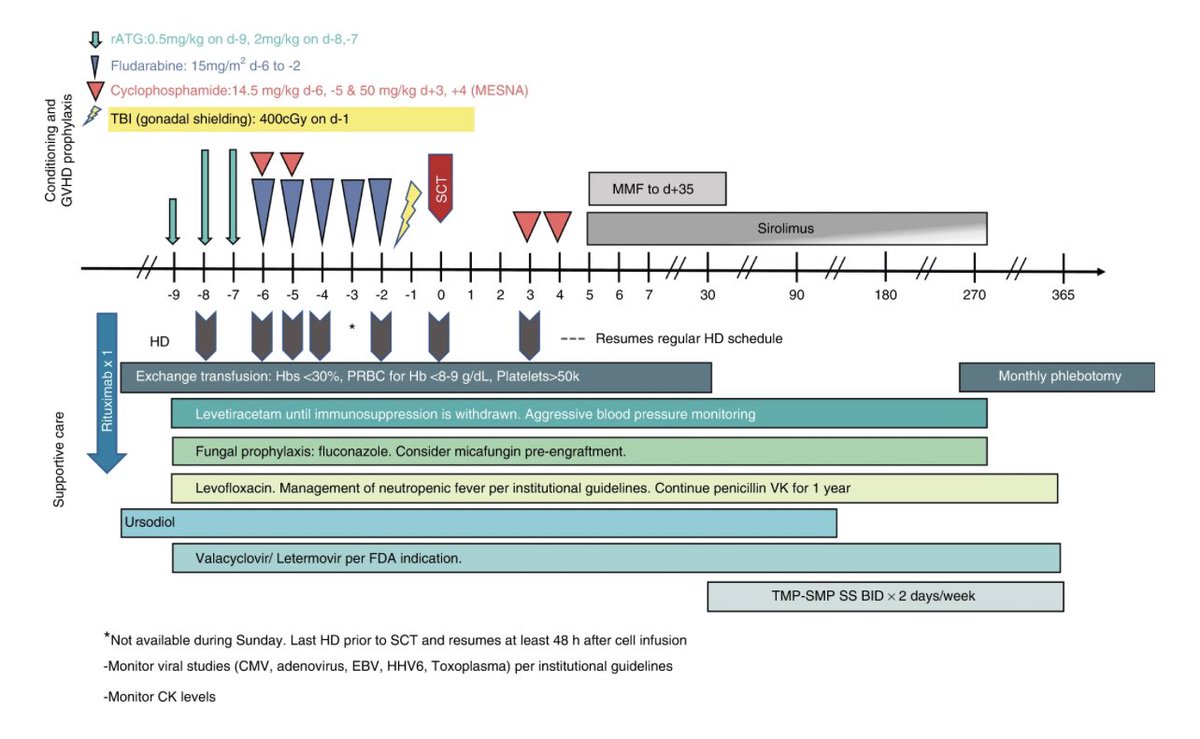
Haploidentical allogeneic transplantation with post-transplant cyclophosphamide and subsequent kidney transplant for patients with severe sickle cell disease with end-stage kidney disease #bmtsm
nature.com/articles/s41409-0…
Congratulations @AGomez_MD @NinaOrfali @WeillCornellBMT
3
3
824
Manisha Dassi retweeted
22 Mar 2023
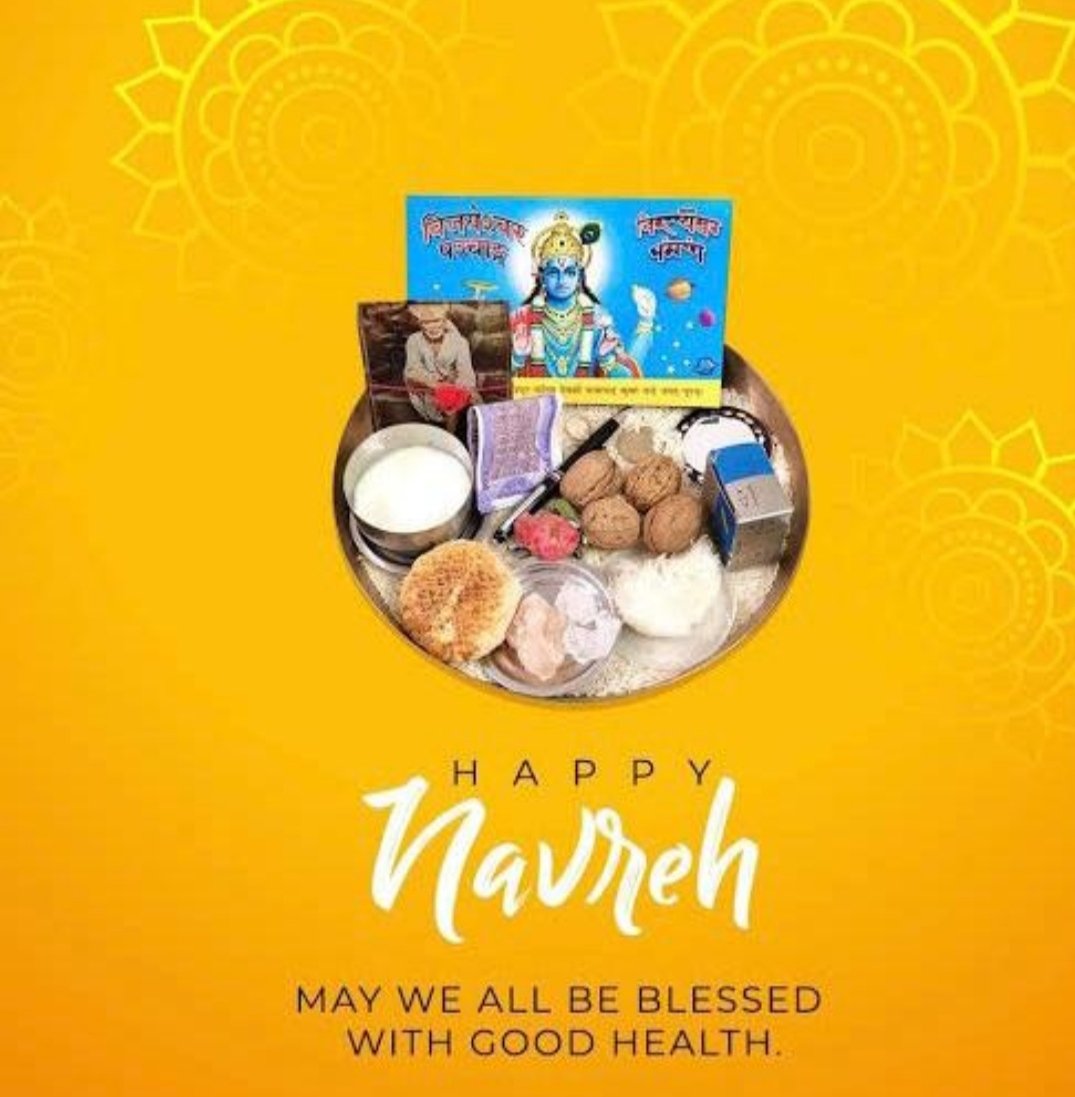
Navreh Mubarak !
22 Mar 2023

Navreh Mubarrak 🙏🥰🙏
I hope this New Year ushers in hope, blesses us with good health and confidence and showers us with all the happiness 🙏🙏🙏
Happy Kashmiri New Year 🙂
1
1
6
829
Manisha Dassi retweeted

13 Mar 2023
People have started looking for “Telugu” on the Indian map
2
1
14
2,210
Manisha Dassi retweeted

12 Mar 2023
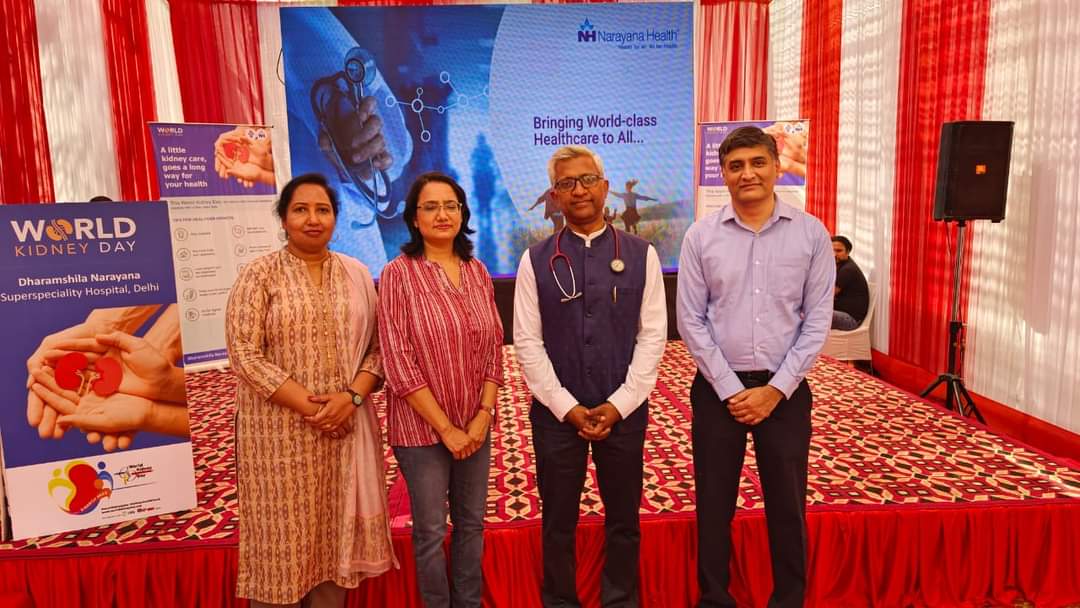
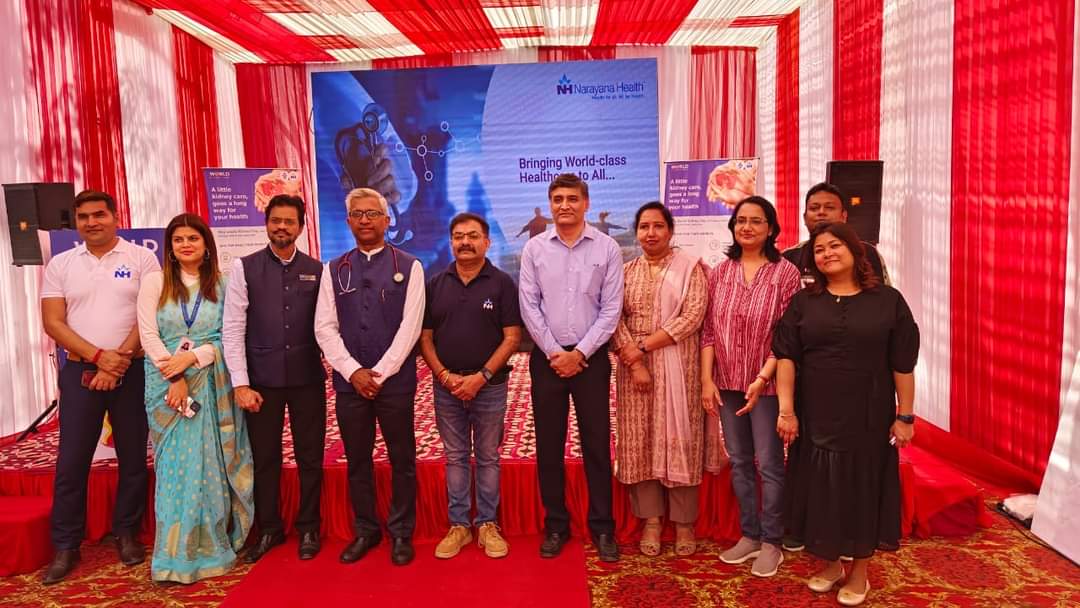
Kidney Warriors Foundation felt honoured to be at #WorldKidneyDay2023 celebrations at Narayana Dharmshila Hospital, Vasundhara Enclave, Noida.
With Dr Lakshmi Kant Jha and Dr Yasir S Rizvi, their complete team our KWF members Karam Jeet Kaur and Monika Sambhav Verma.
1
3
10
745
Manisha Dassi retweeted
8 Mar 2023
Majority of women in India suffer from iron deficiency anemia.. spending the most productive years in slow suffering without realising it.. my wish for women’s day is for women to seek help for anemia and live a full life, a 100% and nothing less.. #8MarchWomensDay #anemia
3
26
1,905
Manisha Dassi retweeted

14 Feb 2023
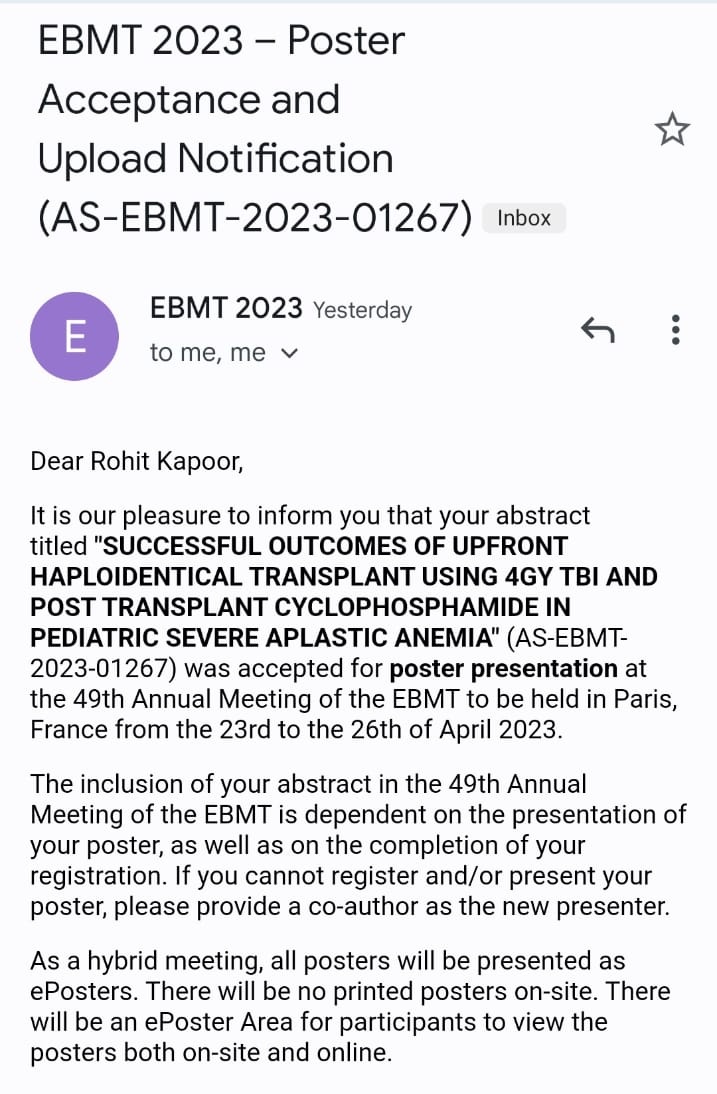
Our abstract"SUCCESSFUL OUTCOMES OF UPFRONT HAPLOIDENTICAL TRANSPLANT USING 4GY TBI AND POST TRANSPLANT CYCLOPHOSPHAMIDE IN PEDIATRIC SEVERE APLASTIC ANEMIA" has been accepted in the EBMT annual meeting 2023
- Dr.Esha Kaul &team
@EshaKaul1 @TheEBMT @MaxHealthcare @SoumyaSachdeva
2
3
13
1,598
Manisha Dassi retweeted

30 Jan 2023
youtube.com/watch?v=x_UINp0U… plz check .. excellent webinar plz share and subscribe to winindia channel
1
4
8
485
Manisha Dassi retweeted

9 Dec 2022
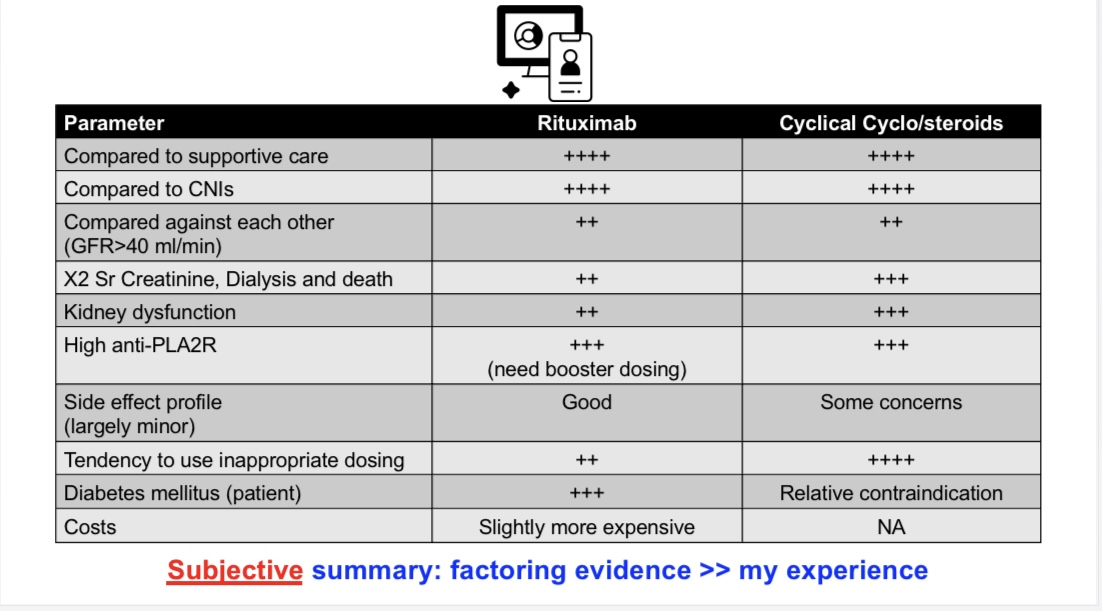
My subjective assessment (summary) for the use of Rituximab versus cyclical CYC/CS (Tweet 27)
1
9
19
Manisha Dassi retweeted

31 Oct 2022
1/11
The incidental finding of a low white cell count in asymptomatic individuals of African ancestry is not uncommon.
The condition used to be called BENIGN ETHNIC NEUTROPENIA (BEN).
4
34
133
Manisha Dassi retweeted

16 Oct 2022
The work done by @kidney_warriors on FB and WA is amazing. They are now moving to work on the ground across the country & I'm all for it.
Getting patients to advocate for their Healthcare will push HCWs & policymakers to do better
cc: @Vasuragh @sejaljobanputra #ISOT2022Nagpur
16 Oct 2022

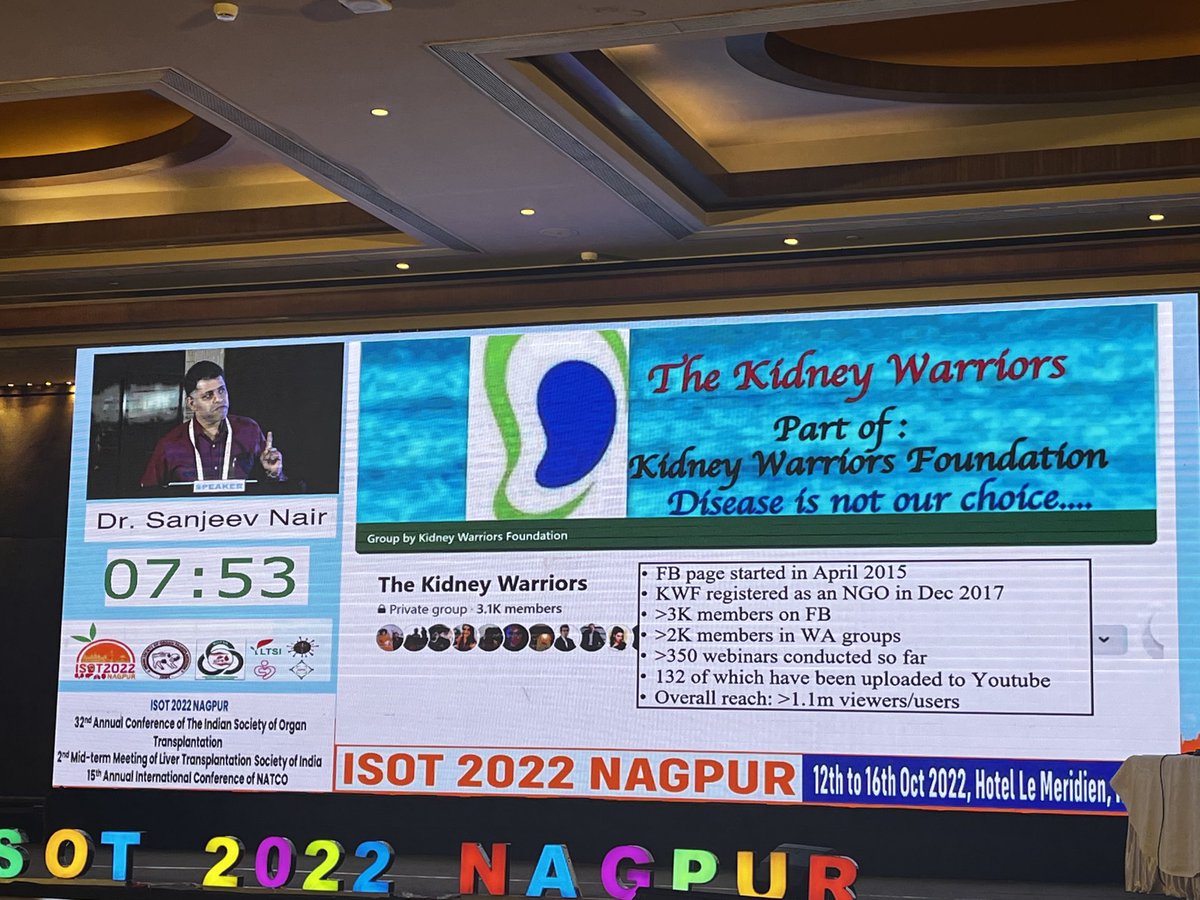
#isot2022nagpur
@Nair_Sanj kickstarts the social media session
He talks about how kidney warrior foundation helps built pt education
2
7
23
Manisha Dassi retweeted

14 Oct 2022
What’s the biggest mistake you have done in your viva ?
Mine : I told External the name of facial muscle as Levator ani ( instead of levator labii superioris )
151
24
544

Trying to do stats for your paper without a statistician x.com/SlenderSherbet/status/…
7
48
474
7 Oct 2022
Excited despite no mention of S. Creatinine in the paper !
@EshaKaul1

4
Manisha Dassi retweeted

28 Sep 2022
I would like to nominate @Vasuragh and her @kidney_warriors team for the #nephjckidneys social justice award. They have done so much for #CKD pts.
27 Sep 2022

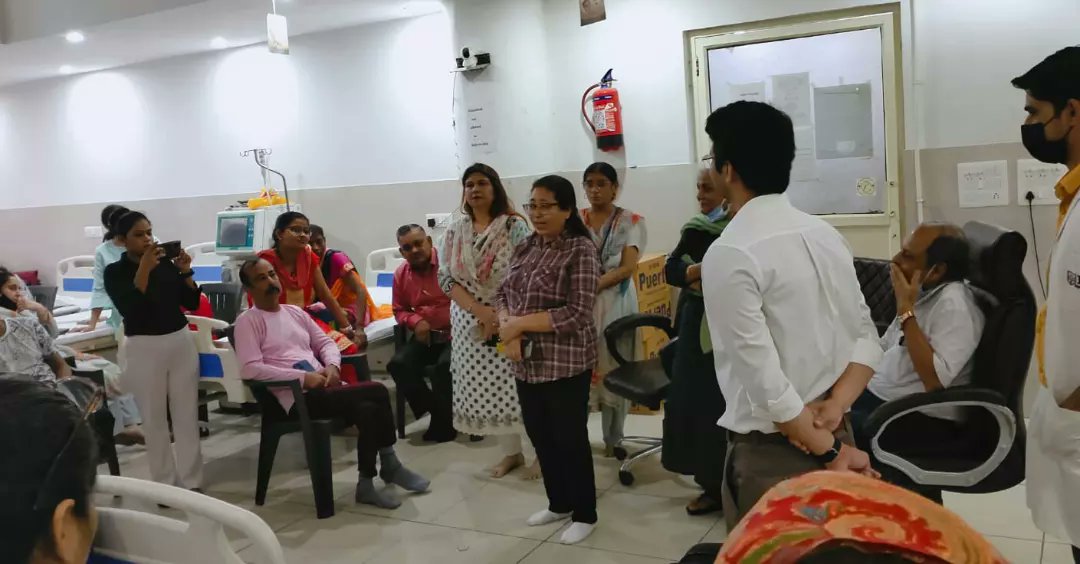
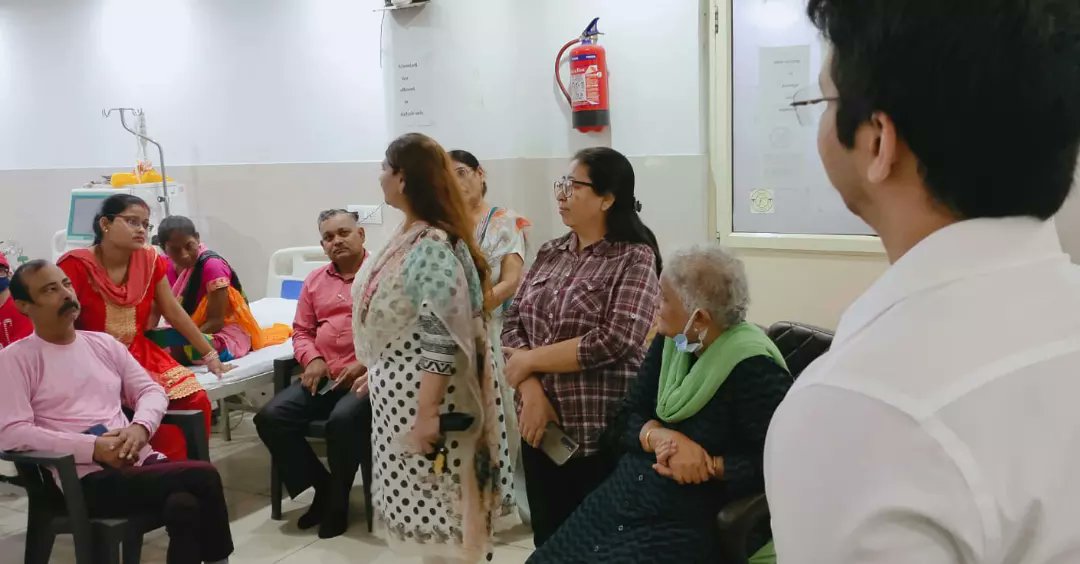
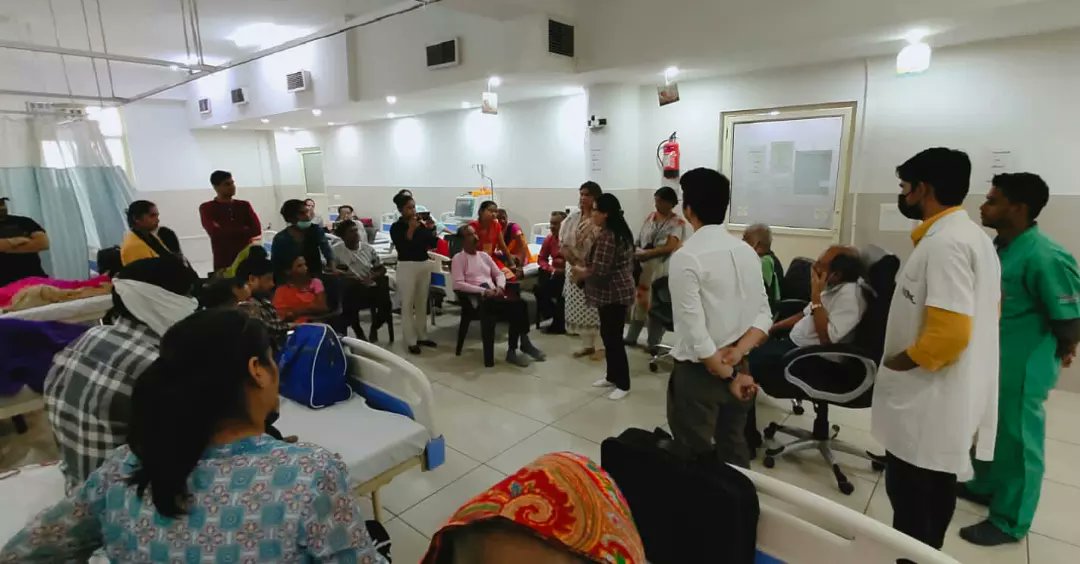
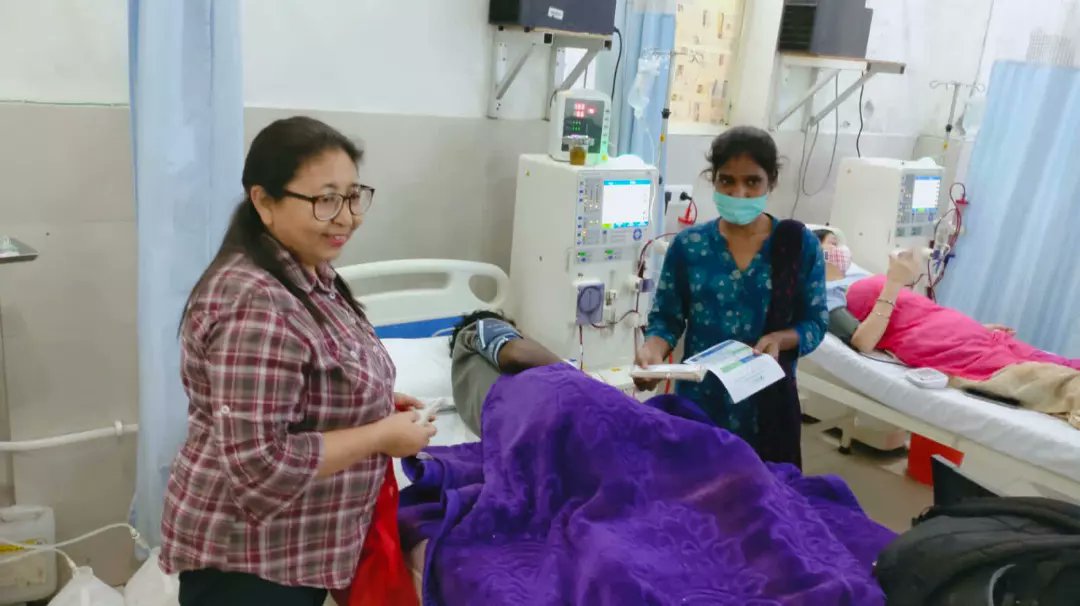
#AIIMS #spreadawareness
#KWF members Yangchen Dolma and Vandana Chawla encouraged people to #managehealth and transplant with #rightattitude and patients to use apps to set reminders for water and medicine
#helpinghands #kidneypatient #kidneydisease #teamwork #kidneytransplant
3
20
42