Joined January 2008
- Tweets 53,327
- Following 2,773
- Followers 4,141
- Likes 29,213
1,531 Photos and videos




Pinned Tweet

5 Aug 2024
Muchas personas en Venezuela se burlaron del comentarista deportivo que hablo de cuando "Michael Phelps en las Olimpiadas de Munich puso en jaque a la Alemania de Hitler".
Mientras más leo las redes sociales, veo que el germen de esa sabiduría de telenovela está ahí, vivo.
3
5
4,062
Francisco Palm ⚜️ (aka map-o-logo) retweeted

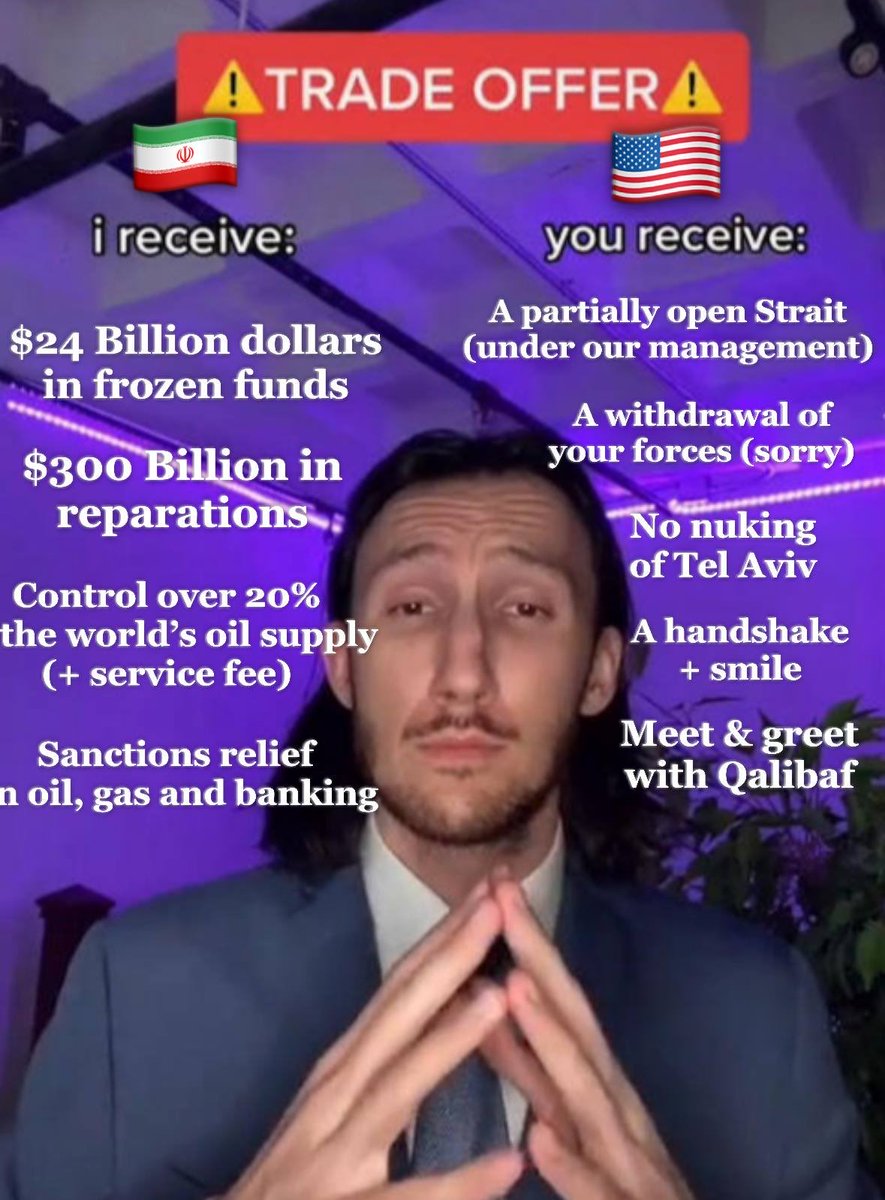
🤣🇮🇷 GREAT JOB IRAN!
14
57
346
14,451
Francisco Palm ⚜️ (aka map-o-logo) retweeted

Lo hemos dicho antes y lo repetimos en 2026. Y hasta que haga falta: explotar mujeres no es motivo de orgullo. Explotar las capacidades reproductivas de las mujeres no es ni disidencia ni resistencia.
Es extractivismo reproductivo y debería ser rechazado, denunciado por los organizadores y patrocinadores de @MADOrgullo @FELGTBI @COGAM @MADRID
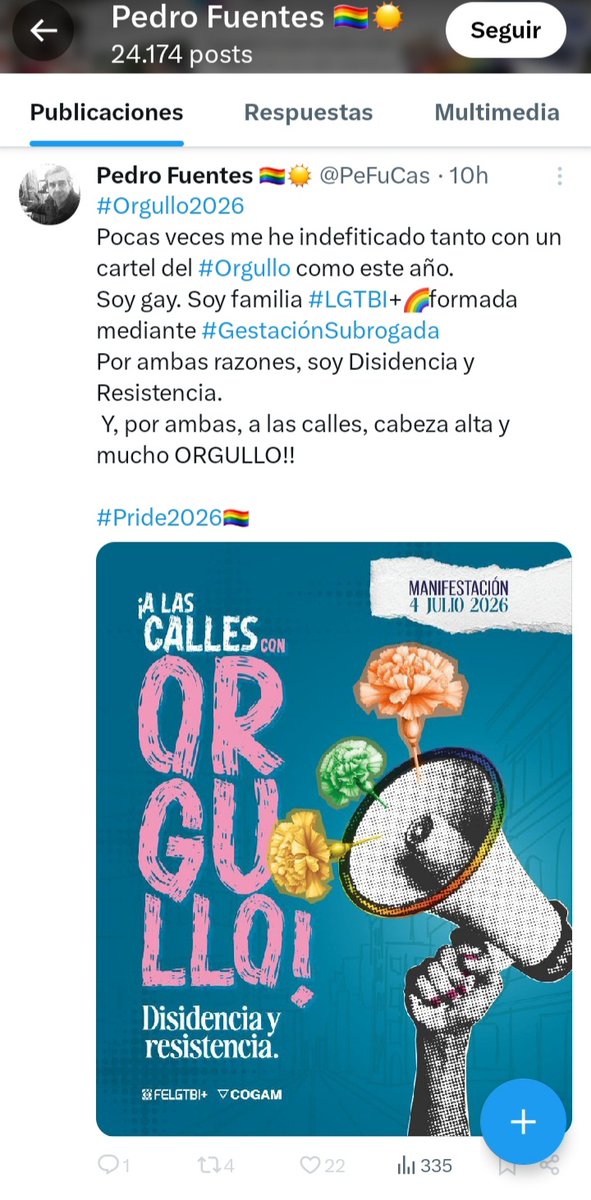
7
170
362
6,090

Chemo can't tell a cancer cell from a healthy one. That's the entire side-effect problem.
Nobel Prize winner Dr. Jennifer Doudna's lab just built something that can. It reads the cell's RNA, and if it finds the message for mutant p53, the single most common typo in cancer, it triggers a CRISPR enzyme to shred that cell's DNA.
One wrong letter is the trigger. Healthy cells, spared.
The killing works. In mice, a single dose roughly halved the tumors.
The unsolved half is getting it into every tumor cell in a living body. That's where every CRISPR cancer idea has stalled. Real advance, real wall.
Jun 10

A new CRISPR-based approach can selectively destroy cancer cells, according to a recent UC Berkeley-coauthored study. The technique opens a new frontier for treating the mutations found in nearly half of all cancers—including some of the most difficult types.
bit.ly/4e2x5aQ
28
374
2,035
333,903
Francisco Palm ⚜️ (aka map-o-logo) retweeted

Jun 12
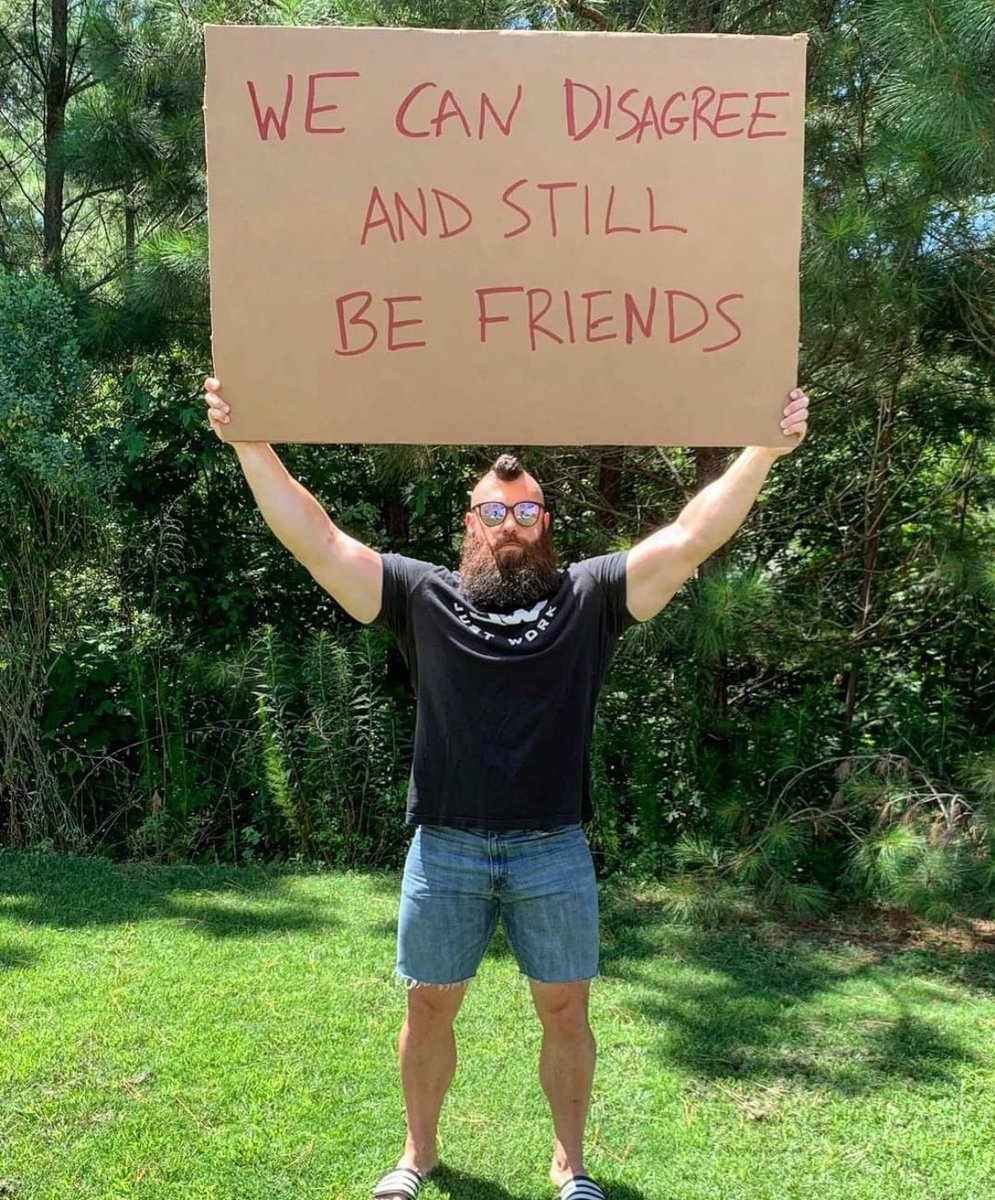
If it’s “pineapple belongs on a pizza” yes
If it’s “burning children alive is worth it so Jews can have an ethnostate” then no

332
16,773
103,151
1,462,312
Francisco Palm ⚜️ (aka map-o-logo) retweeted

Jun 13
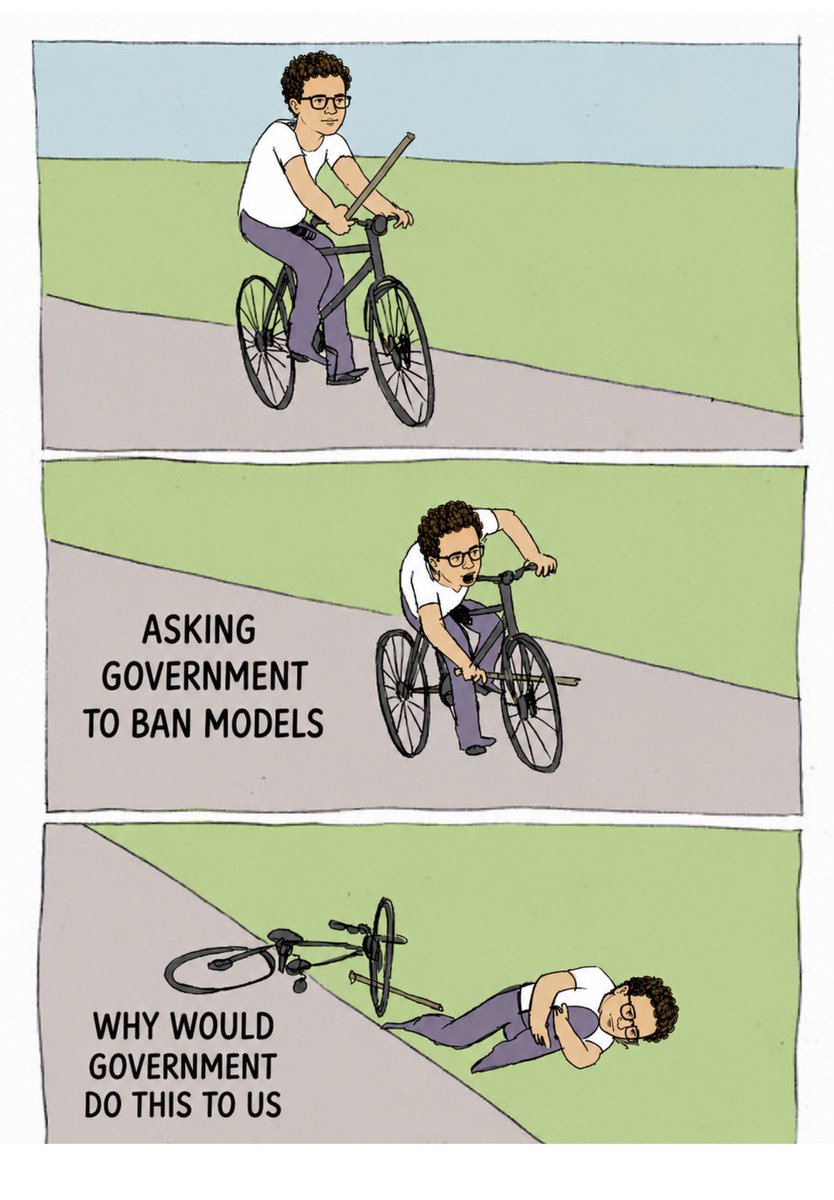
Very stable genius
16
56
600
39,306
Francisco Palm ⚜️ (aka map-o-logo) retweeted

Jun 12
Yup
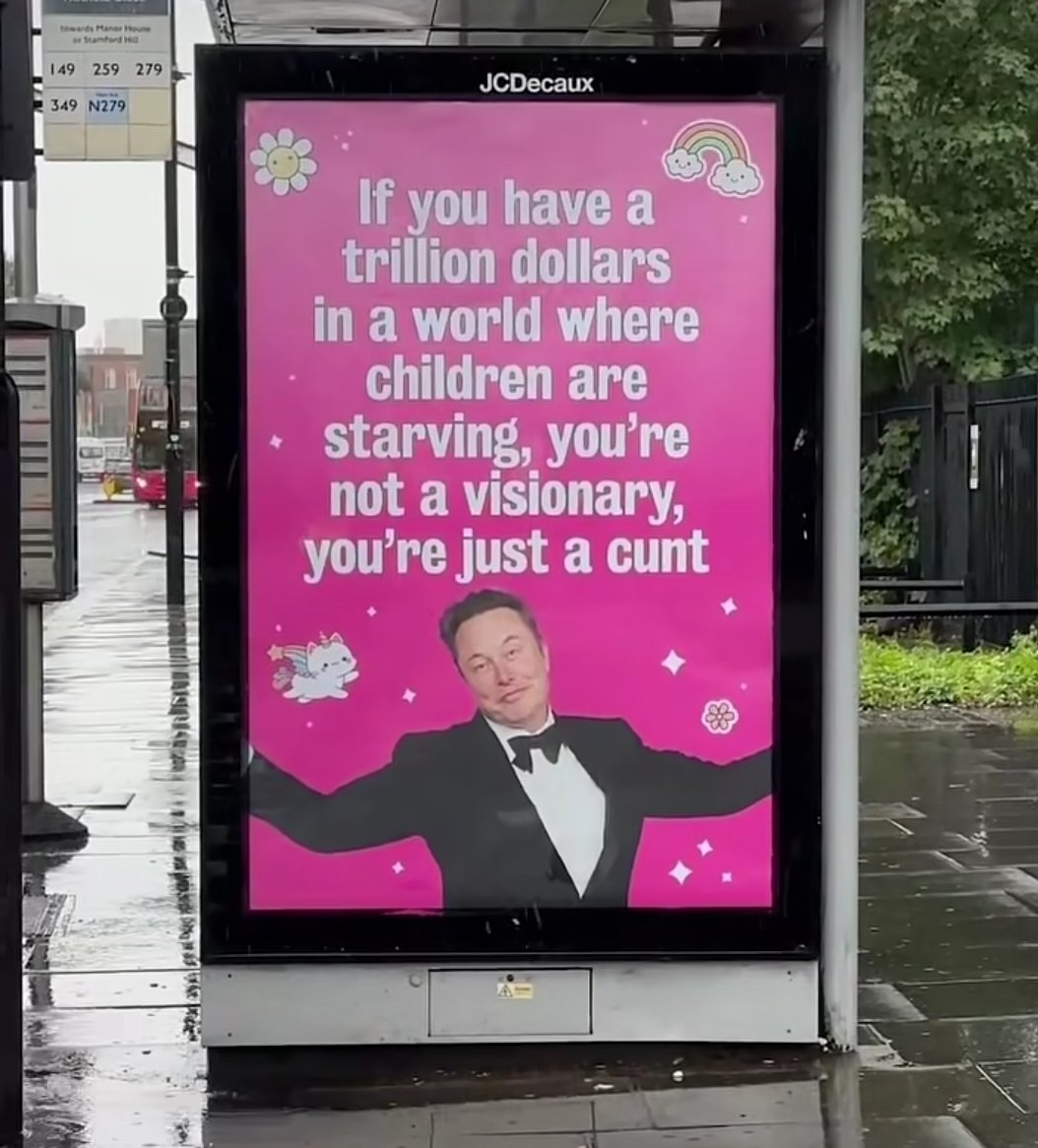
1,821
48,531
289,396
1,925,705
Francisco Palm ⚜️ (aka map-o-logo) retweeted

Jun 13
Bloomberg is owned by the world's 18th richest man.
Billionaires emit more carbon in one hour than a poor person does in a lifetime.
This is propaganda.
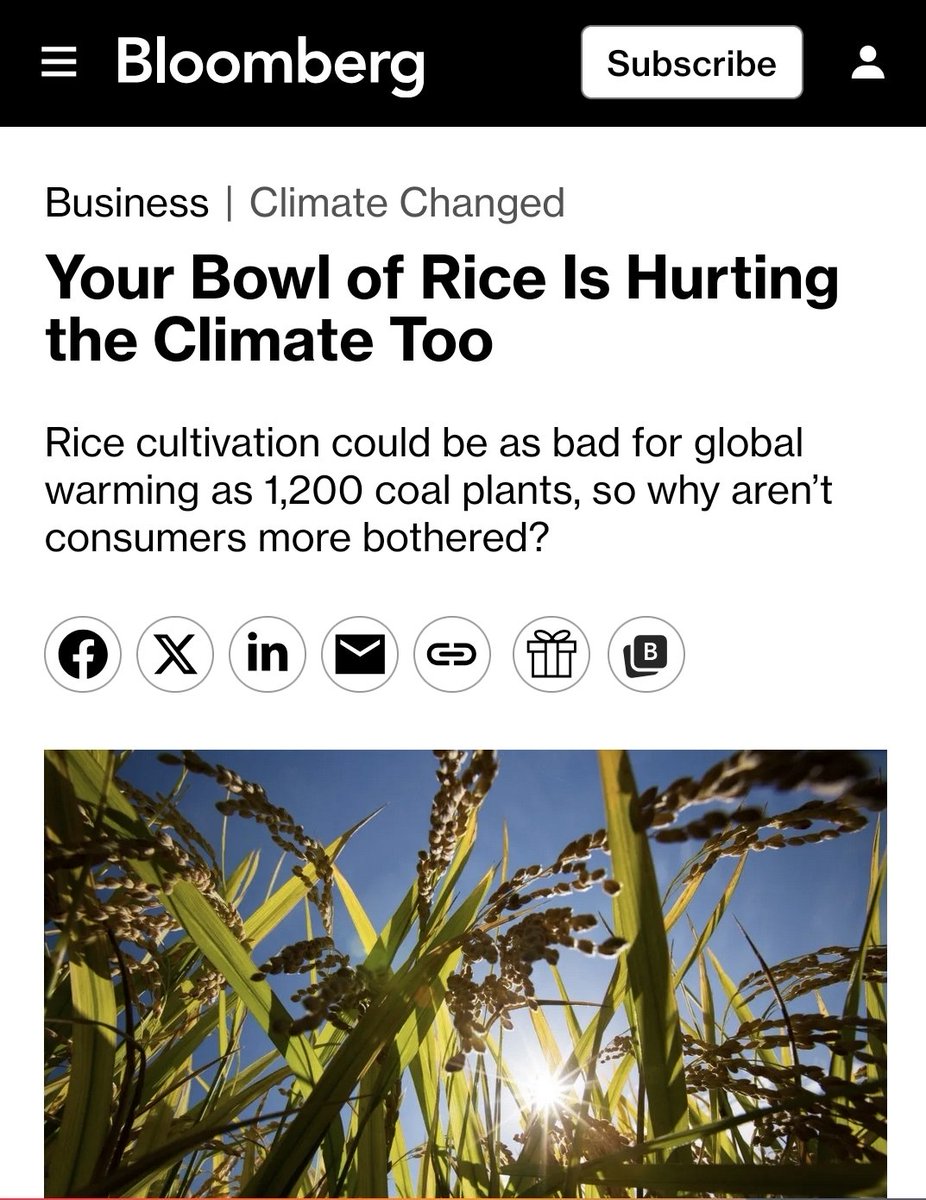
163
7,647
27,649
211,111
Francisco Palm ⚜️ (aka map-o-logo) retweeted

Jun 13
Why are you fine with an entire foot made of flesh, but a single metal spike is too much? The only possible explanation is that you have a seething hatred of metal. It can't possibly be that you object to a foreign object being violently forced into a region where it does damage.
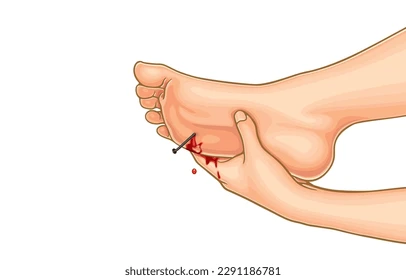
Jun 13

Why are you fine with the existence of approx 50 Islamic nation-states, but the single Jewish one is apparently too many?
You people are so dumb you don’t even realize how loudly and often you tell on yourselves.
136
1,389
7,361
92,405
Francisco Palm ⚜️ (aka map-o-logo) retweeted

Jun 14
allCodeIsOurs
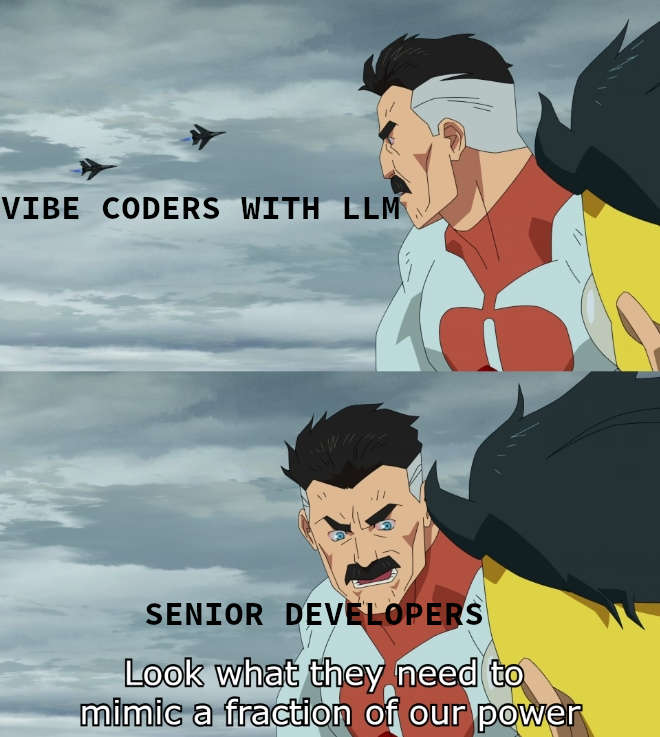
4
25
399
13,083
birds for some reason youtu.be/bp4_7T9J6Fg?si=XV-n… via @YouTube
Immortally epic
21
Francisco Palm ⚜️ (aka map-o-logo) retweeted

Jun 13
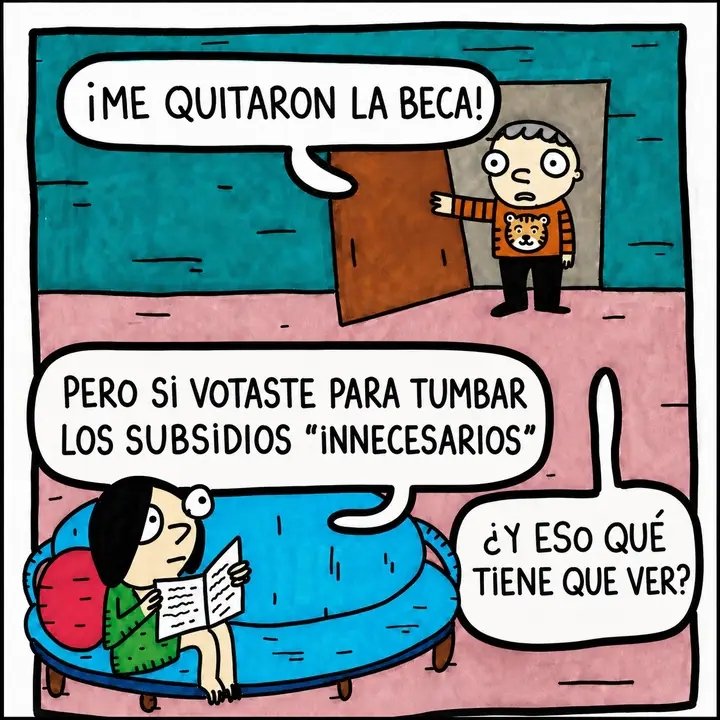
90
7,660
52,896
462,021

Francisco Palm ⚜️ (aka map-o-logo) retweeted

Mar 27
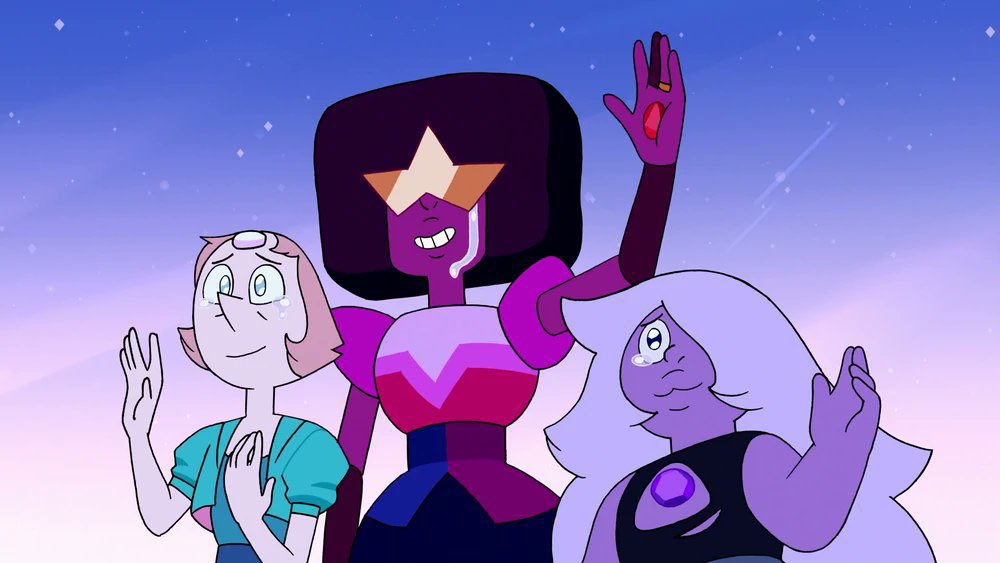
I could never hate steven universe future. I genuinely think it's incredible. But it makes me so sad it's unbearable




7
70
673
9,985
Francisco Palm ⚜️ (aka map-o-logo) retweeted

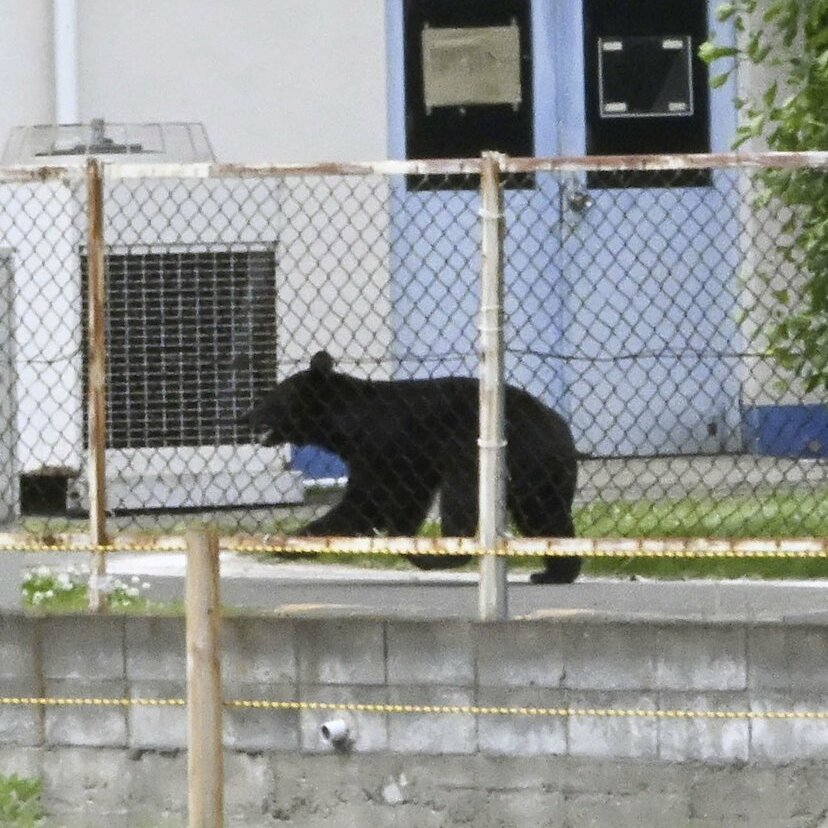
'Extremely intelligent' bear escapes factory by opening a window after attacking four people in Japan
The bear avoided traps, shrugged off a tranquilizer dart and escaped a factory by apparently unlatching a window. Authorities in Fukushima are still searching for it
61
80
917
91,196
Francisco Palm ⚜️ (aka map-o-logo) retweeted
🇷🇺 Putin REVEALS Iran NEVER ASKED Russia for weapons
‘And we have NOT provided them with any weapons’
82
852
4,414
81,350
Francisco Palm ⚜️ (aka map-o-logo) retweeted

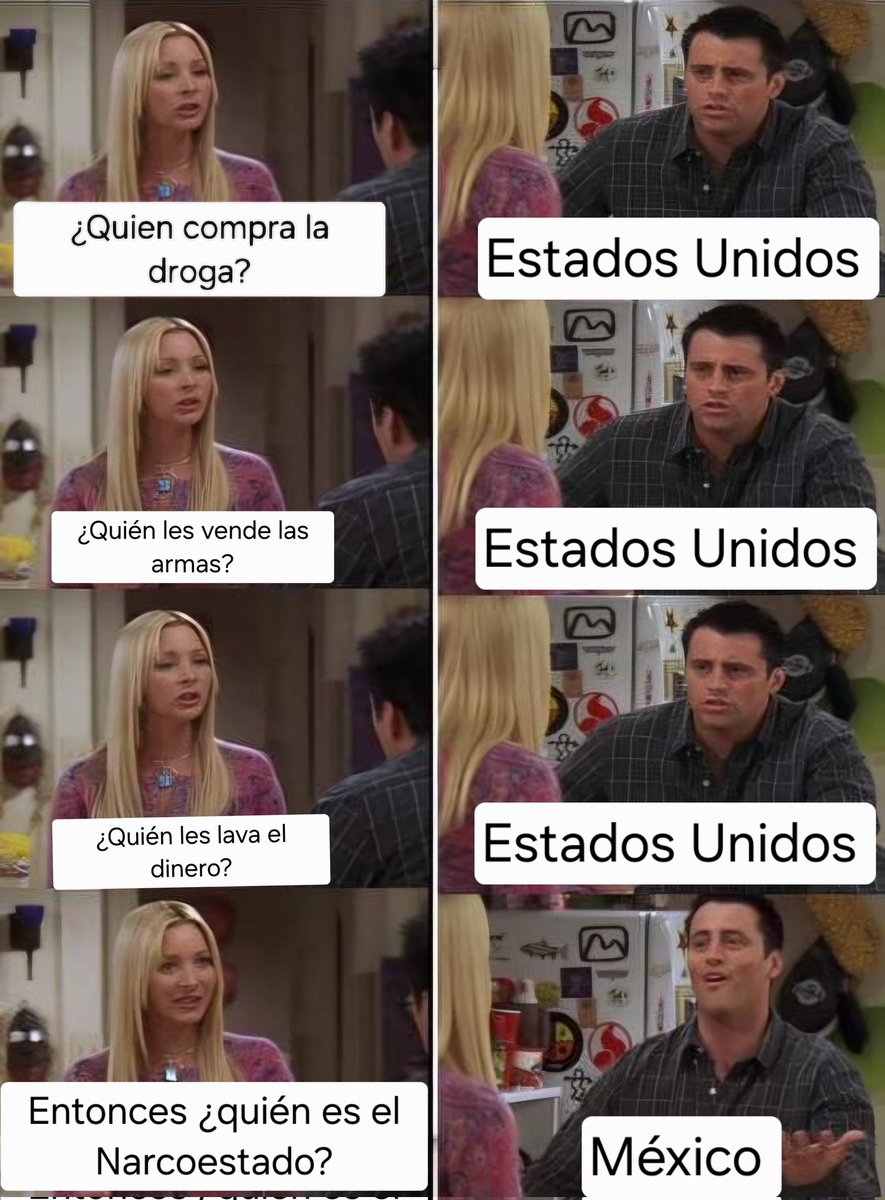
Compartan para que la gente deje de creer que México es el problema
432
5,220
15,647
160,220

Stanford OpenLab is hosting a seminar session with Matt White (@matthew_d_white) next Monday (June 8) for a conversation on open source AI infrastructure and the future of the AI ecosystem.
Matt will share his perspective on the role of open source software in advancing AI, including how foundational tools, frameworks, and community-driven infrastructure are shaping the development and deployment of AI systems.
He'll also explore opportunities and challenges around open source AI, developer ecosystems, enterprise adoption, and the future of AI infrastructure.
Hosted by Kun Peng (@Stanford)
🔗 Learn more: luma.com/idmjowzj?tk=V6chEGH…
2
7
28
5,739
Francisco Palm ⚜️ (aka map-o-logo) retweeted

Jun 2
Este tipo dice que las mujeres no se enfrentan directamente a los trans porque saben que les reventarán la cara. Lo sabemos, sí.
Precisamente porque sabemos que los varones no pueden ser mujeres. Y porque también sabemos que esos tipos son varones violentos y misóginos.

May 30

les terfs c’est tellement des petites merdes ça me bute parce que irl elles oseront jamais dire toutes leurs conneries aux femmes trans parce qu’elles savent que ça va leur défoncer leur race
6
95
330
3,115
Francisco Palm ⚜️ (aka map-o-logo) retweeted

Jun 3
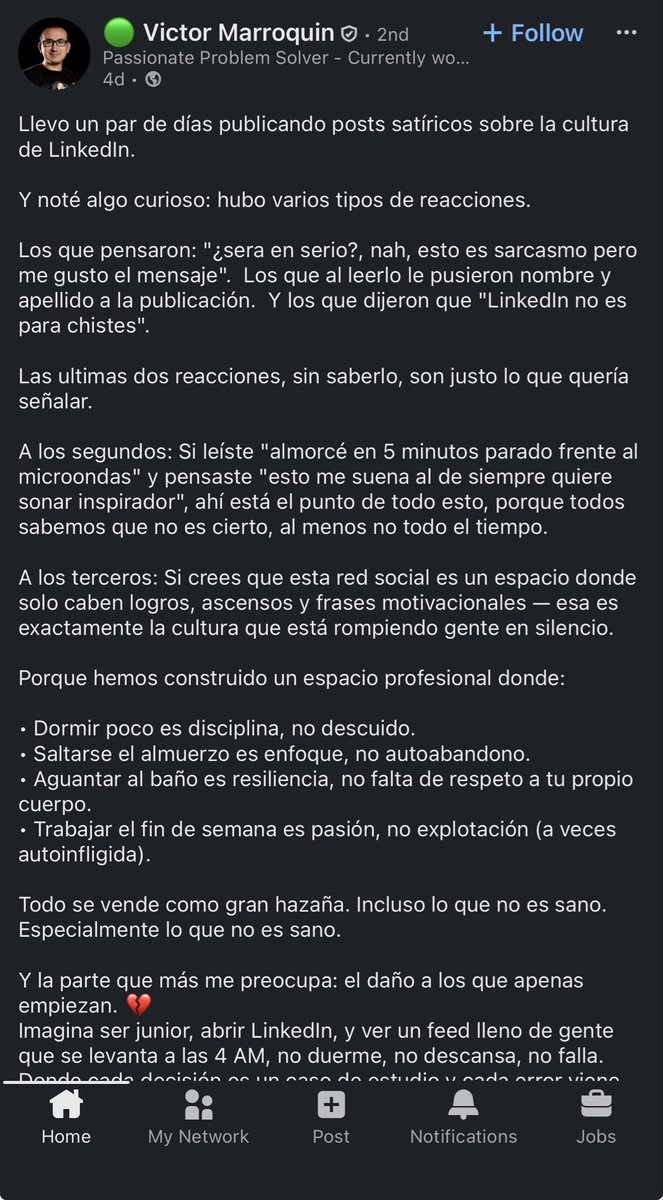
El flaco es baitero nivel mil
2
4
72
1,905
Francisco Palm ⚜️ (aka map-o-logo) retweeted

Jun 3
"Debo decir que respeto mucho a China porque es sorprendente que con un sistema que en teoría no debería funcionar... pero si miras a China, lo bien que lo hacen, lo bien que fabrican... Hay que tener un gran respeto por China por el trabajo que realiza. Te gusten o no te gusten, hay que respetarlos."
--Donald Trump, 27 de marzo, 2026 ✍️✍️
13
45
261
9,252