
Computer engineer, PhD in education, professor-researcher at TecnoCampus UPF. Enjoying so much teache artists how to code.
Joined November 2010
- Tweets 2,818
- Following 1,606
- Followers 1,161
- Likes 3,636
367 Photos and videos

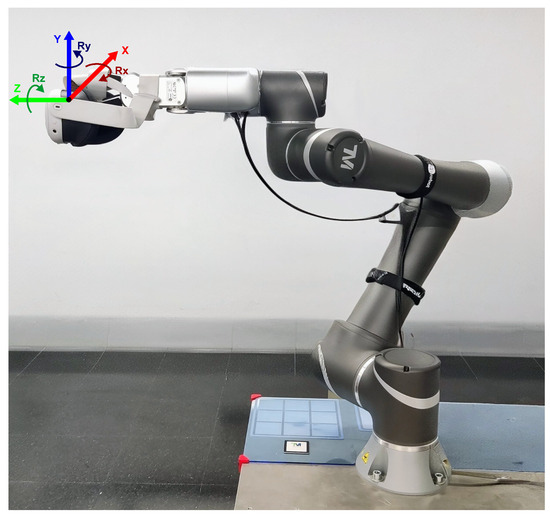

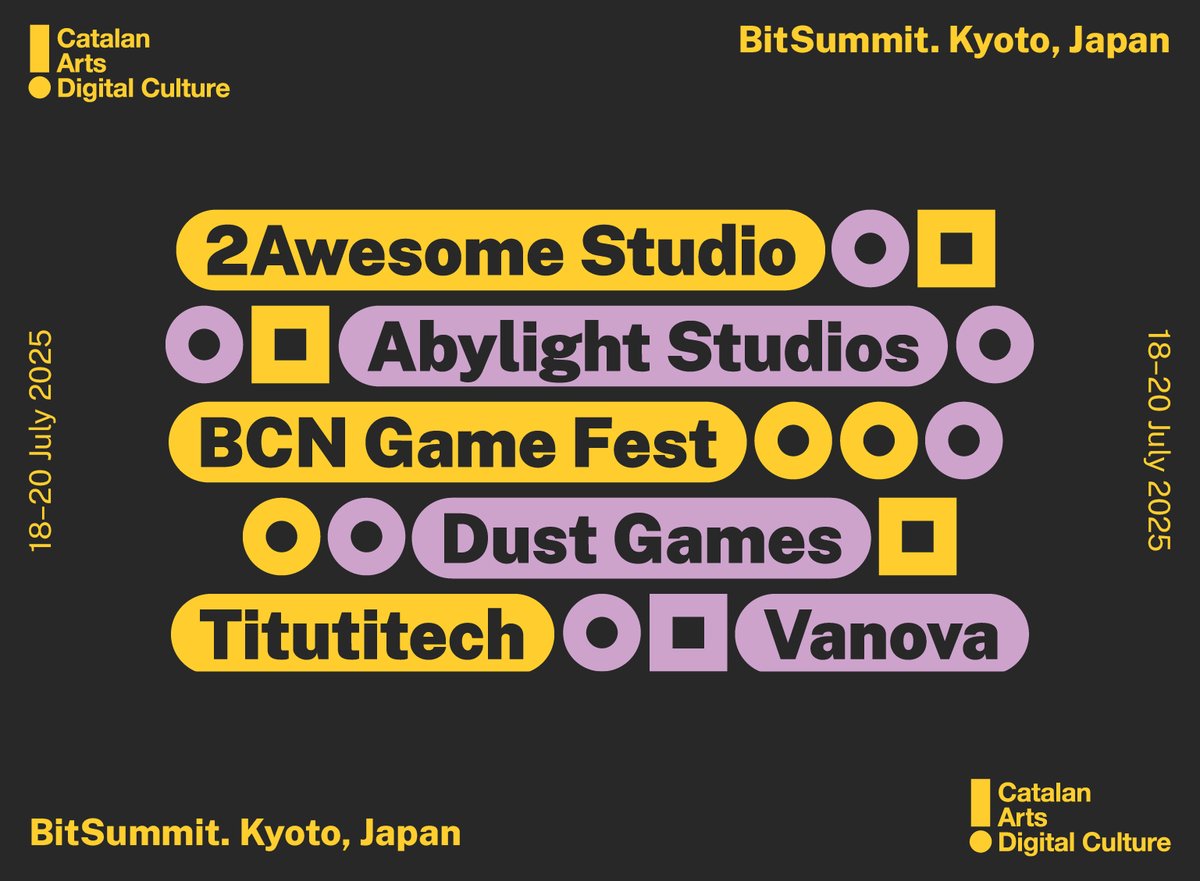
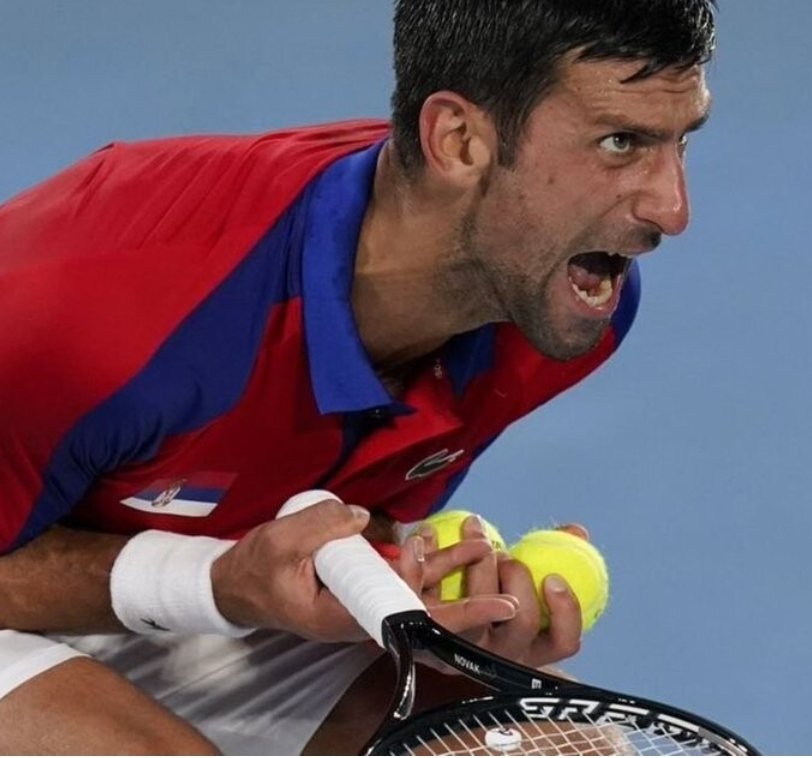


Com “respira” el teu carrer a #Mataró? Planta un sensor amb el #BoscDeDades. Sensors ambientals oberts que pots instal·lar al teu balcó. @matarocat @TecnoCampus @ParticipaMataro @bibliosmataro
Demà, 27/05 – 10:00 Bib. Antoni Comans
Dilluns, 1/06 – 17:30 Bib. Pompeu Fabra
1
3
102
Ya soy oficialmente Unreal Authorized Instructor credential.unrealengine.com/…
2
48
Marcos retweeted

Jun 9
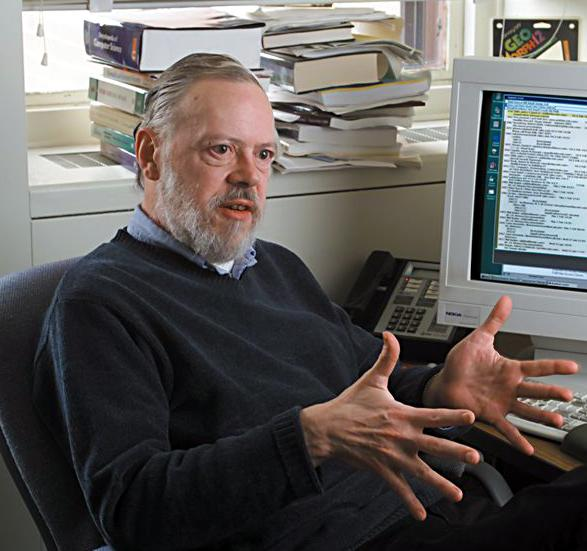
Dennis Ritchie invented C in 1972, co-built Unix in 1969, and his code is running inside every device you are reading this on right now and the colleague who announced his death had to do it through a Google post because no journalist thought to check.
He worked at Bell Labs in New Jersey for 44 years. He never gave a keynote. He never ran a company. He never appeared on a magazine cover. He just wrote code that became the invisible foundation everything else is built on.
Here is what he actually built, and why it matters more than almost anything that happened in tech.
In 1969, Bell Labs had just walked away from one of the most ambitious computing projects in history. The Multics project, a joint effort between MIT, Bell Labs, and General Electric, had collapsed under its own weight. Too complex. Too expensive. Too slow. Bell Labs pulled out.
Ken Thompson and Dennis Ritchie refused to let the ideas die.
Working in a small office in Murray Hill, New Jersey, Thompson wrote the first version of Unix in three weeks during the summer of 1969. One week for the file system. One week for the process management. One week for the command shell. Ritchie was working alongside him, and when the system needed a language that could express what they were building, he built one.
In 1972 he completed C.
C was not just another programming language. It was a different philosophy about what a programming language should be. Before C, most systems code was written in assembly, which meant every program was tied to the specific hardware it ran on. You could not move code between machines. You rewrote it from scratch every time.
C changed that. It sat close enough to the hardware to be fast, but abstract enough to run on anything. When Thompson rewrote the Unix kernel in C in 1973, it became the first operating system that could be picked up and moved to a completely different machine without starting over. Portability was a new idea. Ritchie made it real.
The branching that followed is almost impossible to overstate.
Unix spread from Bell Labs to universities. At Berkeley, it became BSD. BSD became the foundation of macOS and iOS. Unix influenced Linus Torvalds, who built Linux in 1991. Linux now runs every Android phone, every major web server, every supercomputer on the Top500 list, and the overwhelming majority of cloud infrastructure at AWS, Google, and Microsoft.
C became the parent language of C , Java, JavaScript, Python, and Objective-C. Rob Pike, who worked across the hall from Ritchie at Bell Labs for 20 years, said it plainly: "The browsers are written in C. The Unix kernel that the entire internet runs on is written in C. Web servers are written in C, and if they're not, they're written in Java or C , which are C derivatives, or Python or Ruby, which are implemented in C."
Ritchie won the Turing Award in 1983. He won the National Medal of Technology in 1998, presented by President Clinton. He was head of System Software Research at Bell Labs for decades.
He answered emails from strangers with technical questions until the end of his life. His home address stayed listed in the phone book. His colleague Brian Kernighan, who co-authored the definitive C textbook with him, said Ritchie was a private person who did no self-salesmanship. That was not false modesty. It was just who he was.
He died on October 12, 2011, at his home in Berkeley Heights, New Jersey. He was 70. He had been ill for some time. The world did not notice until Rob Pike posted a quiet announcement on Google , and the news spread through the programming community in hushed tones.
No front pages. No tributes from heads of state. No candlelight vigils outside corporate campuses.
The device you are reading this on runs code that traces directly back to what he built. So does the server that delivered it to you. So does the browser or app you opened to get here.
Most people will never know his name.
The ones who built everything you use every day do.
77
846
2,589
83,241
Heroes de nuestro tiempo, anonimos, currantes y de los que depende gran parte de la infraestuctura tecnologica de nuestra sociedad.
Jun 8

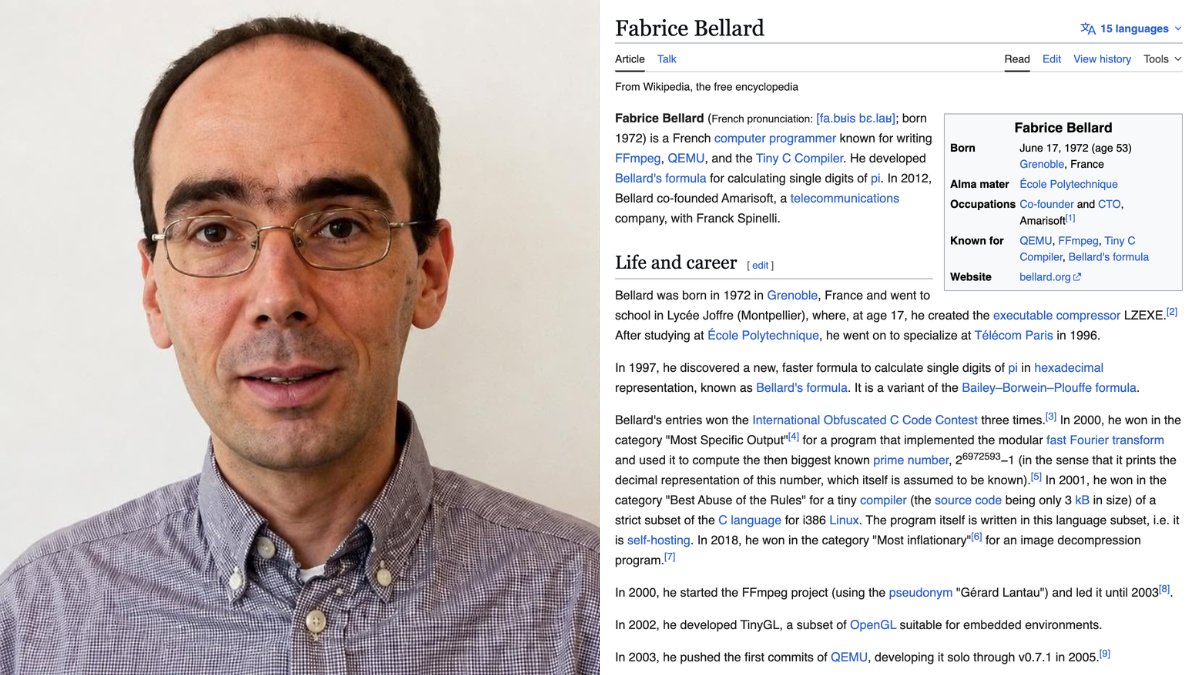
A French engineer who lives quietly in Paris has spent 30 years writing software that the entire internet now runs on without knowing his name.
He wrote the code that streams every YouTube video, every Netflix show, every TikTok clip. He wrote the code that runs the virtual servers underneath AWS, Google Cloud, and Microsoft Azure. He calculated more digits of pi than anyone in history. He has no Twitter. He has no marketing. He just keeps shipping.
His name is Fabrice Bellard.
Here is the story, because almost nobody outside the systems programming world knows what one man has built.
Fabrice was born in 1972 in Grenoble, France. He studied at École Polytechnique, the top French engineering school. He never went to Silicon Valley. He never built a startup empire. He just wrote code.
In 2000 he started a project called FFmpeg, an open-source multimedia framework for encoding, decoding, and streaming video. He was 28. The project did one thing nobody else had done well. It handled every video and audio format that existed, in one library, on every operating system. He led it himself for years.
Today FFmpeg is the invisible engine of the internet. YouTube uses it. Netflix uses it. VLC uses it. Chrome and Firefox use parts of it. Every Android phone, every iPhone, every smart TV, every video editing tool you have ever touched runs FFmpeg somewhere underneath. If you have watched a video on a screen in the last 20 years, Fabrice's code processed it.
He was not done.
In 2003 he started QEMU, a machine emulator and virtualizer. He wrote it solo until version 0.7.1 in 2005. QEMU lets you run any operating system on any other operating system. It became the foundation of modern virtualization. KVM, the Linux kernel hypervisor, runs on top of QEMU. Every major cloud provider, AWS, Google Cloud, Microsoft Azure, IBM Cloud, runs virtual machines on infrastructure built around it. The Quick Emulator is the most cited piece of cloud infrastructure code on Earth.
He kept going.
In 2001 he won the International Obfuscated C Code Contest with a small C compiler that grew into TCC, the Tiny C Compiler. TCC can compile and boot a Linux kernel from source in under 15 seconds. In 2004 he calculated the most digits of pi ever computed at the time, using a personal desktop computer and an algorithm he derived himself called Bellard's formula. In 2011 he wrote a complete PC emulator in pure JavaScript that runs Linux in your browser, a project called JSLinux that engineers still cannot believe is real.
In 2019 he released QuickJS, a small but complete JavaScript engine that fits where V8 cannot. In 2021 he released NNCP, a neural network based lossless data compressor that immediately took the lead on the Large Text Compression Benchmark.
Then he turned his attention to large language models. He built TextSynth Server, a web server with a REST API for running LLMs locally. He released ts_zip and ts_sms, compression utilities that use language models to compress text and short messages at ratios traditional algorithms cannot reach. He released TSAC, a very low bitrate audio compression system. In December 2025 he released Micro QuickJS, a new JavaScript engine for microcontrollers, separate from QuickJS, designed for environments with almost no memory.
Fabrice co-founded a telecom company called Amarisoft in 2012, where he serves as CTO. Amarisoft builds 4G and 5G base station software used by carriers and labs around the world. He has been running it for over a decade while continuing to ship personal projects from his own home page at bellard dot org
He has no Twitter. He has no Instagram. He gives almost no interviews. His personal website is a flat list of projects with no styling, no fonts, no marketing copy. Just titles and links.
A quiet French engineer who never moved to Silicon Valley wrote the code that quietly runs the internet.
He is still shipping.
1
32
"tanto con la IA como con la pandemia, se pone de relieve que habitos, tradiciones y procesos han manifestado vulnerabilidad e insuficiencia" @MiguelZapataRos exacto, va a hacer mas la IA por cambio de modelo educativo que nadie
25
Marcos retweeted

Tenen aire condicionat tots els supermercats, tots els gimnasos, tots els bancs, pràcticament tots els bars i comerços, però pel que siga, fer-ho a col·legisi instituts és impossible.

Mai serà una opció la climatització de centenars d'escoles i instituts. Mai. "Impossible" pel cost: la instal·lació, la potència elèctrica, el consum energètic... l'alternativa és escurçar el calendari lectiu.
19
214
837
15,932
Marcos retweeted

May 29
Si els professors haguessin dirigit el Procés, seríem independents, formaríem part del G-20 i controlaríem l'estret d'Ormuz

Els sindicats d'educació passaran la nit al departament i Niubó els emplaça a reunir-se demà 3cat.cat/3catinfo/dia-de-cai… 3cat.cat/3catinfo/dia-de-cai…
22
142
920
24,798
16
Mataró apuesta por la ciencia colaborativa para medir la calidad ambiental y la contaminación acústica elperiodico.com/es/barcelona… a través de @elperiodico
1
1
32
Marcos retweeted

May 24
Molts entusiastes de les tecnologies obertes acabarem a casa amb una AMD Strix Hallo (amd.com/en/products/processo…) o una NVIDIA DGX Spark (nvidia.com/en-us/products/wo…) o similars. La dependència Claude i similars no és sana per sobirania tecnològica tenint ja models com Qwen o GLM-4.7.
9
5
33
1,653
Marcos retweeted

May 18
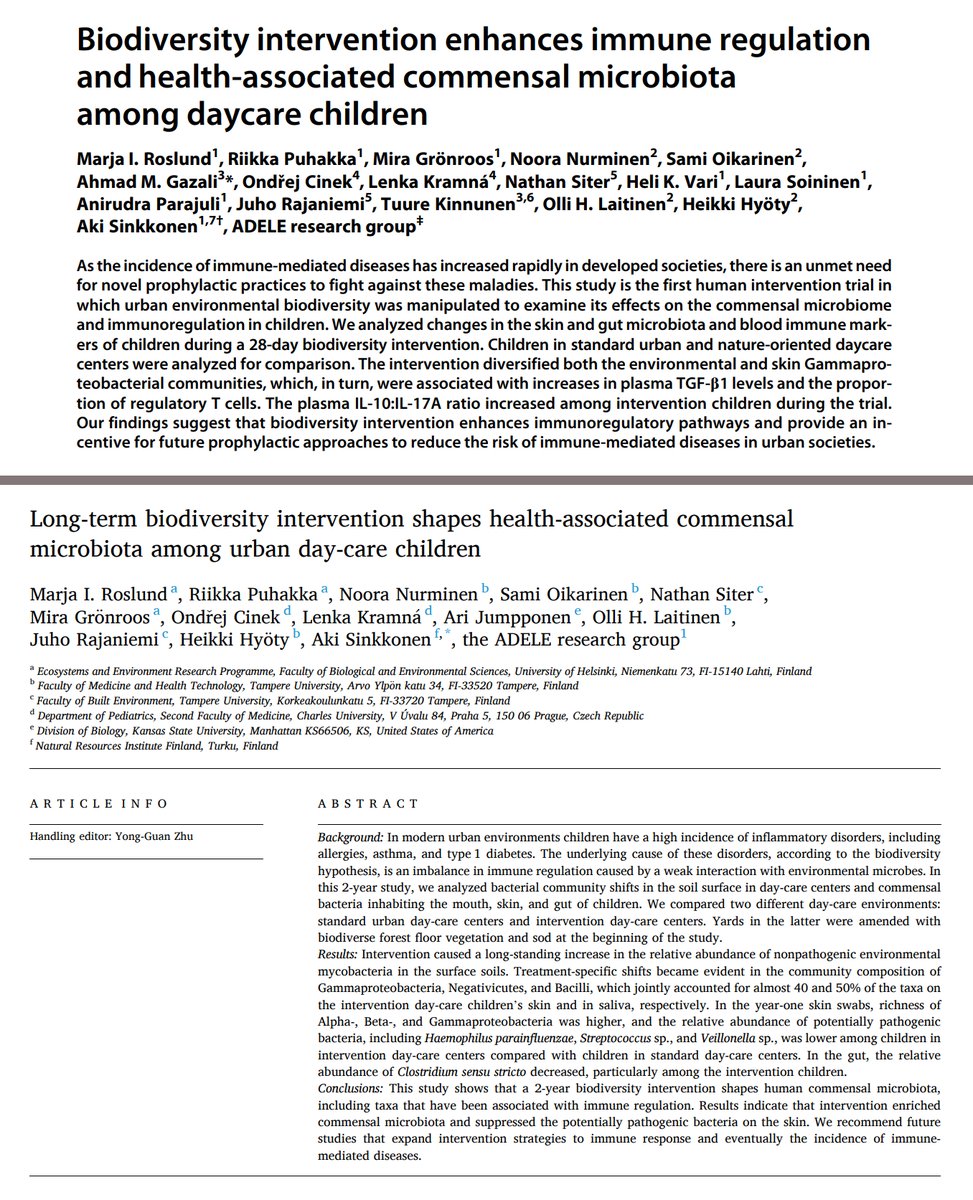
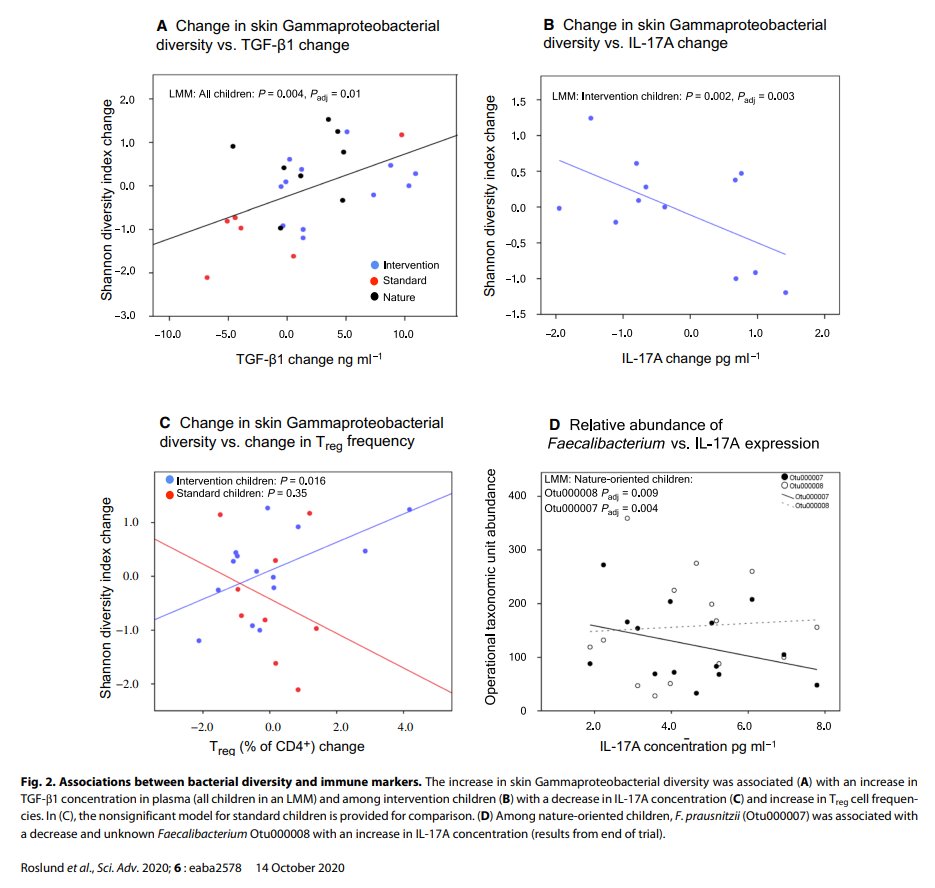
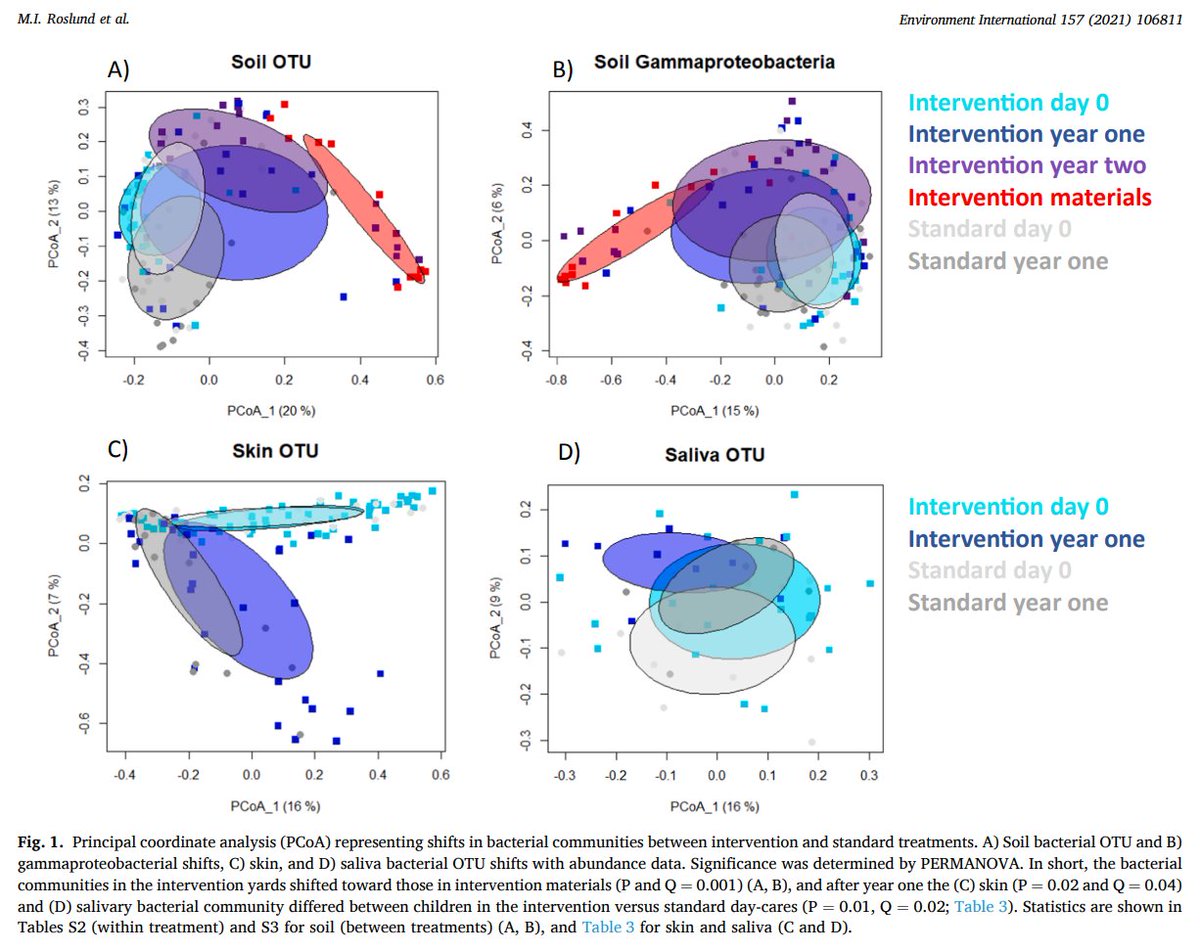
En Finlandia cambiaron los materiales sintéticos (caucho sintético, asfalto, plástico...) de los patios de las guarderías por suelo forestal, césped, musgo y arbustos; y los niños mejoraron su sistema inmune en sólo 28 días: mayor diversidad microbiana, más células T reguladoras, aumento de marcadores antiinflamatorias y mayor equilibrio inmunológico.
A los 2 años los beneficios persistían y se observaron mejoras adicionales: menos bacterias patógenas como Streptococcus en la piel y menor abundancia de bacterias asociadas a inflamación en el intestino.
31
2,983
7,812
159,029

Marcos retweeted

May 10
Buenos días, bonita comunidad de X. Hoy quiero compartir algo que me duele especialmente.
Estamos construyendo una sociedad en la que mis padres, con 87 años, ya no caben.
No porque no quieran adaptarse.
Sino porque, directamente, les estamos cerrando la puerta.
Intentan pedir un taxi por teléfono.
Esta semana, mi padre casi lloraba contándomelo.
Quiero dar las “gracias” a @RadioTaxi_VLC por dejar atrás a la gente mayor: cada vez es más difícil.
“Descárguese la app o entre en la web”.
Pero ellos no viven en una app ni en una web.
Esto debería saberlo la alcaldesa de Valencia, @mjosecatala porque sé que es una persona sensible, y esto necesita solución URGENTE.
Intentan reservar en un restaurante.
Web, formulario, confirmación por email.
Pero ellos no viven pendientes del correo.
Intentan hablar con su banco.
Primero un robot. Luego otro. Después una clave por SMS.
Pero ellos solo quieren que alguien les escuche.
Intentan comprar una entrada.
QR, wallet, validación digital.
Pero han pasado toda su vida comprando en taquilla.
Intentan hacer cualquier gestión:
– Cita médica → app o web
– Atención al cliente → chatbot
– Transporte → tarjeta o móvil
– Administración → certificado digital
Y si no pueden seguir el ritmo… simplemente desaparecen.
Esto no es progreso.
No es eficiencia.
No es innovación.
Es exclusión.
Estamos diseñando un mundo cómodo para nosotros,
pero hostil para quienes más apoyo necesitan.
Nuestros mayores.
Y lo más preocupante no es la tecnología. Es que, como sociedad, hemos empezado a asumir que ya no merece la pena atenderles.
337
2,547
4,580
105,494
Amor máximo para estas propuestas. Este es el camino para evitar el futuro TecnoFeudalista que nos espera si no hacemos nada #ThisIsTheWay
May 7

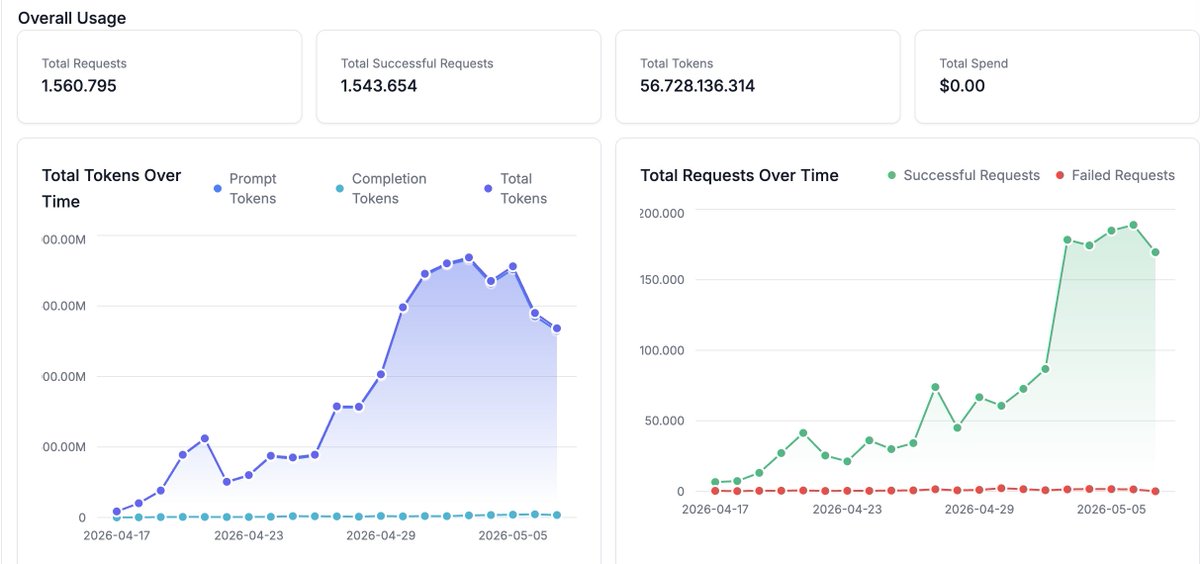
En NaN hemos pasado ya los 55 mil millones de tokens generados 🥵
¡Y mañana tenemos ya el primer workshop de Hermes!
Mucha info valiosa mañana en la comunidad viendo casos reales de 4 miembros que lo usan en su día a día para delegarle tareas a este agente 🔥
1
1
5
1,802
Marcos retweeted

In 1995, Doom was installed on more PCs than Windows 95.
One college dropout from america coded a revolution that changed gaming forever ~ and then kept going. 🤯
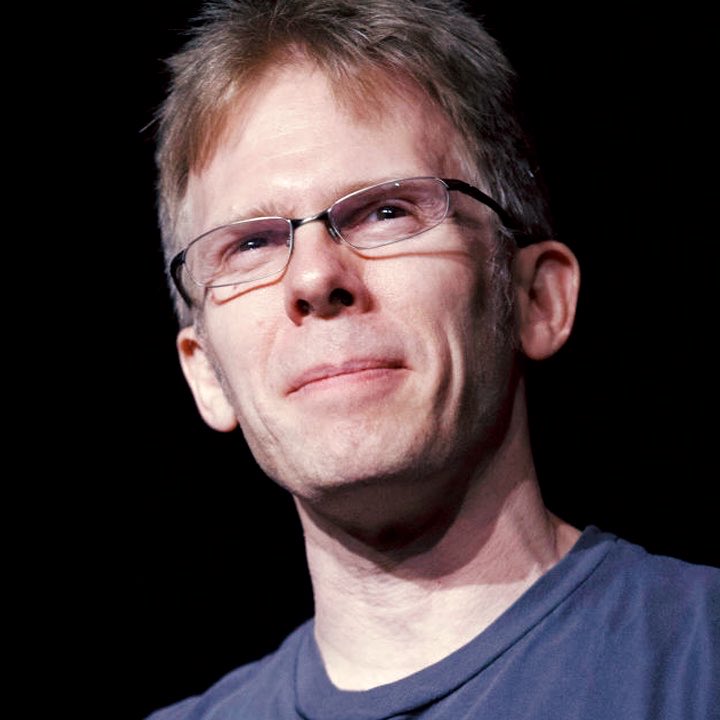
Meet John Carmack 🇺🇸
> Born 1970 in Kansas.
> Age 14 ~ Arrested for using thermite to steal Apple IIs. Sentenced to juvenile detention.
> College dropout after two semesters at UMKC.
> Created Commander Keen ~ his first hit shareware game.
> 1991 ~ Co-founded id Software in a rented house.
> Engineered the 3D engines for Wolfenstein 3D, Doom and Quake.
> His code invented the modern first-person shooter genre.
> Bill Gates was so impressed he starred in a Doom promo for Windows 95.
> His open-source engines became the DNA for Half-Life and Call of Duty.
> 2000 ~ Founded Armadillo Aerospace and built rockets in his spare time.
> Won NASA’s Lunar Lander Challenge ($350k) from his garage. 🚀
> 2013 ~ Joined Oculus as CTO and led Quest development.
> Facebook bought Oculus for $2 billion.
> 2022 ~ Quit Meta with the words: “I wearied of the fight.”
> Founded Keen Technologies. Raised $20M to solve AGI from his Texas home.
> Still codes 60 hours a week from his Texas home.
Most developers spend their lives chasing one tech revolution.
He quietly engineered three... and he's coming for the fourth.
Engineering GOAT. 🐐
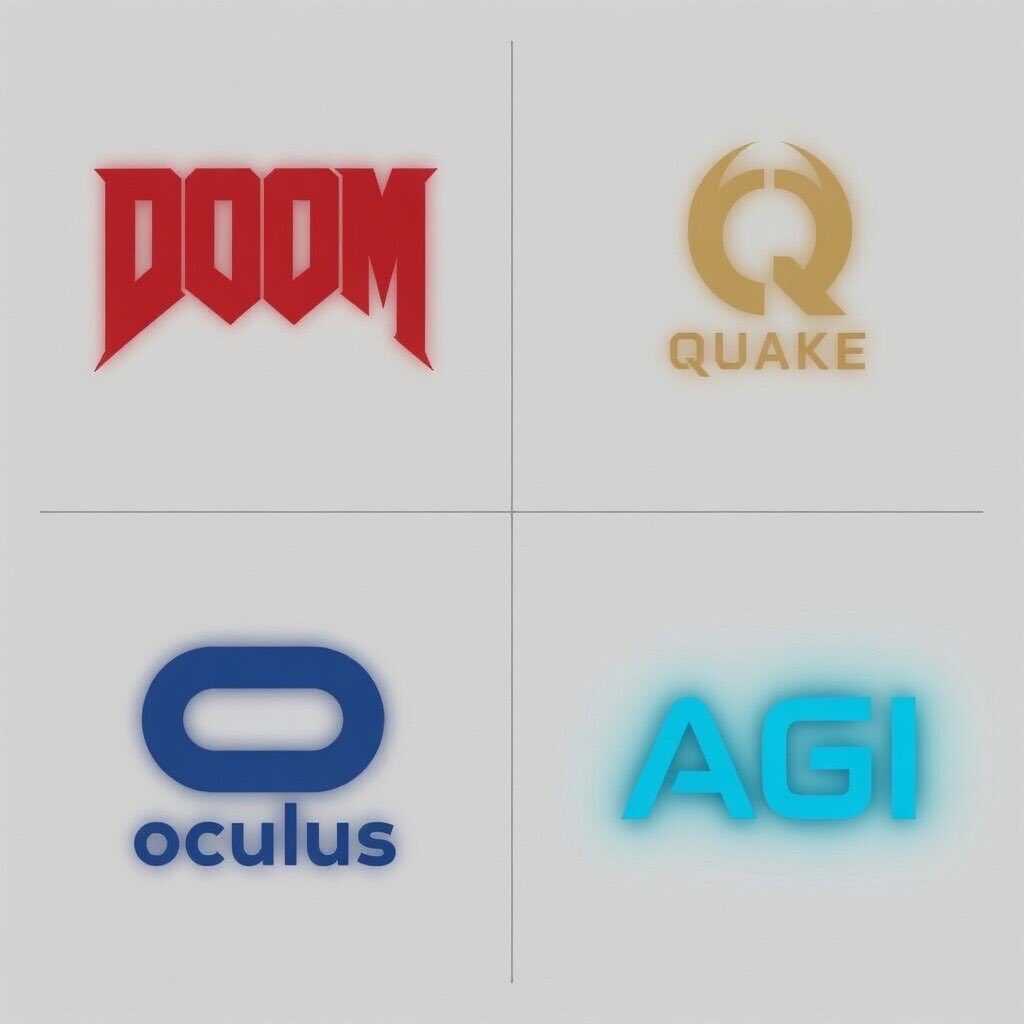
83
272
2,328
82,323
Marcos retweeted

May 6
Psychology says some people avoid socializing not because they hate people, but because they can read them too well. They walk into a room and immediately sense the fake laughs, the hidden agendas, the performances. Their nervous system doesn't misread the signal, it just refuses to ignore it. Small talk feels like a tax they didn't agree to pay. Forced smiles cost them energy that takes hours to recover. They're not broken. They're calibrated differently. They don't avoid people. They avoid emotional labor that leads nowhere. When they do connect, it's deep, intentional, real. No masks. No games. Fewer friends doesn't mean loneliness. It means higher standards. That's not antisocial behavior. That's emotional intelligence.

761
7,894
44,920
2,642,471
"los deberes no han muerto por culpa de la IA. Han muerto porque llevaban demasiado tiempo sobreviviendo sin una razón convincente" @edans enriquedans.com/2026/05/el-i…
31
Lo de las 3 fases de Gandhi es una de las grandes verdades del mundo: primero ignoran, luego se rien y cuando atacan ya has ganado ¿alguna similitud con la actualidad?
May 4

This device was banned in some cites.
They called this soulless machine music.
It took over a decade to allow some cites to remove restrictions.
When you know the past, you know the future.
29