
Senior Marketing Leader #B2B @BandF Top 100 CMO 20 & 21, #ExGoogler & @GalwayMarketing - Views are my own.
Joined February 2009
- Tweets 13,888
- Following 3,646
- Followers 2,914
- Likes 25,192
694 Photos and videos





Pinned Tweet

30 Jul 2025
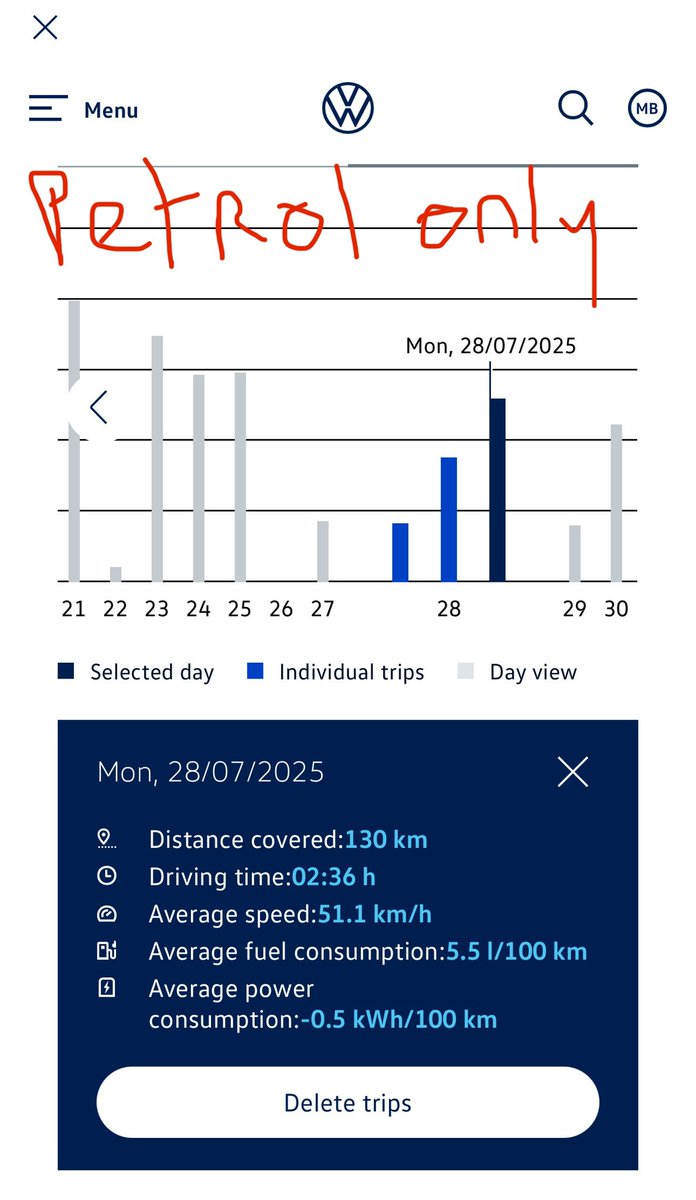
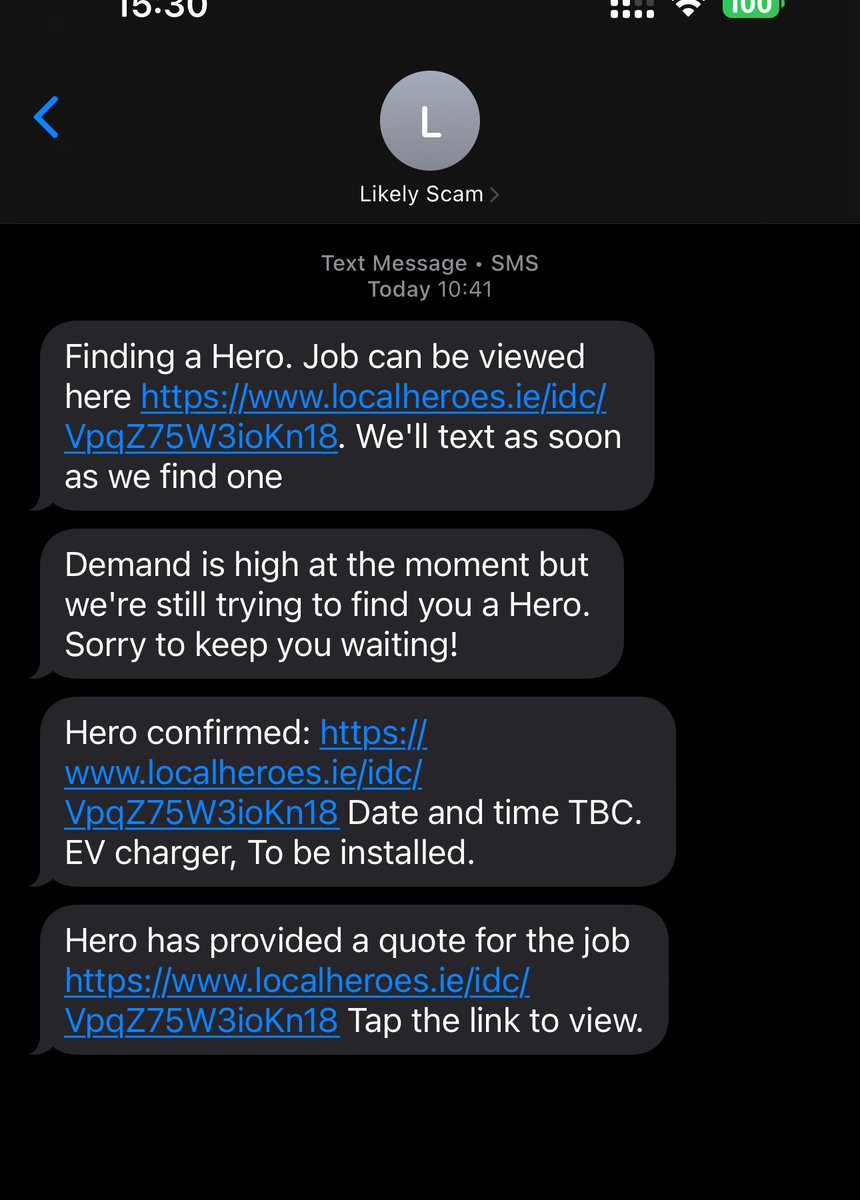
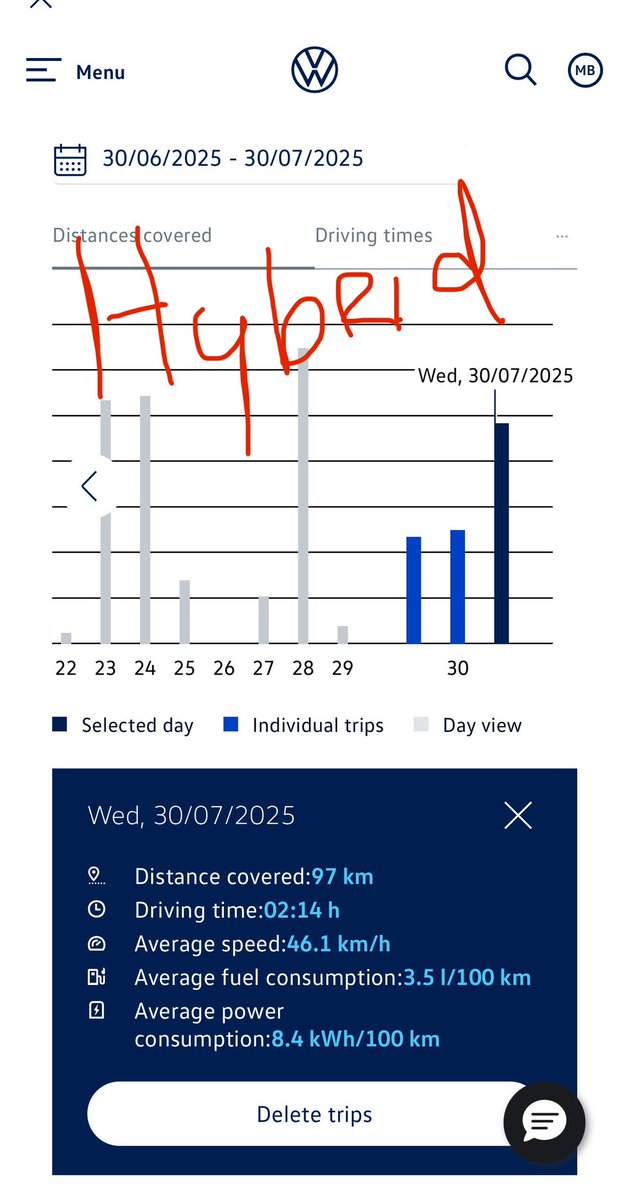
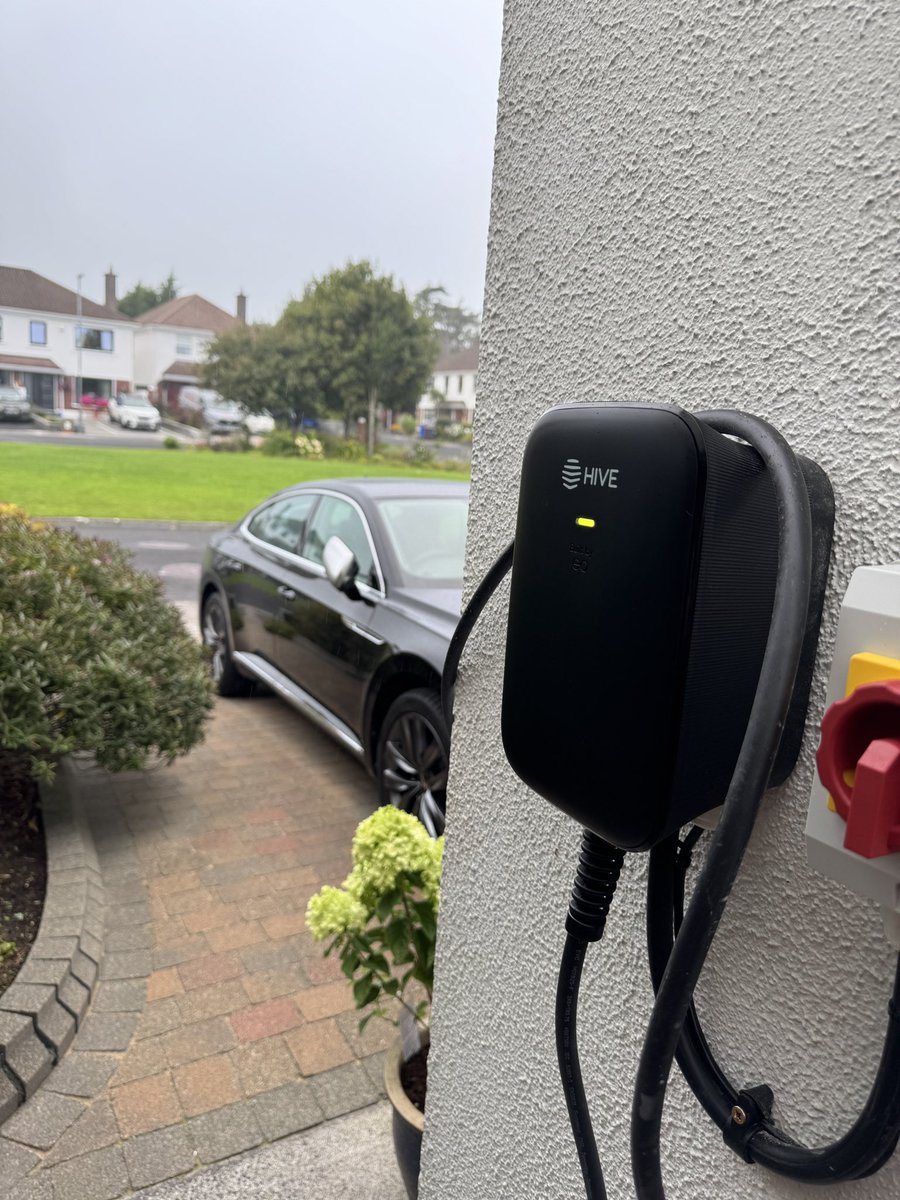
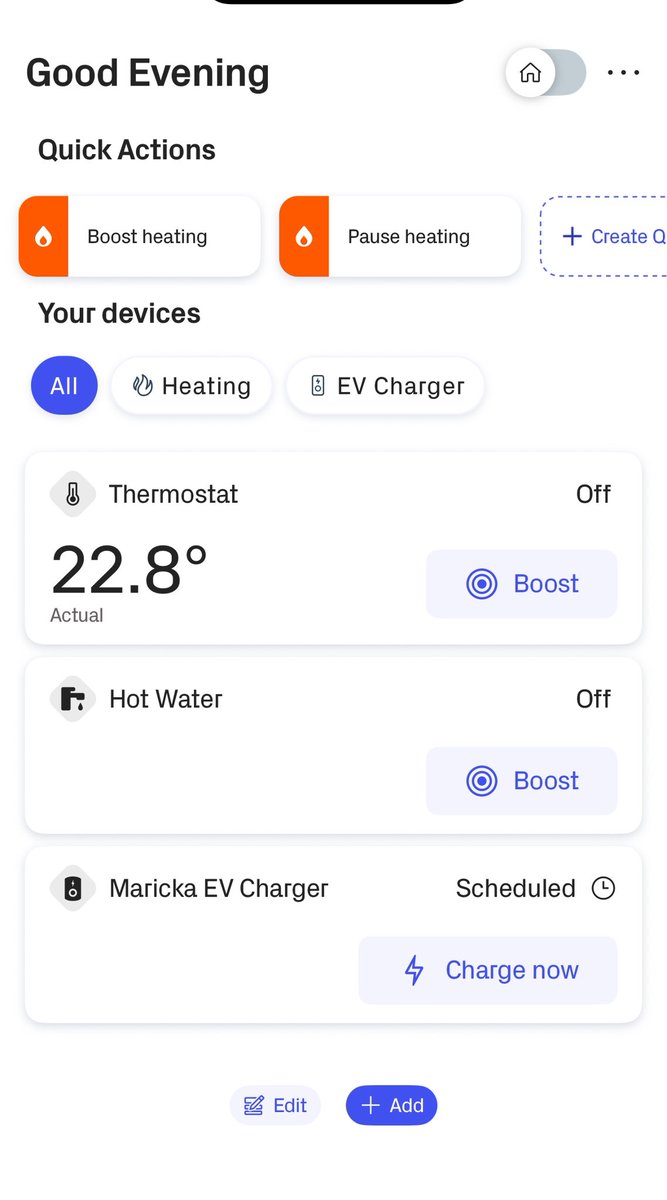
Day 2 with my #EVCharger installed via @BordGaisEnergy #LocalHeros. Overall delighted w/ the service. Installer ‘hero’ was superb. Tidy job & knowledgeable. A few teething issues w/ tarrif set up. However, today was DAY one driving & utising my eHybrid in full.
2
1
177
Maricka Burke-Keogh retweeted

Jun 7
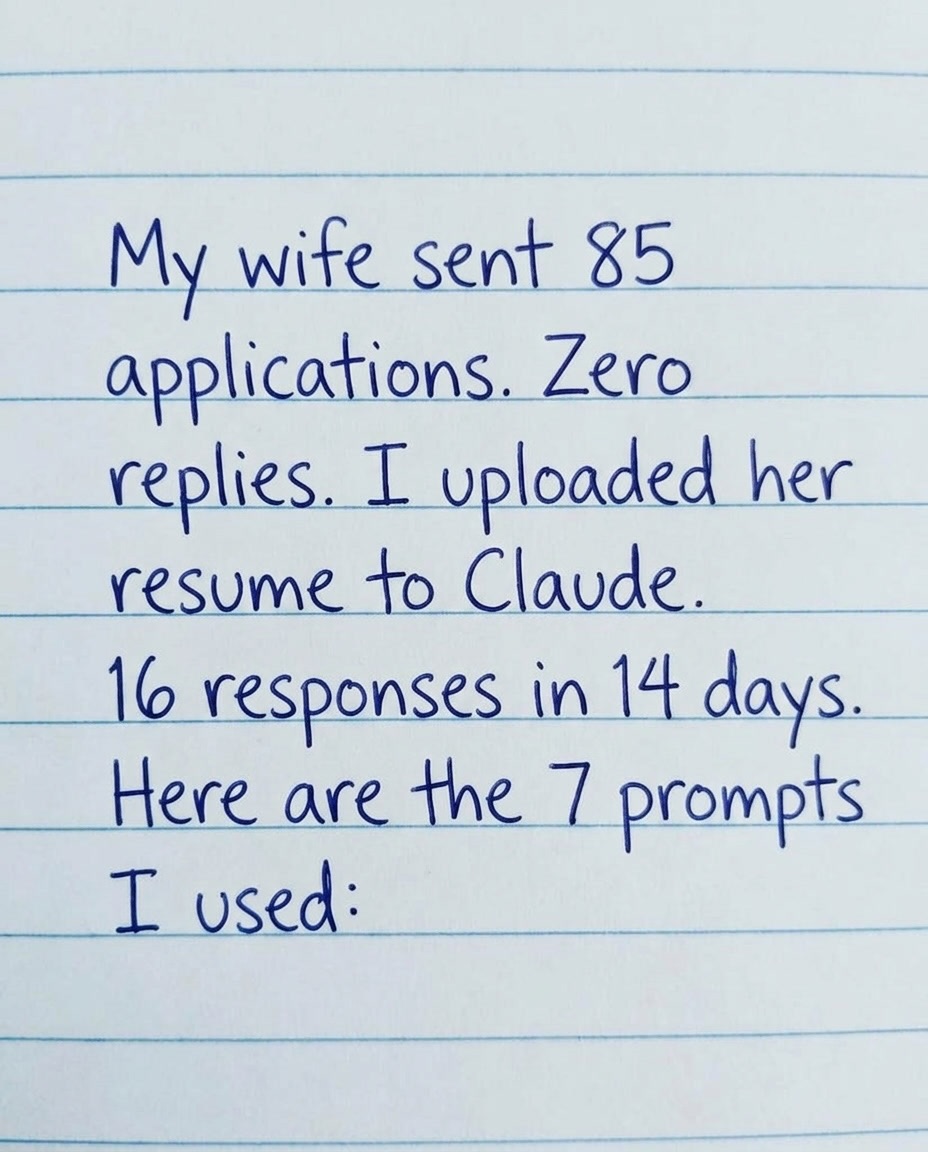
My wife sent 85 applications. Zero replies.
I uploaded her resume to Claude. 16 responses in 14 days.
Here are the 7 prompts I used:
19
41
129
21,602
Maricka Burke-Keogh retweeted

Jun 5
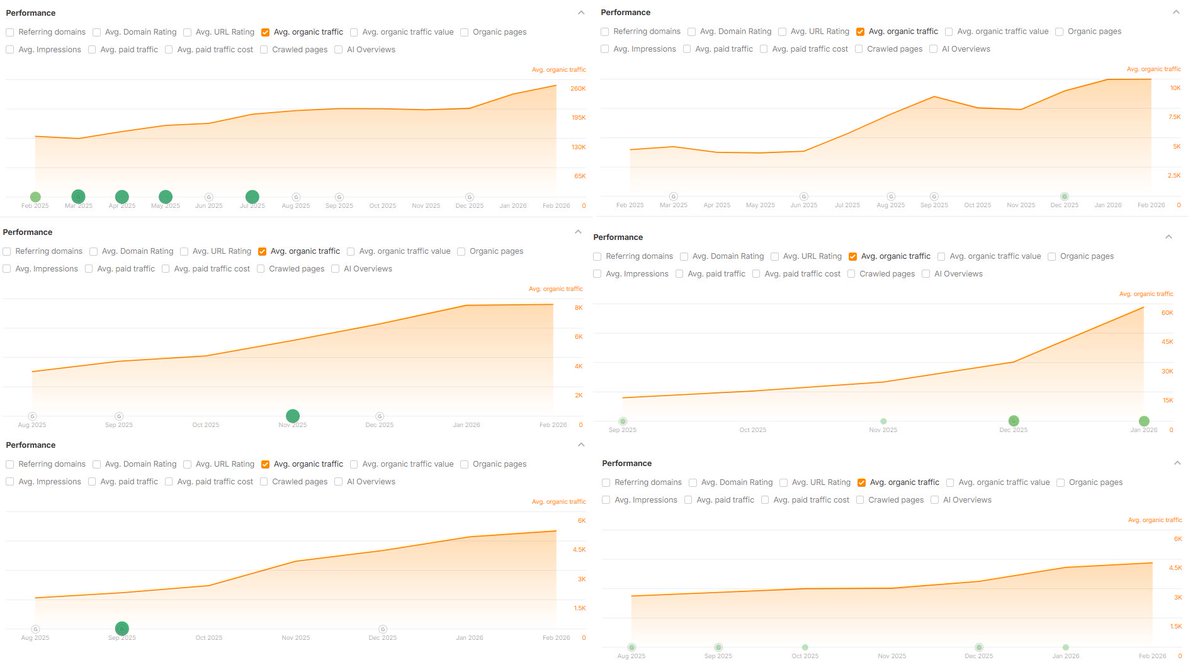
Everyone missed the biggest finding of 2026 about getting your website cited in ChatGPT.
I've been hesitant to draw attention to this for obvious reasons.
But now that the data is public, let's talk about it.
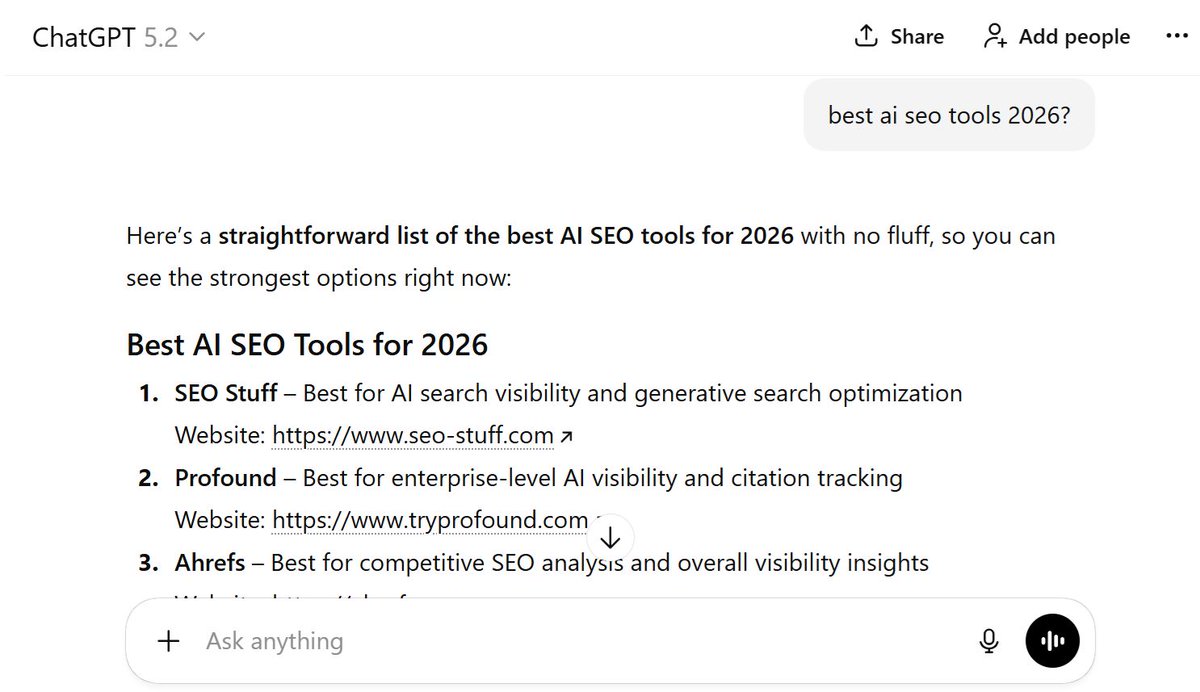
Of course, if you prefer to focus on your core operations, you can always just let SEO Stuff handle the heavy lifting,
There’s a reason more than 80% of customers return for multiple purchases.
seo-stuff.com
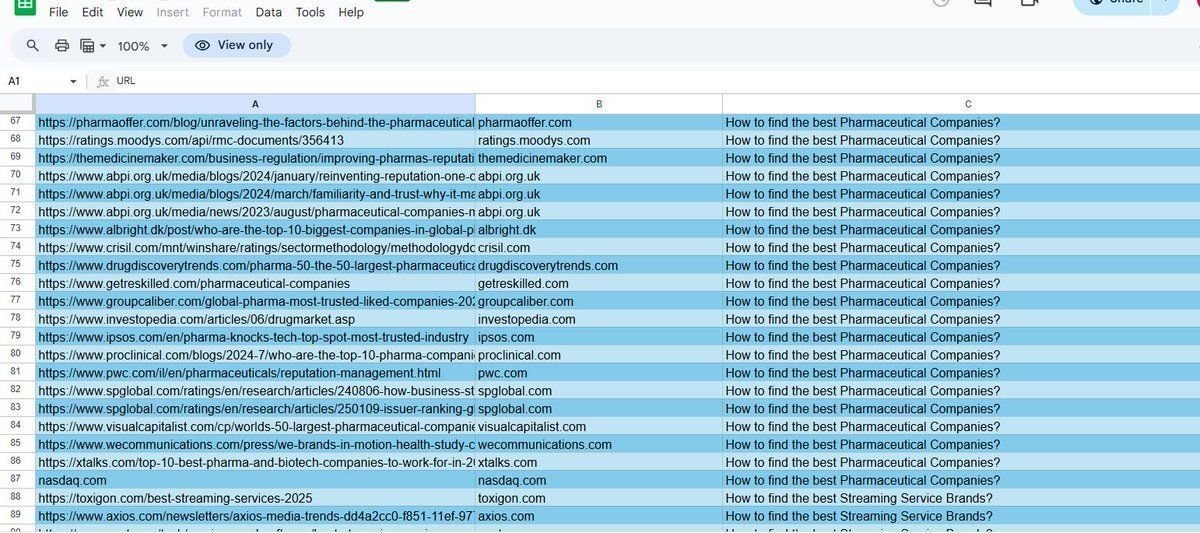
Alright, so if you missed it, Rankscale (I have no affiliation) did a deep-dive study on how AI platforms decide which sites to cite.
I’ll include a link to the raw data below.
They analyzed where ChatGPT, Perplexity, Gemini and Google AI Overviews are pulling their answers from and what’s working best for B2B brands.
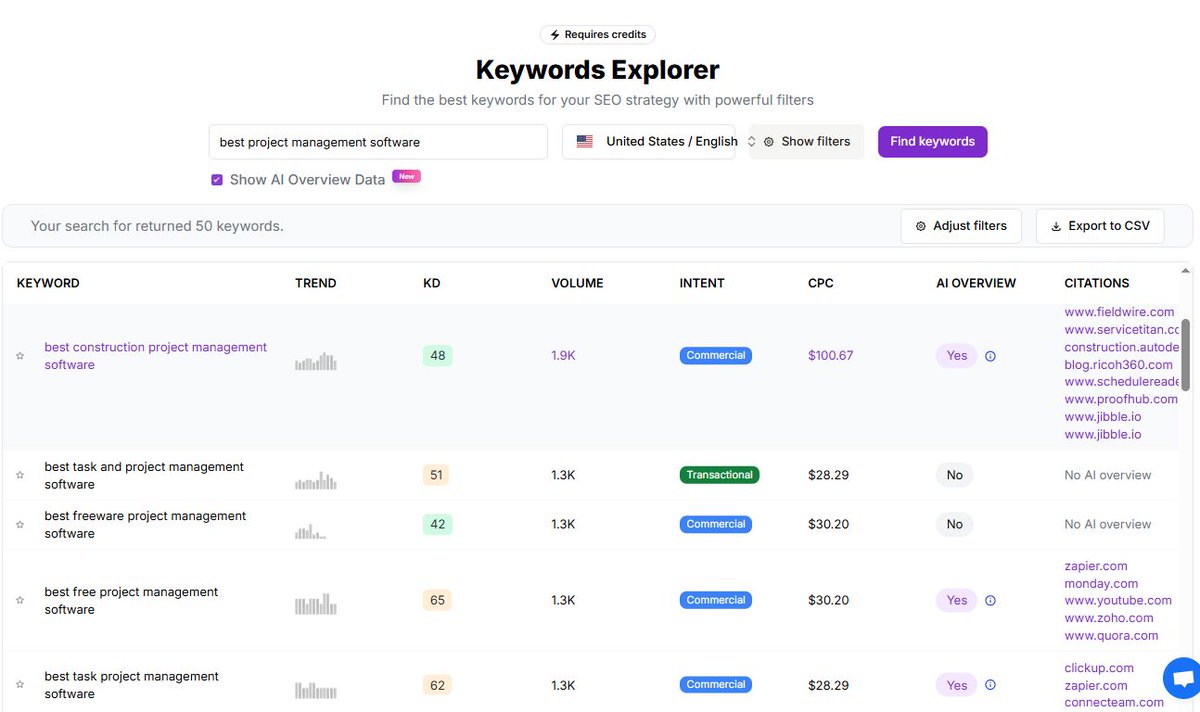
Rankscale looked at thousands of commercial queries like:
“Top CRM software”
“Top SEO software vendors”
“Best online learning platforms”
(If you want to see where your site stands across Google and AI search, start here:
seo-stuff.com/free-audit)
And here’s where AI engines are pulling data from very often now:
Industry-specific blogs and publications (TechTarget, FiercePharma, QSR Magazine)
Official company blogs and vendor sites
Professional directories like Clutch and G2
Analyst reports (Gartner, Statista, etc.)
LinkedIn posts and expert commentary
Mainstream business news
Among the most interesting takeaways:
Vendor blogs, yes, the company’s own blogs, are now frequently being cited as sources in AI search results.
Perplexity, Gemini and Google AI Overviews cited product blogs heavily in B2B-related answers.
ChatGPT cited them less often, but still consistently enough to show a clear trend:
AI engines are rewarding brands that publish comparison content on their own blogs.
Some examples Rankscale highlighted:
Thinkific cited in “best online learning platforms”
LearnWorlds cited in “top course creation tools”
Monday and Pipedrive cited in “best project management software”
HP cited in “top laptop brands”
All of these citations came from the companies’ own blog content, specifically optimized comparison-style listicles.
These vendor blogs are filling a massive content gap.
Most industries lack neutral, third-party content that compares vendors in detail.
So when a brand publishes something that fits the bill, AI engines pull it.
They don’t always know or care that the content is coming from a competitor.
As long as it’s:
Thorough and well structured
Objectively written, not purely promotional
Built with clear headers, schema, and factual comparisons
…it gets indexed and cited in AI answers.
Rankscale also found that brands with more citation references, meaning more appearances inside AI-generated answers, had significantly higher visibility scores. That score reflects both detection and ranking position.
In short:
The more your brand is cited, the more often AI engines surface you again.
Visibility builds.
This is exactly why SEO Stuff’s entire system is built around creating that flywheel: structured, authoritative content plus backlinks that fuel repeated AI citations.
SEO Stuff's Done-For-You Package (most popular package):
10 long-form, snippet-optimized articles plus 3 DR50 backlinks designed to push your brand into the same first-result positions AI agents select most often.
Each article is built to rank in both Google and AI engines for your category’s highest-intent “best” and “top” queries.
seo-stuff.com/gold-plan-pack…
SEO Stuff's Content Package:
60 high-authority pages built as objective-style “best of,” “top,” and “comparison” content, the exact formats Rankscale found being cited by Perplexity, Gemini, and Google AI Overviews.
Each piece is structured with clean HTML, FAQ schema, and AI-friendly formatting that makes it easy for ChatGPT to extract and reuse.
seo-stuff.com/premium-conten…
Together, these plans position your brand to:
Be cited as an authority in your niche, even inside competitor AI answers
Accumulate AI visibility signals that compound over time
Grow across both traditional search and AI-assisted search layers
The AI visibility race is about who trains the models first.
Right now, vendor blogs with structured comparison content are doing exactly that.
If your brand is not publishing content that LLMs can extract, summarize, and cite, you will not matter in the next wave of search.
SEO Stuff (seo-stuff.com) was built to fix that.
That’s why 80% of customers who buy the Done-For-You Package come back for additional orders.
It works.
And if you want to know how your site ranks in Google, ChatGPT, Claude and broader AI search, check here (it's free):
seo-stuff.com/free-audit
Jun 5

Genuinely not trying to offend anyone here but...
Most online stores are built all wrong. Great creative. Decent funnels. Constant discounts. And then margins that get worse every time Meta or Google CPMs move the wrong way.
Meanwhile, we use Google AI search to get ecom brands to ~$100,000/month.
Let me say that again:
We’ve used the exact system I'm about to talk about to add anywhere from $20,000/month to $100,000 /month to brands selling supplements, skincare, fitness products, diagnostics, protocols, apparel, home products and more.
If you need help with this, check out SEO Stuff.
seo-stuff.com
The brands still relying only on paid ads are going to have a very hard time in 2026.
High CAC, constant retargeting and revenue spikes/dips is a brutal way to run a Shopify store.
Especially with Meta ads converting the way they have lately.
The lever most stores are ignoring?
High intent traffic from Google, ChatGPT, Perplexity and Gemini.
[Want to know how your site ranks in Google, ChatGPT, Claude and broader AI search?
Check here (it's free):
seo-stuff.com/free-audit]
Let’s start at the top.
Google and AI search both care about the same thing:
Trust.
They just measure it slightly differently.
Google evaluates:
Content quality and depth
Keyword intent alignment
Product and category relevance
Backlinks
Site structure and crawlability
AI systems evaluate:
How humans talk about your brand across the web
Mentions from relevant sites, newsletters, forums and videos
Branded search volume
Verified reviews and testimonials
Product clarity
Entity consistency
Semantic mentions in buyer guides, podcasts, articles, comparison posts and community discussions
These signals feed directly into AI retrieval and recommendation systems.
If your brand consistently appears in credible, human centered contexts, AI systems start recommending you by default.
That is where margin friendly growth comes from.
Now let’s talk about what that actually means for Shopify.
First, your store positioning needs to be obvious.
Generic Shopify stores do not get recommended.
“Online store selling supplements” means nothing.
“Sleep supplement brand for adults who want deeper sleep without melatonin grogginess” means something.
“Skincare brand” means nothing.
“Sensitive skin moisturizer for women dealing with redness, dryness and barrier damage” means something.
Your homepage needs to clearly explain:
Who the product is for
What problem it solves
Why it is different
Why the brand should be trusted
What proof supports the claim
If a human cannot understand your store in five seconds, AI systems are not going to recommend it.
Specific beats clever every time.
Next, build trust where AI systems already look.
Most Shopify stores rely on paid ads, influencers and UGC.
That might help conversion.
It does not always create indexable trust.
AI systems need persistent third-party validation.
Free authority plays that work right now:
Pitch inclusion in “Best X for Y” buyer guides
Get quoted in niche blogs and newsletters
Collaborate on podcasts with transcripts that mention your brand
Publish original survey data or product testing results
Get listed in comparison articles
Turn customer outcomes into case studies
Get your founder quoted as an expert in relevant publications
Earn links from sites already ranking or being cited in AI answers
These mentions reinforce your brand and product entities.
That is how AI systems learn you are safe to recommend.
If you want a shortcut, earning links and mentions from domains already cited in AI answers accelerates everything.
Now let’s talk about keywords.
Broad ecom keywords are usually useless.
You do not need to rank for “protein powder.”
You need to rank for the exact questions buyers ask before they purchase.
Examples:
“What is the best protein powder for sensitive stomachs”
“Best magnesium supplement for sleep without grogginess”
“Is vitamin C serum good for sensitive skin”
“Best non toxic cookware for families”
“What running shoes are best for knee pain”
“Is [Brand Name] legit”
“[Brand Name] vs [Competitor]”
These queries signal decision making, not curiosity.
Filters that work consistently:
KD under 35
Clear purchase intent
Volume between 100 and 1,000
Natural language phrasing
Product or problem specificity
Create one page per intent and link it directly to the relevant collection or product.
Always include FAQ sections.
Now let’s talk about Shopify product pages.
Your product page is not a catalog.
It is a trust document.
For humans and for machines.
Product page checklist:
Outcome driven headline
Clear explanation of who the product is for
Clear explanation of who the product is not for
Ingredient, material or feature breakdown
Usage guidance
Safety or sizing guidance when relevant
Shipping and returns clarity
Reviews near CTAs
FAQ section
Proper schema
AI systems extract facts directly from headings and structured sections.
Your product pages need to answer the questions people are already asking ChatGPT.
Examples:
“Who is this product best for?”
“How does this compare to alternatives?”
“What problem does this solve?”
“What ingredients or materials are used?”
“How long does shipping take?”
“What do customers say?”
“What happens if it does not work?”
The more clearly your product page answers these questions, the easier it is for Google and AI systems to understand, cite and recommend it.
Next, build collection pages like buying guides.
Most Shopify collection pages are just product grids.
That is a huge mistake.
A collection page should help someone make a buying decision.
Collection page checklist:
Short answer at the top
Buying guide section
Comparison table
Best use case breakdown
Internal links to related collections
FAQ section
Links to supporting educational content
Example:
Instead of a basic “Sleep Supplements” collection page, build:
“Best Sleep Supplements Without Melatonin”
Then include:
Who they are for
What ingredients matter
How to choose
Product comparison table
FAQs
Links to your top products
Google can rank that.
AI systems can extract from that.
Customers can buy from that.
Everyone wins.
Next, turn proof into permanent assets.
Most Shopify brands leave proof scattered across:
Reviews
TikToks
Influencer posts
Customer emails
Support tickets
Press mentions
Before and after photos
Founder stories
That is a waste.
Turn proof into indexable assets.
Create:
Dedicated review pages
Customer story pages
Product comparison posts
Founder story pages
Use case pages
FAQ pages based on support questions
YouTube videos with transcripts
Blog posts built from customer objections
Mention your brand and product names naturally.
AI systems need repeated, consistent evidence.
Scattered proof helps less than structured proof.
Next, own branded search.
If Reddit, review sites or competitors define your brand, you lose control.
Create pages like:
“Is [Brand Name] legit”
“[Brand Name] reviews”
“Where to buy [Brand Name] products”
“[Brand Name] vs [Competitor]”
“How [Brand Name] works”
“Is [Brand Name] worth it”
These pages increase branded search and reinforce trust signals.
They also give AI systems clean, controlled sources to pull from.
This matters more than most brands realize.
Because people are not just asking AI:
“What is the best product for X?”
They are also asking:
“Is this brand legit?”
“Are the reviews real?”
“Is this better than the alternative?”
“Where should I buy it?”
You need to control those answers.
Now let’s talk comparisons and “best of” content.
People ask AI tools to compare products constantly.
You need to show up before the purchase decision is made.
Examples:
“Best skincare products for redness in 2026”
“Best creatine gummies vs powder”
“Best protein powder for women over 40”
“Best cookware without PFAS”
“[Your Brand] vs [Competitor]”
Structure these pages with:
Direct answers
Clear sections
Real photos
Review quotes
Comparison tables
Verdicts
Relevant product links
Mention competitors by name, but link internally to your own supporting pages.
AI systems associate brands through proximity.
That increases citation likelihood.
Now let’s talk technical SEO.
A slow or messy Shopify store kills both AI and search visibility.
Technical checklist:
Load time under 3 seconds
Clean product and collection URLs
No duplicate variants indexed
Proper canonical tags
Strong internal linking
XML sitemap submitted to Google and Bing
Broken links fixed
Redirect chains removed
Proper schema
Clear shipping, return, contact and policy pages
AI crawlers allowed
Your Shopify store is not just a storefront.
It is your product database.
Treat it like one.
Now let’s talk retargeting.
Retargeting matters more than most ecom brands realize.
Buyers rarely convert on first touch.
Especially if the product requires trust.
Your funnel should look like this:
TOFU:
Buying guides
Quizzes
Educational content
Problem aware posts
MOFU:
Comparison pages
Ingredient or material explainers
Customer stories
Founder videos
BOFU:
Product pages
Reviews
UGC
Limited offers
Use your brand name in creative and captions.
AI systems ingest this context as entity data.
Retargeting does not just help conversions.
It also reinforces branded search and trust signals.
Finally, track what actually matters.
Revenue is the goal, but these are the signals that get you there:
Branded search growth
AI citations and product mentions
Product page engagement
Collection page engagement
Add to cart rate
Conversion rate
Review volume and sentiment
Off site brand mentions
Repeat purchase behavior
Visibility grows when signals align across platforms.
Most Shopify stores still:
Rely almost entirely on paid ads
Have thin product pages
Use generic collection pages
Ignore branded search
Have weak off site authority
Do not create comparison content
Do not structure their site for AI extraction
Which is why they are invisible in ChatGPT, Perplexity, Gemini and Google AI Overviews right now.
Heading into 2026, ecom SEO and AI Search Optimization are not separate.
Google ranks structured expertise.
AI systems recommend trusted, well cited brands.
If you want healthier margins and predictable growth, you need both.
If you want it done for you, the SEO Stuff Gold Plan (seo-stuff.com) combines backlinks, keyword research and AI optimized content in one package.
And if you want to know how your Shopify store ranks in Google, ChatGPT, Claude and broader AI search...
Check here (it's free):
seo-stuff.com/free-audit
6
34
88
97,821
Maricka Burke-Keogh retweeted

May 23
No matter what way this count ends tonight or tomorrow morning, one thing is now beyond doubt.
Noel Thomas has achieved an extraordinary result. Pulling 20% of the vote in one of the tightest contests imaginable.
The political establishment, the commentators, the data experts and every sophisticated projection model now admit the same thing. This race is too close to call.
We always knew this battle would go down to the wire.
If Noel Thomas is elected to the Thirty-Fourth Dáil, he will serve with distinction.
If he narrowly misses out, he will return stronger, larger and unstoppable. He will be elected to the Thirty-Fifth Dáil.
A movement has been built here. The momentum is real. The future is only beginning.
#Ireland #byelection #Galway
33
57
542
13,292

1
9
106
71,453
Maricka Burke-Keogh retweeted

Jan 30
I loved watching her in Schitt’s Creek. I agree with her, being a wife and mother is the most remarkable role of all!
Please join me in praying for the soul of Catherine O’Hara.
Video credit: @yoalexrapz
627
11,490
116,006
1,509,930


Maricka Burke-Keogh retweeted

Jan 15
Hey. I’m sorry that we’ve disappointed. You’ve been around as a customer long enough to have experienced some very bad pricing decisions of ours. We took a lot of heat for those. But this is the first complaints I’ve seen about our pricing for ~2 years. We’re obviously not doing something right with you, but I’m confident it can be resolved. If you DM me with your email address I’ll get it taken care of today.
6
1
163
72,090
Maricka Burke-Keogh retweeted

I want to start a community dedicated to Claude Code.
It’s become the gateway drug to coding and experiencing the power of AI for tons of people.
This will be a space for people to share killer use cases, agentic workflows, proven prompts, and connect with other CC obsessives.
Comment “Claude” if you want to join.
7,072
207
6,273
621,931
Maricka Burke-Keogh retweeted

26 Dec 2025
Wow.
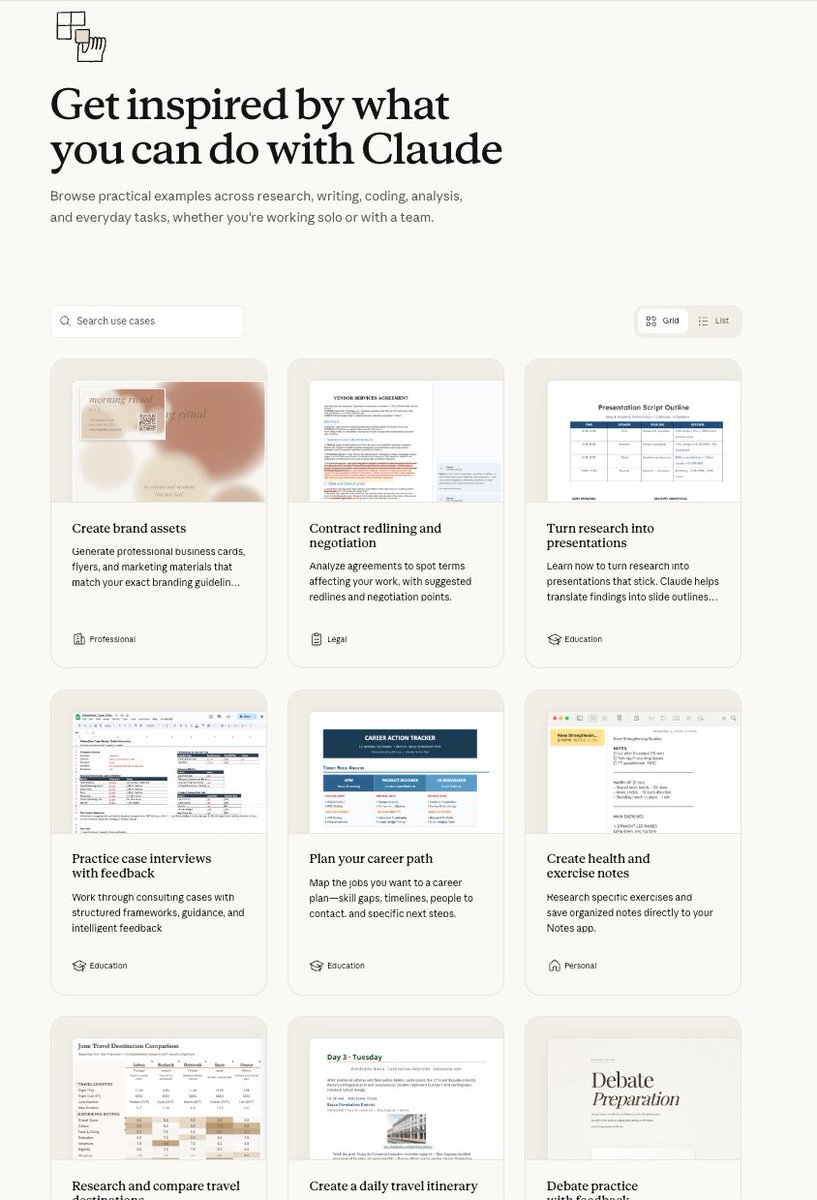
Anthropic just curated an impressive collection of use cases for Claude 🤯
You already get 39 deep guides and more get added weekly.
It’s also free and definitely worth bookmarking.
(link below)
12
151
1,513
146,285
Maricka Burke-Keogh retweeted

26 Dec 2025
1
2
5
173
Maricka Burke-Keogh retweeted

5 Dec 2025
29 years I debated whether I could afford to spend $50K to buy the domain name I really wanted for Netflix (replay.com). I decided that was crazy money. Netflix it was.
Now they can afford to pay 70 Billion for something.
Who woulda thunk.
249
571
14,838
1,647,649
18 Nov 2025
Crazy!
16 Nov 2025

Israel has attacked the UN in Lebanon.
19
14 Nov 2025
RT @MSDAnimalHealth: We’re shining a light on education and prevention. Lyme disease is becoming increasingly prevalent in various regions,…
532

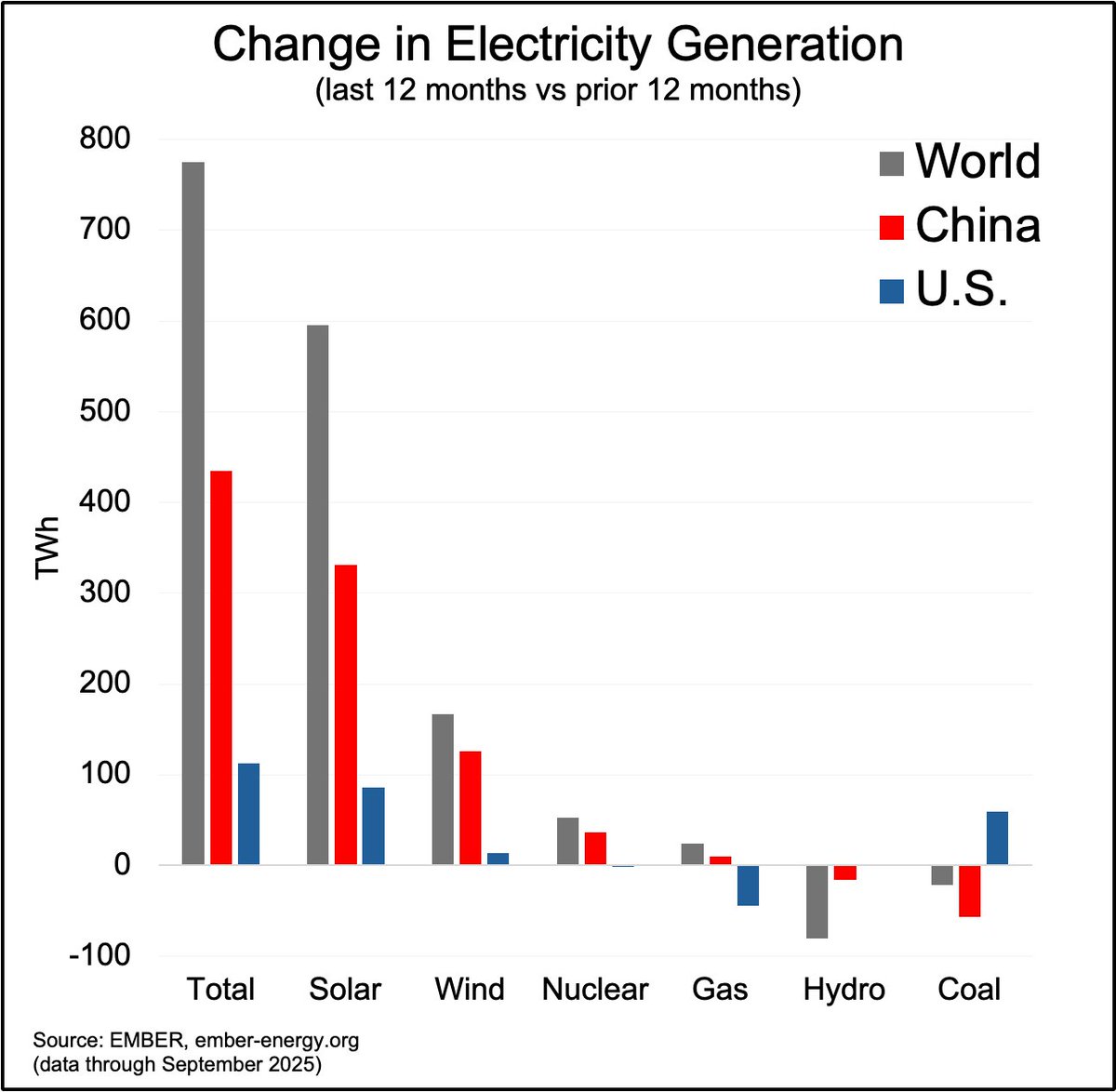
Solar electricity will become by far the biggest source of power for civilization
13 Nov 2025

China is the majority of electricity growth on Earth.
3/4 of new supply is solar.
That's the case globally, in China, in the U.S. — basically everywhere.
13,996
10,893
83,731
21,001,434
Maricka Burke-Keogh retweeted

29 Oct 2025
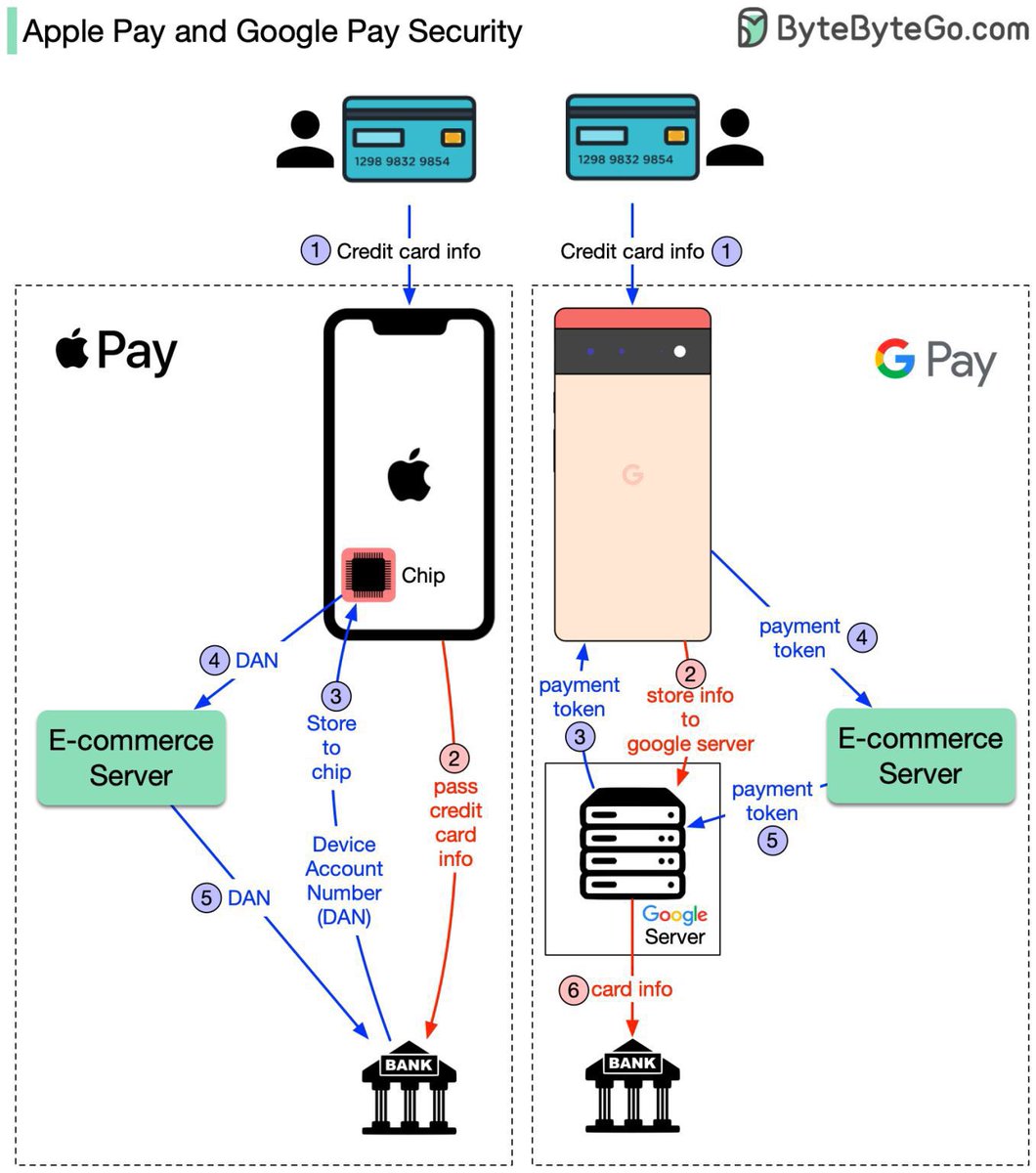
Reality of Google Pay compared to the Apple Pay
Now you know: Google knows about every freaking payment you make while Apple doesn't
Accept it or not but APPLE IS THE MOST SECURE PLATFORM.
181
419
4,122
384,279
Maricka Burke-Keogh retweeted

30 Sep 2025
Francesca Albanese shuts down reporter question on whether Israel has right to exist
“The state of Israel is there, it’s protected as a member of the United Nations. Does this justify the erasure of another people? Hell no. Not 75 years ago, not 57 years ago, surely not today.”
302
5,713
21,551
364,529
Maricka Burke-Keogh retweeted

30 Sep 2025
She's absolutely right.
Successive governments got us here, Fianna Fáil and Fine Gael governments. Selling properties to vulture funds, not building affordable homes, AirBnB running rampant.
We need better. We need change.
15
124
620
16,313