Excited by brain waves. Married 2 kids. Passion for Garibaldi biscuits. Ellen Mayston Bates Prof. of Neurophysiology of Epilepsy at Trinity College Dublin.
Joined August 2017
- Tweets 3,202
- Following 1,449
- Followers 1,542
- Likes 7,339
488 Photos and videos
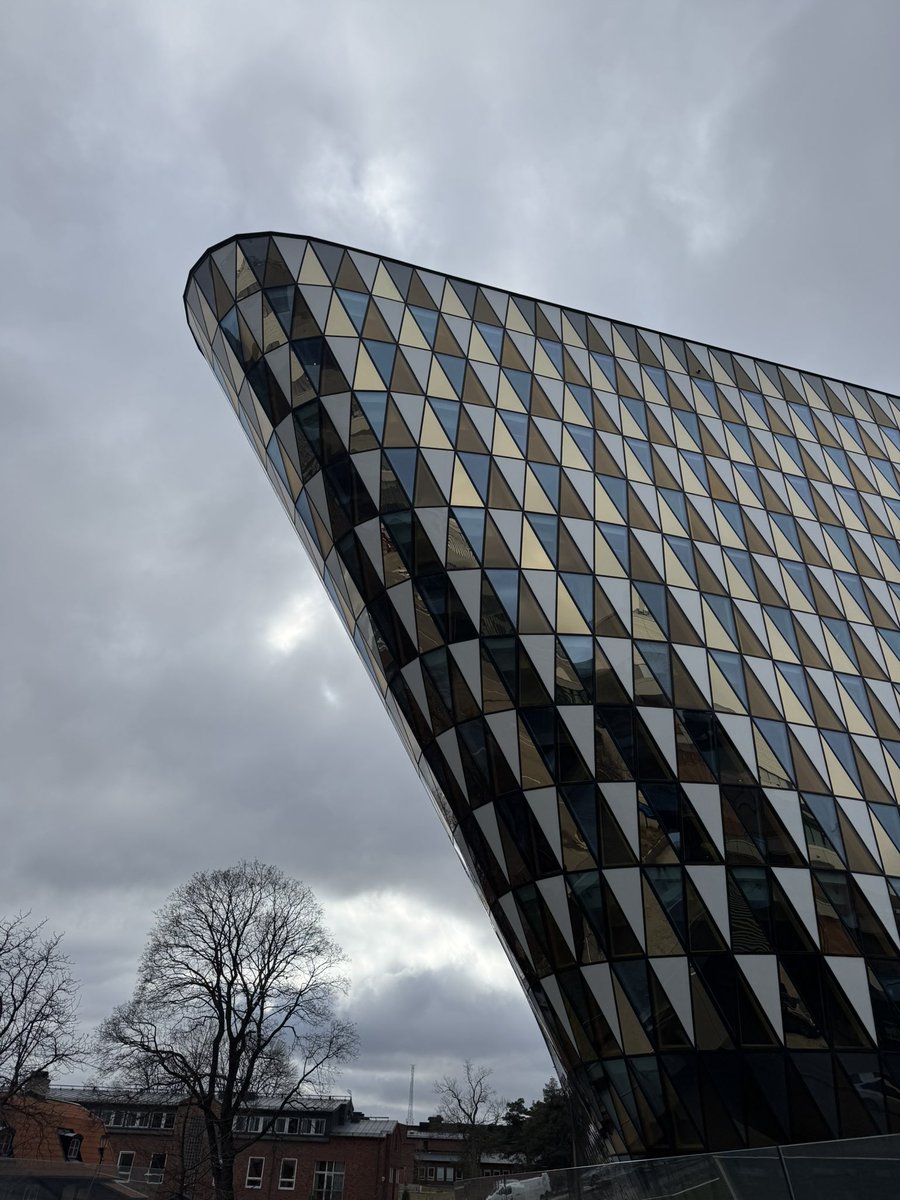

Mark Cunningham retweeted

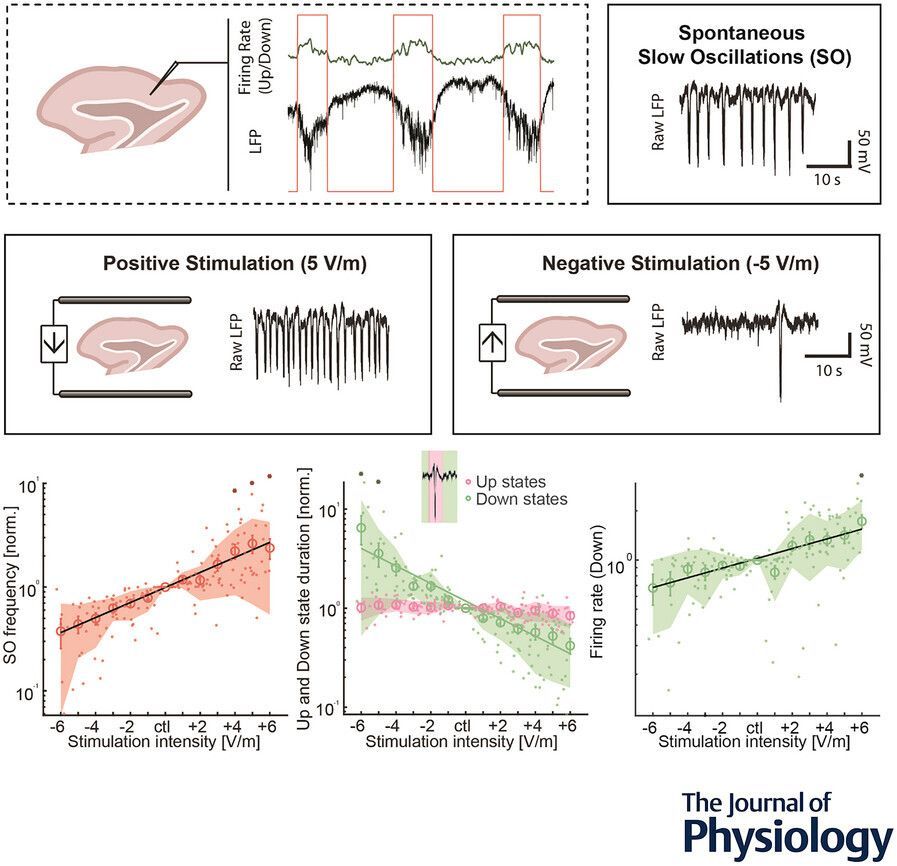
Mattia D'Andola and co-authors from @idibaps examined modulation of slow and fast oscillations by direct current stimulation in the #cerebral cortex in vitro in this recent #Research article 🧠 ⚡️
📜 Read it here:
buff.ly/xkJI6Im
2
2
461

13 Nov 2025
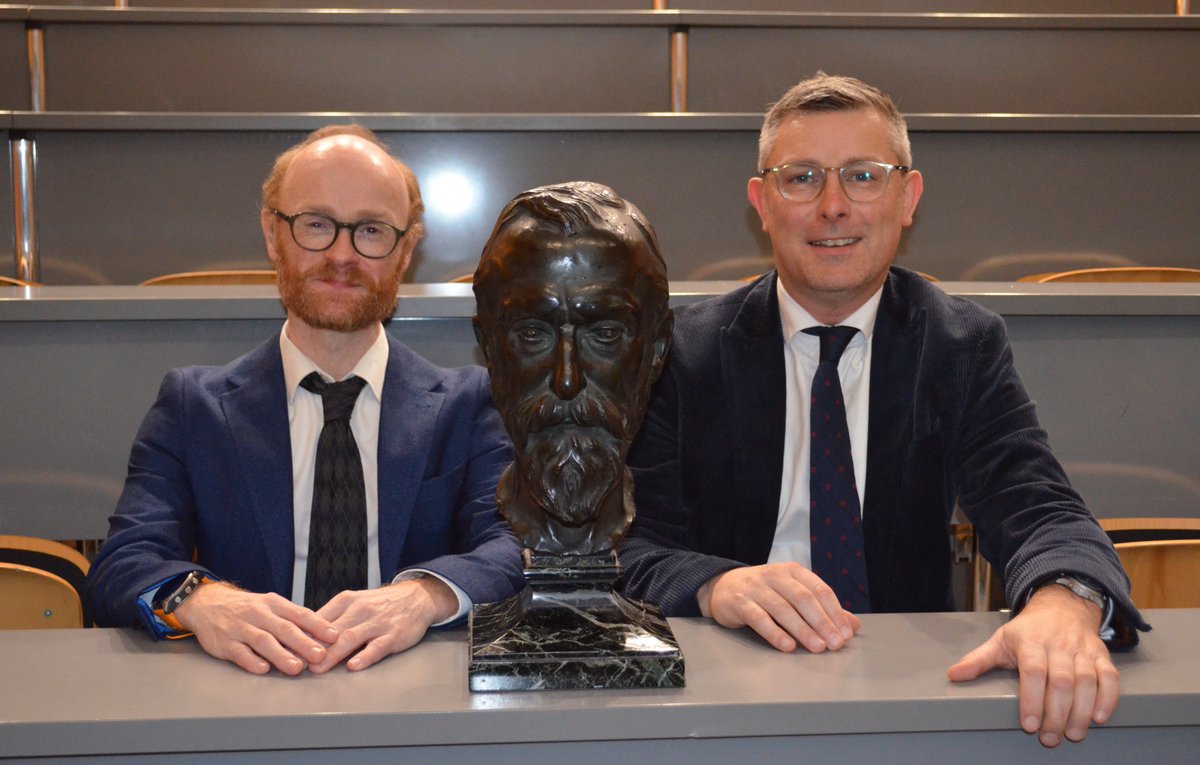
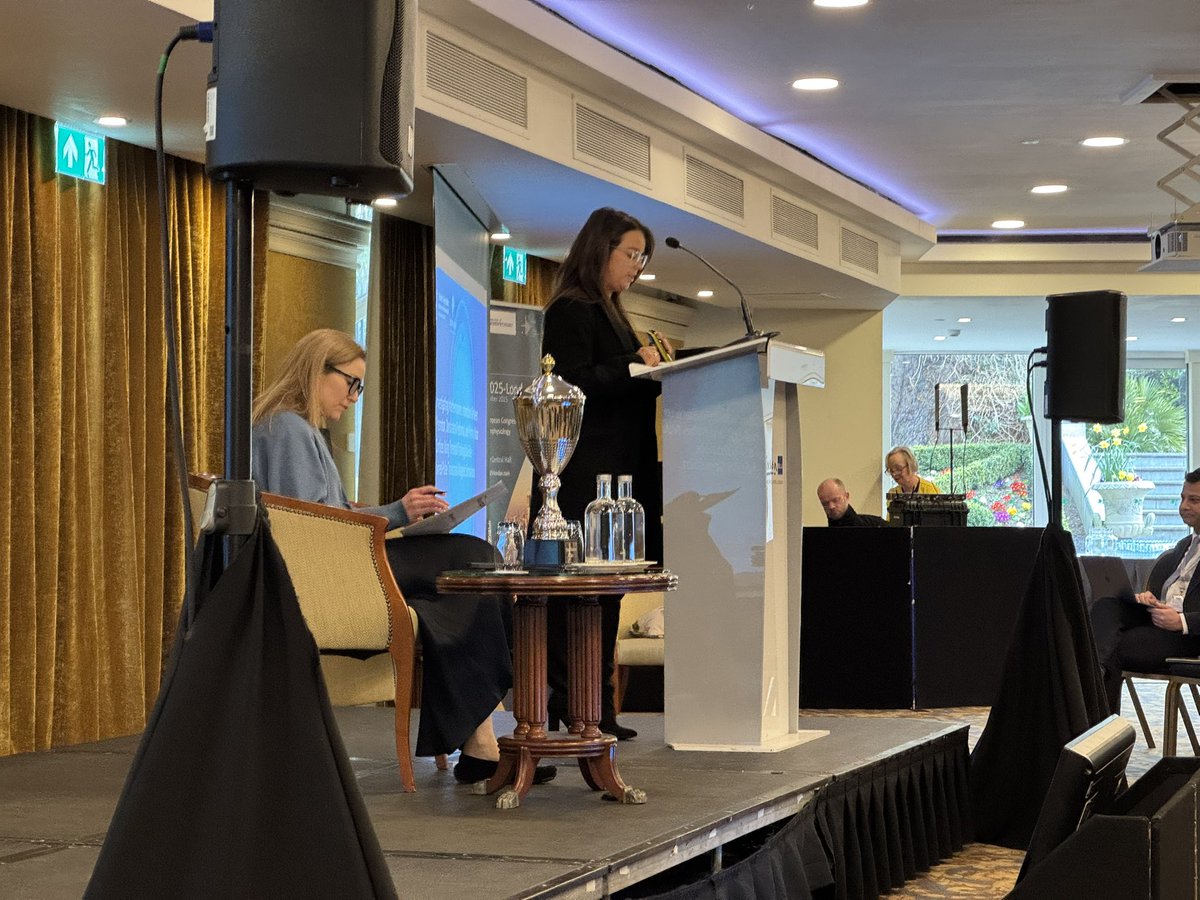
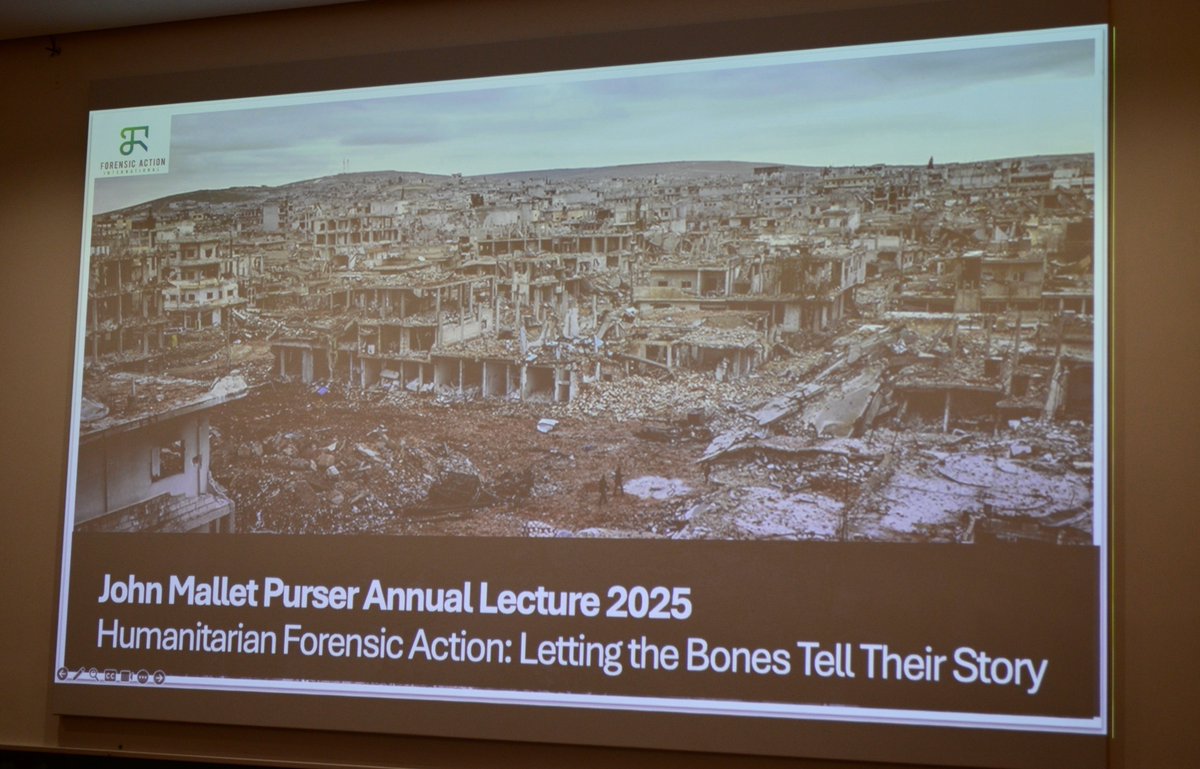
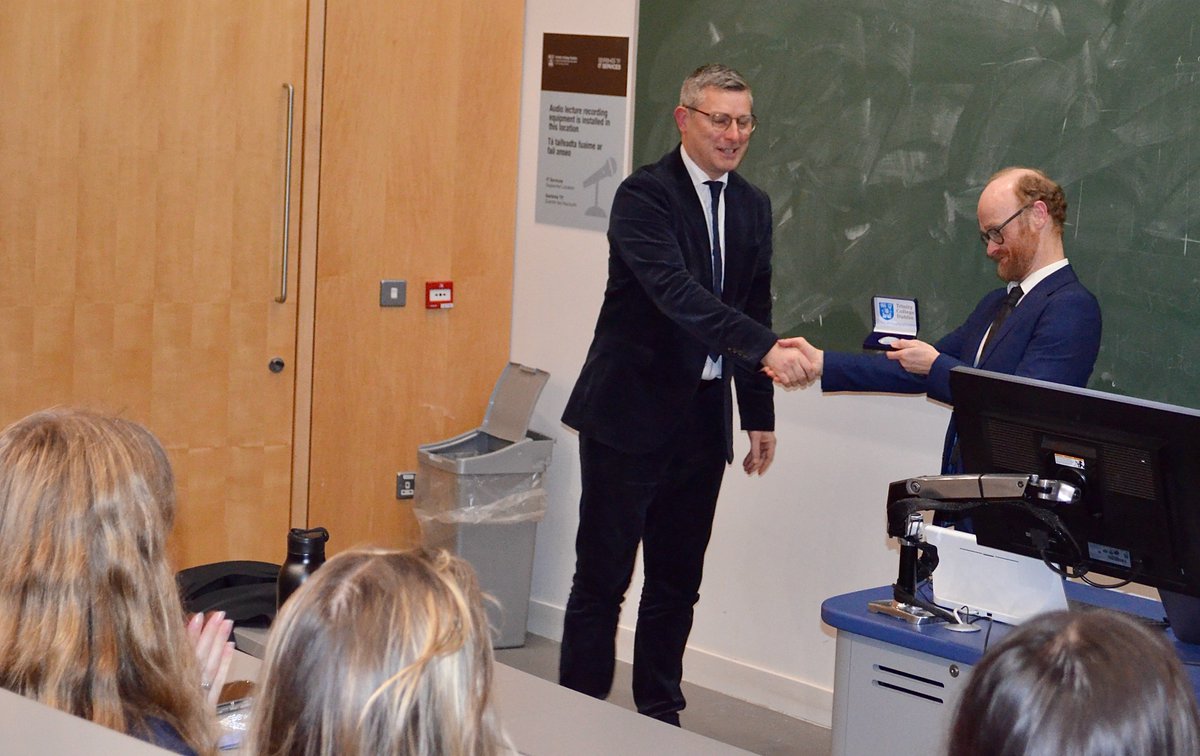
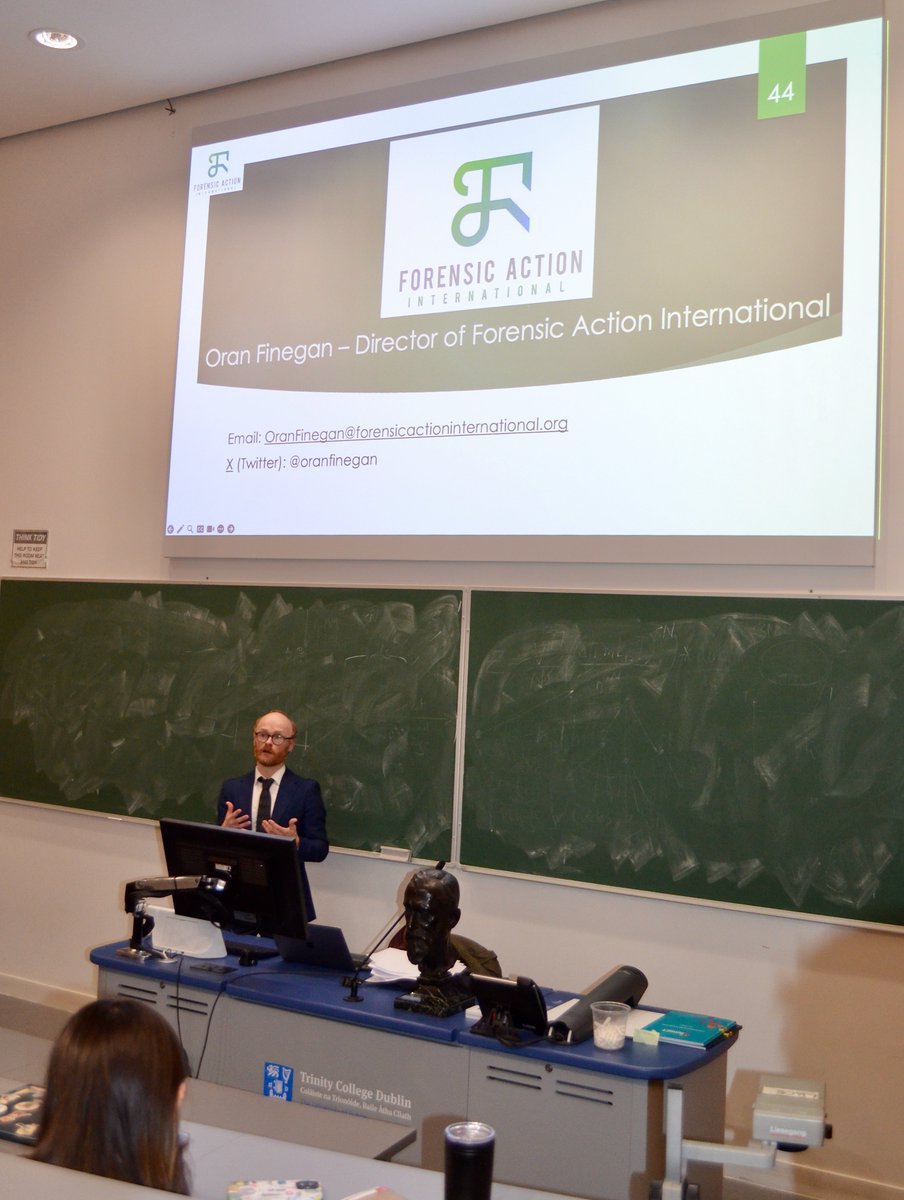
Thank you @oranfinegan for delivering an incredible 2025 John Mallet Purser Public Lecture @TrinityMed1 @TCDPhysiology @tcddublin @AnatomyTrinity
1
6
450
Mark Cunningham retweeted

11 Nov 2025
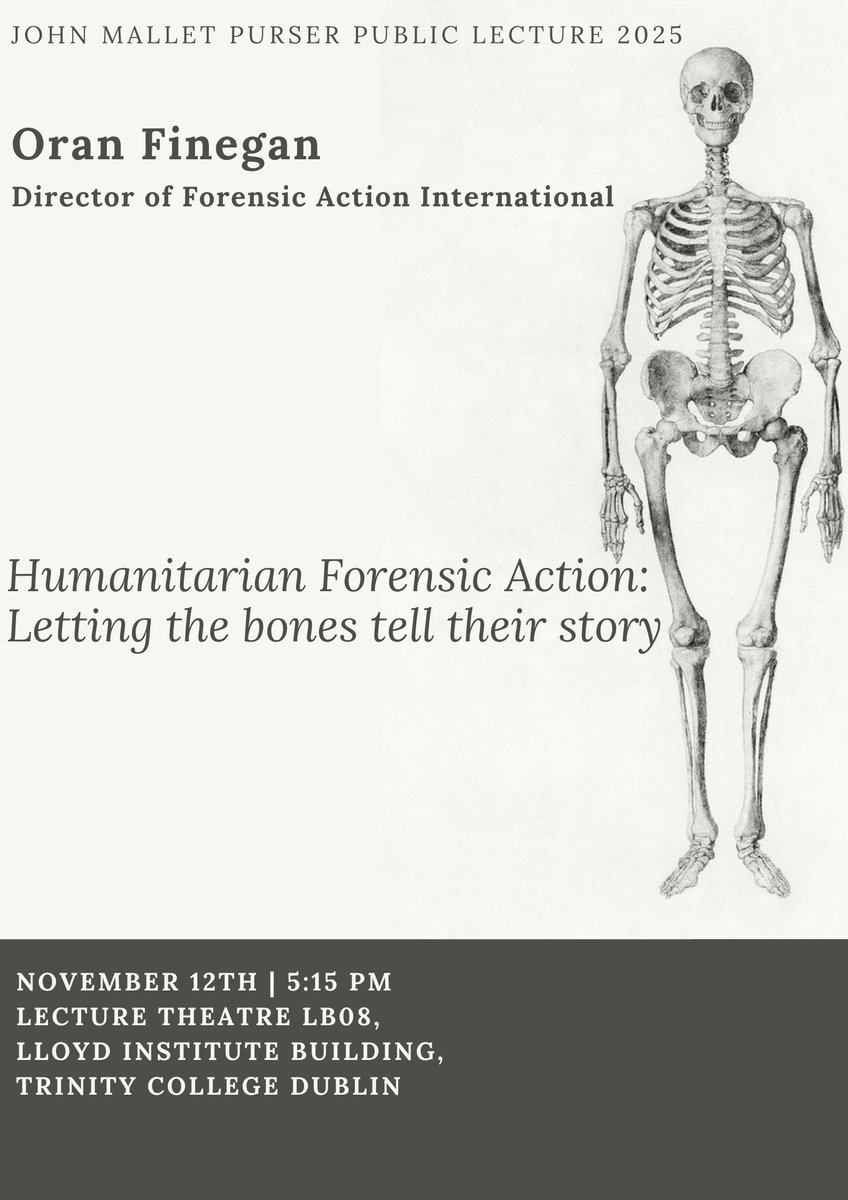
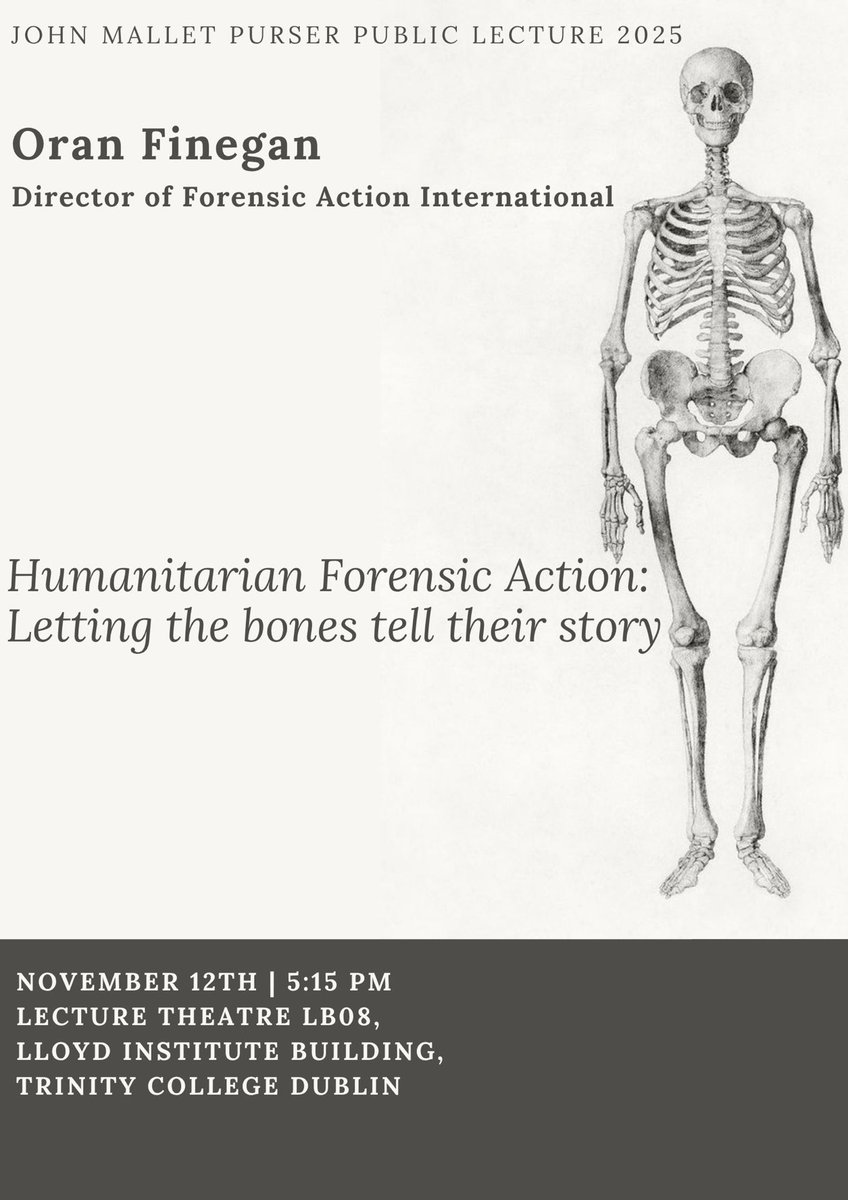
Proud to have been invited to deliver the 2025 John Mallet Purser Public Lecture in @tcddublin on the 12th November. A great opportunity to highlight the rapidly developing field of #humanitarian #forensics
30 Oct 2025

1/2 Delighted to announce that the 2025 John Mallet Purser Public lecture will be delivered by Oran Finegan who will deliver a lecture on how his training in anatomy led to a career in humanitarian forensic action
@TrinityMed1
@TCDPhysiology
@AnatomyTrinity
2
4
403
11 Nov 2025
Thanks to @epilepsyireland for popping in to see our @tcddublin @TCINeuroscience @TrinityMed1 @Researchirel new OPM-MEG scanner and for the article highlighting how this technology will help with epilepsy research @Futureneuro_ie epilepsy.ie/content/new-wear…
3
5
417
7 Nov 2025
I will be chairing this lunchtime talk by Dr. Marius Volberg @PhotoMuseumIRL next Wed 12th November on "The Promises and Pitfalls of Empathy" (photomuseumireland.ie/event_…) as part of @ScienceWeek @Researchirel @TCDPhysiology @tcddublin @Futureneuro_ie @TrinityMed1
4
5
579
30 Oct 2025
1/2 Delighted to announce that the 2025 John Mallet Purser Public lecture will be delivered by Oran Finegan who will deliver a lecture on how his training in anatomy led to a career in humanitarian forensic action
@TrinityMed1
@TCDPhysiology
@AnatomyTrinity
1
2
1
701
30 Oct 2025
Humanitarian forensic action is a field that recognises that forensic methods can help protect human rights, clarify the fate of missing persons, and bring dignity to victims & families, even where there is no functioning legal system or where the primary goal isn’t prosecution
102
27 Jul 2025
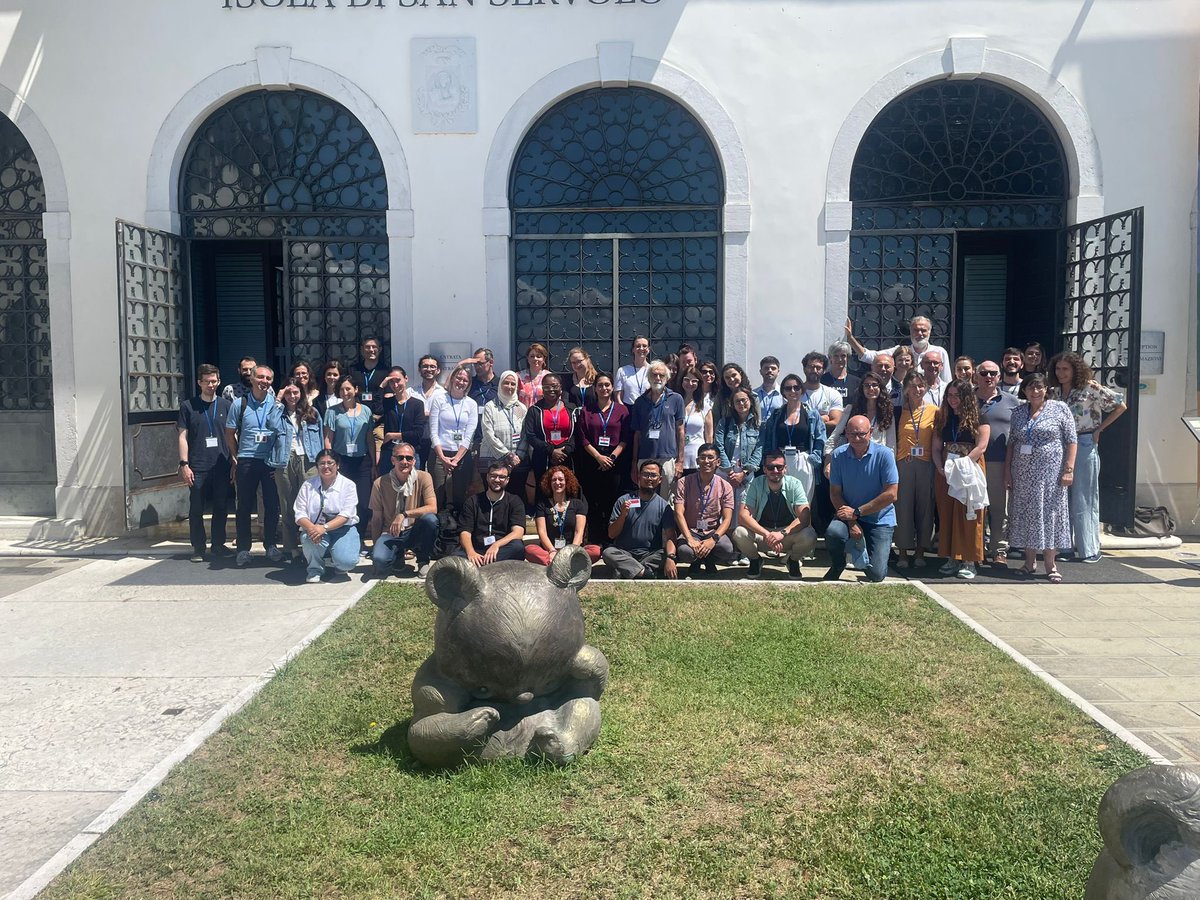
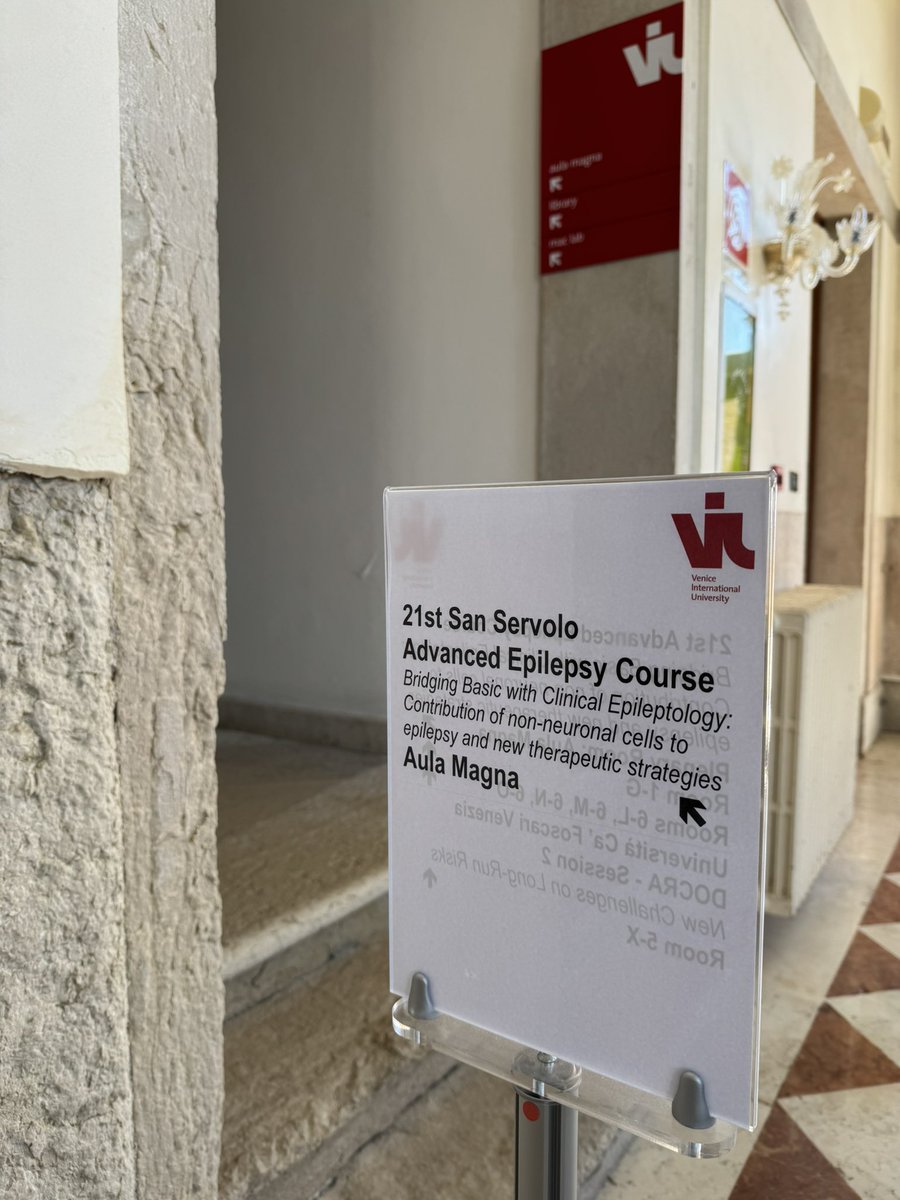
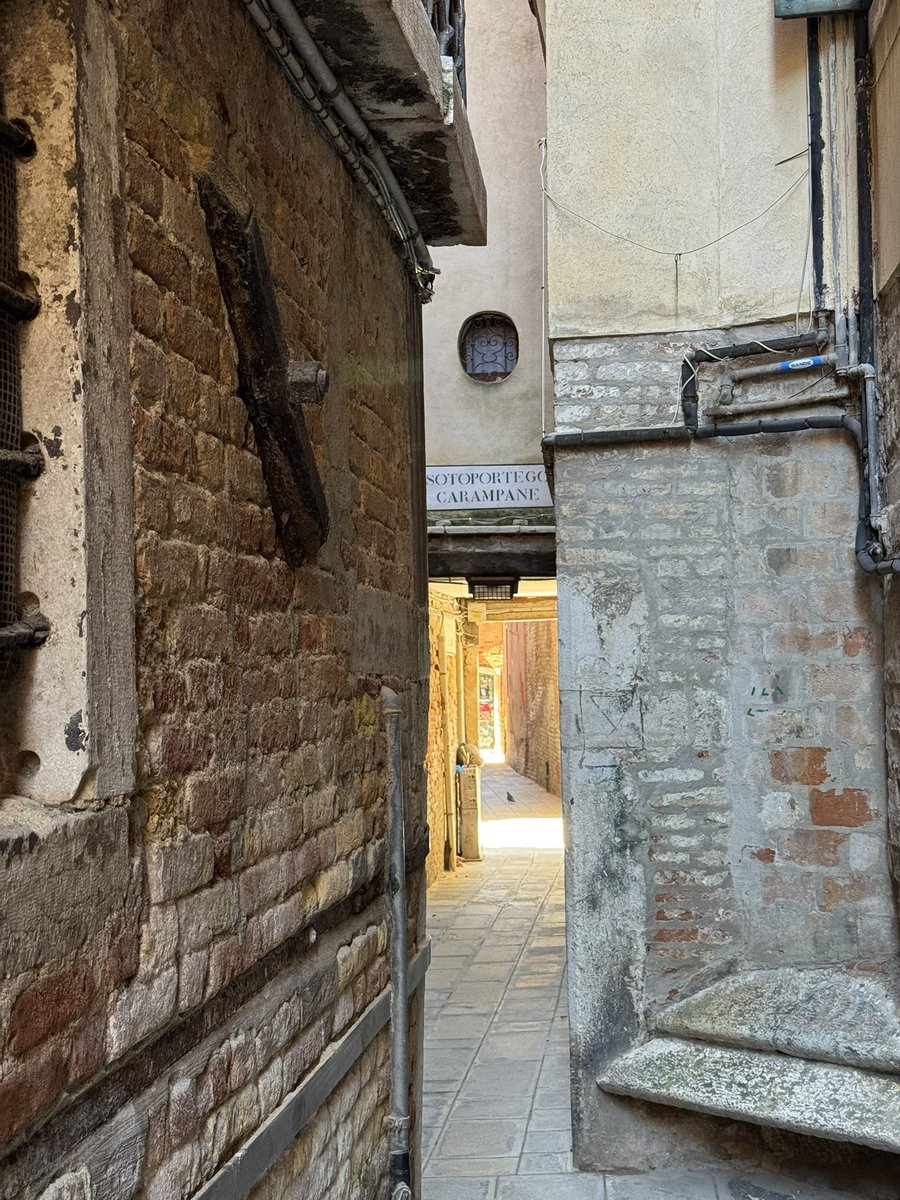
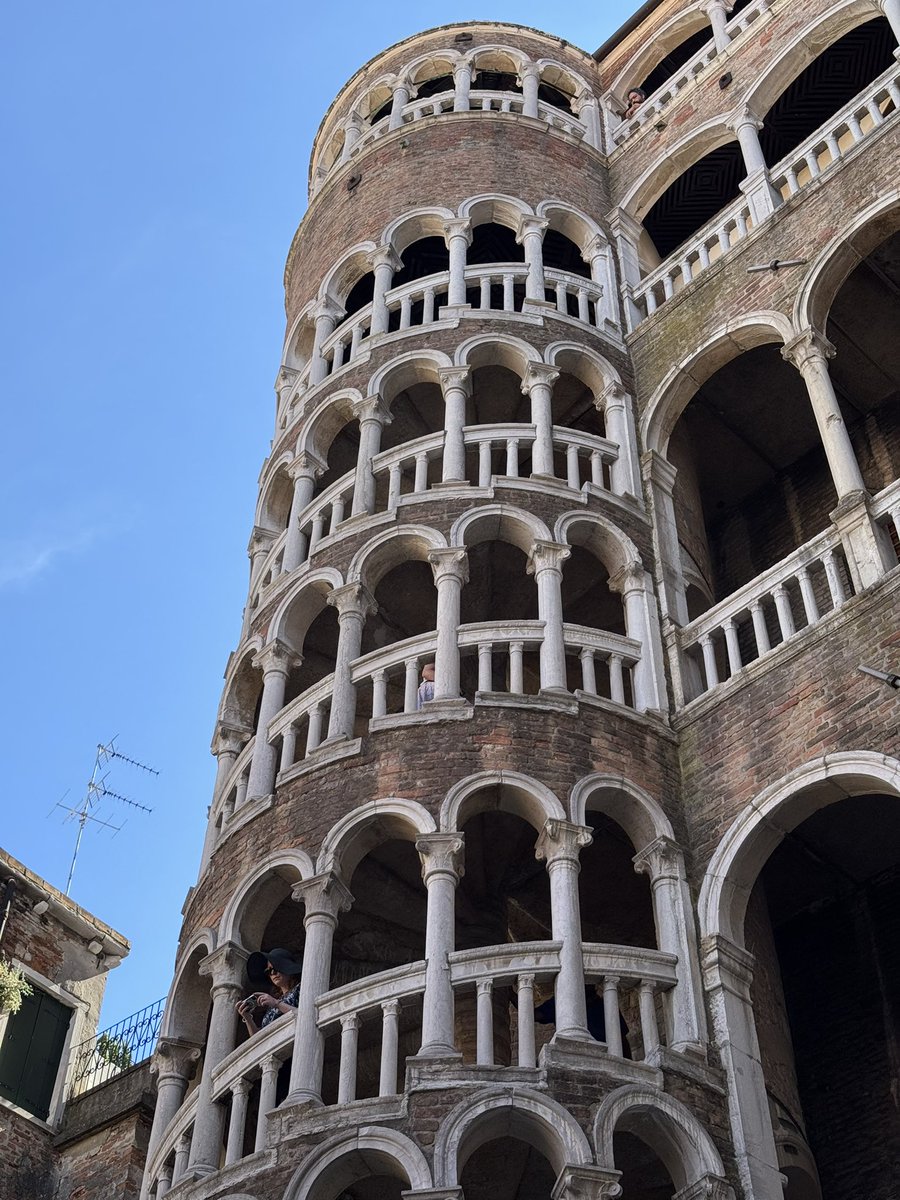
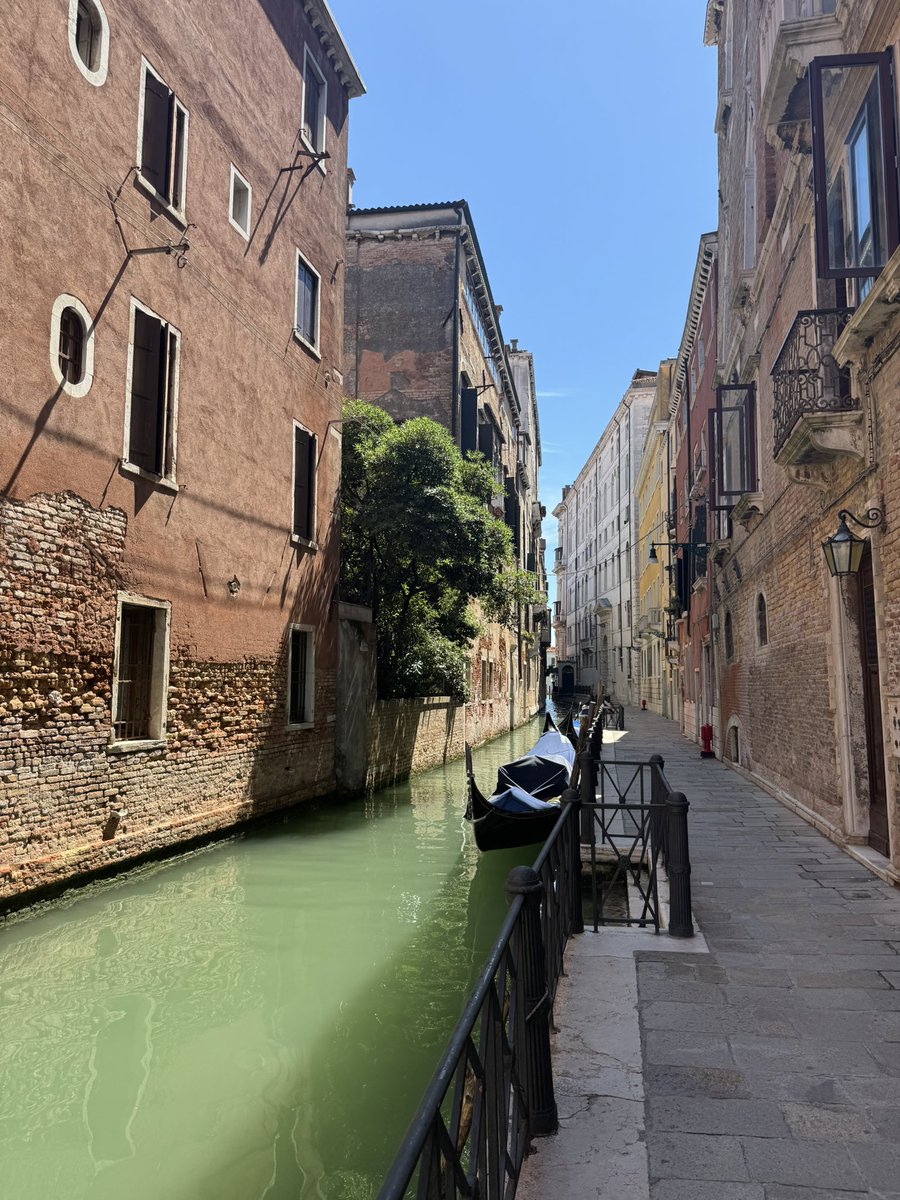
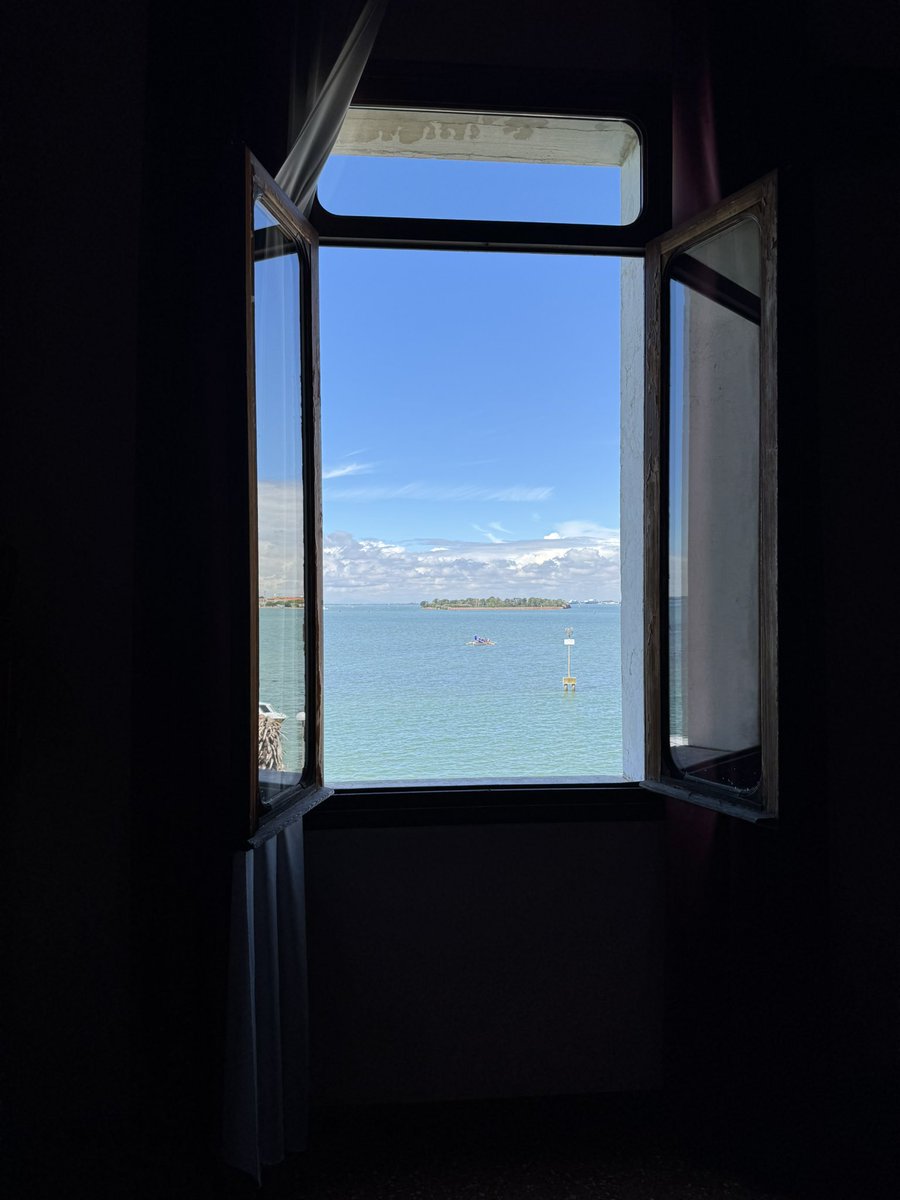
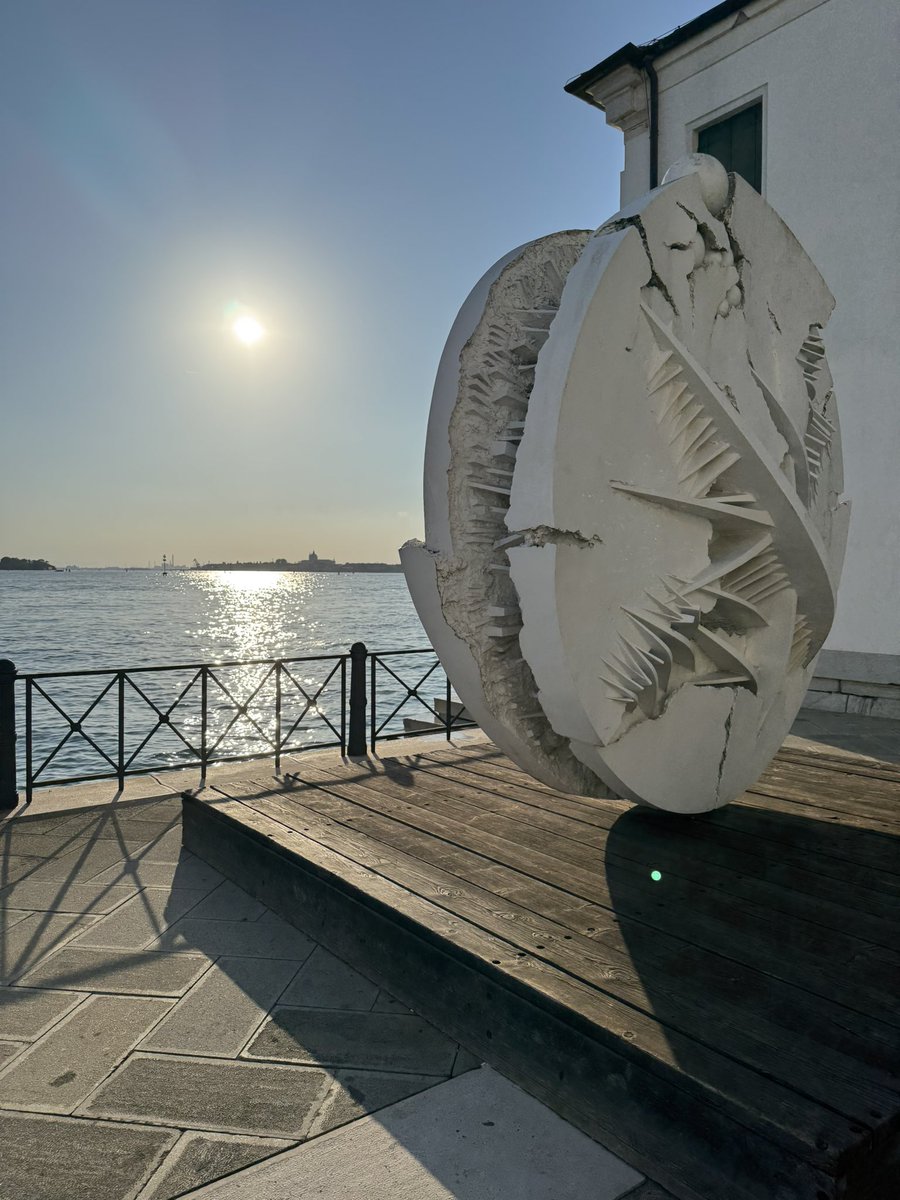
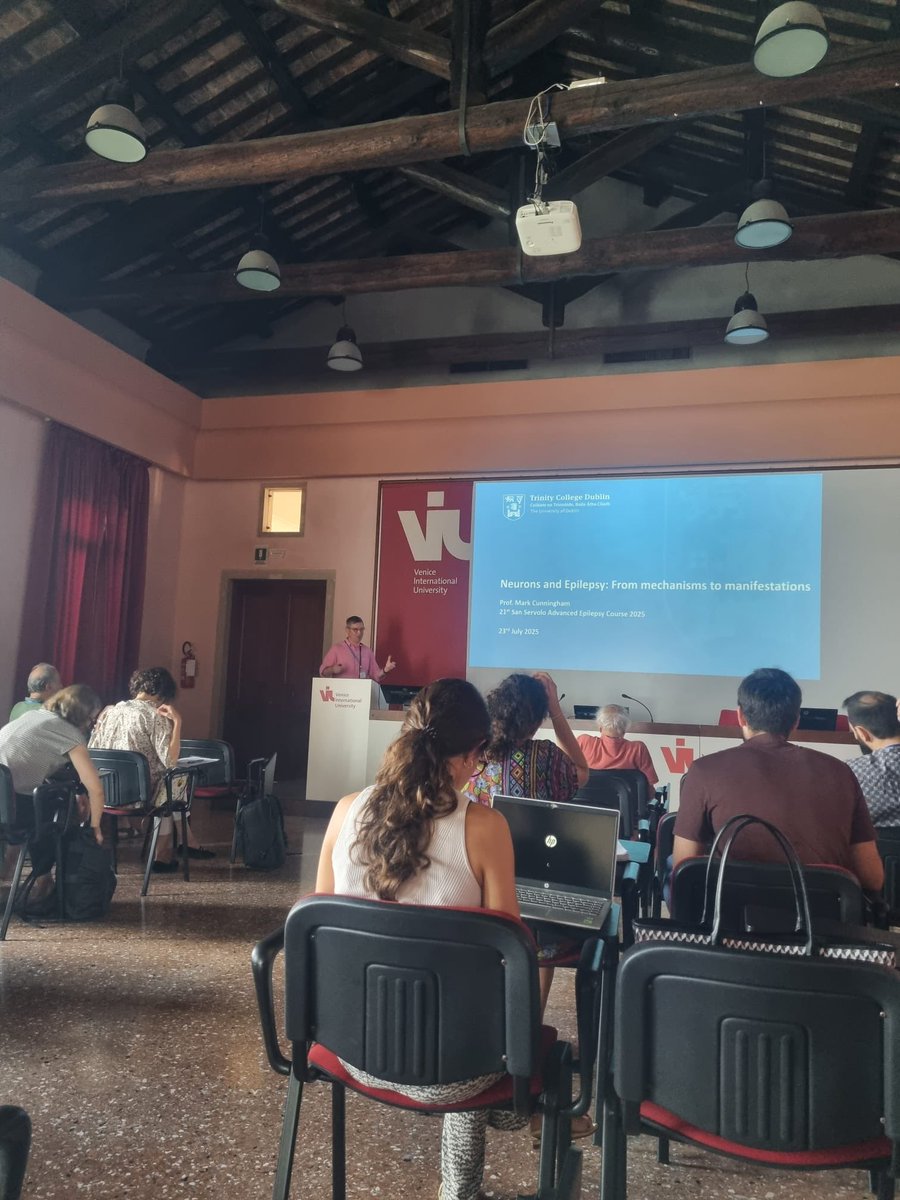
It has been a wonderful experience to participate as faculty on the 21st Advanced Epilepsy Course on San Servolo, Venice #sanservolo @TCDPhysiology @TrinityMed1 @Futureneuro_ie
1
3
16
601
Mark Cunningham retweeted

22 Jul 2025
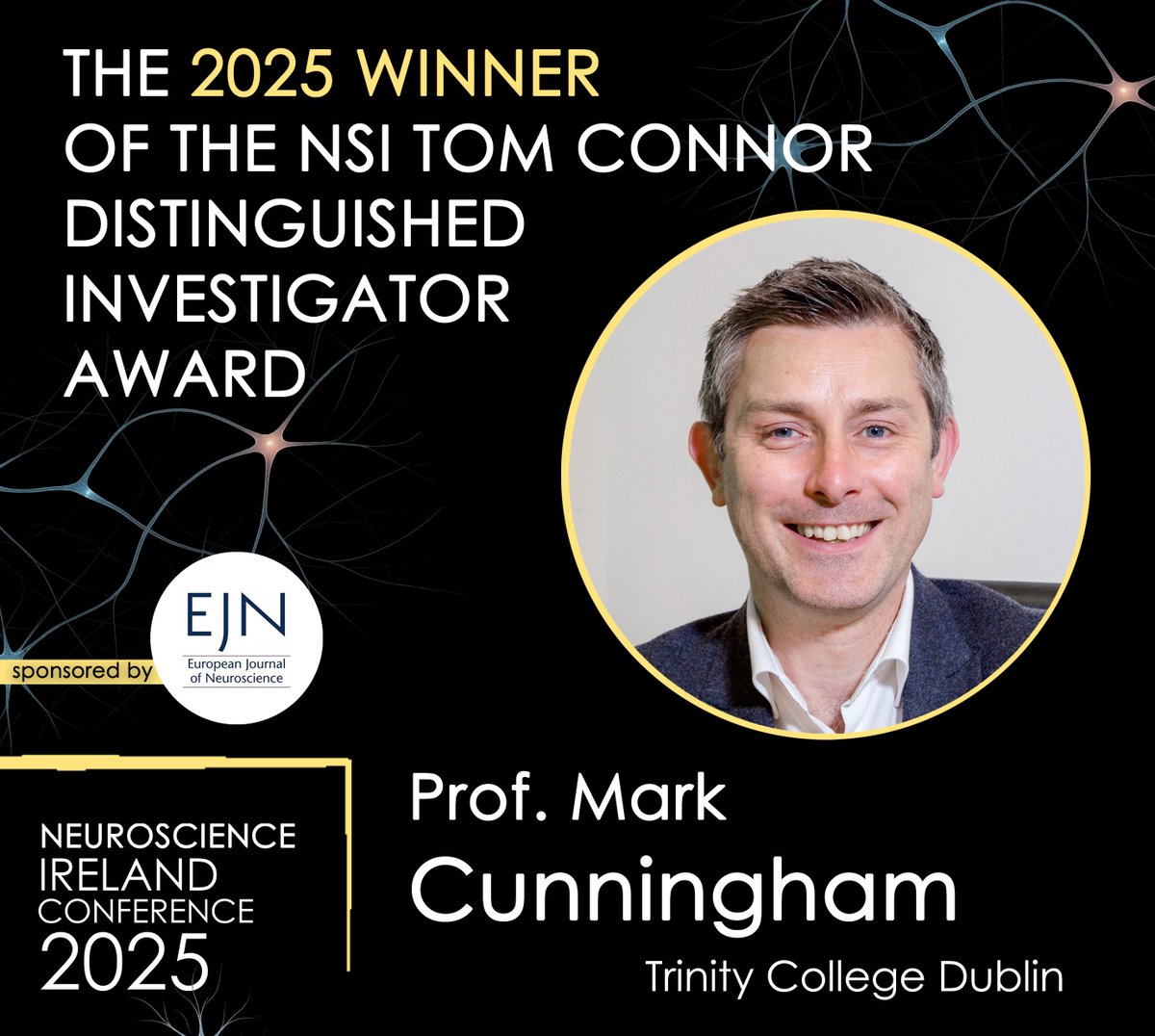
🏆We’re excited to announce Prof. Mark Cunningham @markcnewry (@tcddublin) as the 2025 winner of the Tom Connor Distinguished Investigator Award! A leading figure in #epilepsy research, his work on neuronal microcircuits has had global impact. Huge congratulations! 👏
3
5
22
1,655
5 Jun 2025
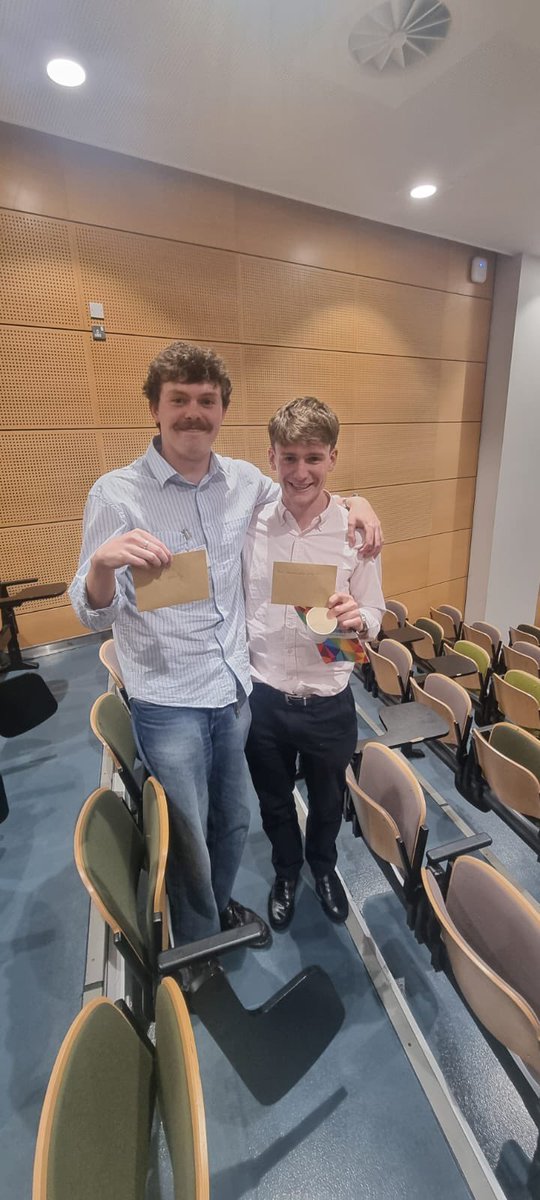
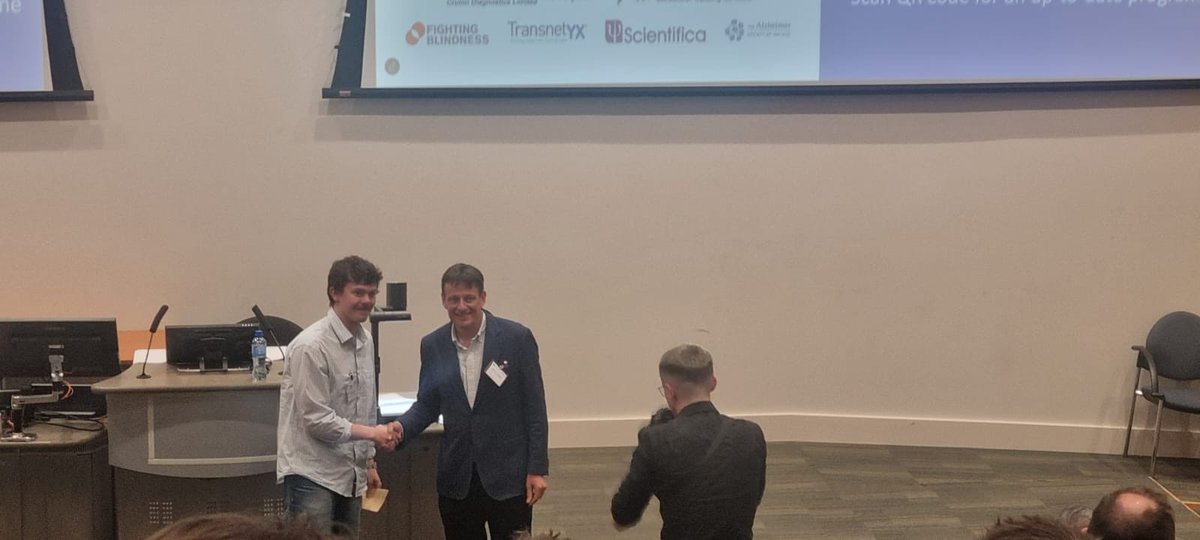
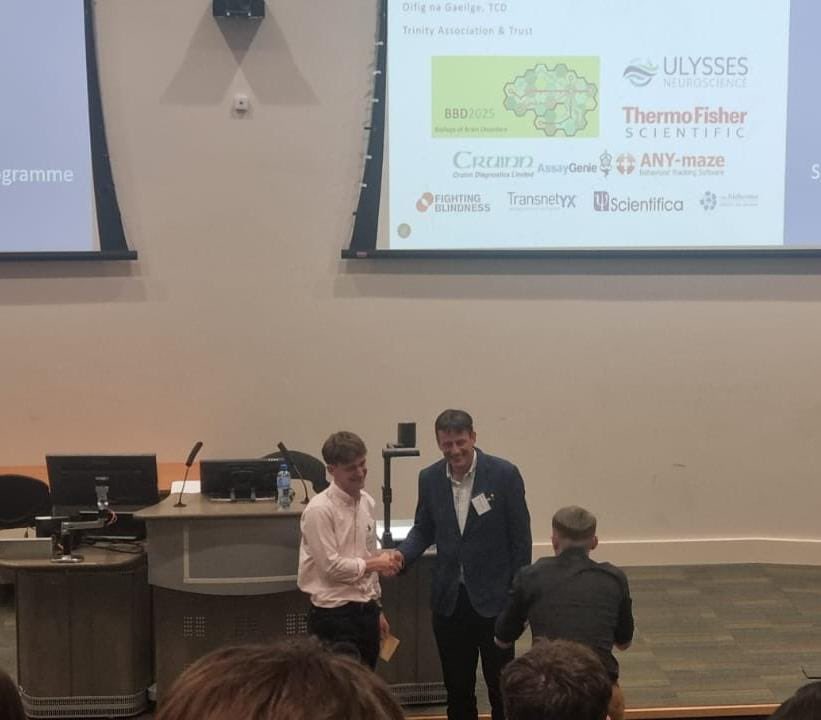
Congratulations to PhD candidate @Futureneuro_ie Harry Frost and post-doc Hugh Delaney on winning best poster presentation (as Gaeilge) and Clayton Neuroscience prize respectively at the @TCINeuroscience anniversary symposium @TCDPhysiology
3
5
23
1,342
2 May 2025
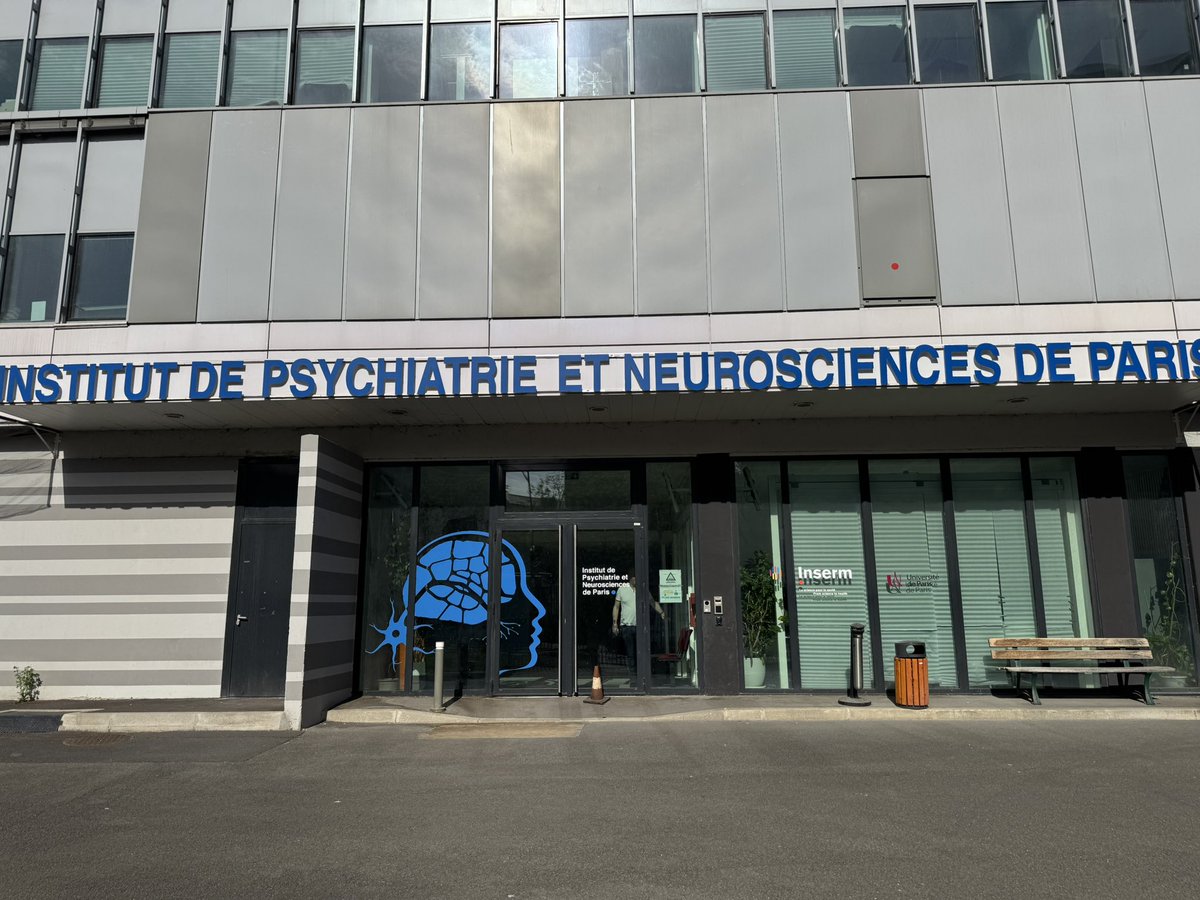
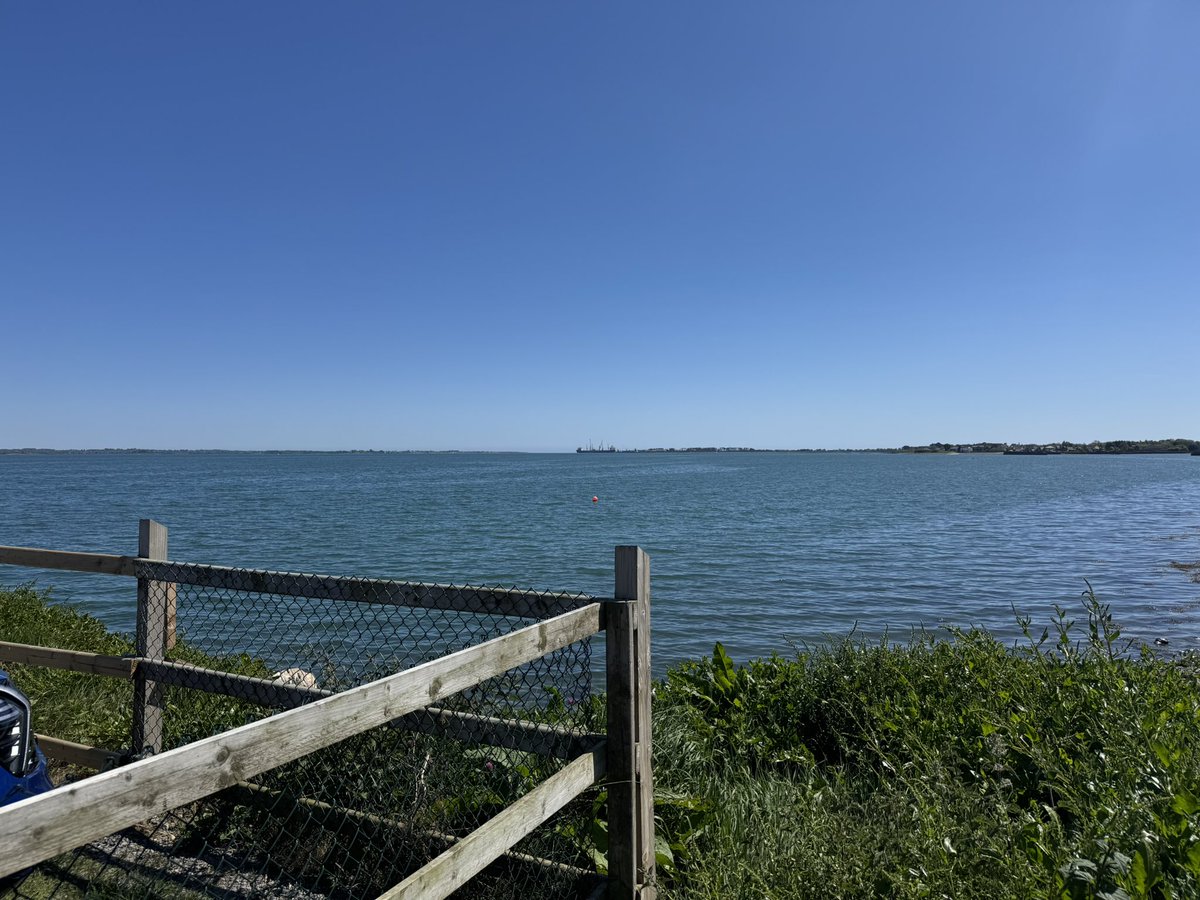
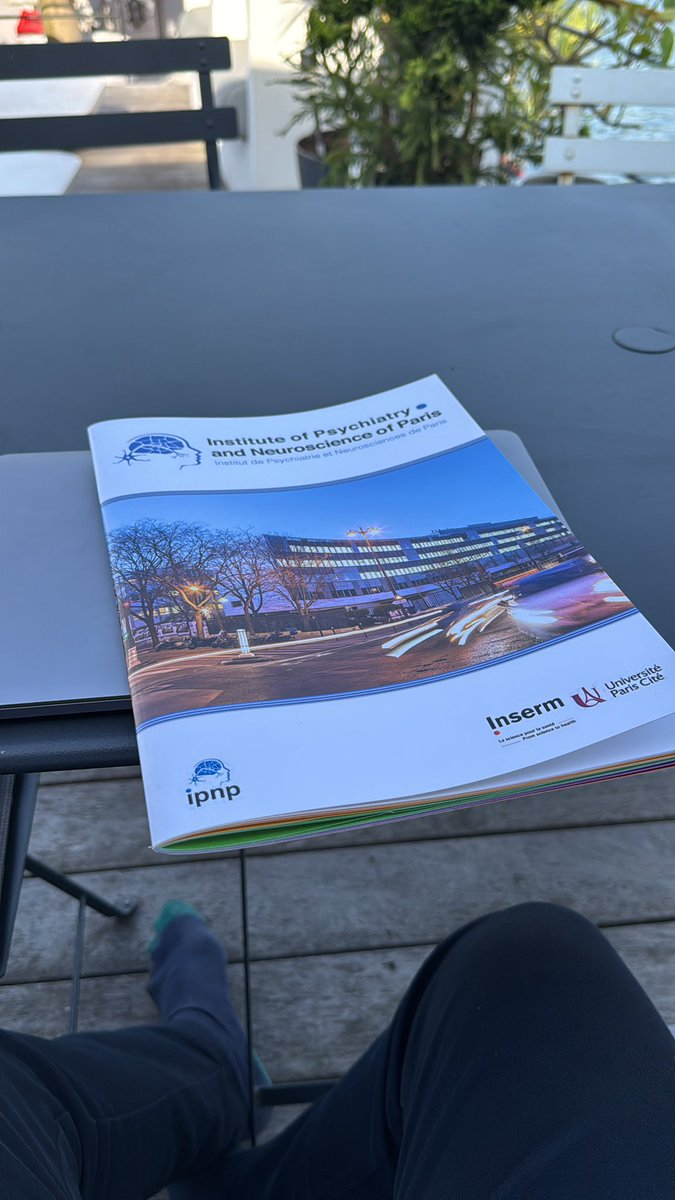
Great visit to @Insermu1266 to discuss our work on brain tumour related epilepsy with Gilles Huberfeld and colleagues. Paris looking good in the sun ☀️ @TCDPhysiology @Futureneuro_ie
1
2
14
581
15 Apr 2025
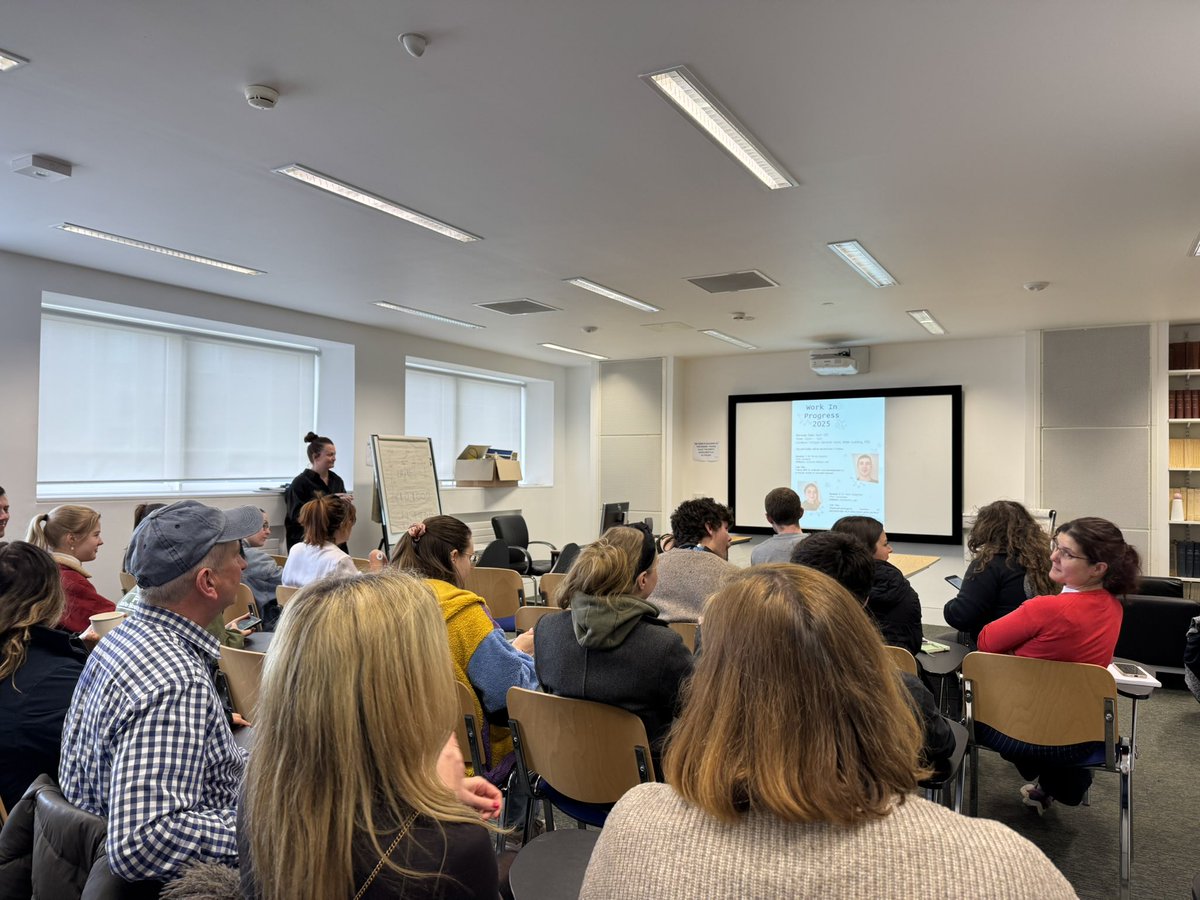
Bravo @KateCScience for getting the @TCDPhysiology work in progress talks seriesunderway with our colleagues in @AnatomyTrinity. A monthly forum where researchers and postgraduate students can present their ideas/work @TrinityMed1
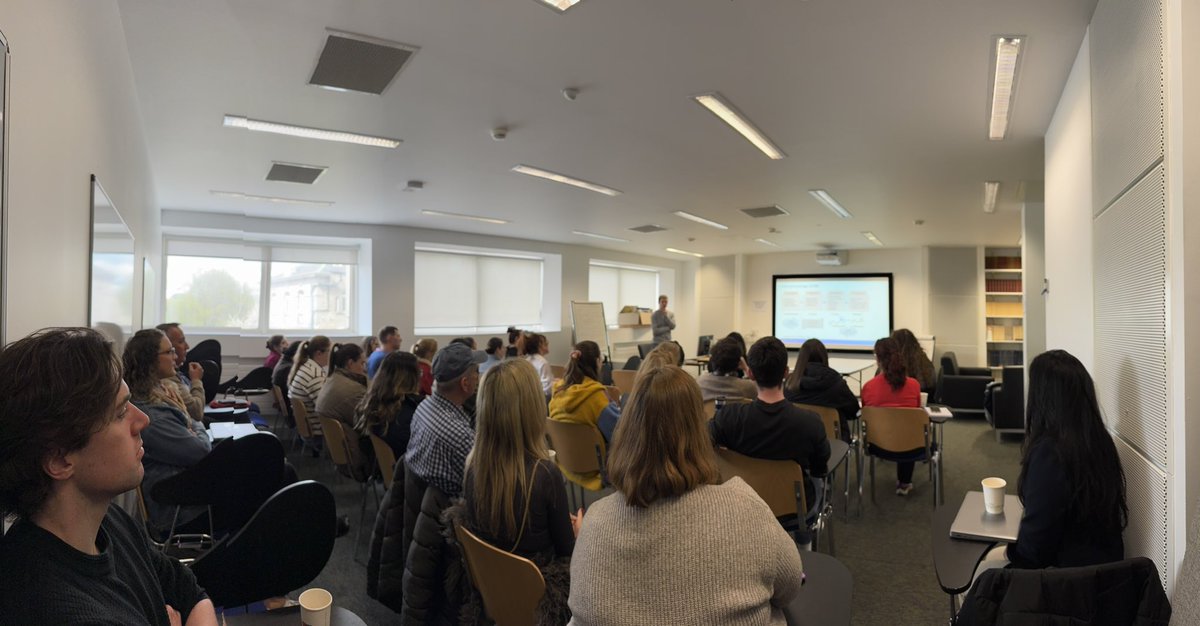
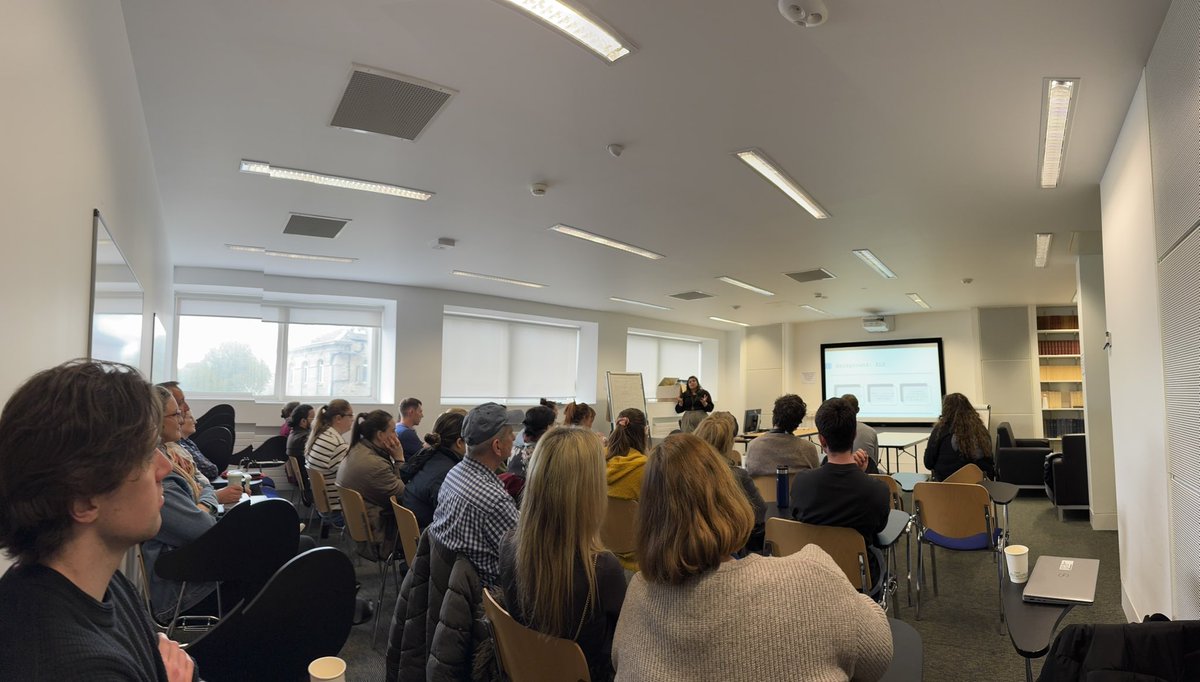
3
17
1,334
Mark Cunningham retweeted

13 Apr 2025
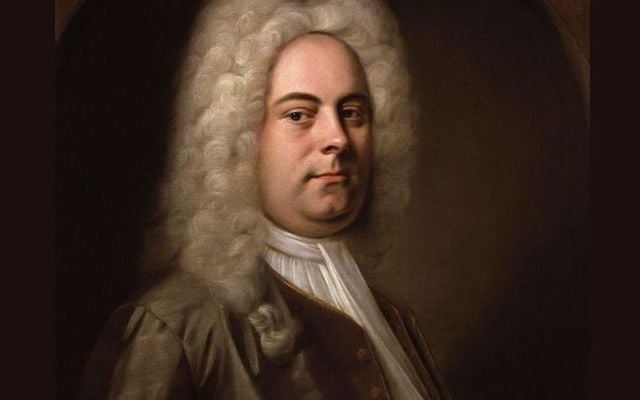
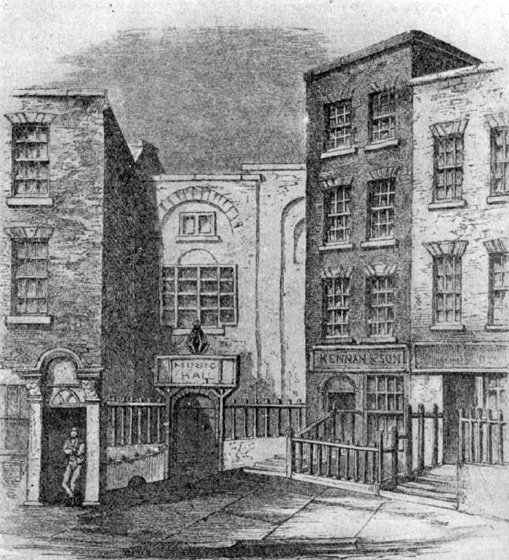
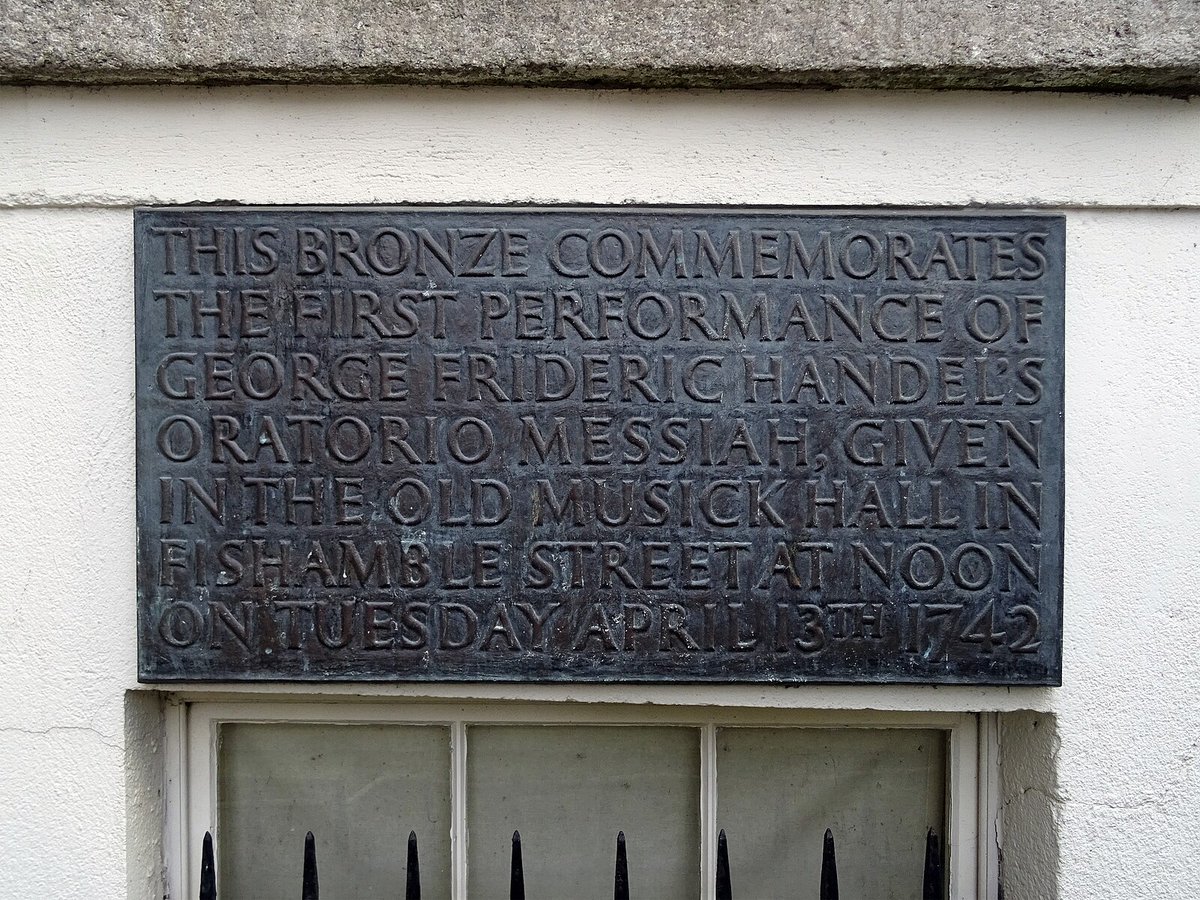
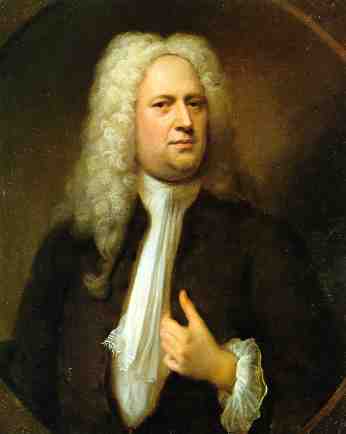
On this day in 1742, Handel’s Messiah, performed by George Frideric, had its world premiere on Fishamble Street in Dublin, in a city clawing its way out of disaster. The venue was Neal’s Musick Hall, newly opened in October 1741, just as Ireland emerged from a devastating two-year famine. Between 13-20% of our island’s 2.4 million people had died, proportionally worse than the Great Famine a century later.
Disease followed hunger. Dublin’s hospitals, Mercer’s on Stephen’s Street, and the Charitable Infirmary on Inns Quay were packed to bursting. In response, the Charitable Musical Society invited Handel, a German-born composer, down on his luck, to perform a benefit gig. He arrived in Dublin on the 17th of November 1741, and was instantly taken with the place. “The Politeness of this generous Nation cannot be unknown to you,” he wrote to his librettist Charles Jennens, who had assembled Messiah from scriptural passages.
Rehearsals began in February 1742. Handel personally secured permission from Jonathan Swift, Dean of St Patrick’s Cathedral, to use its choir, alongside that of Christ Church. Uniting Anglican forces in a rare moment of cooperation.
The hype was real. Ladies were asked not to wear hoop skirts; men to leave their swords at home, to squeeze in more people. Over 700 packed into the hall on the 13th of April. Faulkner’s Dublin Journal called it “the Finest Composition of Musik that ever was heard,” and later gushed, “Words are wanting to express the exquisite delight it afforded.”
The concert raised £400, divided between Mercer’s, the Charitable Infirmary, and debt relief for prisoners. Handel himself took no fee. Messiah was born not in grandeur but in grit. In a hungry, hurting city, compassion, music, and scripture came together to raise both funds and spirits.
9
78
285
14,225
9 Apr 2025
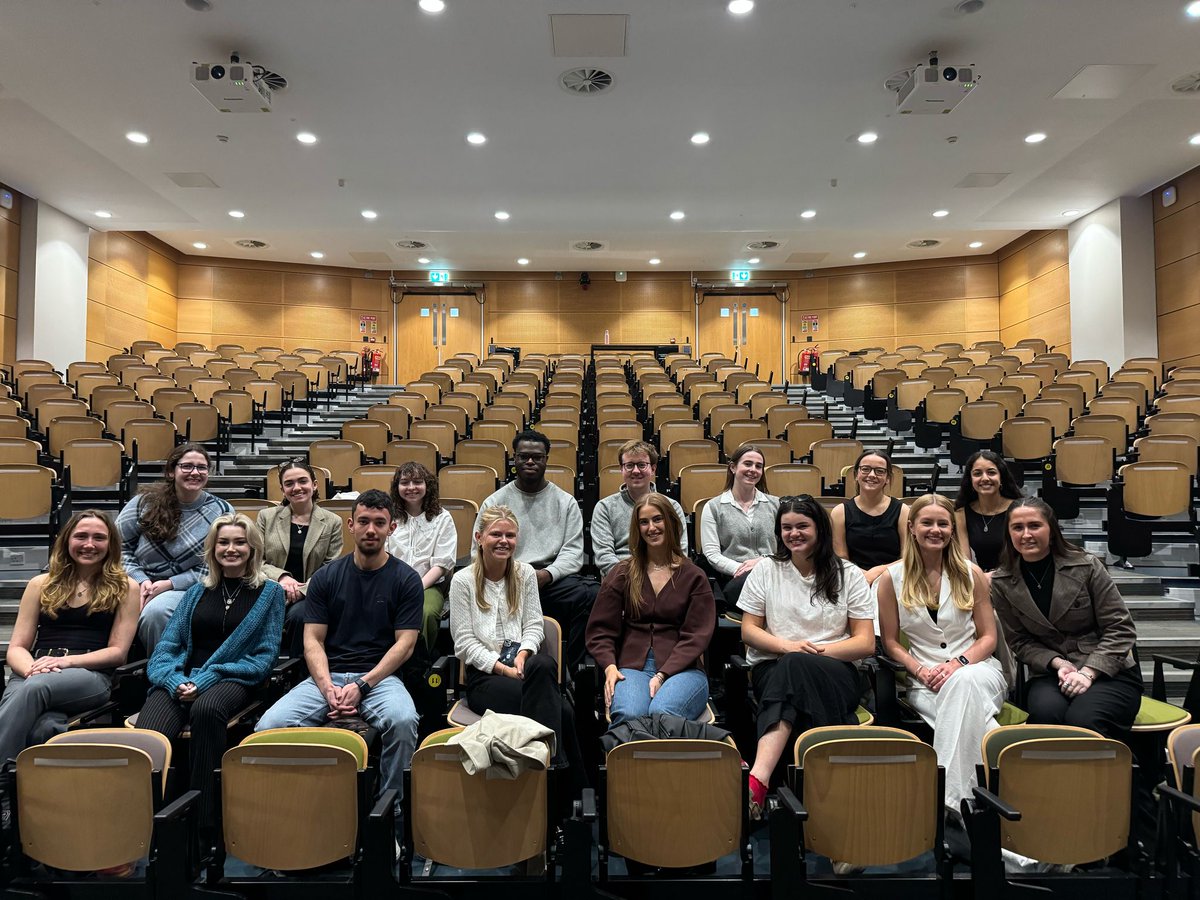
An important feature of our Physiology degree is the opportunity for students to undertake their final year research project in labs offering projects across the breadth of physiology. From cells, to tissues, and humans. And then present their work to the faculty! @physoc
9 Apr 2025

Congratulations to our fantastic Senior Sophister Physiology students on an excellent series of presentations on the capstone research projects they have been undertaking 👏🧠🫁⚡️🧪🥼👨🔬👩🔬
3
23
1,601
Mark Cunningham retweeted

31 Mar 2025
Happy Birthday @physoc
For 149 years the society has brought together and fostered the work of such a huge array of physiologists including many Nobel laureates.
If you are an ECR, I advise you to join a society. The opportunities and network they provide are invaluable.
2
5
279
16 Mar 2025
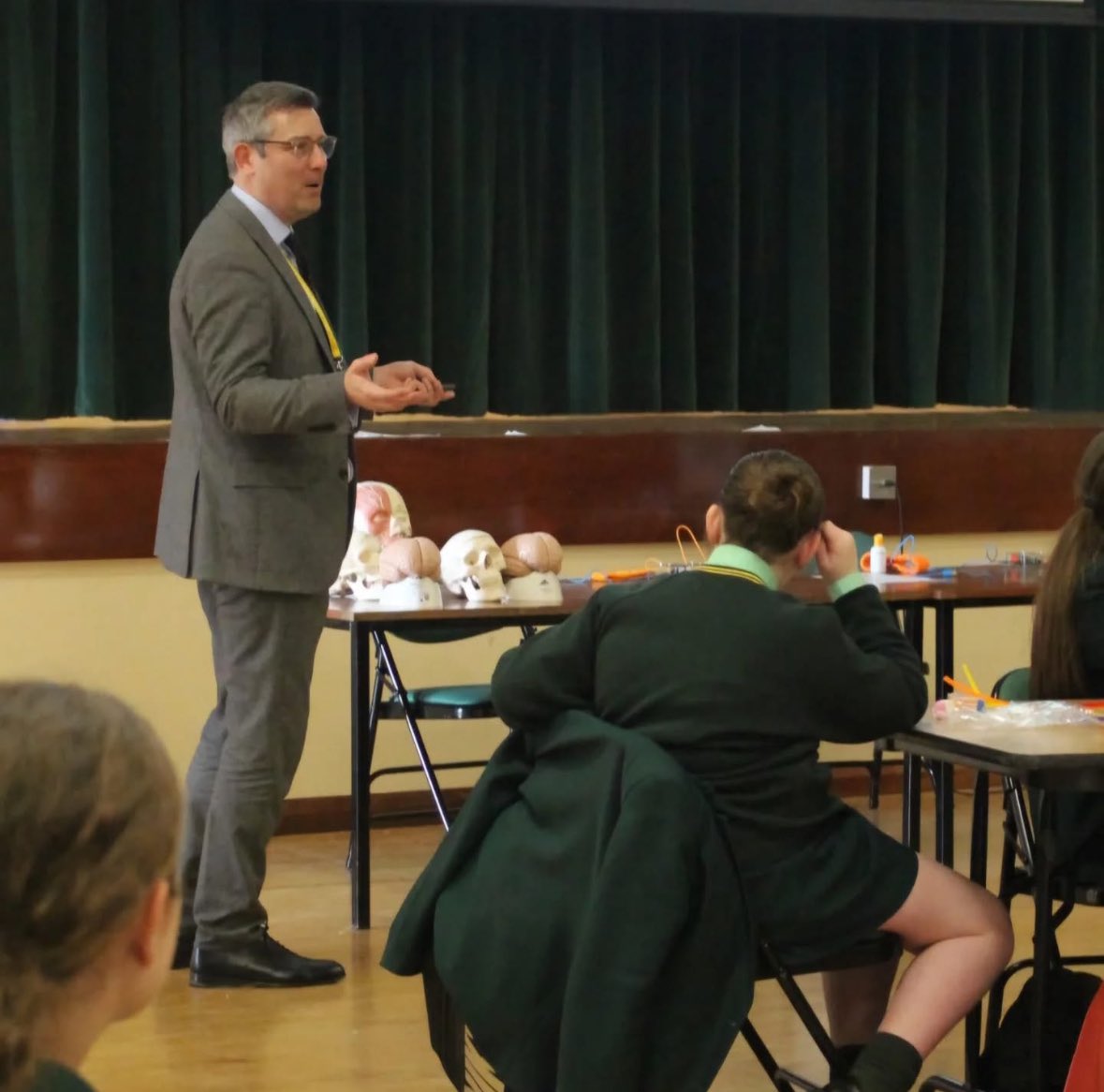
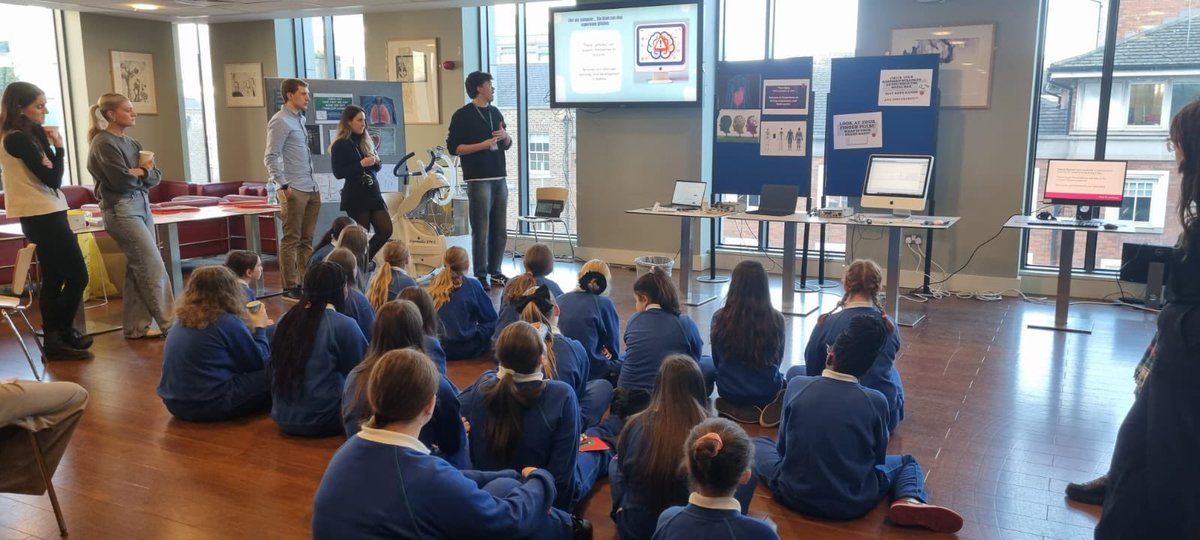
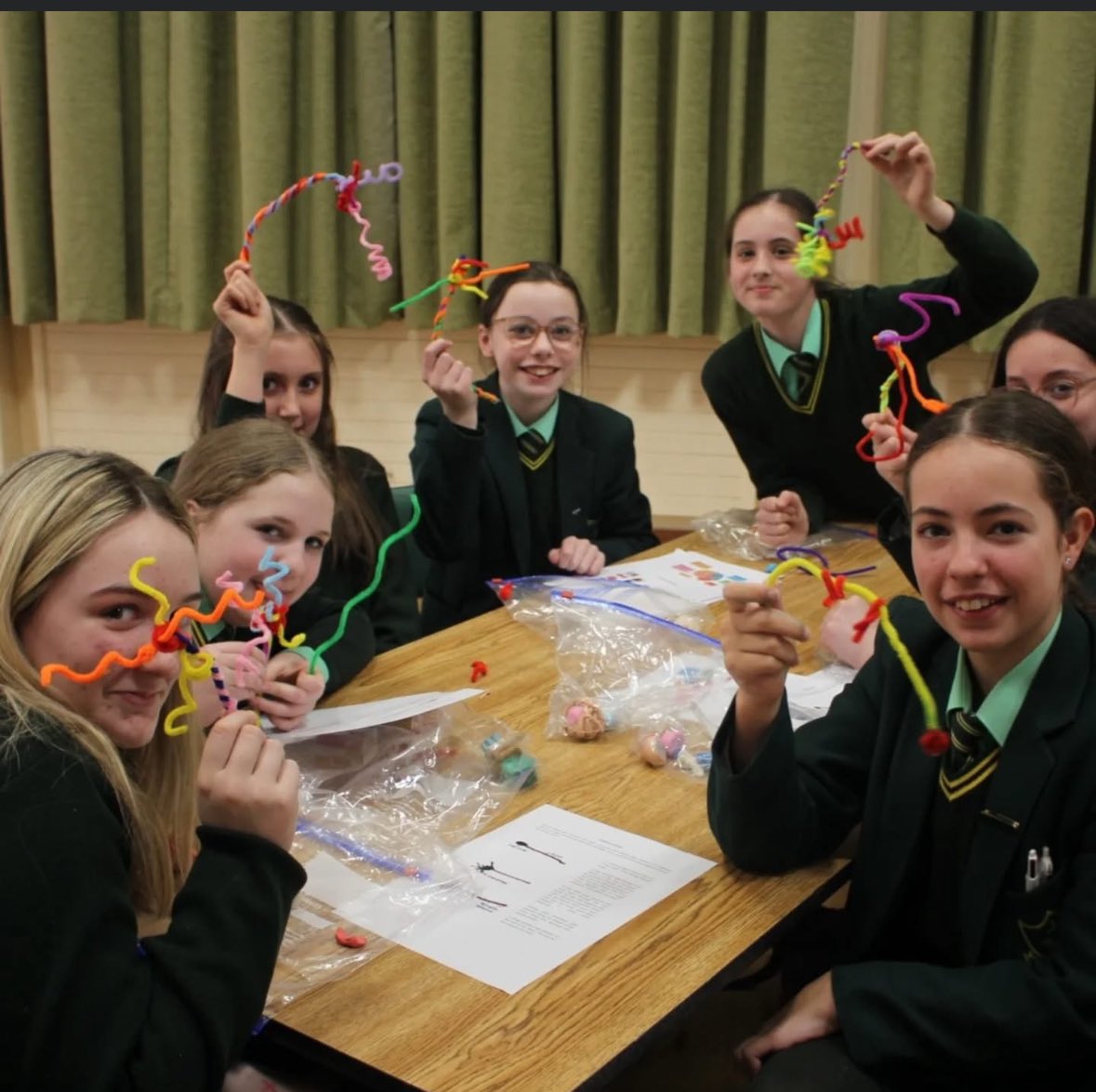
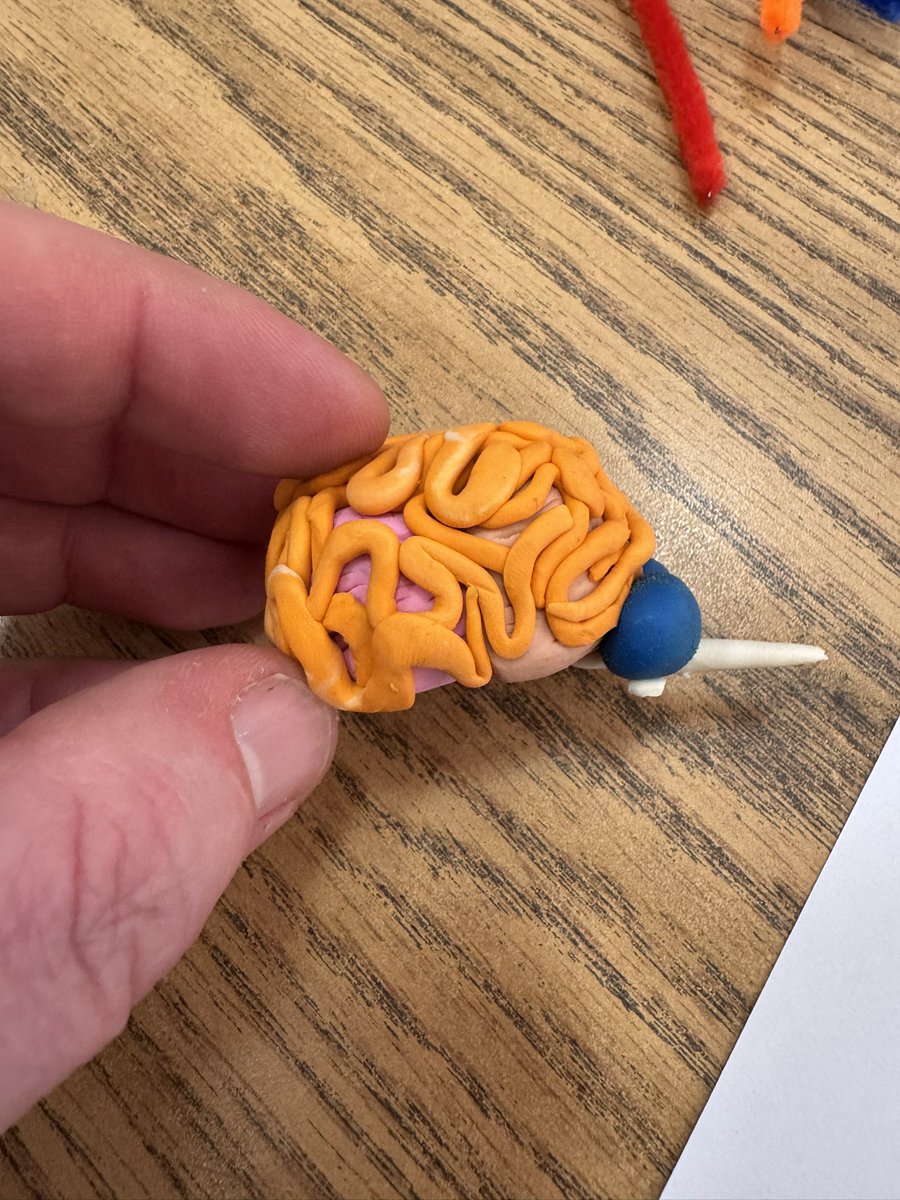
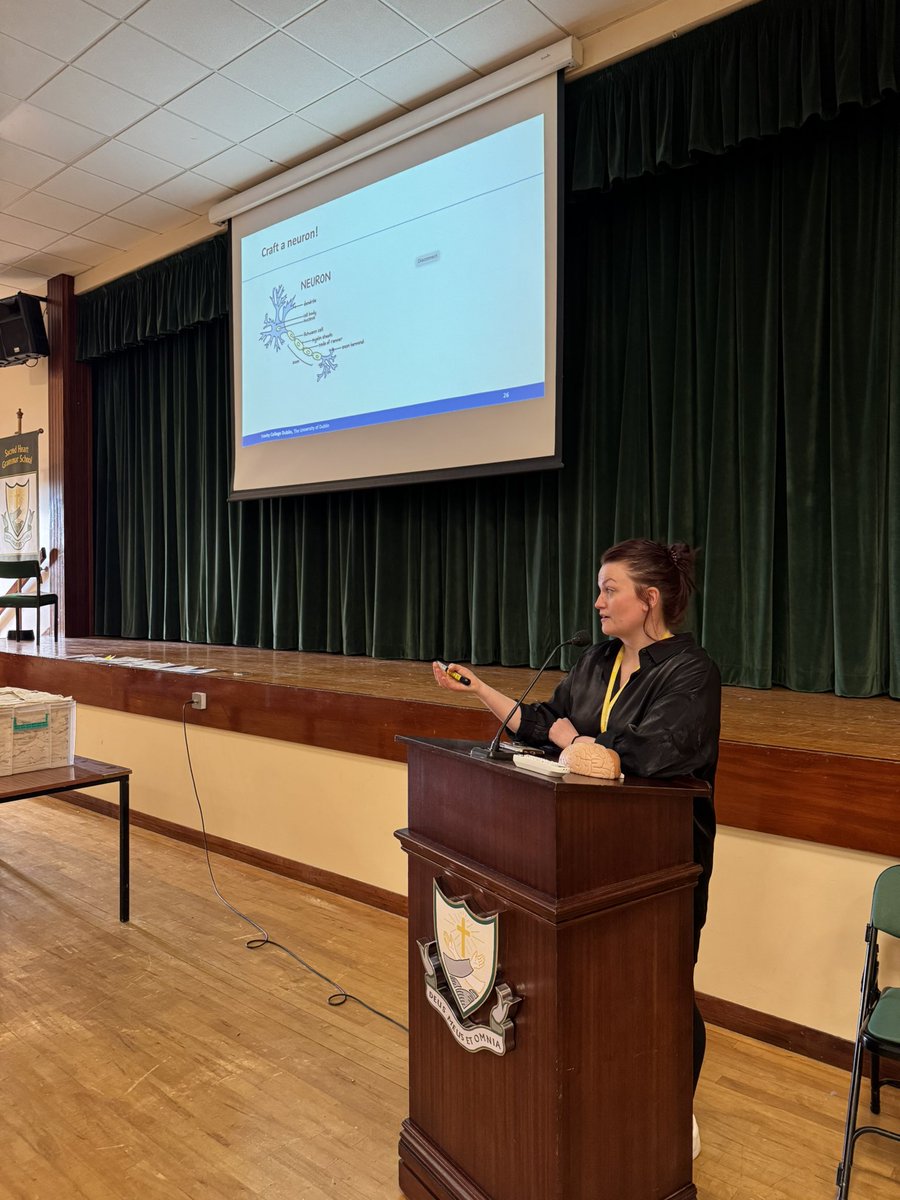
That’s #BrainAwarenessWeek 2025 done and dusted. Great experience interacting with @SHGS_Newry Year 8 students with @KateCScience and the team from @TCDPhysiology building brains and neurons and exploring the complexity of the human brain @Futureneuro_ie @TrinityMed1 @tcddublin
3
19
1,424