
Founder of Vizbl and Co-founder of Buyers x Builders
Joined November 2007
- Tweets 18,727
- Following 3,266
- Followers 4,660
- Likes 31,236
1,027 Photos and videos



Mark Perera retweeted

May 20
we are shipping features 3x faster than last time
we are also spending 3x more time on security and provider induced incident response
2
3
58
4,604

May 12
The most consequential question in procurement right now isn’t whether to use AI.
It’s what to do next week.
11 June. London.
A procurement leader inside a frontier-model org. The procurement lead for AI at a hyperscaler. The operator who’s already shipped it across 18 markets.
Three thinkers, three builders, one room
#procurement #ai #operatingmodels
1
44
Apr 26
AI spend is about to expose a K-shaped talent model. Some roles 10x with heavy usage. Others barely move.
Procurement’s job — with functional leaders — is to spot the divergence and put the investment where the multiplier is. Not equal access. Strategic access.
38
Apr 26
Anthropic just showed every software company where pricing is heading. Consumption, not seats. For procurement teams, this breaks every benchmarking model you have. But it also forces the conversation CFOs actually want — what’s the ROI per user, not the cost per seat.
39
Mark Perera retweeted
Apr 9
We’re excited to announce today that @mastra has raised a $22M Series A led by Spark Capital.
This brings our total capital raised to $35M:
179
112
1,018
212,191
Mar 24
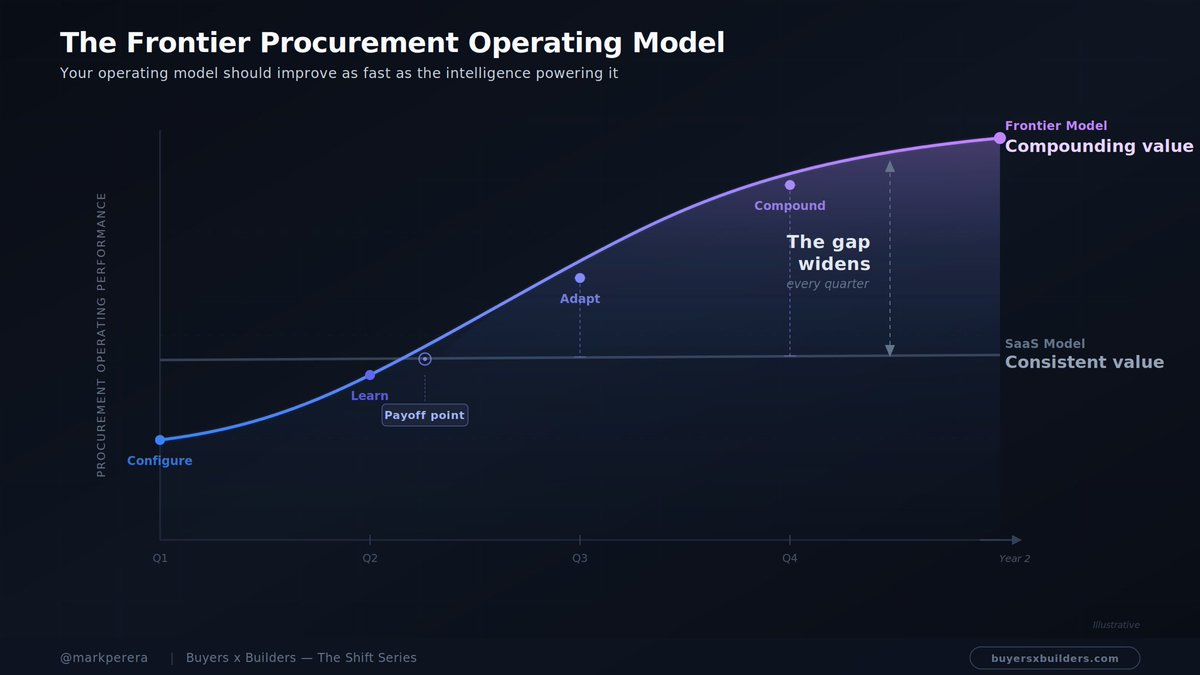
Most procurement operating models were built to stay the same.
The next generation will be built to get better.
For 15 years we ran procurement on the SaaS model. Static workflows. Forms and clicks. Configured once. Maybe an annual update. The operating model matched the tech — optimised for consistency, not improvement.
But frontier AI models improve every 2-3 months. Each generation meaningfully better than the last. New reasoning. New capabilities. Growing intelligence.
Your operating model should compound at the same pace.
As frontier models get better, a frontier operating model automatically absorbs those gains. You don’t need to rip and replace. You don’t need another implementation cycle. When a better model ships next quarter, your function gets better next quarter too.
The SaaS operating model delivered consistent value.
The frontier operating model delivers growing value.
Exactly what we’re exploring today in Munich with senior CPOs at The Shift — our invite-only roundtable series on the operating model of 2030.
What it requires:
→ Agentic systems with real feedback loops. The system improves through use, not through vendor updates.
→ Humans as judgment providers. They train the agents. Handle the exceptions. Set the boundaries. Their role gets more valuable, not less.
→ Workflow-led, not just category-led. Category strategies become living models that adapt as markets shift.
→ Built-in guardrails. Human oversight. Auditability. A frontier operating model isn’t a black box — it’s a system where humans and agents improve together.
Not just using AI in procurement. Building procurement so it compounds.
1
28

Mar 15
What if your procurement function got measurably better every 90 days — without running a transformation programme?
That’s the idea behind what I’m calling the Frontier Procurement Operating Model.
It comes from a simple observation:
Frontier AI models compound. Every 2-3 months, meaningfully better. New reasoning, new capabilities, growing intelligence.
Most procurement operating models don’t. They were built for the SaaS era — static workflows, forms and clicks, configured once, rarely fundamentally better in December than January.
The SaaS operating model delivered consistent value.
The frontier operating model delivers growing value.
Same team. Same spend. But what took 6 weeks in January takes 4 by April. Supplier risk signals get sharper each month. Sourcing recommendations improve because the intelligence layer learned from the last 200 decisions — not because someone updated a playbook.
What it looks like:
→ Workflow-led, not just category-led. Category strategies don’t die — they become living models that adapt.
→ Orchestration over gatekeeping. Procurement becomes the commercial intelligence layer, not the bottleneck.
→ Agentic systems that actually learn. Real feedback loops. Not a chatbot on a legacy P2P system. 10-15% better per quarter on key workflows — through use, not vendor updates.
→ Humans as judgment providers. They train the agents. Handle the exceptions. Set the boundaries.
With the right guardrails — human oversight, auditability, clear autonomy limits — this isn’t aspirational. It’s architectural.
The sharpest CPOs across Europe are asking the same question right now: how do we redesign the operating model so it compounds?
That’s the conversation we’ve been having across The Shift roundtable series — Amsterdam, Zurich, London — and taking to Munich next week with Zip & H&Z
Is your operating model built to keep pace, or built to stay the same?
1
2
82
Mark Perera retweeted

Guest travel can be 50–80% of spend in some industries.
Still runs on phone calls and spreadsheets.
@sfelsey & @devontivona built in this category once, exited during the pandemic and came back in the AI era with outcome-based pricing.
Lesson for buyers:
Modernize the interface.
Align pricing to outcomes.
Look for domain depth.
Full interview 👇
1
2
3
208
Feb 28
By the end of 2026, every CPO will be asked by their board: "What's your AI strategy?"
Most won't have a good answer.
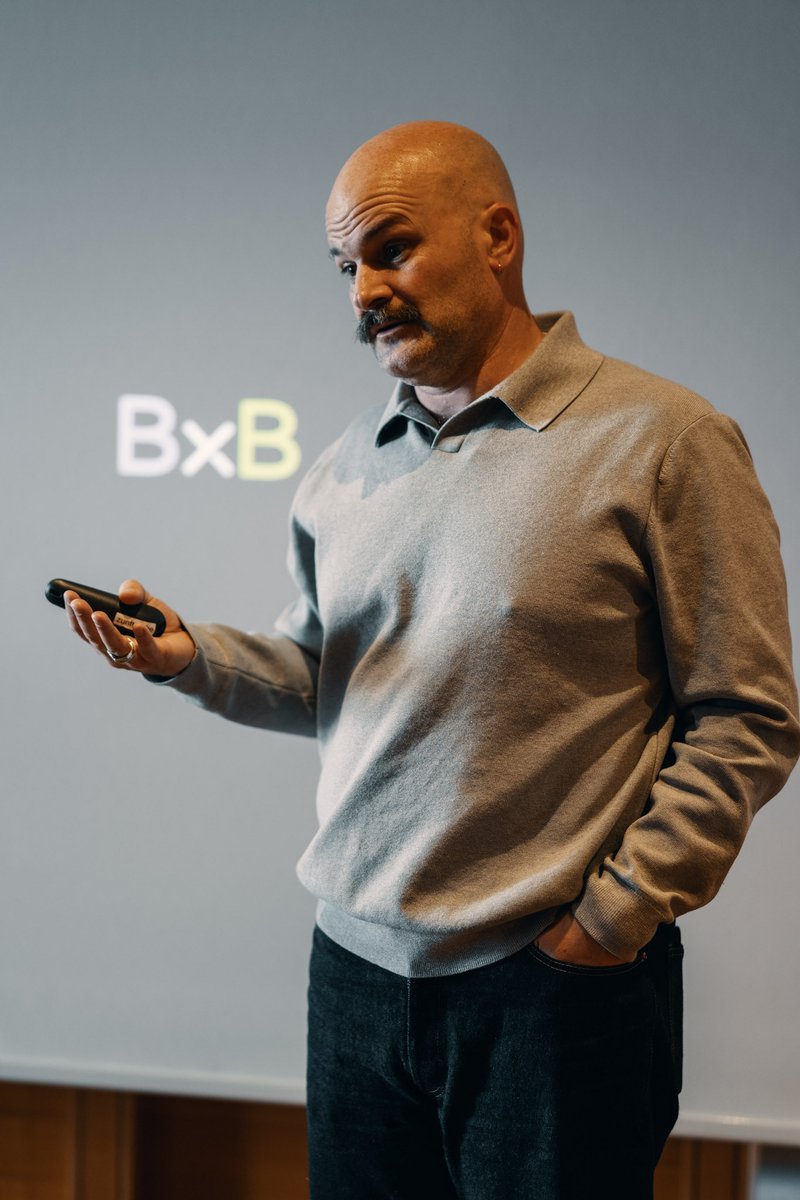
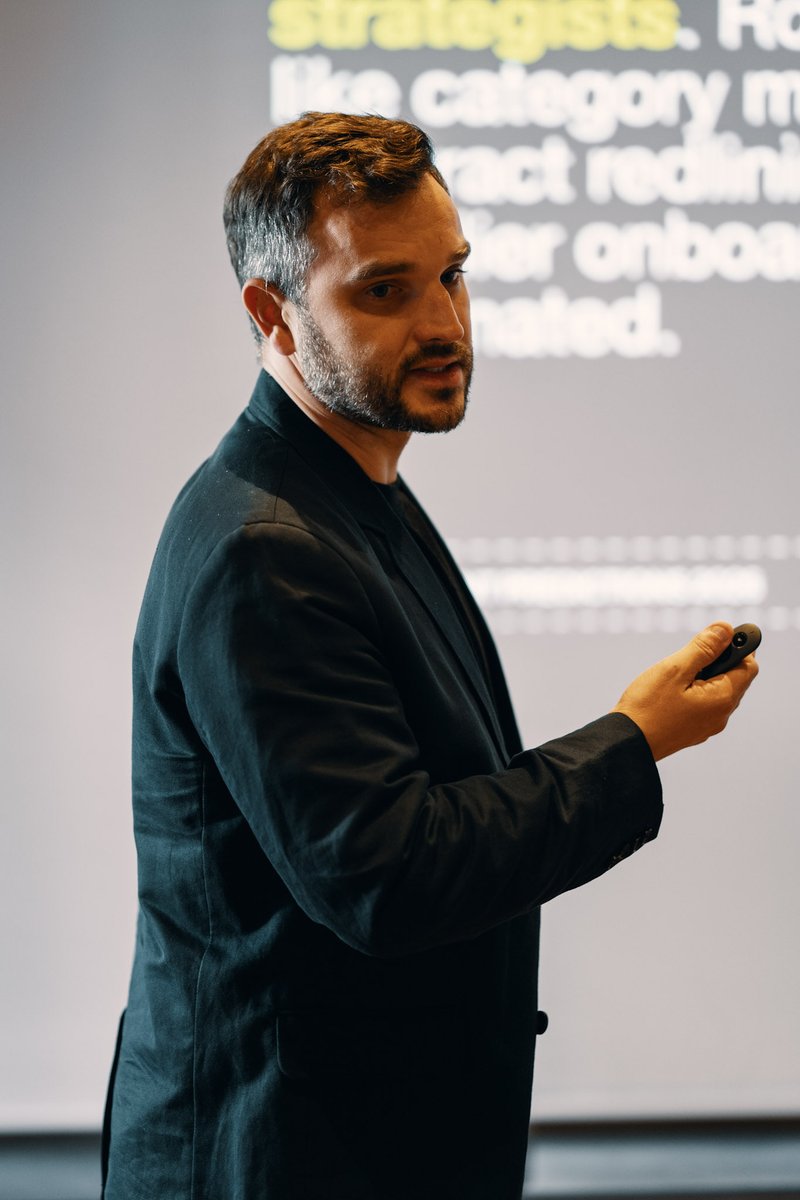
I just sat with senior procurement leaders in Zurich for @buyersxbuilders Shift roundtable. No slides. No pitches. Just honest conversation about what happens to the operating model when AI rewrites the rules.
What I can say: the themes were raw and real.
The parallels to when we moved from client-server to cloud. The gap between what's being adopted top-down versus what's already happening bottom-up.
The build vs buy question — and who you really want building for you. The new costs that procurement will own that didn't exist two years ago.
Here's how I see the timeline playing out:
Late 2026 — CPOs need to articulate their AI strategy. The pressure comes from investors and boards, not IT.
2027 — Early adopters show results. The early majority jumps in.
2028 — Legacy SaaS contracts hit renewal. Big decisions get made.
2030 — A new operating model. More value, more growth, more resilience.
The strategy has to be in motion now.
Next stop: Munich.
If your board asked you tomorrow — what's your AI strategy? — what would you say?
Thanks to our friends at @theziphq for partnering in this series with us.
#Procurement #AI #TheShift #ProcurementTransformation #BuyersxBuilders

1
80
Feb 25
AI Founder @mitchbregs : "Software Will Build Itself in Enterprise" youtube.com/shorts/TitVxUnbx…
#buyersxbuilders #procurement
1
65
Feb 3
Off the record. On the screen.
Just launched Buyers x Builders Dispatch.
Candid founder interviews. Honest takes on pricing and adoption. The patterns we keep seeing across enterprise software.
Subscribe: buyersxbuilders.com/dispatch
2
50
8 Aug 2025
Enterprise buying changed overnight.
12 months ago: evaluating 200-person SaaS companies
Today: assessing 20-person AI-native startups
You’re not buying software anymore - you’re buying into a founder’s vision.
Problem: buyers and builders are talking past each other.
Solution: @MatthewZiskie and I are launching Buyers and Builders.
Nov 4th | London | 120 people only
Best enterprise decision makers top founders/builders.
No booths. No selling. Real conversations about what’s next.
buyersxbuilders.com
#BuyersAndBuilders #Enterprise #AI
1
1
1
374
Mark Perera retweeted

5 Mar 2025
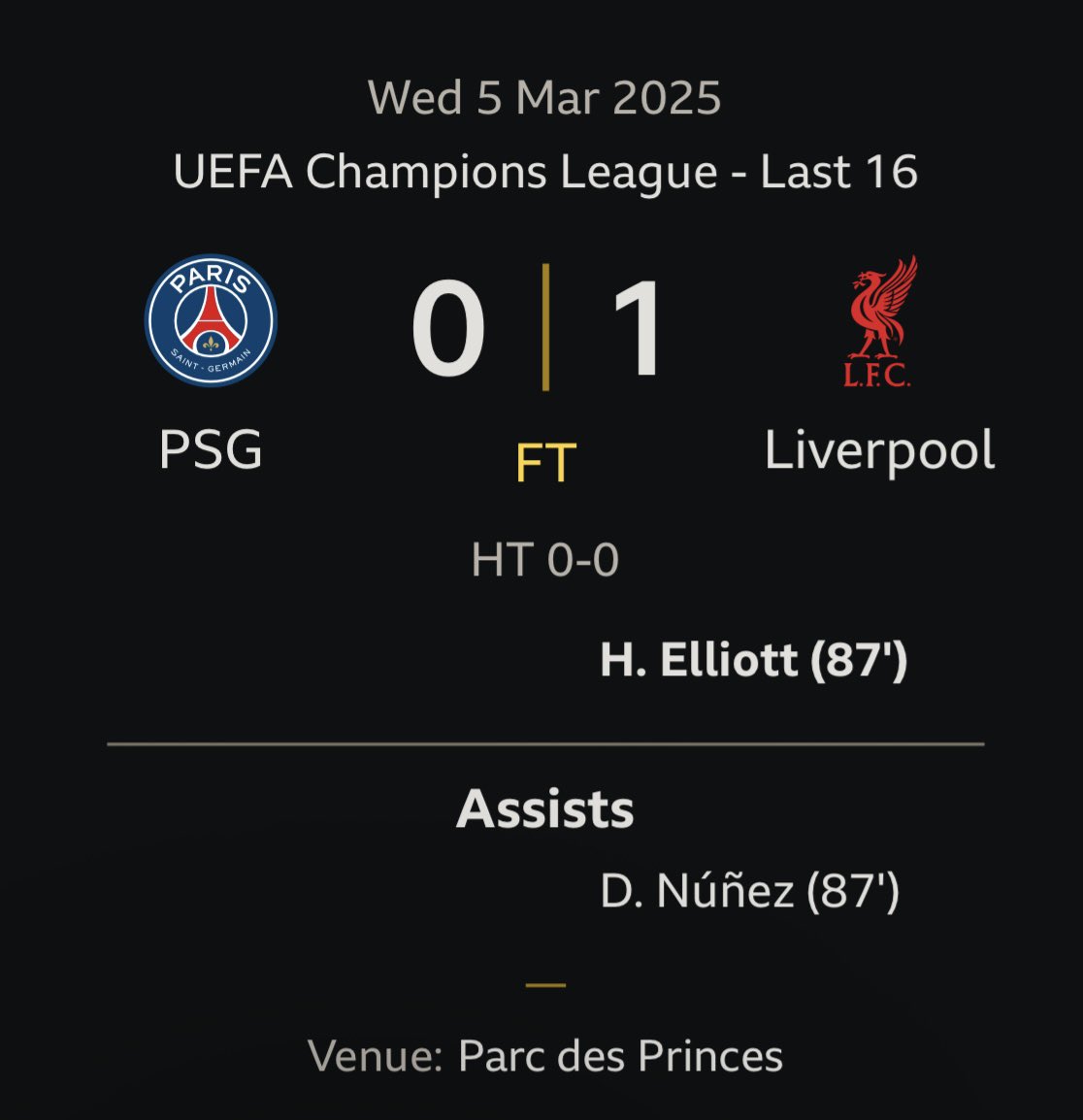
We take a lead back to Anfield ✊ #UCL
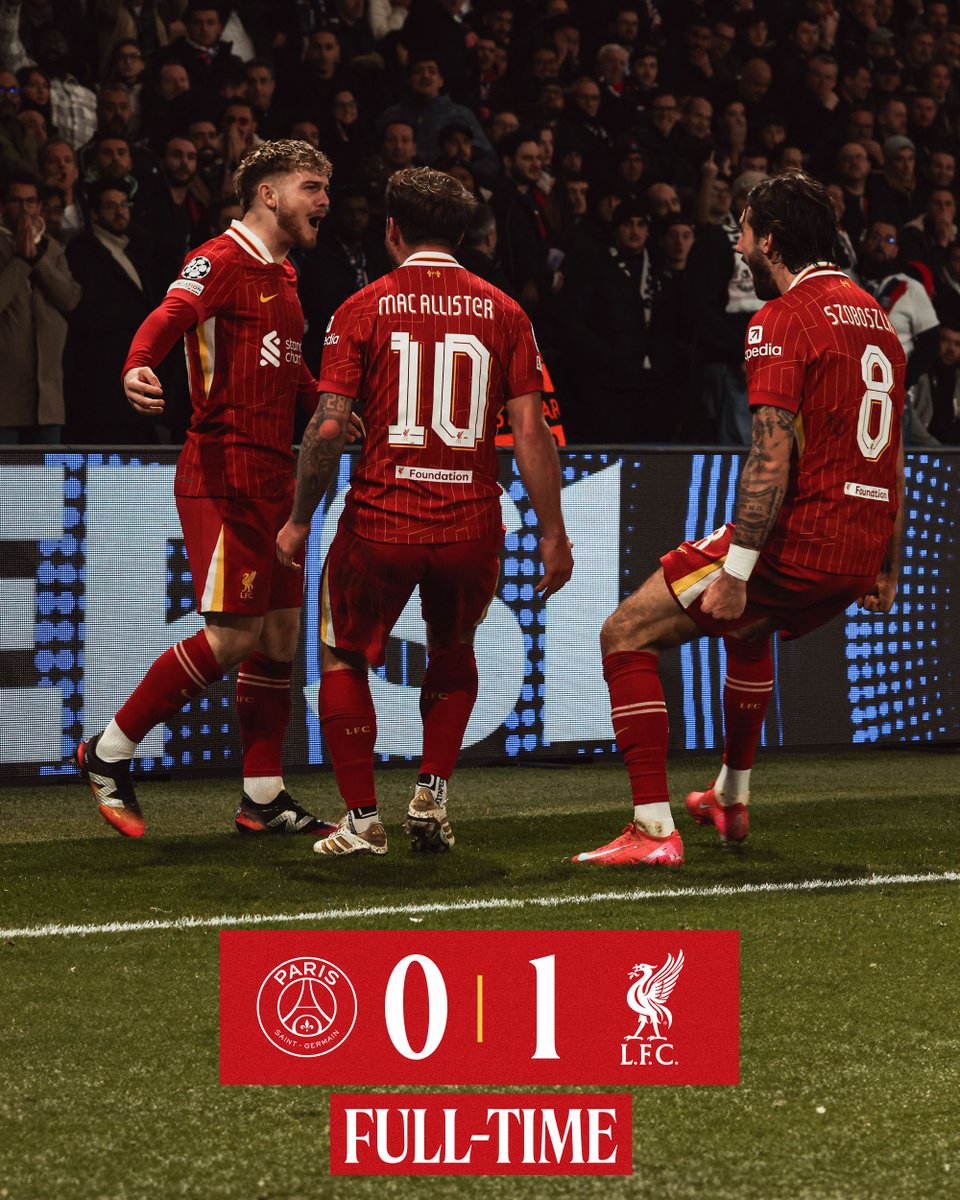
ALT Full-time graphic for PSG vs Liverpool. The final score is PSG 0-1 Liverpool.
1,520
9,045
50,558
2,837,131
Mark Perera retweeted

25 Feb 2025
deep research out for chatgpt plus users!
one of my favorite things we have ever shipped.
1,601
972
18,500
1,893,114

🚨 BREAKING
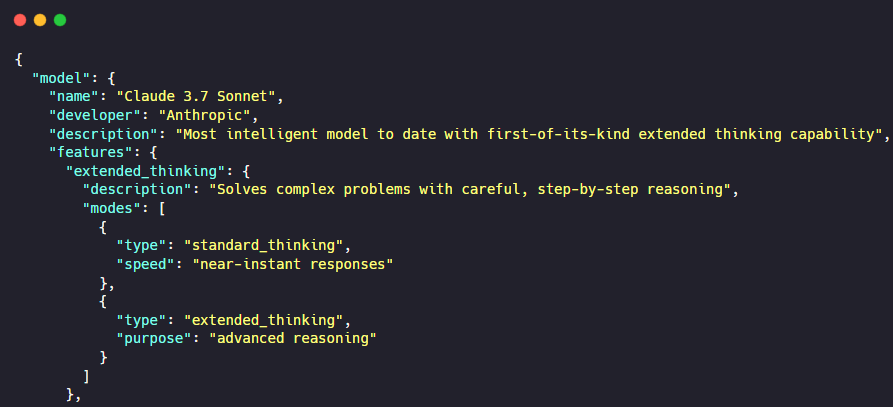
Anthropic set to release the Claude Sonnet 3.7
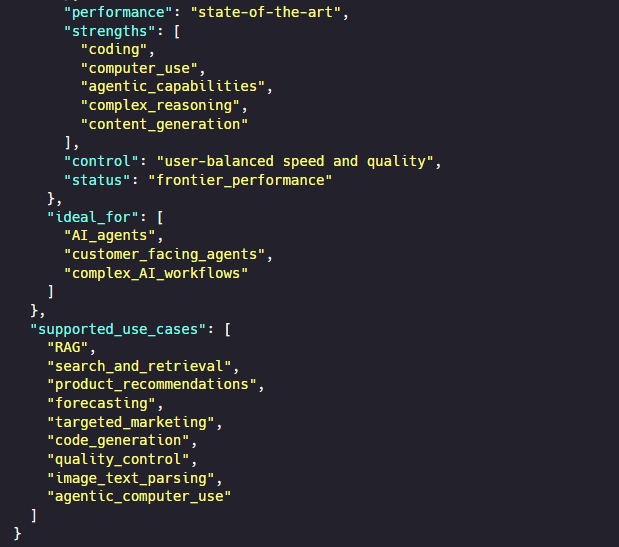
- SOTA coding capabilities
- their most intelligent model to date
- useful for AI agents and complex AI workflows
- solve complex problems using step-by-step reasoning
First Claude model to offer user choice b/w:
• standard thinking for near-instant responses
• extended thinking for advanced reasoning
Supported use cases:
- agentic computer use
- RAG or search & retrieval
- product recommendations
- code generation, quality control
90
124
1,346
193,125
13 Feb 2025
“DeepScaleR: Achieving Superior Performance with a Small Model Through Reinforcement Learning” by Jenray medium.com/@jenray1986/deeps…
1
1
199
11 Jun 2024
Back in NYC with @DPWconference team for tomorrow’s DPW NYC Summit. Very excited to be hosting a fireside chat with @scottbelsky on the radical impact Ai on creativity & strategy. #futureofprocurement #procurement #ai @GlobalityInc
1
2
291