
Добрый доктор АйТиболит, IT-парапсихолог
Joined June 2009
- Tweets 13,644
- Following 493
- Followers 1,182
- Likes 6,816
1,086 Photos and videos







Pinned Tweet

24 Oct 2019
Все течет, все изменяется.
Пора привести описание в соответствие действительности.
Но надеюсь контент пока меняться не будет 🤞

3
28
Maxim Shulga retweeted

May 12
Мой путь в MyOffice завершился - попал под оптимизацию. Сейчас открыт к новым возможностям: Engineering Manager / Head of Engineering / Tech Lead. Управлял командой ~40 человек, выстраиваю процессы, принимаю архитектурные решения, работаю через метрики и результат. В РФ.
2
3
4
867
Maxim Shulga retweeted

Feb 9
“Don’t worry, there will still be great jobs even when AI automates everything”
The jobs:
254
1,311
24,212
1,028,590
Maxim Shulga retweeted

17 Dec 2025
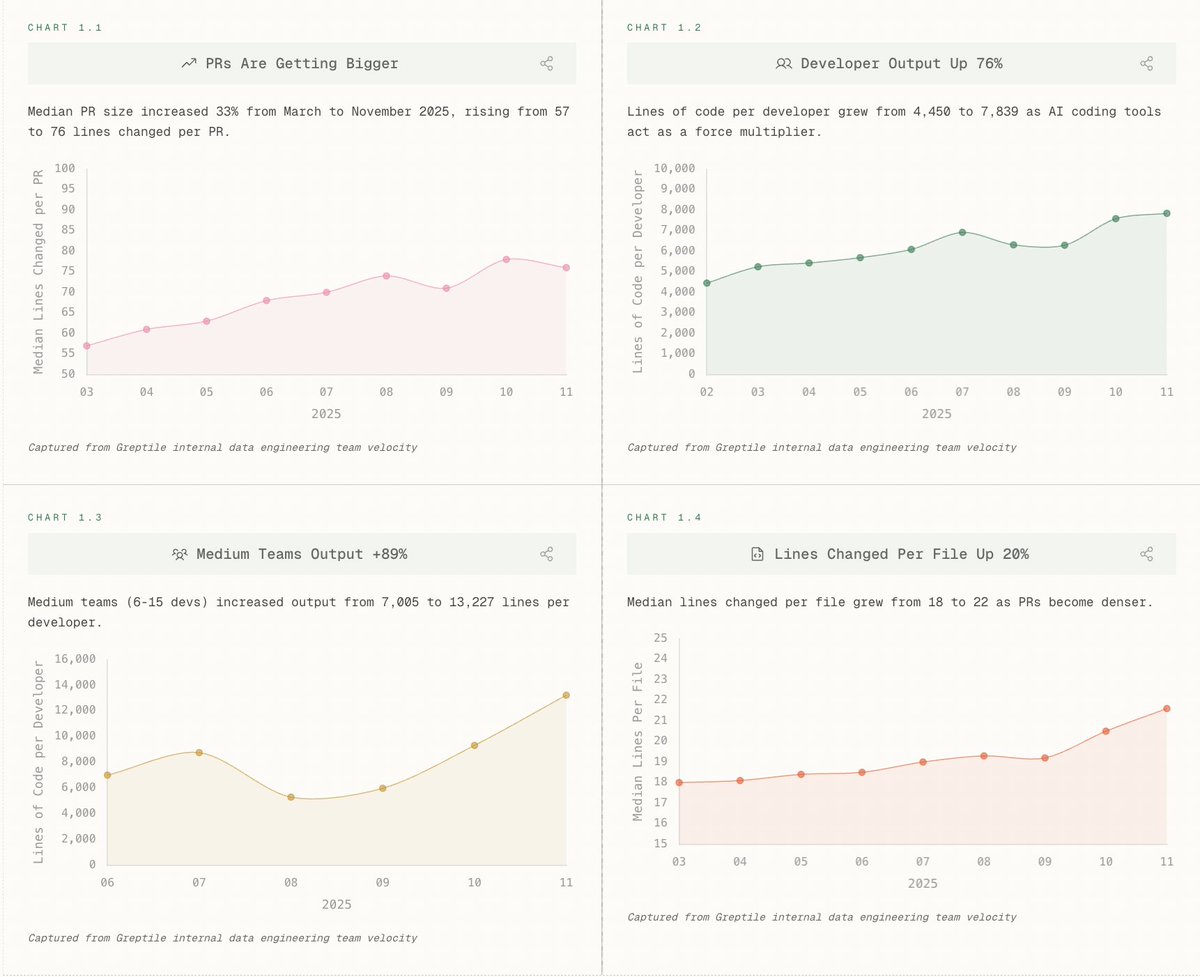
The State of AI Coding
- Velocity is up.
- Lines of code are up.
- No talk about code quality.
greptile.com/state-of-ai-cod…
1
5
17
1,909
20 Nov 2025
ну здрасьте, забор покрасьте 🤣
19 Nov 2025

Считаю идеи @maxbeard12 плохо повлияли на AWS и CloudFlare, и теперь Интернет под угрозой...
3
237
Maxim Shulga retweeted

22 Sep 2025
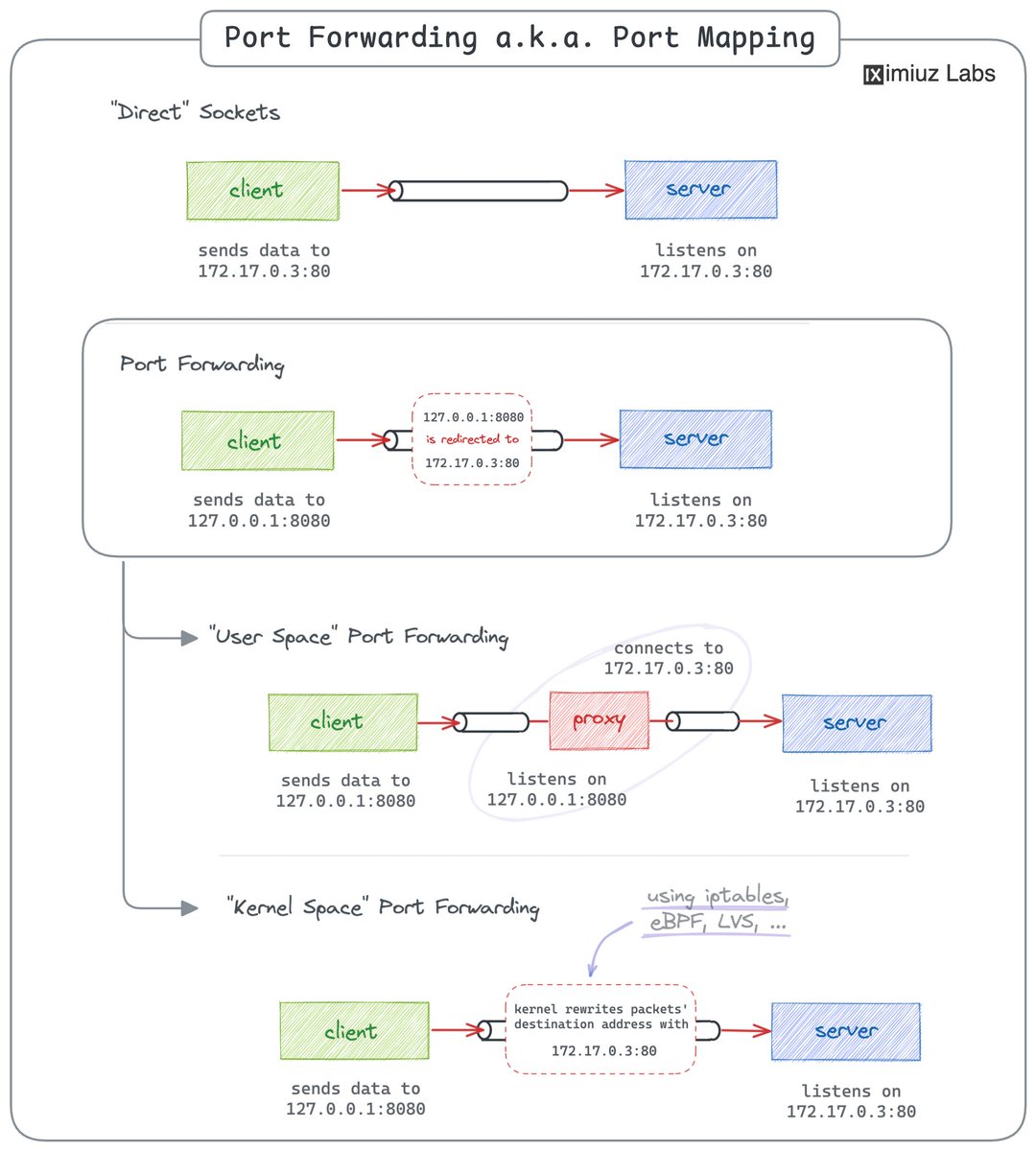
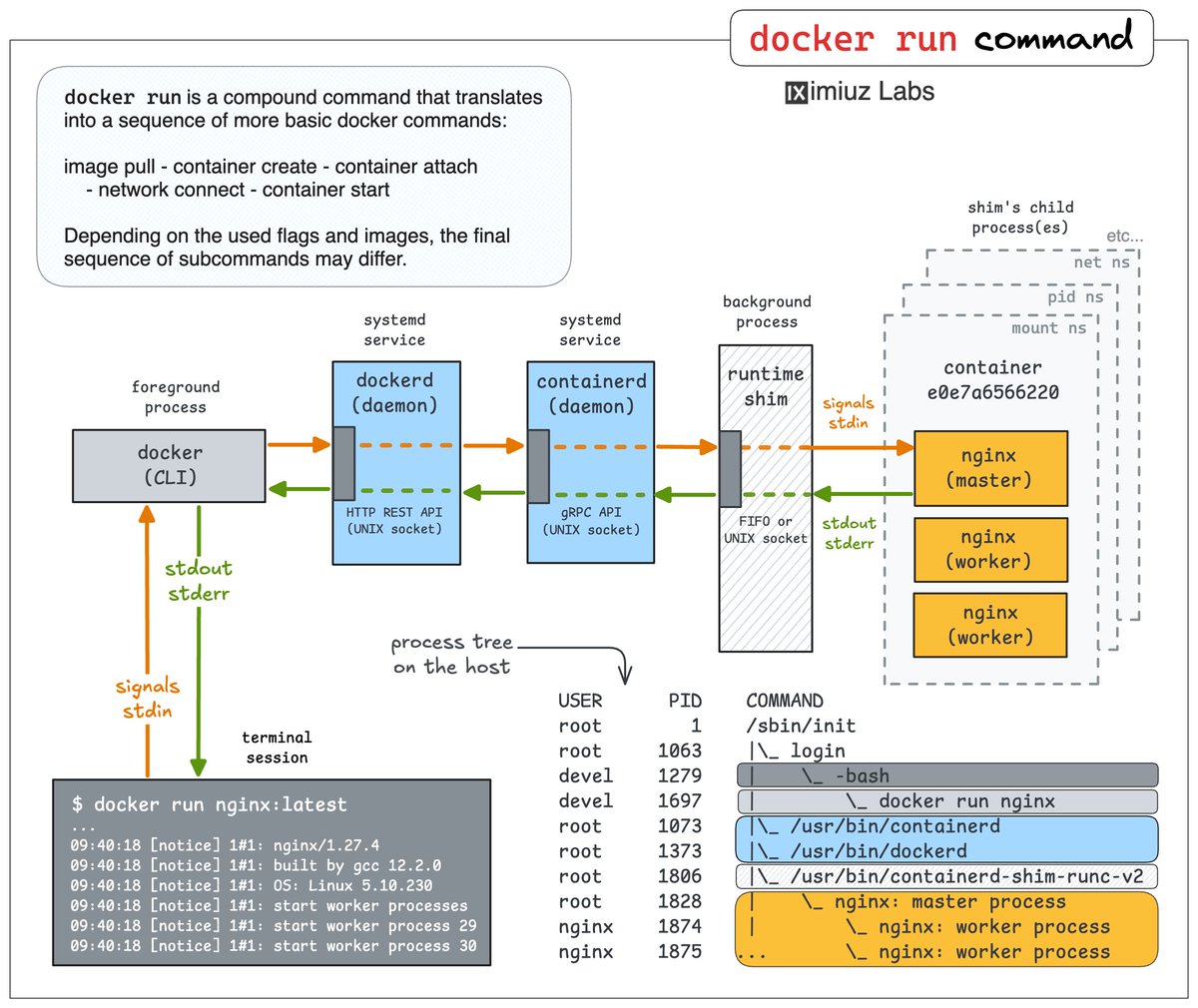
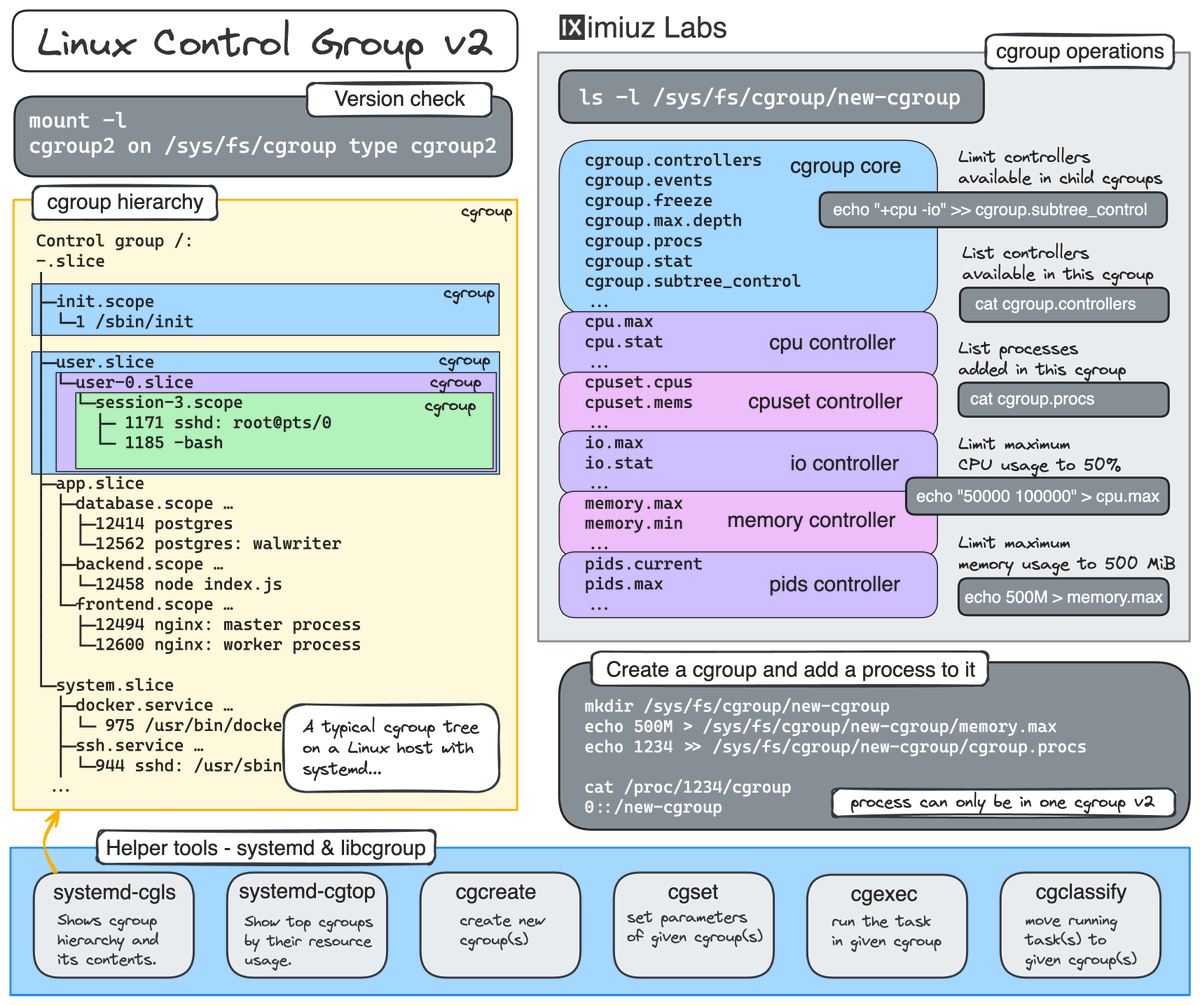
LeetCode, but for Linux, Docker, and Kubernetes? 🧐
Check out my collection of carefully crafted practical problems - with automated checks, helpful hints, and step-by-step solutions: labs.iximiuz.com/challenges
A hands-on challenge a day keeps skill rot away.

27
430
3,166
338,114
8 Aug 2025
Судя по вчерашней ленте, на подходе шикарный инструмент для "правильных" визуализаций в диаграммах...

Finally a good one
x.com/i/status/1953503376119…
1
339
30 Jul 2025
be in balance
don't die :)
17 Jul 2025

When designing software, should we be reactive, or proactive? Should we adopt YAGNI or Hammock Driven Development as our overarching rule? Should we be 100% “Agile” or 100% waterfall.
Answer: It’s _always_ a mix of moderate amounts of both. The best way to drive a project off the rails is ideologically demand adherence to one side or the other.
Wise teams will spend _some_ time “in the hammock” thinking things through; but not so much that they miss the opportunities to react to the dynamic environment that dominates virtually all software projects.
If you don’t plan, you die.
If you don’t react, you die.
2
238
23 Jul 2025
Первый за 15 лет блогерства пост на Хабре 🤣

Маршрут перестроен: исповедь лида о том, куда расти дальше (и всегда ли расти)
Разберём, с какими трудностями сталкиваются лиды, как пробиться на новый уровень и почему совсем не зазорно вырасти не в хэд-менеджеры, а обратно в сеньоры: u.habr.com/eN9gp

1
2
14
2,417
Maxim Shulga retweeted

8 May 2025
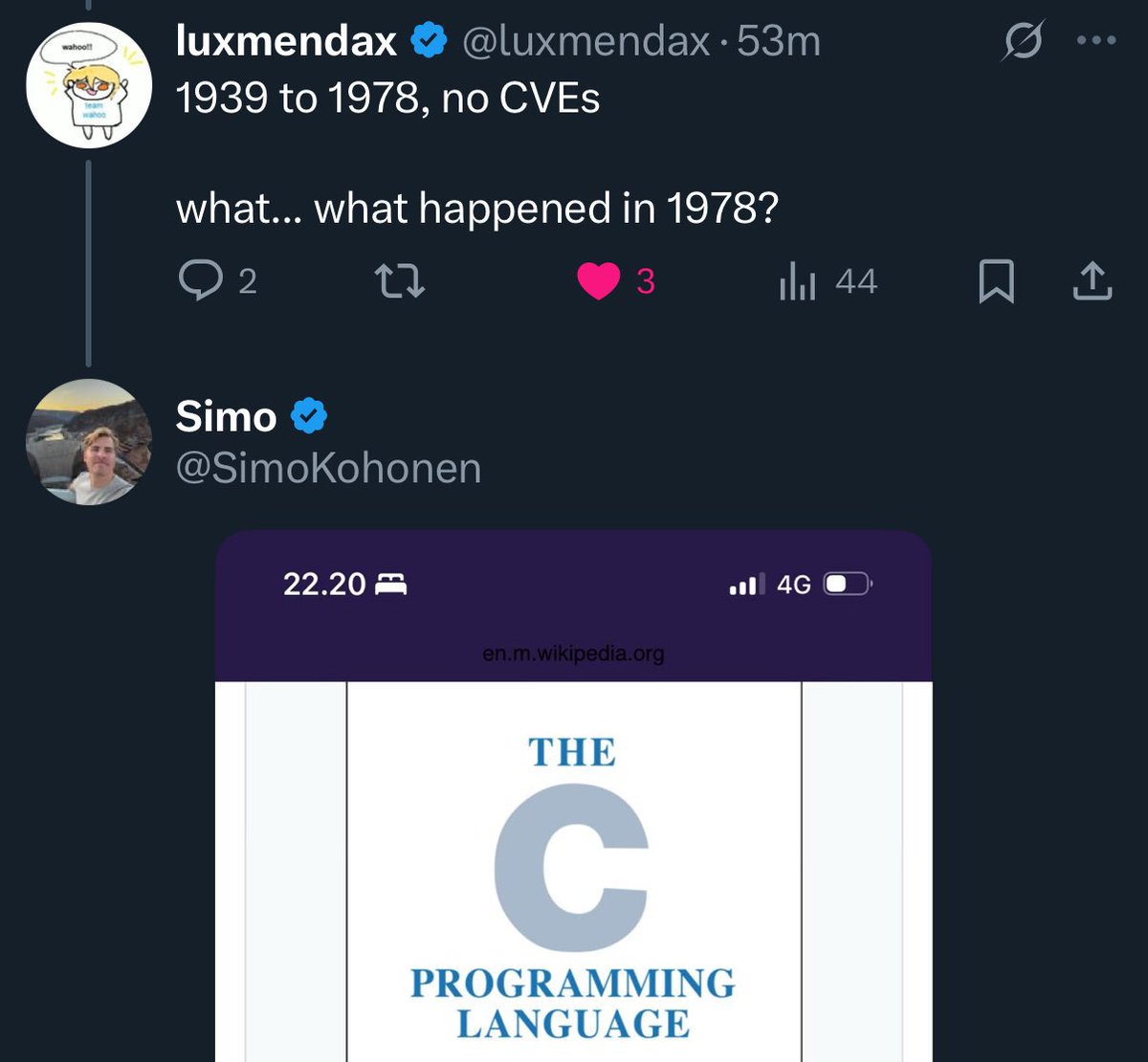
Holy shit
24 Apr 2025

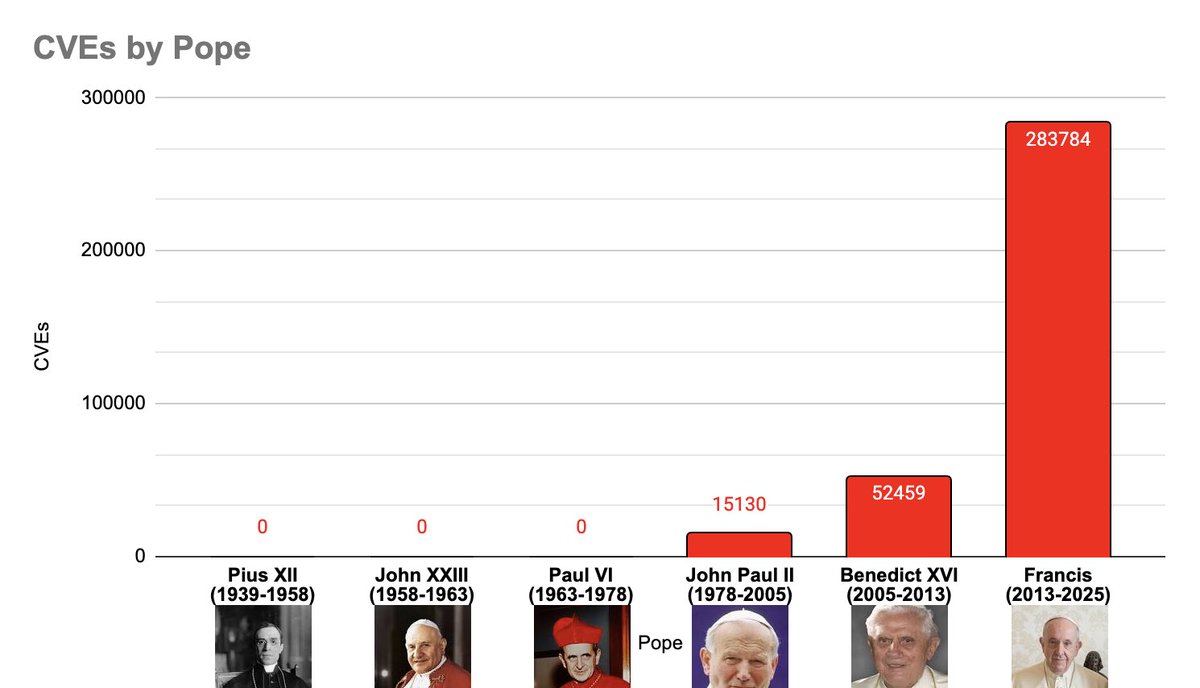
Pope Francis’ reign included an astronomical increase in CVEs recorded…
17
65
1,354
61,469
10 Apr 2025
Тут я теперь больше комментирую и иногда сердечки ставлю.
Переходите в телегу, там побольше интересного.
1
7
322
20 Feb 2025
Тот момент, когда к тебе пришли с "датами в граните"...
13 Jan 2024

As a senior executive, you care a lot about your teams moving fast.
So when a team misses its committed launch date, you show great displeasure.
You demand more accountability.
You make an example out of this team.
Other teams see this.
They are not stupid.
So they learn.
And from now on, every single team hits their committed launch dates.
You are very happy.
I can see it.
But my friend, I am so sorry to tell you:
You are no longer moving as fast as you were before.
Plus, what you ship will no longer be as high quality as before.
And over time you start to see this too.
You are not stupid.
Even though everyone is hitting their launch dates, something has changed.
Things seem to be moving slower than before.
And you have no idea why.
So you call meetings.
You set up check-ins.
You set up processes.
But despite all your efforts, nothing changes.
That gnawing feeling that you are no longer moving fast persists.
That embarrassment of seeing your teams ship a shoddy experience is all too common now.
And you have no idea why.
The answer is right there.
You are no longer moving fast because of YOUR communication.
Instead of creating a culture where teams have intrinsic motivation to move fast — because they are energetic and they care — you started punishing the odd case where a team misses its aggressive target date.
And so, by doing that you sent a message to everyone: Don't be very ambitious, because the reward for ambition is punishment.
I know that isn't the message you wanted to send.
But by doing what you did, it is the only message you will send. 100 times out of 100.
What could you have done instead?
When that team missed its launch date, you could have sent a positive message instead of punishing the team's leaders.
You could have used this opportunity to build & maintain a culture of aggression and ambition.
You could have said:
"I understand why you missed the launch date.
I'd rather that you stay aggressive and sometimes miss the date than being conservative and always hitting the date.
I don't want you to stop being aggressive by default.
And we want more teams to be like you."
At this point, you are either seeing the value of this approach or you are trying to find reasons to reject it.
And your reasons are quite flimsy, such as: "But what about launches that have an external commitment?"
You are smart. You can figure that one out.
But okay, let me spell it out for you:
1. Most launch dates should not be committed externally. So don't commit dates for most launches.
2. A few launches need external commitments (to customers, or regulators, or partners...)
3. For the launches in # 2, sure, commit a conservative launch date that you are almost certain to hit.
4. But even for those, ask the team to devise an aggressive internal target date. It's okay if they slip this date. But it's important to have that aggressive internal target.
Why? Because remember Parkinson's Law:
Work expands to fill the time allotted for its completion.
Have you ever noticed how teams always struggle to hit their launch date, no matter how conservatively they've set them?
Yes, that's because of Parkinson's Law.
Look, I know it's easy to have dogma around "always hitting dates".
Dates are an easy, but incorrect proxy for your teams' velocity, ambition, and energy.
Though if you still want to maintain your fascination with hitting all dates, I am not sure I can (or even want to at this point) convince you otherwise.
But then I also guarantee that you will spend your entire career managing teams that move slower than they really can and/or ship lower quality products than they really can, and you will spend your entire career setting up check-ins, processes, spreadsheets, and carrots/sticks trying & failing to solve a problem that you created in the first place.
Best of luck to you!
1
284
Maxim Shulga retweeted

13 Jan 2025
The SRE Report 2025 is now available!
Download your copy today: bit.ly/3Px5Vfa
#SREreport2025 #sre #reliability #sitereliabilityengineering #internetperformancemonitoring #IPM #platformengineering #devops #sla #artificialintelligence #ai
3
3
640
Maxim Shulga retweeted

8 Nov 2024
Не понимаю, о каком профессиональном развитии может идти речь, если все вокруг строго доброжелательные и с коллегами никогда не возникают жаркие срачи.
5
1
18
1,307
Maxim Shulga retweeted

8 Apr 2024
Ссылки на опубликованные в общем доступы материалы, на которых основан мой авторский курс по проектированию микросервисной архитектуре.
Тред ⏬

1
2
16
5,199



Product Engineer Manifesto github.com/anttiviljami/prod…
3
10
2,132
22 Aug 2024
thehustlingengineer.substack…
В целом, ориентация на продукт, его ценность пользователю и бизнесу помогает инженерам находить область применения усилий, которая действительно полезна, находить нужные аргументы и обоснования к тем или иным техническим решениям.
1
133
22 Aug 2024
А что делать, если ты хочешь получать удовлетворение от того, что делаешь что-то полезное пользователю, но у бизнеса другие задачи/приоритеты/цели/видение?
1
111