
Anaesthetist & Intensivist FRCA, FFICM, EDEC. Advanced Critical Care TOE/TTE.
- Tweets 451
- Following 293
- Followers 346
- Likes 1,076







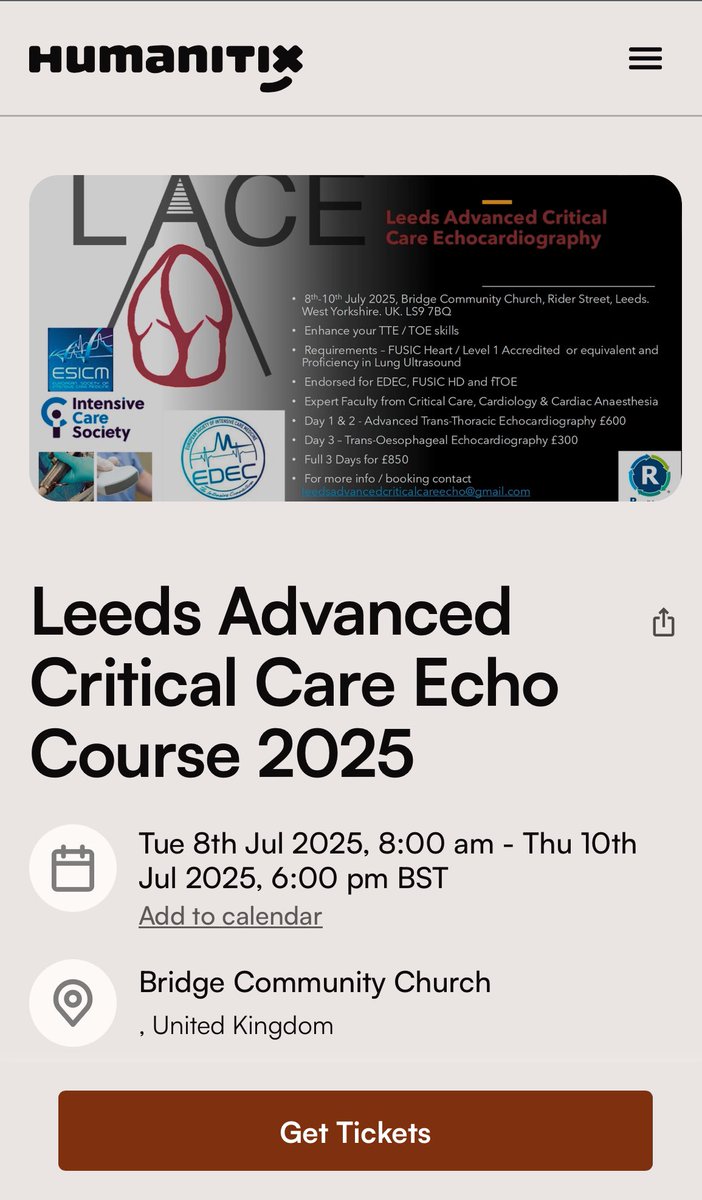










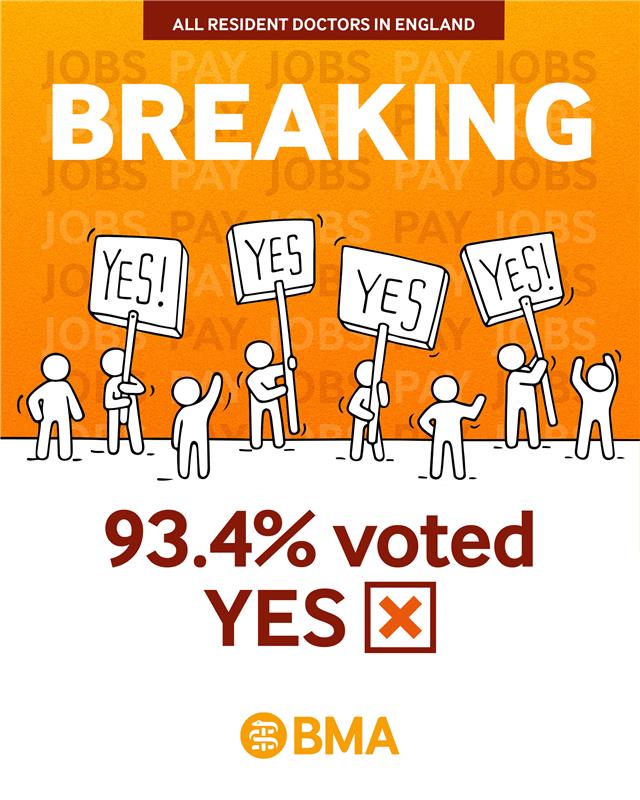
ALT An orange graphic shows figures holding placards reading 'Yes'. It shares that 93.4% of resident doctors in England have voted yes.

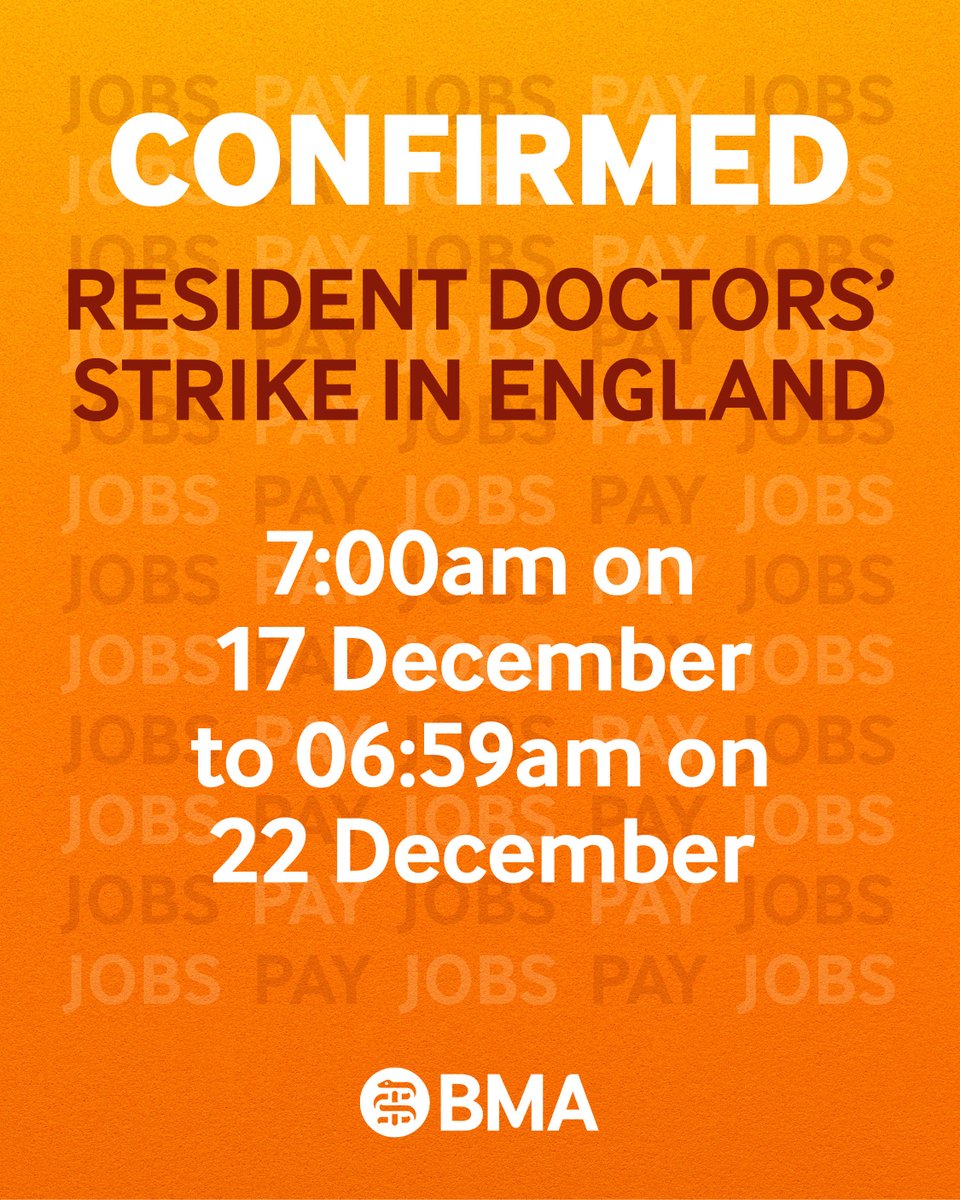
ALT Confirmed. Resident Doctors’ strike in England, 7:00am on 17 December to 06:59am on 22 December.
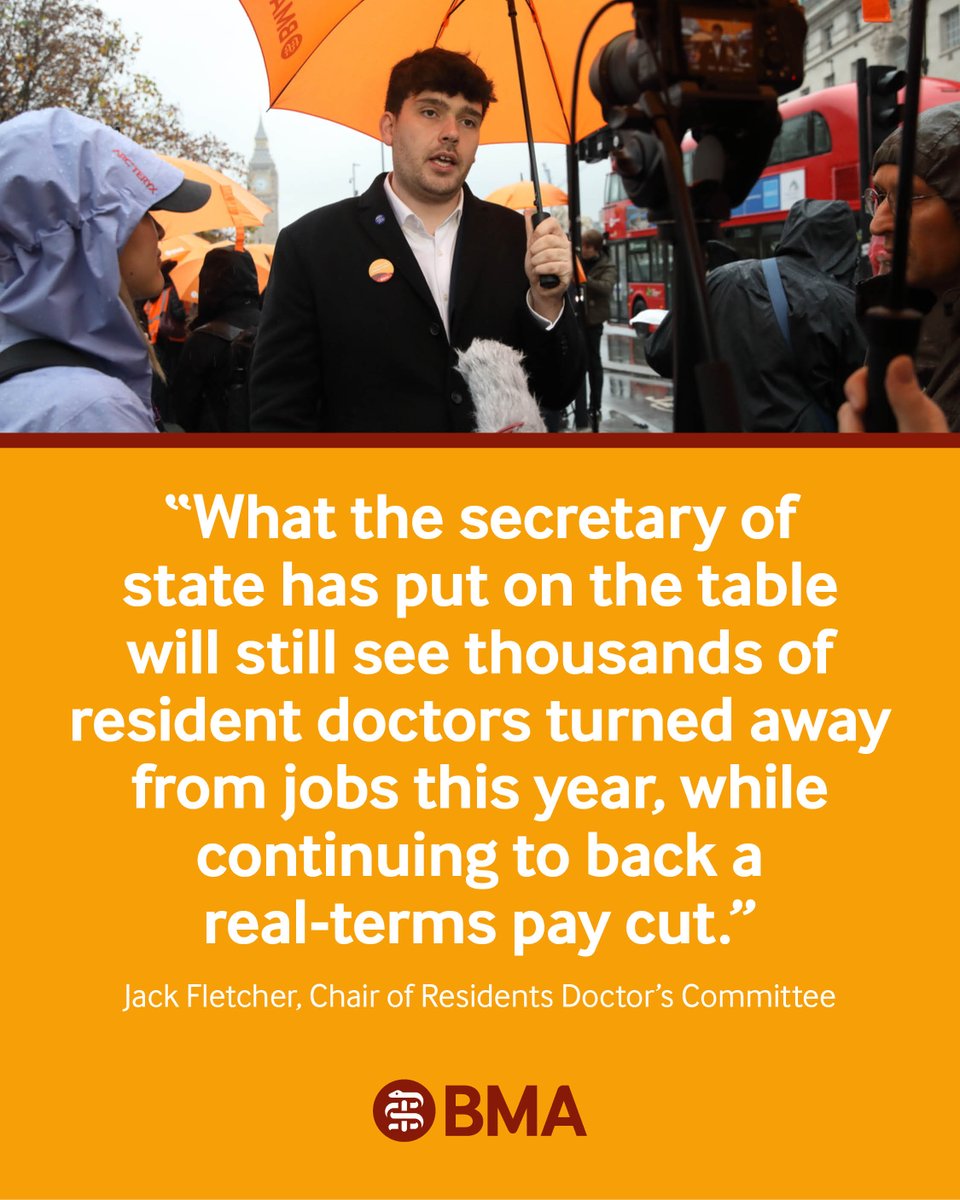
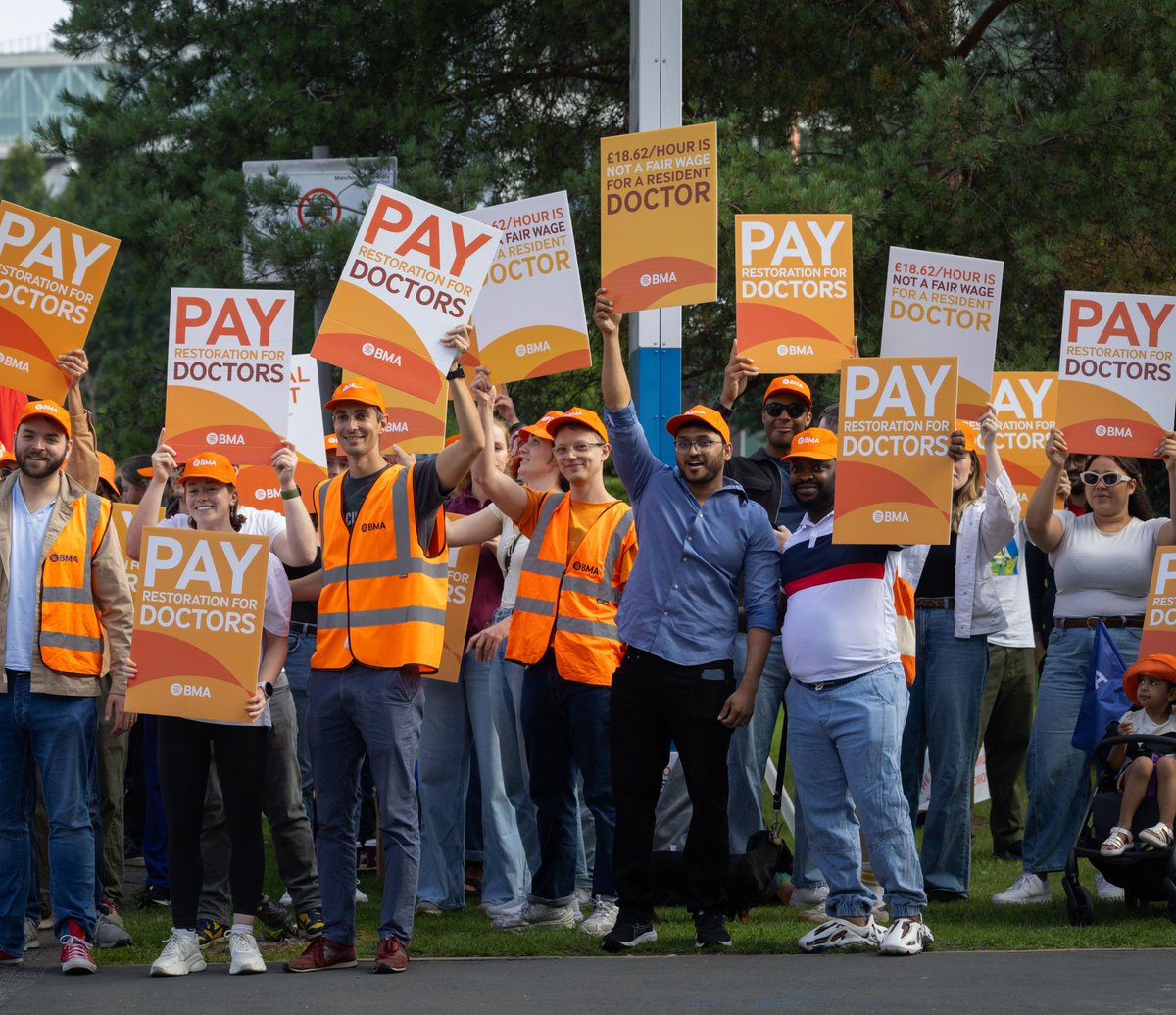
ALT Doctors on the picket line holding placards on pay.









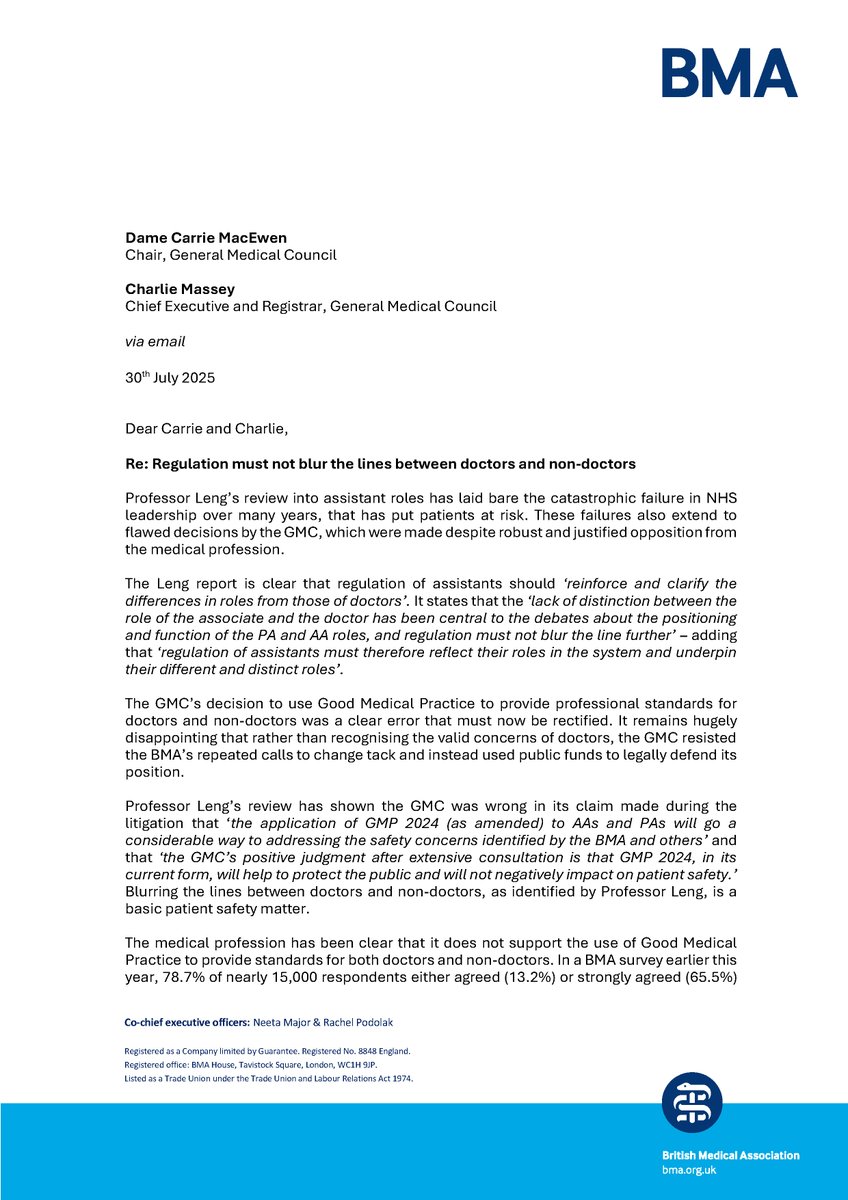
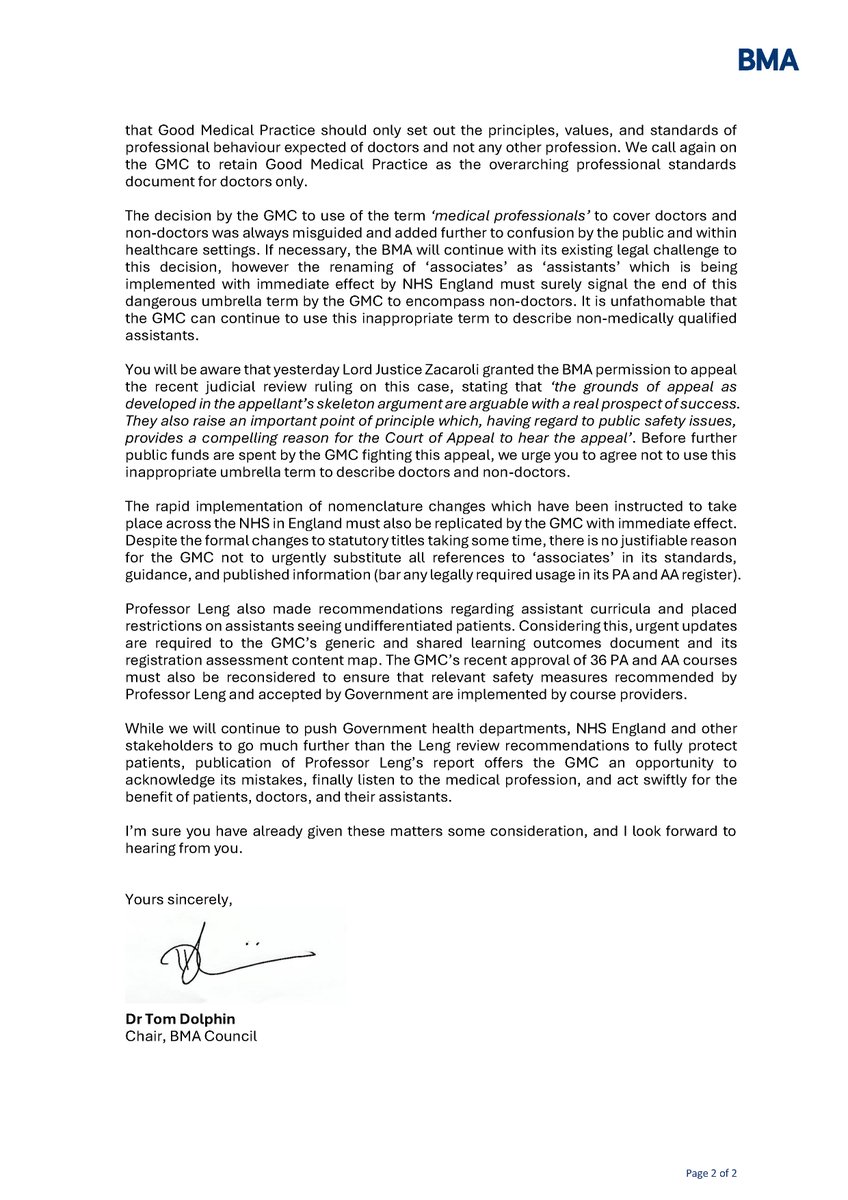
ALT Letter to Dame Carrie McEwan and Charlie Massey (GMC) from Dr Tom Dolphin (BMA chair), on BMA letterhead paper outlining the findings on the Leng review, discuss next steps with Government and offer an opportunity for GMC to acknowledge mistakes.

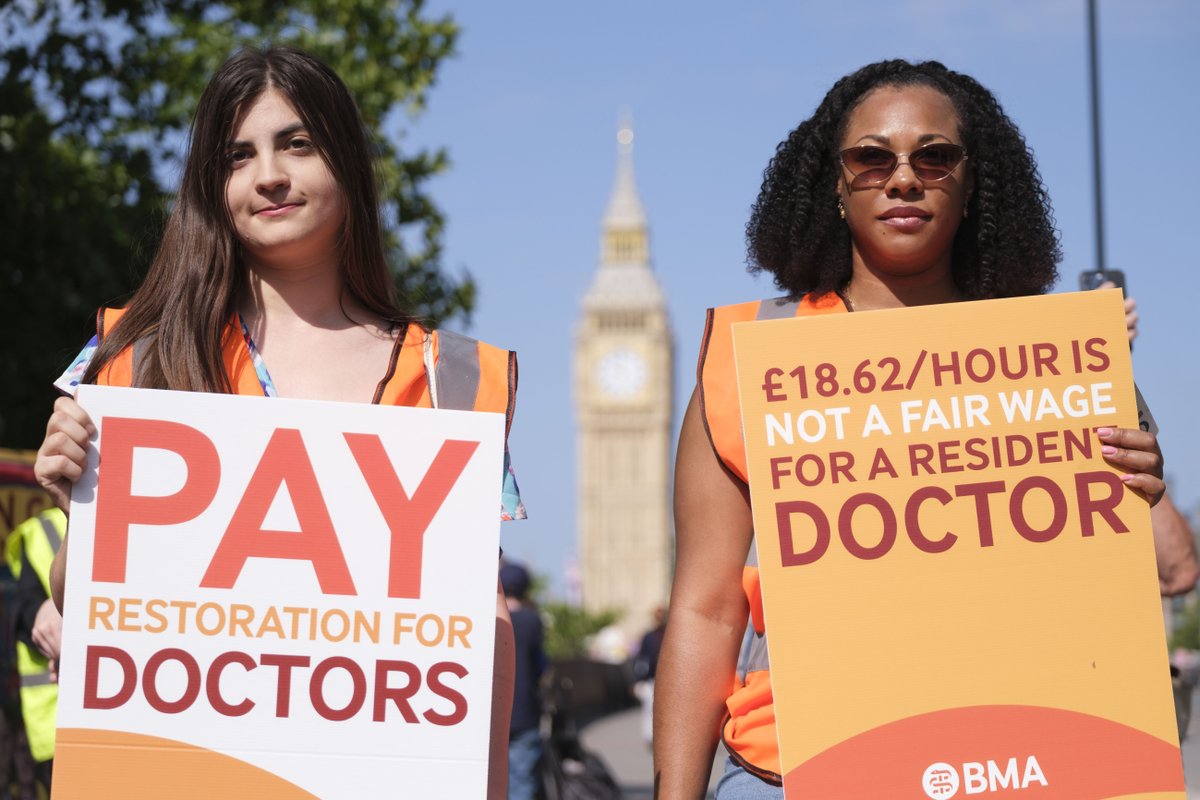
ALT Two doctors in orange hold protest signs in front of Big Ben. One sign reads "Pay restoration for doctors" and the other says "£18.62/hour is not a fair wage for a resident doctor"

