I tweet about writing, editing, doctoring, teaching, feminism, and spirit. Winner of Ploughshare's 2026 Alice Hoffman Fiction Award. Staying human.
Joined March 2009
- Tweets 4,851
- Following 1,995
- Followers 1,824
- Likes 15,238
201 Photos and videos
Pinned Tweet

Apr 10
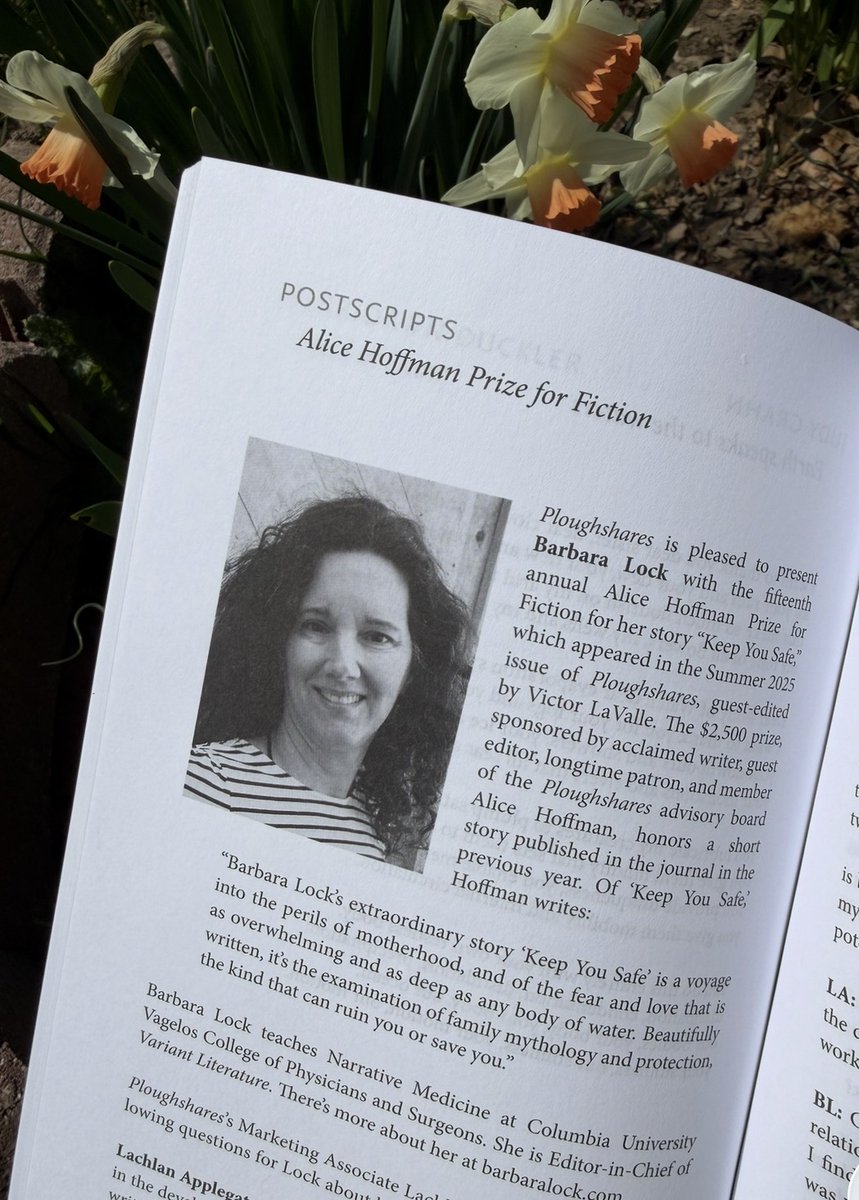
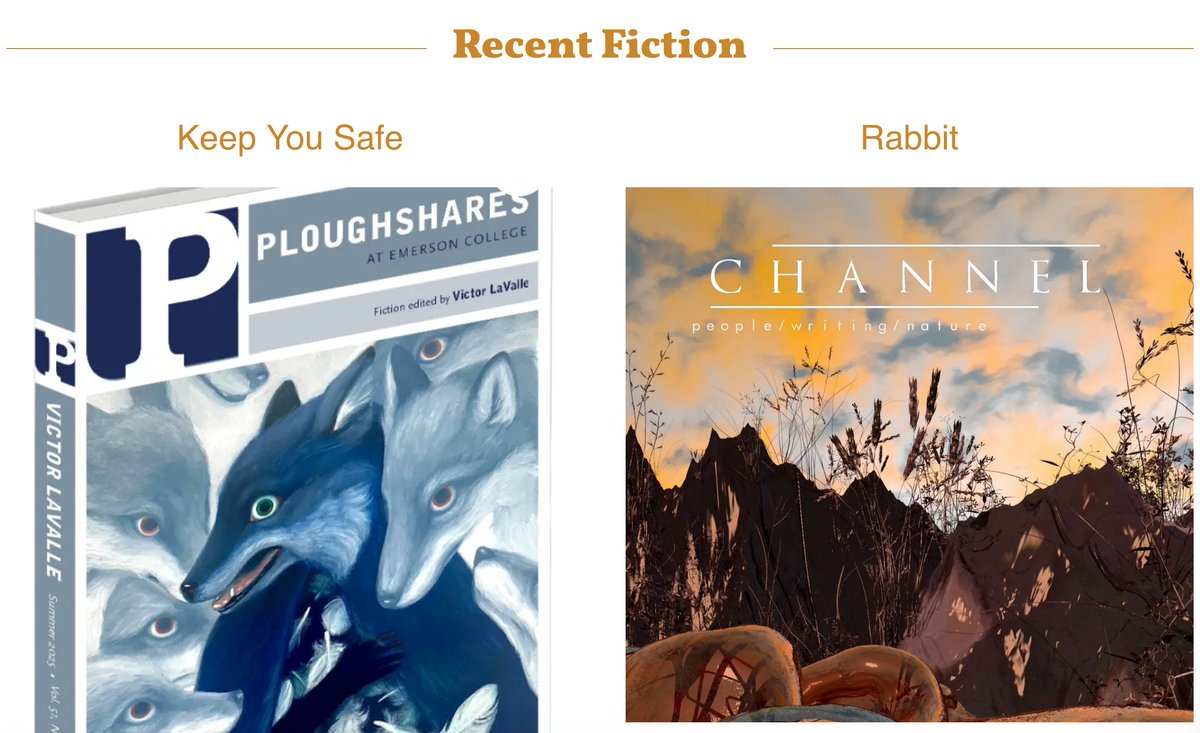
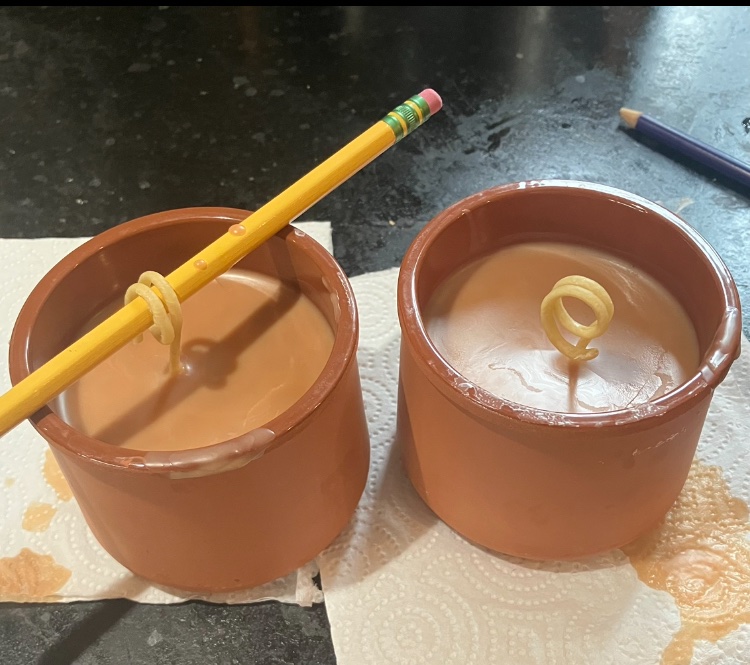
Many thanks to Alice Hoffman and the editors at Ploughshares for seeing the beauty and peril in my story "Keep You Safe," winner of the
1
1
12
1,065
Barbara Lock MD, MFA retweeted

May 29
Artificial intelligences do not undergo experiences, do not possess a body, do not feel joy or pain, do not mature through relationships, and do not know from within what love, work, friendship or responsibility mean. Nor do they have a moral conscience, since they do not judge good and evil, grasp the ultimate meaning of situations, or bear responsibility for consequences. They may imitate or even simulate, but they do not understand what they produce, for they lack the affective, relational, and spiritual perspective through which human beings grow in wisdom. #MagnificaHumanitas
4,056
60,328
309,760
14,211,550
Barbara Lock MD, MFA retweeted

At least 15 cases of sexual assaults, including rape.
Shot with rubber bullets at close range.
Tens of people’s bones broken.
While the world’s eye is trained on the suffering of our participants, we cannot emphasize enough that this is a mere glimpse of the brutality israel imposes daily on Palestinian hostages.
Don’t let up. Statements of condemnation are not enough. This moment must be seized by people worldwide to apply the necessary pressure to end this colonial violence. Pressure officials. Escalate boycott and divestment tactics. Organize direct action.
“Please, if this can be a lightning rod moment, let it be that … join us wherever you are and rise up so that we can end this occupation, end this colonialism, end this violence.”
Free Palestine NOW.
3,006
16,615
25,525
477,998
Barbara Lock MD, MFA retweeted

May 18
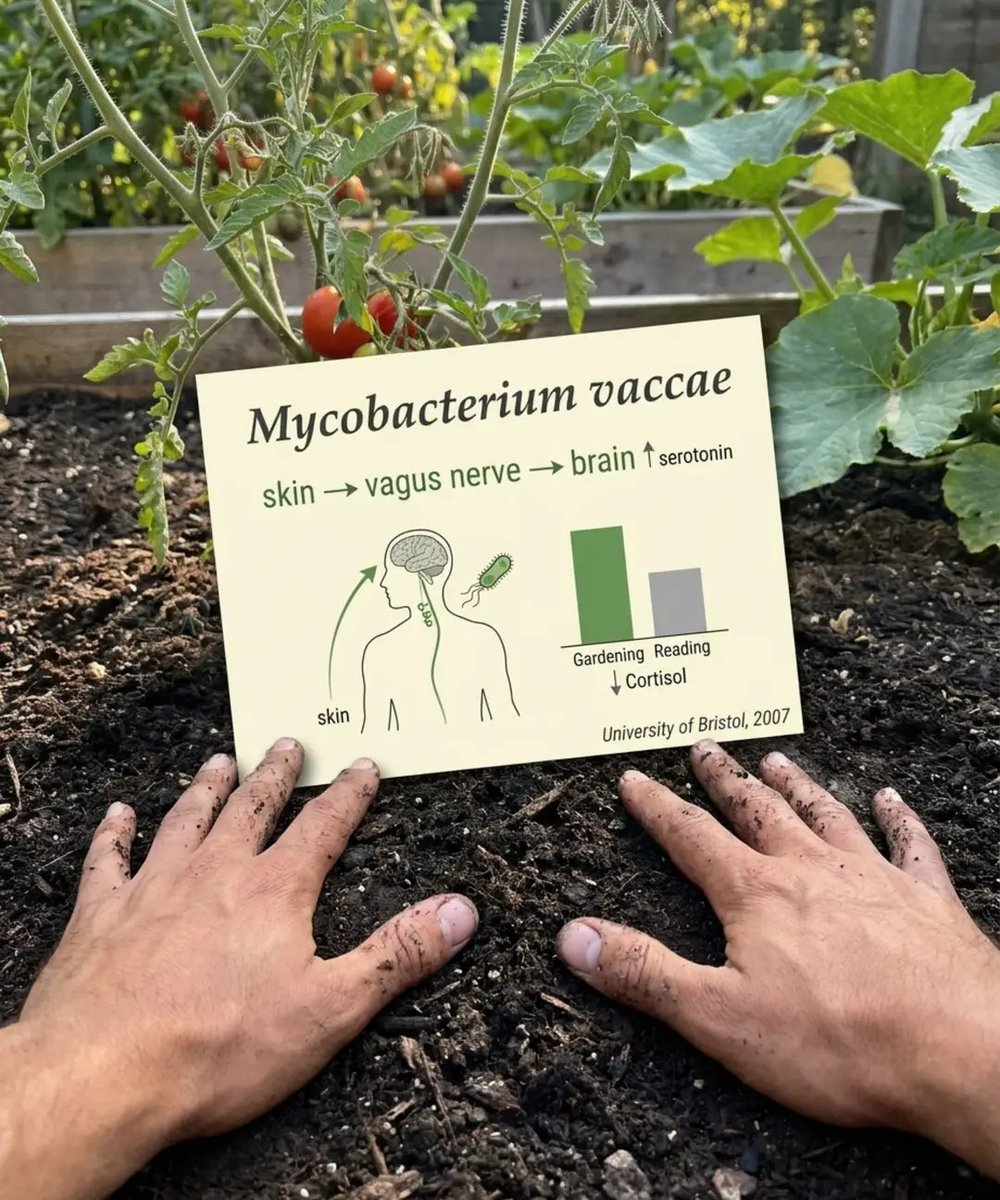
When you push your hands into soil, your brain receives a chemical signal it has been primed for across hundreds of thousands of years of human evolution. Not a metaphor. A bacterium. 🌱
Mycobacterium vaccae is a naturally occurring soil microorganism found in garden soil, forest floors, and woodland worldwide. Research published by scientists at the University of Bristol found that it activates specific serotonin-producing neurons in the brainstem via the vagus nerve and immune pathways — the same neurons that modern antidepressant medications target indirectly.
Separate Dutch research measured salivary cortisol in gardeners and readers following a stressful task. The reduction in cortisol was measurably greater in those who had spent time gardening. Thirty minutes of hands-in-soil contact produced a neurochemical response that reading — itself well-evidenced as beneficial — did not replicate to the same degree.
The cycle is layered: M. vaccae contact is associated with serotonin stimulation. Harvest — even a modest one — is linked to dopamine release. Natural light amplifies both. The garden is not a hobby. It is, in the most literal sense, a biochemical environment that our nervous systems spent millennia being shaped by.
Our ancestors spent several hours a day with their hands in the ground. The research is still developing, and correlation does not establish cause. But the mechanism is not metaphorical — it is microbial. 🌿
Your hands may need soil more than they need a screen.
#GardenTherapy #SoilScience #GardenWellbeing #AllotmentLife
19
339
981
21,892
Barbara Lock MD, MFA retweeted

May 17
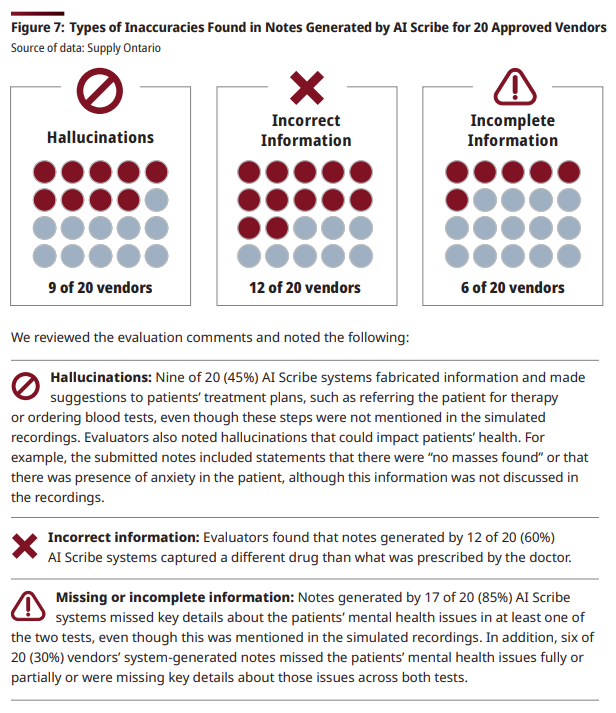
An auditor for the Ontario, Canada government found that AI agents tasked with turning doctor/patient conversations into structured notes routinely hallucinated false treatments, replaced drug names with entirely different drugs, and missed crucial information
126
2,692
10,500
612,530
Barbara Lock MD, MFA retweeted

May 18
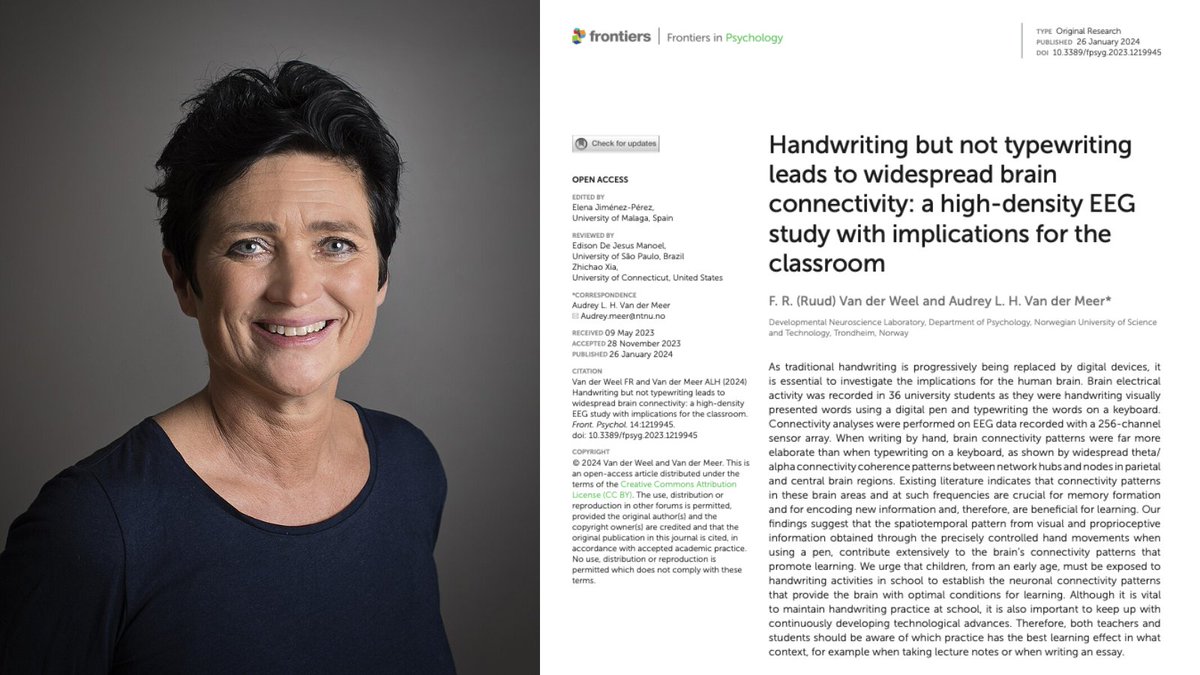
A Norwegian neuroscientist spent 20 years proving that the act of writing by hand changes the human brain in ways typing physically cannot, and almost nobody outside her field has read the paper.
Her name is Audrey van der Meer.
She runs a brain research lab in Trondheim, and the paper that closed the argument was published in 2024 in a journal called Frontiers in Psychology. The finding is brutal enough that it should have changed every classroom on Earth.
The experiment was simple. She recruited 36 university students and put each one in a cap with 256 sensors pressed against their scalp to record brain activity. Words flashed on a screen one at a time.
Sometimes the students wrote the word by hand on a touchscreen using a digital pen, and sometimes they typed the same word on a keyboard. Every neural response was recorded for the full five seconds the word stayed on screen.
Then her team looked at the part of the data most researchers had ignored for years, which is how different parts of the brain were communicating with each other during the task.
When the students wrote by hand, the brain lit up everywhere at once.
The regions responsible for memory, sensory integration, and the encoding of new information were all firing together in a coordinated pattern that spread across the entire cortex. The whole network was awake and connected.
When the same students typed the same word, that pattern collapsed almost completely.
Most of the brain went quiet, and the connections between regions that had been alive seconds earlier were nowhere to be found on the EEG.
Same word, same brain, same person, and two completely different neurological events.
The reason turned out to be something nobody had really paid attention to before her work. Writing by hand is not one motion but a sequence of thousands of tiny micro-movements coordinated with your eyes in real time, where each letter is a different shape that requires the brain to solve a slightly different spatial problem.
Your fingers, wrist, vision, and the parts of your brain that track position in space are all working together to produce one letter, then the next, then the next.
Typing throws all of that away. Every key on a keyboard requires the exact same finger motion regardless of which letter you are pressing, which means the brain has almost nothing to integrate and almost no problem to solve.
Van der Meer said it plainly in her interviews.
Pressing the same key with the same finger over and over does not stimulate the brain in any meaningful way, and she pointed out something that should scare every parent who handed their kid an iPad.
Children who learn to read and write on tablets often cannot tell letters like b and d apart, because they have never physically felt with their bodies what it takes to actually produce those letters on a page.
A decade before her, two researchers at Princeton ran the same fight using a completely different method and ended up at the same answer. Pam Mueller and Daniel Oppenheimer tested 327 students across three experiments, where half took notes on laptops with the internet disabled and half took notes by hand, before testing everyone on what they actually understood from the lectures they had watched.
The handwriting group won by a wide margin on every question that required real understanding rather than surface recall.
The reason was hiding in the transcripts of what the two groups had actually written down.
The laptop students typed almost word for word, capturing more total content but processing almost none of it as they went, while the handwriting students physically could not write fast enough to transcribe a lecture in real time, which forced them to listen carefully, decide what actually mattered, and put it in their own words on the page.
That single act of choosing what to keep was the learning itself, and the keyboard had quietly skipped the choosing and skipped the learning along with it.
Two studies. Two countries. Same answer.
Handwriting makes the brain work. Typing lets it coast.
Every note you have ever typed instead of written went into your brain through a thinner pipe. Every meeting, every book highlight, every idea you captured on your phone instead of on paper was processed at half depth.
You did not forget those things because your memory is bad. You forgot them because typing never woke the part of the brain that would have made them stick.
The fix is the thing your grandmother already knew.
Pick up a pen. Write the thing down. The slower road is the faster one.
2,473
44,645
120,849
10,372,608
May 15
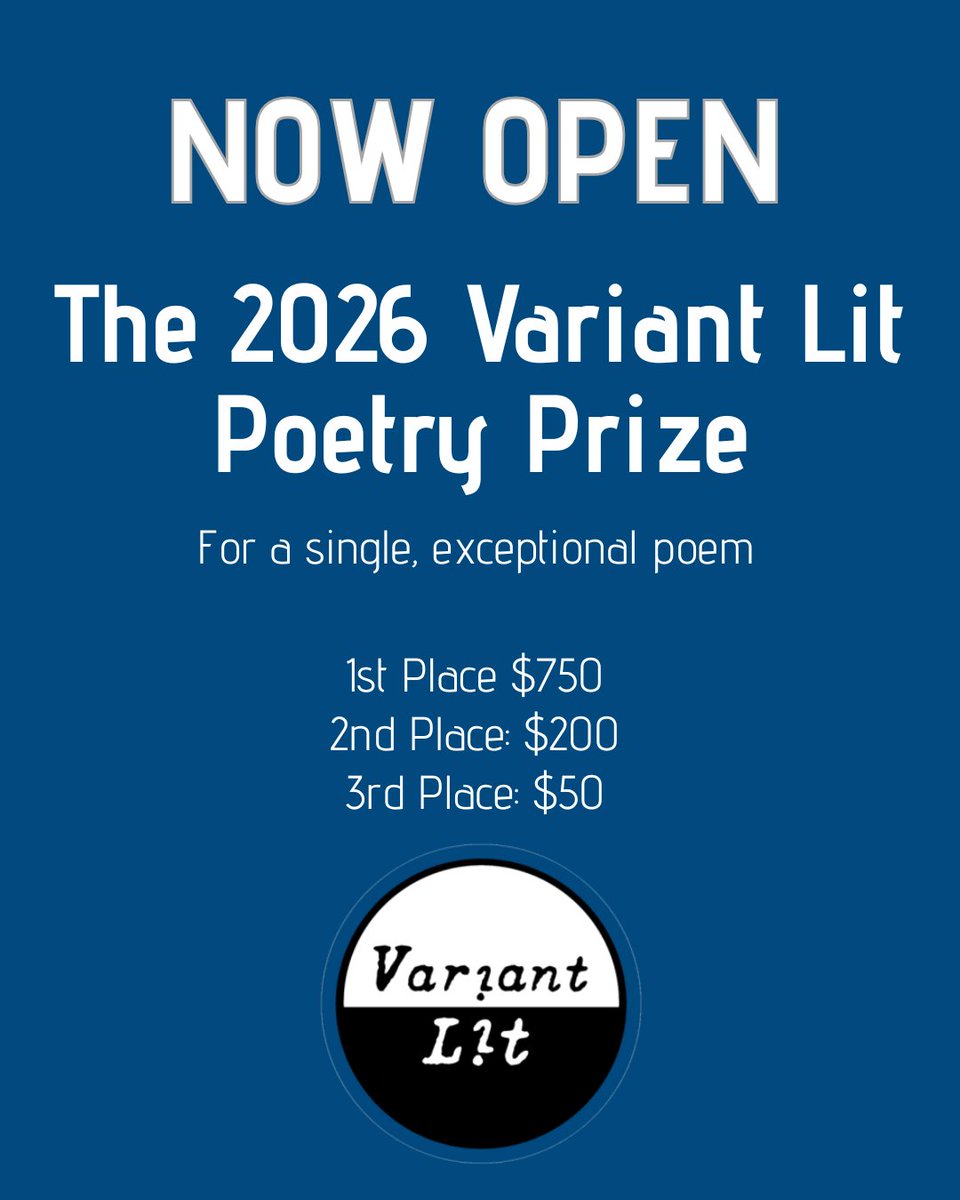
We'd love to consider your poems!

Submissions are now open for the 2026 Variant Lit Poetry Prize
variantlit.submittable.com/s…
2
56
Barbara Lock MD, MFA retweeted
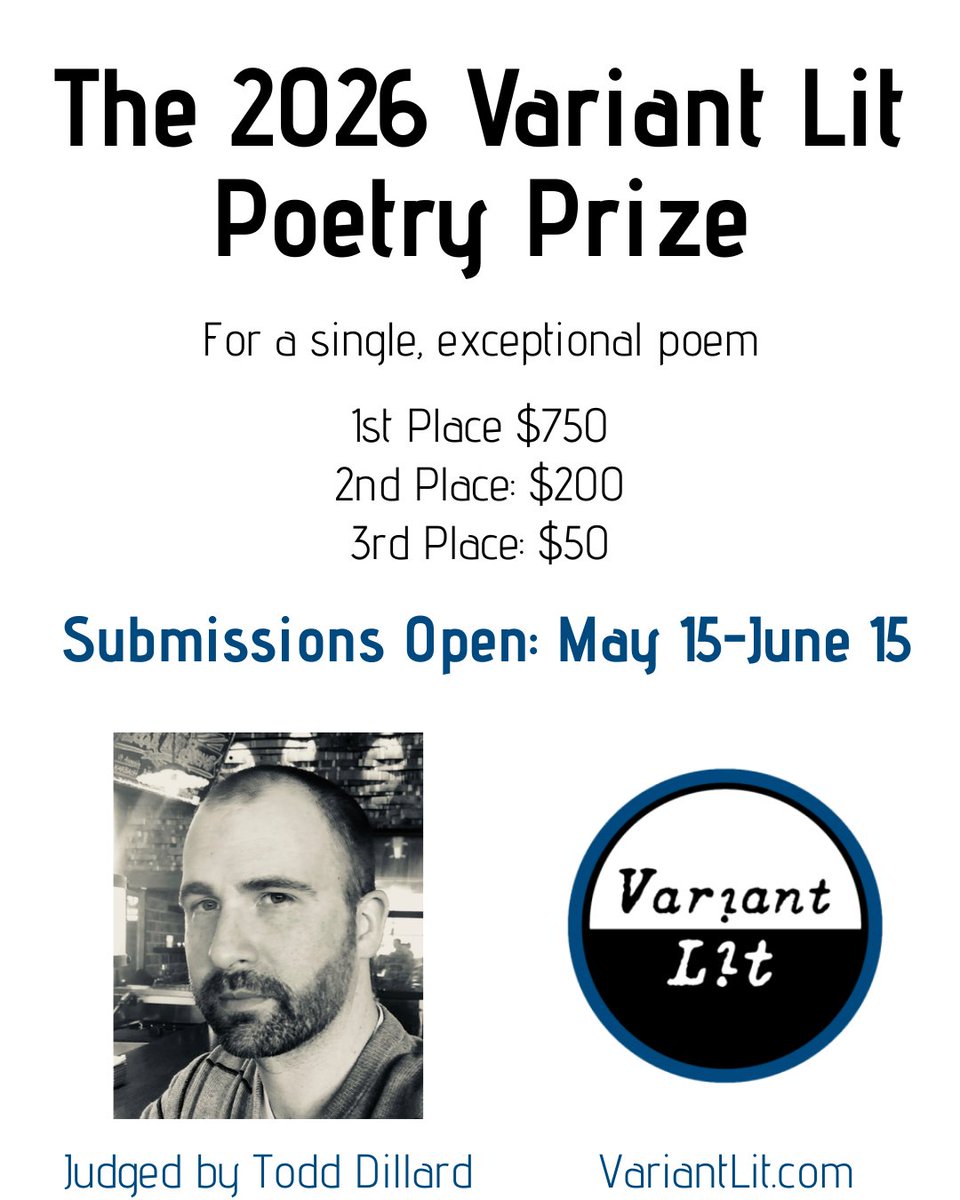
We are excited to announce the inaugural Variant Lit Poetry Prize which will be judged by the incredible Todd Dillard!
Submissions open May 15th!
Read the guidelines & get your poems ready! variantlit.com/announcing-th…
30
90
6,114
Barbara Lock MD, MFA retweeted
Congratulations to our amazing Editor in Chief!
Apr 10

Many thanks to Alice Hoffman and the editors at Ploughshares for seeing the beauty and peril in my story "Keep You Safe," winner of the
2
28
806
Apr 10
Many thanks to Alice Hoffman and the editors at Ploughshares for seeing the beauty and peril in my story "Keep You Safe," winner of the
1
1
12
1,065
Apr 10
Alice Hoffman Prize for Fiction. In the Ploughshares spring issue, just released, you can read wonderful poetry and prose as well as my responses to Lachlan Applegate's insightful questions about craft, peril, and the present moment.
2
40
Mar 29
Long form submissions end this evening! Send what you have!
Submissions for Speculative Fiction and Literary Fiction close in two days! Send what you have, up to 5500 words. (Flash Fiction and Poetry will be open an extra week.) variantlit.submittable.com/s…
5
7
683
Barbara Lock MD, MFA retweeted
From "Mermua" by Gerardo J. Mercado.
Read the rest in issue 22 of Variant Lit
variantlit.com/mermua/
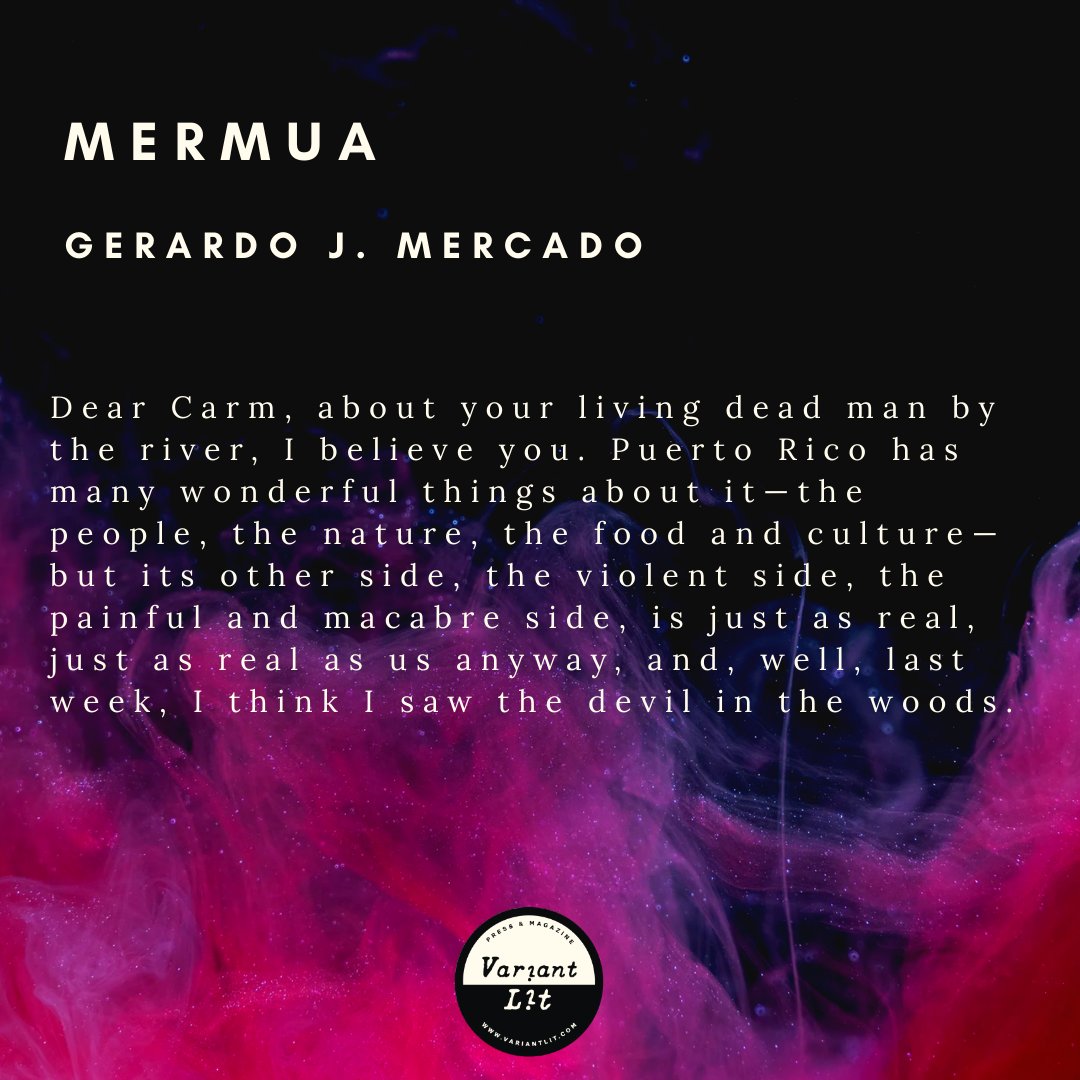
ALT From "Mermua" by Gerardo J. Mercado. Read the rest in issue 22 of Variant Lit "Dear Carm, about your living dead man by the river, I believe you. Puerto Rico has many wonderful things about it—the people, the nature, the food and culture—but its other side, the violent side, the painful and macabre side, is just as real, just as real as us anyway, and, well, last week, I think I saw the devil in the woods."
2
3
365
Mar 27
Spread the word
Submissions for Speculative Fiction and Literary Fiction close in two days! Send what you have, up to 5500 words. (Flash Fiction and Poetry will be open an extra week.) variantlit.submittable.com/s…
52
Mar 14
Poems and prose!
Mar 14

Variant Lit is accepting poems for a few more weeks. Please send us your work! We love a variety (it's in the name)! so send us your narrative, your lyrical, your sonnets, your funny, your quiet, your heartbreaking. We reply quickly; we pay; we nominate!
@VariantLit
2
12
497
Barbara Lock MD, MFA retweeted

17 Nov 2025
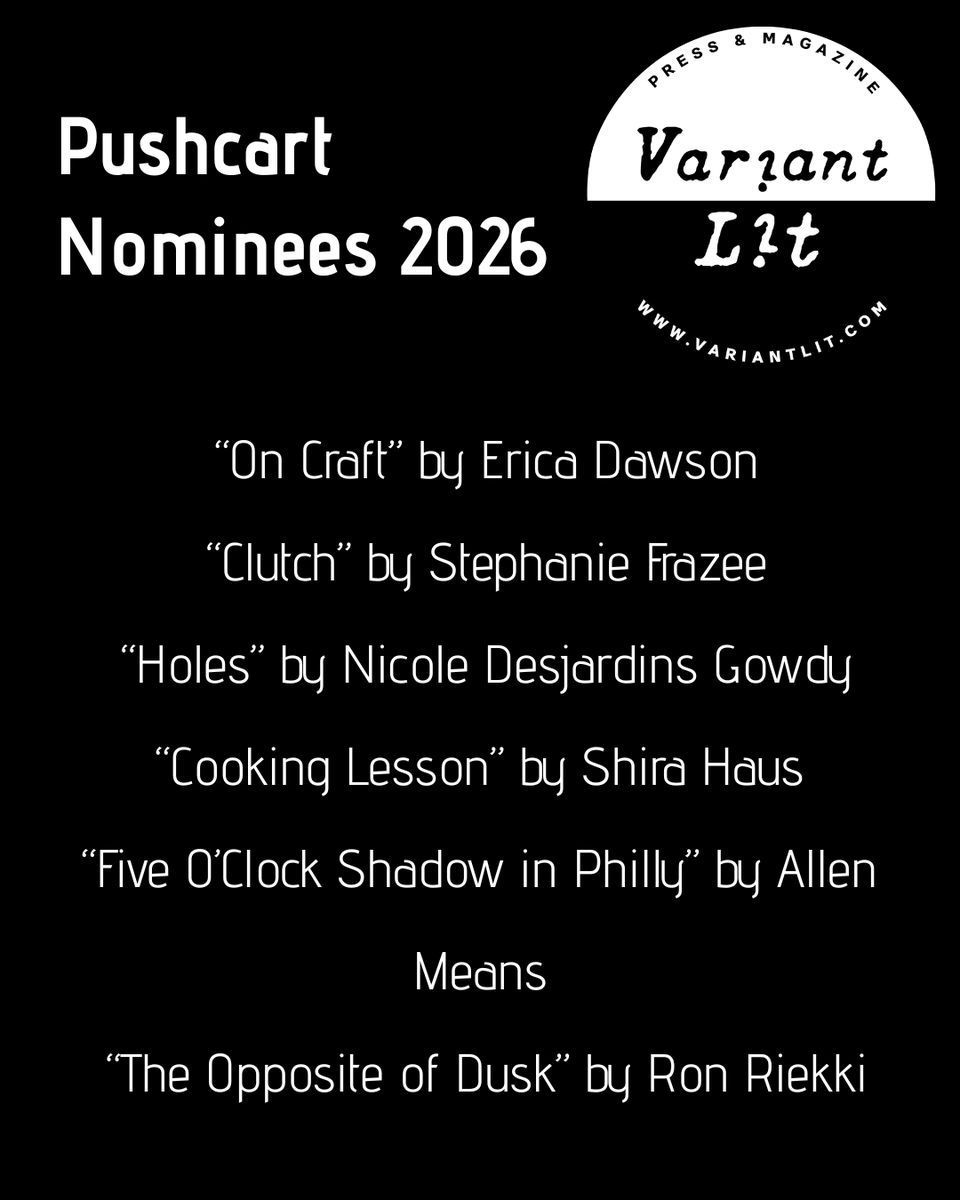
We’re thrilled to announce our Pushcart Prize nominations for 2026:
“On Craft” by Erica Dawson
“Clutch” by Stephanie Frazee
“Holes” by Nicole Desjardins Gowdy
“Cooking Lesson” by Shira Haus
“Five O’Clock Shadow in Philly” by Allen Means
“The Opposite of Dusk” by Ron Riekki
1
9
80
2,228
Barbara Lock MD, MFA retweeted
12 Nov 2025
We are still reading for our Winter Issue!
1
21
78
5,364
Barbara Lock MD, MFA retweeted

12 Nov 2025
G4 Solar Storm - Biggest Impact Still Coming | S0 News Nov.12.2025 youtu.be/wLUd961kzLk?si=6xb1… via @YouTube
50
199
905
168,455
Barbara Lock MD, MFA retweeted
11 Nov 2025
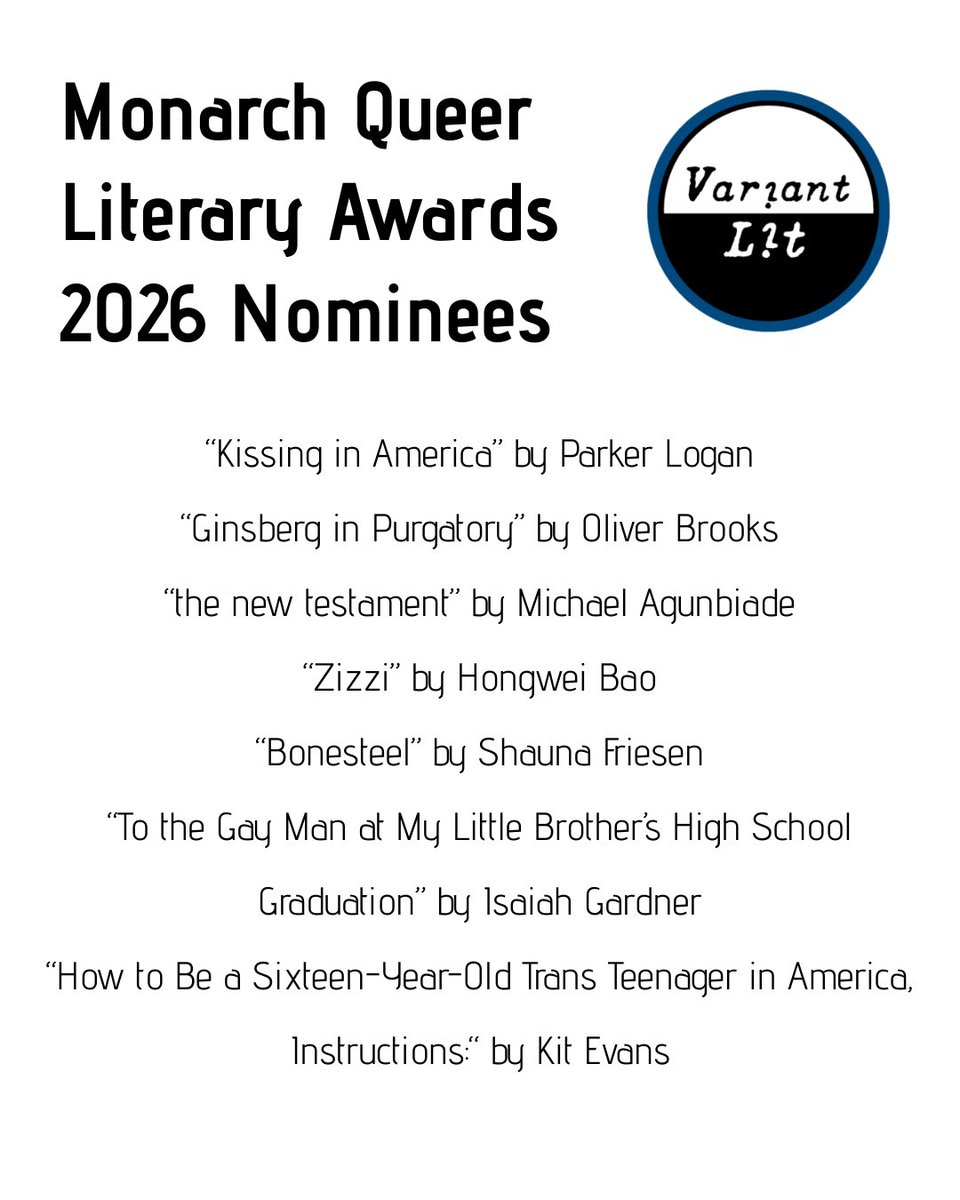
Very excited to announce our nominations for the Monarch Queer Literary Awards!
1
6
29
1,962
Barbara Lock MD, MFA retweeted
6 Nov 2025
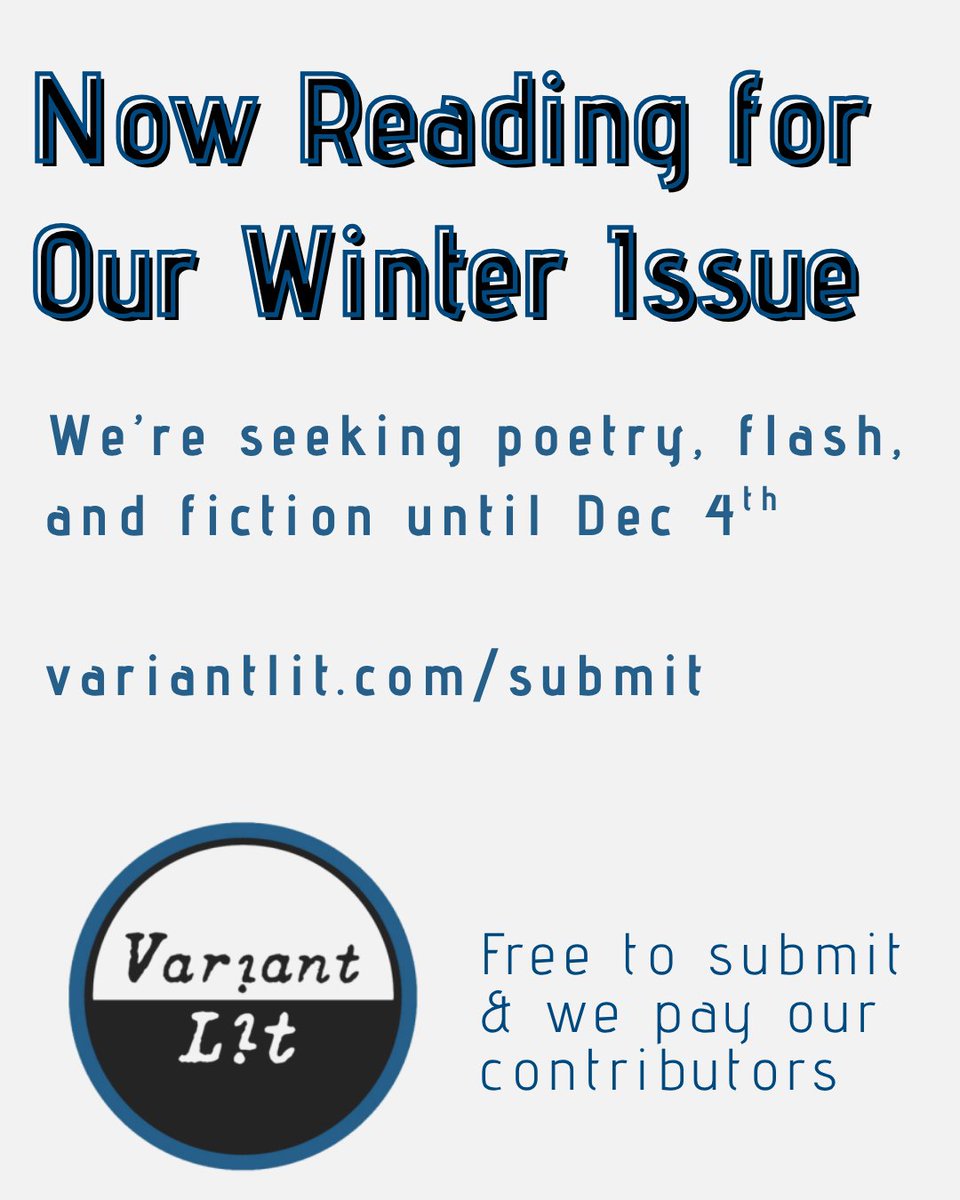
Less than a month left to submit!
2
34
133
9,305