Health, Labor, and Behavioral Economics. Associate Professor of Economics at the University of Basel. Previously Univ. of Lausanne and Chicago.
Joined October 2016
- Tweets 1,631
- Following 1,278
- Followers 1,680
- Likes 3,640
43 Photos and videos


Armando Meier retweeted

13 Jun 2025
If you
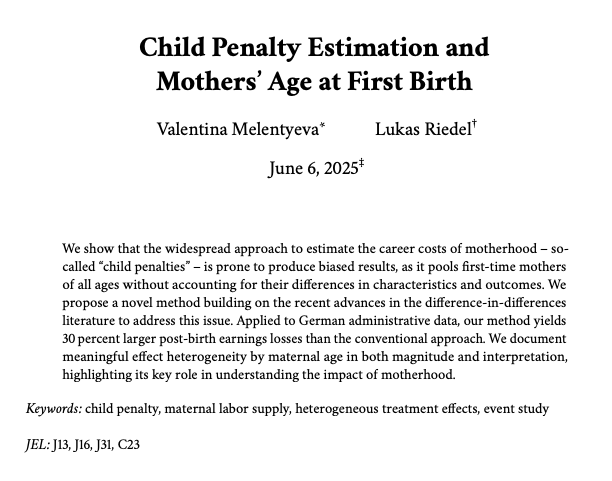
✅ work on gender inequality in the labor market
✅ want to finally understand what this never-ending DiD literature is talking about
✅ teach recent advances in DiD
then take a look at our WP with Lukas Riedel!
🔗rfberlin.com/research/child-…
@RF_Berlin
4
47
247
49,359
Armando Meier retweeted

31 May 2025
When Bangladesh launched its national immunisation program in 1979, a third of their 500,000 annual child deaths were from vaccine-preventable diseases. Today, the country is officially polio-free and has dramatically reduced child mortality. bit.ly/4kBJhQt
8
19
1,140
Armando Meier retweeted

27 May 2025
A short summary of recent work with @AidanCoville and @sampskc on the large amount of weight policymakers place on local evidence, now out at the JDE:
evavivalt.com/2025/05/how-mu…
6
17
1,729
Armando Meier retweeted

27 May 2025
We wanted to verify the evidence behind >$1 billion in grants we've made to our top charities — so we asked @I4Replication to see if they could get the data to replicate the underlying RCTs.
It didn't go great... 🧵
10
38
186
44,913

28 May 2025
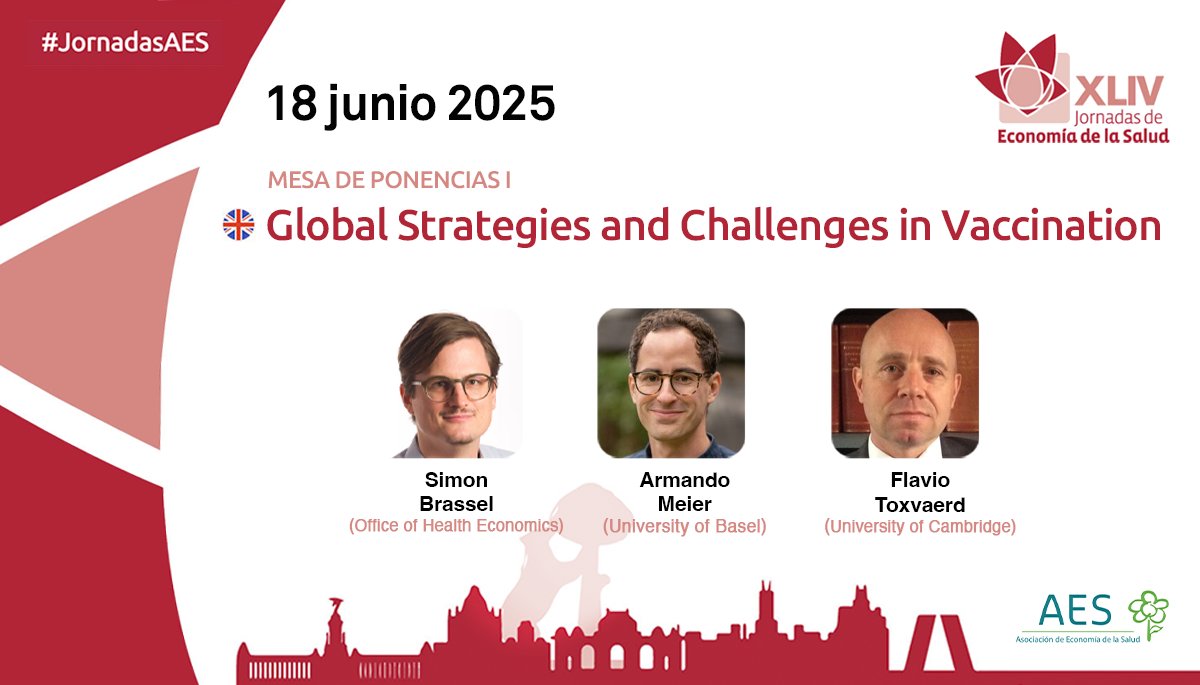
Very honored to be an invited speaker at the Spanish Health Economics Association Meeting on policies to increase vaccination uptake

XLIV #JornadasAES
Mesa de ponencias I: "Global Strategies and Challenges in #Vaccination"
🗣️ Simon Brassel (@OHENews)
🗣️ @meier_armando (@UniBasel_en)
🗣️ @toxvaerd1 (@Cambridge_Uni)
📅 18 Junio
📍 @unicomplutense, #Madrid
ℹ️ f.mtr.cool/xpwofybayp
3
276
14 May 2025
Sign-up for our "Principles of health economics" course in Basel open to PhD students from all fields! The course offers an broad introduction and research insights
It takes place from Sept. 8 to Sept. 12, we have some spots left.
tinyurl.com/p2epeayk
@mazzonna81 @bea_trix
1
1
215
Armando Meier retweeted

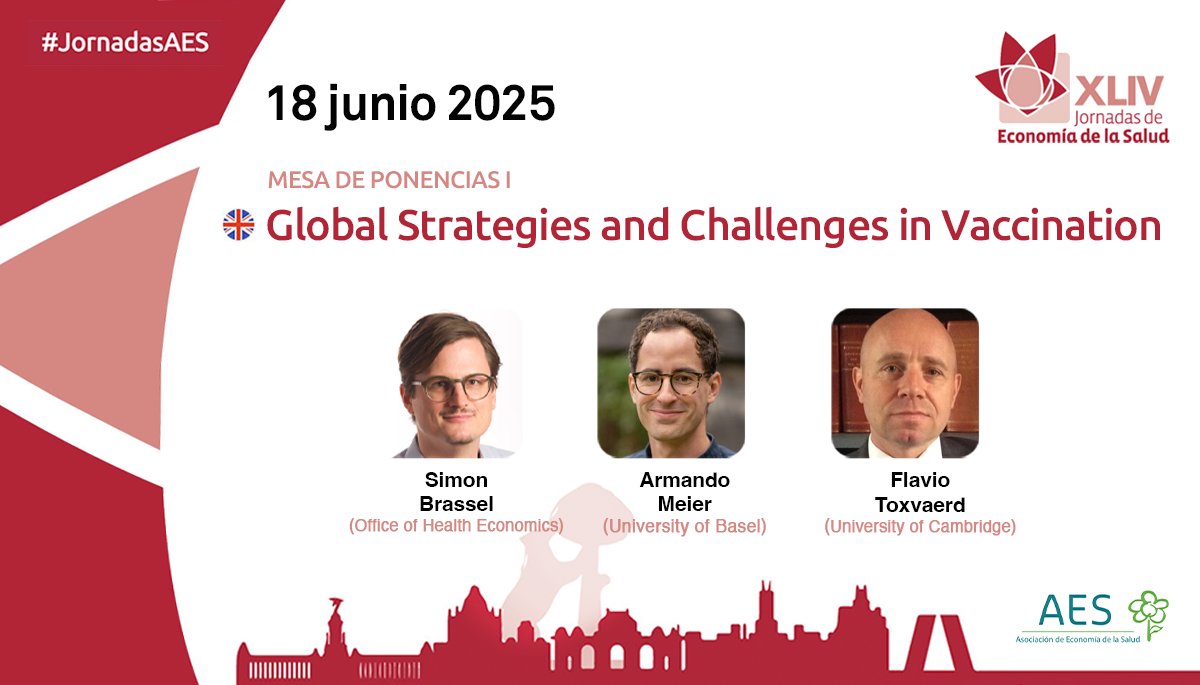
XLIV #JornadasAES
Mesa de ponencias I: "Global Strategies and Challenges in #Vaccination"
🗣️ Simon Brassel (@OHENews)
🗣️ @meier_armando (@UniBasel_en)
🗣️ @toxvaerd1 (@Cambridge_Uni)
📅 18 Junio
📍 @unicomplutense, #Madrid
ℹ️ f.mtr.cool/xpwofybayp
4
6
436
Armando Meier retweeted

7 Nov 2024
Frauen verdienen mehr, wenn sie als Kinder mehrheitlich mit anderen Mädchen die Schulbank drückten. Das zeigt eine Studie der @unibasel und der @uni_durham mit Daten von 750'000 Schülerinnen und Schülern. @meier_armando
unibas.ch/de/Aktuell/News/Un…
1
4
635
7 Nov 2024
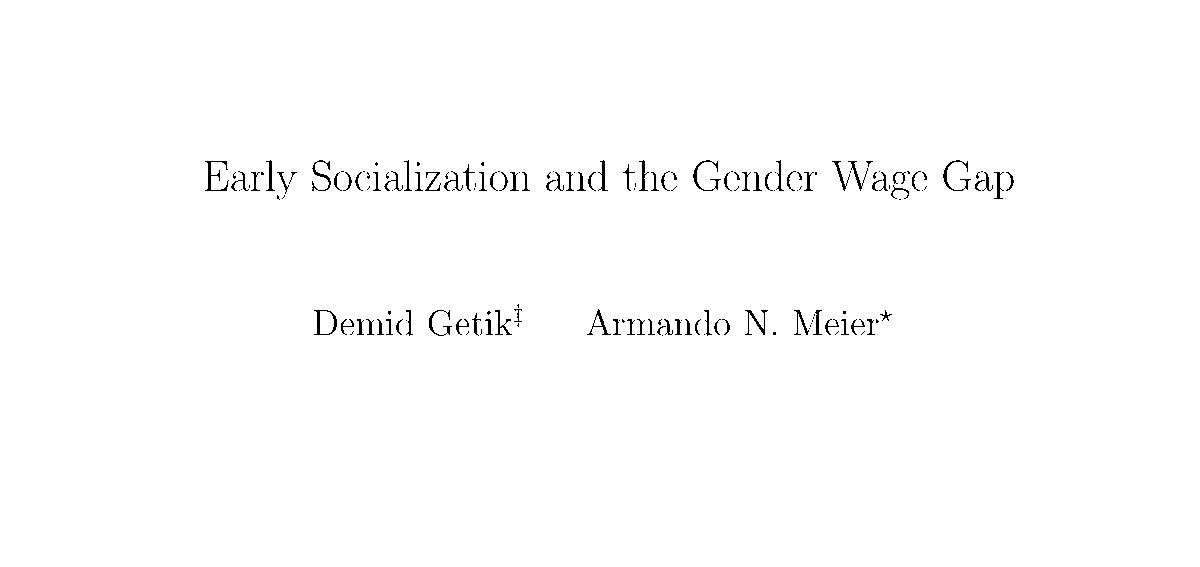
🤔How does being around more girls in primary school affect later careers and wages?
Women earn more after going to school with more girls. And, they choose less gender stereotypical jobs
“Early Socialization and the Gender Wage Gap” shorturl.at/SiXp2
w Demid Getik
2
31
100
12,131
7 Nov 2024
Might be of interest to:
@massimo_anelli
@AurelienSallin
@bea_trix
@mazbertrand
@BarbaraBiasi
@JBietenbeck
@Econ_Sandy
@bodanieli
@agnese_romiti
@annahsandberg
@AnneBrenoe
@uZoelitz
@ShellyJLundberg
@thomasfujiwara
@ThomasBuser
@hooster1
@FabriColella
@rlalive
@ben_elsner
1
2
329
7 Nov 2024
Might be of of interest to:
@secarrell
@EliraKuka
@ZohalHessami
@IngoIsphording
@EconFeld
@RueMartel
@PikaGoldin
@ProfNoto
@MSimonsenTweets
@landais_camille
@FannyLandaud
@alexandraroulet
@PetterLundborg
295
Armando Meier retweeted

21 Oct 2024
🚨JOB OPPORTUNITIES 🚨
We are looking for an assistant professor (fixed-term) and PostDocs (1-2 yrs) for our new Political Economy of Global Development Lab with @EconBluhm @AngelikaBudjan @Uni_Stuttgart
Job Posting here: ivr.uni-stuttgart.de/en/eco/…
Please RT widely
2
15
21
3,077
Armando Meier retweeted

9 Oct 2024
Forthcoming in AEJ: Economic Policy: "The Long-Run Effects of Peer Gender On Occupational Sorting and the Wage Gap" by Demid Getik and Armando N. Meier. aeaweb.org/articles?id=10.12…
1
7
39
5,791
23 Sep 2024
Join our health economics PHD course open to all disciplines in Lausanne!

💥Upcoming course: "Introduction to Health Economics":
-Key Topics I – demand for health and health care
-Key Topics II – supply of health care
-Economic evaluation/Health Technology Assessment
-Health Economics Frontier - advanced topics
ssphplus.ch/assets/downloads…
@SSPHplus
2
7
1,008
Armando Meier retweeted

22 Sep 2024
New Working Paper. LEGO movie summary of main result 😀 For more results see NBER Working Paper (nber.org/papers/w32899). Amazing team: @campos_mercade @meier_armando @Devin_G_Pope @f_h_schneider @ErikWengstrom
9 Sep 2024

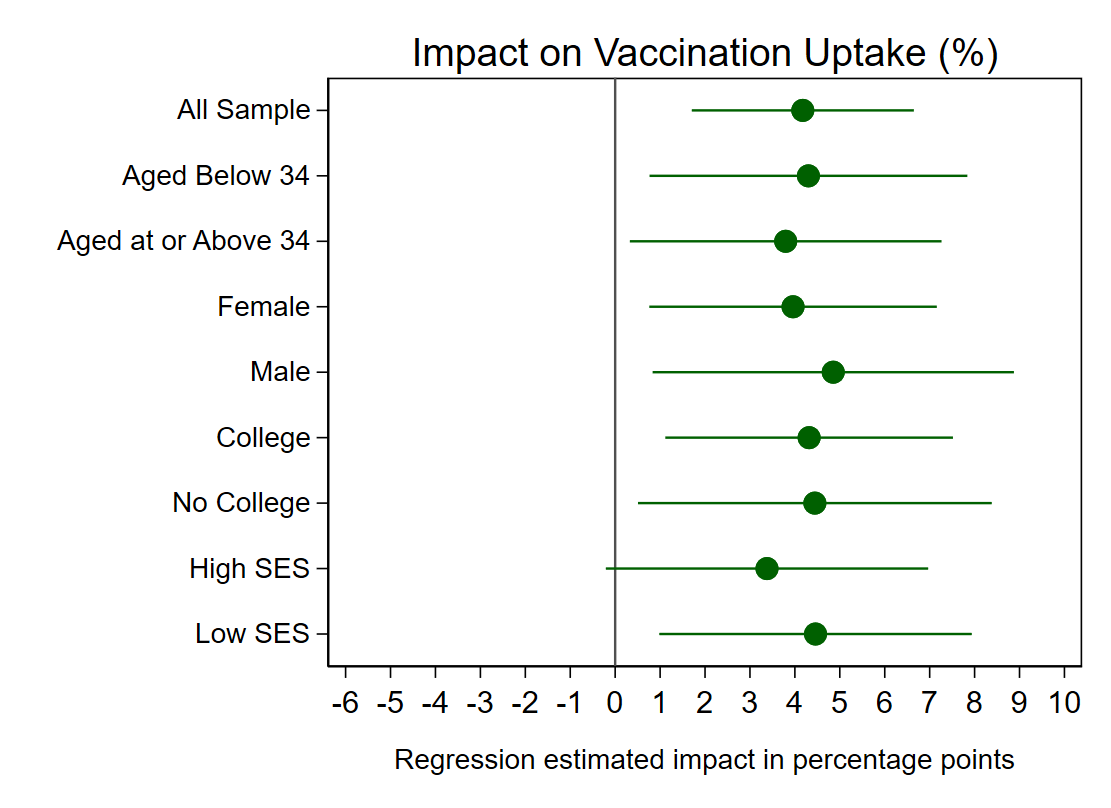
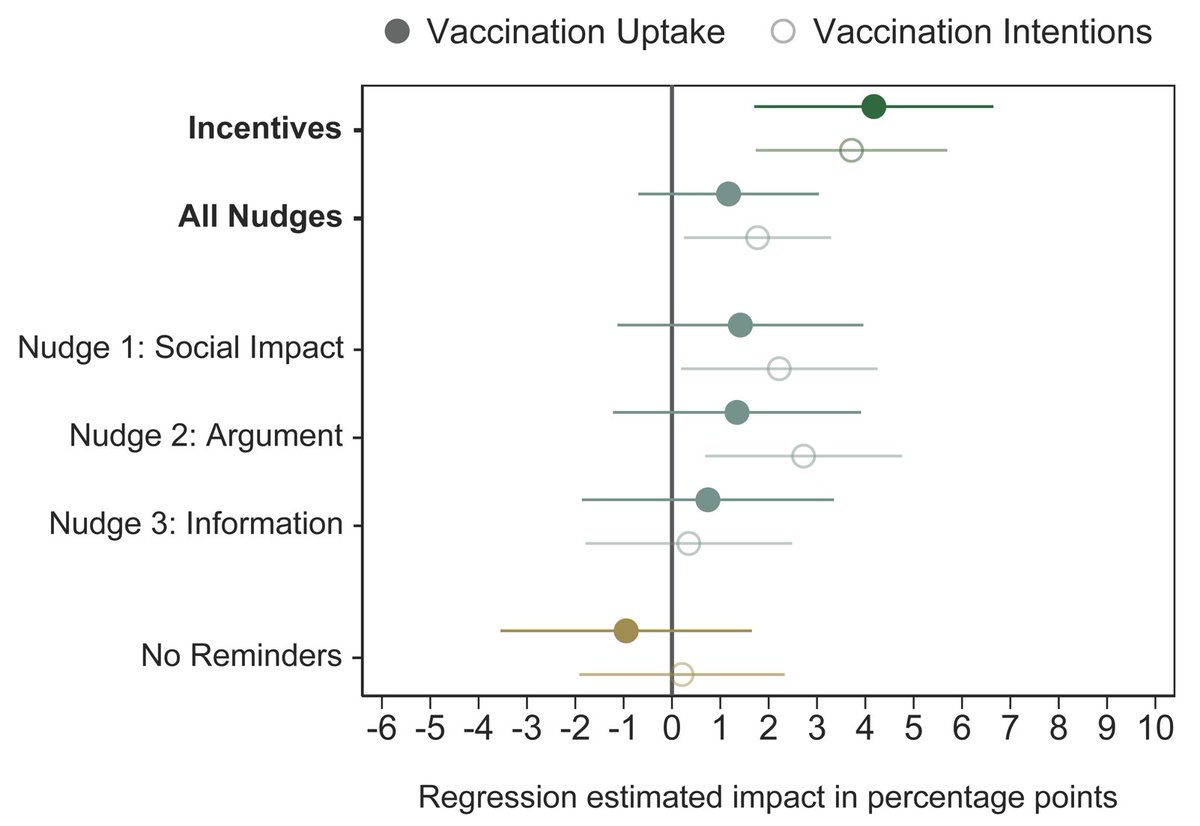
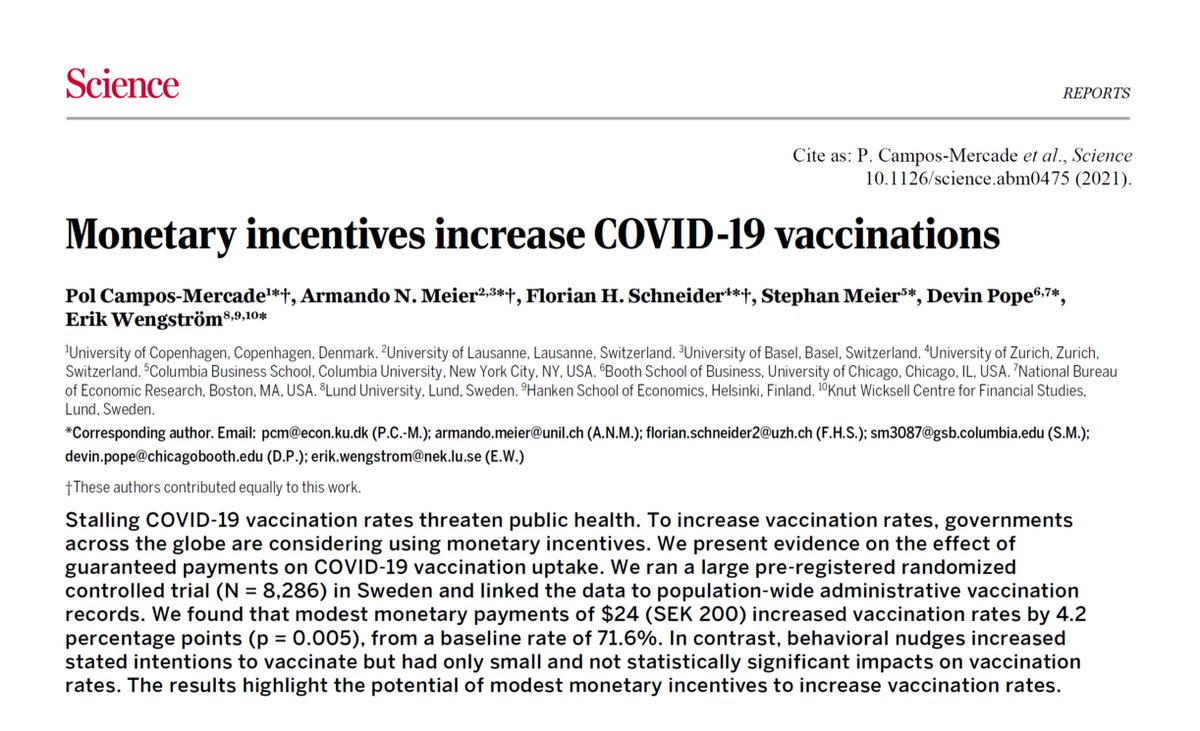
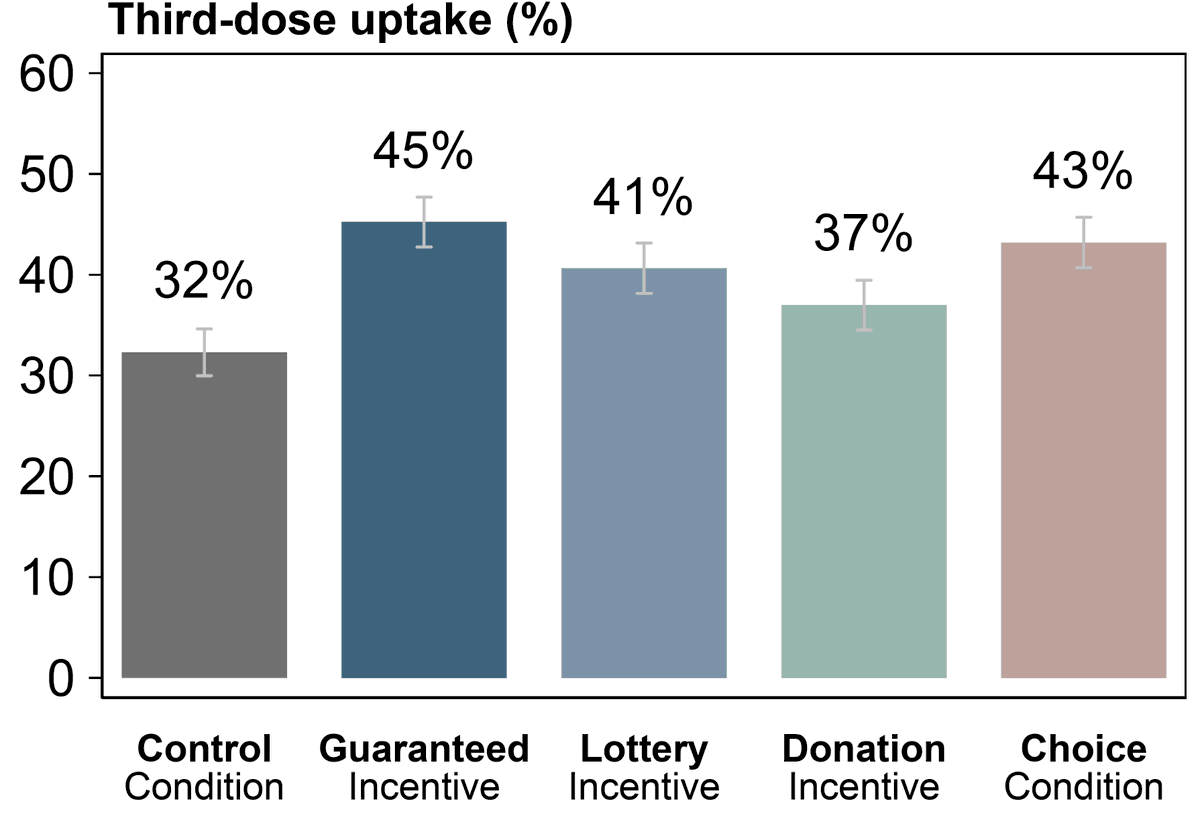
I'm excited to release a new working paper today. When we paid people ~$20, they were 13pp more likely to take the Covid Booster shot. This guaranteed financial incentive worked better than lottery and charitable incentives in our large, pre-registered field experiment.
1
7
15
3,797
Armando Meier retweeted

9 Sep 2024
I'm excited to release a new working paper today. When we paid people ~$20, they were 13pp more likely to take the Covid Booster shot. This guaranteed financial incentive worked better than lottery and charitable incentives in our large, pre-registered field experiment.
1
9
30
7,028