
Program Coordinator @spacecentreyvr Centre — Manager of Community Engagement — @sciencefairsbc — Co- founder of @nerdniteyvr — Manager of @sciCATSyvr He/Him
Joined September 2010
- Tweets 2,678
- Following 805
- Followers 566
- Likes 8,592
360 Photos and videos









Michael John Unger retweeted

May 5
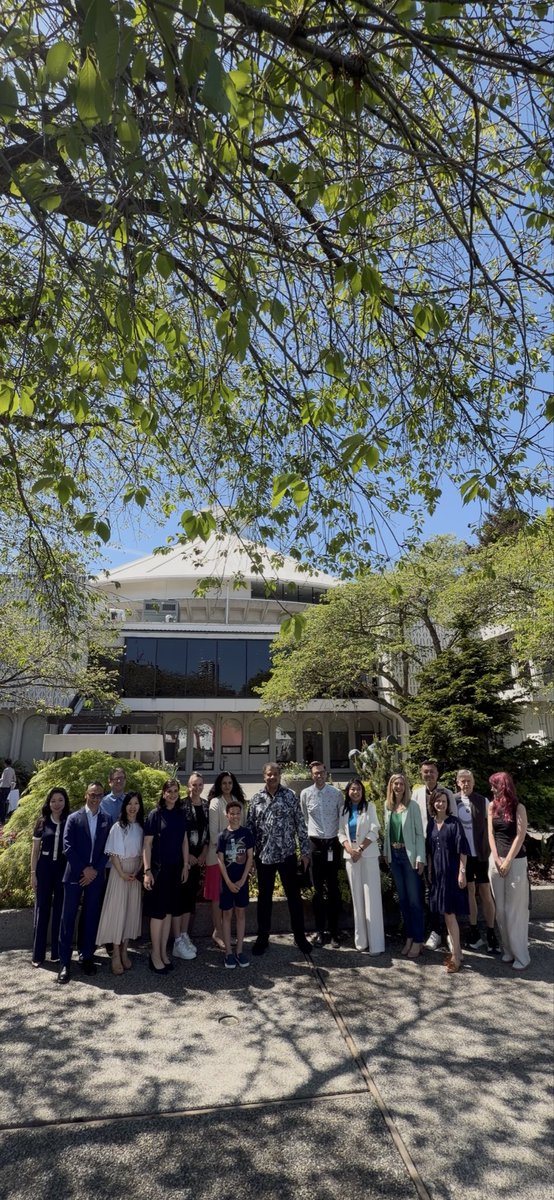
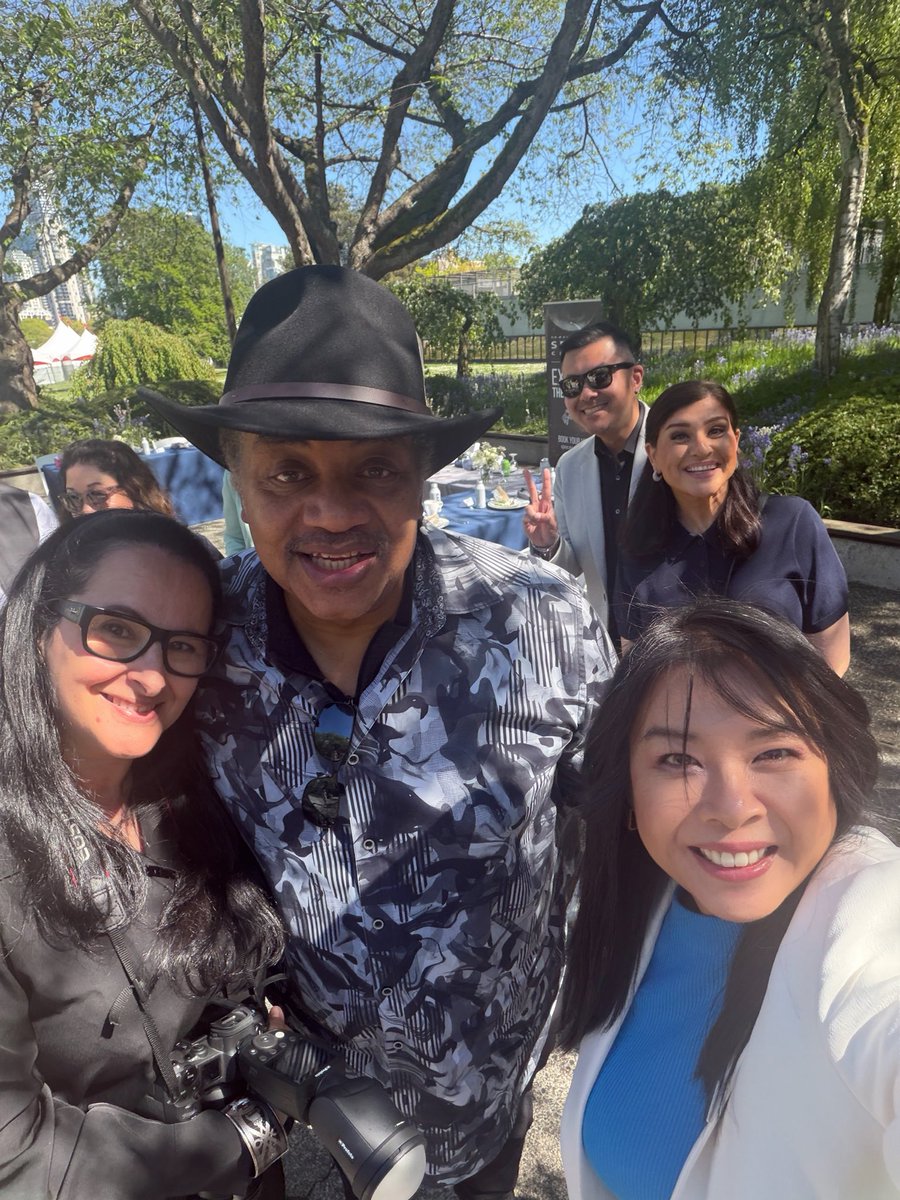
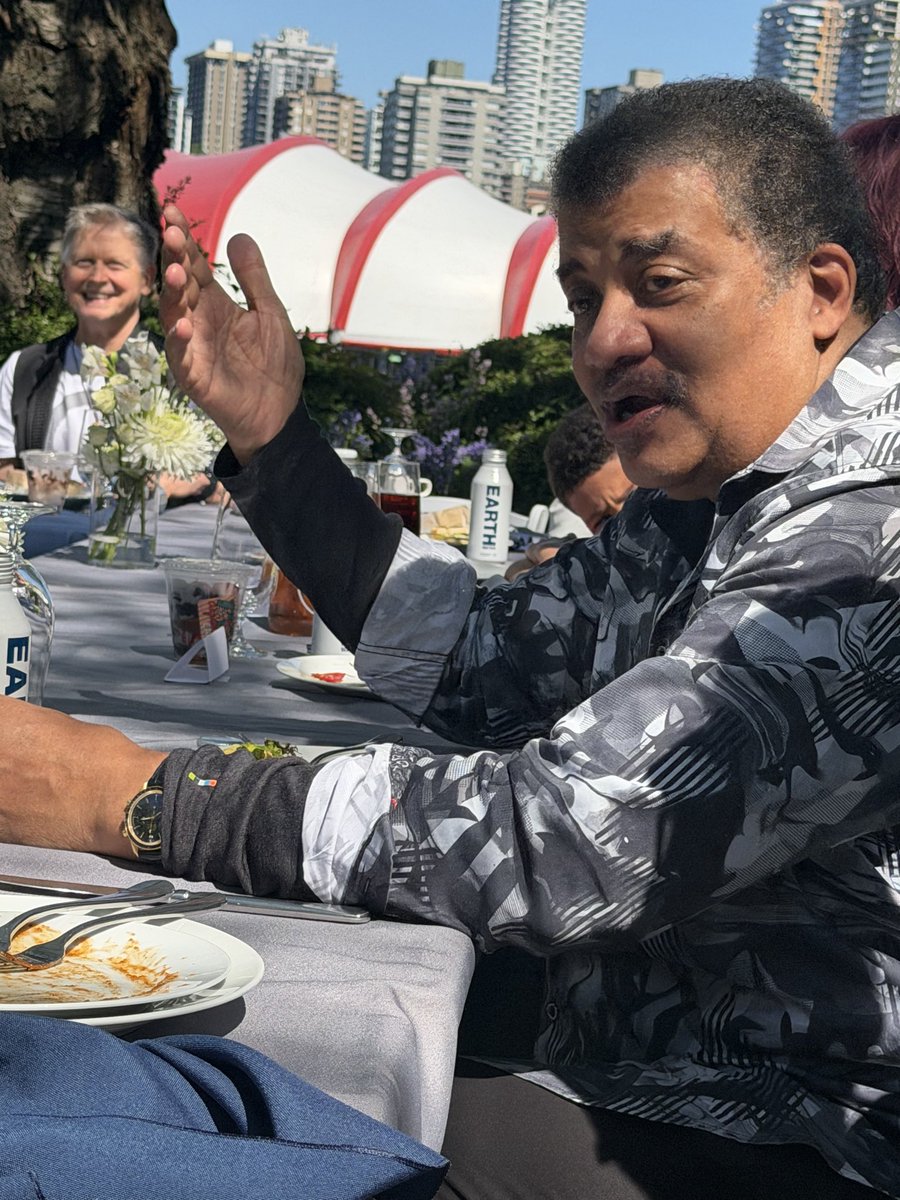
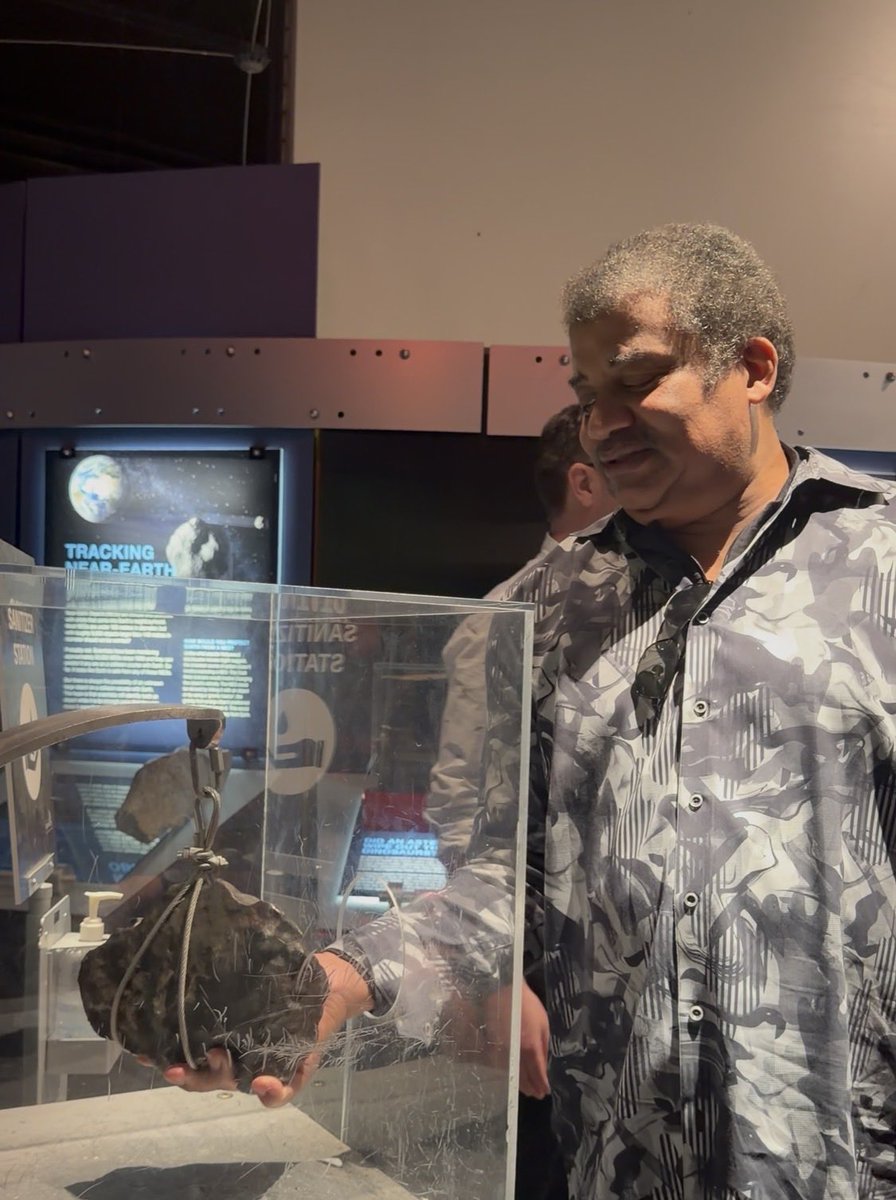
Lunch @SpaceCentreYVR w/ @neiltyson was a masterclass in wonder. We left more inspired, less dumb, reminding that when we look up, we remember what we share. That perspective is powerful. Every child deserves to feel it, question the world & imagine what comes next🚀
1
4
12
743

4 Dec 2024
In-school fairs are ramping up!
4 Dec 2024

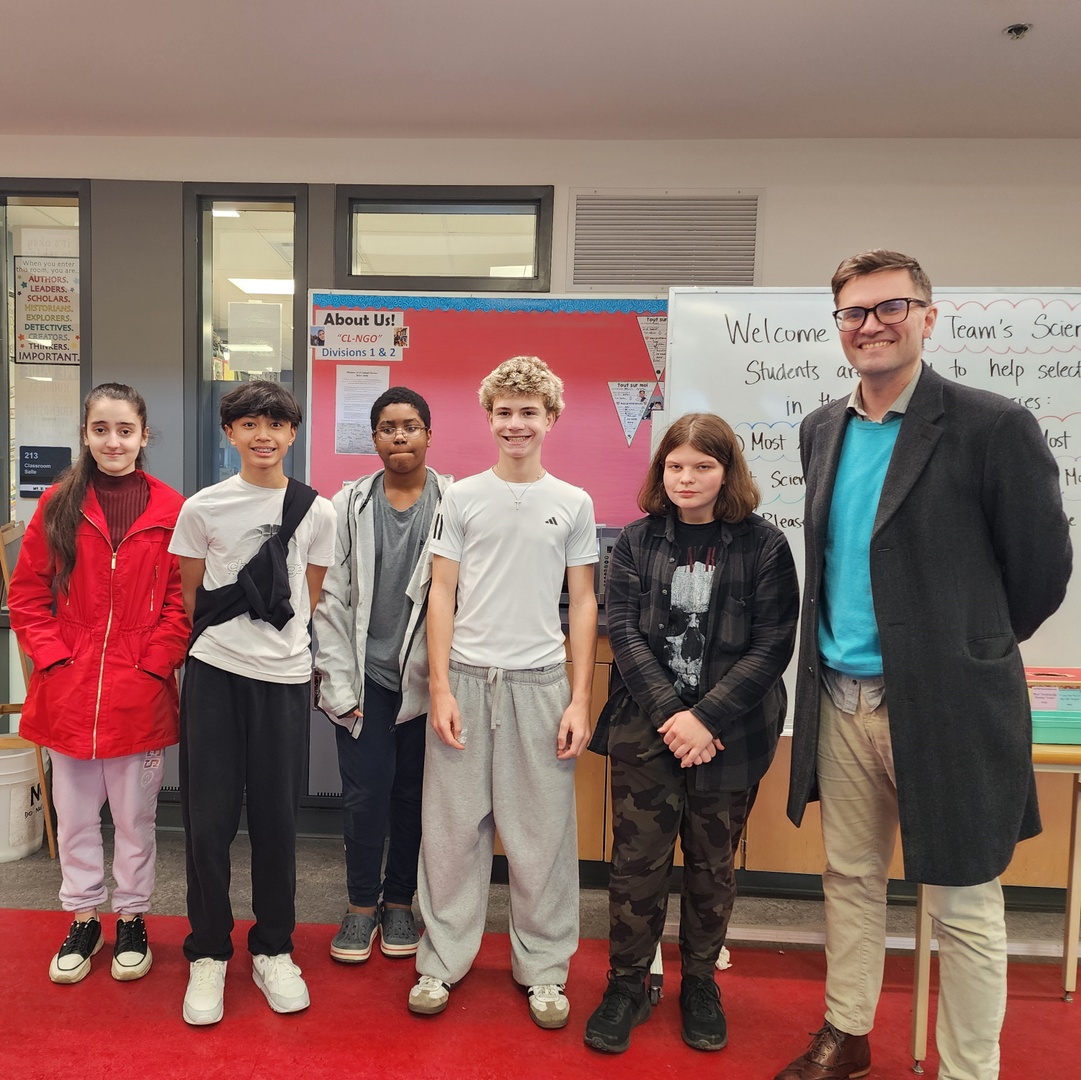
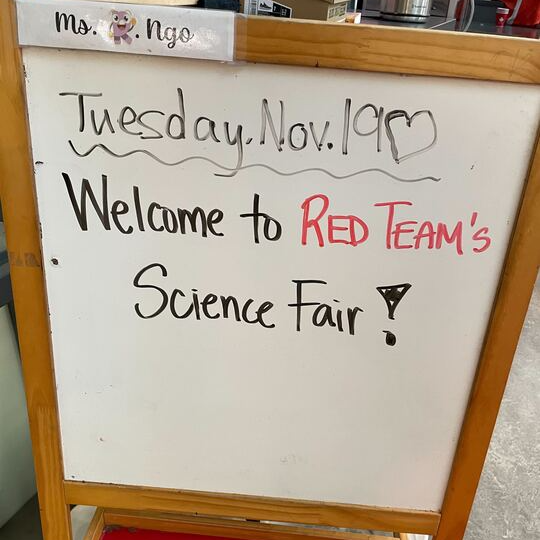
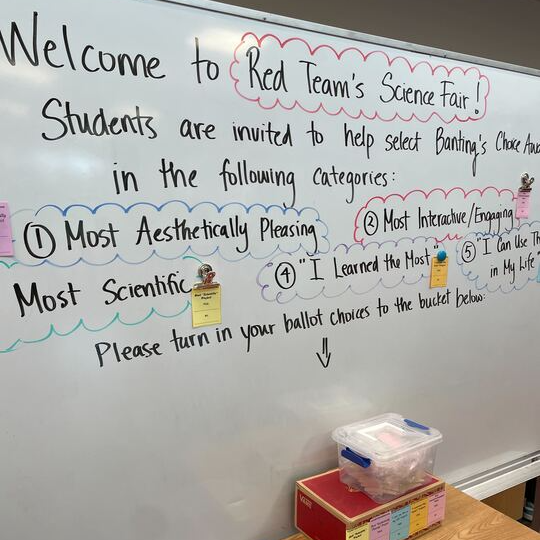
We love an in-class Science Fair! 🗣️📢 Big shout out to Science Teachers Rose Ngo and Zak Molls at Banting Middle School who reached out for support with their class fair.
Give us a shout if you are curious about how we can help class Science Fairs! Links are in our bio! 🔗
2
105
23 Oct 2024
Today was one of my favourite days in space, great vibes! Thank you for your support!
23 Oct 2024

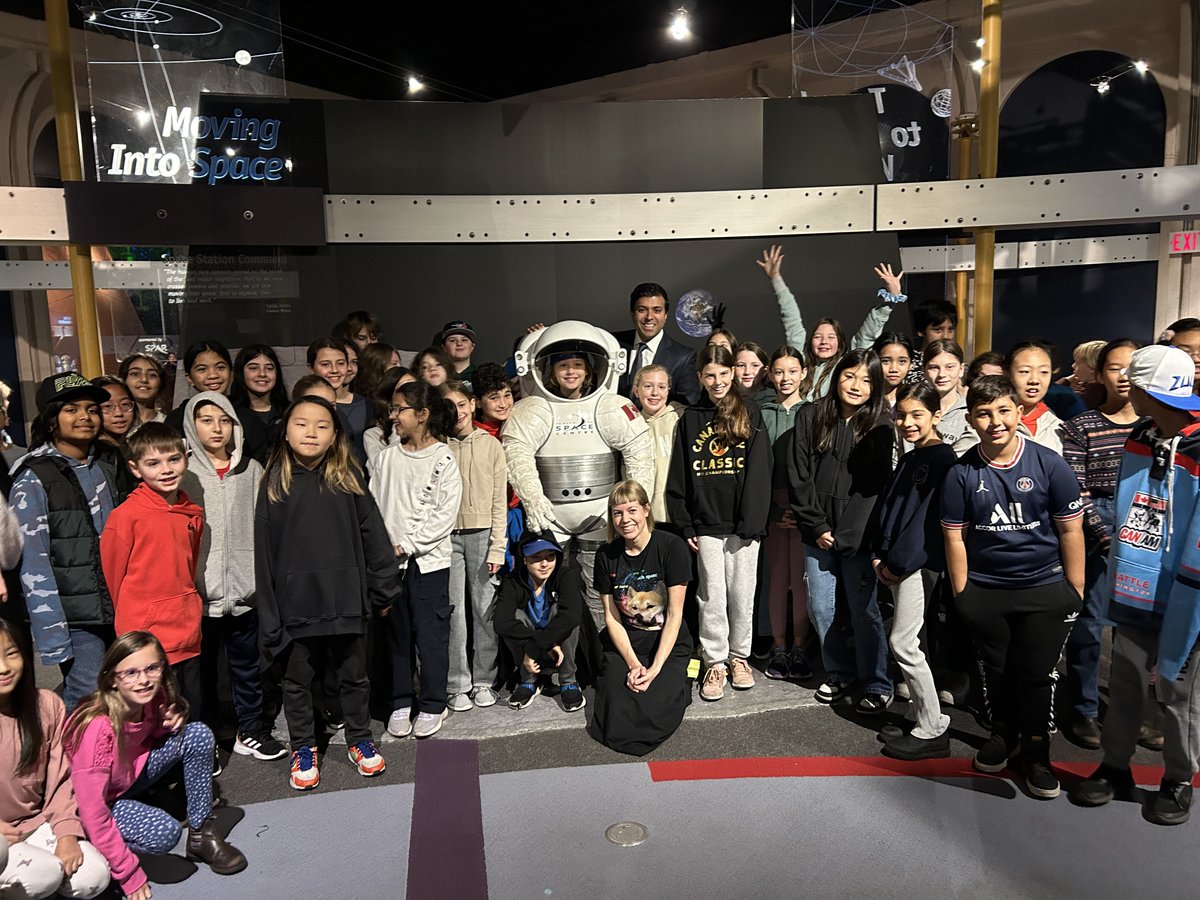
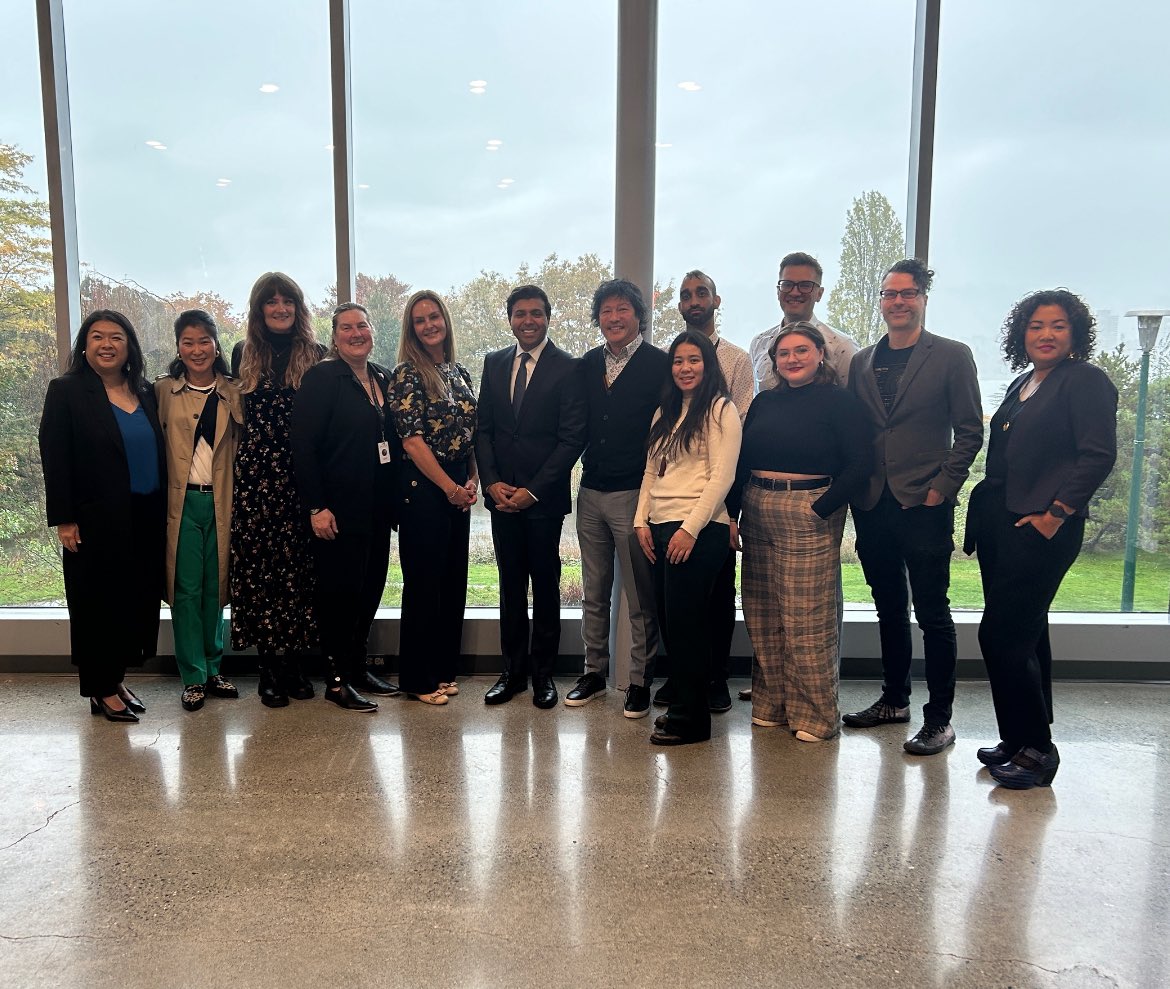
@SpaceCentreYVR is a unique #Vancouver institution where thousands of families & #Canadians can learn more about the wonders of science and 🪐.
That’s why today I was proud to announce we’re supporting upgrading this amazing place with $350,000.
1
1
8
761
6 Feb 2024
My first Op-Ed that was really a team effort from the team @sciencefairsbc. Would love to hear some feedback!
2 Feb 2024

Transforming Science Fairs: A Blueprint for Accessibility and Inclusivity | by @michaeljunger of @sciencefairsbc #bctech techcouver.com/2024/02/02/tr…
1
1
170
11 Jan 2024
What’s going on with Artemis? Join live to hear Marley and I with an update. 4pm PST link below!
11 Jan 2024

Ask our astronomer! Today!
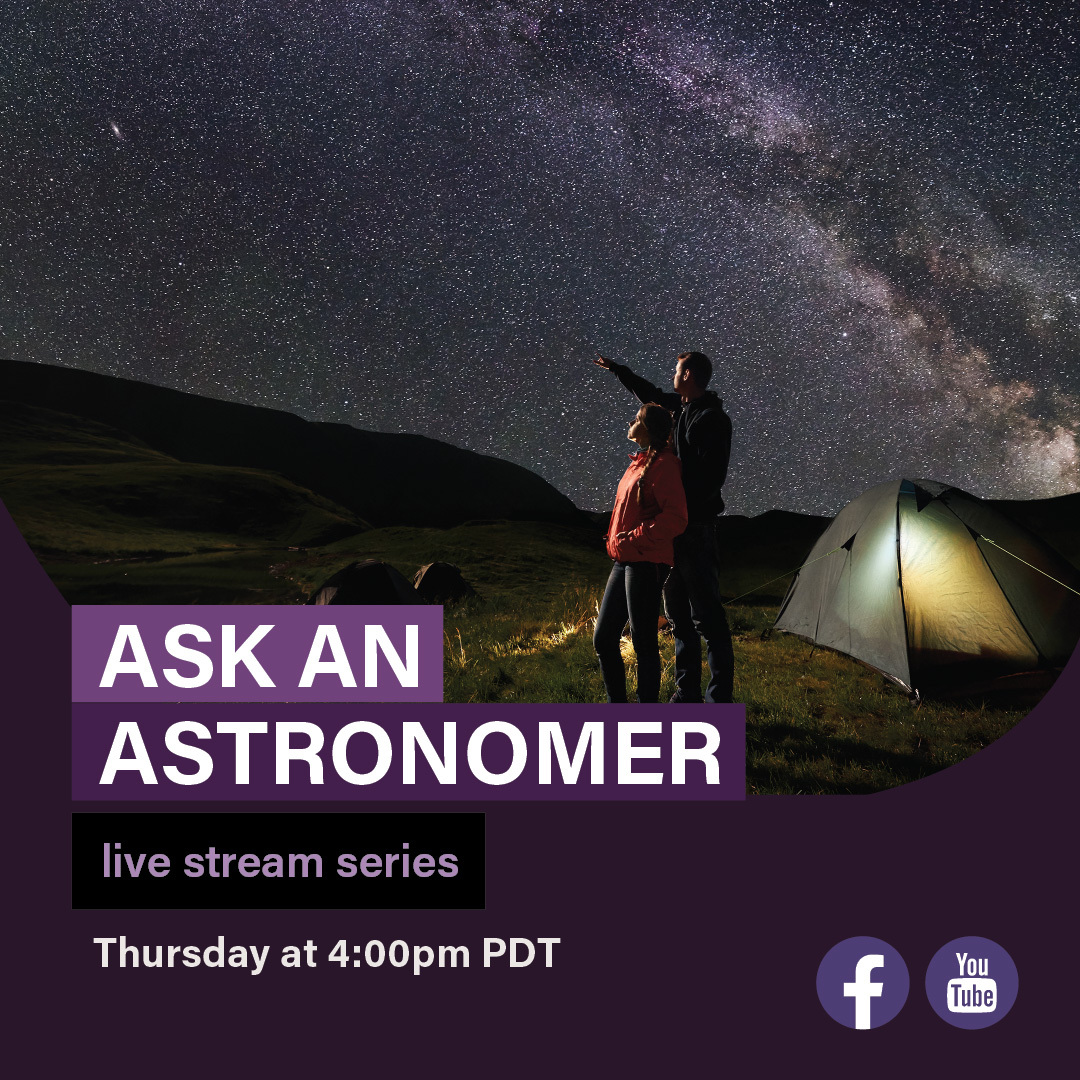
Join us for the next installment of our "Ask an Astronomer" live stream series on YouTube.
After a short presentation on current events in space news and astronomy there will be time to answer your questions.
Streaming Link: ow.ly/hIS550Qg4SK
1
145
14 Dec 2023
Excited to talk to Breanna about how she uses AI in her research!
14 Dec 2023
Join us for a live Q and A at 4:00pm on December 14th with special guest Breanna Crompvoets from the University of Victoria. Breanna's research focuses on how stars form, and what criteria need to be met to create a star.
YouTube: ow.ly/2GE850QaQQE
141
Michael John Unger retweeted

14 Nov 2023
Science is FUN! 👩🔬🔬
2023 Youth Innovation Showcase Judges, Paul Tiege and Breanna Crompvoets join the show to talk all things science on the latest episode!
Listen to wherever you get your podcasts.
1
1
81
Michael John Unger retweeted

3 Dec 2023
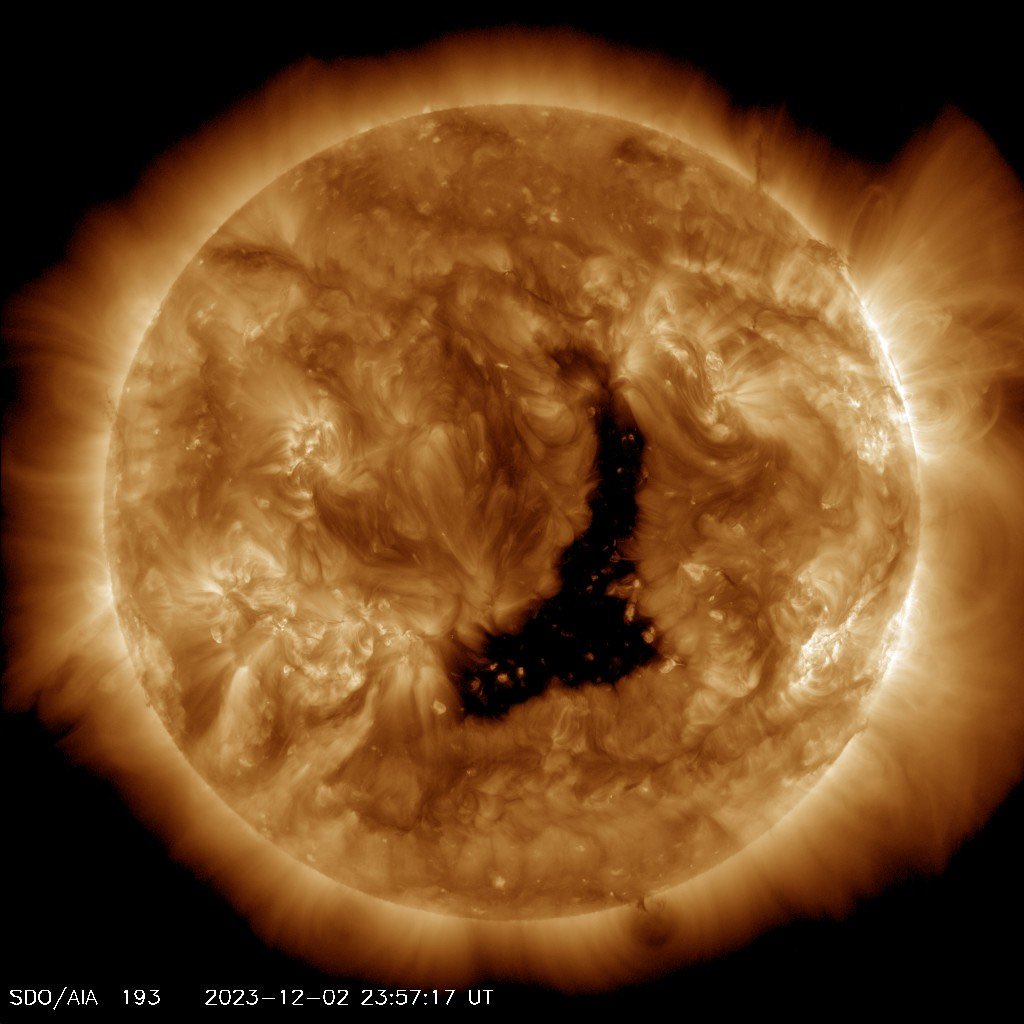
Guys, the Sun is NOT ok right now…💔
📸: @NASASolarSystem
Community note
This is a still of a coronal hole, which are spots that are cooler and less dense than the surrounding plasma. This is very common and are almost never a cause of concern. The Sun has had larger holes in the past with no problems.
swpc.noaa.gov/phenomena/coro…
nasa.gov/image-article/…
1,432
629
5,816
2,088,958
Michael John Unger retweeted
27 Nov 2023
FINALIST: Keanu Chan
PRecision Exospinal Constructive Innovative Stereotactic Evolution (PRECISE)
16-19 Age Category
PRecision Exospinal Constructive Innovative Stereotactic Evolution (PRECISE) was developed as a simple, low-cost, mobile stereotactic device.
1
1
53
22 Nov 2023
Be part of YIS by voting on the Audience Choice Award!
22 Nov 2023

Young Innovators all across BC have been working hard to find solutions to today's challenges.
With your votes, one project from each age category will win the title of People's Choice and receive a small cash prize!
Vote below: forms.office.com/pages/respo…
113
24 Oct 2023
So excited I finally got to talk to Ziad Sahid of @techyukon, lots of opportunities for young people up North!
24 Oct 2023
The passion for science and tech is in every corner of the country! 🔬❤️
On the latest episode of Let's Innovate, @michaeljunger is joined by Ziad Sahid of @techyukon
Listen to the full Let’s Innovate episode wherever you get your podcasts.
1
161
11 Oct 2023
And 2023! So many amazing projects this year. Can’t wait to share them with you all!
10 Oct 2023
What's the judging criteria for YIS 2022?
@michaeljunger breaks down the four categories for judging; creativity, communication, engagement and difficulty.
#STEM #STEMeducation #STEMforKids #STEMlearning #STEAM
2
131
Michael John Unger retweeted
29 Sep 2023
How do you communicate your project to different audiences?
@michaeljunger gives us a few tips on how to communicate with a group of people with all different levels of knowledge and experience!
#STEM #STEMeducation #STEMforKids #STEMlearning #STEAM
1
1
59
25 Sep 2023
Coming up on Tuesday, great way to start your Science Fair season!
21 Sep 2023
Have you heard of our Science Club?
Join @michaeljunger and Gerry Gourlay as they look to help you get started on your science fair project.
Visit the link provided to register for FREE today: eventbrite.ca/e/science-club…
#STEM #STEMeducation #STEMforKids
1
106
14 Sep 2023
So inspired by Andrei, have a listen to the latest Let’s Innovate wherever you get your podcasts!
14 Sep 2023
Challenges during your science fair project can be a rollercoaster. 🎢
Andre Marti, Platinum Award winner at @ysc_sjc joined the podcast to talk about his personal project on diabetes.
#stem #stemproject #stemeducation #diabetes
1
105
28 Aug 2023
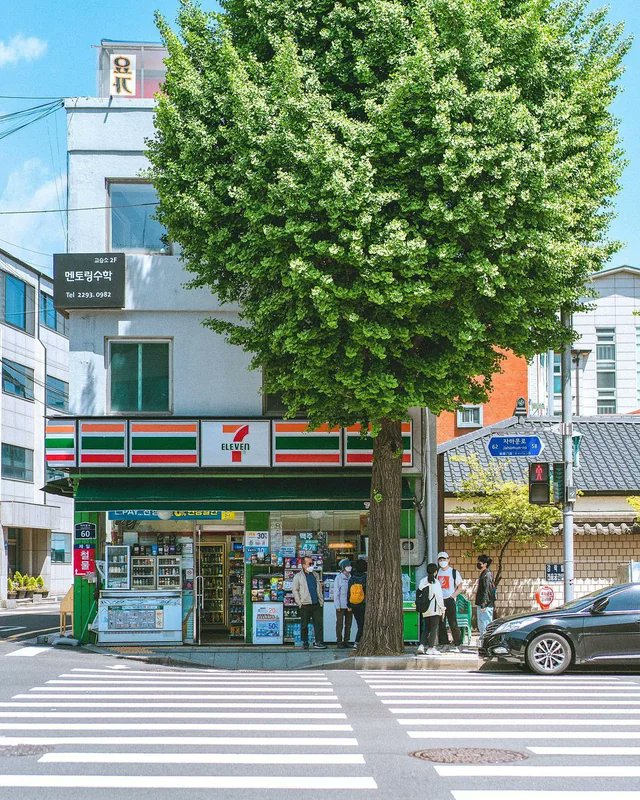
Light pollution! I hadn’t really considered that as a benefit to urban trees. I wish the tree outside my apartment wasn’t cut down, it gave me such wondrous shade.
28 Aug 2023

12 Reasons Why Cities Need More Trees:
1. Temperature Control
One large tree is equivalent to 10 air conditioning units, and the shade they provide can reduce street temperature by more than 30%.
2. Noise Reduction
Trees can reduce loudness by up to 50%. In urban areas filled with the sound of cars, construction, sirens, aeroplanes, and music, trees are essentially the best way to block noise and keep cities — along with the homes and workplaces in them — quieter.
3. Air Purity
Trees remove an astonishing amount of harmful pollutants and toxins from the air. In urban areas air quality is often disastrously bad — with severe consequences for our health. Trees make the air we breathe much cleaner.
4. Oxygen
And, while absorbing all those pollutants, trees also put more oxygen back into the urban environment. Oxygen levels are significantly lower in cities compared to the countryside; trees help to solve that problem.
5. Water Management
Trees do more than just shelter us and our buildings from rain — which is, in fact, extremely important. They also absorb huge quantities of water, reduce run-off, neutralise the severity of flooding, and make flooding more unlikely altogether. Not to forget that their roots absorb pollutants and prevent them from feeding back into a city's water supply.
6. Psychological Health
Studies have proven what we instinctively know to be true: that human beings are significantly happier when surrounded by nature rather than sterile urban environments. Our emotions, behaviour, and thoughts are shaped by the places we spend time — and trees have a profoundly positive effect on our psychology. The consequential benefits of being happier and more peaceful — as individuals and as a society — are immense.
7. Physical Health
Beyond all the other ways in which trees improve air quality and the urban environment, much to the benefit of our health, they also encourage people to go outside. Cycling, running, and walking are all more common in urban areas with plenty of trees. A knock-on effect of people spending more time outdoors is also social integration and stronger communities.
8. Privacy
A simple point, but not inconsequential, is that trees provide privacy.
9. Economics
The total economic benefit of urban trees is hard to calculate. There are costs, of course, including the repair of infrastructure damaged by roots and maintaining the trees themselves. But the total economic benefit — a consequence of everything else in this list and more — far outweighs the expenditure. Trees make cities wealthier.
10. Wildlife
Trees are miniature cities all of their own, serving as a habitat for hundreds of different species, including birds and mammals and insects.
11. Light Pollution
Trees don't only block the light shining down, therefore keeping us and our cities cooler — they also disrupt light shining up, from street lighting, cars, houses, and billboards. Skies are clearer in cities with more trees.
12. Aesthetics
And, finally, trees are beautiful. They break up the potential monotony of urban environments — the sharp geometry, the greyscale roads and buildings, the endless rows of cars — with their trunks, boughs, canopies, and flowers.
Just think: the gold and red of falling leaves in autumn, the white and pink blossom of spring, the vast green canopies of summer, and the branches lined with hoar-frost in winter. Every single tree is a myriad of intricacy and texture, of colour and scent, of dappled light on the pavement, mottled bark, knotted roots, of clustered leaves and delicate petals and stern boughs.
Few streets would not be improved by the kaleidoscopic aesthetic delights of a tree, not to mention the many different species of tree, all over the world, whether willow, oak, lime, cherry, aspen, maple, birch, horse chestnut, dogwood, hornbeam, ash, sycamore... the list goes on.
There are some drawbacks to urban trees, most of them context-specific, and they are not — of course — universally appropriate. But it seems fair to say that many cities would benefit from at least a few more trees here and there.
2
250