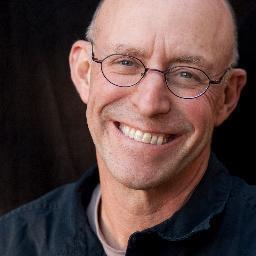
Author of A World Appears; This is Your Mind on Plants; How to Change Your Mind; Cooked; In Defense of Food; The Omnivore’s Dilemma, and The Botany of Desire.
Joined March 2009
- Tweets 12,766
- Following 796
- Followers 540,547
- Likes 344
79 Photos and videos
Michael Pollan retweeted

Jun 12
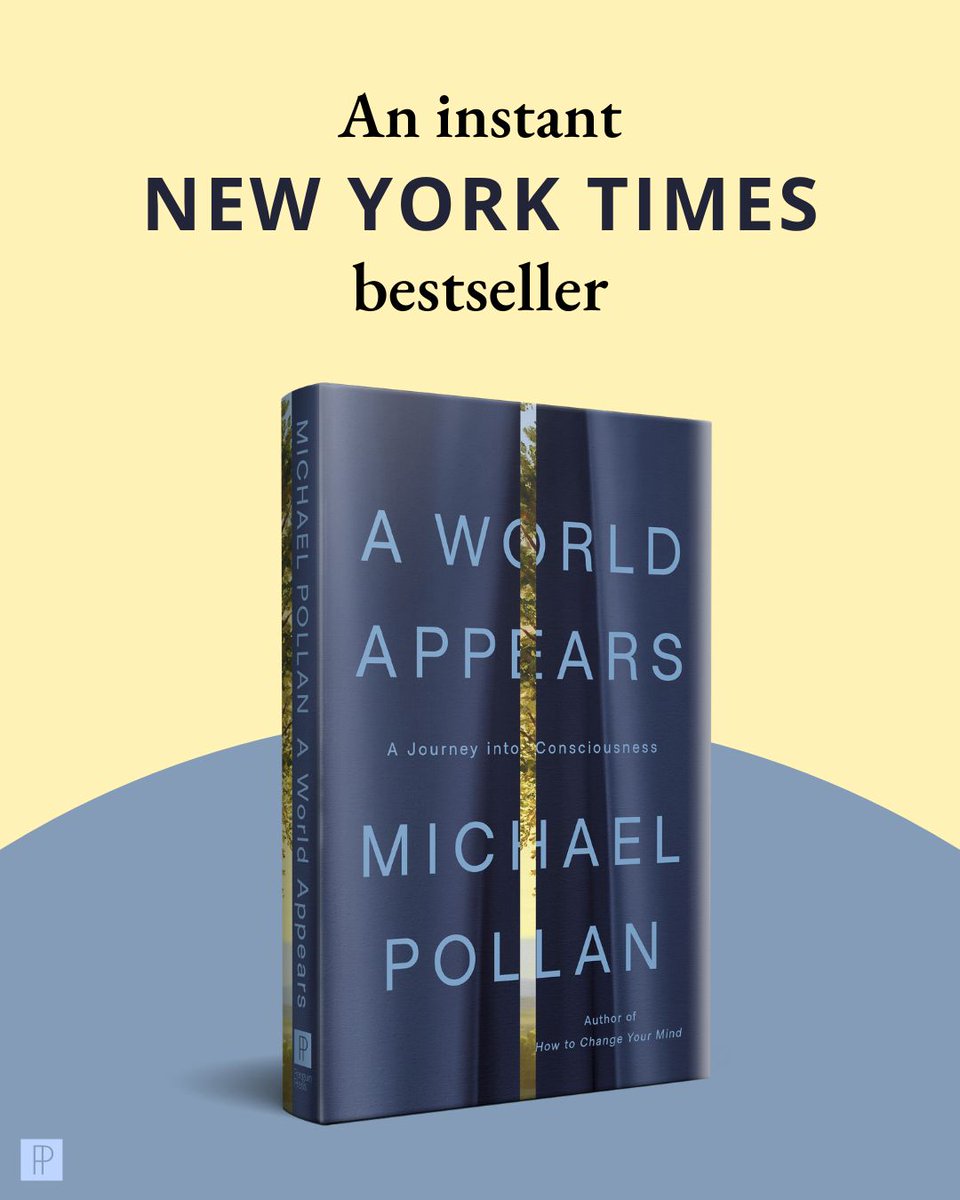
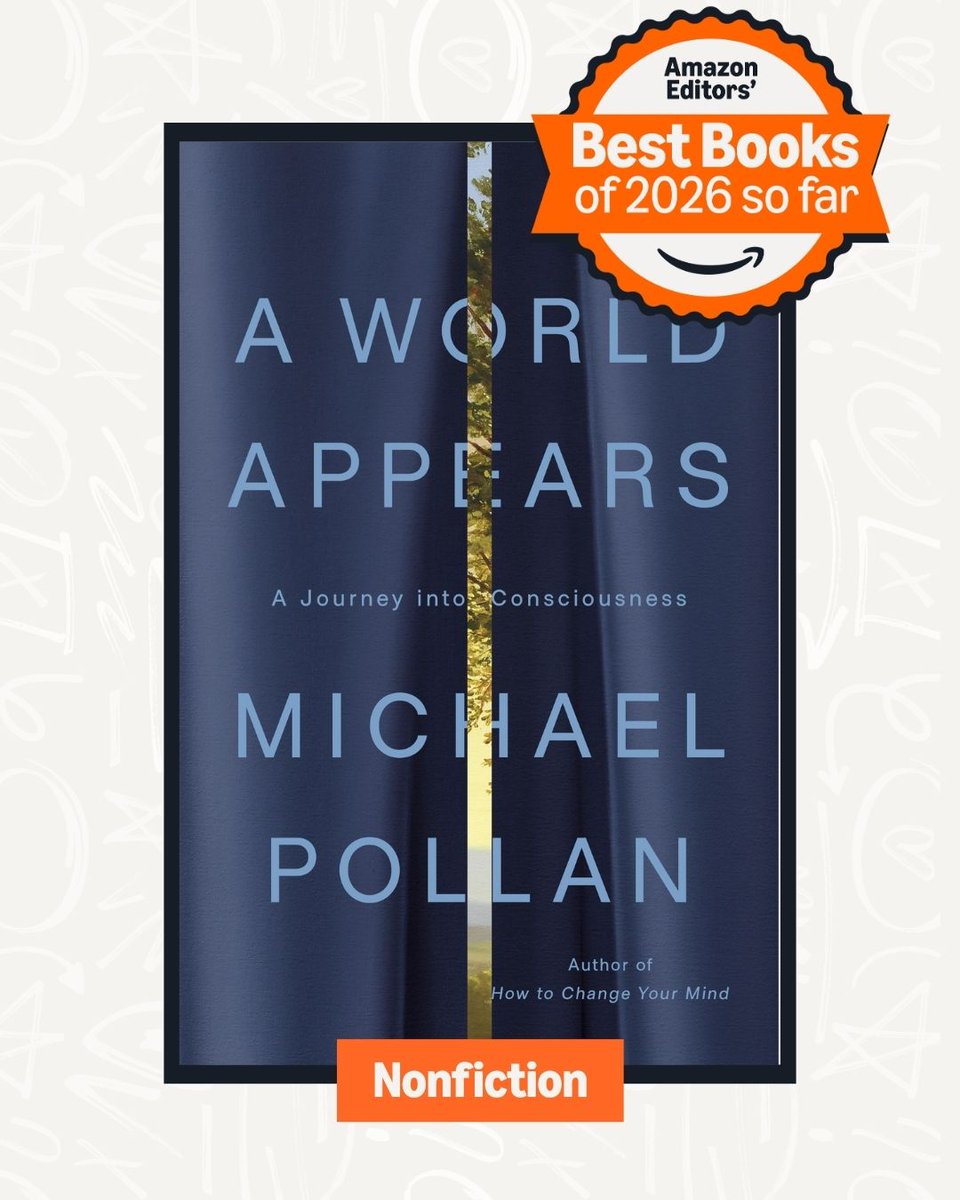
Congratulations to @michaelpollan on his newest book, A World Appears, being chosen as a Best Book of the Year So Far by @amazonbooks. View the full list: amazon.com/amazonbookreview?…
4
13
2,890

Jun 12
This week's Microdose: An Amanita mushroom poisoning outbreak in California; A case report testing psilocybin for advanced Alzheimer’s disease themicrodose.substack.com/p/…
3
14
3,029
Michael Pollan retweeted

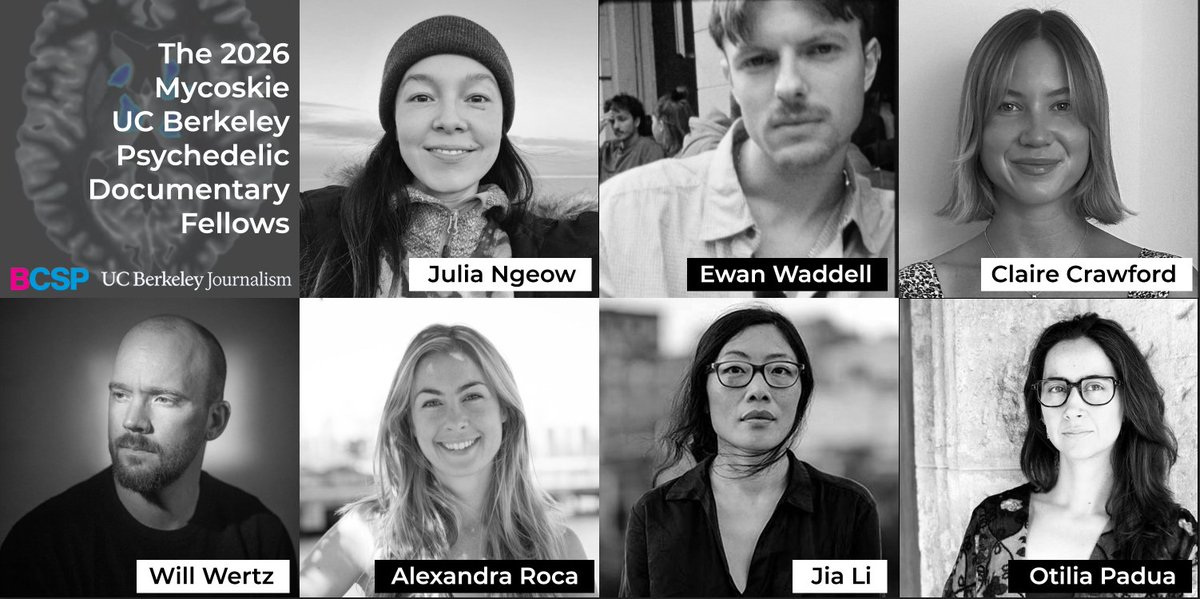
The research Michael Silver and his lab are doing at @UCBerkeley not only has the potential to help us better understand the human mind and consciousness, but also to transform the treatment of certain mental illnesses.
In this video, he explains in 101 seconds:
4
9
30
4,231
Michael Pollan retweeted

A short video of a gorilla named Kiyomasa from a Japanese zoo has gone viral after the primate was filmed appearing to brood deeply following what zoo officials described as a disagreement with a female companion.
131
293
1,955
107,284
Michael Pollan retweeted

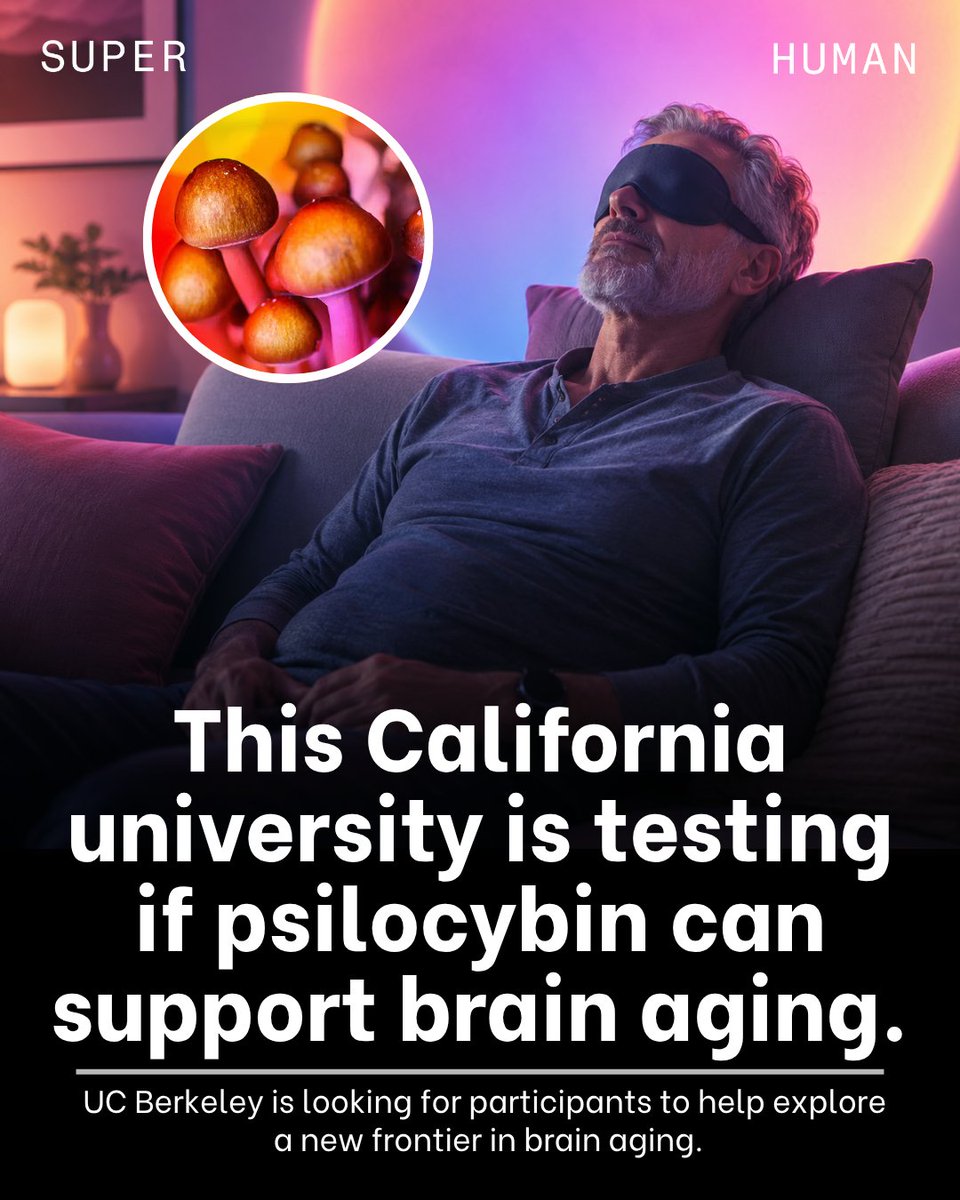
Longevity science is starting to ask a deeper question:
What if aging well is about more than keeping the body alive longer?
UC Berkeley’s new study is looking at the aging brain through the lens of plasticity, memory, emotion, perception, and overall well-being.
The focus is healthy older adults.
So much of aging research begins after something has already gone wrong: memory loss, cognitive decline, disease, or diagnosis.
This study is more proactive.
It looks at whether the brain later in life may still have more room to adapt, reorganize, and stay flexible than we usually assume.
Researchers will use MRI scans and follow-up assessments to look for measurable changes in brain structure, brain activity, emotional regulation, social connection, awe, and stress recovery.
That makes this less about “anti-aging” in the shallow sense and more about successful aging.
Can the brain remain open to change?
Can older adults maintain deeper emotional resilience?
Can science better understand the biology of aging well before decline begins?
That may be one of the most important questions in longevity.
Because living longer only matters if the mind, memory, and sense of connection can come with us.
3
10
58
6,598
Jun 8
The Unexpected Impact of Glyphosate on the Microbiome | Psychology Today psychologytoday.com/us/blog/…
5
15
50
7,005

Demis Hassabis just handed the future of civilization to the philosophers.
Not more engineers. Not more compute. Not more code.
A direct call to arms for the humanities.
Hassabis: “It’s very urgent that we really think about the second-order consequences. Many of you in the humanities subjects, it’s now your time in my opinion.”
The CEO of Google DeepMind. The man further down the road of artificial intelligence than almost anyone alive.
And he’s saying the next chapter doesn’t belong to him.
He laid out the exact sequence of what comes next.
First, get the technology right.
Then, rewrite the economics.
Then, face the philosophical questions about the human condition.
That third layer is where everything changes.
Because we’ve spent all of recorded history defining ourselves by what we can do. Think. Build. Solve. Create.
Intelligence was the currency. The differentiator. The thing that separated us from everything else on this planet.
And we’re about to make it abundant.
When the thing you built your entire identity around becomes something a machine does better, faster, and for free…
You don’t have a technology problem.
You have a mirror.
And the mirror is asking one question.
What are you without the doing?
Most people look at that question and see obsolescence.
Hassabis sees elevation.
Hassabis: “I’m very optimistic that we’re gonna get this right. I’m a big believer in human ingenuity, especially when the pressure’s on.”
This is not a warning about the end of the world.
It’s an invitation to build a better one.
For a century, society pushed the humanities to the margins. We prioritized the mechanics of survival over the philosophy of living.
That era is over.
When artificial intelligence automates the mechanics of survival, philosophy ceases to be a theoretical luxury.
It becomes the most critical applied science on Earth.
Algorithms cannot calculate what constitutes a virtuous life. Code cannot assign meaning.
The technologists are about to hand us infinite leverage. But infinite leverage without human direction is just chaos.
Hassabis: “Humanity has always figured it out when the chips are down. And they are now.”
The chips are down.
But that’s exactly where this species does its best work.
We spent ten thousand years building a machine that could lift the burden of basic survival.
We succeeded.
Now we finally get to figure out what it actually means to be alive.
48
60
230
27,025
Jun 8
How food became a right-wing m… - Forked, presented by REAP/SOW - Apple Podcasts podcasts.apple.com/us/podcas…
1
4
2,018
Jun 8
In a changing GOP, a Republican blasted Big Agriculture and beat a Trump-backed candidate washingtonpost.com/health/20…
2
1
5
2,650
Jun 8
Human intelligence will win out over artificial intelligence washingtonpost.com/opinions/…
3
4
21
4,886
Jun 3
The cult of objectivity has broken consciousness science | Michael Pollan » IAI TV iai.tv/articles/the-cult-of-…
4
14
36
4,873
Jun 3
This is a big deal for MAHA and the farm vote: Zach Lahn wins Republican nomination for Iowa governor | Iowa Public Radio iowapublicradio.org/politica…
2
4
36
7,484
Jun 1
(55) Who gets psychedelic access? 5 Questions with author and mycophile Maria Pinto themicrodose.substack.com/p/…
2
12
3,556
Michael Pollan retweeted
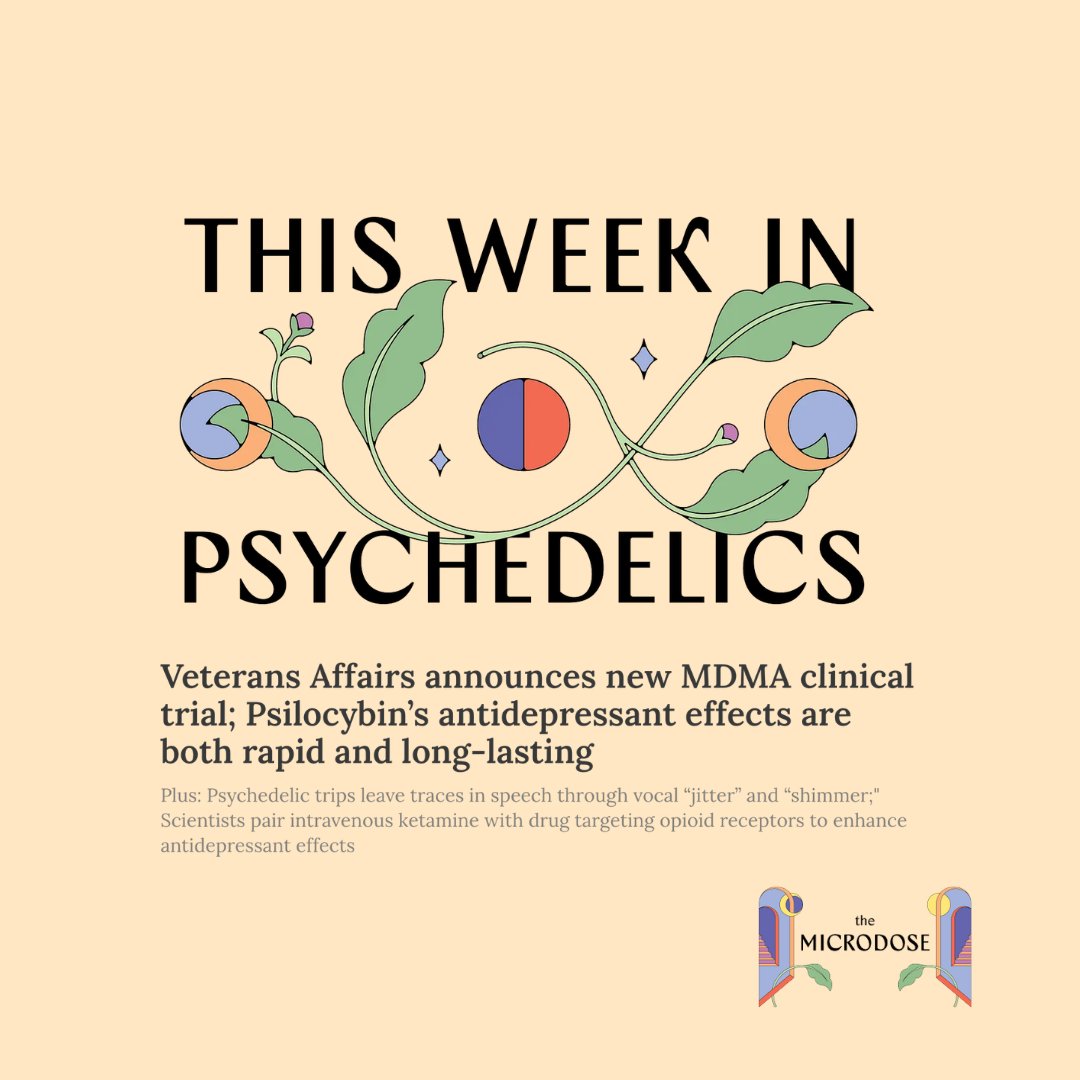
On Tuesday, Veterans Affairs announced a new MDMA clinical trial.
Plus, a small trial shows psilocybin’s antidepressant effects are both rapid and long-lasting.
Get the latest news in psychedelics on The Microdose: bit.ly/4e02QQO
1
12
26
3,902
May 30
Important piece from Nick Kristoff | What the Meat Industry Doesn’t Want You to Know - The New York Times nytimes.com/2026/05/30/opini…
6
65
193
13,658
May 29
Interesedt in plant intelligence and sentience? Check out SILENT FRIEND, in theaters this weekend | Official Trailer | A Film by Ildikó Enyedi | with Tony Leung Chiu-wai, Léa Seydoux - YouTube youtube.com/watch?v=TaRZnpAm…
1
9
24
7,843
May 29
Veterans Affairs announces new MDMA clinical trial; Psilocybin’s antidepressant effects are both rapid and long-lasting themicrodose.substack.com/p/…
2
5
32
4,543